Spain · Euskal Autonomia Erkidegoa
Where to Stay in Donostia / San Sebastián, Euskal Autonomia Erkidegoa
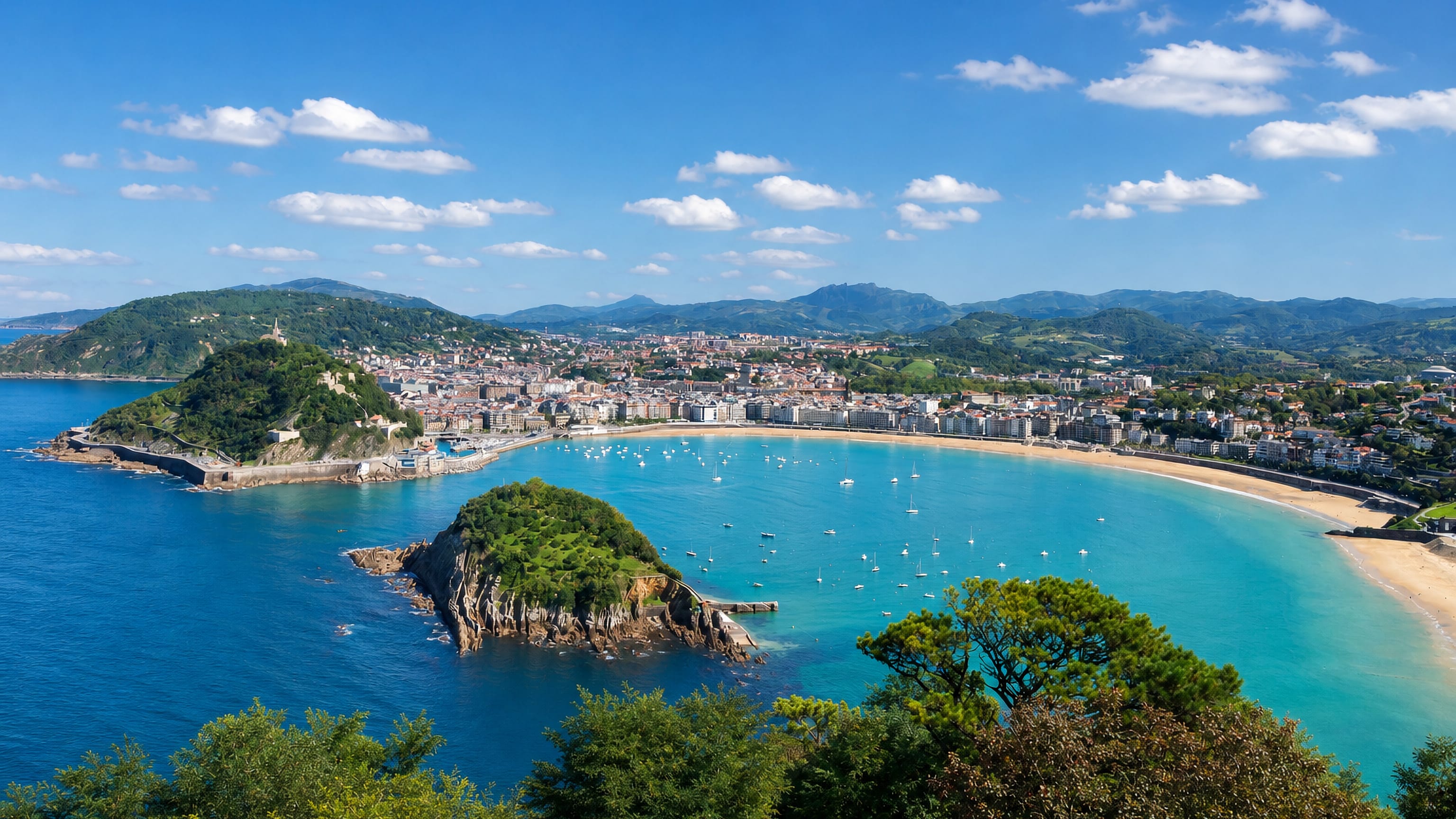
Waves land between the churches at San Sebastián, a Basque city on the Bay of Biscay, called Donostia by its own people.
Hotel links are affiliate links: booking through them may earn us a commission, at no extra cost to you. It never affects how places are ranked. How this works


Where to stay in Donostia / San Sebastián
Each area has its own feel; here's who each one suits.

 Donostia / San SebastiánSpainLonger stays away from the visitor streets
Intxaurrondo
A plainer residential side of San Sebastián that still has the Intxaurrondo Haundi baserria standing in itIntxaurrondo → Donostia / San SebastiánSpain
Egia
Egia is a neighbourhood of Donostia / San Sebastián, within reach of the streets where San Telmo Museoa and plaza de la Constitución stand.Where to stay → Donostia / San SebastiánSpain
Morlans
Morlans is a neighbourhood of Donostia / San Sebastián marked by the Church of Carmelite Fathers and a monument to Queen María Cristina.Where to stay →Donostia / San SebastiánSpainAiete
Aiete is the hill quarter of Donostia / San Sebastián, strung along the paseo de Aiete, the old cart road to Hernani, named for the Palacio de Aiete.Where to stay →Donostia / San SebastiánSpainAtegorrieta
Ategorrieta is a neighbourhood of Donostia / San Sebastián, named with Ulía as a single quarter and holding the roca de los balleneros.Where to stay →Donostia / San SebastiánSpainLugaritz
Lugaritz is a district of Donostia / San Sebastián, filed in the record under the label Lugaritz Kultur Etxeko Liburutegia.Where to stay →Donostia / San SebastiánSpainOndarreta
Ondarreta is a shore neighbourhood of Donostia / San Sebastián, named for the beach that fills it and closed off by Monte Igueldo.Where to stay →Donostia / San SebastiánSpainMartutene
Martutene sits south of Donostia / San Sebastián on the Urumea, an industrial neighbourhood between Loiola and the village of Astigarraga.Where to stay →Donostia / San SebastiánSpainBidebieta
Bidebieta is a 1960s barrio of San Sebastián, on the eastern outskirts, grouped with Miracruz in the Este district. Pasajes lies beyond it.Where to stay → Donostia / San SebastiánSpain
Ibaeta
Ibaeta is one of the seventeen barrios San Sebastián has had since 2003, on the city's west side. Rural ground still runs along its southeastern edge.Where to stay →Hotel links are affiliate links: booking through them may earn us a commission, at no extra cost to you. It never affects how places are ranked. How this works
Find hotels in Donostia / San Sebastián
Direct booking searches for these neighbourhoods.
Plaza de la Constitución and the old streets
The square itself, with the Basilica of Saint Mary of the Chorus and the San Sebastián town hall a few doorways awayFind hotels in Plaza de la Constitución and the old streetsSwimmers and surfers who want the sand before breakfastThe beach front
The in-city beach that the historical buildings and churches stand directly behindFind hotels in The beach frontQuiet nights and a climb homeMonte Igueldo
The Torreón del Monte Igueldo and the Montaña Suiza at the top, with the sea in the window instead of the streetFind hotels in Monte IgueldoTrips built around a fixture at the Velódromo de AnoetaAnoeta
The sporting side of San Sebastián, where the calendar is set by what is on the trackFind hotels in AnoetaHotel links are affiliate links: booking through them may earn us a commission, at no extra cost to you. It never affects how places are ranked. How this works
Things to do in Donostia / San Sebastián
Ranked by global recognition; descriptions from Wikidata (CC0).
Museums & Galleries
3- San Telmo Museoa Heritage
- Aquarium de Donostia-San Sebastián
- Jokoenea
Churches & Religious Sites
3- Basilica of Saint Mary of the Chorus Heritage
- Church of San Bizente Martiria-San Vicente Mártir, Donostia-San Sebastián Heritage
- Church of San Ignacio de Loyola, San Sebastián
Castles & Historic Sites
4- plaza de la Constitución (Plaza Nueva de San Sebastián) Heritage
- San Sebastián town hall Heritage
- Motako Gaztelua-Castillo de la Mota Heritage
- Intxaurrondo Haundi baserria Heritage
Stadiums & Sports
1- Velódromo de Anoeta
Landmarks & Notable Places
4- Montaña Suiza Heritage
- Satrustegi Tower, Donostia-San Sebastián Heritage
- Torreón del Monte Igueldo Heritage
- Valentzia house, Donostia-San Sebastian Heritage
worth knowingacross 5 categories in Donostia / San Sebastián
About Donostia / San Sebastián
San Sebastián put its beach in the middle of itself.
What is Donostia / San Sebastián known for?
Historical buildings and churches stand at the sand, swimmers and surfers share the same water, and that arrangement is what the Basque city is known for outside the Basque Country. Basque is spoken here beside Spanish. People call themselves donostiarra in both languages, and the old streets around the plaza de la Constitución, the Basilica of Saint Mary of the Chorus and the San Sebastián town hall are where the two are heard together.
San Telmo Museoa keeps the record indoors.
What are the main landmarks in Donostia / San Sebastián?
San Sebastián builds close to the water. The plaza de la Constitución sits in the old streets, the Basilica of Saint Mary of the Chorus and the Church of San Ignacio de Loyola hold the church side, and the San Sebastián town hall carries the civic one. Motako Gaztelua-Castillo de la Mota is the fortification.
San Telmo Museoa, the Museo Marítimo Vasco and the roca de los balleneros between them hold the Basque, maritime and whaling record.
What is the history of Donostia / San Sebastián?
San Sebastián was established in 1180. It grew as a defended coastal town on the Bay of Biscay, and Motako Gaztelua-Castillo de la Mota is the fortification that outlasted its own purpose. The sea paid for it.
The roca de los balleneros carries the whalers in its name, and the Museo Marítimo Vasco holds the record of a coast that lived by boats long before it lived by visitors. Basque was the language of that work, and it still is: donostiarra is what people call themselves, in Spanish as much as in Basque. Building followed money.
The Basilica of Saint Mary of the Chorus, the Iglesia de San Sebastián and the Church of San Ignacio de Loyola mark the church centuries, while the Satrustegi Tower and the Valentzia house survive from the private ones. A queen's name enters the record too, on the Monumento a la reina María Cristina. The town's later fame came from a beach in the middle of it, and the historical buildings and churches that stand at the sand still make the point.
The Filmoteca vasca and San Telmo Museoa keep the Basque cultural record now.
Where is Donostia / San Sebastián?
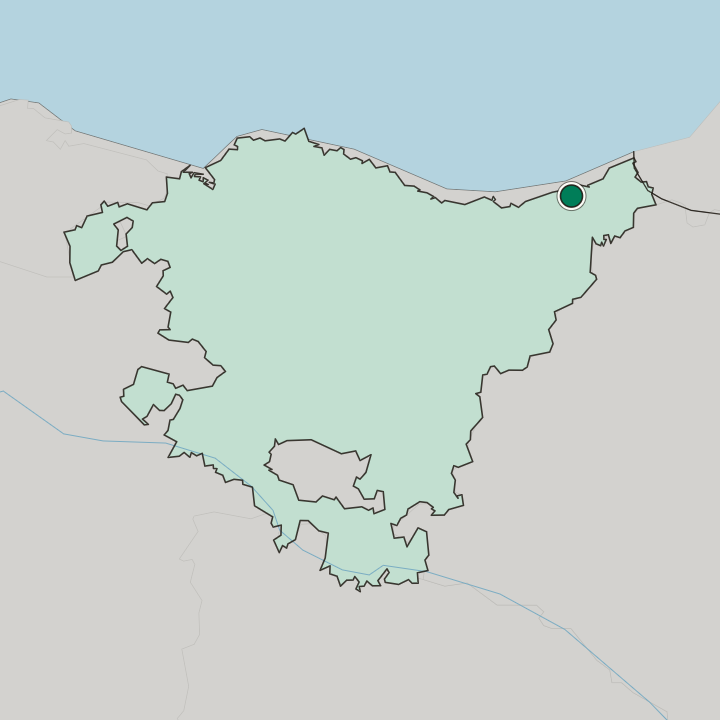
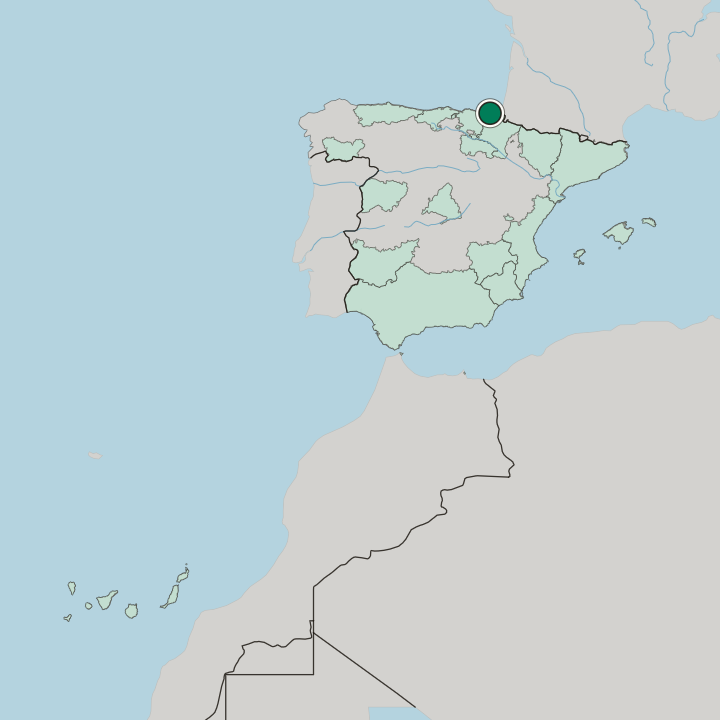
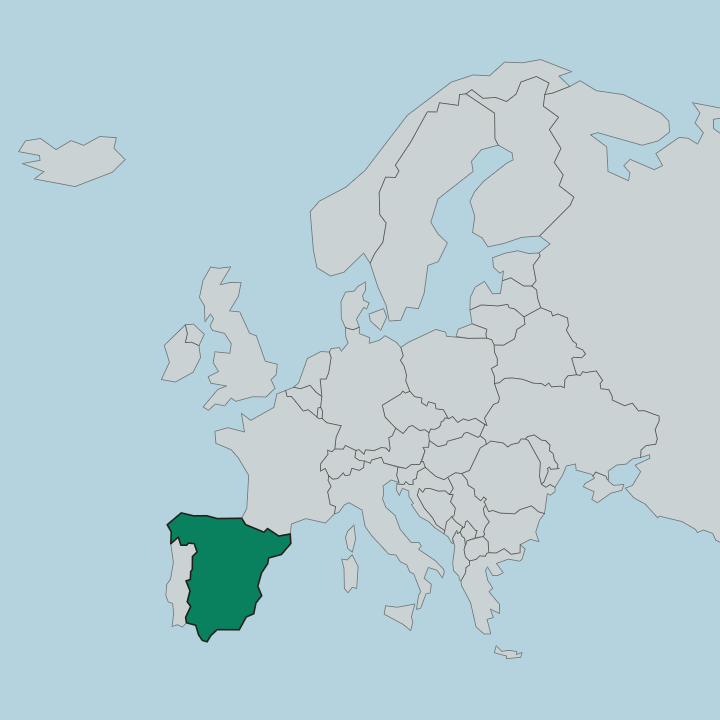
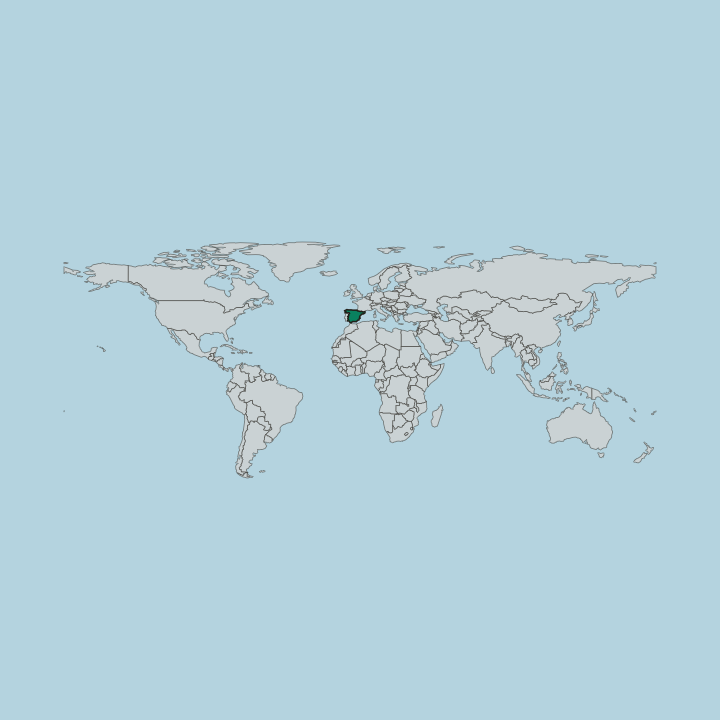
San Sebastián stands on the Bay of Biscay coast, in the Basque Autonomous Community of Spain. The French border lies about twenty kilometres off, close enough that San Sebastián makes one half of the Basque Eurocity Bayonne-San Sebastián. It is the capital of Gipuzkoa.
Monte Igueldo closes one side of the built-up ground, and between it and the water the beach and the old streets lie low enough that a storm makes itself heard everywhere in the city.
What is the climate of Donostia / San Sebastián?
San Sebastián takes its weather from the Bay of Biscay. Atlantic air comes ashore all year, which keeps the summers short of scorching and the winters short of hard, and keeps the coast green. Rain is part of the deal.
Swimmers get their season, surfers get the rest of the year, and the Aquarium de Donostia-San Sebastián makes a fair wet-afternoon substitute for both.
How do you get to Donostia / San Sebastián?
San Sebastián sits twenty kilometres short of the French border. That puts it inside the Basque Eurocity Bayonne-San Sebastián, a cross-border arrangement that treats the two cities as one urban area. Gipuzkoa sends its own traffic in, since San Sebastián is the province's capital.
Inside the city, wheels stop mattering. The beach, the plaza de la Constitución and the San Sebastián town hall are all within a walk, and Monte Igueldo is the only address that asks for a climb.
Common questions
What is the best area to stay in Donostia / San Sebastián?
Plaza de la Constitución and the old streets: Late evenings under the balconies of the old square. The beach front: Swimmers and surfers who want the sand before breakfast. Monte Igueldo: Quiet nights and a climb home. Anoeta: Trips built around a fixture at the Velódromo de Anoeta. Intxaurrondo: Longer stays away from the visitor streets.
Good for
More cities in Euskal Autonomia Erkidegoa
Updated October 2026