Finland
Åland, Finland — Towns & Travel Guide
Åland is a Swedish-speaking autonomous region of Finland, an archipelago in the Baltic Sea with Mariehamn as its capital.
Find your area →


Towns & cities in Åland
Pick a town or city — each links to where to stay.
 Finland
Mariehamn
Mariehamn is the capital of Åland, the autonomous archipelago in the Baltic Sea, and the seat of its parliament.Where to stay →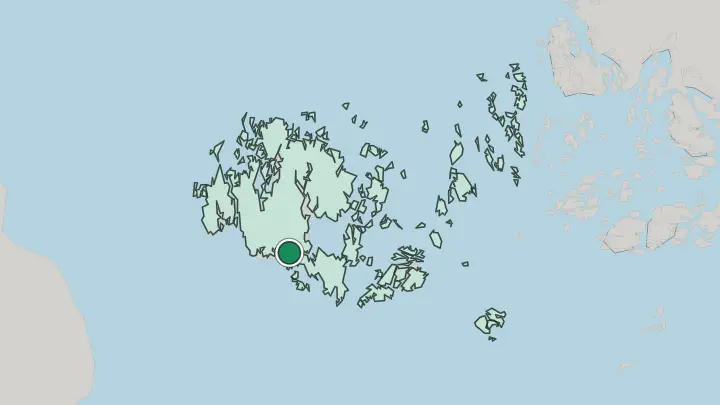
 Finland
Jomala
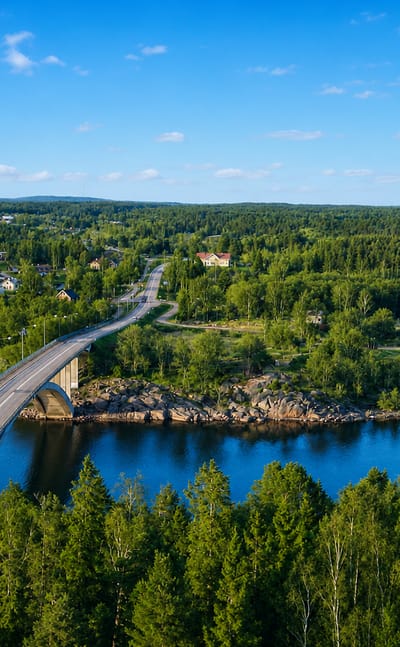
Jomala is the largest municipality of the Åland Islands after Mariehamn, wrapping the capital on the Baltic Sea.Where to stay →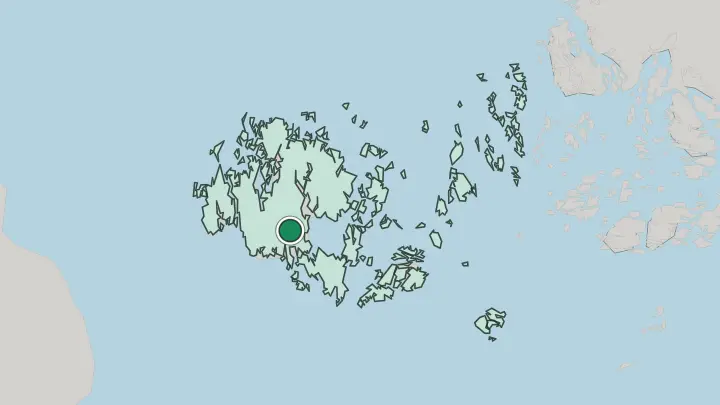
 Finland
Finström
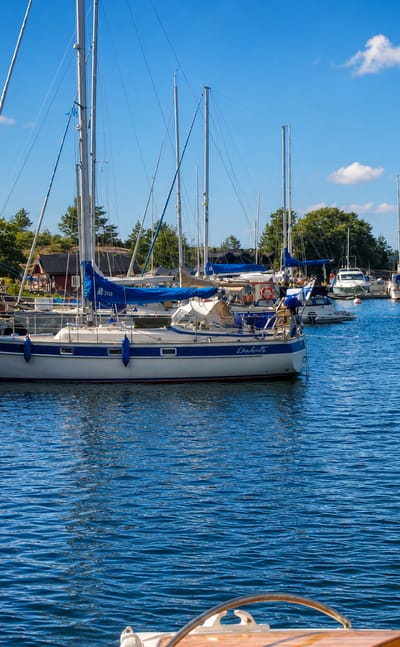
Finström is a Swedish-speaking municipality in central Åland, a Baltic Sea parish built around the medieval Finströms kyrka.Where to stay →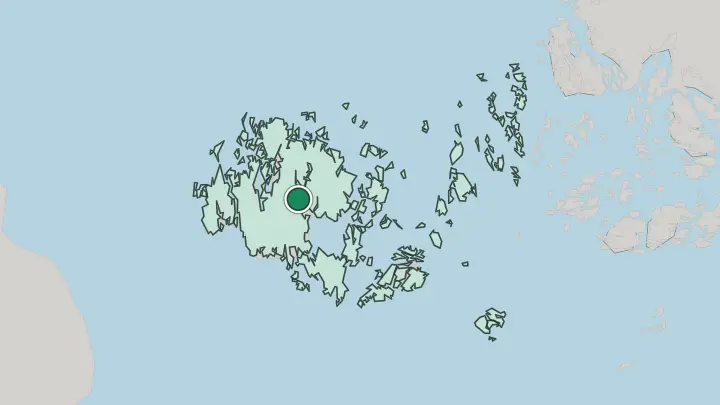
 Finland
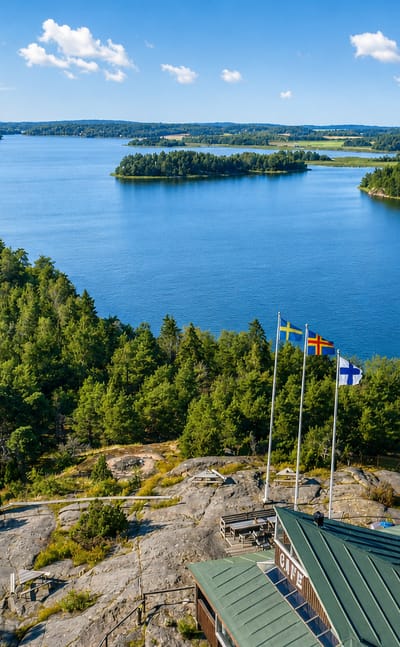
Lemland
Lemland is a coastal municipality of the Åland Islands, spread over an island and a bridged chain in the Baltic Sea.Where to stay →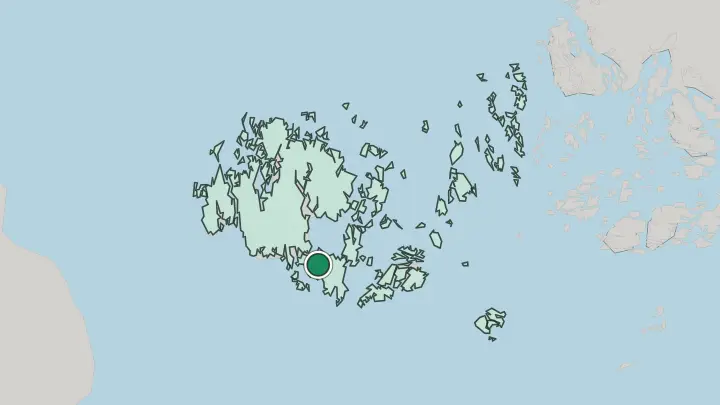
 Finland
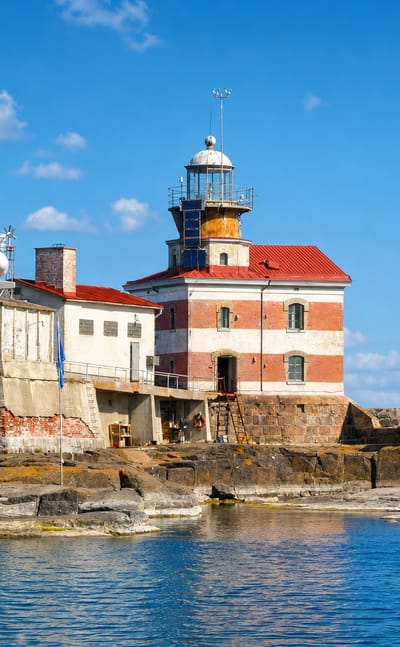
Saltvik
Saltvik is a rural parish in northern Åland, the autonomous archipelago in the Baltic Sea, and its largest municipality by land.Where to stay →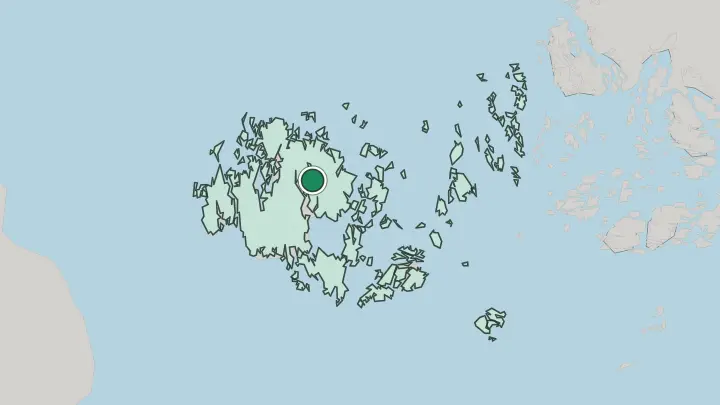
 Finland
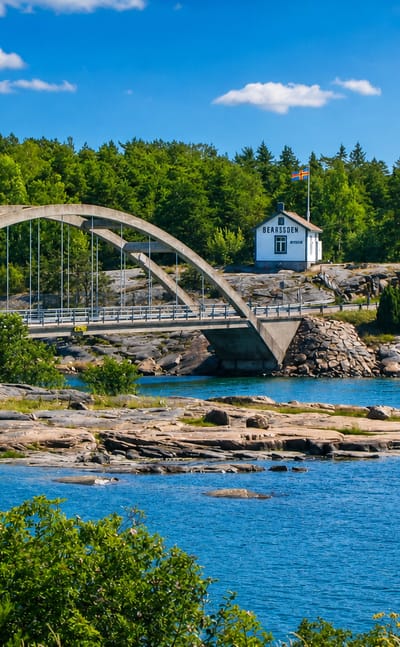
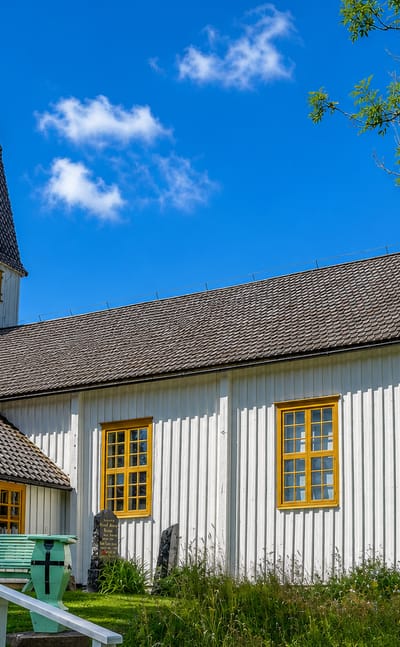
Hammarland
Hammarland is a rural municipality on the western Åland Islands, its medieval church standing inland from the Baltic Sea.Where to stay →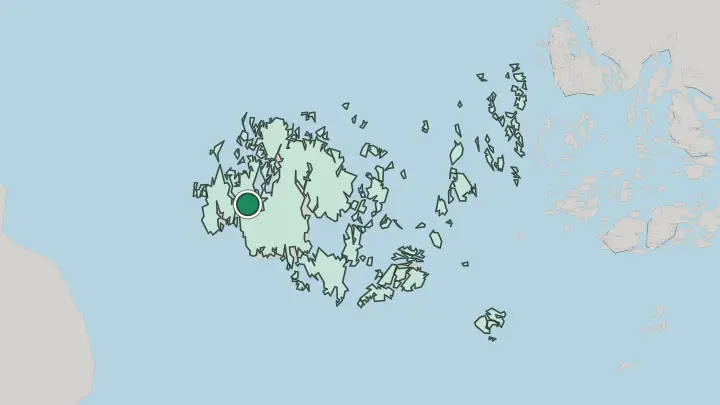
 Finland
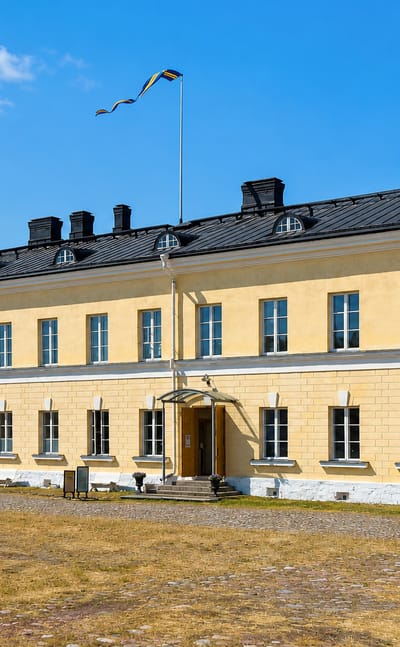
Sund
Sund is a municipality on mainland Åland, the autonomous archipelago in the Baltic Sea, holding two of its great sights.Where to stay →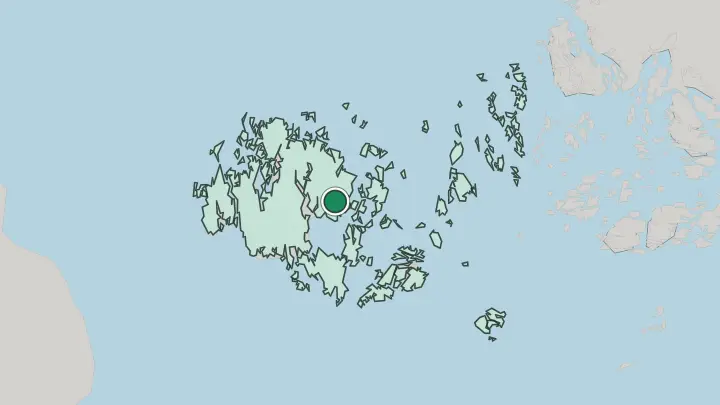
 Finland
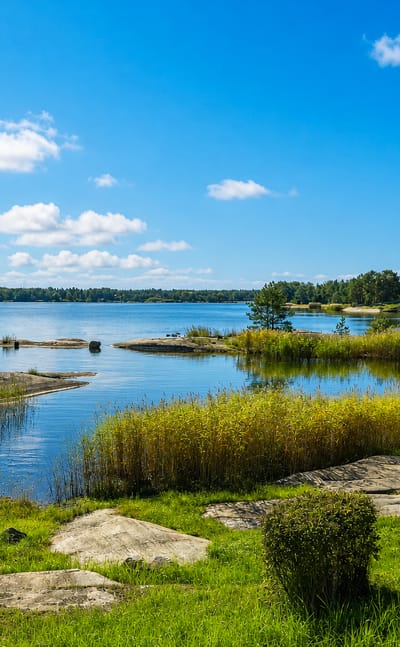
Eckerö
Eckerö is a Swedish-speaking municipality at the western edge of Åland, a Baltic Sea parish gathered around Eckerö kyrka.Where to stay →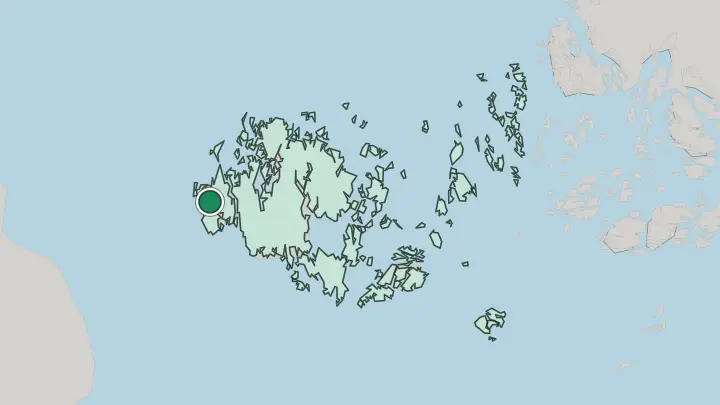
All towns & cities (16)
 Finland
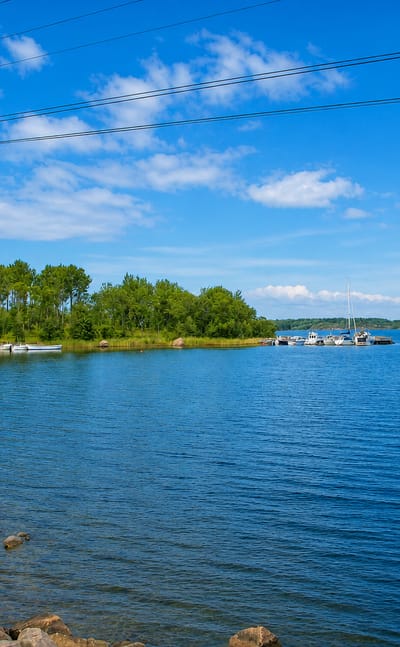
Föglö
Föglö is a scattered island municipality in the Åland Islands, its ferry harbour and church reached across the Baltic Sea.Where to stay →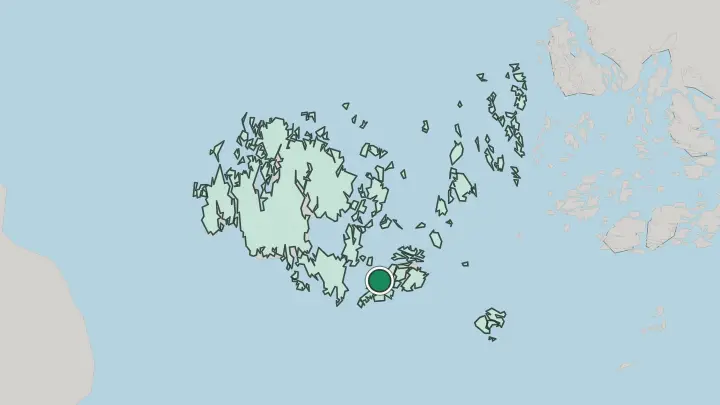
 Finland
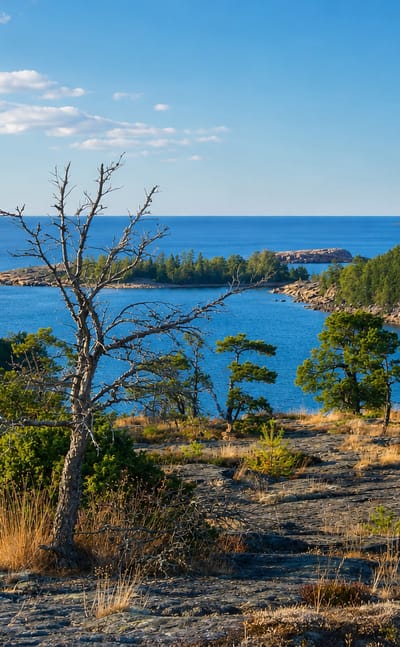
Brändö
Brändö is a Swedish-speaking island municipality in Åland, scattered across the outer Baltic Sea archipelago around Brändön kirkko.Where to stay →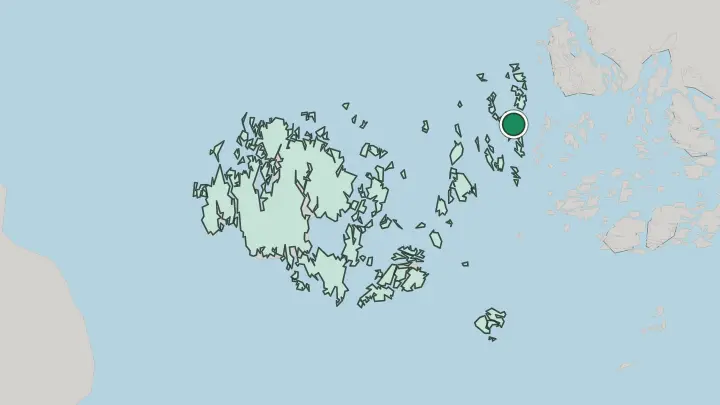
 Finland
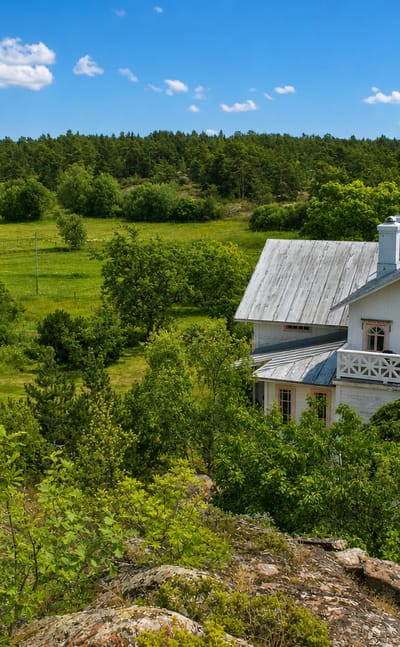
Geta
Geta is a small municipality at the northern edge of the Åland Islands, its parish church set above the Baltic Sea.Where to stay →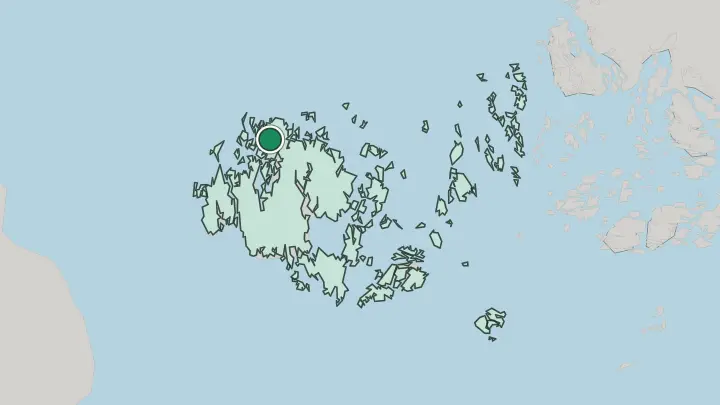
 Finland
Vårdö
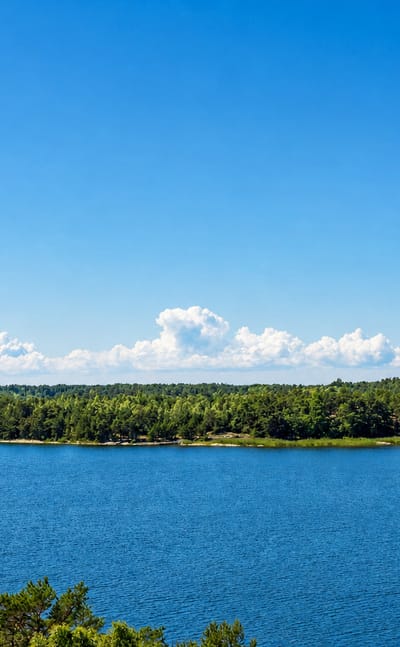
Vårdö is an island municipality of the Åland Islands, on the old archipelago route between mainland Åland and mainland Finland.Where to stay →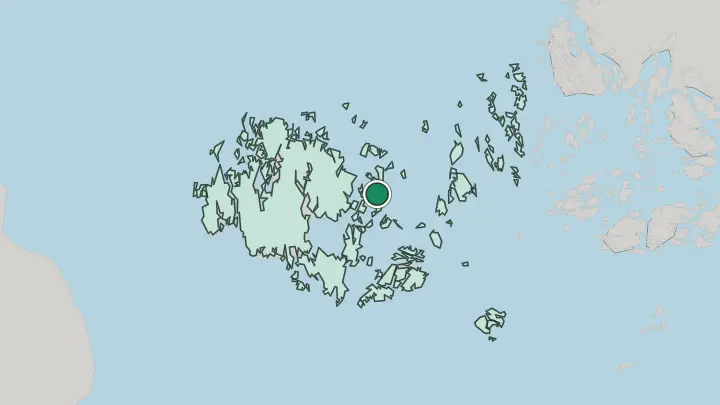
 Finland
Kumlinge
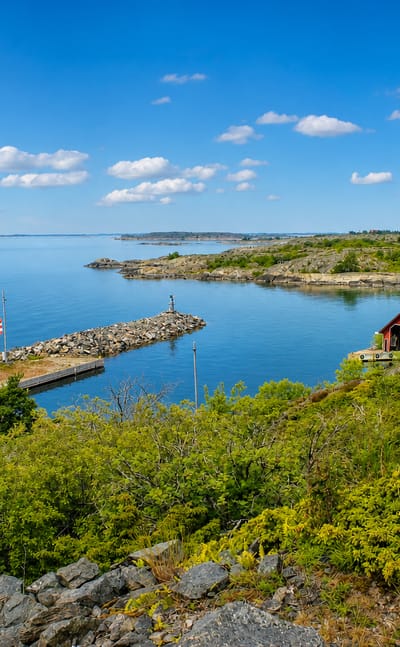
Kumlinge is an island municipality of the Åland Islands, a group of skerries set out in the Baltic Sea.Where to stay →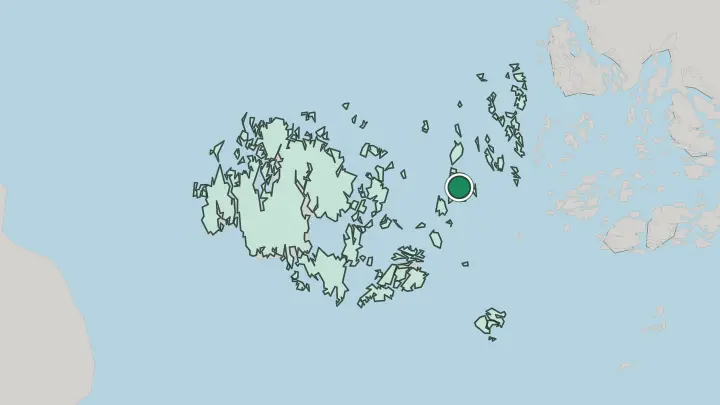
 Finland
Kökar
Kökar is an outer-archipelago municipality of the Åland Islands, scattered across skerries in the Baltic Sea.Where to stay →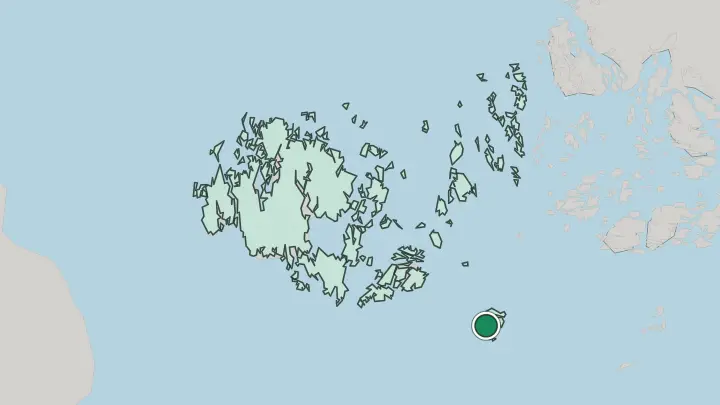
 Finland
Lumparland
Lumparland is the smallest mainland municipality of the Åland Islands, a small coastal parish on the Baltic Sea.Where to stay →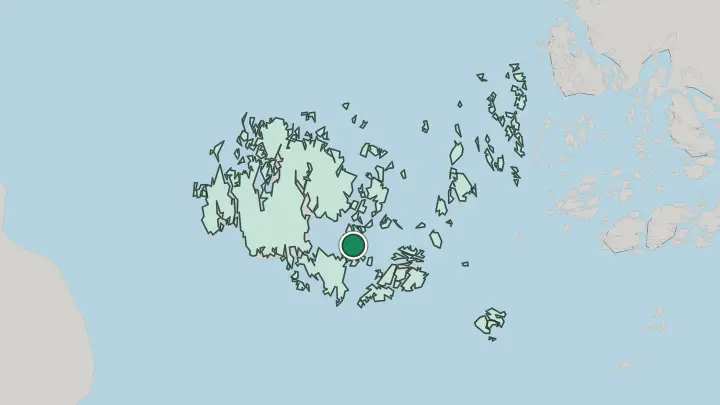
 Finland
Sottunga
Sottunga is a small island municipality in Åland, the autonomous archipelago in the Baltic Sea, and Finland's least populous.Where to stay →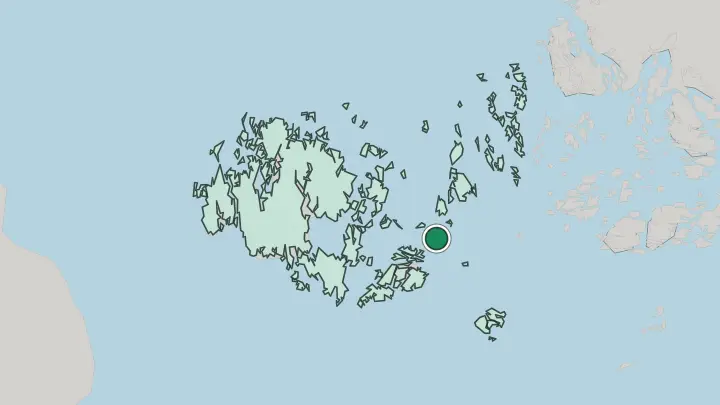
About Åland
What is Åland known for?
Åland is known for its maritime past and its standing as the smallest region of Finland by both land area and population. The waters of the Baltic Sea shaped a seafaring culture, and Mariehamn grew up around shipping. Swedish is the official language across the archipelago.
That single fact, more than any other, sets Åland apart from the Finnish-speaking mainland and gives the islands their distinct cultural footing within the republic.
Where is Åland?
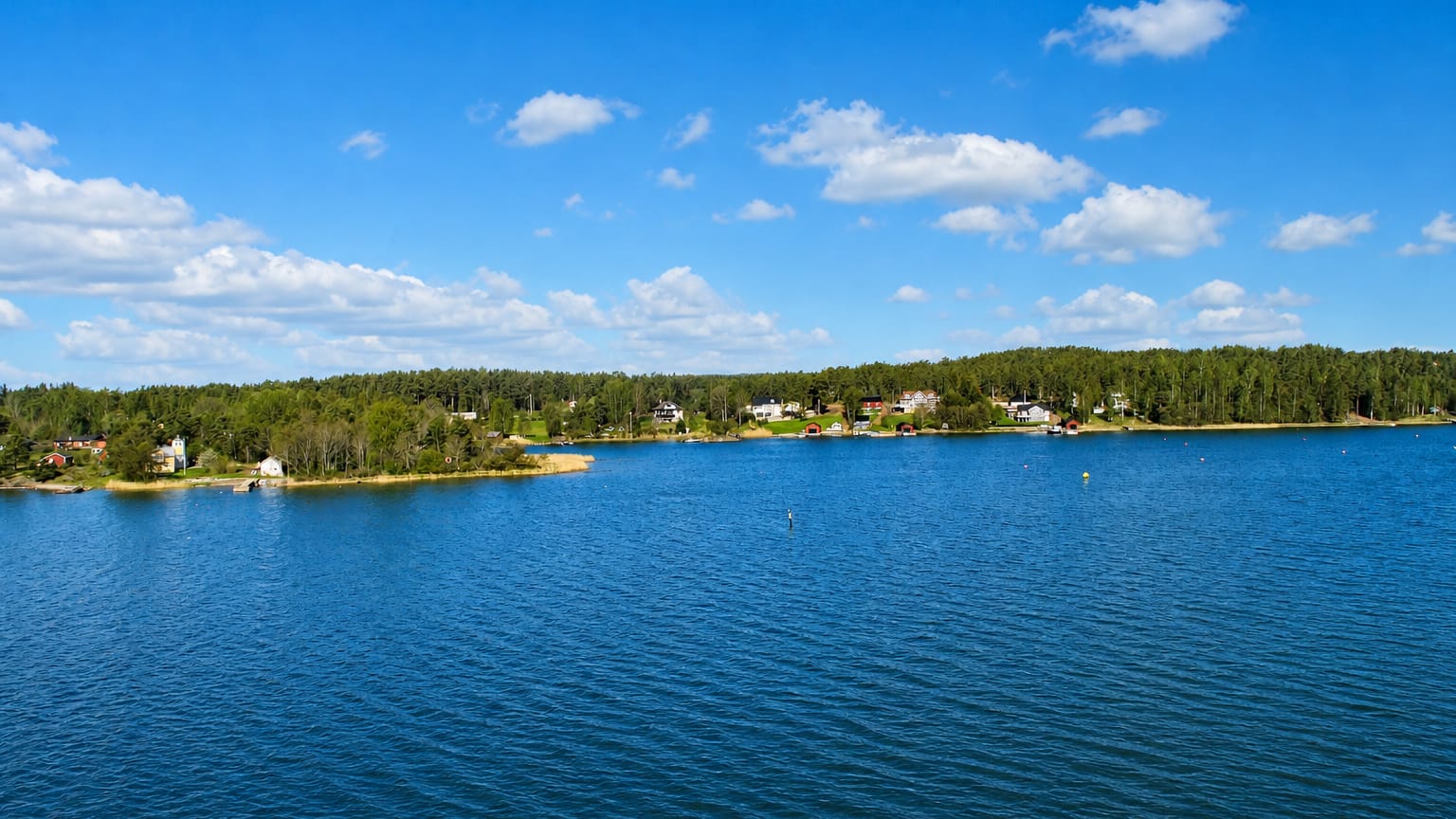
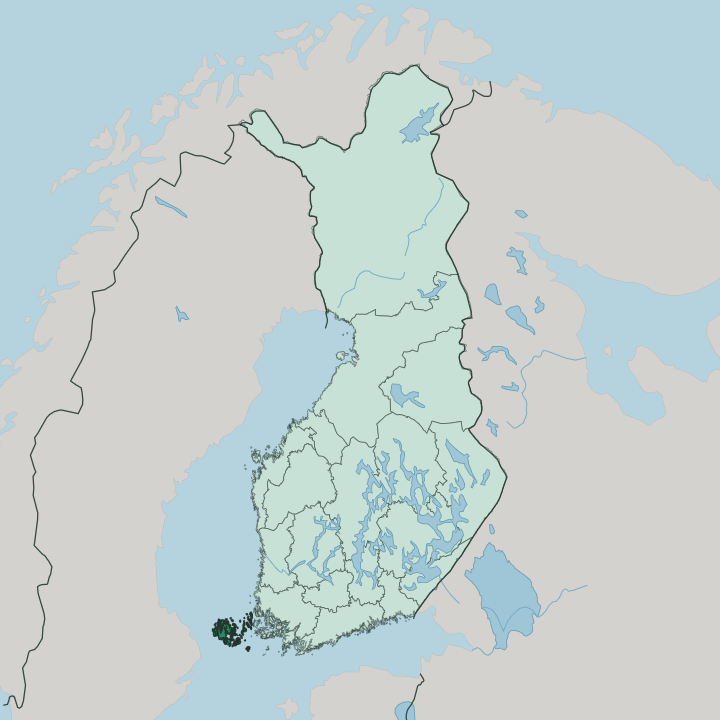
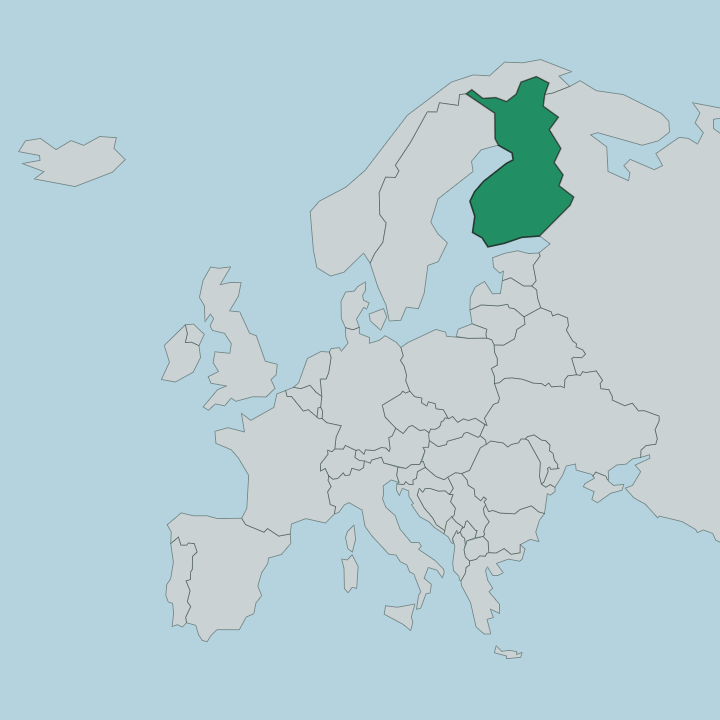
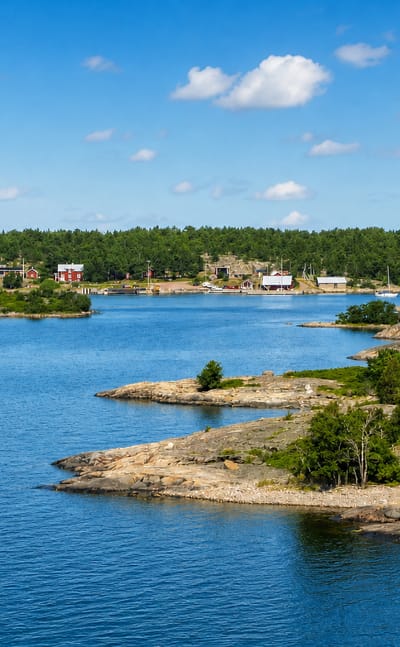
Åland is an archipelago. The region sits in the Baltic Sea between Sweden and the Finnish mainland, and it is the smallest region of Finland by area. Thousands of islands, skerries, and islets break the surface here, scattered across the water in a pattern that has defined island life for centuries and made the sea, rather than any road, the chief connector between communities.
Mariehamn anchors the inhabited core on the largest landmass, while the outer municipalities trail off into open Baltic Sea waters toward the Swedish coast. Low and rocky, the islands rise only modestly above the sea. The shoreline runs long and broken.
Ferries stitch the scattered parishes together, and the surrounding water remains the organising fact of every settlement's geography across this corner of Finland.
What is Åland like?
Swedish is the official language of Åland, and it runs through every part of island life. The islands are Swedish-monolingual, a distinction guaranteed under the autonomy Åland received in 1920. Culture here leans toward the sea.
Generations of shipping, fishing, and trade across the Baltic Sea built a maritime identity that Mariehamn still wears openly, from its harbours to the names on its quays. This is not the culture of the Finnish mainland transplanted. It is its own thing.
The Swedish dialect spoken across the archipelago, the seafaring traditions, and the self-governing status together give Åland a character that islanders guard carefully, and that visitors notice the moment they step off the ferry into a place that belongs to Finland yet speaks an entirely different tongue.
What is the history of Åland?
Åland received its autonomy in 1920, a settlement that made the archipelago a self-governing and demilitarised region of Finland. The decision followed a dispute over whether the Swedish-speaking islands belonged with Sweden or with Finland. The islands stayed Finnish.
Their language and self-rule were protected in return, and that arrangement still shapes how Åland governs itself within the Baltic Sea republic.
What is the climate of Åland?
Åland sees relatively warm and sunny weather compared with the rest of the region, a quirk the surrounding Baltic Sea helps explain. Water moderates the extremes. Summers draw visitors out onto the islands for the open air, and the maritime setting keeps the seasons milder than the Finnish interior, where winters bite harder away from the moderating influence of the sea.
How do you get to Åland?
Ferries are the way in. Mariehamn sits on the main shipping routes across the Baltic Sea, linking Åland to both Sweden and the Finnish mainland, and the crossings are a fixture of island travel. The archipelago's scattered municipalities depend on inter-island ferries to stay connected.
Boats carry the islands' traffic the way roads carry it elsewhere, knitting the parishes of Åland into a single region across the open water.
Good for
More regions in Finland
Updated September 2026