Finland · Åland
Where to Stay in Jomala, Åland
Jomala is the largest municipality of the Åland Islands after Mariehamn, wrapping the capital on the Baltic Sea.
Find your area →


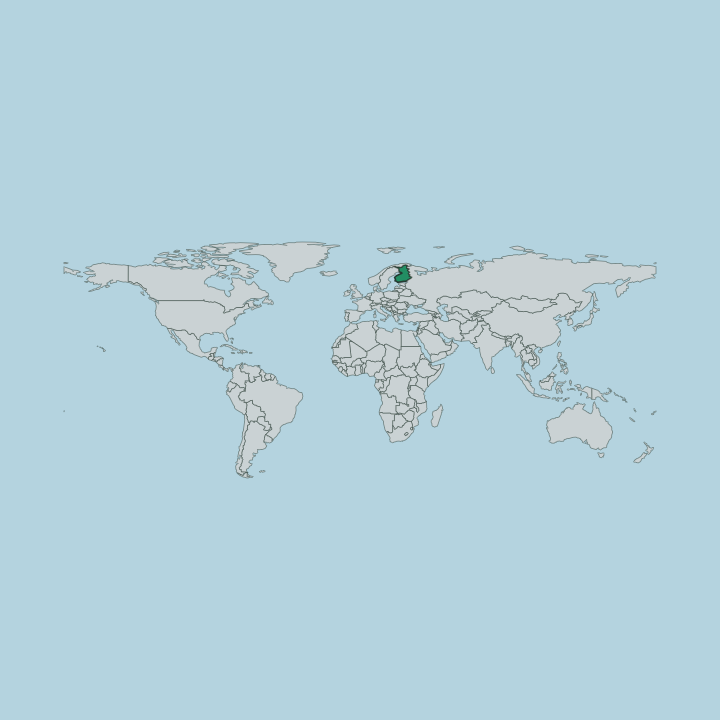
Where to stay in Jomala
The right area depends on your trip — here's what each neighbourhood is best for.
Jomala makes a practical base. Because it wraps Mariehamn on the central Åland Islands, its cottages, motels, and farm stays put you minutes from the capital's restaurants and ferry berths while keeping you in open countryside. Travellers who want full-service hotels still find the widest choice across the line in Mariehamn itself.
The appeal here is space near the centre. Self-catering cottages and guest rooms sit along the shore and inland near Jomala kyrka and the village of Önningeby, handy for cyclists and families. Stay for the calm.
You get the Baltic Sea, the Önningebymuseet, and easy roads into Mariehamn, without paying for a town-centre address.
About Jomala
Jomala sits next to the capital.
What is Jomala known for?
It is the largest municipality of the Åland Islands after Mariehamn, which it surrounds on the central mainland. Jomala kyrka, dedicated to Saint Olaf, is among the oldest churches in the region, and the village of Önningeby is remembered for the artists' colony recalled at Önningebymuseet. The Baltic Sea edges much of the parish.
What are the main landmarks in Jomala?
History and art share the parish. Jomala kyrka, the church of Saint Olaf, is among the oldest stone churches of the Åland Islands and the municipality's defining landmark. Önningebymuseet, in the village of Önningeby, keeps the memory of a late-nineteenth-century painters' colony. A memorial to the seafarer Algot Johansson also stands in the parish.
Together they range from the medieval to the maritime.
What is the history of Jomala?
Jomala has been settled a very long time. Among the earliest-settled parishes of the Åland Islands, it grew on the fertile central mainland, and Jomala kyrka, dedicated to Saint Olaf, counts among the region's oldest stone churches. For centuries the parish farmed, fished the Baltic Sea, and gathered around that church.
Painters arrived in the nineteenth century. A colony of Nordic artists settled at the village of Önningeby to work the island light, a chapter now preserved at Önningebymuseet. The sea raised its own figures too, among them the shipowner remembered by the Minnessten över Algot Johansson.
When Mariehamn was founded as Åland's town, Jomala kept the land around it, and the modern capital still sits within the old parish bounds. With the rest of the region it became part of autonomous, Swedish-speaking Åland in Finland. Jomala remains the largest municipality of the Åland Islands after Mariehamn.
Where is Jomala?
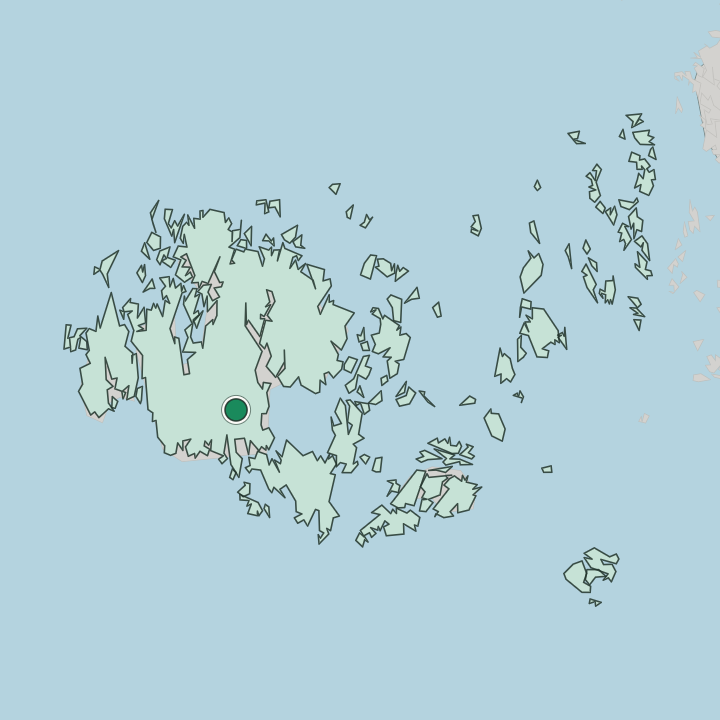
Jomala holds the heart of the mainland. The municipality covers much of central Åland, surrounding Mariehamn and reaching the Baltic Sea on more than one side, so the parish touches both the capital's edge and open water. Its land is gentle and farmable.
Fields and woods run inland past the village of Önningeby, broken here and there by quiet bays. Among the parishes of the Åland Islands, Jomala is the central one that frames the capital.
What is the climate of Jomala?
The Baltic Sea moderates Jomala. Its central position on the Åland Islands gives cool summers and winters milder than the Finnish mainland, the surrounding water slow to warm and slow to freeze. Long summer evenings settle over the fields near Jomala kyrka.
Ice and snow can hold around Önningeby through the late winter before a late spring.
How do you get to Jomala?
Jomala is the easiest Åland parish to reach. It surrounds Mariehamn, where the main ferries dock and the airport sits, so travellers arriving on the Åland Islands are practically in Jomala already. Roads fan out from the capital past Jomala kyrka and toward Önningeby.
Cross the Baltic Sea to Mariehamn, and the municipality begins at the edge of town.
Good for
More cities in Åland
Updated September 2026