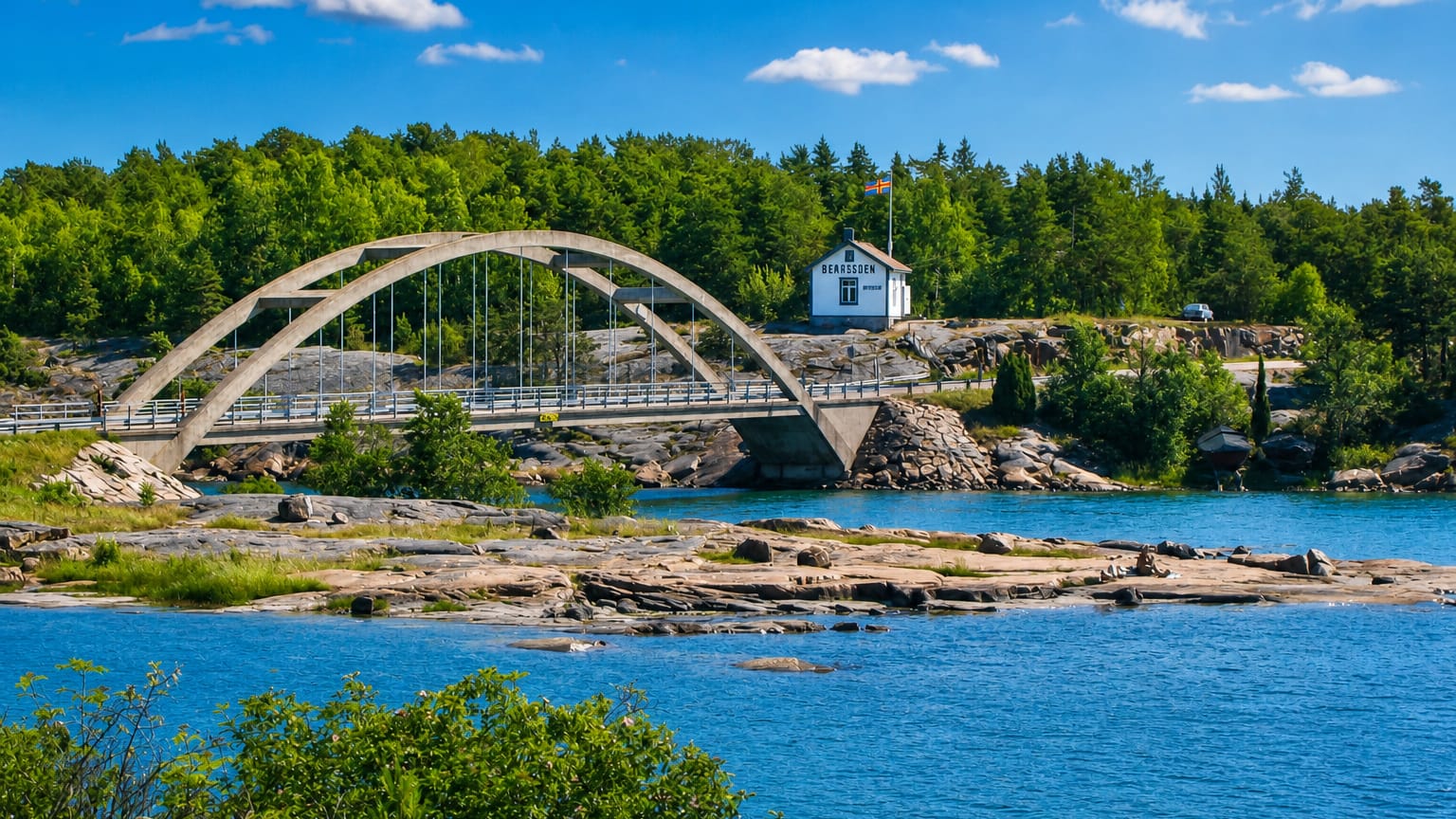
Finland · Åland
Where to Stay in Sund, Åland
Sund is a municipality on mainland Åland, the autonomous archipelago in the Baltic Sea, holding two of its great sights.
Find your area →


Where to stay in Sund
Each area has its own feel; here's who each one suits.
Sund gives a base among the historic sites of Åland, the autonomous archipelago in the Baltic Sea, with inns and cottages near the castle rather than a hotel strip. The castle district is the heart. A stay there sets you near Kastelholms slott, the prison museum of Vita Björn, and the farm museum of Jan Karlsgården, with the parish church of Sunds kyrka close at hand and the eastern road running on to the Bomarsund ruins.
It suits travellers who want the islands' history at the door over a town base. The eastern coast around Bomarsund and Prästö offers a quieter, sea-edge alternative by the fortress ruins and the outer-island ferries. Who it suits: you want the deepest historic ground of the archipelago, the castle and the fortress, not the harbour capital.
Stay in the Sund castle district for Kastelholms slott and the museums, or out by Bomarsund for the ruined fort and the strait, well placed for the eastern islands.
About Sund
What is Sund known for?
Sund carries the history of Åland, the autonomous archipelago in the Baltic Sea, in stone. Two great sites stand here. The medieval Kastelholms slott, the islands' only castle, rises beside the old prison museum of Vita Björn and the open-air farm museum of Jan Karlsgården, while along the eastern shore lie the ruins of Bomarsund, the great fortress shattered in war.
Sunds kyrka serves the parish, and the Bomarsunds besökscenter tells the story of the fallen fort.
What are the main landmarks in Sund?
Kastelholms slott is the centrepiece. The only medieval castle of Åland stands beside the old prison museum of Vita Björn and the open-air farm museum of Jan Karlsgården. East along the coast lie the ruins of Bomarsund, the destroyed fortress, with the Bomarsunds besökscenter and the small Bomarsundsmuseet at Prästö telling its story.
Sunds kyrka anchors the parish. Castle, fortress, and church make Sund the richest historic ground in the islands.
What is the history of Sund?
Sund holds the deepest layers of the history of Åland, the autonomous archipelago in the Baltic Sea, written into two great structures on its eastern shore. Medieval Åland raised the elder of the two. Kastelholms slott, the only medieval castle in the islands, rose to guard a narrow sound and to govern the archipelago under the Swedish crown, and beside it the old gaol of Vita Björn served the castle estate, while the farm buildings now gathered as Jan Karlsgården preserve the rural life that surrounded it.
Sunds kyrka, the heritage-listed stone parish church, served the people of the district through these same centuries. A later age brought the cannon. When the islands passed to Russia, the empire raised the vast fortress of Bomarsund on the eastern strait, only for it to be besieged and destroyed in war, leaving the ruins that still mark the coast.
The Bomarsunds besökscenter and the small Bomarsundsmuseet at Prästö now keep the record of the fallen fort and the lives bound to it. When Åland won its autonomy within Finland, Sund kept these monuments at its heart. Castle and fortress together trace the long contest for the archipelago, and they remain the reason travellers come to the eastern shore of the islands.
Where is Sund?
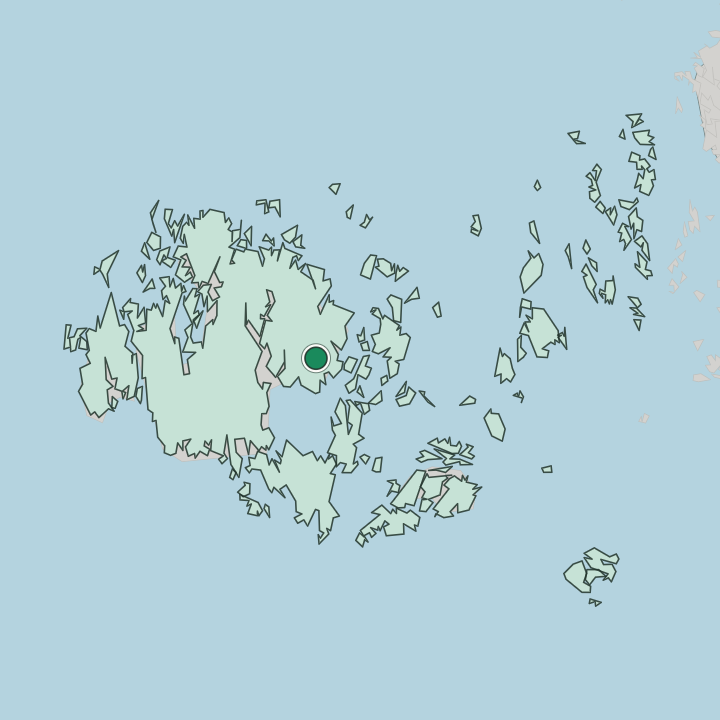
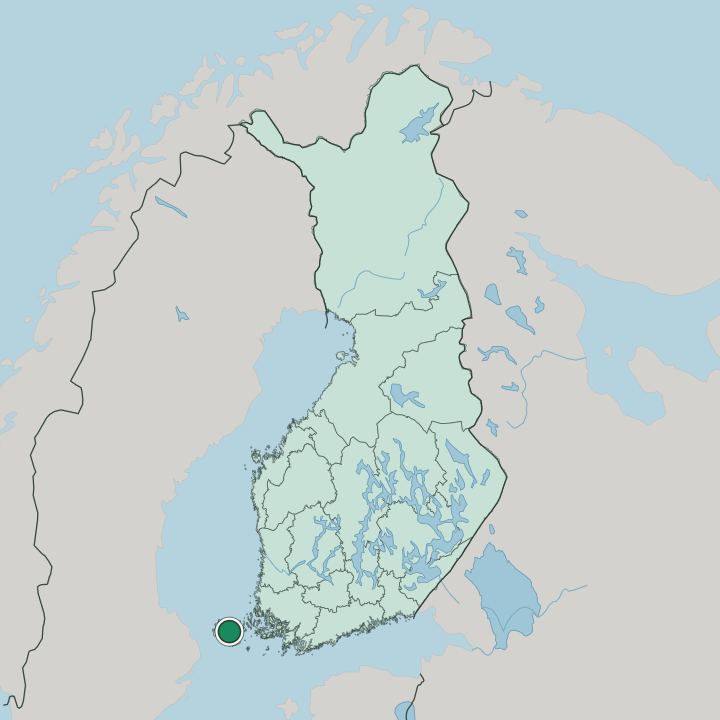
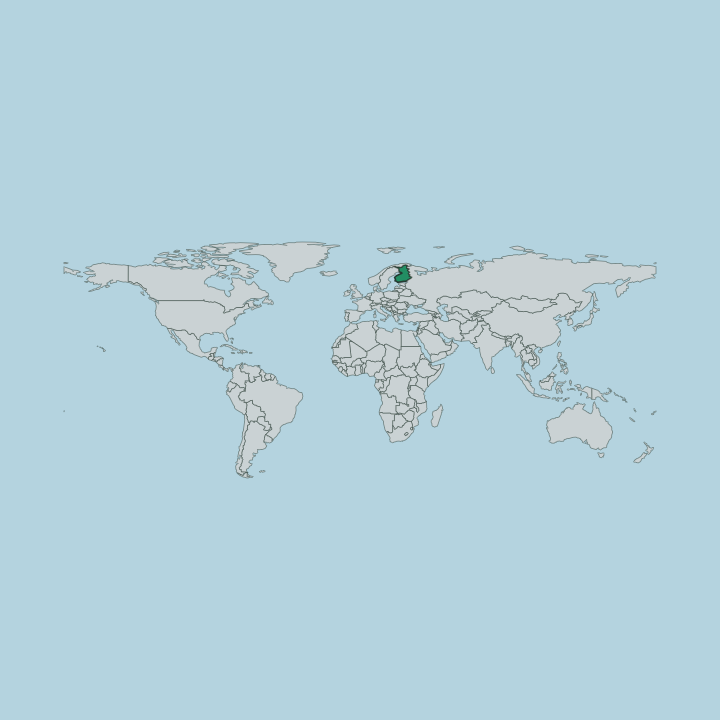
Sund lies on the eastern side of mainland Åland, the autonomous archipelago in the Baltic Sea. Water cuts deep into the land. Sounds and inlets of the Baltic Sea work between low granite and forest, and the old castle of Kastelholms slott guards one such narrows, while across the water the ruined fortress of Bomarsund commands the eastern strait.
The ground is gentle and wooded. Villages gather around Sunds kyrka and the historic sites.
What is the climate of Sund?
The Baltic Sea tempers the seasons in Sund. Winters keep mild for the north. The water threading the sounds of the Åland archipelago holds frost back later than the Finnish mainland, though ice can still seize the inlets and snow settle over the castle grounds and the forest through the dark months.
Summers grow warm and long. Light lingers far into the night over Kastelholms slott and the eastern strait, and the sea holds the warmth steady.
How do you get to Sund?
Sund lies on the eastern part of mainland Åland, the autonomous archipelago in the Baltic Sea, reached by road from the harbour town. The car is the way. The main eastern road runs out from the island capital across the country to the castle district, where Kastelholms slott stands by its sound, and continues to the Bomarsund ruins and on toward Prästö and the outer-island ferries.
No causeway is needed for the main sites. Drive to reach Kastelholms slott, Bomarsund, and Sunds kyrka.
Good for
More cities in Åland
Updated September 2026