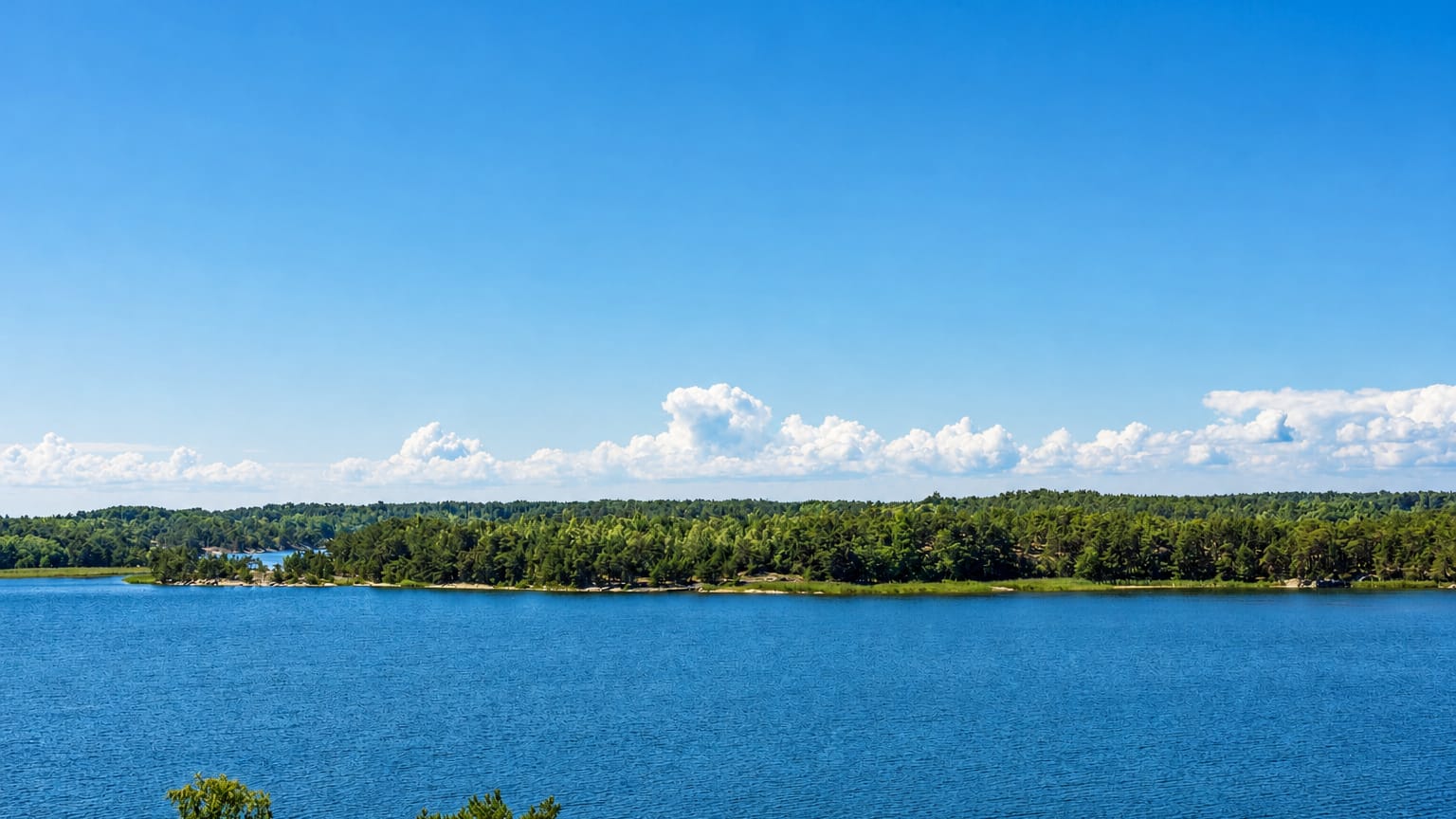
Finland · Åland
Where to Stay in Kumlinge, Åland
Kumlinge is an island municipality of the Åland Islands, a group of skerries set out in the Baltic Sea.
Find your area →


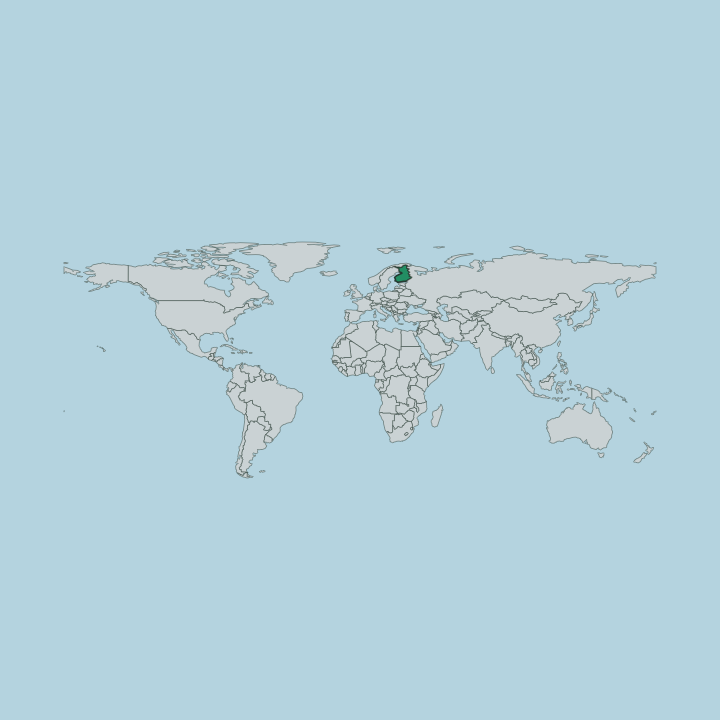
Where to stay in Kumlinge
Each area has its own feel; here's who each one suits.
Kumlinge keeps a thin stock of beds for an island municipality of the Åland Islands, where a guesthouse, a fishing cabin, or a room at the harbour is the usual lodging rather than a hotel. The main island holds the heart of the place, with the shop, the small services, and the medieval Kumlinge kyrka within reach of the road that runs between the ferry quays. The main island is the natural base.
Even there the rooms are few. Out toward the neighbouring isle of Enklinge, where the old farmstead of Museigården Hermas keeps the archipelago past, summer cottages and a handful of cabins look over the Baltic Sea, a fine base for fishing, cycling, and slow days on the rock. Stock thins toward the outer skerries.
Travellers drawn to the open water of this corner of Åland should look toward the cabins of the smaller isles, while many visitors instead come for a single night off the long archipelago ferry. Book ahead in high summer, when the few rooms on this part of the Åland Islands fill early.
About Kumlinge
What is Kumlinge known for?
Kumlinge is the quiet middle ground of the Åland Islands, a group of low skerries set out in the Baltic Sea between the main Åland mass and the Finnish coast. The medieval Kumlinge kyrka, painted inside with old murals, stands on the main island as the chief mark of the parish. Few come this far.
The neighbouring isle of Enklinge keeps the old farmstead of Museigården Hermas, and the open water, the fishing grounds, and the long ferry crossing draw travellers who want the bare archipelago and little crowd.
What are the main landmarks in Kumlinge?
The medieval Kumlinge kyrka is the chief landmark of the islands, the stone parish church standing on the main isle above the water of the Baltic Sea. Its walls hold old murals. The painted vaults and walls of Kumlinge kyrka are among the finest medieval church art of the Åland Islands, a quiet treasury raised on a far skerry.
Across the water on the isle of Enklinge stands the old farmstead of Museigården Hermas, a preserved homestead that keeps the farming and fishing life of the archipelago, the two marks together holding the faith and the work of this scattered island parish of Kumlinge.
What is the history of Kumlinge?
The name itself tells of the rock. Kumlinge is thought to mean rocky passage, a fitting name for a scatter of stony islands threaded by narrow sounds in the middle of the Baltic Sea, settled long ago by people who lived between Åland and the Finnish coast and took their living from the fishing grounds and the lean farming of thin soil. For long centuries the parish gathered around its church, a seafaring and fishing community far out among the skerries of the autonomous archipelago.
The church holds the parish memory. The medieval Kumlinge kyrka was raised in stone on the main island, and its walls and vaults were painted with murals that are among the finest medieval church art of the Åland Islands, kept through the centuries on this remote isle. On the neighbouring isle of Enklinge the old farmstead of Museigården Hermas preserves the farming and fishing life of the archipelago, a homestead held as a museum.
Together the painted church and the old farm hold the long, quiet history of Kumlinge, a parish that despite its place between Finland and Åland stayed well off the beaten track on the open Baltic Sea.
Where is Kumlinge?
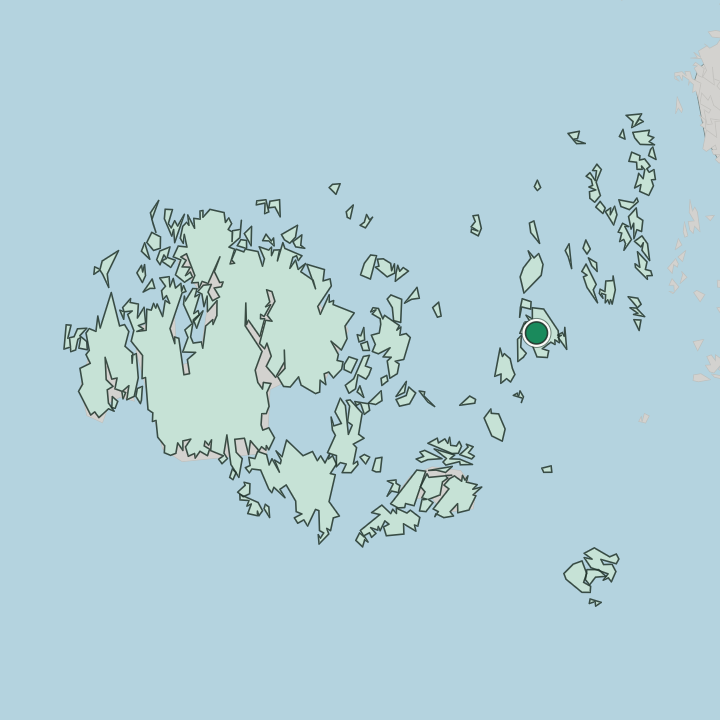
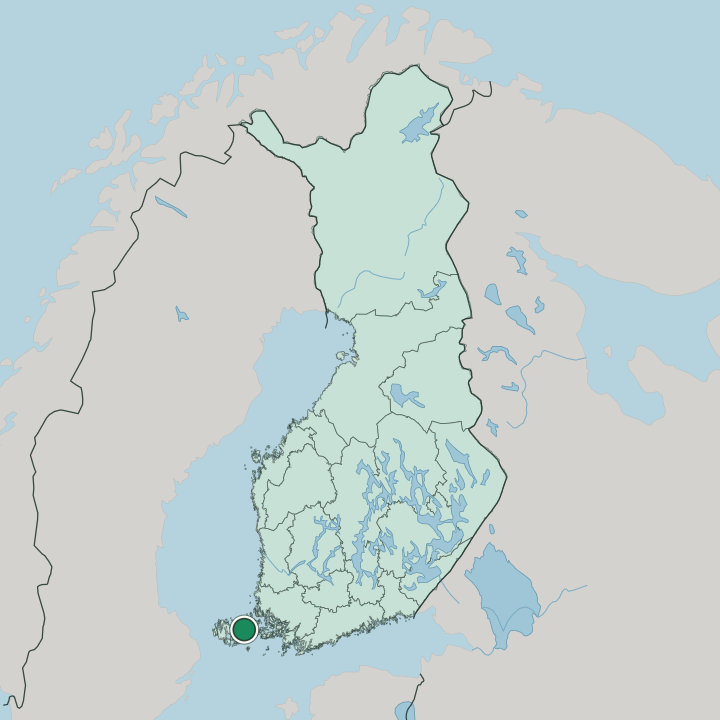
Kumlinge is a scatter of low, stony islands lying in the Baltic Sea, set in the middle of the Åland Islands between the main Åland mass and the Finnish coast. Narrow sounds thread the rock. The main island carries the medieval Kumlinge kyrka and the parish road, the neighbouring isle of Enklinge holds the old farmstead, and small skerries trail off into the open water on every side.
The sea divides each isle from the next. Bare granite, thin woodland, and sheltered inlets make up the land, and the ferry channels of the archipelago run between the islands of Kumlinge across the broad reach of the Baltic Sea.
What is the climate of Kumlinge?
Kumlinge has a cool maritime climate, ruled by the open water of the Baltic Sea that rings these mid-archipelago islands of the Åland Islands. The sea evens out the year. Winters stay milder than the Finnish mainland, though ice can close the sounds and wind drives over the bare rock past the medieval Kumlinge kyrka, and the dark of the far north holds long over the skerries.
Then the bright summer comes. The long northern daylight warms the granite and the inlets of Kumlinge, drawing anglers, cyclists, and the few summer visitors out to this quiet middle of the archipelago.
How do you get to Kumlinge?
Kumlinge lies in the middle of the Baltic Sea archipelago, and the ferry is the way across. The crossing routes of the Åland Islands thread the skerries to the quays of the main island, carrying cars, cyclists, and walkers between Åland and the Finnish coast on a passage that can run for hours. The sea sets the pace.
From the landing the island road runs on to the medieval Kumlinge kyrka and links by a shorter ferry to the isle of Enklinge, where the old farmstead of Museigården Hermas stands among the fields.
Good for
More cities in Åland
Updated September 2026