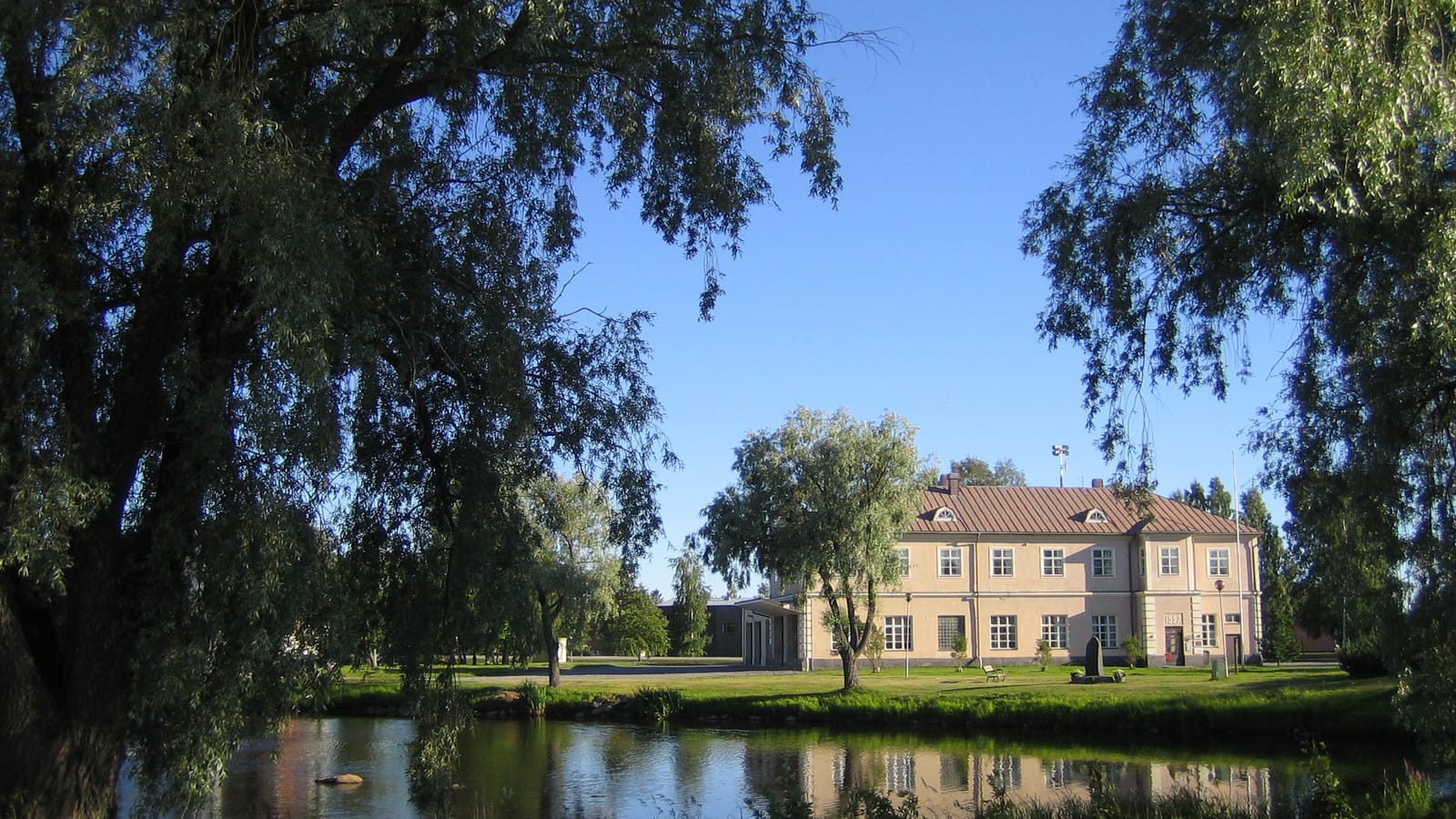
Finland · Pohjanmaa
Where to Stay in Kronoby, Pohjanmaa
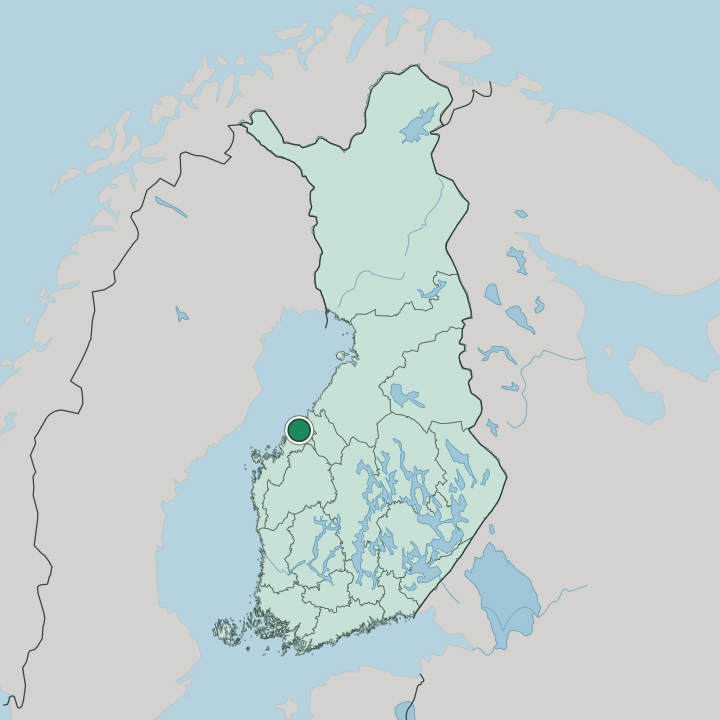
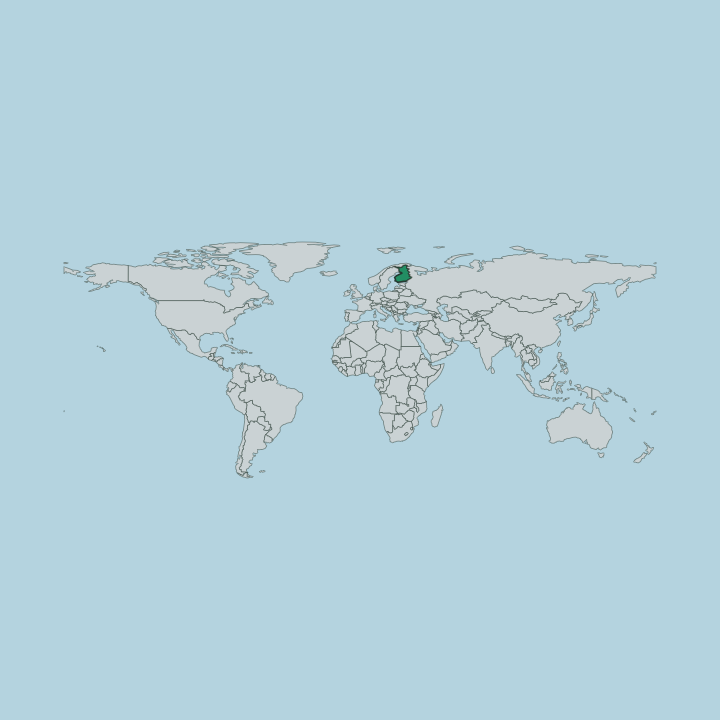
Kronoby is a coastal municipality of Ostrobothnia, in western Finland on the Gulf of Bothnia.
Find your area →


Where to stay in Kronoby
Not every neighbourhood fits every trip — here's what each one is good for.
Kronoby keeps only a modest stock of beds for a parish municipality of the Ostrobothnian coast, the kind of place where a small guesthouse or a farm room is the usual choice. The main village around the Kruunupyyn kirkko suits visitors who want the parish church, the belfry and the shops within an easy walk. That village is the simplest base.
Close by sit the parsonage of Torgaren pappila and the old church ground, so travellers drawn to the heritage of this corner of western Finland often choose a room near the centre. Out across the farmland and the old parishes of the wide municipality, rooms turn up near the Alavetelin kirkko and the Teerijärven kirkko, and near the village of Tast, a quiet base for touring the flat country toward the Gulf of Bothnia by car. Stock is thin throughout.
Many travellers instead sleep in the larger towns of Ostrobothnia and drive in for the day, walking the three churches and the Bronze Age cairns of the Kåtabackenin jätinkirkko before they go. Book ahead in summer, when the few rooms around Kronoby go early.
Things to do in Kronoby
Ranked by global recognition; descriptions from Wikidata (CC0).
Churches & Religious Sites
3- Kruunupyyn kirkko Heritage
- Alavetelin kirkko Heritage
- Teerijärven kirkko Heritage
Castles & Historic Sites
1- Kruunupyyn reservikomppania Heritage
Landmarks & Notable Places
1- Torgaren pappilan renkitupa Heritage house
worth knowingacross 3 categories in Kronoby
About Kronoby
What is Kronoby known for?
Kronoby is known as a parish municipality of the Ostrobothnian coast, three old church villages joined on the flat farmland near the Gulf of Bothnia in western Finland. The wooden Kruunupyyn kirkko stands at its heart, its detached belfry the Kruunupyyn kirkon tapuli beside it. Three churches, one municipality.
The Alavetelin kirkko and the Teerijärven kirkko mark the other old parishes, the parsonage of Torgaren pappila keeps the clergy past, and Bronze Age cairns known as the Kåtabackenin jätinkirkko lie out on the old shores of this corner of western Finland.
What are the main landmarks in Kronoby?
The Kruunupyyn kirkko is the landmark that anchors the municipality, the wooden parish church at the centre of Kronoby with the Kruunupyyn kirkon tapuli standing beside it. Three churches in all. The Alavetelin kirkko and the Teerijärven kirkko keep their own villages on the Ostrobothnian farmland.
Older ground lies out toward the coast, where the Bronze Age cairns of the Kåtabackenin jätinkirkko and the ancient site at Ollisbackenin-Brantbackenin muinaisjäännösalue mark the raised shores, and the parsonage of Torgaren pappila holds the clergy heritage of this corner of western Finland on the Gulf of Bothnia.
What is the history of Kronoby?
Kronoby's history is written on the rising coast and in three parishes. People left their mark here in the Bronze Age, raising the burial cairns now called the Kåtabackenin jätinkirkko and the Högryggenin jätinkirkko on shores that the slowly rising land has since carried inland from the Gulf of Bothnia. The sea has long been pulling back.
A farming country of the Ostrobothnian flatland gathered into parishes around its churches, the oldest of them chartered in 1607 when Kronoby took its place among the coastal districts of western Finland. Church and clergy shaped the settled centuries. The wooden Kruunupyyn kirkko rose as the heart of the main parish, the belfry of the Kruunupyyn kirkon tapuli beside it, while the Alavetelin kirkko and the Teerijärven kirkko served the joined villages of Nedervetil and Terjärv.
The parsonage of Torgaren pappila housed the clergy of the district. Farm, church and the Swedish-speaking life of the Ostrobothnian coast carried Kronoby through the years, the three old parishes drawn together at last into one municipality on the Gulf of Bothnia.
Where is Kronoby?
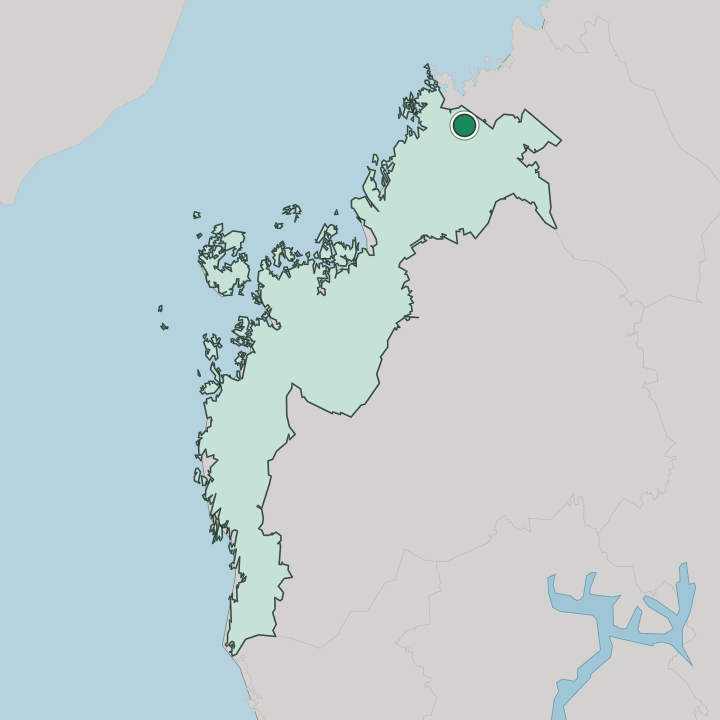
Kronoby lies on the low farmland of the Ostrobothnian coast, in western Finland on the Gulf of Bothnia. Flat fields, pine ridges and slow rivers fill the municipality, the main village gathered by the Kruunupyyn kirkko while the land runs gently down toward the sea. The coast keeps rising here.
The slowly lifting land has carried the old shores inland, leaving the Bronze Age cairns of the Kåtabackenin jätinkirkko stranded on dry ground, while the joined villages around the Alavetelin kirkko and the Teerijärven kirkko spread across the flats of this corner of western Finland.
What is the climate of Kronoby?
Kronoby carries a cool coastal climate, its seasons tempered a little by the open water of the Gulf of Bothnia. Winters are long and snowy, sea ice and hard frost settling over the flat farmland and the pine ridges around the villages from early in the season until the late spring thaw. Summers come mild and bright.
The long northern daylight warms the fields and the slow rivers through the short growing season around Kronoby, the season when the coast of this corner of western Finland comes briefly alive before the snow returns.
How do you get to Kronoby?
Kronoby sits on the Ostrobothnian coast, and road is the usual way in. Buses and cars reach the main village around the Kruunupyyn kirkko, running the coast roads that link Kronoby to the larger towns of Ostrobothnia along the Gulf of Bothnia. An airport sits on the municipal land.
Air links bring some travellers to this corner of western Finland, while most arrive overland through the coastal towns before the last stretch into the parish, where the three old churches wait among the fields.
Good for
More cities in Pohjanmaa
Updated September 2026