Finland · Pohjanmaa
Where to Stay in Larsmo, Pohjanmaa
Larsmo is a Swedish-speaking island municipality in Pohjanmaa, western Finland, scattered across coastal skerries.
Find your area →


Where to stay in Larsmo
Each area has its own feel; here's who each one suits.
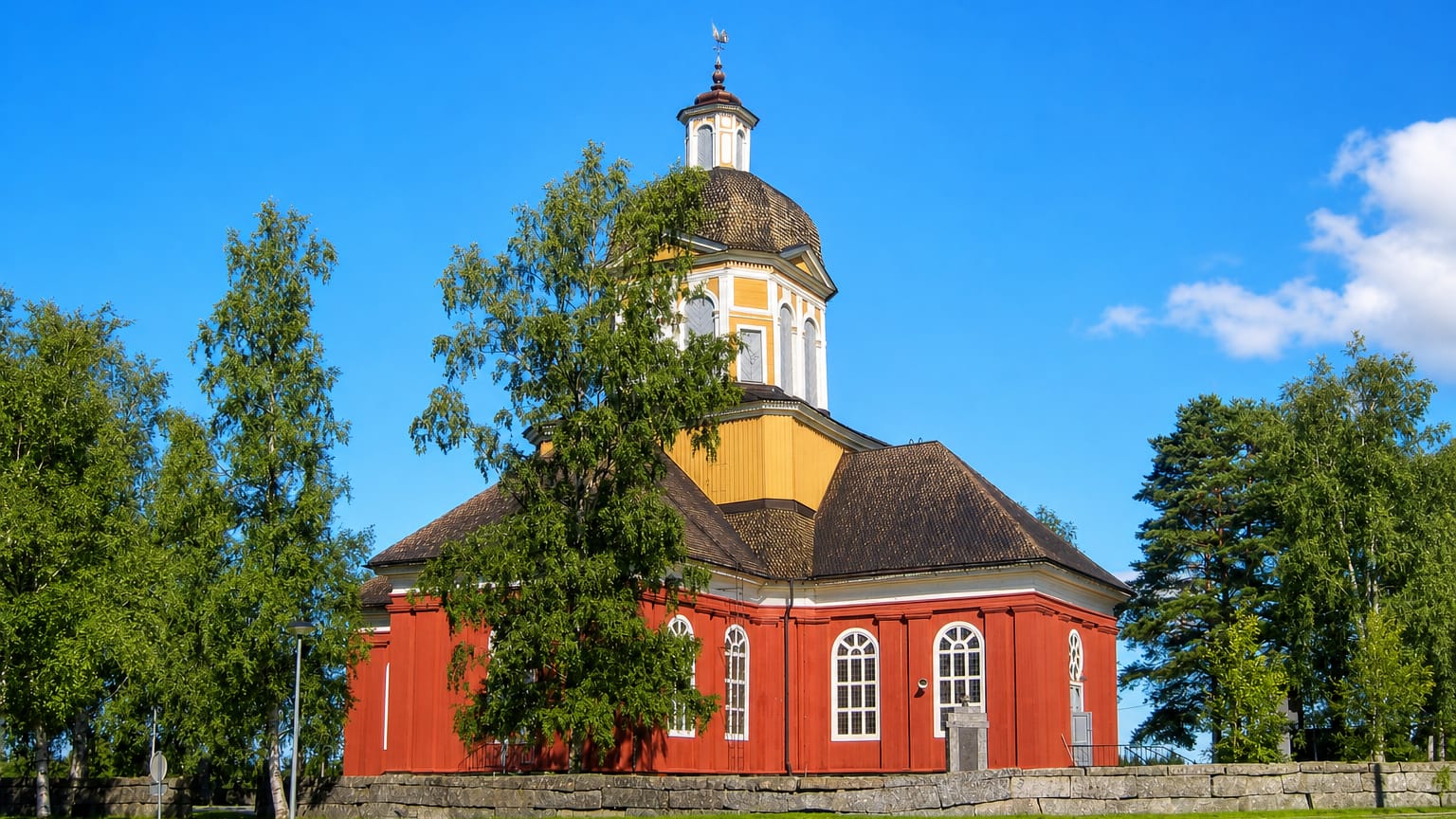
Larsmo is a quiet island base on the Ostrobothnian coast, and beds are few. The natural centre lies around Luodon kirkko, where the church and the small services of this Swedish-speaking parish gather on the larger islands of the municipality. It suits you if you want a calm shoreline corner of Pohjanmaa among skerries and sounds rather than a town.
Water surrounds you at every turn. Out toward the outer islands and harbours such as the Öuranin kalasatama, cottages and summer cabins sit close to the water, for visitors who come for the archipelago, boating and the fishing coast over any centre. Rooms in any one place are scarce.
Many travellers stay in the wider Pohjanmaa region and cross to Larsmo for the day, taking in the church at Luodon kirkko and the island roads such as the Esse-Flatbacken skogsbilväg before returning to the mainland of western Finland.
About Larsmo
What is Larsmo known for?
Larsmo is best known as a Swedish-speaking island parish strung across the Ostrobothnian coast. Its centre gathers around Luodon kirkko, the old church whose grounds are protected as Luodon kirkko ympäristöineen, set among the low islands and sounds of Pohjanmaa. The sea runs through everything.
Fishing has long shaped the parish, recorded in harbours such as the Öuranin kalasatama on the outer shore, while forest roads like the Esse-Flatbacken skogsbilväg thread the wooded ground between the waters of this corner of western Finland.
What are the main landmarks in Larsmo?
Luodon kirkko is the landmark that marks the centre of Larsmo. The old parish church stands among the islands, its setting protected as Luodon kirkko ympäristöineen, the fixed point of a scattered island community. The sea writes the rest.
Fishing harbours such as the Öuranin kalasatama line the outer shore where the parish has long worked the water, and forest roads like the Esse-Flatbacken skogsbilväg cross the wooded islands between the sounds of the Ostrobothnian coast.
What is the history of Larsmo?
Larsmo grew from the sea and the slow rising of its land. As the Ostrobothnian coast lifted from the water over the centuries, new islands and skerries emerged, and a Swedish-speaking fishing and farming people spread across them, working the sounds for fish and the thin island soil for crops. A parish took shape around its church.
The community gathered at Luodon kirkko, whose protected setting survives as Luodon kirkko ympäristöineen, and the municipality was set apart in its modern form when it was chartered in the 1860s as a separate island parish of Pohjanmaa. The water remained the living. Harbours such as the Öuranin kalasatama kept the fishing trade of the outer shore alive, while forest tracks like the Esse-Flatbacken skogsbilväg later opened the wooded islands to logging and travel.
The Swedish tongue endured throughout. Larsmo has stayed a Swedish-speaking island parish on the coast of western Finland, its life still set by the sea.
Where is Larsmo?
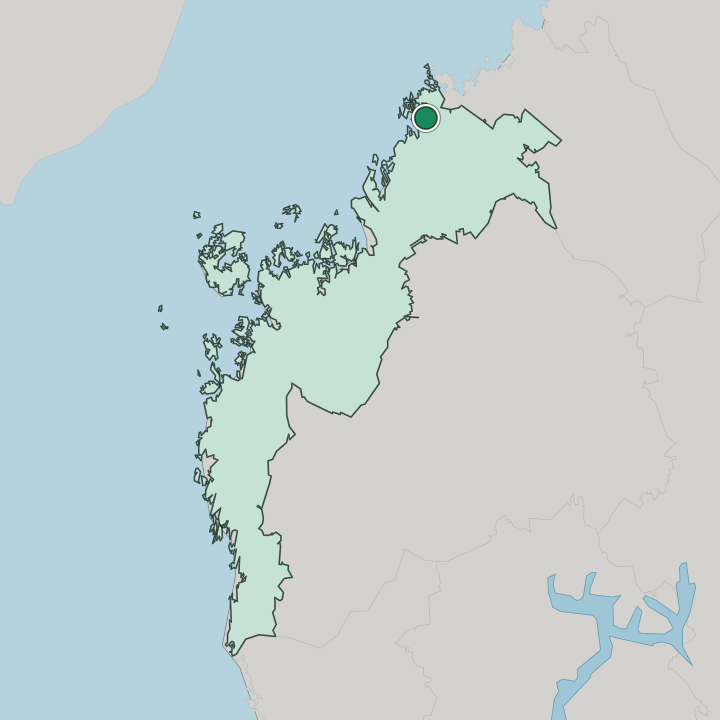
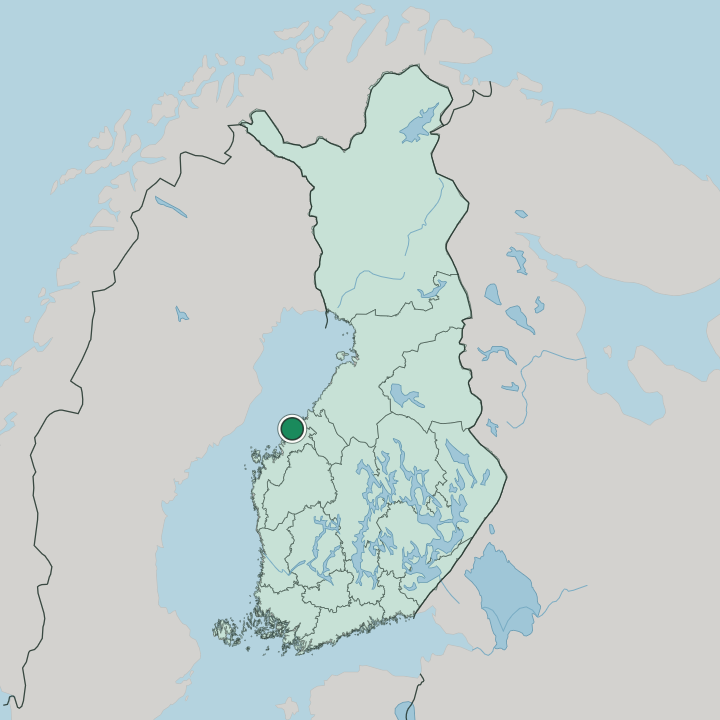
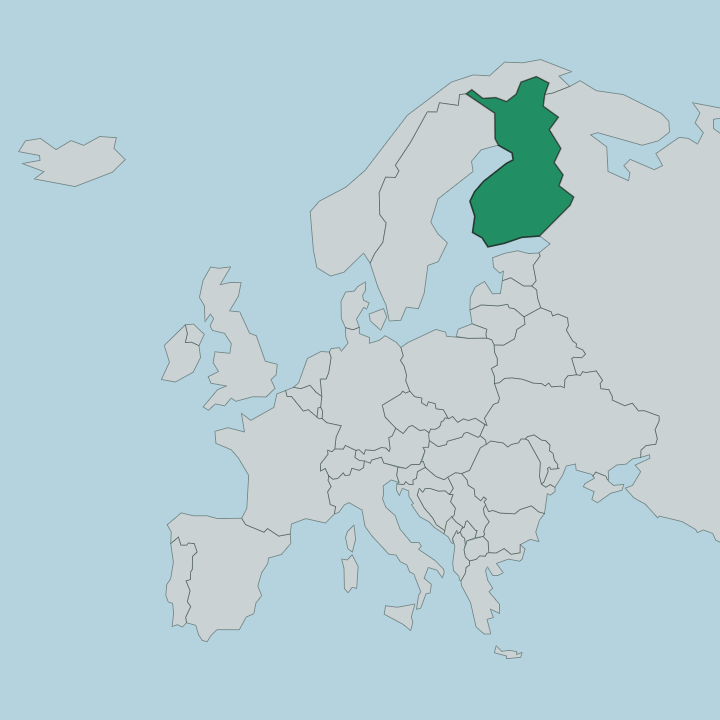
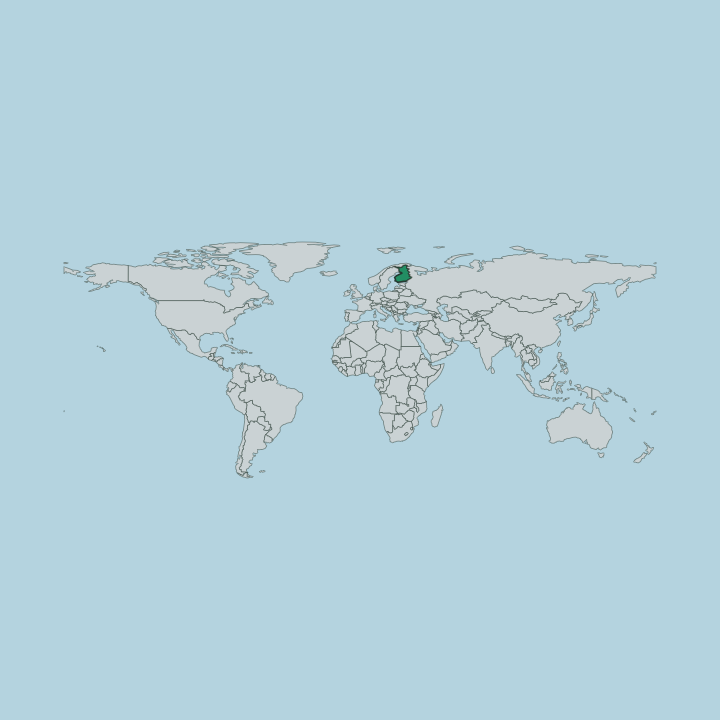
Larsmo lies in western Finland (Ostrobothnia), spread across a low coastal archipelago of Pohjanmaa. The land sits barely above the sea. Islands, skerries and sheltered sounds make up almost the whole municipality, the larger ones carrying the centre around Luodon kirkko and the smaller ones the cottages and fishing harbours such as the Öuranin kalasatama.
The flat shore is still rising slowly from the water along this stretch of the Ostrobothnian coast.
What is the climate of Larsmo?
Larsmo has the cool, maritime climate of the Ostrobothnian coast. Its sounds and skerries freeze through long winters, when ice locks the harbour at the Öuranin kalasatama and binds the islands of Pohjanmaa to the mainland. Spring opens slowly.
The thaw frees the sea around Luodon kirkko, and short, bright summers draw boats and bathers out among the skerries while the long northern light lasts over the water.
How do you get to Larsmo?
Reaching Larsmo means driving the coast roads of Pohjanmaa. The island municipality has no station of its own, so most visitors come by car across the bridges and causeways that link its skerries to the mainland of western Finland. Buses serve the larger islands.
From the wider region the route runs in toward the centre at Luodon kirkko, the nearest base for the fishing harbour at the Öuranin kalasatama and the archipelago beyond.
Good for
More cities in Pohjanmaa
Updated September 2026