Finland · Pohjanmaa
Where to Stay in Vörå, Pohjanmaa
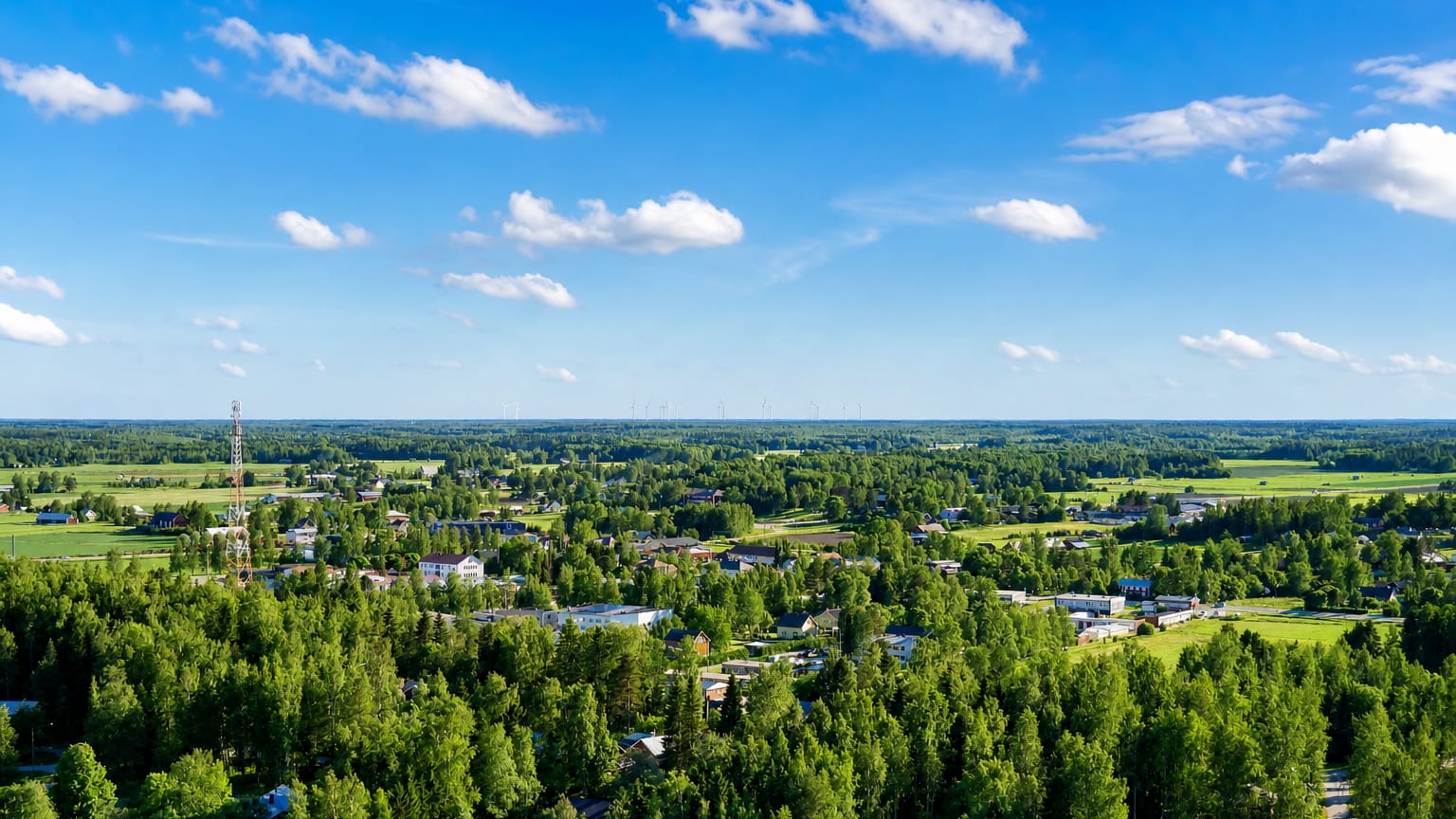
Vörå is a coastal municipality in western Finland, on the Gulf of Bothnia in Ostrobothnia, edged by the Kvarken Archipelago.
Find your area →


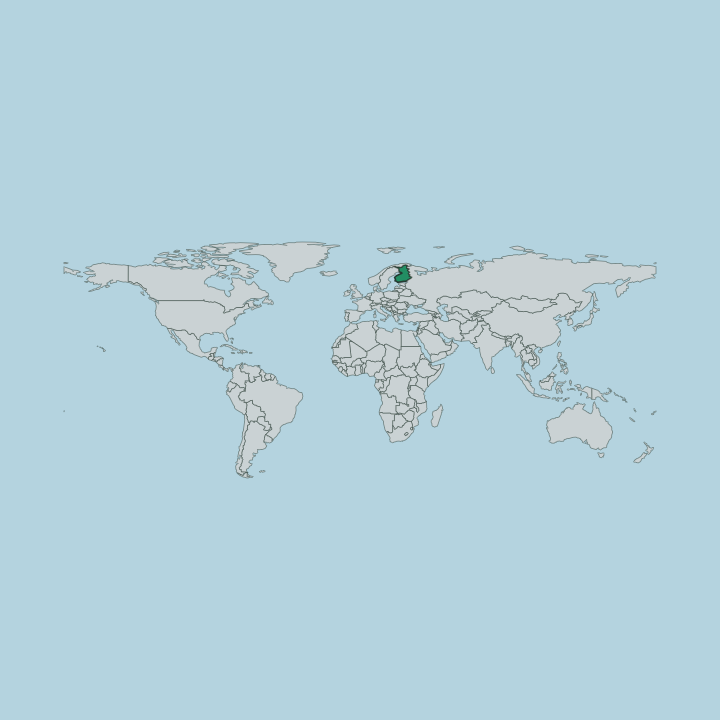
Where to stay in Vörå
Not every neighbourhood fits every trip — here's what each one is good for.
Vörå spreads its beds across three old parishes. The main village around Vöyrin kirkko holds the municipal core in western Finland, on the Gulf of Bothnia, with rooms within reach of the church and the everyday streets, and the Folkhälsan Norrvalla sports centre nearby. That main village keeps you closest to everything.
Out at the coast the former Oravais parish around Oravaisten kirkko draws those who come for the sea and the battlefield road of Taistelutantereentie, and the area suits you if the Kvarken Archipelago shore and the war history are your reason for the trip. The Maxmo side runs to islands and water. Around Maksamaan kirkko the land breaks into the skerries of Flannskären, more summer homes than hotels, near where the old ironworks of Kimon ruukki and Oravaisten ruukki stand inland.
Beds thin across the outer islands. Most travellers reserve in the central village of Vörå and drive out to the coast and the ruukki sites across this corner of Ostrobothnia.
Things to do in Vörå
Ranked by global recognition; descriptions from Wikidata (CC0).
Museums & Galleries
1- Rasmusgården
Churches & Religious Sites
3- Vöyrin kirkko Heritage
- Oravaisten kirkko Heritage
- Maksamaan kirkko Heritage
Nature & Outdoors
1- Flannskären Heritage island
Stadiums & Sports
1- Folkhälsan Norrvalla
worth knowingacross 4 categories in Vörå
About Vörå
Sea and battle shape its name.
What is Vörå known for?
Vörå fronts the Kvarken Archipelago, the World Heritage coast where the land still rises from the Gulf of Bothnia, and its shore at Flannskären faces the shallow, rising sea of western Finland. History runs through it too. The battlefield road of Taistelutantereentie marks the fighting at Oravais, the ironworks of Kimon ruukki recall its old industry, and the three churches of Vöyrin kirkko, Oravaisten kirkko and Maksamaan kirkko anchor the parishes that joined to make this part of Ostrobothnia.
What are the main landmarks in Vörå?
The coast is the headline. The Kvarken Archipelago, a World Heritage shore where the land rises from the Gulf of Bothnia, edges Vörå at the skerries of Flannskären. Churches and ironworks fill out the land.
Three parish churches stand across the municipality, Vöyrin kirkko, Oravaisten kirkko and Maksamaan kirkko, while the old ironworks of Kimon ruukki and Oravaisten ruukki recall its industry and the battlefield road of Taistelutantereentie marks the fighting at Oravais in this corner of Ostrobothnia.
What is the history of Vörå?
Vörå is an old coast with a young municipality. Its parishes are ancient, settled along the rising shore of the Gulf of Bothnia in western Finland, where Vöyrin kirkko, Oravaisten kirkko and Maksamaan kirkko long served three separate communities of Ostrobothnia. Iron drew workers inland.
The ironworks of Kimon ruukki and Oravaisten ruukki harnessed the rivers and forest, building a working landscape whose mills and dams still mark the older industry of the district. War left its scar on the coast. The battle fought at Oravais is remembered along the battlefield road of Taistelutantereentie, one of the hardest fights of its campaign on this stretch of shore.
Three became one in the twenty-first century. The parishes of Vörå, Maxmo and Oravais were joined into a single municipality, gathering the churches, the ruukki sites and the skerries of Flannskären off the Kvarken Archipelago under one name in Pohjanmaa.
Where is Vörå?
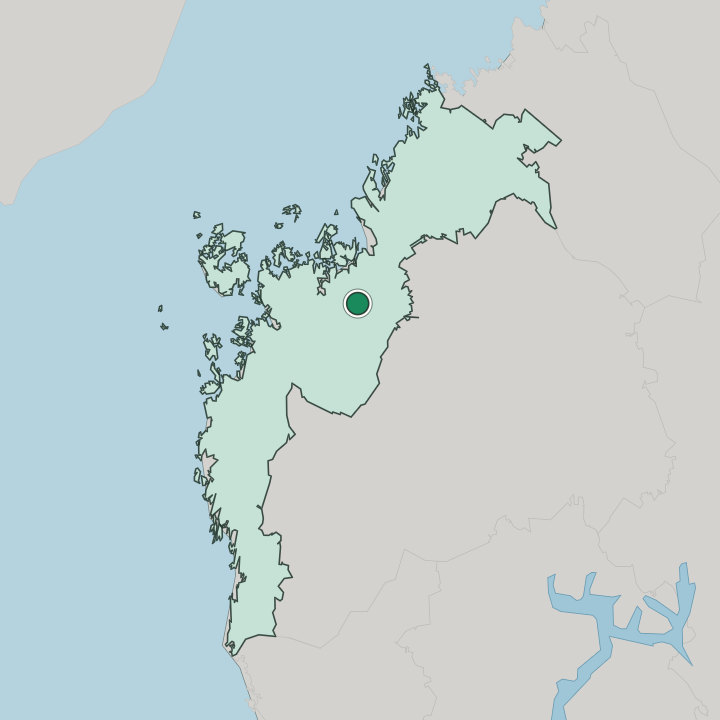
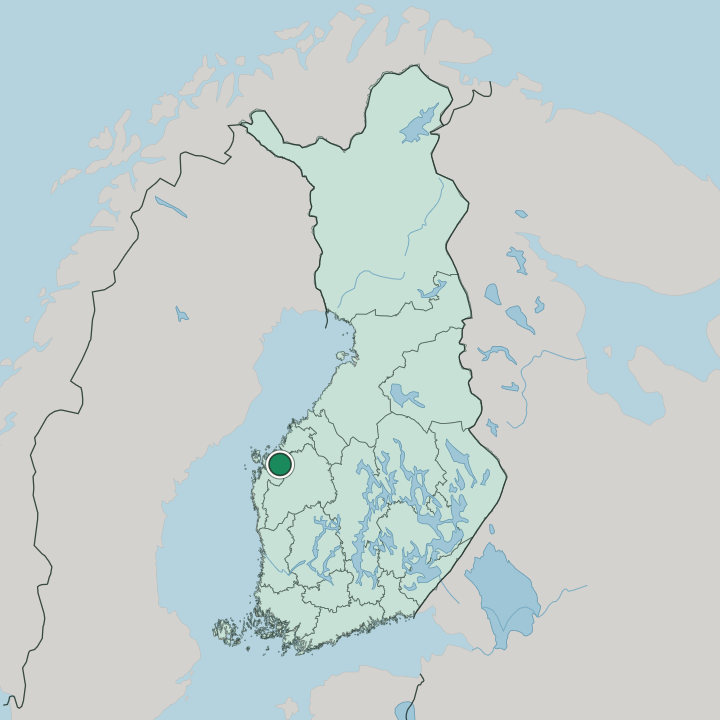
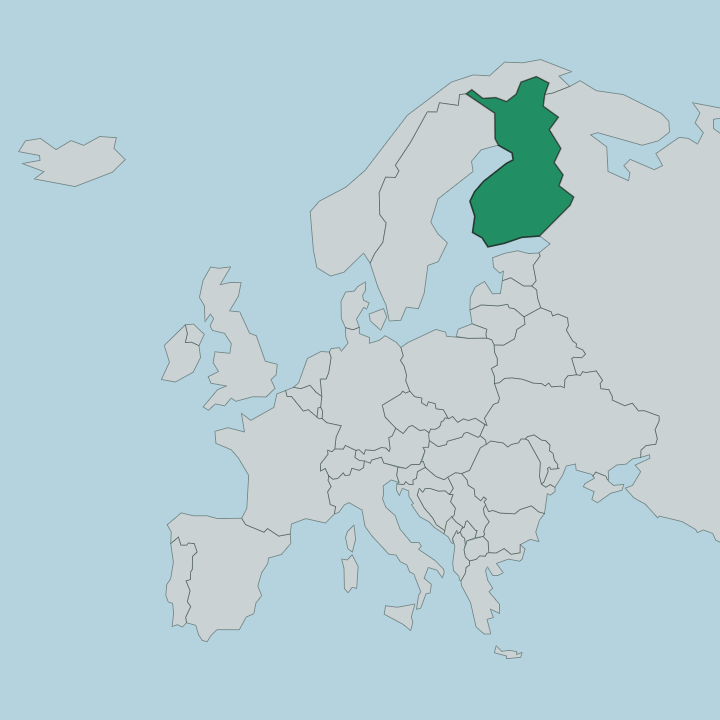
Vörå lies on the coast of western Finland, on the Gulf of Bothnia, in the Ostrobothnia region. The shore breaks into the low islands of the Kvarken Archipelago, a World Heritage coast where the land is still rising from the sea, and the skerries of Flannskären lie off the Maxmo side. Rivers run down to the bay.
They once turned the wheels at Kimon ruukki, while inland the churches of Vöyrin kirkko, Oravaisten kirkko and Maksamaan kirkko mark the old parish centres across this part of Pohjanmaa.
What is the climate of Vörå?
The sea tempers the cold a little. Vörå sits on the Gulf of Bothnia in western Finland, so its winters run long and snowy and its summers stay short, cool and bright along the Kvarken Archipelago. The bay freezes over in winter.
The brief summer opens the skerries of Flannskären and the shore around Oravaisten kirkko to visitors in the long northern light, before autumn drives wind off the water and the frozen, dim days close over this corner of Ostrobothnia.
How do you get to Vörå?
Road runs along the coast. Vörå lies on the shore routes of Pohjanmaa, reached by car from the towns of western Finland that line the Gulf of Bothnia, the drive passing the central village around Vöyrin kirkko. The coast road links the old parishes.
Buses connect the villages of Oravaisten kirkko and Maksamaan kirkko, and the battlefield road of Taistelutantereentie and the shore of the Kvarken Archipelago draw their own visitors across this corner of Ostrobothnia.
Good for
More cities in Pohjanmaa
Updated September 2026