Finland · Pohjanmaa
Where to Stay in Vaasa, Pohjanmaa
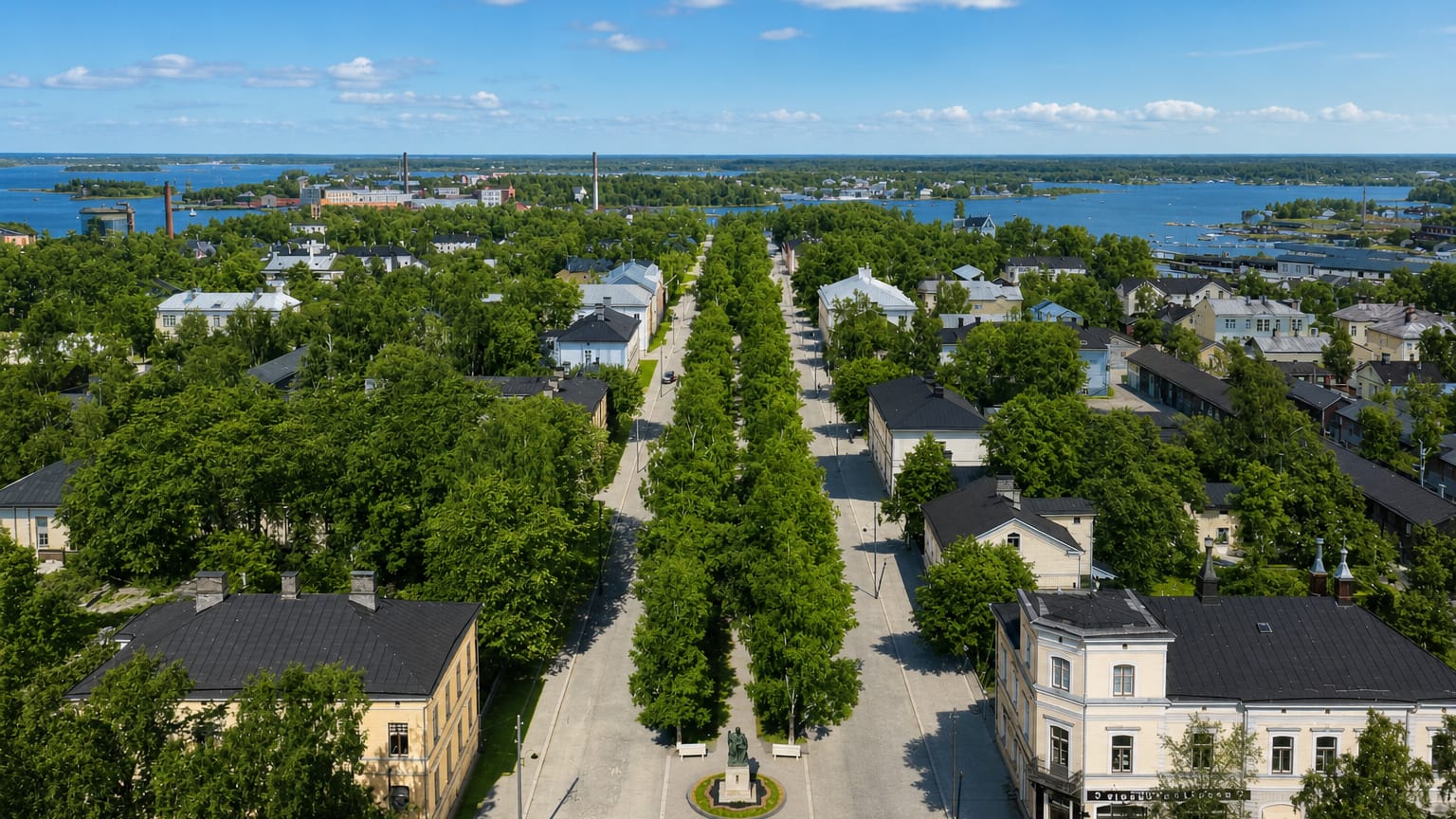
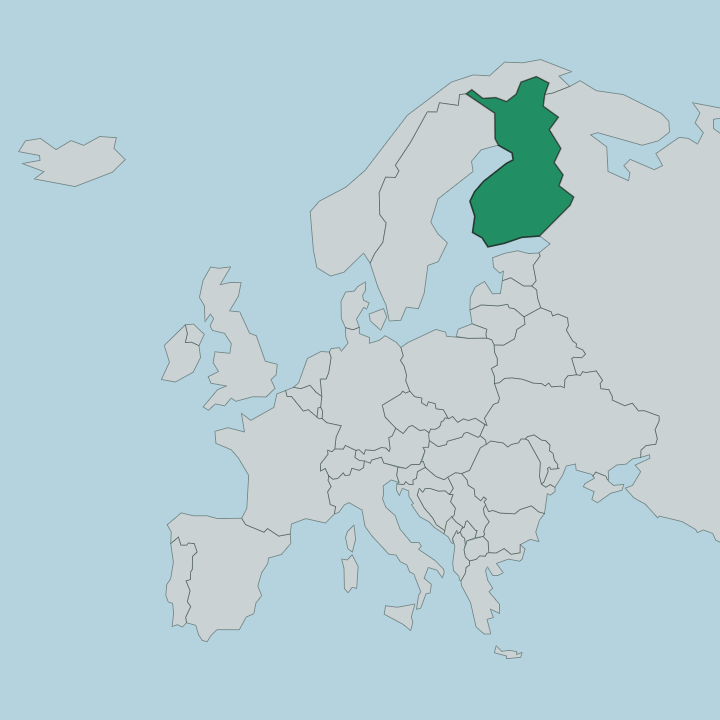
Vaasa is a bilingual coastal city on the Gulf of Bothnia, the regional capital of Ostrobothnia in western Finland.
Find your area →


Where to stay in Vaasa
The right area depends on your trip — here's what each neighbourhood is best for.
 VaasaFinland
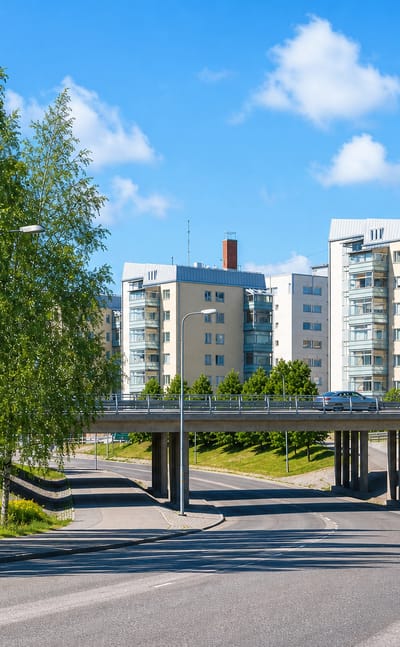
Hietalahti
Hietalahti is a central district of southern Vaasa, the western Finland coast city, set around Vaasan kirkko.Where to stay →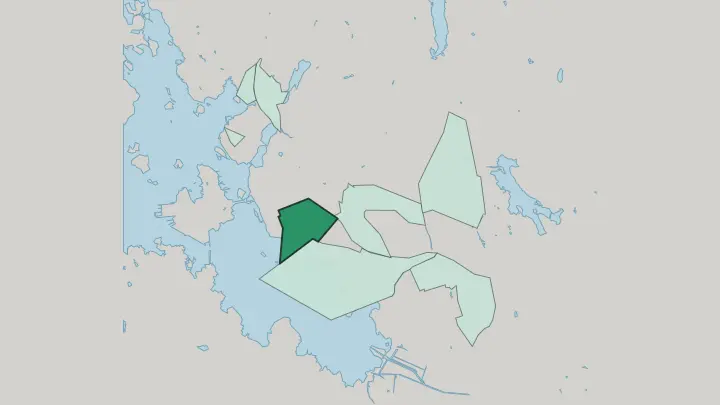
 VaasaFinland
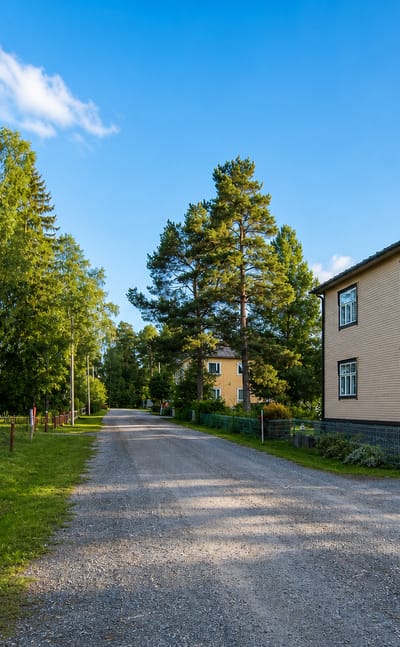
Dragnäsbäck
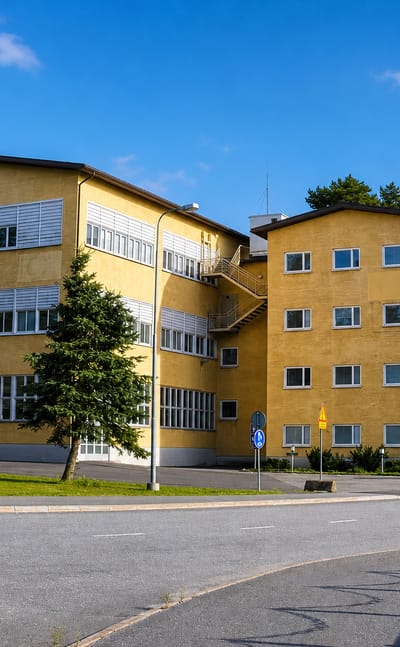
Dragnäsbäck, or Vetokannas, is a district of northern Vaasa on the western Finland coast.Where to stay →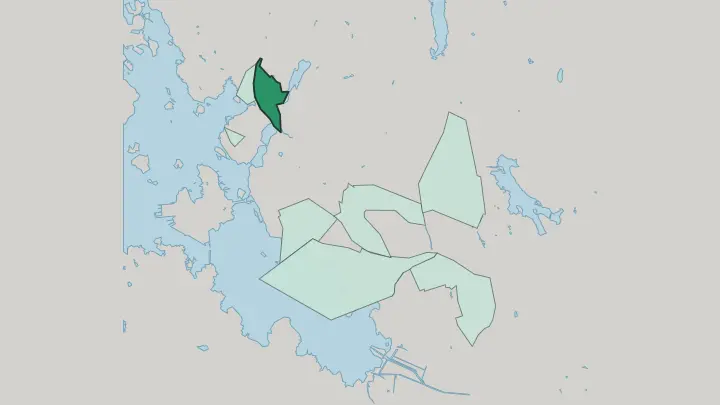
 VaasaFinland
Huutoniemi
Huutoniemi is a district of eastern Vaasa in western Finland, gathered around Huutoniemen kirkko.Where to stay →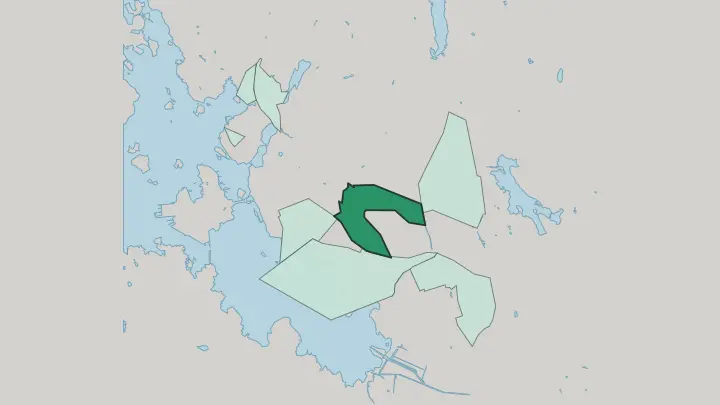
 VaasaFinland
Isolahti
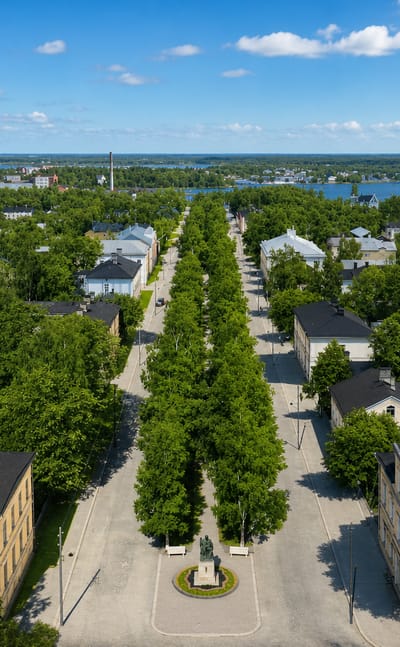
Isolahti is a northern district of Vaasa, in western Finland (Ostrobothnia), set along the city's inner waters.Where to stay →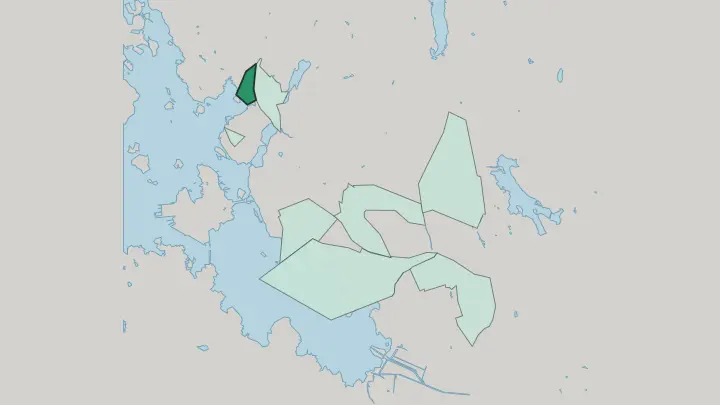 VaasaFinland
Palosaaren keskus
Palosaaren keskus is the centre of the Palosaari quarter in northern Vaasa, western Finland (Ostrobothnia).Where to stay →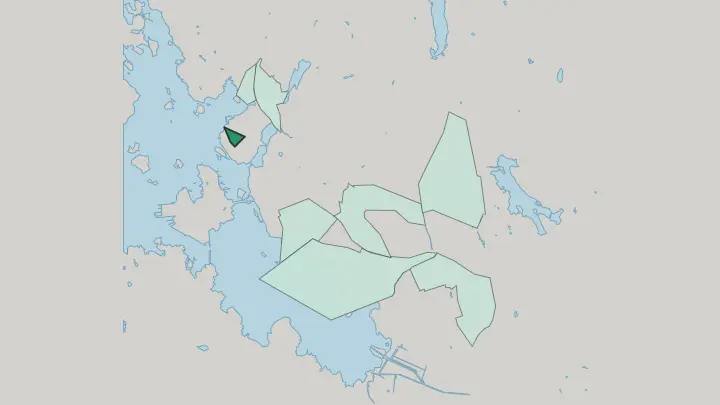 VaasaFinland
Ristinummi
Ristinummi is an eastern residential district of Vaasa, in western Finland (Ostrobothnia), set back from the city centre.Where to stay →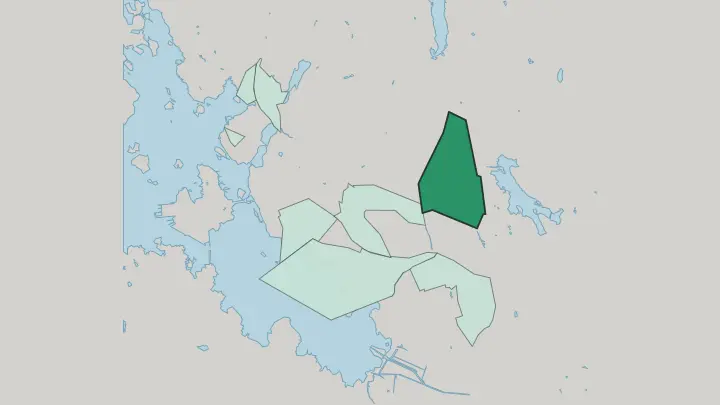 VaasaFinland
Suvilahti
Suvilahti is a district of south-eastern Vaasa in western Finland, near the city's ice hall.Where to stay →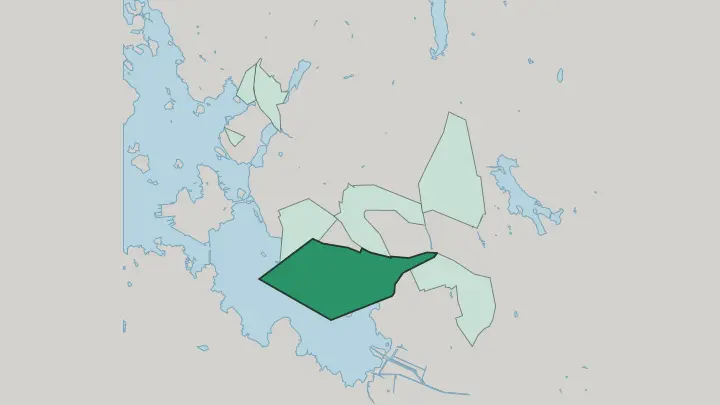
 VaasaFinland
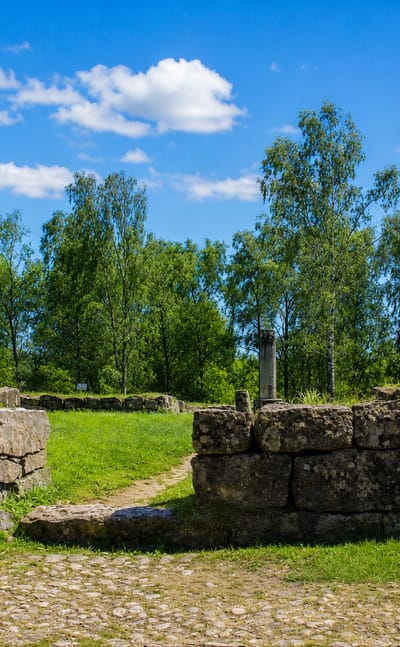
Vanha Vaasa
Vanha Vaasa is the old-town district of Vaasa, in western Finland (Ostrobothnia), south-east of the modern centre.Where to stay →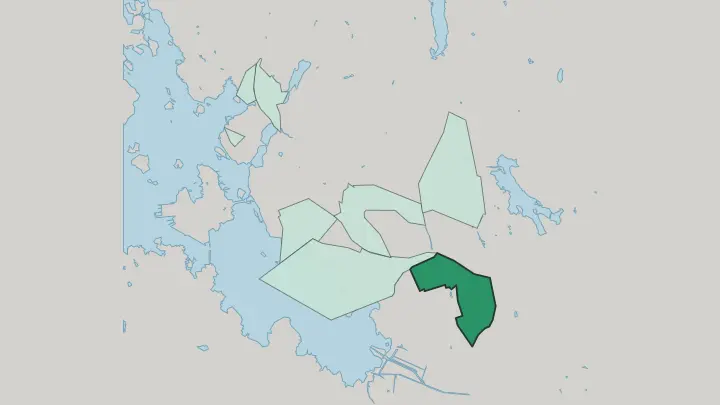
All neighbourhoods (20)
VaasaFinlandMelaniemi
Melaniemi is a district of Vaasa, in Finland, sitting nearer Huutoniemi and Suvilahti than the city centre.Where to stay →VaasaFinlandAsevelikylä
Asevelikylä is one of the named districts of Vaasa, in Finland, and its Finnish and Swedish forms are identical.Where to stay →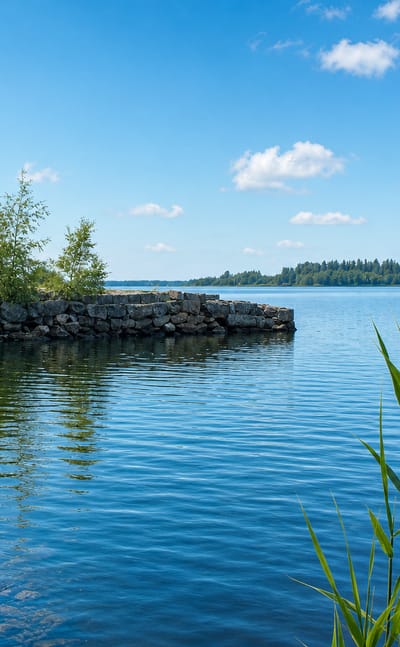 VaasaFinland
Viikinlohko
Viikinlohko belongs to Vaasa in Finland, sharing edges with Dragnäsbäck, Isolahti and Palosaaren keskus. Vikinga is its Swedish name.Where to stay →VaasaFinlandMetsäkallio
Metsäkallio is a Vaasa district lying between Dragnäsbäck and Asevelikylä, on the outer roads of the Finnish city.Where to stay →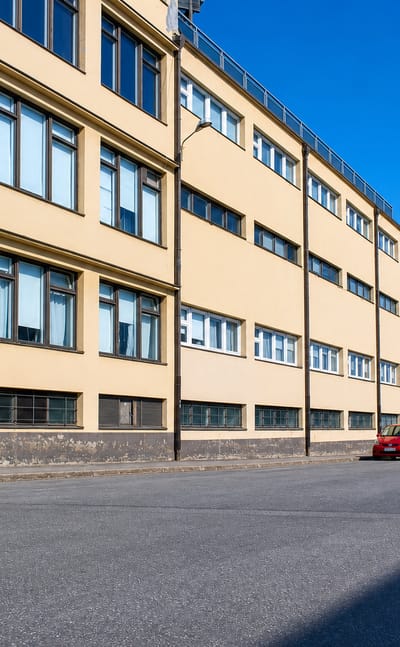 VaasaFinland
Klemettilä
Klemettilä lies in Vaasa, in Finland. Vaasan Cityseurakunta gives the district its single listed landmark, a congregation among ordinary city blocks.Where to stay →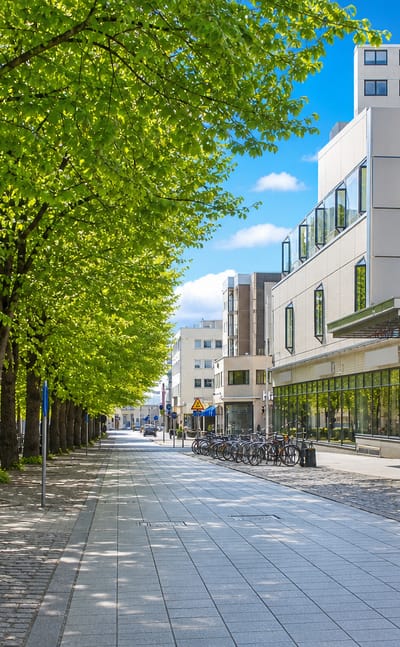 VaasaFinland
I kaupunginosa
Vaasan kirkko stands here. I kaupunginosa, also written Keskusta 1, is the first of the numbered central districts of Vaasa.Where to stay →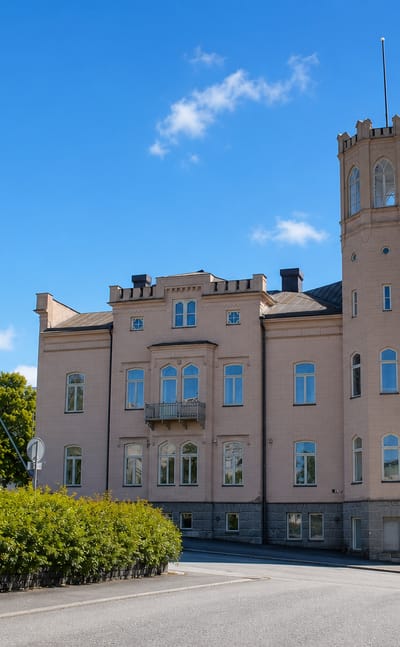 VaasaFinland
II kaupunginosa
Two museums, Pohjanmaan museo and Kuntsin modernin taiteen museo, give II kaupunginosa its weight in central Vaasa.Where to stay →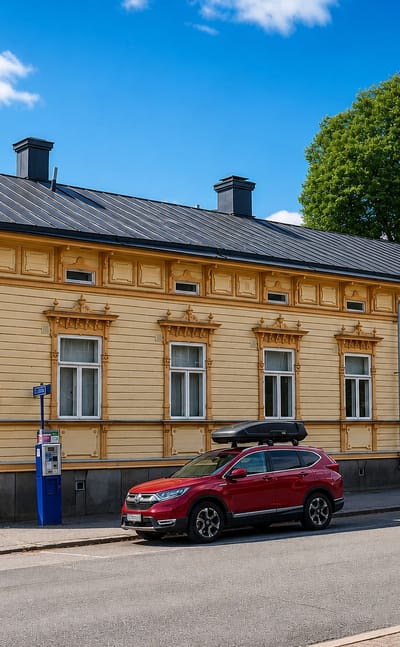 VaasaFinland
III kaupunginosa
Sininentie passes through. III kaupunginosa, or Keskusta 3, holds that route along with Vaasan Jaakoon muistomerkki in the centre of Vaasa.Where to stay →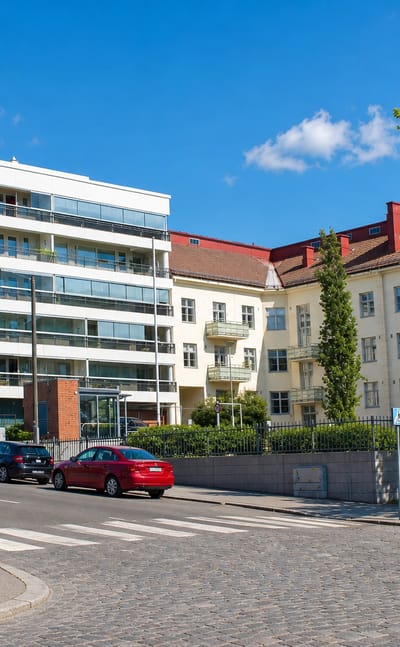 VaasaFinland
VI kaupunginosa
VI kaupunginosa, also recorded as Keskusta 6, is one of the numbered city districts of Vaasa in the Pohjanmaa region of Finland.Where to stay →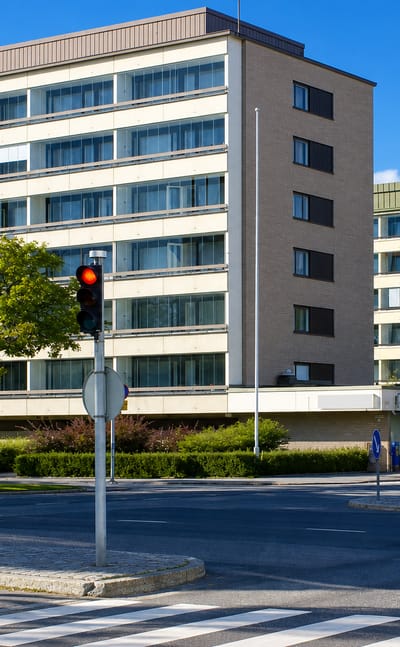 VaasaFinland
VII kaupunginosa
Vaasa numbers its inner quarters, and the seventh is VII kaupunginosa, listed as Keskusta 7 within Pohjanmaa, Finland.Where to stay →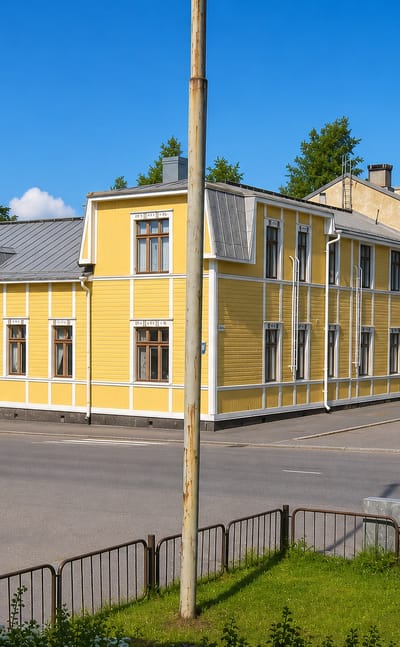 VaasaFinland
VIII kaupunginosa
VIII kaupunginosa, or Keskusta 8, is the eighth of the numbered Vaasa districts, a Pohjanmaa quarter with two named entries of its own.Where to stay →VaasaFinlandXI kaupunginosa
Keskusta 11 is the alternate name for XI kaupunginosa, one of the numbered districts by which Vaasa orders its urban area in Pohjanmaa, Finland.Where to stay →Things to do in Vaasa
Ranked by global recognition; descriptions from Wikidata (CC0).
Museums & Galleries
3- Pohjanmaan museo regional museum in Vasa/Vaasa
- Tikanojan taidekoti
- Kuntsin modernin taiteen museo
Churches & Religious Sites
5- Mustasaaren kirkko Heritage
- Vaasan kirkko Heritage
- Huutoniemen kirkko Heritage
- Pyhän Nikolaoksen kirkko Heritage Eastern Orthodox church building
- Palosaaren kirkko Heritage
Castles & Historic Sites
1- Korsholman linna Heritage Ruined medieval fortification
Stadiums & Sports
1- Vaasan jäähalli ice hockey arena
Landmarks & Notable Places
3- Tarkka-ampujapataljoonan komentajan ja esikuntaupseerin asuinrakennus Heritage house
- Vaasan Puuvillatehtaan työväen asuinrakennus Heritage
- Waasan Osake Pankin pankki- ja asuinrakennus Heritage
worth knowingacross 5 categories in Vaasa
About Vaasa
What is Vaasa known for?
Vaasa is the regional capital of Ostrobothnia, a bilingual port city on the Gulf of Bothnia in western Finland (Ostrobothnia). It is known for its sunny coast, its Finnish and Swedish life, and a clutch of museums and churches in the centre. The city draws on the sea.
Vaasan kirkko and the Orthodox Pyhän Nikolaoksen kirkko mark the skyline, while the Pohjanmaan museo and the Tikanojan taidekoti hold the art and history of the region, and the Suomen Vapaudenpatsas stands as the city's best-known monument.
What are the main landmarks in Vaasa?
Vaasan kirkko stands at the heart of the city, its tower a landmark of the centre. Nearby the Orthodox Pyhän Nikolaoksen kirkko marks the city's eastern church tradition, while the Suomen Vapaudenpatsas keeps the memory of independence in bronze. Three museums draw visitors in.
The Pohjanmaan museo, the Tikanojan taidekoti and the Kuntsin modernin taiteen museo hold the art and the regional history of Ostrobothnia, and the Vaasan jäähalli serves the sporting life of this corner of western Finland.
What is the history of Vaasa?
Vaasa was chartered in 1606 as a port on the Gulf of Bothnia. The town grew on the trade of the Ostrobothnia coast, shipping tar, timber and goods across the gulf to Sweden through the long years when Finland and Sweden were one realm, its early name Nikolainkaupunki recalling the Russian era that followed. Trade built the town.
The first settlement clustered around its church, and Vaasa rose as the chief market and administrative centre of the western coast. A great fire destroyed the old town in the nineteenth century, and Vaasa was rebuilt on a new site by the sea on a broad, regular plan. Vaasan kirkko and the new public buildings rose in the rebuilt grid, and the Pohjanmaan museo later gathered the history of the coast under one roof.
The harbour stayed central. Through the changes Vaasa held its place as the regional capital of Ostrobothnia, a bilingual city of Finnish and Swedish life, and the Suomen Vapaudenpatsas was raised to mark the struggle for independence in this part of western Finland (Ostrobothnia).
Where is Vaasa?
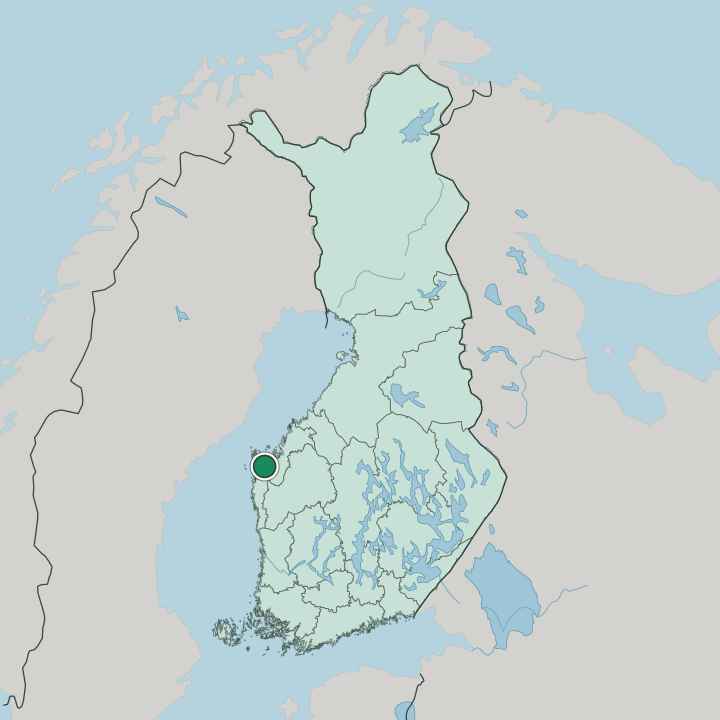
Vaasa lies on the Gulf of Bothnia coast, in western Finland (Ostrobothnia). The city sits where the land meets the gulf at its narrowest, the Kvarken strait reaching across to the Swedish shore through a maze of low islands and skerries. Water rings the city.
Its centre gathers around Vaasan kirkko and the market square on the mainland, while the island district of Palosaari and the wider archipelago of Ostrobothnia spread west into the shallow waters of the gulf.
What is the climate of Vaasa?
Vaasa has a cool maritime climate softened by the Gulf of Bothnia. Winters are cold and snowy, the gulf freezing along the Ostrobothnia coast through the dark months while frost grips the islands around Palosaari. Summers run bright and long.
The city counts among the sunniest in the country, the long northern daylight warming the coast and the archipelago through a short, vivid growing season in this part of western Finland.
How do you get to Vaasa?
Vaasa is reached by land, sea and air. The city has its own airport and rail line, linking the Ostrobothnia capital to the rest of western Finland, while a ferry crosses the Kvarken strait of the Gulf of Bothnia to Sweden. Trains run to the centre.
From the station it is a short walk to Vaasan kirkko and the market square, and the coastal roads carry drivers north and south along the gulf shore through the archipelago of Ostrobothnia.
Good for
More cities in Pohjanmaa
Updated September 2026