Finland · Varsinais-Suomi · Turku
Vätti, Turku — Area Guide & Where to Stay
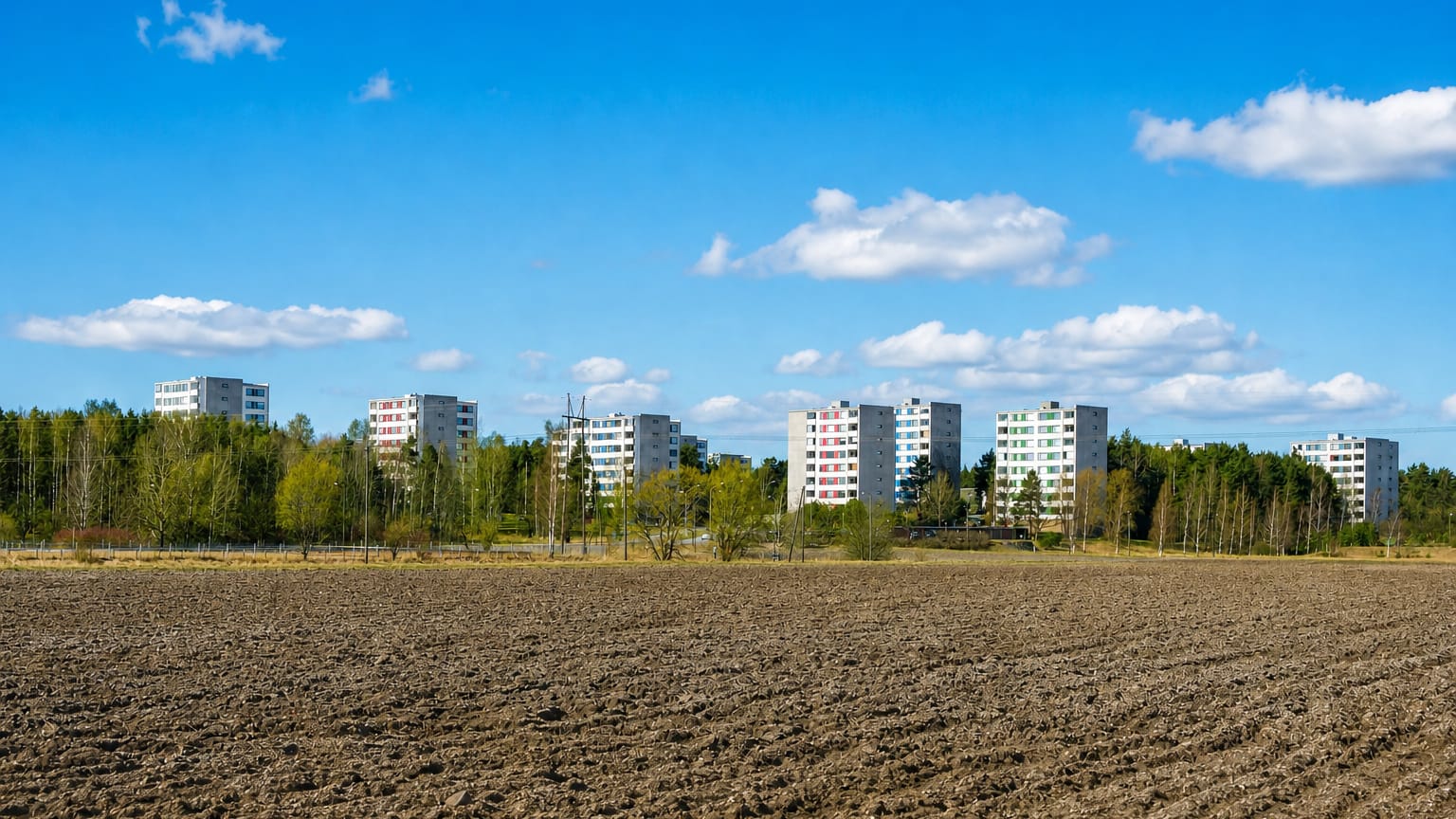
Vätti spreads north of the Turku centre, a district holding low detached streets, an industrial strip and the concrete tower blocks of Hepokulta.
Find your area →


Where to stay in Vätti
The right area depends on your trip — here's what each neighbourhood is best for.
Vätti is somewhere people live rather than somewhere they book. Hepokulta alone is nine housing companies. Around the estate sit terraced rows, detached streets, an industrial strip and two large schools, which means a visitor's room is almost certainly going to be back in central Turku a couple of kilometres south.
What the district does offer a traveller is the commute: Föli's own timetable data lists bus stops named Hepokulta and Varkkavuorenkatu inside Vätti, and the centre is near enough to walk home from on a long evening. Take a bed here if someone on Varkkavuorenkatu is the reason you came, and book in the middle of Turku if not.
Few places to stay in Vätti — most visitors book in Turku nearby.
About Vätti
What are the main landmarks in Vätti?
Vätti's set pieces are buildings, and both of them are schools. Rieskalähteen koulu at Jöllintie 3 opened in 1963 to drawings by Olli Vahtera, a many-sided block faced in brushed reinforced concrete, profiled copper sheet and steel lattice, and Turku's museum centre catalogued and appraised it in a 2016 survey of schools outside the city centre. The same office drew every one of the thirty-four apartment blocks at Hepokulta, twelve of four storeys and the rest towers of seven or eight.
Hepokulta rose between 1969 and 1974. Shops sit at Varkkavuorenkatu 34, a pub and a barber and a K-market and a kebab-pizzeria under one roof, with the parish hall beside them. Nothing in the district is nationally listed: the Finnish Heritage Agency's nearest entries lie more than a kilometre south in the centre, and the one heritage point close by is Pirunmäki, a modern anti-aircraft position never checked in the field and never tied to a district.
What is the history of Vätti?
In 1915 stonemasons blasting rock near what is now the Hepokulta shopping centre found a hoard tucked behind a boulder: two thousand eight hundred and forty-seven silver coins struck in the sixteenth century. They meant to keep it, word reached the authorities instead, and the find went to the National Museum of Finland, each man taking a hundred-mark reward that was worth about a farmhand's year. The coins are in Helsinki still.
Housing arrived half a century after that, between 1969 and 1974, and Hepokulta held some three and a half thousand people in its first decade against roughly two thousand since. Vätti kept a secondary school for forty-six years as well: it opened in 1970 under Raunistula's old name, Raunistulan yhteislyseo, was renamed for the neighbouring district of Kastu, came down in 2016 after indoor-air trouble, and left its site to a day nursery that opened in 2019.
Where is Vätti?
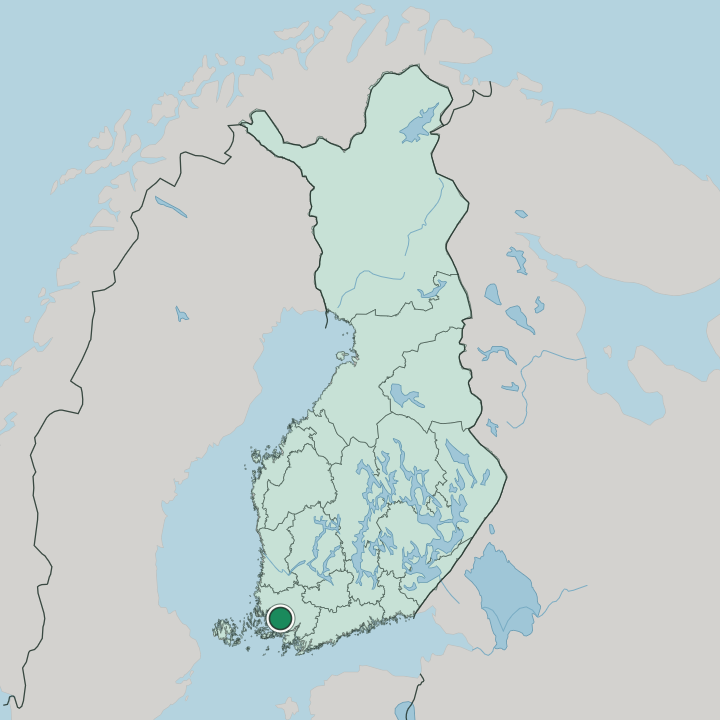
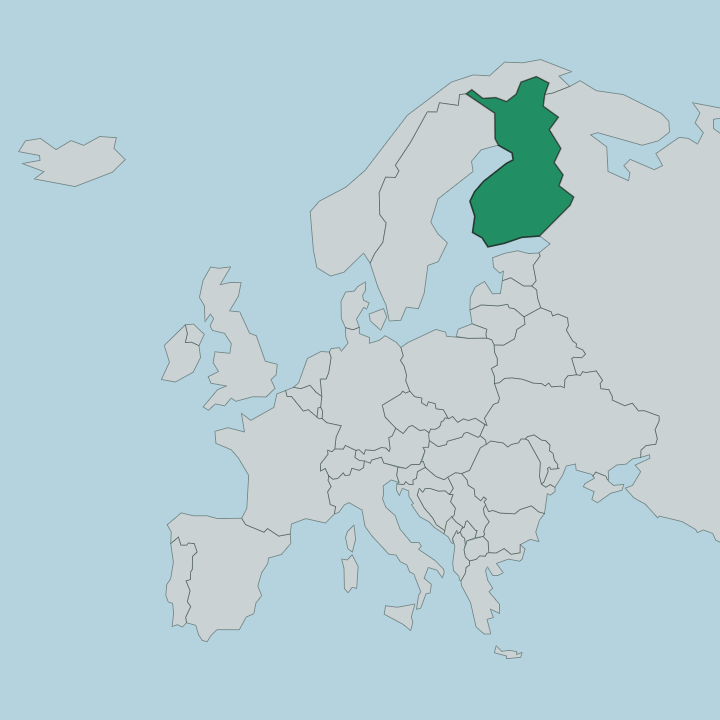
Vätti lies north of the Turku centre in Varsinais-Suomi, the south-western region of Finland, and the city files it into the Länsikeskus suuralue rather than the districts further out. Kovasoja crosses the district. It is a stream barely wider than a ditch, feeding Saukonoja and then Kuninkoja, the small coastal watercourse whose catchment covers about twenty-seven square kilometres spanning Turku and Raisio.
Clay underlies most of the ground, cut into shallow valleys with banks a couple of metres above the water, and Kuninkoja spills over them most springs and after heavy rain.
Common questions
What is the best area to stay in Vätti?
Hepokulta: someone with a reason to be on Varkkavuorenkatu who will ride into central Turku for everything else.
More areas in Turku
Updated September 2026