France · Auvergne-Rhône-Alpes
Where to Stay in Clermont-Ferrand, Auvergne-Rhône-Alpes
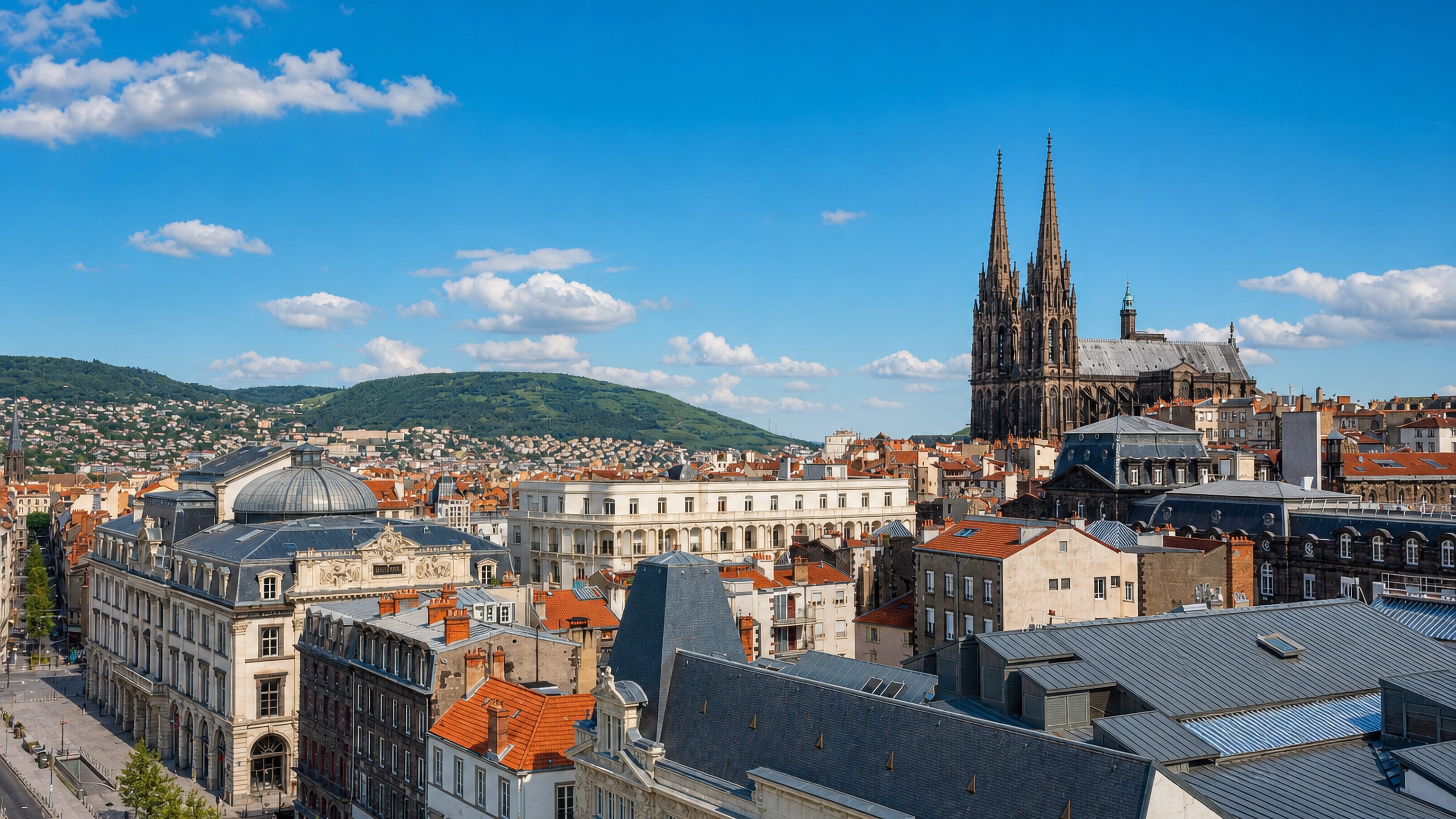
Clermont-Ferrand is the prefecture of Puy-de-Dôme and the Auvergne capital, with the Basilica of Notre-Dame du Port at its centre.
Hotel links are affiliate links: booking through them may earn us a commission, at no extra cost to you. It never affects how places are ranked. How this works


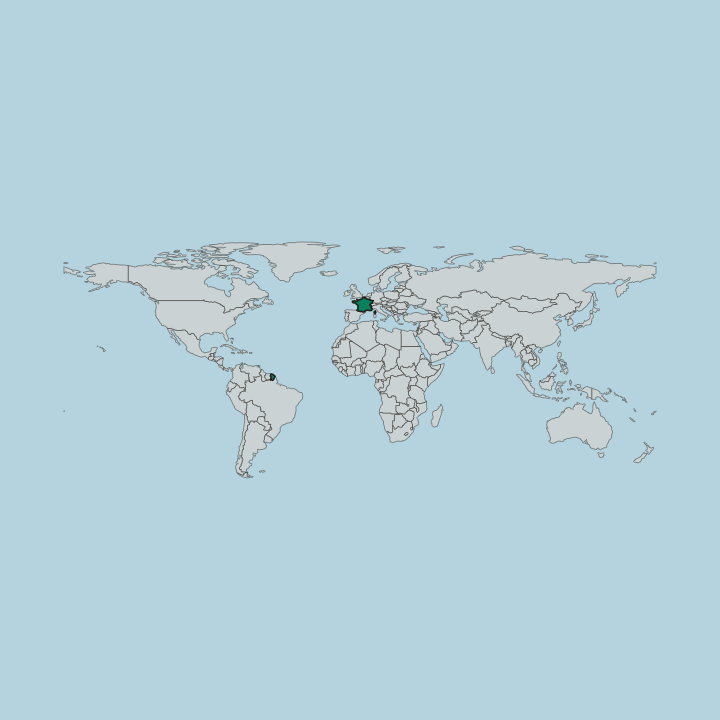
Where to stay in Clermont-Ferrand
Where the beds are, and what that means for the visit.
The Basilica of Notre-Dame du Port anchors the first choice. Beds in the Clermont core put the Église Saint-Pierre de Clermont, the Musée Bargoin and the Muséum Henri-Lecoq inside a few minutes on foot, which is what most visitors are paying for. Walking covers that core easily.
The Église Saint-Genès des Carmes and the Église Saint-Eutrope fall inside the same walk, and nothing else in the commune matches that concentration. Montferrand is the alternative, not an afterthought. The Église Notre-Dame de Montferrand and the Maison d'Adam et Ève give that quarter a centre of its own, set apart from the Clermont side, and the Musée d'Art Roger-Quilliot draws people across.
Parking gets simpler. You want this side if a car is part of the trip and the evening plan is dinner rather than a late walk back. Beyond the two cores, the map opens.
Chamalières and Royat lie on the far side of the built-up area, with the Église Notre-Dame de Chamalières and the ancient baths at Royat marking them, and beds there suit a quiet night and an early start. Sport pulls the third group. The Jean-Pellez Stadium and the Clermont-Ferrand Sports Hall sit away from both old quarters, which matters only when a fixture is the reason for the trip.
Find hotels in Clermont-Ferrand
Direct booking searches for these neighbourhoods.
The Clermont core
The older of the two cores, where the Église Saint-Pierre de Clermont, the Église Saint-Genès des Carmes and the Muséum Henri-Lecoq fall inside one walk.Find hotels in The Clermont corethe Maison d'Adam et Ève and a quieter eveningMontferrand
The second old quarter, holding the Église Notre-Dame de Montferrand and the Musée d'Art Roger-Quilliot at a remove from the Clermont side.Find hotels in Montferrandthe ancient baths at Royat and an early departureChamalières and Royat
The far edge of the built-up area, where the Église Notre-Dame de Chamalières and the Roman bath ruins sit clear of both old quarters. Few places to stay nearby — book ahead.Find hotels in Chamalières and Royatfixtures at the Clermont-Ferrand Sports HallAround the Jean-Pellez Stadium
The sporting edge of the commune, built around the Jean-Pellez Stadium rather than around a church square.Find hotels in Around the Jean-Pellez StadiumHotel links are affiliate links: booking through them may earn us a commission, at no extra cost to you. It never affects how places are ranked. How this works
Things to do in Clermont-Ferrand
Ranked by global recognition; descriptions from Wikidata (CC0).
Museums & Galleries
3- Musée d'Art Roger-Quilliot
- L'Aventure Michelin
- Musée Bargoin
Churches & Religious Sites
8- Basilica of Notre-Dame du Port Heritage
- Église Saint-Genès des Carmes de Clermont-Ferrand Heritage
- Église Notre-Dame de Montferrand (Clermont-Ferrand) Heritage
- Église Saint-Eutrope de Clermont-Ferrand Heritage
- Église Notre-Dame de Chamalières Heritage
Show 3 more →
- Saint-Joseph church Heritage
- Église Saint-Pierre de Clermont Heritage
- Église Saint-Laurent de Clermont-Ferrand Heritage
Castles & Historic Sites
3- Temple de Vasso Galate Heritage
- Sanctuaire de Trémonteix Heritage
- Ancient baths at Royat Heritage
Stadiums & Sports
2- Clermont-Ferrand Sports Hall
- Jean-Pellez Stadium
Landmarks & Notable Places
3- Maison d'Adam et Ève Heritage
- Maison Bergougnan Heritage
- Maison Pezon Heritage
worth knowingacross 5 categories in Clermont-Ferrand
About Clermont-Ferrand
Two towns under one name.
What is Clermont-Ferrand known for?
Clermont-Ferrand pairs the Clermont side, where the Basilica of Notre-Dame du Port and the Église Saint-Pierre de Clermont stand, with Montferrand and its Église Notre-Dame de Montferrand and Maison d'Adam et Ève. Museums do a lot of work here. The Musée Bargoin, the Musée d'Art Roger-Quilliot and the Muséum Henri-Lecoq hold the collections, and L'Aventure Michelin stands for the industrial side of the same city.
What are the main landmarks in Clermont-Ferrand?
Clermont-Ferrand's landmarks are mostly churches. The Basilica of Notre-Dame du Port, the Église Saint-Pierre de Clermont and the Église Notre-Dame de Montferrand carry the religious weight, while the Maison d'Adam et Ève and the Maison Pezon show what the domestic streets kept. Rome left traces too.
The Temple de Vasso Galate, the Roman Theatre of Montaudou and the sanctuaire de Trémonteix belong with Augustonemetum among the oldest names here, and the Armenian Genocide Memorial marks a far later one.
What is the history of Clermont-Ferrand?
Augustonemetum is the oldest name on the ground. The Temple de Vasso Galate, the Roman Theatre of Montaudou and the sanctuaire de Trémonteix survive from that layer, and the ancient baths at Royat put the same period on the edge of the built-up area. Stone outlasted the empire.
The Basilica of Notre-Dame du Port and the Église Saint-Genès des Carmes carry the church into the centuries that followed, by which point the shape of the place was set. Two towns, one hyphen. Clermont and Montferrand were separate names before the hyphen joined them, which is why the Église Saint-Pierre de Clermont and the Église Notre-Dame de Montferrand still label different halves of one commune.
The Maison d'Adam et Ève belongs to the Montferrand side. Houses such as the Maison Pezon survive from the streets between the two. Industry arrived later and stayed.
L'Aventure Michelin keeps the record of the manufacturing that made Clermont-Ferrand something other than a town of churches and museums, and the Maison Bergougnan stands from the same industrial period. Collections came after. The Musée Bargoin, the Musée d'Art Roger-Quilliot and the Muséum Henri-Lecoq hold what the city gathered, while the Armenian Genocide Memorial and the Saint-Joseph church belong to far later chapters.
Where is Clermont-Ferrand?
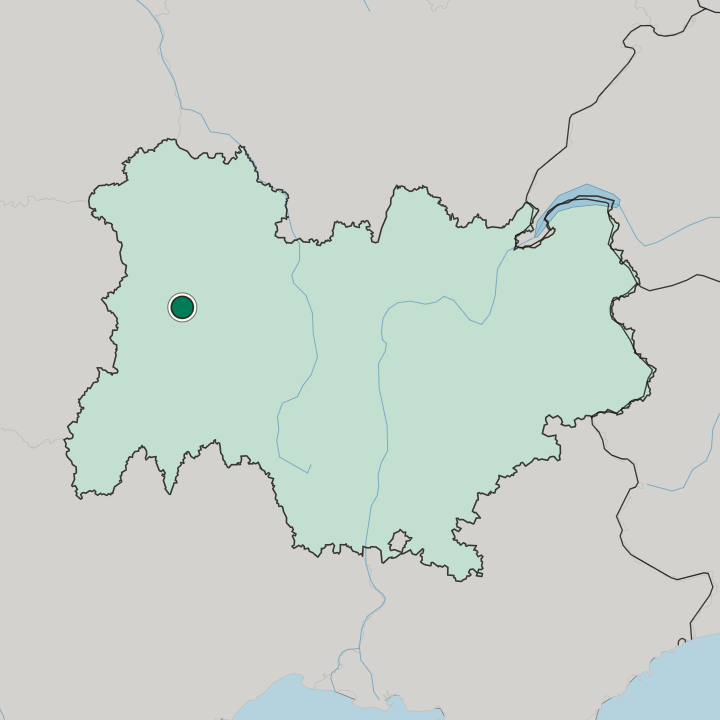
Roughly forty-three square kilometres of the Puy-de-Dôme. Clermont-Ferrand spreads from the Clermont core out past Montferrand, with Chamalières and Royat closing the built-up area on one side and the sanctuaire de Trémonteix marking another edge. Water is in the names.
The Source des Roches and the église Notre-Dame de la Rivière both carry it, and the ancient baths at Royat show how long that has been true.
What is the climate of Clermont-Ferrand?
The Auvergne sets the terms here. Winters run cold enough to matter and summers stop short of real heat, which is what the temperate band delivers at this distance from any coast. Rain arrives in instalments.
The Source des Roches keeps running through it, and the courtyards around the Maison d'Adam et Ève dry out quickly once the sun returns.
How do you get to Clermont-Ferrand?
Clermont-Ferrand is the prefecture of the Puy-de-Dôme, and that status decides the traffic. Roads and rail converge on the administrative centre of a département rather than on a town that happens to sit between larger ones, which shortens most approaches from the rest of Auvergne-Rhône-Alpes. Arrival lands between two cores.
Clermont and Montferrand are both a short run from the edge of the commune, and Chamalières and Royat sit close enough to serve as a way in.
Common questions
What is the best area to stay in Clermont-Ferrand?
The Clermont core: the Basilica of Notre-Dame du Port and the Musée Bargoin on foot. Montferrand: the Maison d'Adam et Ève and a quieter evening. Chamalières and Royat: the ancient baths at Royat and an early departure. Around the Jean-Pellez Stadium: fixtures at the Clermont-Ferrand Sports Hall.
Good for
More cities in Auvergne-Rhône-Alpes
Updated October 2026