France · Auvergne-Rhône-Alpes
Where to Stay in Lyon, Auvergne-Rhône-Alpes
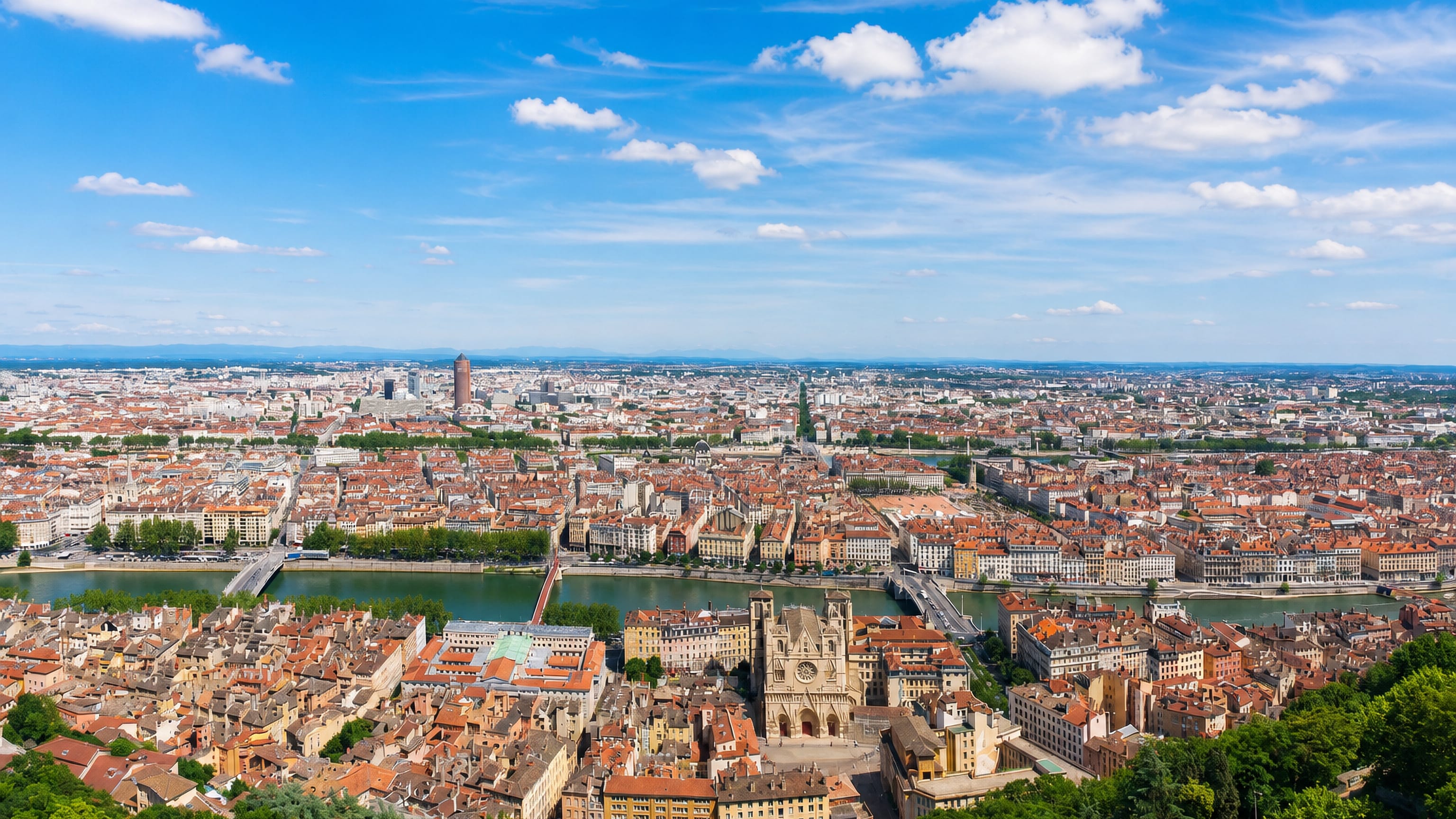
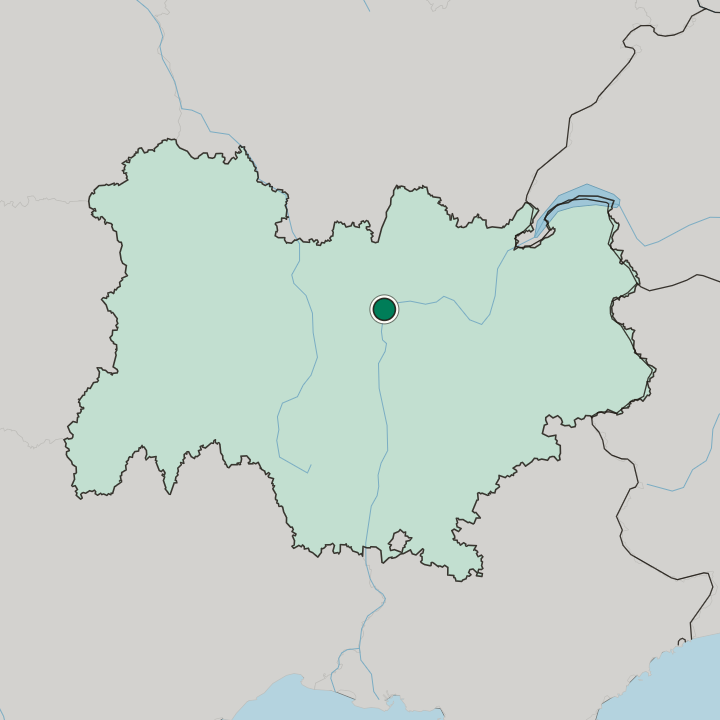
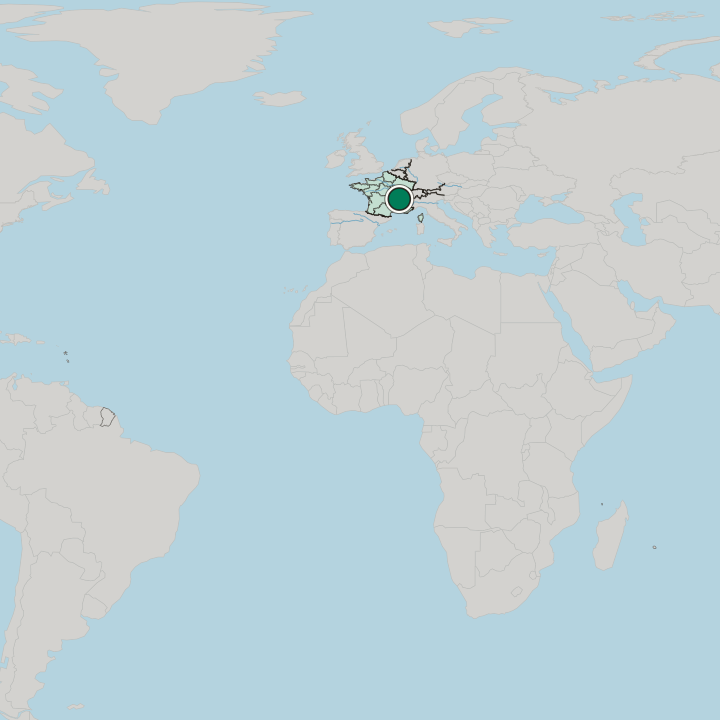
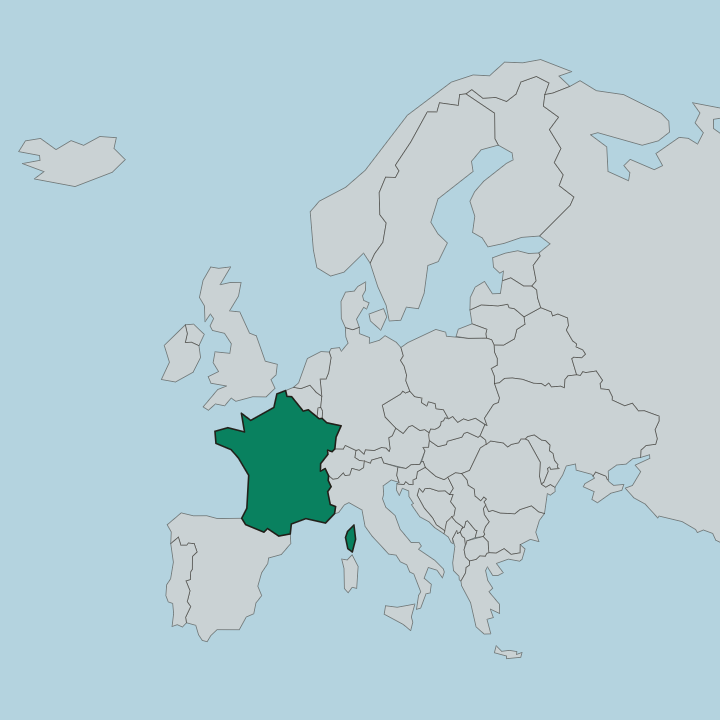
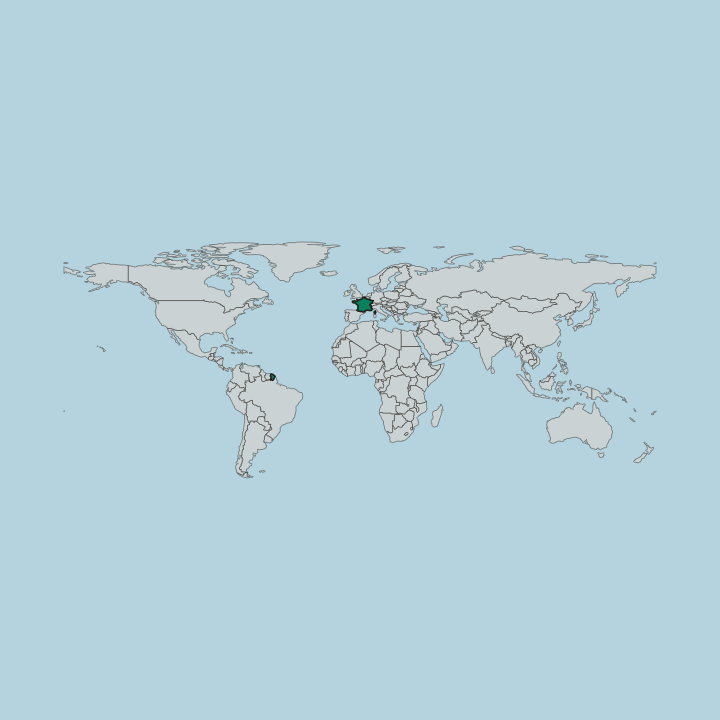
The Rhône and the Saône meet at Lyon, a city northwest of the French Alps in Auvergne-Rhône-Alpes, known for its Roman theatres at Lugdunum.
Hotel links are affiliate links: booking through them may earn us a commission, at no extra cost to you. It never affects how places are ranked. How this works


Where to stay in Lyon
Not every neighbourhood fits every trip — here's what each one is good for.

 LyonFrance
Lyon 01
The 1st arrondissement of Lyon climbs from Place des Terreaux up the slope of the Croix-Rousse, a district of museums between the Rhône and the Saône.Where to stay →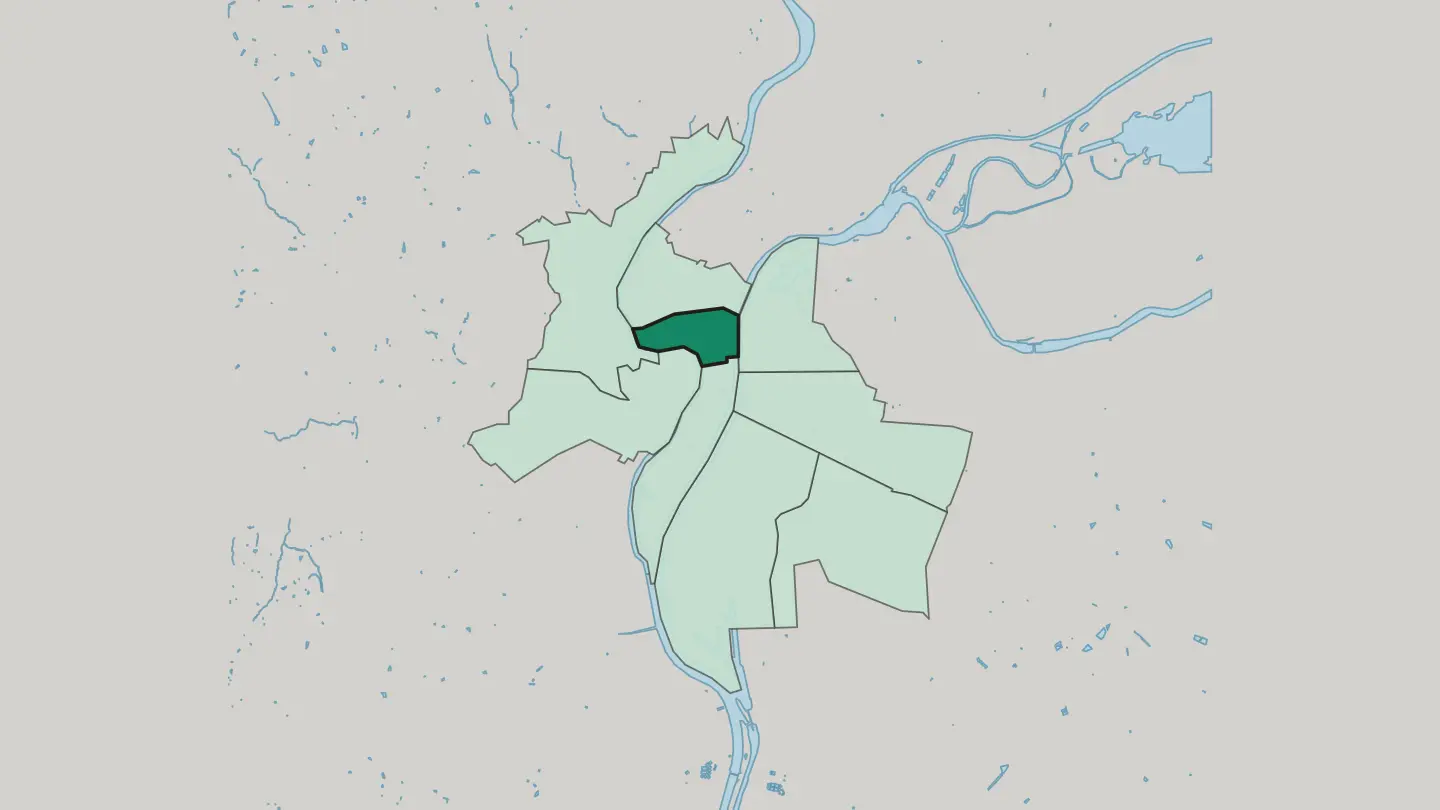
 LyonFrance
Vieux Lyon
Vieux Lyon is the Renaissance quarter of Lyon, spread over 24 hectares between the Fourvière hill and the river Saône.Where to stay →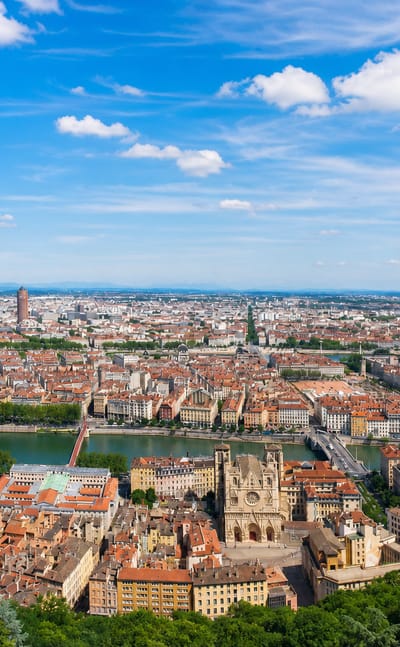 LyonFrance
Fourvière
Fourvière is a hill district of Lyon, rising from the river Saône and holding the ground where the Roman settlement of Lugdunum began.Where to stay →LyonFrance
Lyon 04
Steep silk-weavers' streets climb the Croix-Rousse in the 4th arrondissement of Lyon, the plateau of the canuts above the two rivers.Where to stay →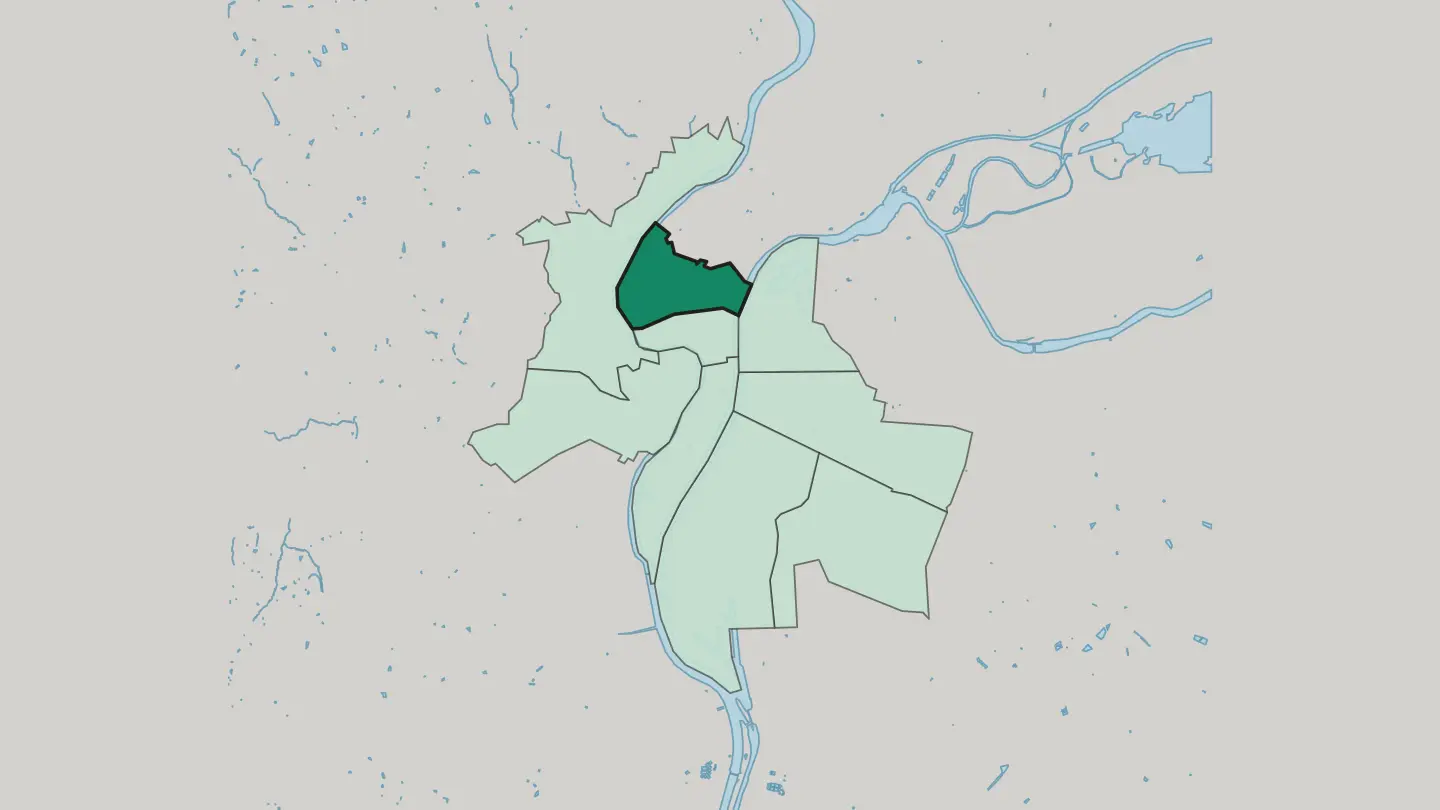
 LyonFrance
Lyon 06
Broad avenues edge Lyon 06, the Brotteaux quarter of Lyon known for the Jardin zoologique de la ville de Lyon and Église Saint-Joseph des Brotteaux.Where to stay →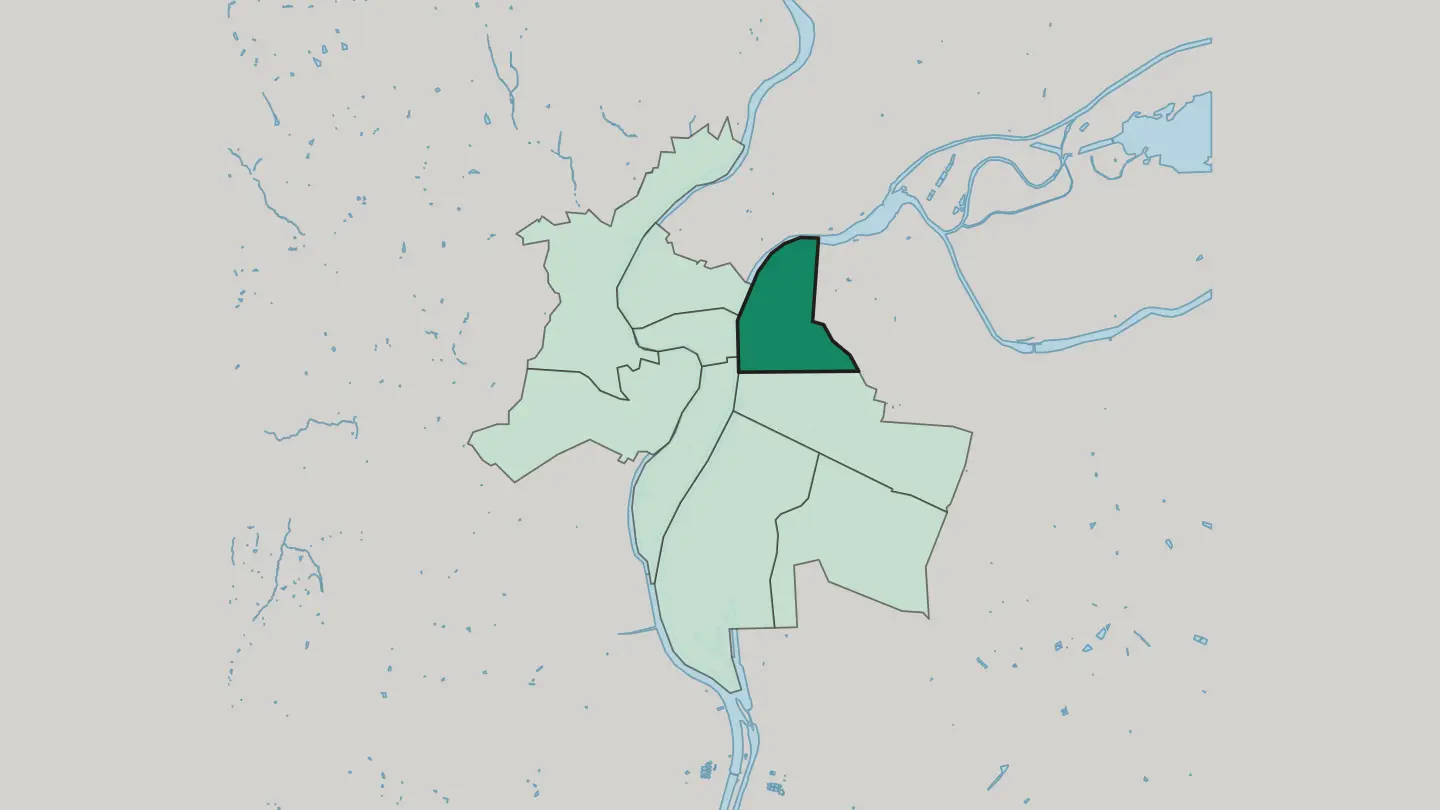
 LyonFrance
La Croix Rousse
La Croix-Rousse is a hill neighbourhood of Lyon, inscribed on the UNESCO World Heritage List in 1998 and served by Lyon Metro Line C.Where to stay →LyonFranceLa Guillotière
La Guillotière is a quarter of Lyon on the left bank of the Rhône, mostly in the 7th arrondissement, and it was a commune of its own until 24 March 1852.Where to stay → LyonFrance
Lyon 02
The Presqu'île of Lyon fills the 2nd arrondissement, a peninsula of grand squares and museums set between the Rhône and the Saône.Where to stay →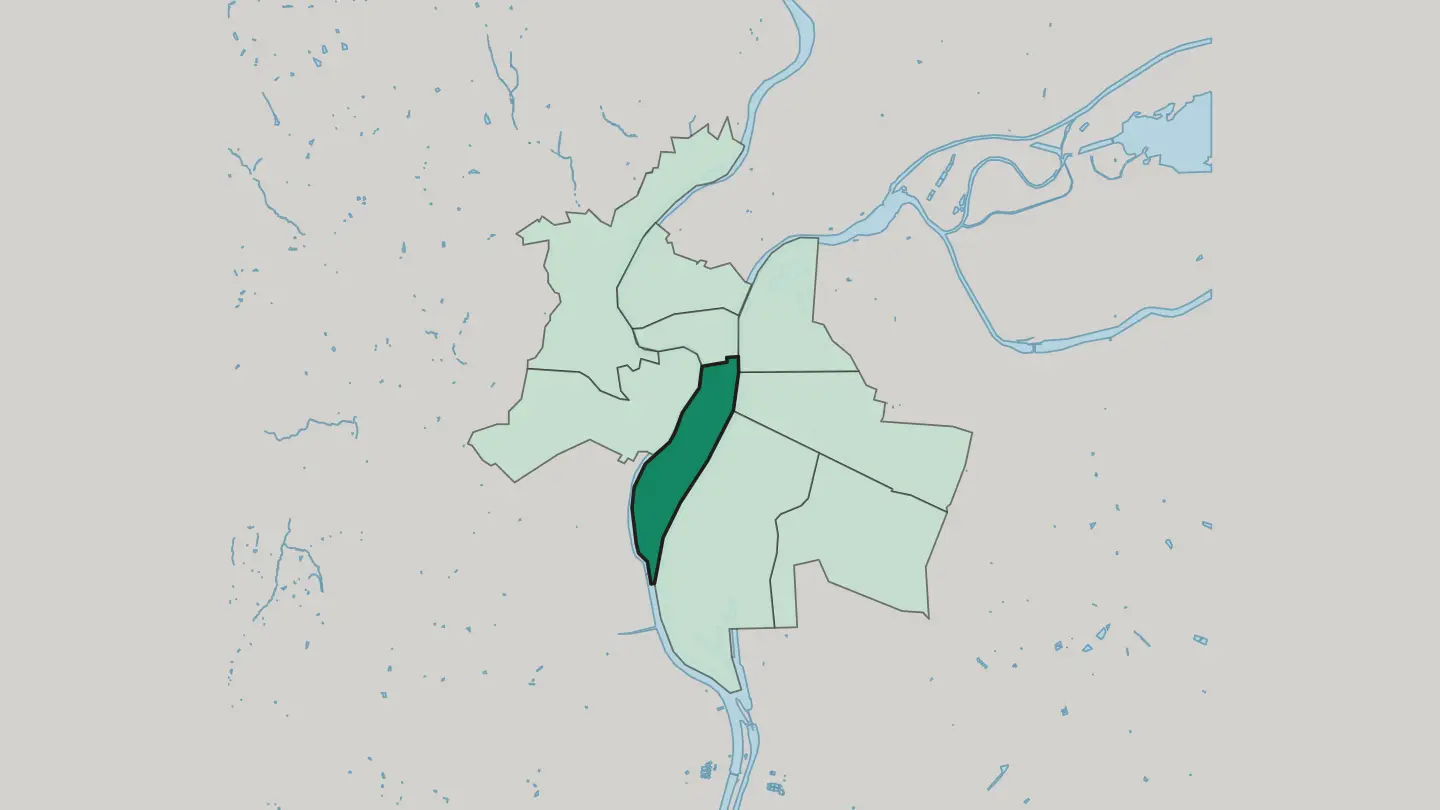
 LyonFrance
La Part-Dieu
La Part-Dieu is Lyon's business quarter in the 3rd arrondissement, wrapped around Gare de La Part-Dieu, the city's principal railway station.Where to stay →LyonFrance
Lyon 03
The 3rd arrondissement of Lyon stretches east from the Rhône, a left-bank district built around the Part-Dieu hub and the Tour To-Lyon.Where to stay →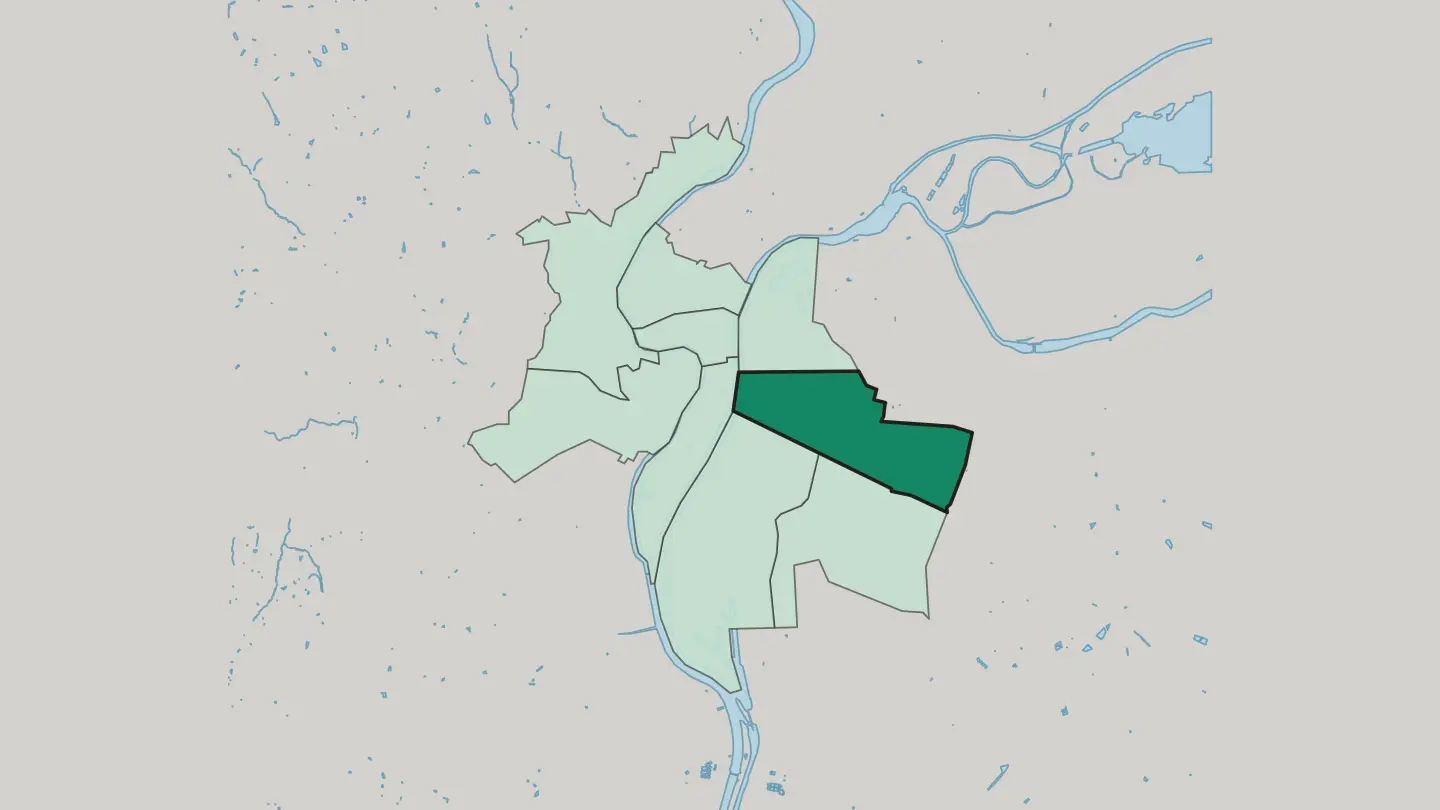 LyonFrance
Vaise
Vaise lines the Saône at the foot of the plateau Duchère, a former commune joined to Lyon in 1852 and to the 9th arrondissement in 1964.Where to stay → LyonFrance
Lyon 09
Hilltop towers rise over Lyon 09, the Vaise and La Duchère quarter of Lyon known for the Panoramic tower of La Duchère and église Saint-Charles de Serin.Where to stay →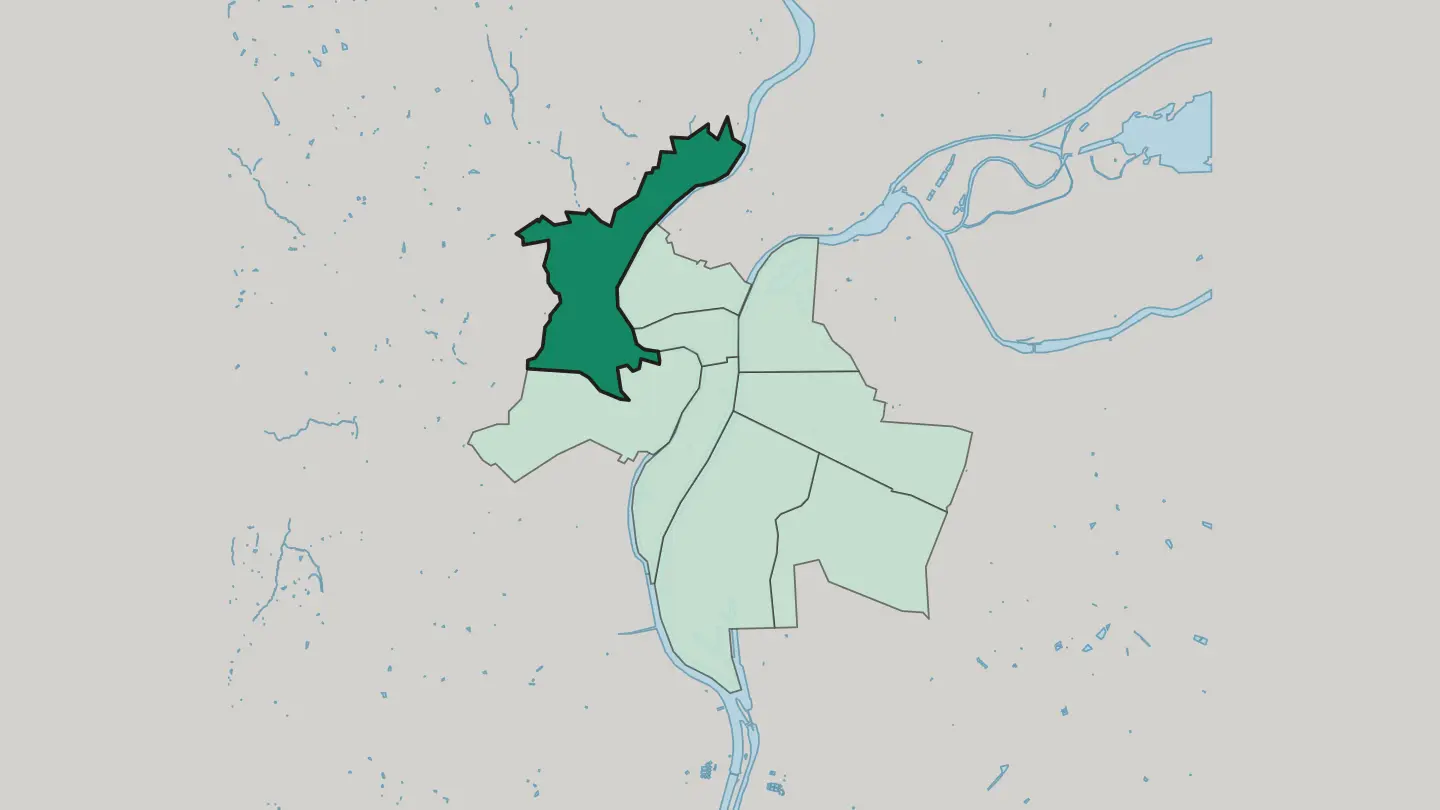
All neighbourhoods (19)
 LyonFrance
Lyon 05
Roman stone lies under the hills of Lyon 05, the Fourvière and Saint-Just quarter known for the Basilique Saint-Just and the ancient Roman circus of Lyon.Where to stay →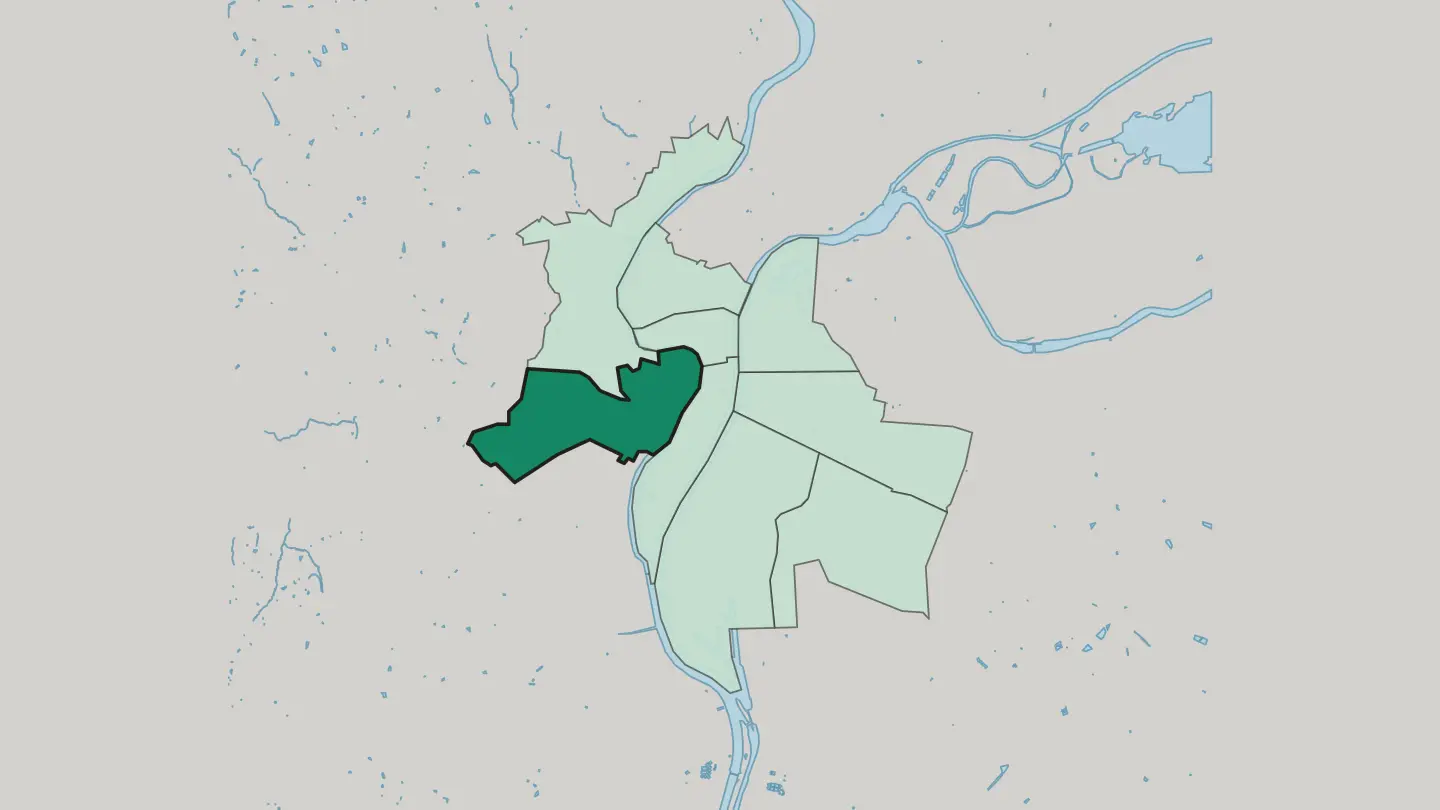 LyonFrance
La Mouche
La Mouche is a quarter of Lyon that the register files alongside Gerland, its single listed address a school sports ground at Assomption Bellevue.Where to stay → LyonFrance
Monplaisir
Monplaisir is a historical quarter of Lyon in the 8th arrondissement, centred on Ambroise Courtois Square, once called Monplaisir Square.Where to stay → LyonFrance
La Duchère
La Duchère is a quarter of Lyon's 9th arrondissement on the plateau above the Saône, often called Lyon's third hill after Fourvière and La Croix-Rousse.Where to stay → LyonFrance
Lyon 07
Iron halls and sports grounds mark Lyon 07, the Gerland quarter of Lyon known for the Halle Tony Garnier and the Palais des Sports de Gerland.Where to stay →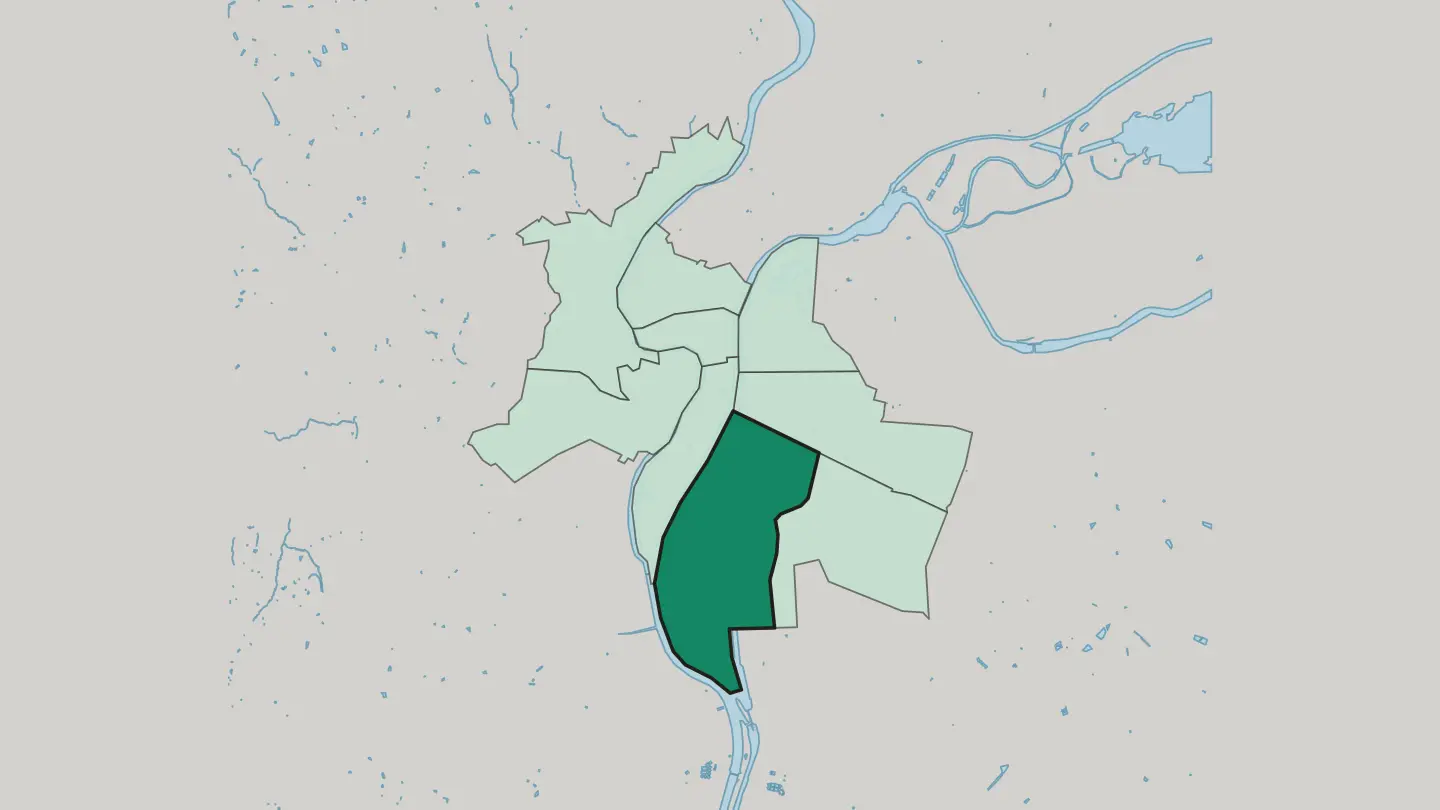
 LyonFrance
Gerland
Gerland is a quarter of Lyon's 7th arrondissement on the Rhône, once a château estate on the rue de Gerland, covering two thirds of the arrondissement.Where to stay → LyonFrance
Lyon 08
Early cinema was born in Lyon 08, the Monplaisir quarter of Lyon known for the Institut Lumière and the Musée urbain Tony Garnier.Where to stay →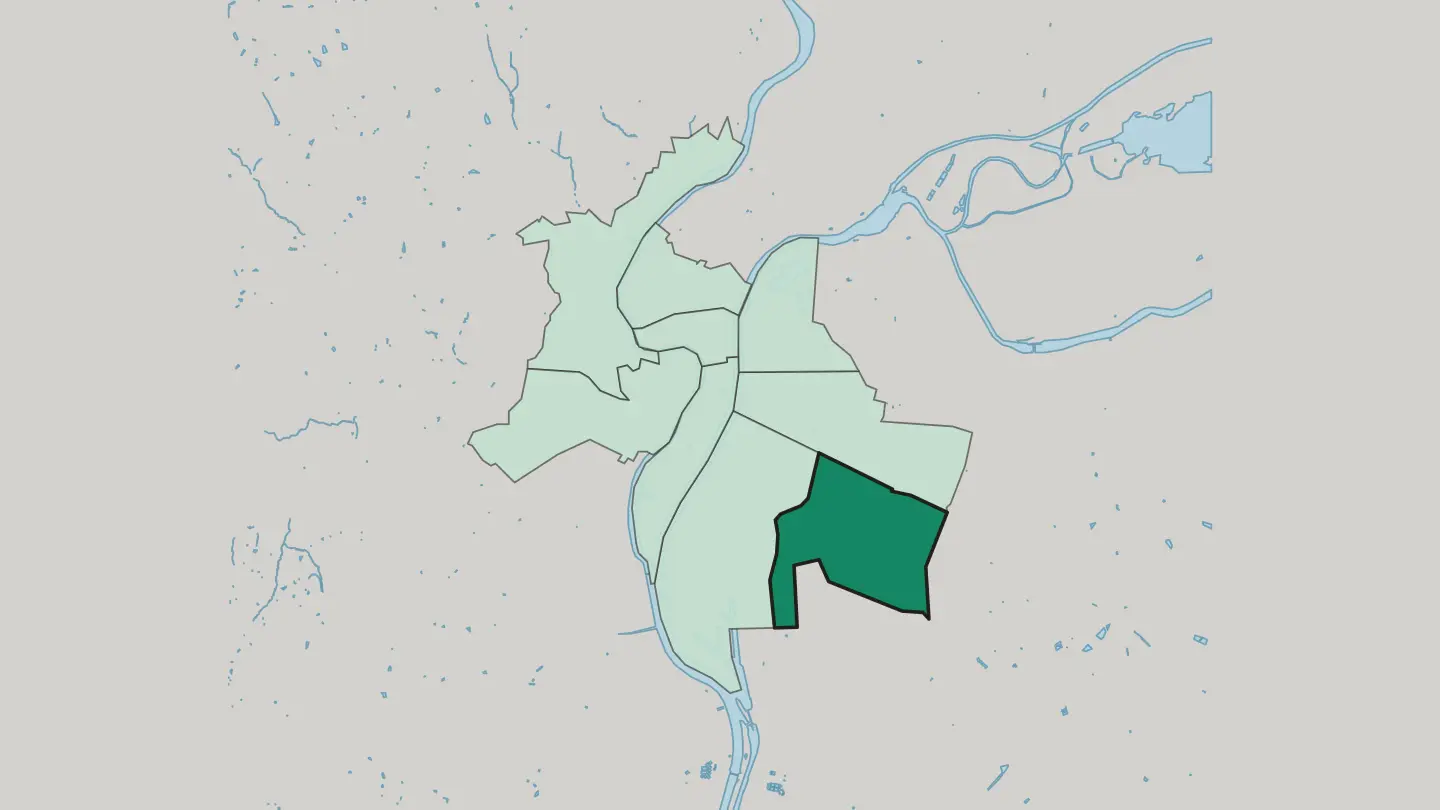
Hotel links are affiliate links: booking through them may earn us a commission, at no extra cost to you. It never affects how places are ranked. How this works
Find hotels in Lyon
Direct booking searches for these neighbourhoods.
The peninsula between the rivers
The tongue of land between the Rhône and the Saône keeps the Museum of Fine Arts of Lyon and the Gadagne museums within one walk of both banks.Find hotels in The peninsula between the riversantiquity seekers near the amphitheater of LyonThe Roman hill west of the Saône
The high ground above the Saône gathers the amphitheater of Lyon, the odeon of Lyon, and the Basilique Saint-Just de Lyon in the oldest quarter.Find hotels in The Roman hill west of the SaôneHotel links are affiliate links: booking through them may earn us a commission, at no extra cost to you. It never affects how places are ranked. How this works
Things to do in Lyon
Ranked by global recognition; descriptions from Wikidata (CC0).
Museums & Galleries
3- Lugdunum Musée et Théâtres Heritage
- Manécanterie Heritage
- Museum of Fine Arts of Lyon
Churches & Religious Sites
8- Église Saint-Georges Heritage
- Saint Irenaeus Church, Lyon Heritage
- Church of Saint-Just, Lyon Heritage
- Sainte-Blandine de Lyon Heritage
- Église Saint-Polycarpe Heritage
Show 3 more →
- Basilique Saint-Just de Lyon Heritage
- Église Notre Dame Saint-Vincent Heritage
- Église Saint-Denis-de-la-Croix-Rousse de Lyon Heritage
Castles & Historic Sites
4- amphitheater of Lyon Heritage
- odeon of Lyon Heritage
- Château de La Motte Heritage
- Tombeau de Turpio Heritage
Stadiums & Sports
3- Halle Tony Garnier Heritage
- Palais des Sports de Gerland Heritage
- Rhône's Pool Heritage
Landmarks & Notable Places
3- Panoramic tower of La Duchère Heritage
- Maison du Chamarier Heritage
- Maison d'Anthouard Heritage
worth knowingacross 5 categories in Lyon
About Lyon
What is Lyon known for?
Lyon is known as the city at the confluence of the Rhône and the Saône, northwest of the French Alps in Auvergne-Rhône-Alpes. Rome founded it. The Roman amphitheater of Lyon and the odeon of Lyon survive from ancient Lugdunum, while the Museum of Fine Arts of Lyon and the Institut Lumière, cradle of cinema, mark its later reputation for art and invention.
What are the main landmarks in Lyon?
Lyon holds landmarks from Roman Lugdunum to the birth of cinema. The amphitheater of Lyon and the odeon of Lyon stand on the western hill, gathered around the Lugdunum Musée et Théâtres and the Basilique Saint-Just de Lyon. Indoors, the museums take over.
The Museum of Fine Arts of Lyon, the Gadagne museums, and the Textile Arts Museum fill the peninsula, while the Institut Lumière and the Centre d'Histoire de la Résistance et de la Déportation keep the modern memory.
What is the history of Lyon?
Lyon began as Roman Lugdunum, founded on the hill above the confluence of the Rhône and the Saône. The amphitheater of Lyon and the odeon of Lyon survive from that founding, and the Lugdunum Musée et Théâtres gathers the record of the ancient colony. Rome set the pattern.
The western hill above the Saône stayed the city's oldest core, crowned later by the Basilique Saint-Just de Lyon. Through the centuries Lyon grew into a centre of trade and craft, its silk and textile work remembered in the Textile Arts Museum. The peninsula between the two rivers filled with the merchant houses now held by the Gadagne museums.
In the modern age the city gave cinema its start, marked by the Institut Lumière, and carried a hard wartime memory kept at the Centre d'Histoire de la Résistance et de la Déportation. The rivers ran through all of it.
Where is Lyon?
Lyon stands at the confluence of the Rhône and the Saône, northwest of the French Alps in Auvergne-Rhône-Alpes. A hill rises west of the Saône. The two rivers meet on a long peninsula, with the Roman ground climbing above the western bank toward the amphitheater of Lyon.
Water and hill shape the city.
What is the climate of Lyon?
Lyon has a temperate inland climate, warmed in the valley where the Rhône and the Saône meet. Summers grow hot. The colder months bring damp and grey to the peninsula, while the hill above the Saône near the amphitheater of Lyon catches the first sun.
The two rivers hold moisture through the year.
How do you get to Lyon?
Lyon sits on the main rail and road corridors of southeast France, in Auvergne-Rhône-Alpes northwest of the French Alps. Fast trains reach it. The routes follow the valley where the Rhône and the Saône meet, linking the city north toward Paris and south down the Rhône, with the mountains rising to the east.
The rivers guide the approach.
Common questions
What is the best area to stay in Lyon?
The peninsula between the rivers: first-time visitors near the Museum of Fine Arts of Lyon. The Roman hill west of the Saône: antiquity seekers near the amphitheater of Lyon.
Good for
More cities in Auvergne-Rhône-Alpes
Updated October 2026