France
Auvergne-Rhône-Alpes, France — Towns & Travel Guide
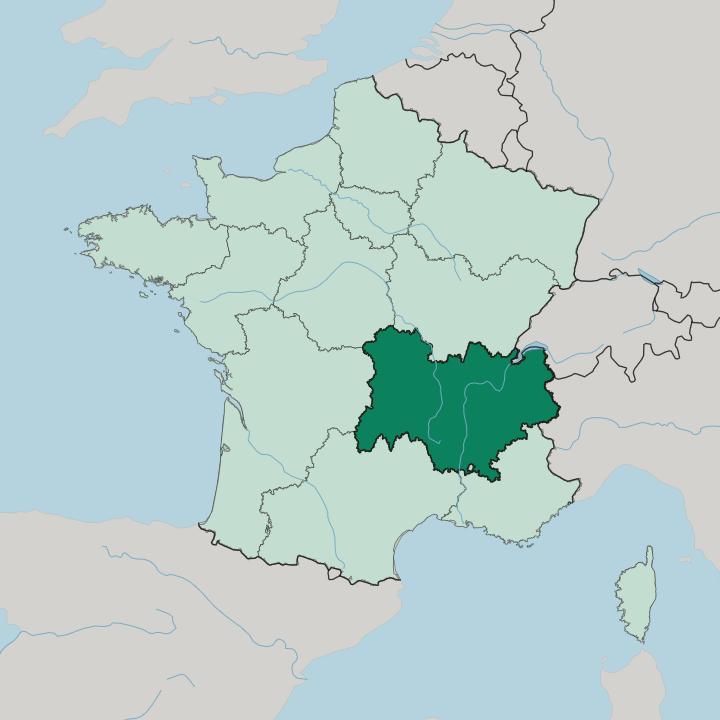
Auvergne-Rhône-Alpes runs from the volcanoes of the Massif Central across the Rhône valley to Mont Blanc and the French Alps.
Hotel links are affiliate links: booking through them may earn us a commission, at no extra cost to you. It never affects how places are ranked. How this works


Towns & cities in Auvergne-Rhône-Alpes
Pick a town or city — each links to where to stay.
 France
Lyon
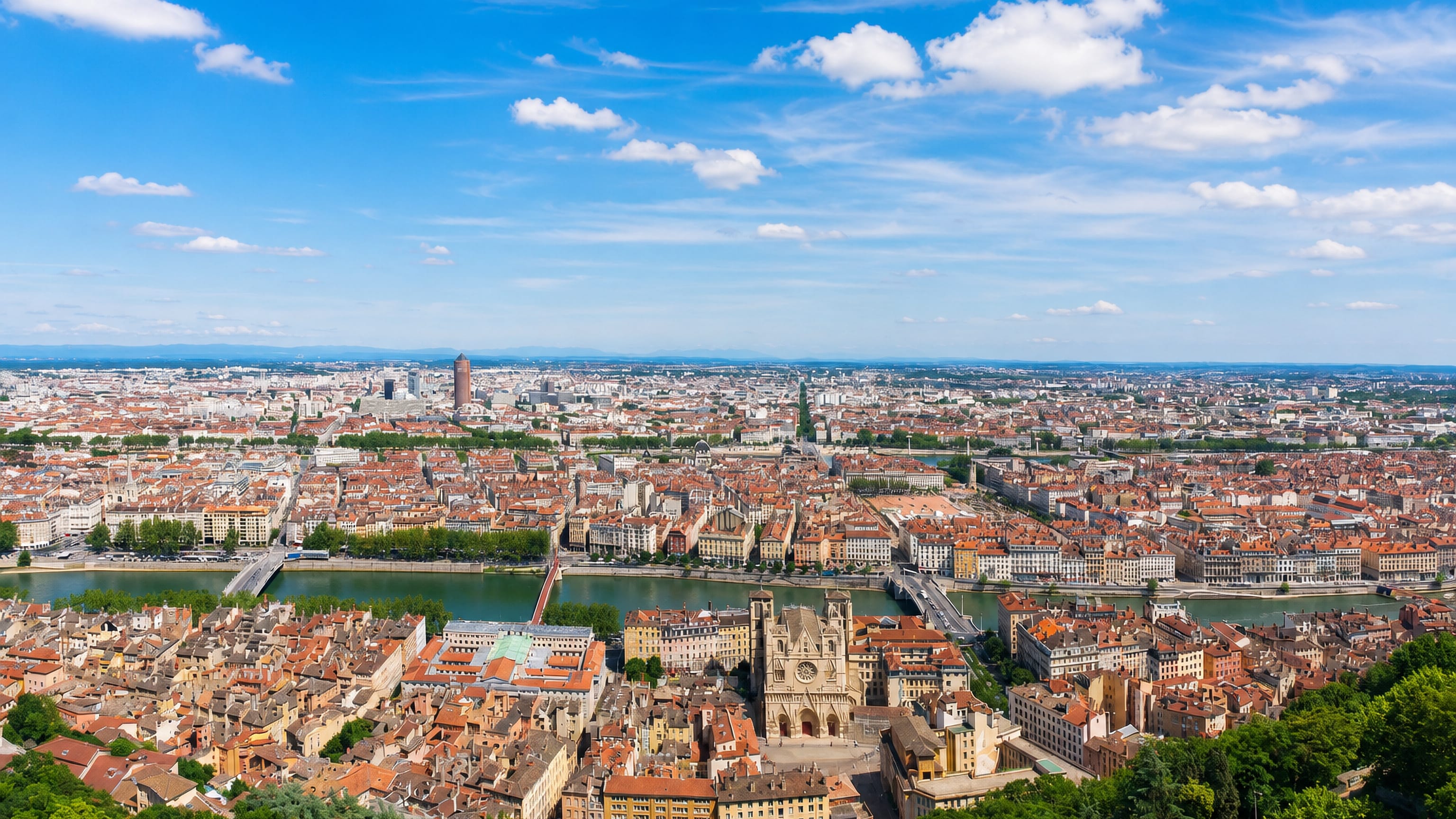
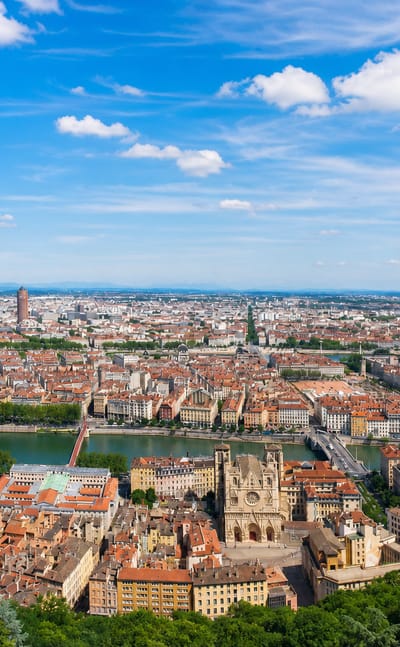
The Rhône and the Saône meet at Lyon, a city northwest of the French Alps in Auvergne-Rhône-Alpes, known for its Roman theatres at Lugdunum.Where to stay →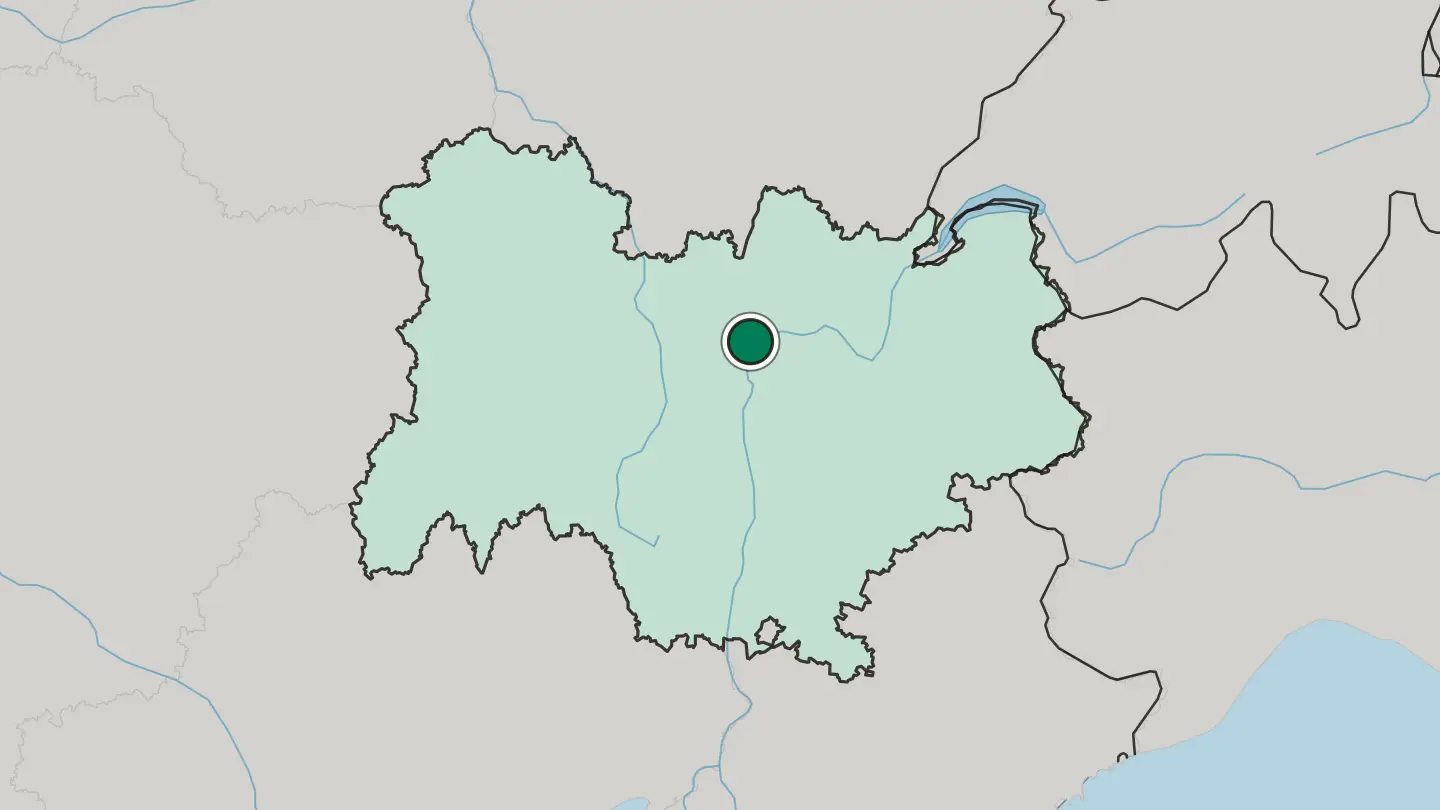
 France
Saint-Étienne
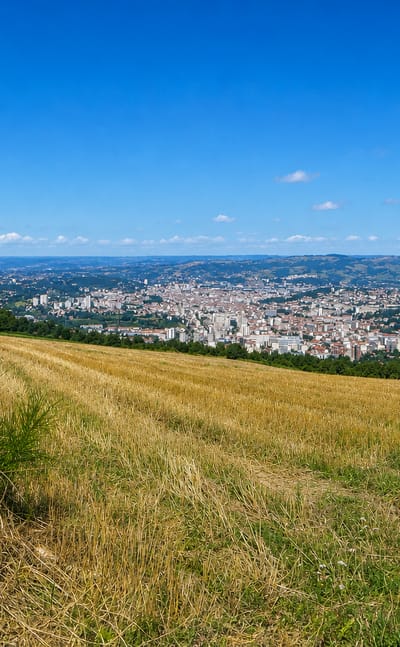
Coal and craft shaped Saint-Étienne, an industrial city in Auvergne-Rhône-Alpes, known for its Mine Museum and design heritage.Where to stay →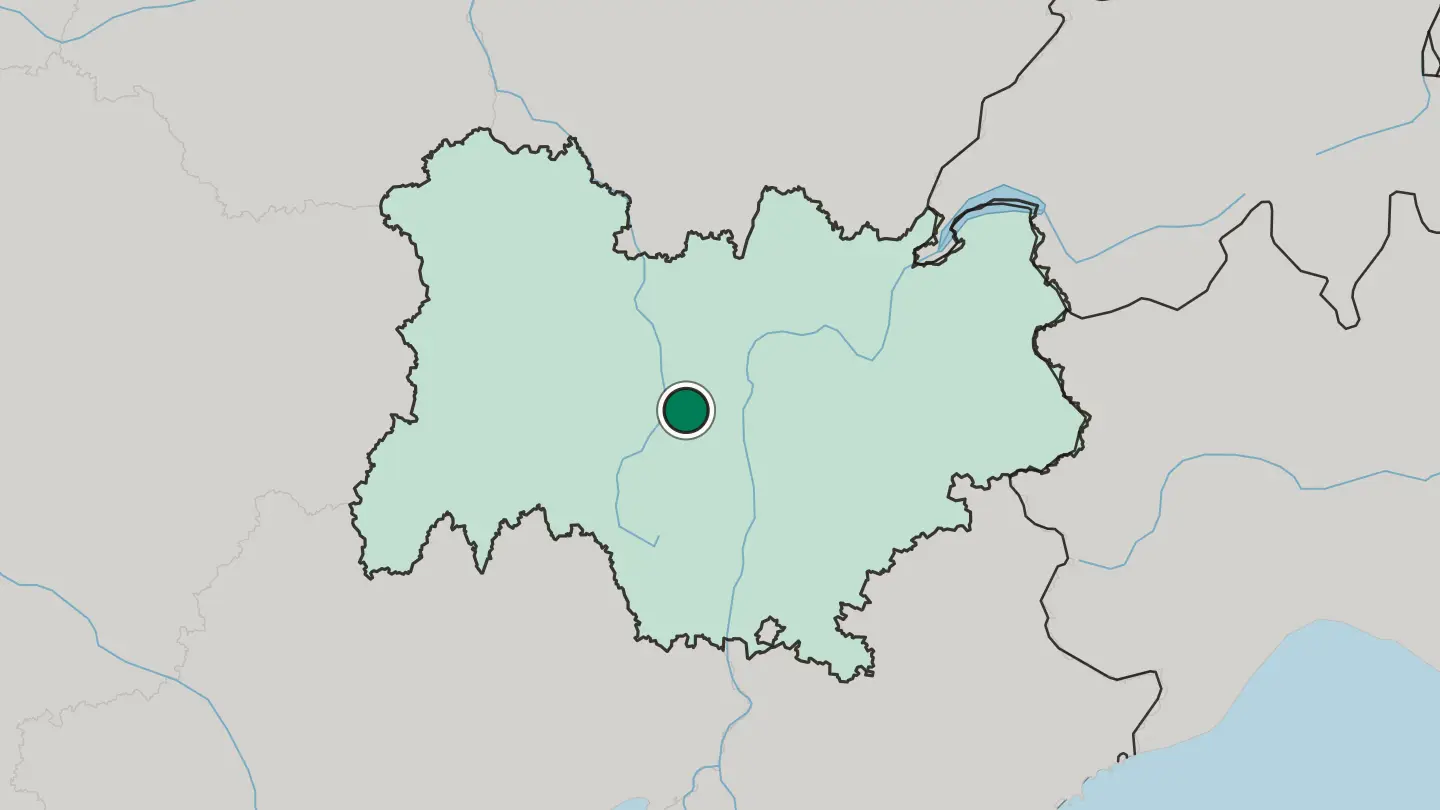
 France
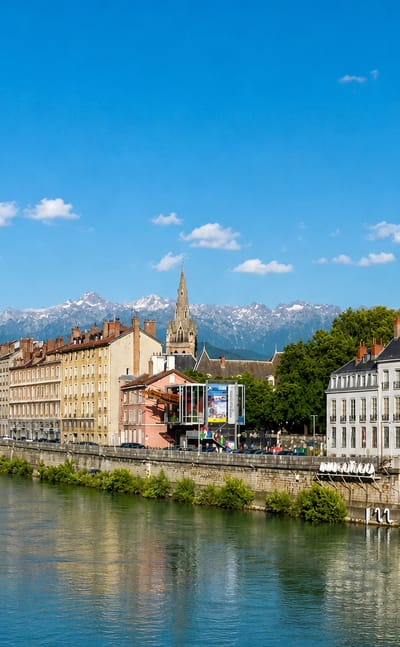
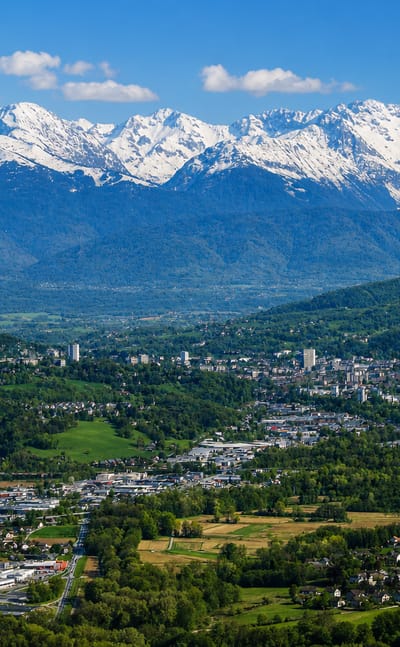
Grenoble
The Drac joins the Isère below Grenoble, prefecture of Isère in southeastern France, ringed by the French Alps.Where to stay →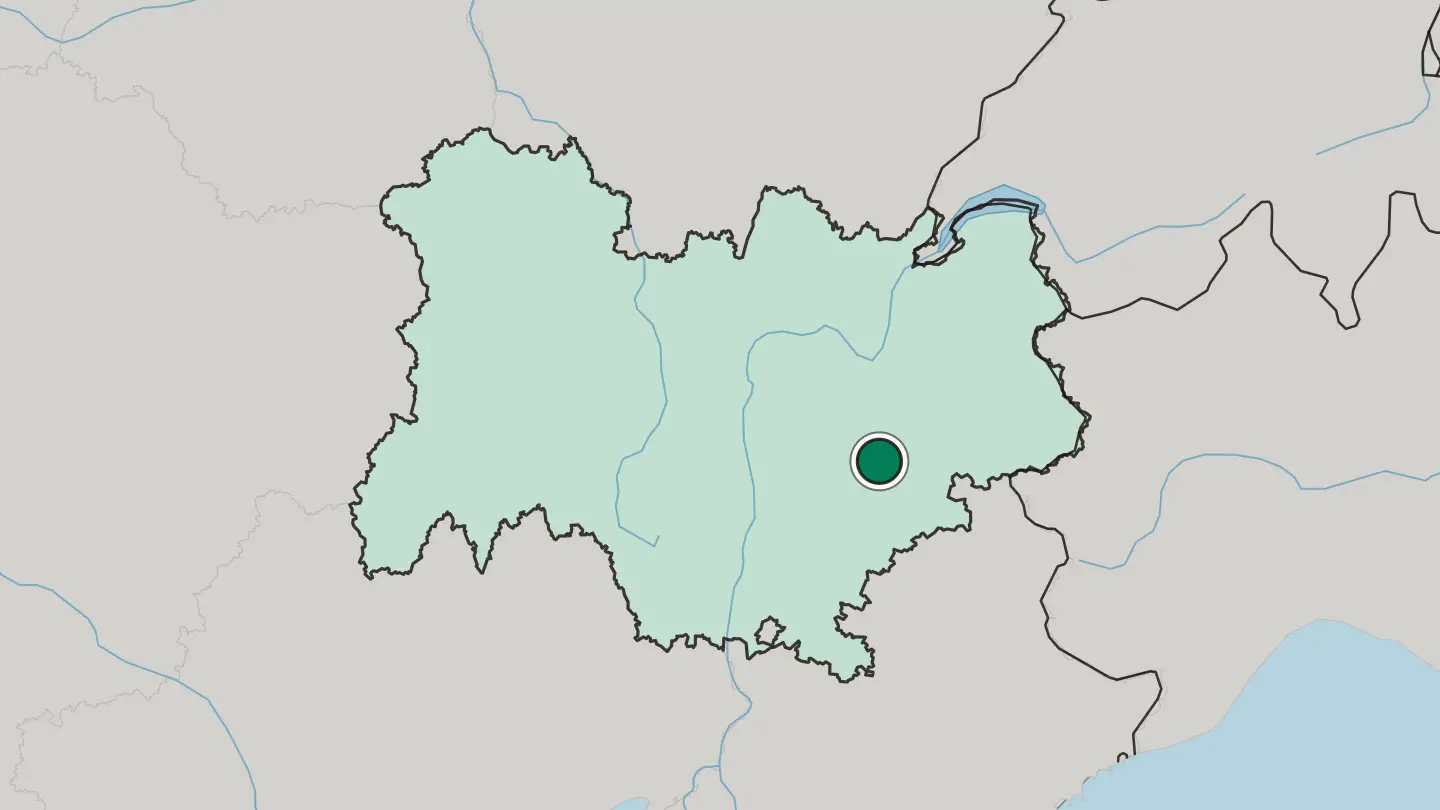
 France
Clermont-Ferrand
Clermont-Ferrand is the prefecture of Puy-de-Dôme and the Auvergne capital, with the Basilica of Notre-Dame du Port at its centre.Where to stay →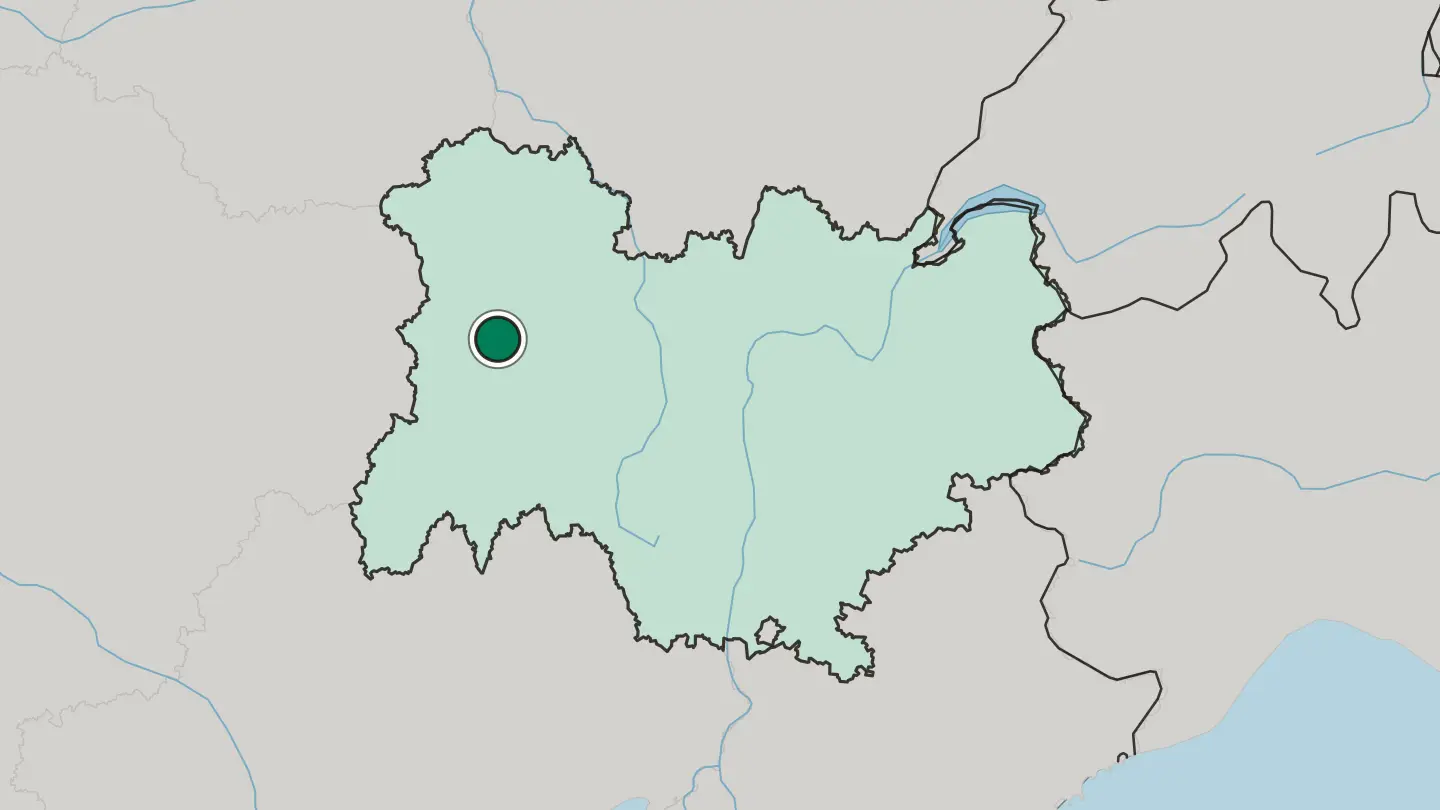 France
Villeurbanne
Villeurbanne is a commune of the Metropolis of Lyon, with the Astroballe, the Château de La Motte and its own contemporary art institute.Where to stay →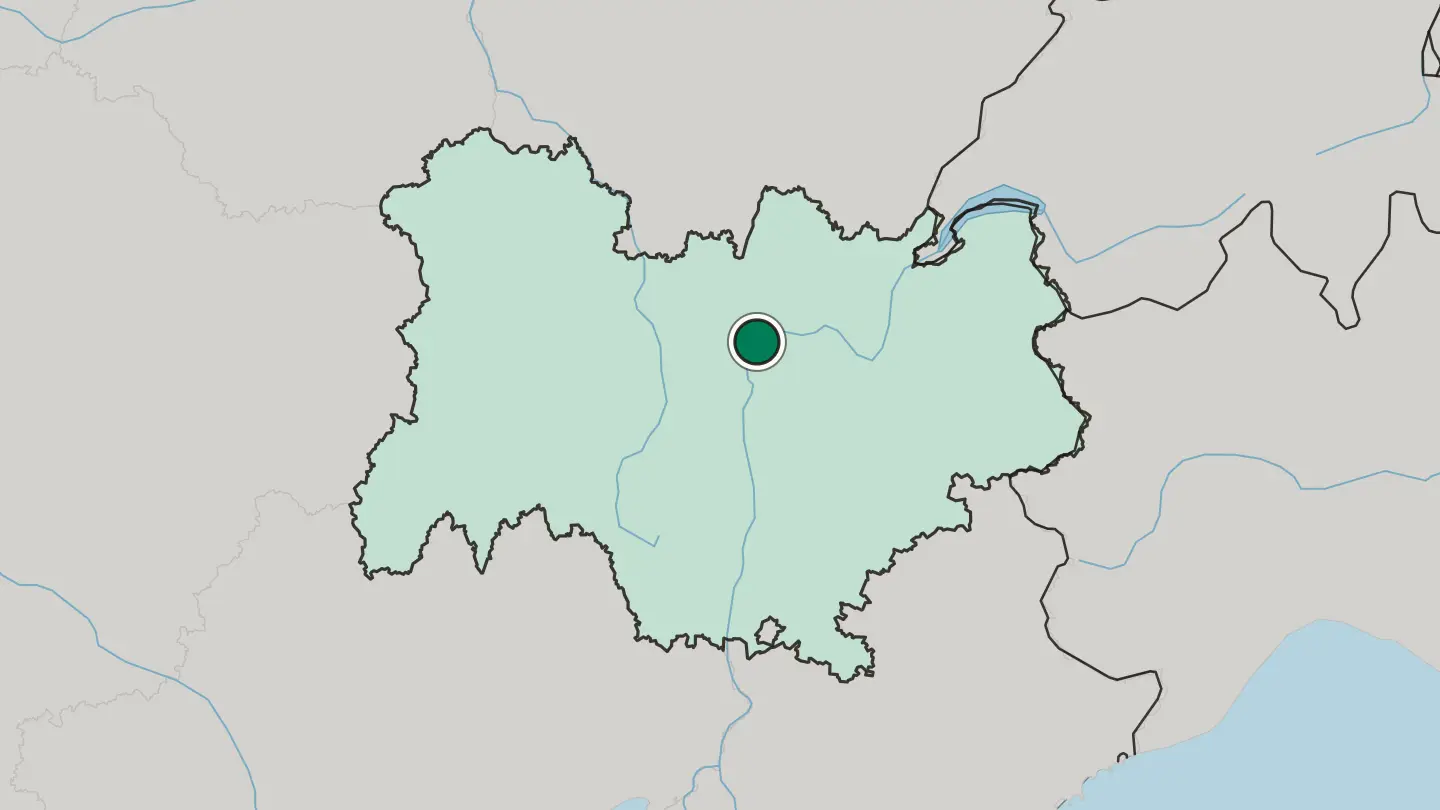
 France
Valence
Valence is the capital of the Drôme on the Rhône in southeast France, an old cathedral city where the south of the country begins.Where to stay →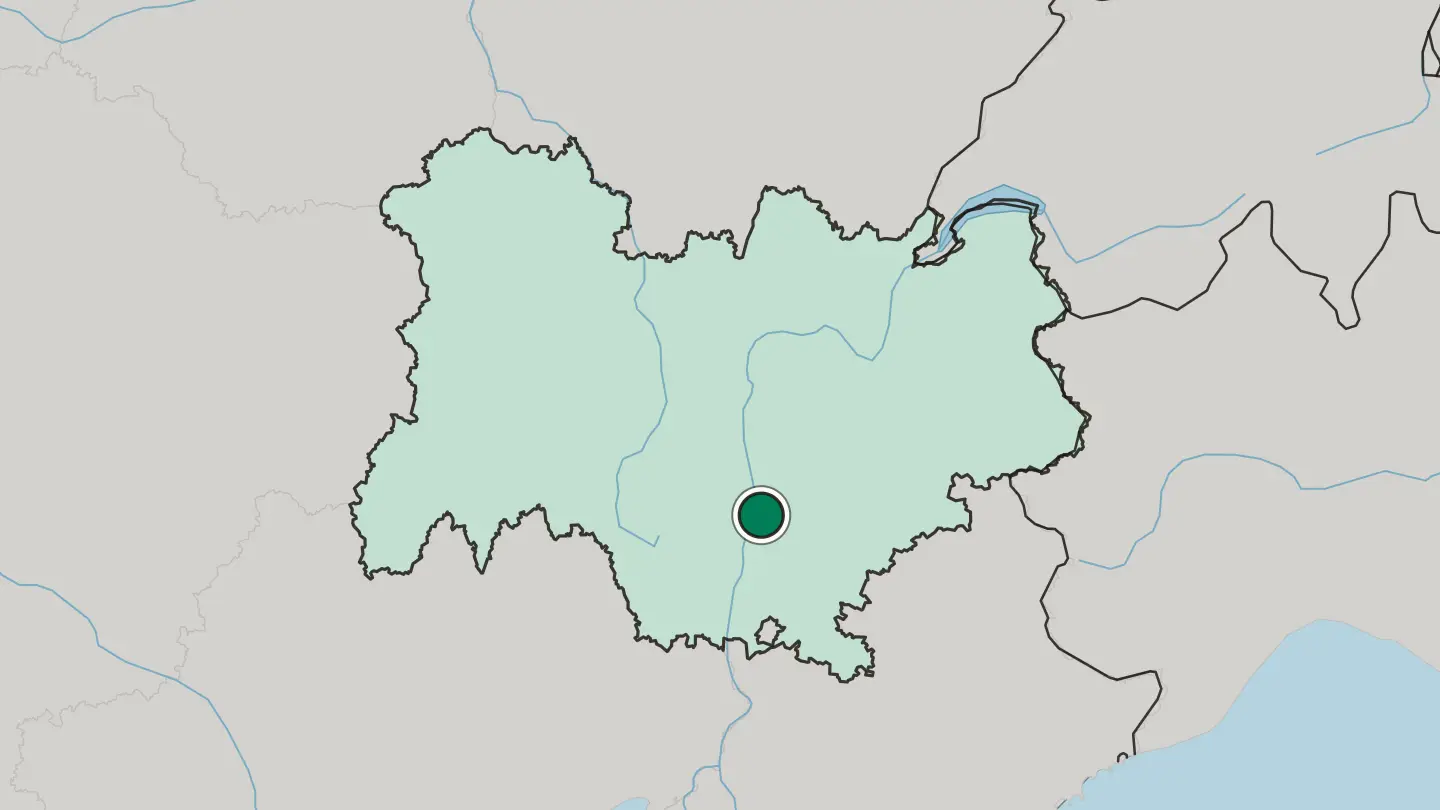
 France
Chambéry
The Château de Chambéry crowns Chambéry, a Savoyard city in Auvergne-Rhône-Alpes, known for its old ducal seat and arcaded streets.Where to stay →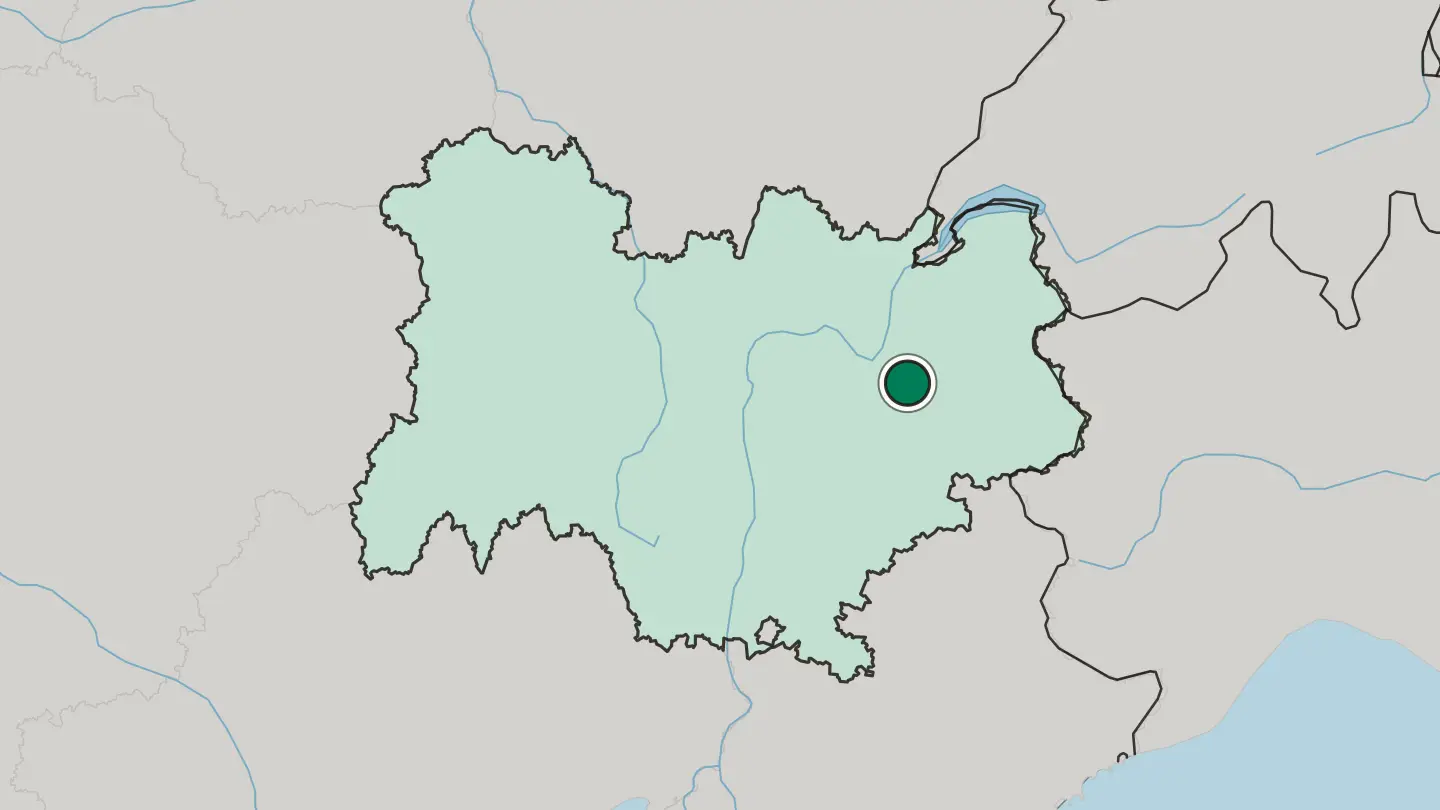
 France
Vénissieux
Vénissieux is a commune of the Metropolis of Lyon in Auvergne-Rhône-Alpes, counted out in playing fields, from Stade du Rhône to Parilly Racecourse.Where to stay →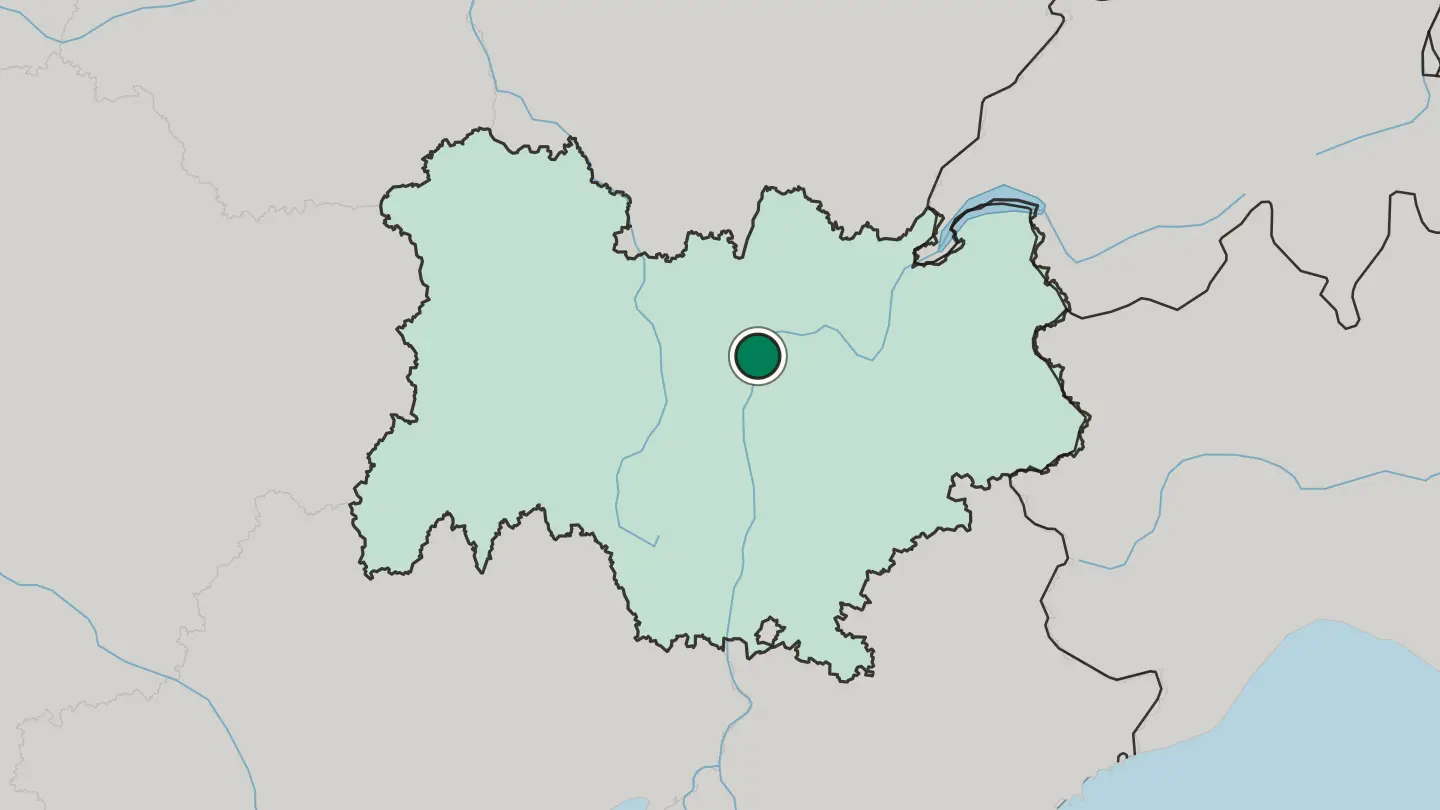
Hotel links are affiliate links: booking through them may earn us a commission, at no extra cost to you. It never affects how places are ranked. How this works
About Auvergne-Rhône-Alpes
The mountains set the character of Auvergne-Rhône-Alpes.
What is Auvergne-Rhône-Alpes known for?
This is the France of the high Alps, where Mont Blanc rises over the ski resorts near Chamonix, and of the older, rounded volcanoes of the Massif Central behind Clermont-Ferrand. Lyon anchors the middle, sitting where the Saône joins the Rhône, a city famous across France for its bouchons and its cooking. To the south the land dries out toward the Ardèche and the Drôme, and to the north the Beaujolais hills carry vineyards down toward the river.
Where is Auvergne-Rhône-Alpes?
Auvergne-Rhône-Alpes fills the east-central quarter of France, a broad band of mountains split down the middle by the Rhône. The river is the spine. It flows south through the region and gathers the Saône at Lyon, where the two waters meet below the old town before the Rhône runs on toward the Mediterranean.
West of the valley the land climbs into the Massif Central, an old upland of granite and worn volcanoes crowned by the Chaîne des Puys behind Clermont-Ferrand. East of it the ground rises far higher into the French Alps, up to Mont Blanc, the tallest summit in western Europe. The eastern edge of the region is an international border. Switzerland lies to the north-east along Lake Geneva, and Italy to the south-east beyond the high Alpine passes.
To the north the Jura mountains mark the boundary, while the Beaujolais and the Loire hills roll away to the west. Down in the south the mountains loosen and the valleys of the Ardèche and the Drôme open toward the warmer country of Provence. Few French regions pack in so much relief.
From vineyard to glacier is a single afternoon's drive.
What is Auvergne-Rhône-Alpes like?
The region eats well and knows it. Lyon has long called itself the capital of French cooking, and its bouchons, the small dark-panelled restaurants of the old town, built that reputation on pork, offal and river fish rather than anything grand. Around the city the produce is serious.
The Beaujolais and Côtes du Rhône vineyards run along the river, the Bresse country to the north raises its famous chickens, and the Auvergne turns its mountain milk into strong cheeses like Cantal and Saint-Nectaire. Two older cultures sit on either side of the Rhône. To the west the Auvergne is a rural, volcanic country of stone villages and spa towns, long a place people left more than arrived.
To the east the Alpine valleys of Savoie and Haute-Savoie were their own mountain world, French only since the middle of the nineteenth century, and the accent, the food and the wooden chalet architecture still show it. Winter sport shaped the modern identity of the east. Chamonix hosted the first Winter Olympics, and the ski resorts strung below Mont Blanc draw visitors from across Europe.
It is a region of contrasts. City gastronomy, high mountains and quiet volcanic uplands share one name.
What is the history of Auvergne-Rhône-Alpes?
The region itself is young, drawn up in 2016 when the reform of French regions merged the old Auvergne with Rhône-Alpes into one large unit. Its history reaches much further back. Lyon began as Lugdunum, founded in the year 43 BC and made the capital of Roman Gaul, its position at the meeting of the Saône and the Rhône useful then for the same reason it is now.
The Auvergne kept its own strong identity for centuries as a historical province of the interior. The Alpine east came late to France; the Duchy of Savoie was only annexed in 1860, which is why Savoie and Haute-Savoie still feel distinct.
What is the climate of Auvergne-Rhône-Alpes?
The weather changes with the ground. The Rhône valley and Lyon have warm dry summers and cool winters, tempered a little by the river corridor that funnels wind down from the north. Climb east into the Alps and it turns properly alpine, with heavy snow feeding the long ski season.
Head south toward the Ardèche and the Drôme instead, and a Mediterranean warmth reaches up the valley, bringing hot dry summers and mild winters to the far end of the region. The volcanic Massif Central in the west stays wetter and colder. One region holds several climates.
How do you get to Auvergne-Rhône-Alpes?
Most visitors arrive through Lyon. Lyon-Saint-Exupéry is the region's main airport, and fast TGV trains link the city to Paris in around two hours and on to Marseille and Switzerland. Grenoble and Geneva over the Swiss border are the usual gateways for the Alps.
From there road and mountain rail feed the ski valleys below Mont Blanc. The Rhône corridor carries the main motorways and rail lines the length of the region, so moving between Lyon, the Alps and the warmer south stays simple. Clermont-Ferrand handles the quieter western way into the Auvergne.
Common questions
What is the best area to stay in Auvergne-Rhône-Alpes?
Lyon: food, city trips and rail connections. Annecy: a lakeside base in the northern Alps. The Alps around Chamonix: skiing and mountain summers. Clermont-Ferrand and the Auvergne: volcanoes and the quieter west.
Good for
More regions in France
Updated October 2026