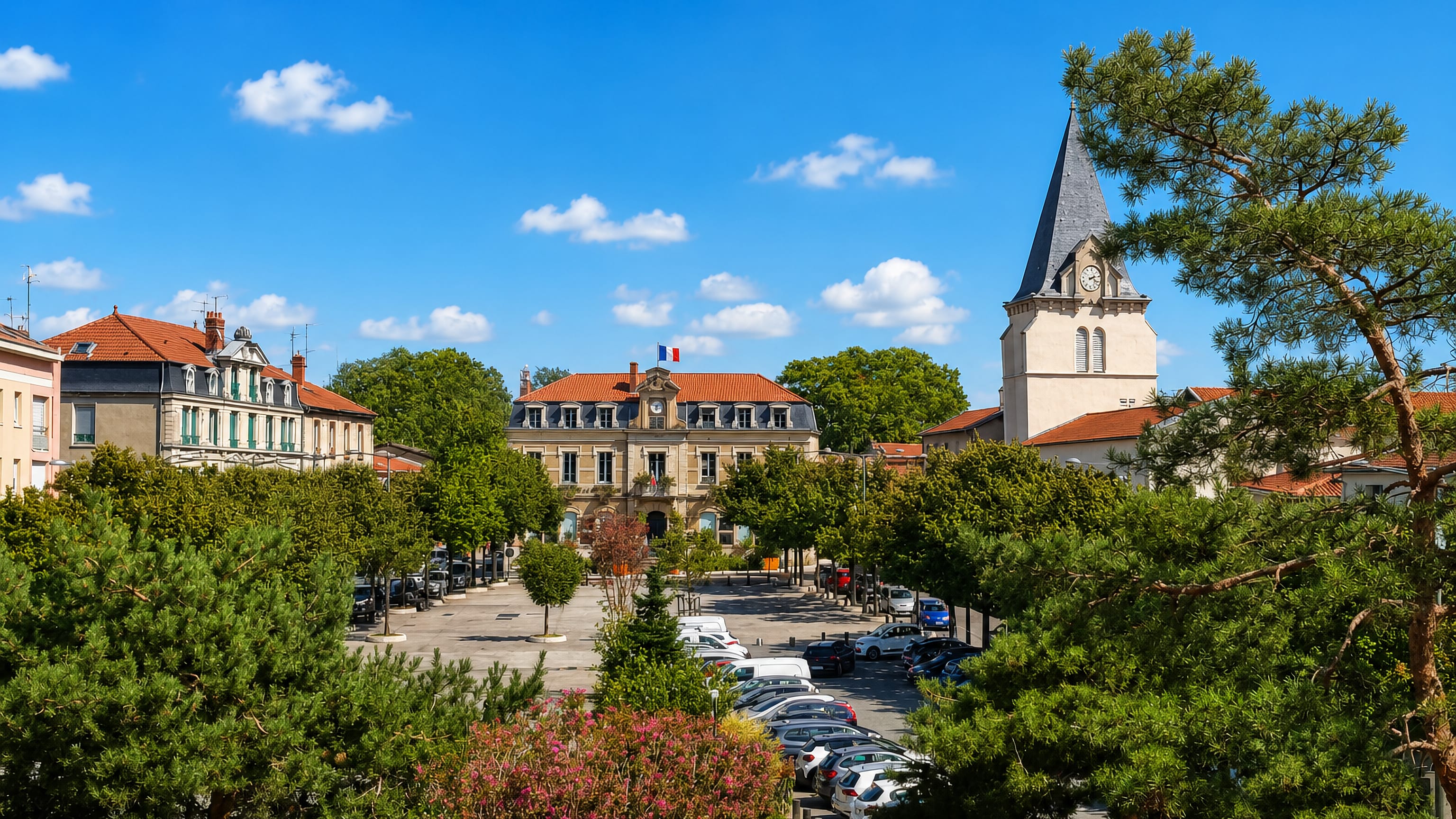
France · Auvergne-Rhône-Alpes
Where to Stay in Vénissieux, Auvergne-Rhône-Alpes
Vénissieux is a commune of the Metropolis of Lyon in Auvergne-Rhône-Alpes, counted out in playing fields, from Stade du Rhône to Parilly Racecourse.
Hotel links are affiliate links: booking through them may earn us a commission, at no extra cost to you. It never affects how places are ranked. How this works


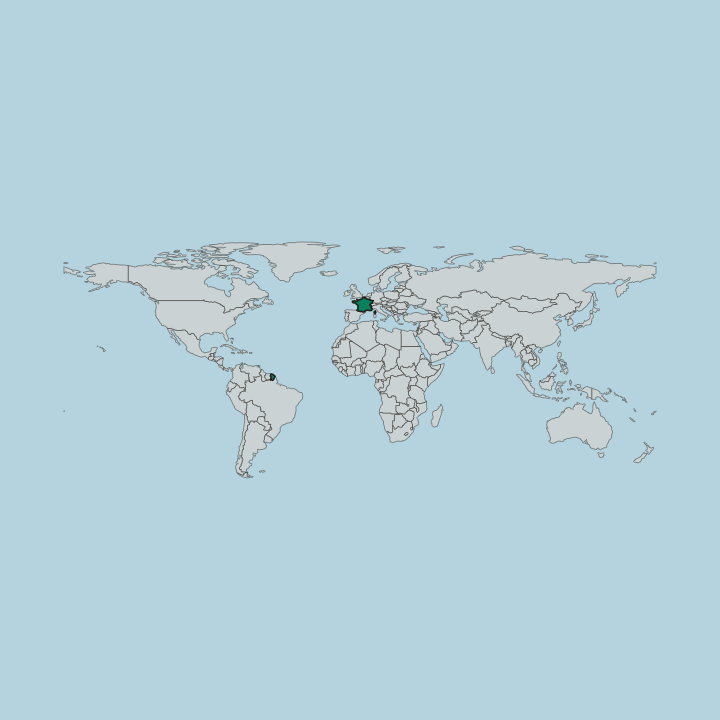
Where to stay in Vénissieux
Where the beds are, and what that means for the visit.
Lyon sets the terms. Vénissieux belongs to the Metropolis of Lyon, so a bed here is a metropolitan bed at one remove from the centre, taken for reach across the conurbation rather than for a historic core. The commune is compact.
Roughly 15 square kilometres hold the whole of it, which keeps Stade du Rhône, complexe Carnot and the Jean Mermoz Pool within a short range of most rooms. Parilly is the green side. The parc de Parilly de Bron and Parilly Racecourse sit together at that end, the largest stretch of open ground the commune adjoins.
Choose by which ground matters. Anyone here for a fixture will weigh stade Laurent Gerin, stade Albalate, stade Bavozet and stade Roger Ebrard against the room, since the pitches are scattered across the commune rather than gathered into one park. Swimmers work from a different map, with bassin Minerve and the centre nautique intercommunal de Vénissieux well apart.
Neighbours count too. Bron and Saint-Priest begin nearby, carrying stade Jean Jaurès de Bron and stade Jean Bouin de Saint-Priest, so a room on that side of Vénissieux serves fixtures beyond the commune boundary. Église Saint-Germain de Vénissieux and the Musée de la Résistance et de la Déportation de Vénissieux are the two stops worth walking to for a trip that is not about sport.
Find hotels in Vénissieux
Direct booking searches for these neighbourhoods.
The Parilly side
The green edge of Vénissieux, where the parc de Parilly de Bron runs up against Parilly Racecourse. Few places to stay nearby — book ahead.Find hotels in The Parilly sideWalking to Église Saint-Germain de Vénissieux and the Résistance museumAround Saint-Germain
The older core of the commune, holding Église Saint-Germain de Vénissieux and the Musée de la Résistance et de la Déportation de VénissieuxFind hotels in Around Saint-GermainFixtures at Stade du Rhône and Stade VuillermetThe stadium quarter
The part of Vénissieux where Stade du Rhône, Stade Vuillermet and complexe sportif Delaune fall close togetherFind hotels in The stadium quarterMatches at stade Jean Bouin de Saint-Priest or stade Jean Jaurès de BronThe Bron and Saint-Priest boundary
The boundary side of Vénissieux nearest the two neighbouring communes and the grounds they carry. Rooms are few around here — worth securing early.Find hotels in The Bron and Saint-Priest boundaryHotel links are affiliate links: booking through them may earn us a commission, at no extra cost to you. It never affects how places are ranked. How this works
Things to do in Vénissieux
Ranked by global recognition; descriptions from Wikidata (CC0).
Museums & Galleries
1- Musée de la Résistance et de la Déportation de Vénissieux
Churches & Religious Sites
3- Église Jeanne d'Arc (Vénissieux) Heritage
- Église Saint-Germain de Vénissieux
- Église de l'Immaculée-Conception de Vénissieux
Stadiums & Sports
3- Parilly Racecourse
- Stade du Rhône
- complexe sportif J.Guimier
worth knowingacross 3 categories in Vénissieux
About Vénissieux
Sport organises this commune.
What is Vénissieux known for?
Vénissieux counts pitches and pools the way other places count churches, from Stade du Rhône and Stade Vuillermet through to the Jean Mermoz Pool and the centre nautique intercommunal de Vénissieux. Horses run at Parilly Racecourse. The Musée de la Résistance et de la Déportation de Vénissieux holds the commune's public memory, and Église Saint-Germain de Vénissieux stands among its older buildings.
What are the main landmarks in Vénissieux?
Vénissieux's roll of venues runs to many names. Stade du Rhône and Stade Vuillermet are the largest named grounds, with complexe sportif Delaune, complexe Carnot, stade de la Cressonière, stade Albalate and terrain des 2 Fermes filling out the rest. Water has its own places.
The Jean Mermoz Pool, bassin Minerve and the centre nautique intercommunal de Vénissieux cover swimming, while Parilly Racecourse and the parc de Parilly de Bron take the open ground. Three churches and one museum complete it, Église Saint-Germain de Vénissieux among the first and the Musée de la Résistance et de la Déportation de Vénissieux the second.
What is the history of Vénissieux?
The record gives no founding date. What Vénissieux does carry is a museum devoted to the Résistance and the Déportation, and that institution is the clearest public statement the commune makes about its own past. Churches came before it. Église Saint-Germain de Vénissieux belongs to the older layer, and two further churches are held in the commune's list of named buildings.
Lyon absorbed the rest of the story. Membership of the Metropolis of Lyon set Vénissieux inside one administrative body with the city, and Auvergne-Rhône-Alpes frames that arrangement from above. Then the grounds arrived.
Stade du Rhône, Stade Vuillermet, stade Laurent Gerin, stade Bavozet, stade Roger Ebrard and stade Pascal Dupuis all carry personal names, a habit of commemoration running through the sporting map as plainly as through the museum. Parilly is the older open ground. Parilly Racecourse and the parc de Parilly de Bron occupy the side the commune shares with Bron, both taking their name from that district.
Saint-Priest is the other named neighbour, and stade Jean Bouin de Saint-Priest stands among the grounds close to that boundary, part of the same dense sporting fabric that spreads across the communes on this side of the metropolis.
Where is Vénissieux?
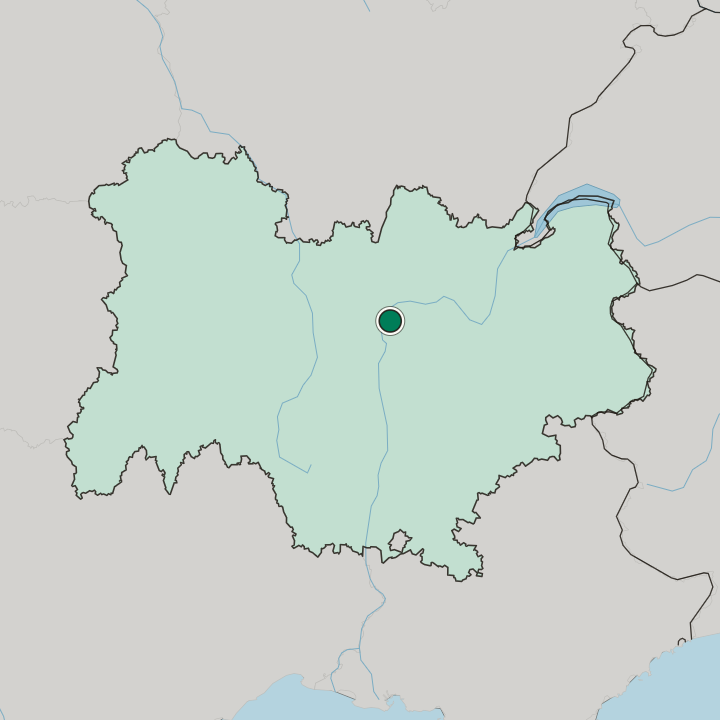
Vénissieux is small on the ground. Roughly 15 square kilometres carry the whole commune, which sits inside the Metropolis of Lyon with Bron and Saint-Priest named along its boundary. Open space gathers at Parilly.
The parc de Parilly de Bron and Parilly Racecourse take the largest single stretch, and the remaining ground is divided among pitches such as stade de la Cressonière, complexe Carnot and terrain des 2 Fermes.
What is the climate of Vénissieux?
The temperate band covers the commune. Vénissieux shares its weather with the rest of the Metropolis of Lyon, a northern-hemisphere pattern in which the warmest stretch falls at mid-year, and nothing in the record marks the commune out as an exception. Outdoor sport sets the calendar.
Grounds such as stade Albalate, stade Laurent Gerin and Parilly Racecourse lie open to it, and swimming keeps its own addresses at the Jean Mermoz Pool and bassin Minerve.
How do you get to Vénissieux?
Lyon is the way in. Vénissieux sits inside the Metropolis of Lyon, so arrivals to the conurbation reach the commune as part of the same metropolitan area rather than as a separate destination. Neighbouring communes adjoin it.
Bron and Saint-Priest are named along the boundary, and their grounds, stade Jean Jaurès de Bron and stade Jean Bouin de Saint-Priest, show how far the local map reaches past Vénissieux itself. Inside it, roughly 15 square kilometres keep complexe Carnot, complexe sportif Delaune and the centre nautique intercommunal de Vénissieux within a short run of one another.
Common questions
What is the best area to stay in Vénissieux?
The Parilly side: Mornings in the parc de Parilly de Bron before a race meeting. Around Saint-Germain: Walking to Église Saint-Germain de Vénissieux and the Résistance museum. The stadium quarter: Fixtures at Stade du Rhône and Stade Vuillermet. The Bron and Saint-Priest boundary: Matches at stade Jean Bouin de Saint-Priest or stade Jean Jaurès de Bron.
Good for
More cities in Auvergne-Rhône-Alpes
Updated October 2026