France · Bretagne
Where to Stay in Rennes, Bretagne
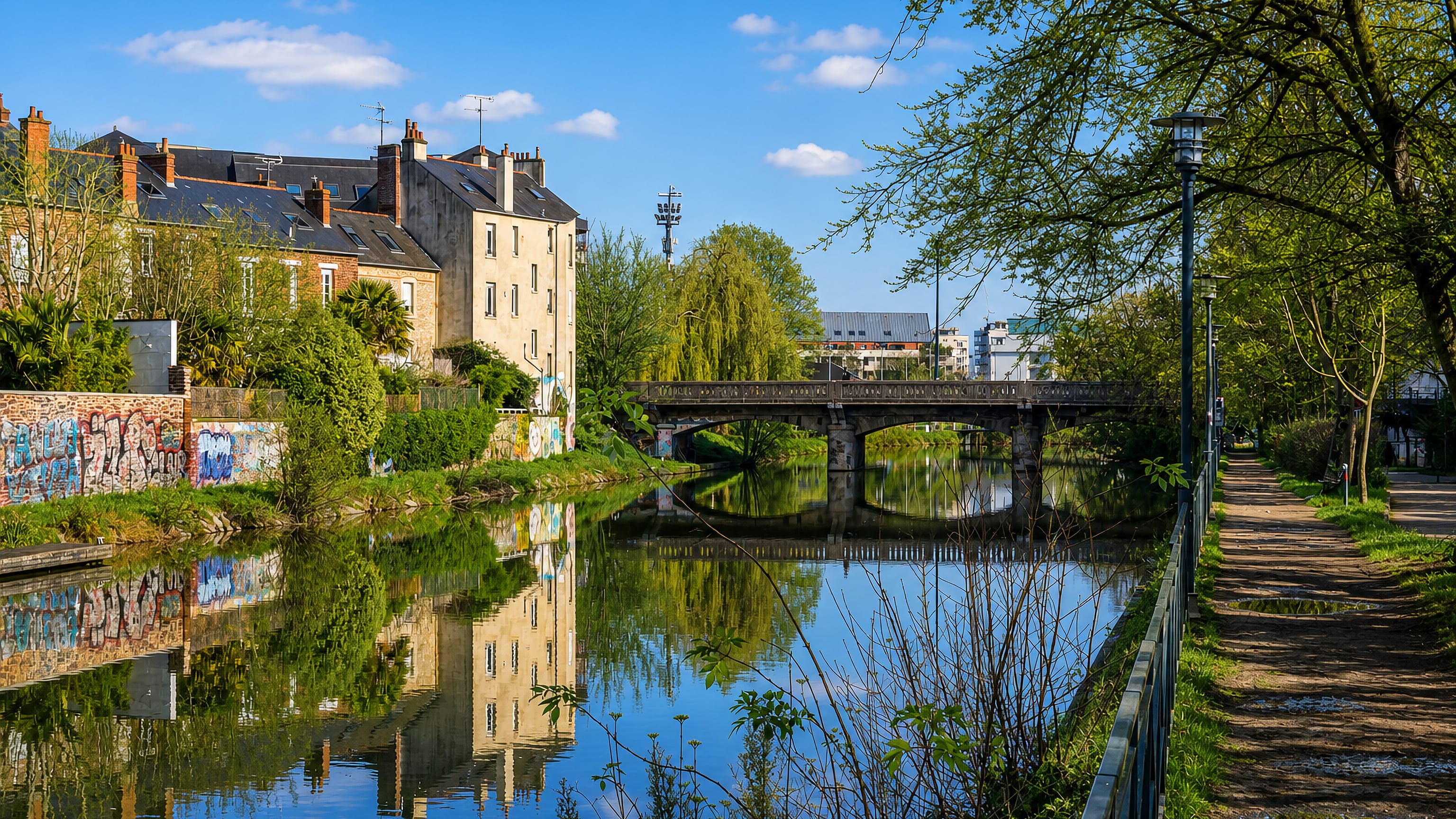
Two rivers braid through Rennes, a Breton city where the Ille joins the Vilaine, prefecture of Brittany and known for its timber-framed old town.
Hotel links are affiliate links: booking through them may earn us a commission, at no extra cost to you. It never affects how places are ranked. How this works





Where to stay in Rennes
Where the beds are, and what that means for the visit.
Rennes sorts into a few clear quarters, and where you sleep shapes the trip. The historic centre, laced with timber-framed streets around the place des Lices and the place Sainte-Anne, puts the old town and its cafes within a short walk. Stay here for atmosphere.
West of the medieval core, the streets around the Basilique Saint-Sauveur de Rennes stay quiet after dark yet keep the centre close. Travellers who want museums close to the door lean toward the blocks near the Musée des Beaux-Arts de Rennes, along the Vilaine quays. Near the railway station, the district around the Église des Sacrés-Cœurs de Rennes suits arrivals by train and anyone bound for Roazhon Park on a match day.
Each pocket trades a little charm for a little convenience, so the choice comes down to whether you value the timber-framed lanes of the Ille and Vilaine confluence or a fast walk to your platform.
Find hotels in Rennes
Direct booking searches for these neighbourhoods.
Centre historique
Medieval streets and the place Sainte-Anne cafes sit within a short walk.Find hotels in Centre historiqueMuseum-goers near the Musée des Beaux-ArtsVilaine quays
The riverfront blocks put the fine-art collection and the Vilaine within reach.Find hotels in Vilaine quaysTrain arrivals and match days at Roazhon ParkGare de Rennes quarter
The streets by the Église des Sacrés-Cœurs suit fast platform access.Find hotels in Gare de Rennes quarterHotel links are affiliate links: booking through them may earn us a commission, at no extra cost to you. It never affects how places are ranked. How this works
Things to do in Rennes
Ranked by global recognition; descriptions from Wikidata (CC0).
Museums & Galleries
1- Musée des Beaux-Arts de Rennes
Churches & Religious Sites
8- Basilique Saint-Sauveur de Rennes Heritage
- Basilique Notre-Dame de Bonne Nouvelle de Rennes Heritage
- Église Saint-Germain de Rennes Heritage
- Église Sainte-Thérèse de Rennes Heritage
- Église Saint-Étienne de Rennes Heritage
Show 3 more →
- église Saint-Martin de Rennes Heritage
- Église Sainte-Jeanne-d’Arc Heritage
- Église des Sacrés-Cœurs de Rennes Heritage
Stadiums & Sports
3- Roazhon Park
- Le Liberté
- Centre d'entraînement Henri-Guérin
Landmarks & Notable Places
7- An Ti Kozh Heritage
- Maison, 19 place Sainte-Anne Heritage
- Maison, 22 place des Lices Heritage
- Immeuble, 17 place Sainte-Anne (Rennes) Heritage
- Immeuble, 10 place Sainte-Anne Heritage
Show 2 more →
- maison de la Prévôté Heritage
- Immeuble, 18 place Sainte-Anne Heritage
worth knowingacross 4 categories in Rennes
About Rennes
What is Rennes known for?
Rennes is known as the administrative and cultural capital of Brittany, set where the Ille meets the Vilaine. The old town keeps timber-framed houses around the place des Lices and the place Sainte-Anne. Culture runs deep here.
The Musée des Beaux-Arts de Rennes holds the fine-art collection, while the Museum of Brittany traces the region's story, and Le Liberté draws crowds to concerts and matches spill from Roazhon Park.
What are the main landmarks in Rennes?
Rennes gathers its landmarks between the old town and the Vilaine. The Basilique Saint-Sauveur de Rennes and the Basilique Notre-Dame de Bonne Nouvelle de Rennes anchor the medieval streets. Art fills the Musée des Beaux-Arts de Rennes.
The Museum of Brittany carries the regional story, the écomusée de la Bintinais preserves rural Breton life on the city's edge, and Roazhon Park hosts the football club on match days.
What is the history of Rennes?
Rennes grew at the confluence of the Ille and the Vilaine, a crossing that made it a natural seat of power in Brittany. The old town's timber-framed houses recall the mercantile city that clustered around the place des Lices and the place Sainte-Anne. Fire reshaped it.
A great blaze in the early eighteenth century swept away much of the medieval quarter, and the stone streets that replaced the burnt district gave Rennes the ordered classical face that still frames its centre beside the older timber survivors. As prefecture of Brittany and of the Ille-et-Vilaine department, Rennes held administrative weight across the region for centuries, and its churches mark that long standing. The Basilique Saint-Sauveur de Rennes and the Église Saint-Germain de Rennes carry the older devotional history, while the Museum of Brittany now gathers the wider regional story under one roof.
The city stayed Breton in identity even as it became a French administrative hub, and that double character shows in a centre where the Vilaine quays run past both medieval lanes and later stone façades.
Where is Rennes?
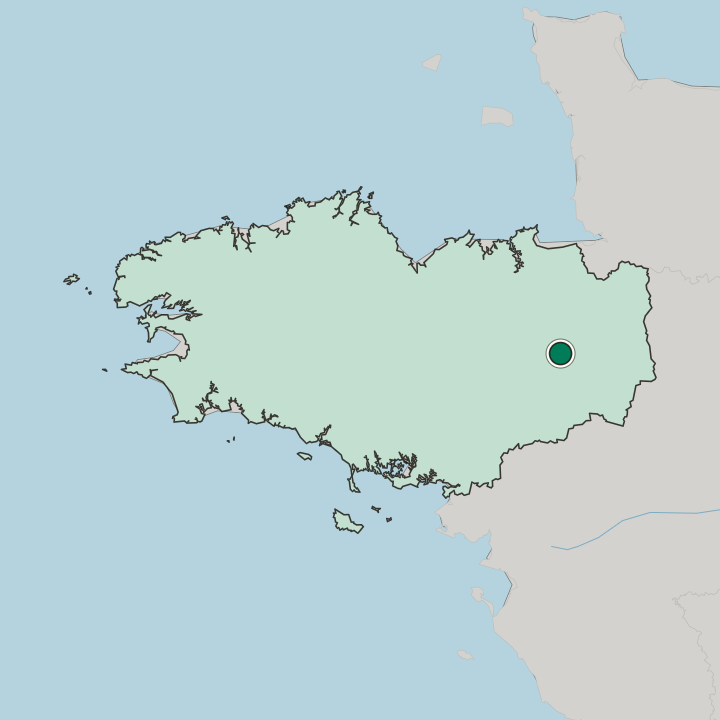
Rennes sits at the confluence of the Ille and the Vilaine in the east of Brittany, in the Ille-et-Vilaine department. The two rivers meet in the heart of the city, and the Vilaine runs on toward the coast. Low, watered country surrounds it.
The wider region rolls in gentle farmland, and the Ille and Vilaine confluence gives the department its name and Rennes its enduring river geography.
What is the climate of Rennes?
Rennes has the mild oceanic climate of inland Brittany. Winters stay cool and damp rather than hard, and summers run warm without the heat of the Mediterranean south. Rain comes often.
The Atlantic weather that reaches up the Vilaine valley keeps the country green through much of the year, and the river confluence rarely freezes even in the coldest months.
How do you get to Rennes?
Rennes anchors the rail and road network of eastern Brittany. High-speed trains link the Gare de Rennes to Paris and run on to the Breton coast, making the city a common first stop in the region. The station sits south of the Vilaine.
From there the old town and the Musée des Beaux-Arts de Rennes lie within a short walk, and roads fan out across the Ille-et-Vilaine department toward the rest of Brittany.
Common questions
What is the best area to stay in Rennes?
Centre historique: Timber-framed old town around place des Lices. Vilaine quays: Museum-goers near the Musée des Beaux-Arts. Gare de Rennes quarter: Train arrivals and match days at Roazhon Park.
Good for
More cities in Bretagne
Updated September 2026