France · Bretagne
Where to Stay in Vannes, Bretagne
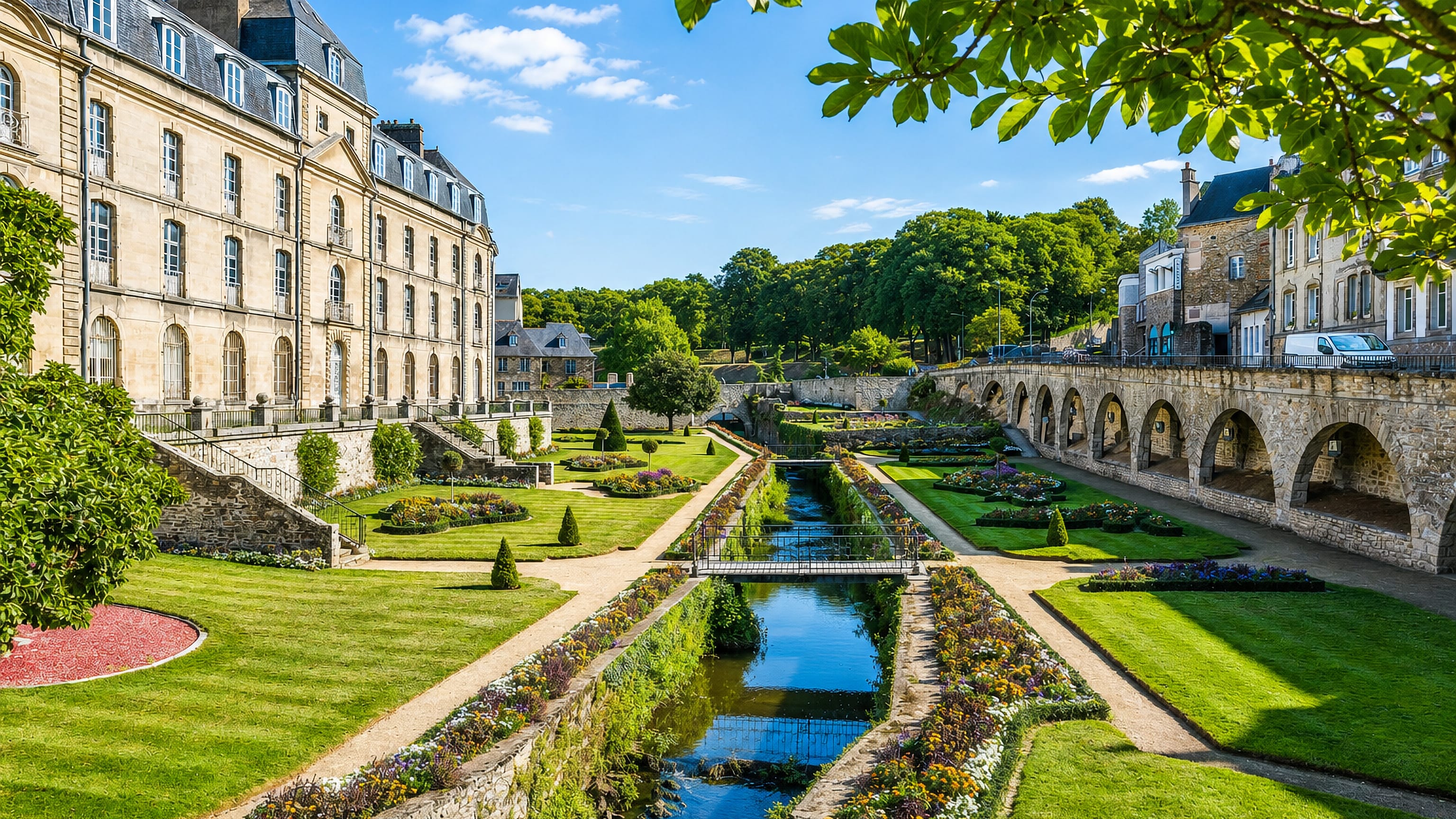
Vannes is a Morbihan town in Brittany, founded more than two thousand years ago and gathered around the Château de l'Hermine and the place des Lices.
Hotel links are affiliate links: booking through them may earn us a commission, at no extra cost to you. It never affects how places are ranked. How this works


Where to stay in Vannes
Where the beds are, and what that means for the visit.
The walls draw the line here. Inside them, the place Henri IV, the rue des Halles and rue Saint-Guenhaël put a bed among listed houses and within a minute of everything the old town has, which is the reason most people pay to be there. Scarcity is the catch.
The stock inside the ramparts is small, so a late booking usually means looking beyond the Château de l'Hermine and walking in each morning. The port side is the compromise. Rue du Port and the streets running back from the water sit a short walk below the old quarter, with the Aquarium de Vannes and the Jardin aux Papillons on that side, and they suit you if the trip involves children or a boat.
Parking gets easier out here. The old town is still five minutes off. Beyond that, the commune spreads.
Beds towards the Stade de la Rabine, the vélodrome du pays de Vannes and d'aucy Park belong to the modern town and make sense for a fixture or an early drive onward rather than a weekend inside the walls. The place des Lices marks the boundary between the two moods.
Find hotels in Vannes
Direct booking searches for these neighbourhoods.
Inside the ramparts
The walled old town, where the place Henri IV, the rue des Halles and the Maison des Trois-Piliers stand within a block of one another. Rooms are few around here — worth securing early.Find hotels in Inside the rampartsthe Aquarium de Vannes and a walk by the waterRue du Port
The lower streets running back from the port, with the Aquarium de Vannes and the Jardin aux Papillons on the same side of town.Find hotels in Rue du Portmatch days and an early start on the roadTowards the Stade de la Rabine
The modern edge of the commune by the Stade de la Rabine and the vélodrome du pays de Vannes, where parking is no fight.Find hotels in Towards the Stade de la RabineHotel links are affiliate links: booking through them may earn us a commission, at no extra cost to you. It never affects how places are ranked. How this works
Things to do in Vannes
Ranked by global recognition; descriptions from Wikidata (CC0).
Museums & Galleries
1- musée de la Cohue Heritage
Churches & Religious Sites
1- Église Saint-Patern de Vannes Heritage
Castles & Historic Sites
3- Château-Gaillard Heritage
- Château de l'Hermine
- Darioritum
Stadiums & Sports
3- Stade de la Rabine
- vélodrome du pays de Vannes
- d’aucy Park
Landmarks & Notable Places
8- Tour du Connétable de Vannes Heritage
- Maison des Trois-Piliers Heritage
- Maison, 11 place des Lices (Vannes) Heritage
- Maison, 2 rue Émile Burgault à Vannes Heritage
- Maison, 2 place Henri IV Heritage
Show 3 more →
- Maison, 1 place Henri IV Heritage
- Maison, 23 rue des Halles Heritage
- Maison, 6 place Henri IV (Vannes) Heritage
worth knowingacross 5 categories in Vannes
About Vannes
Old streets carry this one.
What is Vannes known for?
The Maison des Trois-Piliers, the Maison de Saint-Yves and the run of houses along rue Saint-Guenhaël give Vannes an old town that survives in domestic buildings rather than in monuments, and the musée de la Cohue holds the art. Château de l'Hermine closes one side. Families come for the Aquarium de Vannes and the Jardin aux Papillons, while the Stade de la Rabine fills on match days.
What are the main landmarks in Vannes?
Château de l'Hermine is the first name on any list. The Tour du Connétable and Château-Gaillard complete the defensive set, the musée de la Cohue and the Maison des Trois-Piliers cover the old town indoors, and the Église Saint-Patern stands for the parish side of it. Rue Saint-Guenhaël is a list in itself.
The Aquarium de Vannes, the Jardin aux Papillons and the monument à Alain René Lesage take care of everything that is not medieval.
What is the history of Vannes?
Darioritum came first. The name belongs to the settlement recorded on this ground when the town was founded more than two thousand years ago, and it remains the oldest thing Vannes can point to. Walls followed.
The Tour du Connétable still stands in the circuit of defences, Château-Gaillard sits inside them, and the Château de l'Hermine carries the grandest name among them. Vannes has gone on building over the same ground in every century since. The old town is domestic architecture, not palaces.
Rue Saint-Guenhaël alone keeps a run of listed houses, the Maison des Trois-Piliers and the Maison de Saint-Yves stand among them, and the place Henri IV holds three more in a single frontage. Markets shaped the rest. The rue des Halles names what it once carried, the place des Lices sits at the other end of the same quarter, and the musée de la Cohue keeps the name of the building it occupies.
Faith and letters left their marks. The Église Saint-Patern anchors a quarter of its own, and the monument à Alain René Lesage records the writer the town claims as its own. Later building went outward.
The Stade de la Rabine, the vélodrome du pays de Vannes and d'aucy Park belong to the modern commune rather than the walled one, and the Aquarium de Vannes and the Jardin aux Papillons arrived with the same expansion.
Where is Vannes?
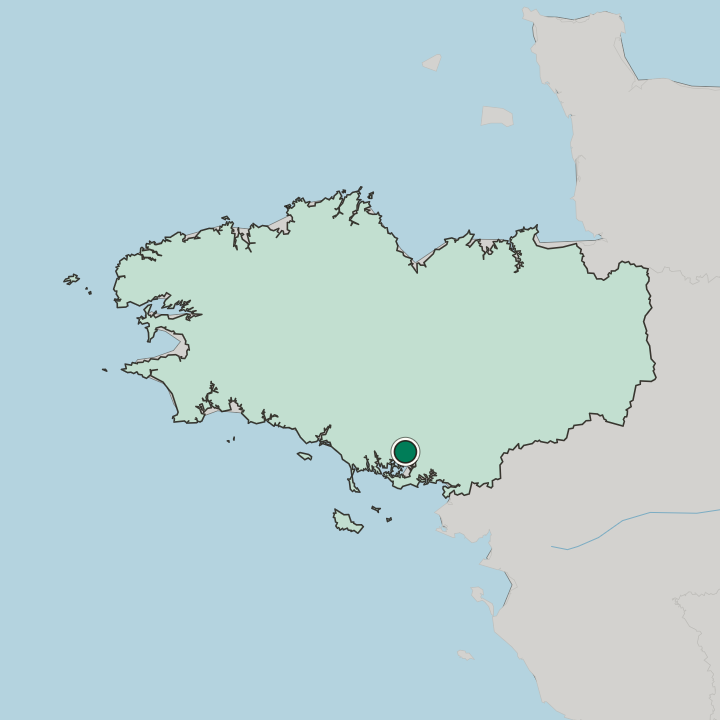
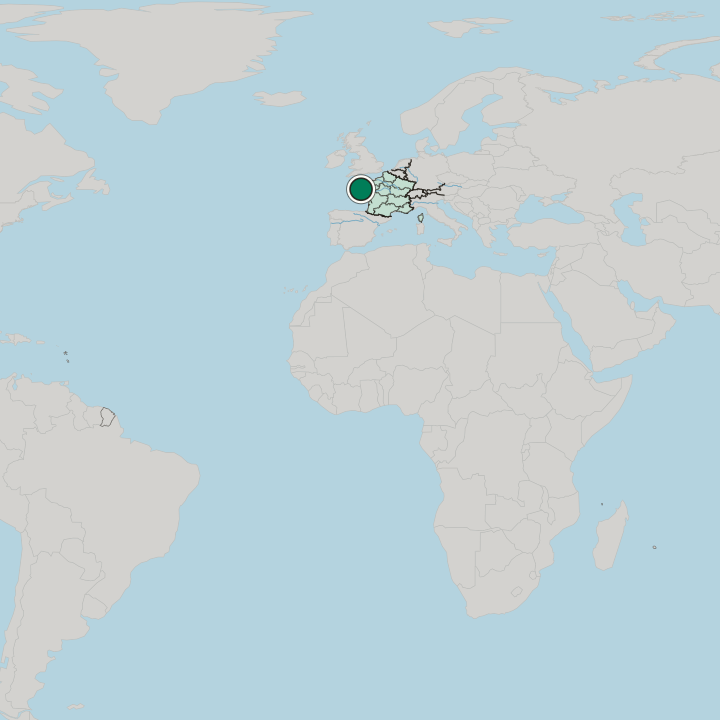
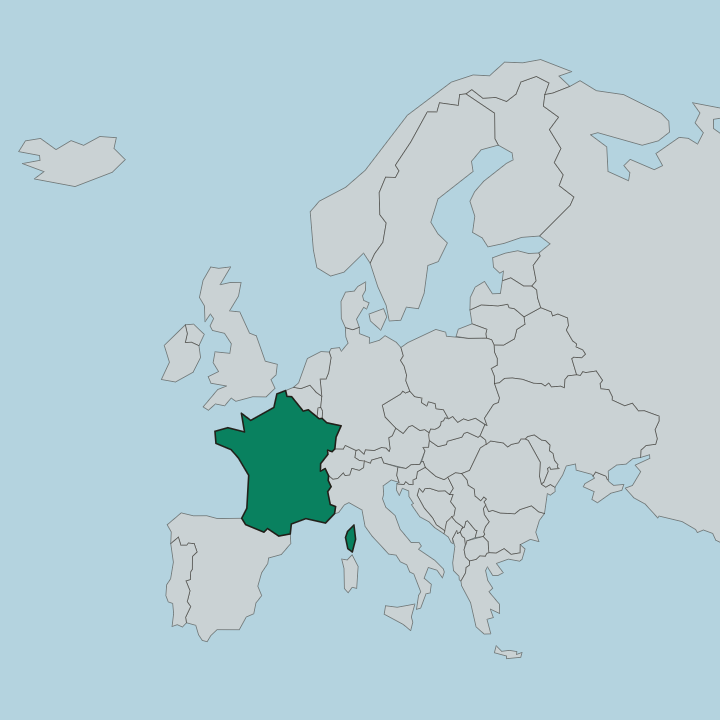
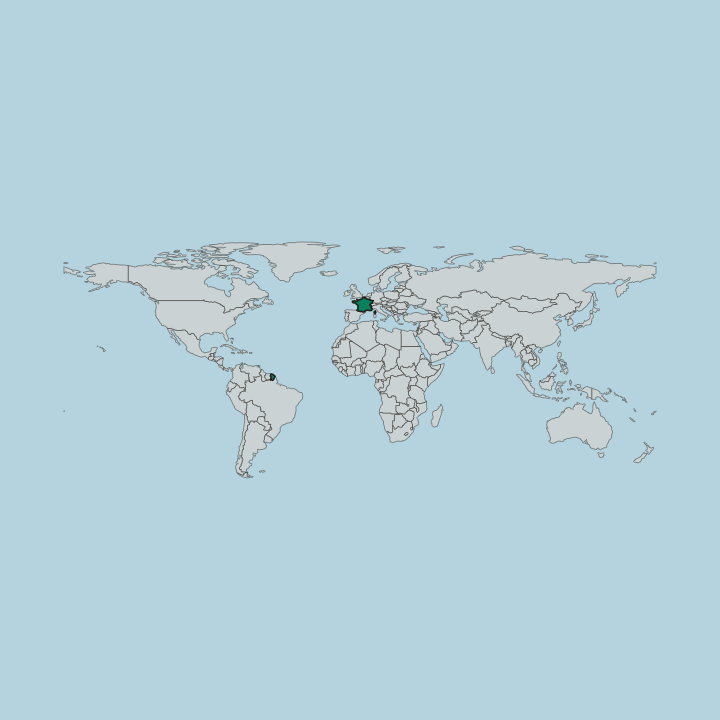
Thirty-two square kilometres of Morbihan. Vannes stands in northwestern mainland France, its old core drawn tight around the place Henri IV and the rue des Halles while the newer commune spreads out to the vélodrome du pays de Vannes and d'aucy Park. Water reaches the town.
The rue du Port carries the name of that connection, and the Aquarium de Vannes belongs to the same side of the map.
What is the climate of Vannes?
Brittany decides the weather here, which means mild rather than warm, wet in short instalments and rarely still for long, the sort of climate the Jardin aux Papillons has to work against. Frost is uncommon. Summer holds long enough for the terraces around the place des Lices and the port, though a bright morning turns grey by afternoon often enough to count as the rule.
Breeze off the water rarely lets up.
How do you get to Vannes?
Brittany puts Vannes fifth in size, and that shows in the approach. Routes converge on a Morbihan town large enough to be a destination in its own right rather than a stop on the way to somewhere bigger, and the old town turns compact the moment the journey ends. The port is the other door.
Rue du Port, the place Henri IV and the rue des Halles all fall within a few minutes of one another on foot.
Common questions
What is the best area to stay in Vannes?
Inside the ramparts: a bed among the listed houses of rue Saint-Guenhaël. Rue du Port: the Aquarium de Vannes and a walk by the water. Towards the Stade de la Rabine: match days and an early start on the road.
Good for
More cities in Bretagne
Updated October 2026