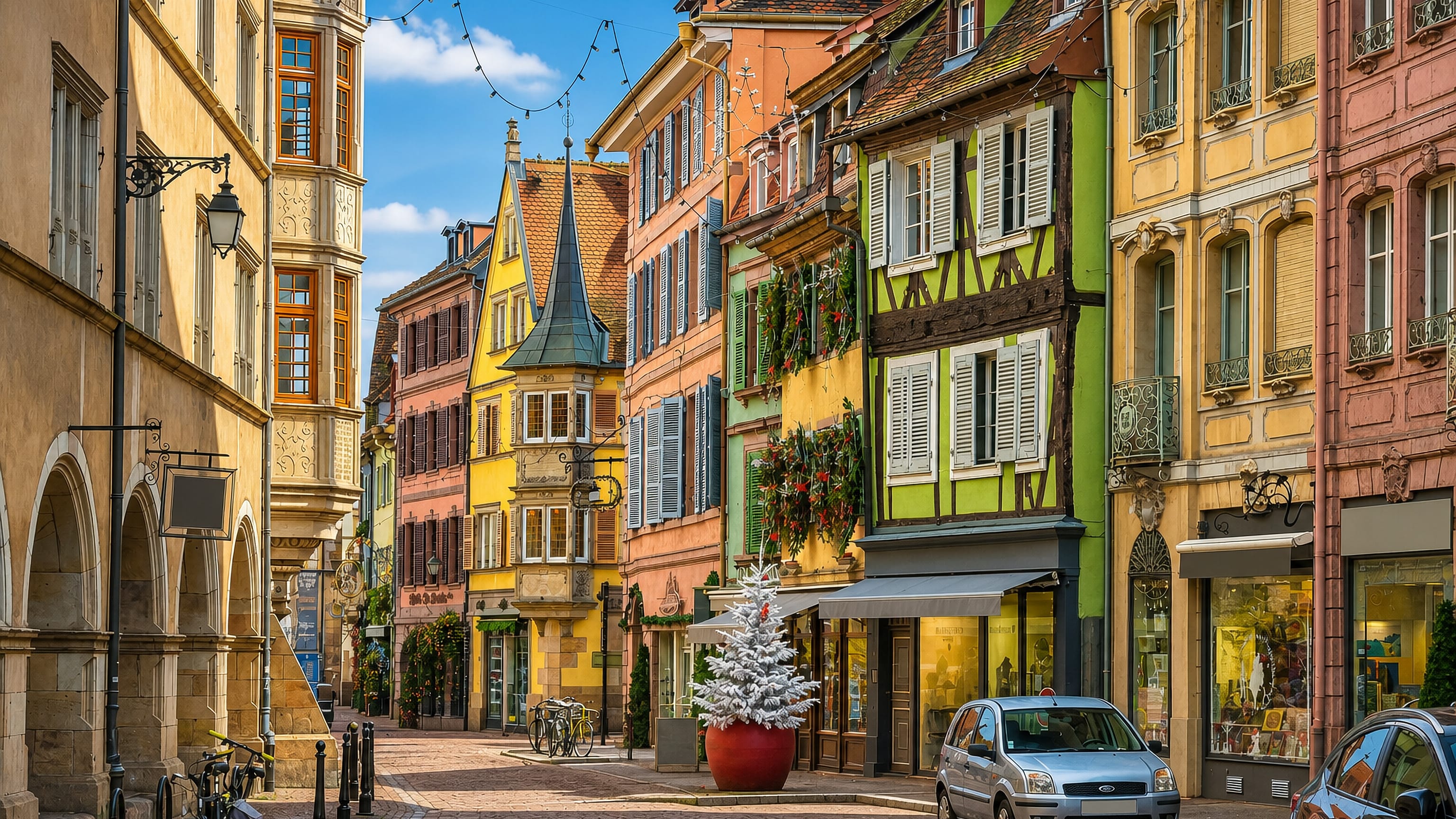
France · Grand Est
Where to Stay in Colmar, Grand Est
Colmar is the Haut-Rhin prefecture in Alsace, founded in 1226 and built around the Maison Pfister and the Unterlinden Museum.
Hotel links are affiliate links: booking through them may earn us a commission, at no extra cost to you. It never affects how places are ranked. How this works


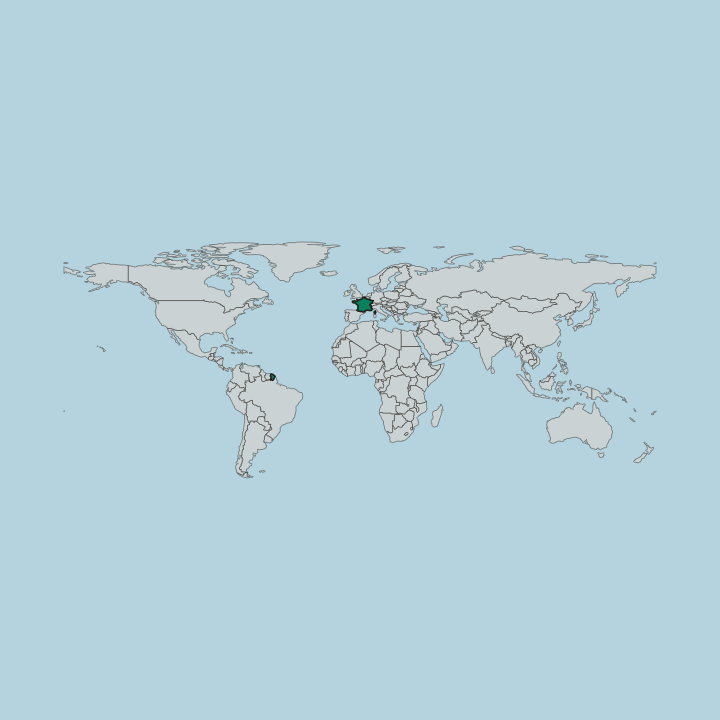
Where to stay in Colmar
How the choice of base plays out on the ground.
The old town is small and it fills first. Rooms on the rue des Marchands and around the Maison Pfister put the Maison Adolph, the Maison Kern and the Maison Schongauer within a short walk, which is precisely what the centre is for. Beds there are limited.
The Maison aux raisins, the Maison Pfeffel and the Maison Wildungshof mark the same few blocks, and the hotel stock is squeezed in among them. Unterlinden is the calmer address. Streets around the Unterlinden Museum and the old Unterlinden monastery keep the Toy Museum of Colmar and the Musée d'histoire naturelle et d'ethnographie de Colmar on the doorstep, without the noise of the main run of Maisons.
Walking distance still applies. The musée Bartholdi and the Statue of Liberty in Colmar are both reachable on foot from here. Further out, near the Ladhof Stadium and Colmar Stadium, rooms come with parking and a quick exit toward the rest of the Haut-Rhin, at the cost of a walk back into the old streets.
Match days fill them. The rue Turenne and the rue des Boulangers are the reference points for anyone judging the distance back in.
Find hotels in Colmar
Direct booking searches for these neighbourhoods.
Rue des Marchands
The old-town spine, with the Maison Pfister on its corner and the Maison Kern and Maison Schongauer along the same short run. Rooms are few around here — worth securing early.Find hotels in Rue des Marchandsgallery mornings at the Unterlinden Museum without the old-town crowdsAround Unterlinden
The quarter grown up around the Unterlinden monastery, with the Toy Museum of Colmar and the musée Bartholdi close by and less traffic after dark.Find hotels in Around Unterlindenfixtures at Colmar Stadium and parking outside the doorTowards the Ladhof Stadium
The outer commune past the old streets, where the Ladhof Stadium and Colmar Stadium sit and the road out of the Haut-Rhin starts.Find hotels in Towards the Ladhof StadiumHotel links are affiliate links: booking through them may earn us a commission, at no extra cost to you. It never affects how places are ranked. How this works
Things to do in Colmar
Ranked by global recognition; descriptions from Wikidata (CC0).
Museums & Galleries
2- Unterlinden Museum
- musée Bartholdi
Churches & Religious Sites
1- Unterlinden monastery
Castles & Historic Sites
1- Statue of Liberty in Colmar
Stadiums & Sports
2- Colmar Stadium
- Ladhof Stadium
Landmarks & Notable Places
8- Maison Pfister Heritage
- Maison Adolph Heritage
- Maison aux raisins (Colmar) Heritage
- Maison Schongauer Heritage
- Maison des Chevaliers de Saint-Jean Heritage
Show 3 more →
- Maison Kern Heritage
- Maison Wildungshof Heritage
- Maison Pfeffel Heritage
worth knowingacross 5 categories in Colmar
About Colmar
What is Colmar known for?
Colmar's old town is the reason people come, a preserved centre where the Maison Pfister, the Maison Adolph and the Maison des Chevaliers de Saint-Jean stand within a few streets of one another. Everything else belongs to the museums. The Unterlinden Museum occupies the old Unterlinden monastery, while the musée Bartholdi, the Toy Museum of Colmar and the Musée d'histoire naturelle et d'ethnographie de Colmar divide what is left.
A Statue of Liberty in Colmar stands on the same list of monuments. Match nights belong to Colmar Stadium and the Ladhof Stadium.
What are the main landmarks in Colmar?
The Unterlinden Museum tops every list, in a building that began as the Unterlinden monastery. Maison Pfister is the frontage everyone photographs, and the Maison Adolph, the Maison Kern, the Maison Schongauer and the Maison des Chevaliers de Saint-Jean give the same streets four more of the kind. Smaller museums follow.
The musée Bartholdi, the Toy Museum of Colmar and the Statue of Liberty in Colmar cover the rest of what the town lists.
What is the history of Colmar?
Colmar dates from 1226. The town that grew after it left its record in domestic building, and the Maison Pfister, the Maison Wildungshof and the Maison Sandherr are among the survivors of it. Religious houses came too.
The Unterlinden monastery gave the city the building that now carries the Unterlinden Museum, and the Maison des Chevaliers de Saint-Jean keeps another order's name on a street corner. The Maison Fleischhauer and the Maison Pfeffel joined the same run of frontages. Street names hold the rest of the record: the rue des Marchands, the rue des Boulangers, the rue Turenne and the rue Schongauer, each attached to a name the town kept.
Sculpture came later. The musée Bartholdi holds that chapter, and a Statue of Liberty in Colmar belongs to the same story. The Musée d'histoire naturelle et d'ethnographie de Colmar and the Toy Museum of Colmar came out of the same collecting habit, one town's appetite for keeping things, and both sit inside the old centre.
Administration settled the modern role. Colmar became the seat of the Haut-Rhin prefecture and of the subprefecture of the Colmar-Ribeauvillé arrondissement, the third-largest commune in Alsace running the paperwork for a good deal more than itself. Sport arrived on the outskirts, at Colmar Stadium and the Ladhof Stadium.
Where is Colmar?
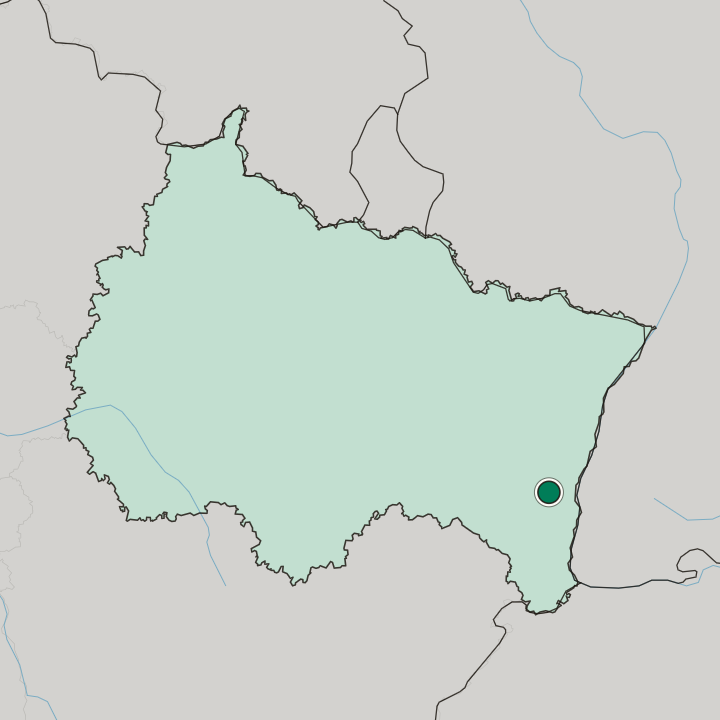
Sixty-six square kilometres in the Haut-Rhin. The commune covers ground well beyond its old town, and the Colmar-Ribeauvillé arrondissement carries the name further still in Alsace, out past Colmar Stadium and the Ladhof Stadium. The old centre stays tight.
Rue des Marchands, rue Turenne and rue des Boulangers cover most of what a visitor walks, and the Unterlinden Museum stands at the head of them.
What is the climate of Colmar?
The year turns in four clear parts. The Unterlinden Museum and the Toy Museum of Colmar absorb the cold months, while the Maisons along the rue des Marchands and the rue Turenne belong to the long light of a temperate summer. Nothing about the year is severe, which is why Colmar works as a city-break in any month.
How do you get to Colmar?
Colmar is the seat of both the Haut-Rhin prefecture and the subprefecture of the Colmar-Ribeauvillé arrondissement, so the routes of a whole district converge on a single Alsace town. Arrival ends on foot. The rue des Marchands, the rue Turenne and the rue des Boulangers are close enough in scale that the Maison Pfister, the Unterlinden Museum and the musée Bartholdi fall within a few minutes of each other.
Colmar Stadium and the Ladhof Stadium sit further out, where a car makes sense.
Common questions
What is the best area to stay in Colmar?
Rue des Marchands: the Maison Pfister at the end of the street and museums five minutes off. Around Unterlinden: gallery mornings at the Unterlinden Museum without the old-town crowds. Towards the Ladhof Stadium: fixtures at Colmar Stadium and parking outside the door.
Good for
More cities in Grand Est
Updated October 2026