France · Grand Est
Where to Stay in Metz, Grand Est
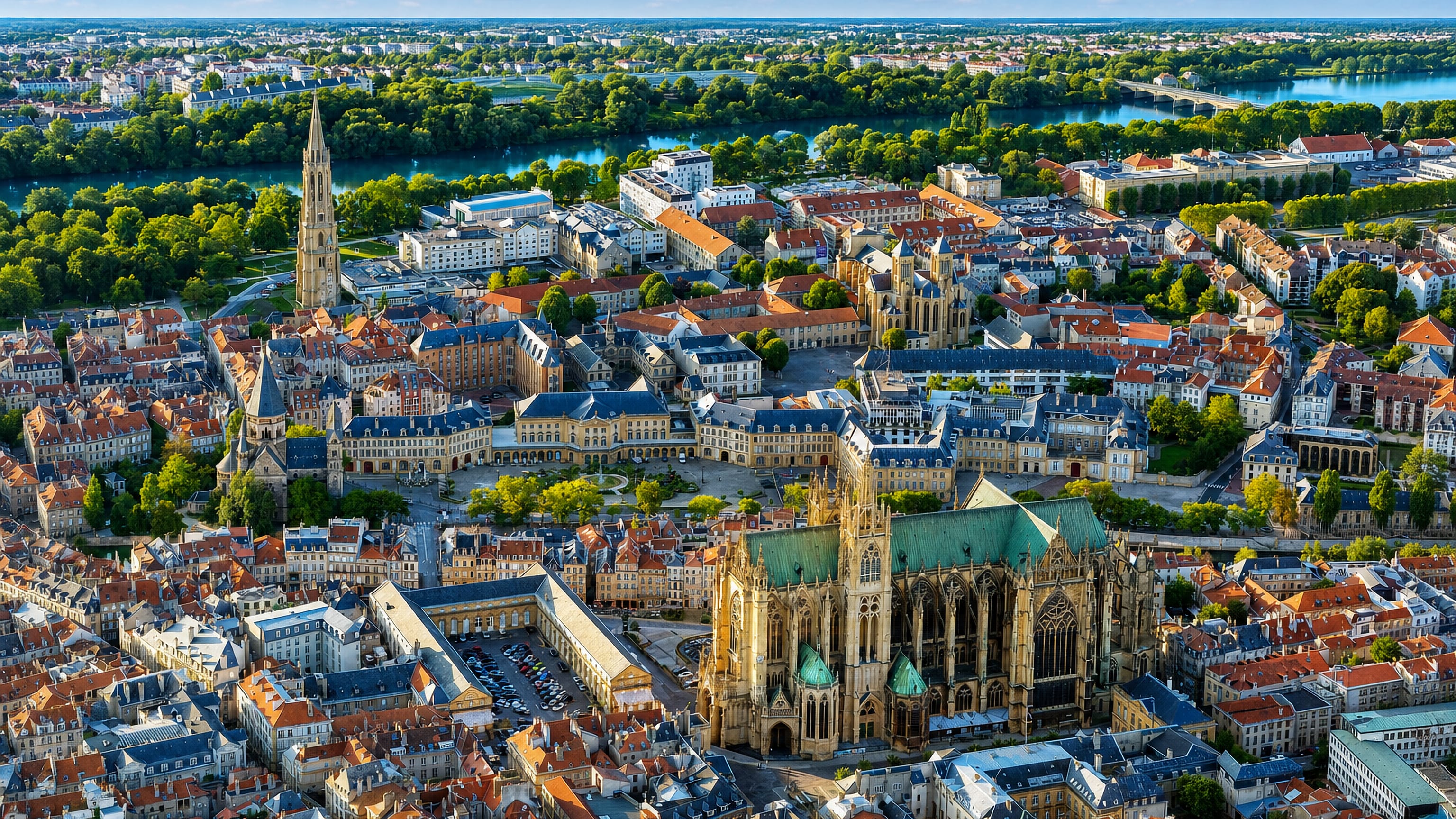
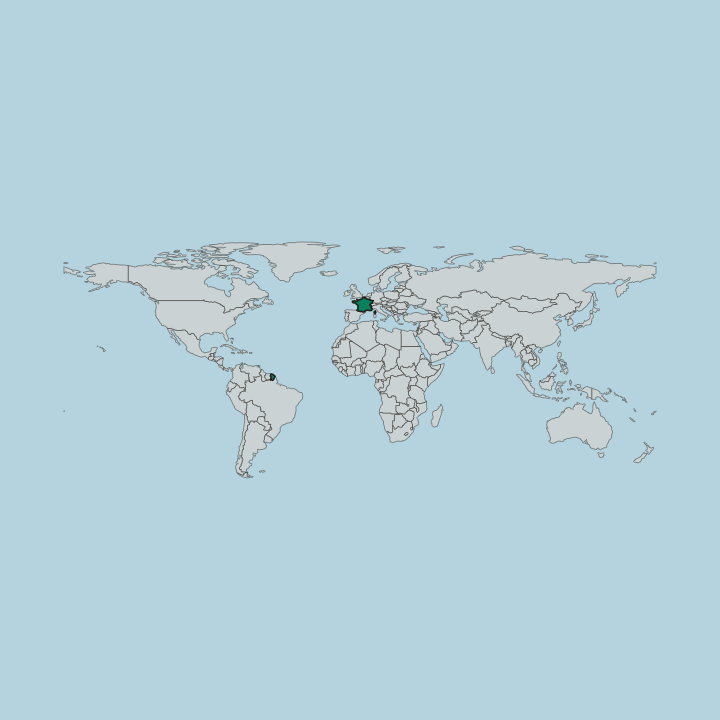
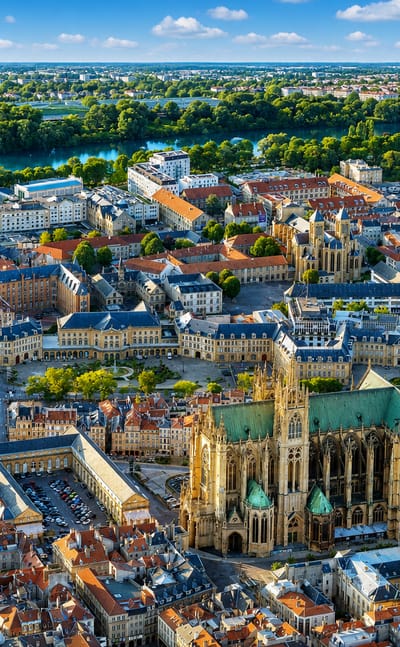
The Moselle and the Seille meet at Metz, a city in northeast France and prefecture of the Moselle, known for the Centre Pompidou-Metz.
Hotel links are affiliate links: booking through them may earn us a commission, at no extra cost to you. It never affects how places are ranked. How this works


Where to stay in Metz
The right area depends on your trip — here's what each neighbourhood is best for.
 MetzFrance
Devant les Ponts
Three churches mark Devant-les-Ponts, a district of Metz that also holds the Olympium and the complexe Baron Dufour.Where to stay →MetzFranceBorny
Borny sits inside Metz, a district of the Technopôle, the lac Symphonie and the Église Saint-Pierre de Metz.Where to stay →Hotel links are affiliate links: booking through them may earn us a commission, at no extra cost to you. It never affects how places are ranked. How this works
Find hotels in Metz
Direct booking searches for these neighbourhoods.
Old centre between the rivers
The core between the Moselle and the Seille keeps the Basilica of Saint-Pierre-aux-Nonnains and the Musée de la Cour d'Or within one walk.Find hotels in Old centre between the riversart-minded arrivals off the train at MetzPompidou and station quarter
The southern quarter around the Centre Pompidou-Metz pairs contemporary art with quick rail access into the city.Find hotels in Pompidou and station quarterHotel links are affiliate links: booking through them may earn us a commission, at no extra cost to you. It never affects how places are ranked. How this works
Things to do in Metz
Ranked by global recognition; descriptions from Wikidata (CC0).
Museums & Galleries
3- Centre Pompidou-Metz
- Musée de la Cour d'Or
- Chapelle des Carmes de Metz
Churches & Religious Sites
8- Basilica of Saint-Pierre-aux-Nonnains Heritage
- Église Saint-Maximin de Metz Heritage
- Église Sainte-Thérèse-de-l'Enfant-Jésus de Metz Heritage
- basilique Saint-Vincent de Metz Heritage
- Église Sainte-Ségolène de Metz Heritage
Show 3 more →
- Chapelle Sainte-Glossinde de Metz Heritage
- Église Saint-Martin de Metz Heritage
- Église Notre Dame de l'Assomption, Metz Heritage
Castles & Historic Sites
1- Metz Citadel
Stadiums & Sports
3- Stade Saint-Symphorien
- Arènes de Metz
- COSEC Dauphiné
Landmarks & Notable Places
2- Tour Camoufle (Metz) Heritage
- Maison des Têtes Heritage
worth knowingacross 5 categories in Metz
About Metz
What is Metz known for?
Metz is known as the prefecture of the Moselle and the seat of the Grand Est regional parliament, set where the Moselle meets the Seille in northeast France. Rivers made it. Its landmarks range from the Basilica of Saint-Pierre-aux-Nonnains, one of the oldest churches in France, to the modern Centre Pompidou-Metz, in a city that sits near the junction of France, Germany, and Luxembourg.
What are the main landmarks in Metz?
Metz carries landmarks across many centuries. The Basilica of Saint-Pierre-aux-Nonnains ranks among the oldest churches in France, while the Centre Pompidou-Metz answers it with contemporary art. Older stone survives in the Metz Citadel, the Arènes de Metz, and the Musée de la Cour d'Or, and the churches of the old city include the basilique Saint-Vincent de Metz and the Église des Trinitaires de Metz.
The Stade Saint-Symphorien holds the football.
What is the history of Metz?
Metz took shape at the confluence of the Moselle and the Seille, a crossing point that made it a settlement of note long before the modern city. The Basilica of Saint-Pierre-aux-Nonnains rose from Roman-era stone and stands among the oldest churches in France, a marker of how deep the record runs. Rome left more than the church.
The Arènes de Metz recall an amphitheatre from the same ancient layer of the city. Through the medieval centuries Metz fortified itself, and the Metz Citadel and the Tour Camoufle survive from those defences. The city sat close to the junction of France, Germany, and Luxembourg, and that border position shaped its long history.
It became the prefecture of the Moselle and the seat of the Grand Est regional parliament. Faith left its own dense record, from the basilique Saint-Vincent de Metz to the Chapelle Sainte-Glossinde de Metz. The two rivers held the story together.
Where is Metz?
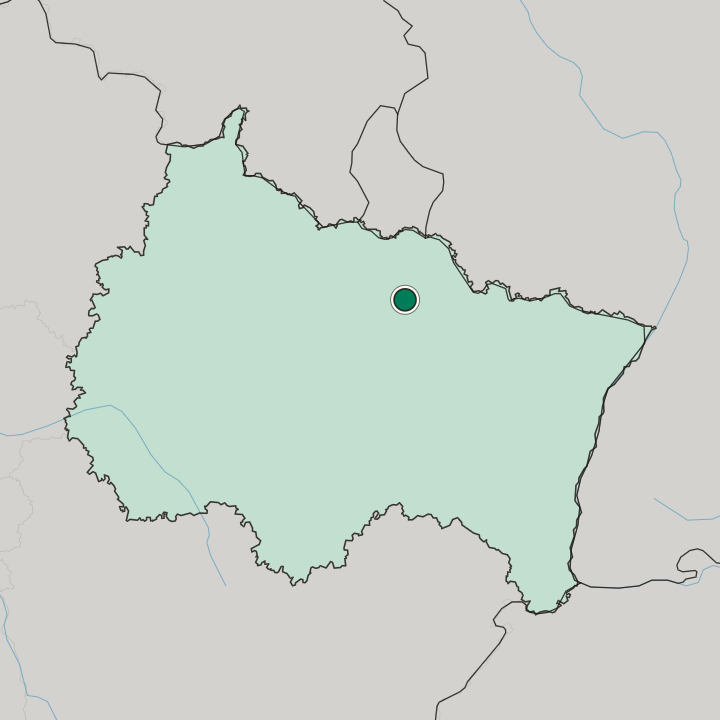
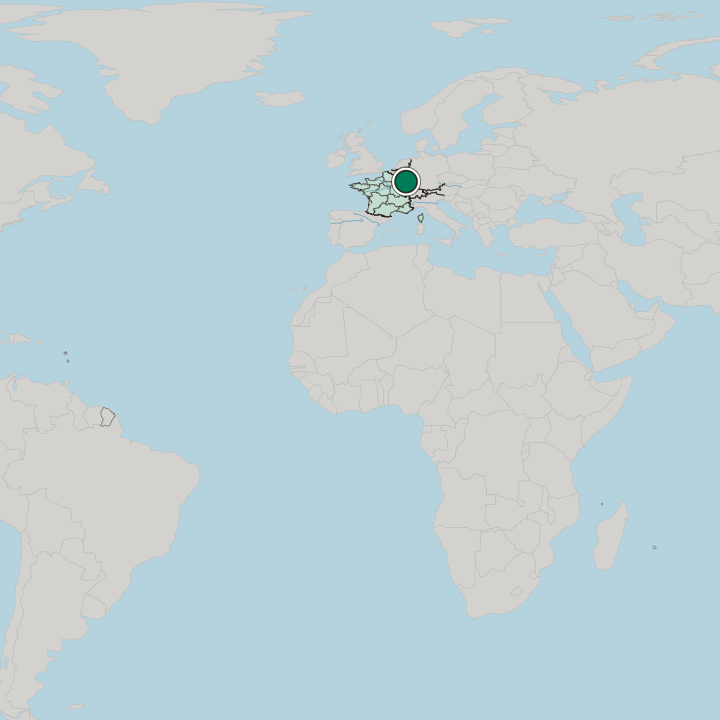
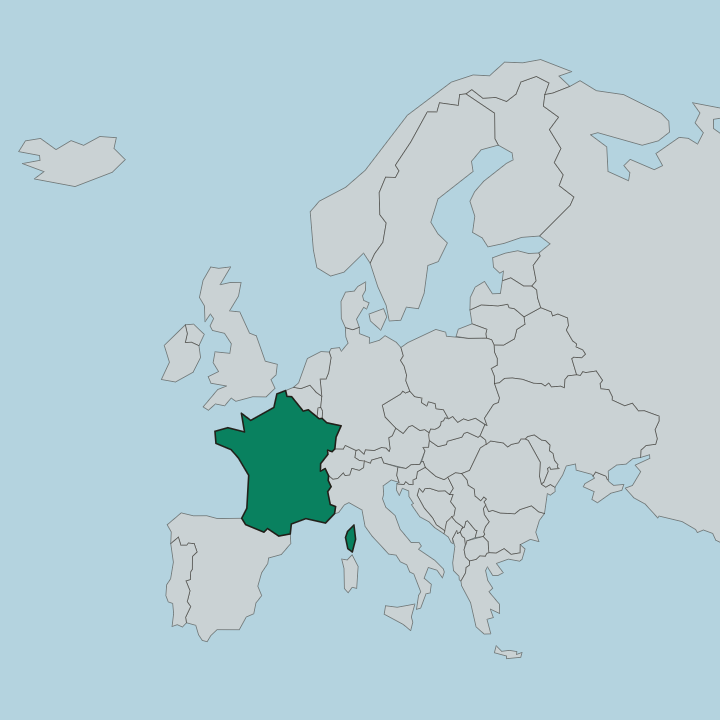
Metz stands at the confluence of the Moselle and the Seille in northeast France, near the junction of France, Germany, and Luxembourg. The Moselle threads the city. Its position in the Grand Est places it at the heart of the SaarLorLux euroregion, where the borders of three countries draw close.
Water and border define the setting.
What is the climate of Metz?
Metz has an inland climate softened by the valley of the Moselle. The cold months bite in Metz. Summers turn warm and green along the two rivers, while the colder months bring grey skies and frost to the streets around the Metz Citadel.
The Seille and the Moselle keep a steady damp through the seasons.
How do you get to Metz?
Metz sits on the rail and road corridors of northeast France, near the junction of France, Germany, and Luxembourg. Trains reach it fast. The station quarter lies south of the old centre, close to the Centre Pompidou-Metz, and the roads of the Grand Est and the SaarLorLux euroregion connect it to Luxembourg and the German border within a short run.
The Moselle valley carries the main routes.
Common questions
What is the best area to stay in Metz?
Old centre between the rivers: first-time visitors near Saint-Pierre-aux-Nonnains. Pompidou and station quarter: art-minded arrivals off the train at Metz.
Good for
More cities in Grand Est
Updated October 2026