France · Grand Est
Where to Stay in Troyes, Grand Est
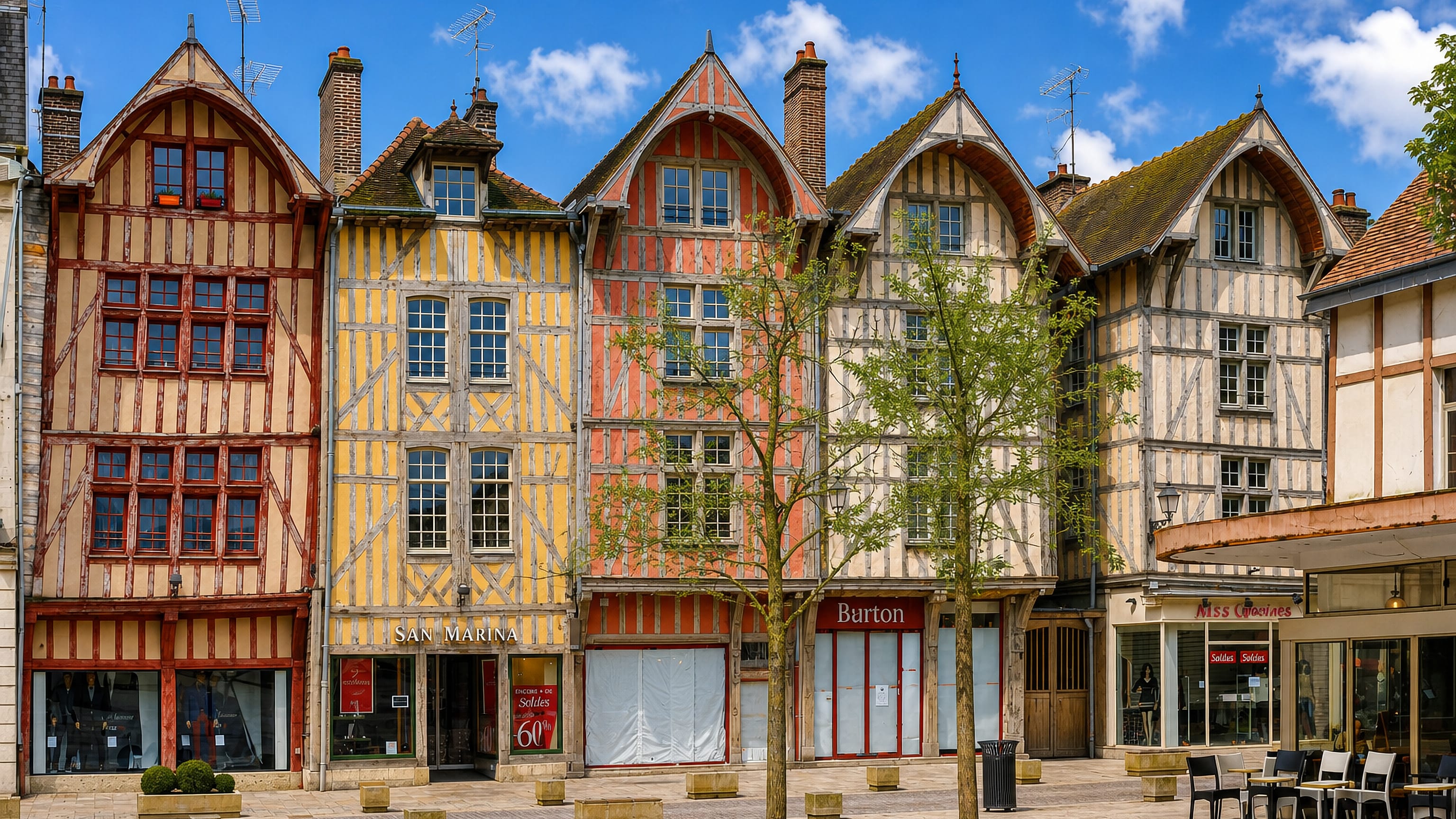
Half-timbered walls lean over the lanes of Troyes, a city on the Seine in Grand Est and the capital of Aube, known for its old town and its stained glass.
Hotel links are affiliate links: booking through them may earn us a commission, at no extra cost to you. It never affects how places are ranked. How this works


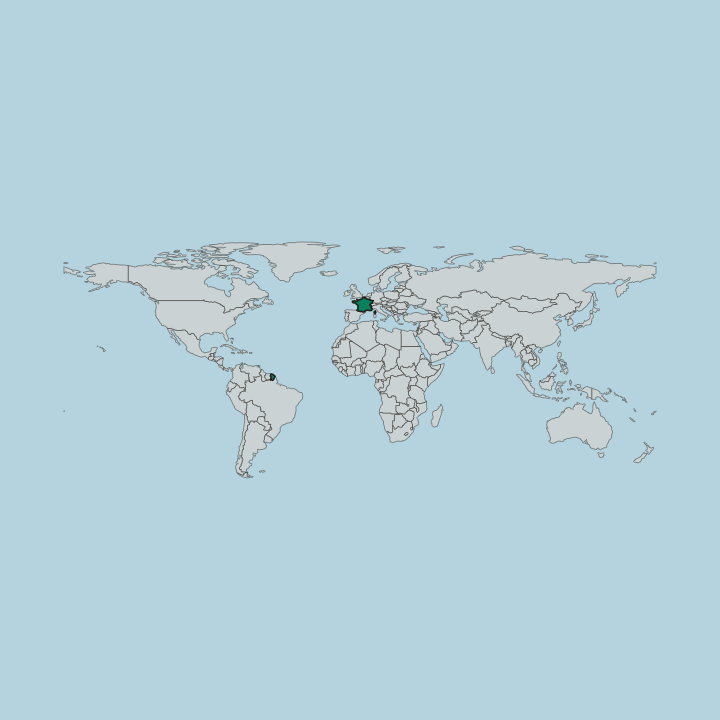
Where to stay in Troyes
The practical side of choosing where to sleep.
Troyes gathers around a compact old town of timber houses, and where you stay turns on how close you want to be to those lanes. The medieval core holds the half-timbered streets and the churches. That old core makes the natural base for a first stay in Troyes.
Travellers who want the heritage on the doorstep settle near the Basilica of St. Urbain and the église de la Madeleine, both a short walk through the old town beside the Cité du Vitrail. Out from the core the streets open toward the museums and the river. If you have come for the collections, base yourself near the Musée d'Art moderne de Troyes and the Maison de l'Outil.
Others choose the quieter blocks by the Église Saint-Pantaléon and the Hôtel de Vauluisant, away from the busiest lanes. Each part of Troyes reads differently. Where you settle in Troyes is left to you.
Find hotels in Troyes
Direct booking searches for these neighbourhoods.
The medieval core
The medieval core keeps the timber streets around the Basilica of St. Urbain and the église de la Madeleine beside the Cité du Vitrail.Find hotels in The medieval coreCollections near the Musée d'Art moderne de TroyesThe museum streets
Out from the core the Musée d'Art moderne de Troyes and the Maison de l'Outil gather the museums of the city toward the Seine.Find hotels in The museum streetsCalmer blocks by the Église Saint-Pantaléon in TroyesThe quiet church quarter
Around the Église Saint-Pantaléon and the Hôtel de Vauluisant the old town of Troyes falls quieter, away from the busiest timber lanes.Find hotels in The quiet church quarterHotel links are affiliate links: booking through them may earn us a commission, at no extra cost to you. It never affects how places are ranked. How this works
Things to do in Troyes
Ranked by global recognition; descriptions from Wikidata (CC0).
Museums & Galleries
3- Musée d'Art moderne de Troyes
- Musée des Beaux-Arts de Troyes
- Maison de l'Outil
Churches & Religious Sites
8- Basilica of St. Urbain Heritage
- église de la Madeleine (Troyes) Heritage
- Église Saint-Jean de Troyes Heritage
- Église Saint-Pantaléon (Troyes) Heritage
- Église Saint-Nizier de Troyes Heritage
Show 3 more →
- Église Saint-Martin-ès-Vignes de Troyes Heritage
- Église Saint-Nicolas de Troyes Heritage
- Église Notre-Dame-des-Trévois Heritage
Castles & Historic Sites
2- Complexe funéraire du Moutot à Lavau
- Augustobona
Stadiums & Sports
1- Stade de l'Aube
Landmarks & Notable Places
5- Maison du Dauphin, Troyes Heritage
- Maison de l'Orfèvre Heritage
- Maison du Boulanger Heritage
- Hôtel Deheurles Heritage
- Maison de la congrégation des Sœurs de la Providence Heritage
worth knowingacross 5 categories in Troyes
About Troyes
What is Troyes known for?
Troyes is known for its half-timbered old town and its long place in the Champagne country. The timber houses made its name. Standing on the Seine in the old province of Champagne, the city keeps whole streets of medieval frames alongside the stained glass gathered in the Cité du Vitrail, a heritage that won Troyes its standing as a City of Art and History in Aube.
What are the main landmarks in Troyes?
Troyes holds landmarks that run from its Gothic churches to its timber houses and its museums. Among the churches, the Basilica of St. Urbain is the finest of them. Its high Gothic walls stand near the église de la Madeleine and the Église Saint-Pantaléon, while the Cité du Vitrail, the Maison de l'Outil, and the Musée des Beaux-Arts de Troyes gather the wider heritage of the Champagne capital.
What is the history of Troyes?
Troyes grew from the Roman town of Augustobona into the great fair city of medieval Champagne. Trade built the town. As the seat of the counts of Champagne on the Seine, Troyes drew the merchants of the famous fairs, and the wealth of that commerce raised the churches and the timber houses that still line the old town, from the Basilica of St. Urbain to the workshops around the Maison de l'Outil.
When the fairs faded the city stayed the capital of its country, later the capital of Aube. Its old fabric endured. Fire and time took some of the medieval town, yet whole streets of half-timbered frames survived, and the stained glass of the workshops, gathered now in the Cité du Vitrail, joined the église de la Madeleine and the Musée d'Art moderne de Troyes to carry the heritage of the city into the wider region of Grand Est.
Where is Troyes?
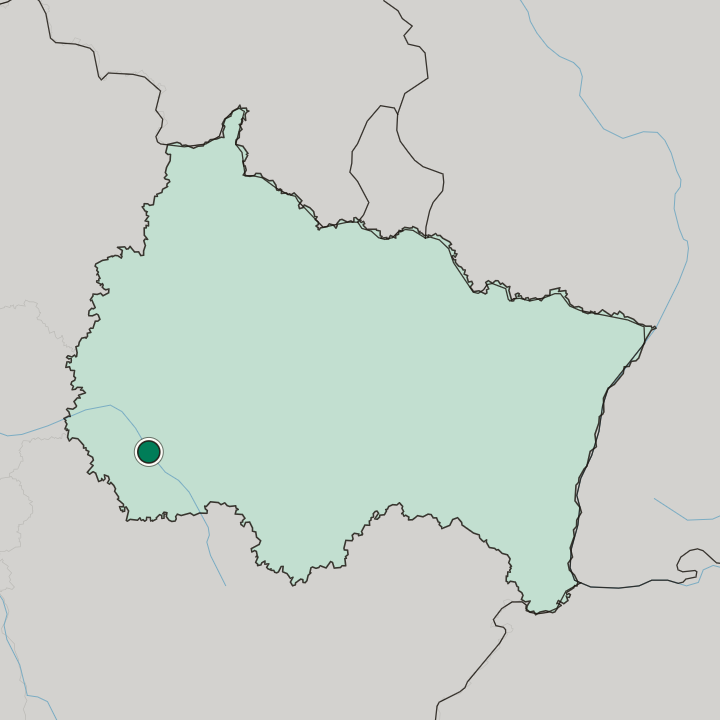
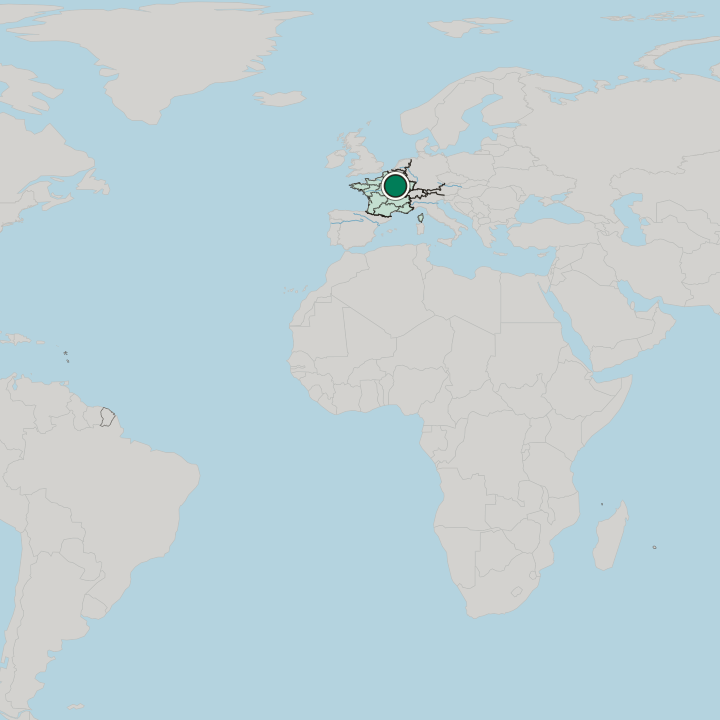
Troyes lies on the Seine in the old province of Champagne, the capital of Aube within Grand Est. The river threads the flat plain here. The city holds level ground where the Seine winds through the chalky country of Champagne, near the woods of the Orient Forest Regional Natural Park, well inland from the sea in this corner of Grand Est.
What is the climate of Troyes?
Troyes has a temperate climate with a continental edge, set inland on the chalk plain of Champagne. The seasons run to extremes here. Cold winters and warm summers pass over the city and the valley of the Seine, well back from the sea, where the woods of the Orient Forest hold the damp of the surrounding country of Aube.
How do you get to Troyes?
Troyes is reached by rail and road across the Champagne plain. Its position keeps it well linked. Trains and highways follow the valley of the Seine and cross Grand Est toward the capital region and the wider east, tying the old fair city of Aube into the routes that thread the flat country of Champagne.
Common questions
What is the best area to stay in Troyes?
The medieval core: First visits among the half-timbered lanes of Troyes. The museum streets: Collections near the Musée d'Art moderne de Troyes. The quiet church quarter: Calmer blocks by the Église Saint-Pantaléon in Troyes.
Good for
More cities in Grand Est
Updated September 2026