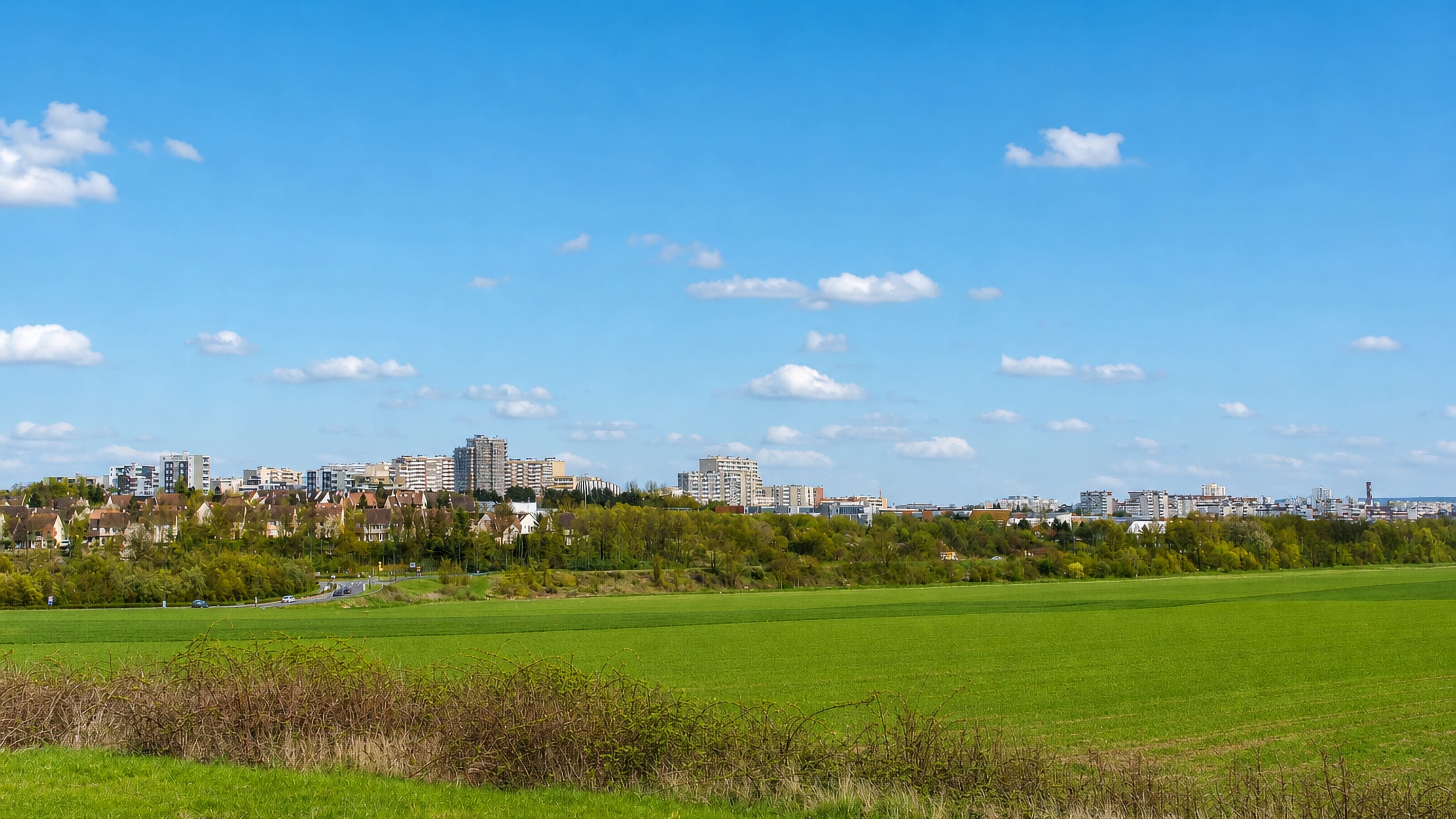
France · Grand Est
Where to Stay in Reims, Grand Est
Champagne cellars run under Reims, a Marne city on the Vesle known for the cathedral where French kings were crowned and the Palace of Tau beside it.
Hotel links are affiliate links: booking through them may earn us a commission, at no extra cost to you. It never affects how places are ranked. How this works





Where to stay in Reims
The practical side of choosing where to sleep.
Reims falls into a few distinct quarters, and the choice sets the tempo of a stay. The cathedral quarter, wrapped around the Palace of Tau and the old ecclesiastical core, puts the world-heritage monuments and the Champagne houses within a short walk. Stay here to be central.
South toward the old abbey, the streets around the Musée Saint-Remi stay calmer and hold the abbey history, a good base for travellers who want quiet within reach of the cellars. Near the railway station, the blocks close to the Vesle suit arrivals by train from Paris and anyone touring the Champagne cellars by day. Culture-minded visitors often pick the streets by the Museum of Fine Arts of Reims.
The decision comes down to whether you want the chalk-cut cellars and the coronation cathedral on your doorstep, the calmer abbey quarter to the south, or a fast walk from the platform on the Vesle.
Find hotels in Reims
Direct booking searches for these neighbourhoods.
Cathedral quarter
The Palace of Tau and the coronation cathedral sit within a short walk of the cellars.Find hotels in Cathedral quarterQuiet abbey streets near the cellarsSaint-Remi quarter
The blocks around the Musée Saint-Remi keep the abbey history calm and close.Find hotels in Saint-Remi quarterTrain arrivals from Paris on the VesleGare de Reims quarter
Streets near the Vesle and the station suit fast platform access for cellar tours.Find hotels in Gare de Reims quarterHotel links are affiliate links: booking through them may earn us a commission, at no extra cost to you. It never affects how places are ranked. How this works
Things to do in Reims
Ranked by global recognition; descriptions from Wikidata (CC0).
Museums & Galleries
3- Museum of Fine Arts of Reims Heritage
- Museum of the Surrender Heritage
- Ancien Collège des Jésuites de Reims Heritage
Churches & Religious Sites
3- Église Saint-Jacques de Reims Heritage
- Église St-Sébastien de Bétheny Heritage
- Ancienne église st-Michel de Reims Heritage
Castles & Historic Sites
3- Palace of Tau Heritage
- Cryptoportique de Reims Heritage
- Monument to the Heroes of the Black Army
Stadiums & Sports
2- Stade Auguste Delaune
- Patinoire Albert 1er
Landmarks & Notable Places
4- Hôtel des Comtes de Champagne Heritage
- Maison des Musiciens Heritage
- maison et atelier du maître verrier Jacques Simon Heritage
- Maisons à pans de bois Heritage
worth knowingacross 5 categories in Reims
About Reims
What is Reims known for?
Reims is known for the cathedral where generations of French kings were crowned, and for the Champagne cellars cut into the chalk beneath it. The Palace of Tau stands beside the cathedral in the old ecclesiastical heart. Kings came here to be made.
The Basilique Sainte-Clotilde de Reims and the Musée Saint-Remi hold the deeper religious history, while the Museum of the Surrender records the city's role at the close of the Second World War.
What are the main landmarks in Reims?
Reims keeps its landmarks around the coronation cathedral and the old abbeys. The Palace of Tau adjoins the cathedral where French kings were crowned. Roman work survives too.
The Cryptoportique de Reims preserves an underground gallery from the Roman town, while the Basilique Sainte-Clotilde de Reims, the Ancien Collège des Jésuites de Reims, and the Museum of Fine Arts of Reims spread the city's heritage from antiquity through the Champagne age.
What is the history of Reims?
Reims began as a Roman town on the Vesle, and the Cryptoportique de Reims still preserves a gallery from that early city beneath the modern streets. Coronation made its name. For centuries French kings came to Reims to be crowned in its cathedral, and the neighbouring Palace of Tau served as the archbishop's residence and the setting for the coronation banquets that followed each ceremony.
The abbey of Saint-Remi, whose history the Musée Saint-Remi now keeps, tied the city to the earliest Christian kingship of the Franks. War marked the twentieth century as sharply as coronation marked the earlier one. The Museum of the Surrender records the schoolhouse in Reims where the German forces surrendered at the end of the Second World War in Europe.
Between the Roman gallery, the coronation cathedral, and the surrender room, the city carries a history that runs from antiquity to the modern age, all within a Marne town whose chalk beneath ripened the Champagne trade that still defines it.
Where is Reims?
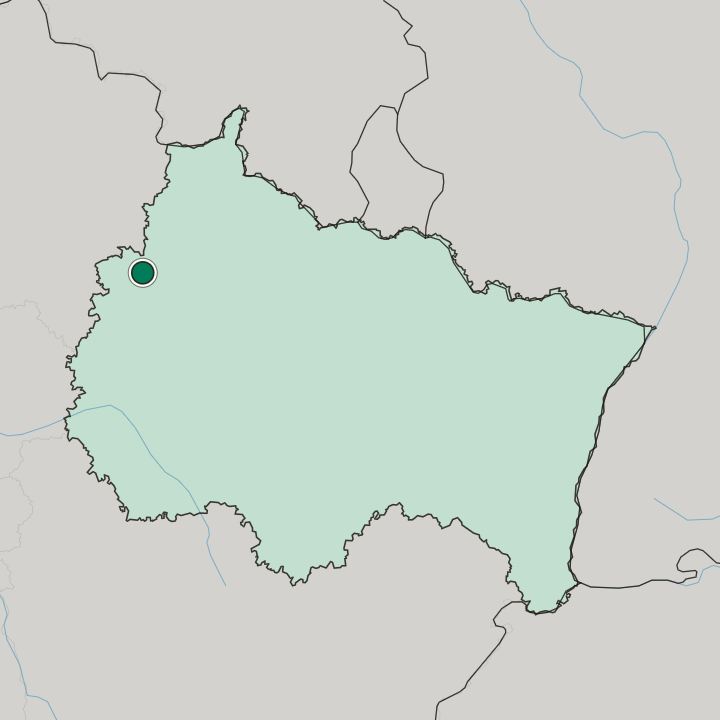
Reims lies on the Vesle in the Marne department of the Grand Est region, northeast of Paris. The Vesle is a tributary of the Aisne, and the city sits in the chalk country of Champagne. Vineyards ring the town.
The gentle slopes around Reims carry the vines whose grapes feed the Champagne trade, and the chalk beneath the streets forms the cellars that store the wine.
What is the climate of Reims?
Reims has a temperate climate shaped by its inland position in the Marne. Winters run cold and grey without the deep freezes of the mountains, and summers stay warm enough to ripen the vines of Champagne. Seasons turn clearly here.
Rain falls across the year on the chalk country around the Vesle, feeding the vineyards that ring the city and giving Champagne its measured, cool-climate character.
How do you get to Reims?
Reims sits on the high-speed rail line northeast of Paris. Fast trains reach the city from the capital in well under an hour, making it an easy day's approach into Champagne. The station stands near the Vesle.
From there the cathedral and the Palace of Tau lie within a short walk, and roads run out across the Marne department toward the vineyards and the wider Grand Est.
Common questions
What is the best area to stay in Reims?
Cathedral quarter: World-heritage monuments and Champagne houses. Saint-Remi quarter: Quiet abbey streets near the cellars. Gare de Reims quarter: Train arrivals from Paris on the Vesle.
Good for
More cities in Grand Est
Updated October 2026