France · Grand Est
Where to Stay in Strasbourg, Grand Est
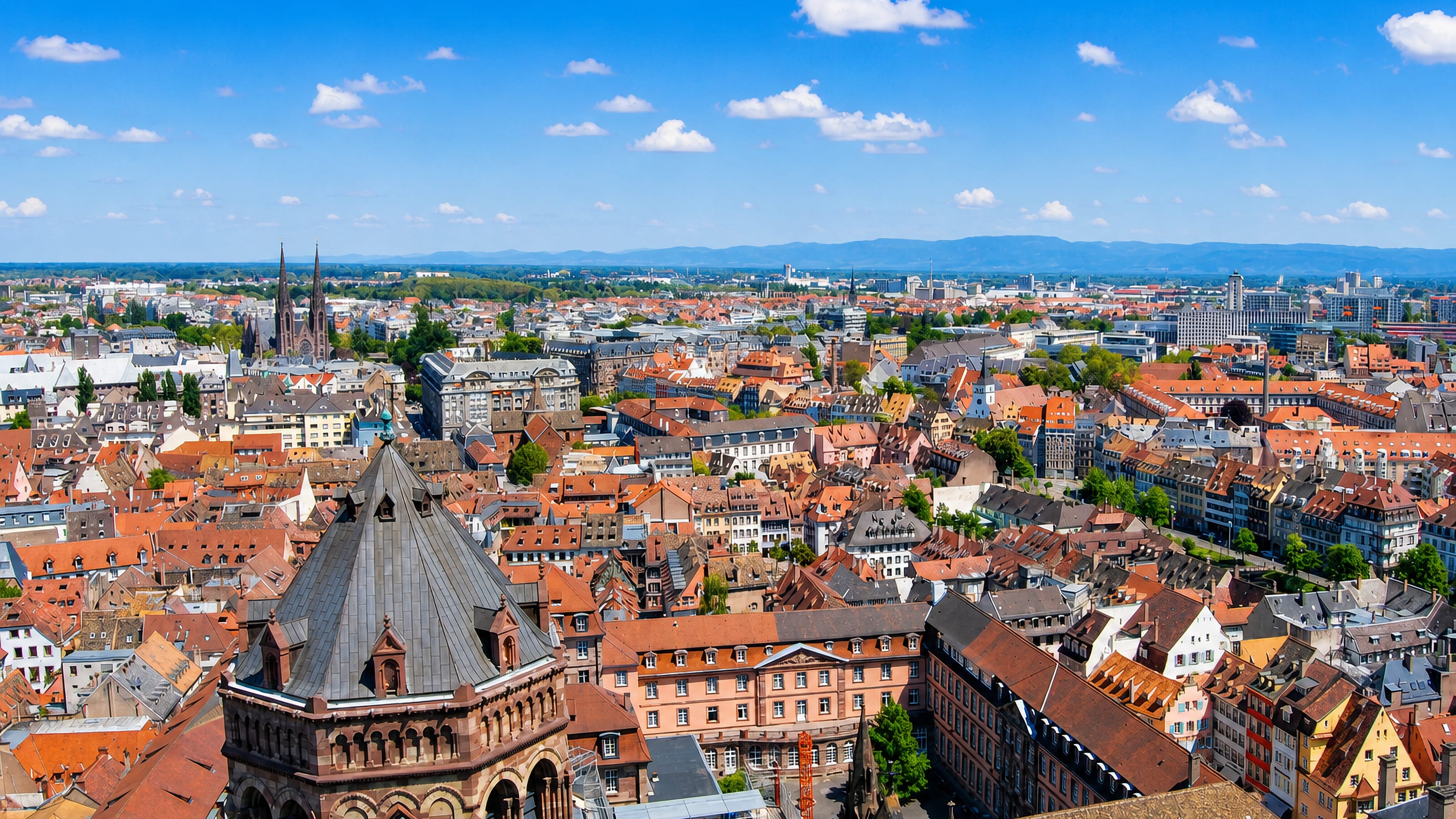
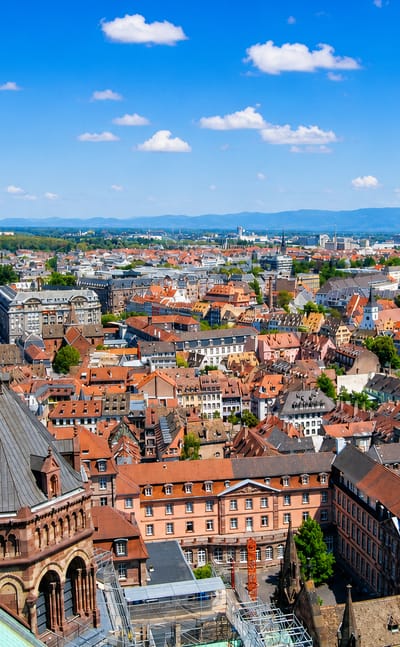
Half-timbered gables crowd the Grande Île at Strasbourg, capital of Grand Est in Alsace, northeastern France, and seat of the European Parliament.
Hotel links are affiliate links: booking through them may earn us a commission, at no extra cost to you. It never affects how places are ranked. How this works


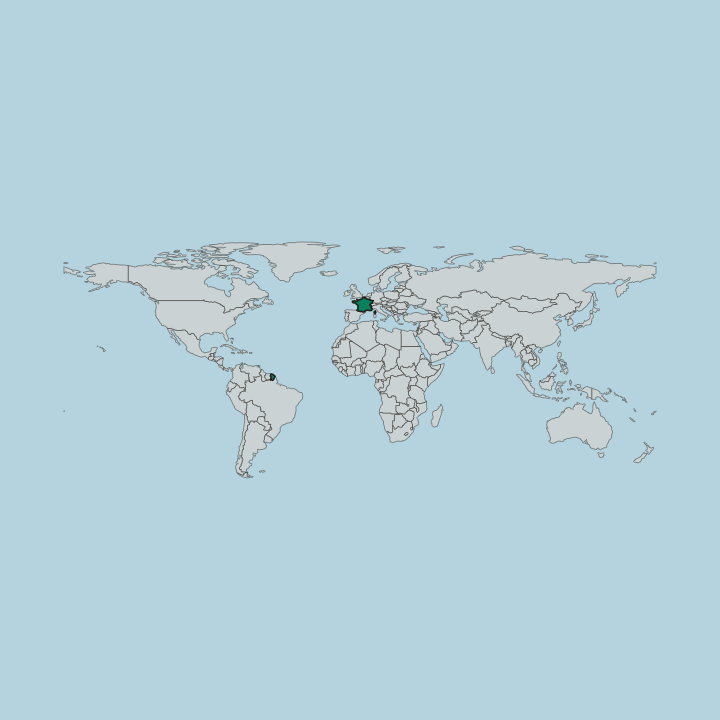
Where to stay in Strasbourg
The right area depends on your trip — here's what each neighbourhood is best for.

 StrasbourgFrance
Grande Île
The island World Heritage core around Saint Thomas Church and the Musée alsacien, holding the city's most sought-after rooms.Grande Île →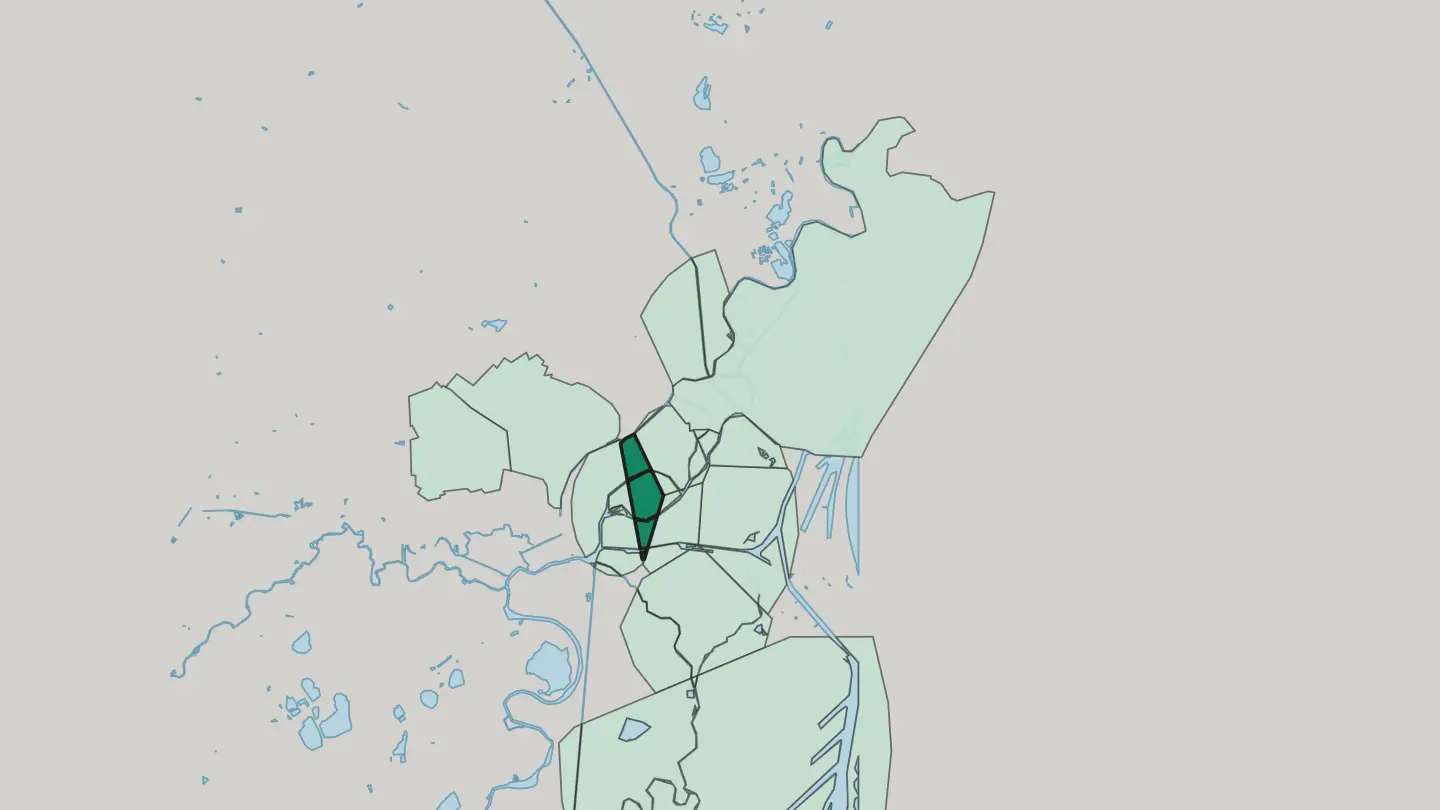
 StrasbourgFrance
Krutenau
Krutenau is a district of Strasbourg on the Ill southeast of the Grande Île, Rue de la Krutenau through the middle. The University of Strasbourg is close.Where to stay →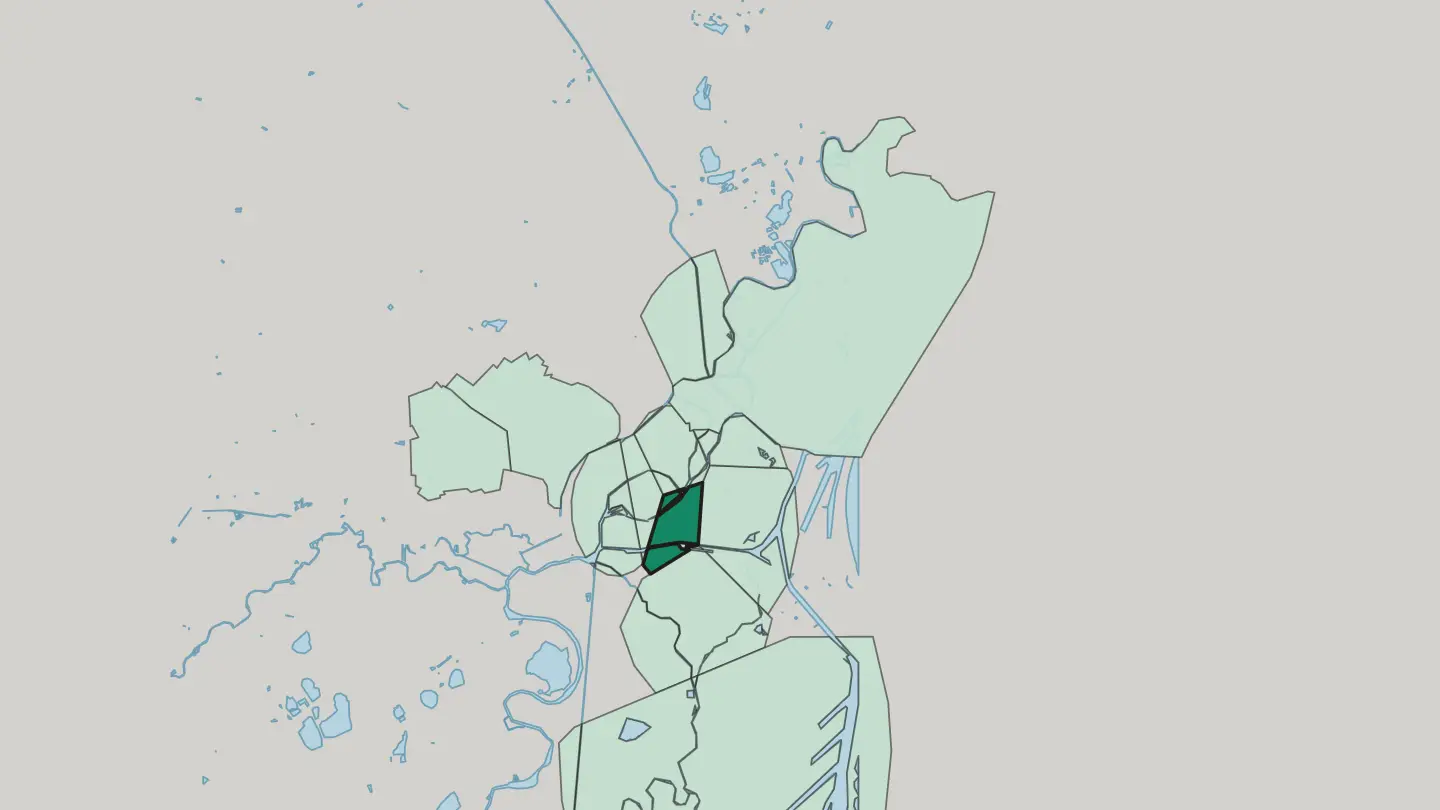
 StrasbourgFrance
Neudorf
Neudorf is one of the largest residential districts of Strasbourg, on flat ground southeast of the old centre. The Stade de la Meinau stands just beyond.Where to stay →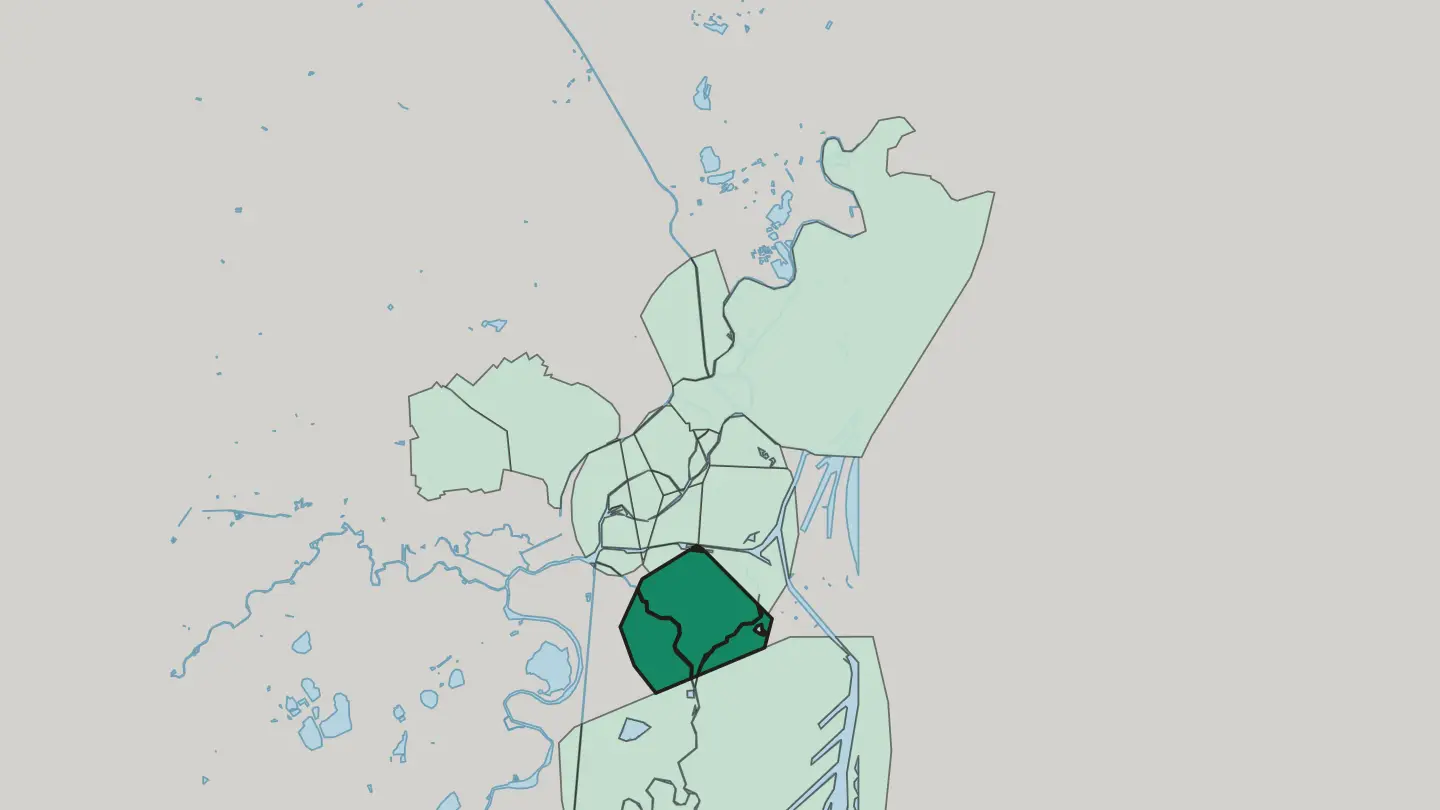
 StrasbourgFrance
Petite France
Petite France is the westernmost quarter of the Grande Île at the heart of Strasbourg, timber-framed houses crowding the river Ill. Tanners worked here.Where to stay →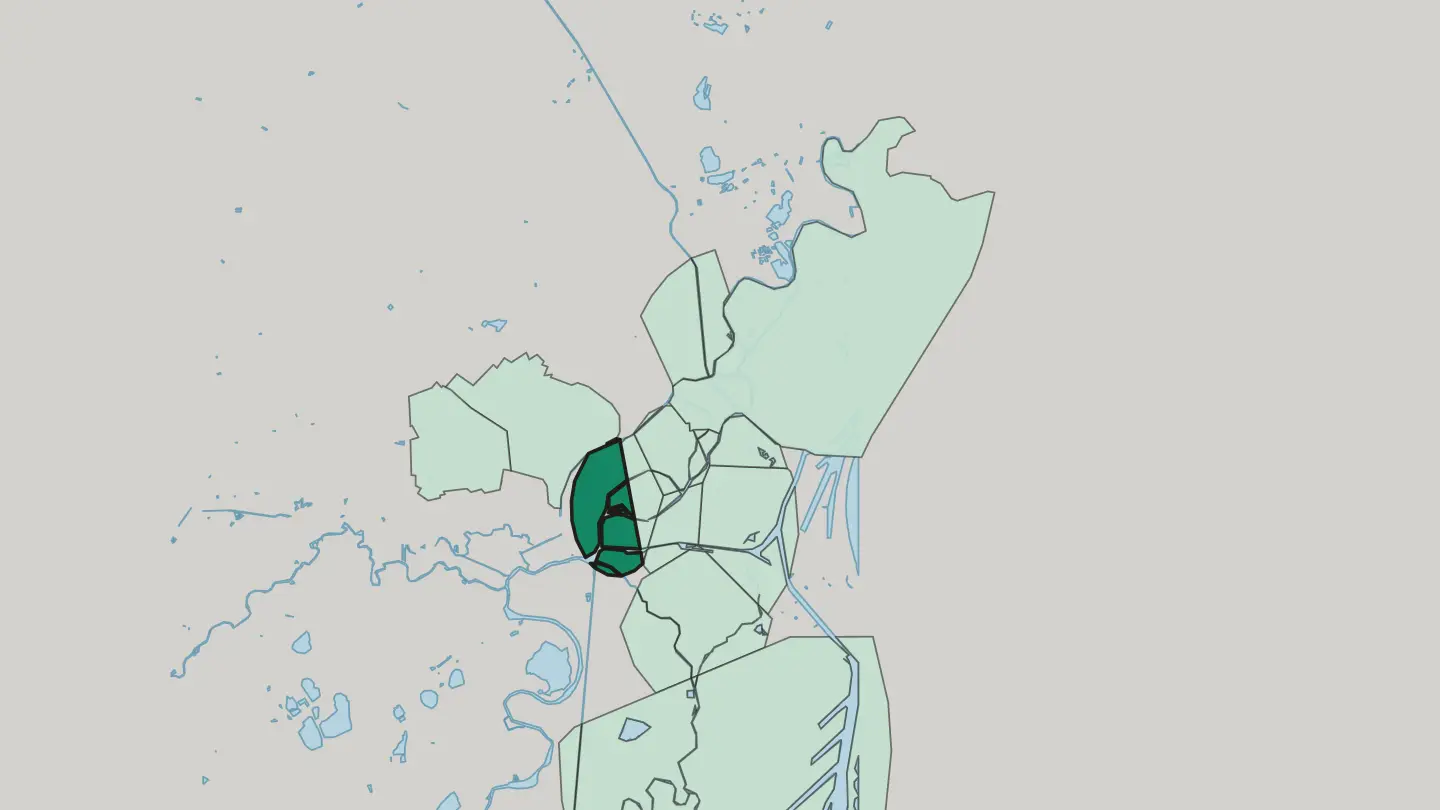 StrasbourgFrance
Esplanade
Esplanade is a university quarter on the Ill, on the University of Strasbourg campus with the Musée zoologique de la ville de Strasbourg.Where to stay →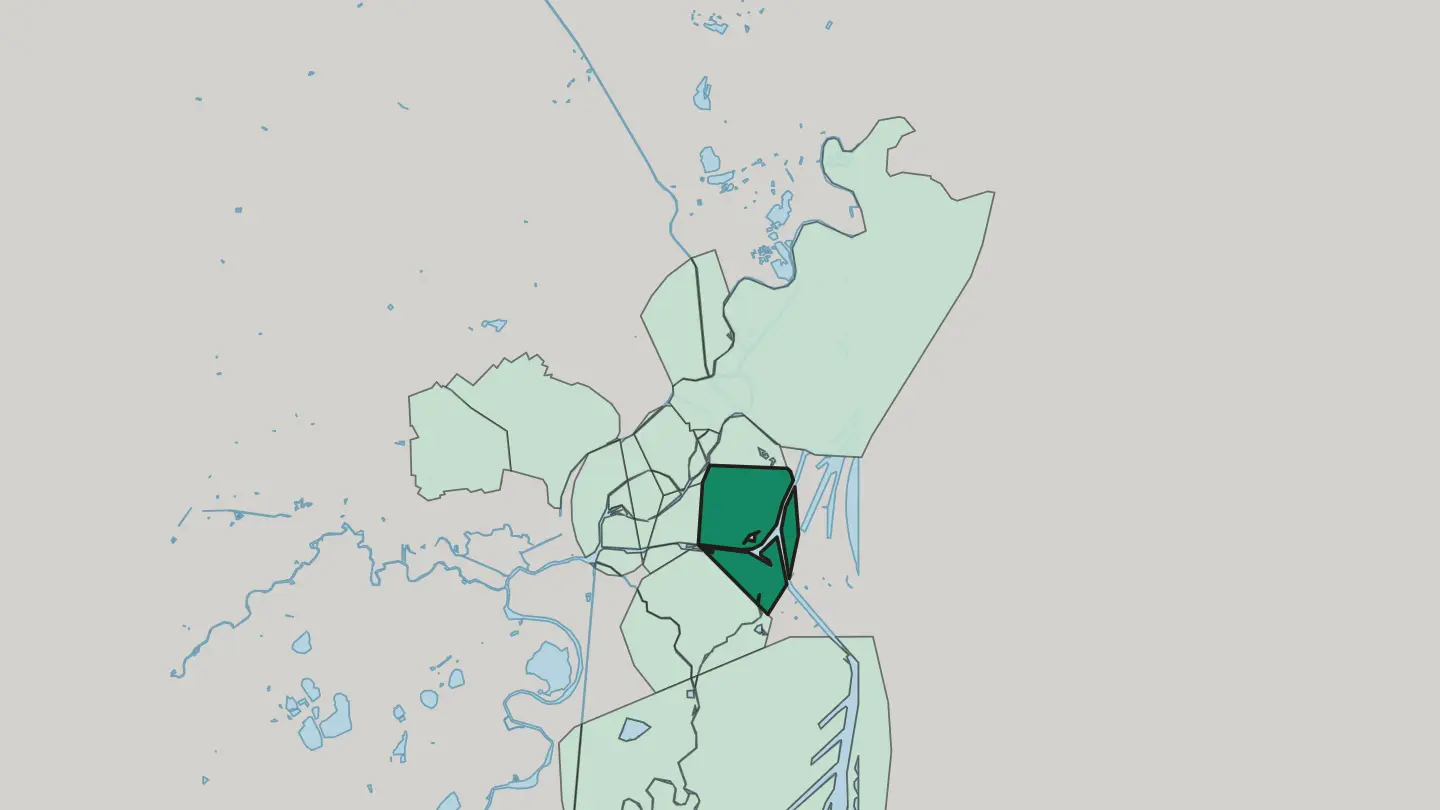 StrasbourgFrance
Neustadt
Neustadt is the planned quarter German architects laid out north and east of Strasbourg's Grande Île after 1871. St. Paul's Church marks its skyline.Where to stay →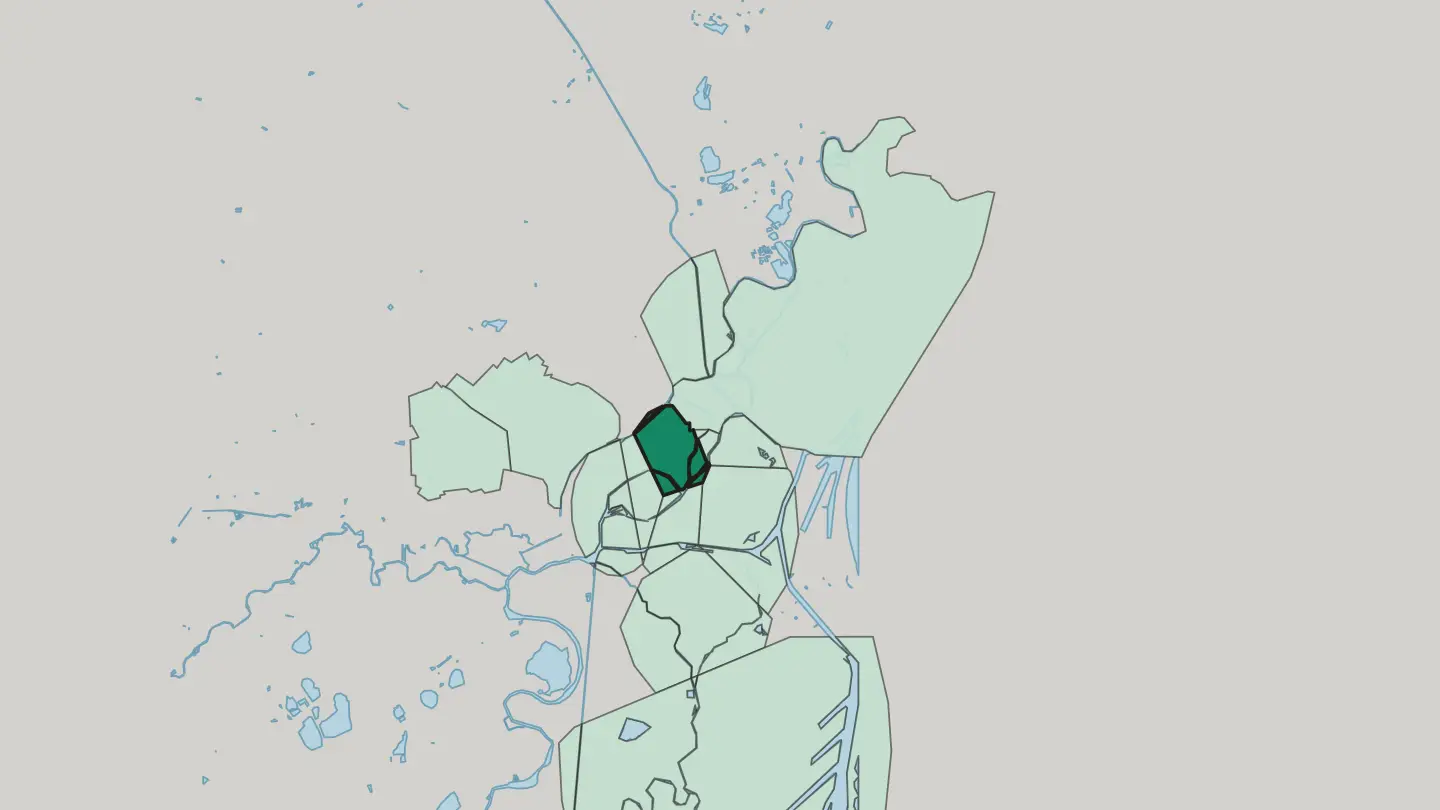 StrasbourgFrance
Wacken
Wacken is a quarter on Strasbourg's northern edge in Grand Est, across the water from the Grande Île. Rhenus Sport and the European institutions sit here.Where to stay →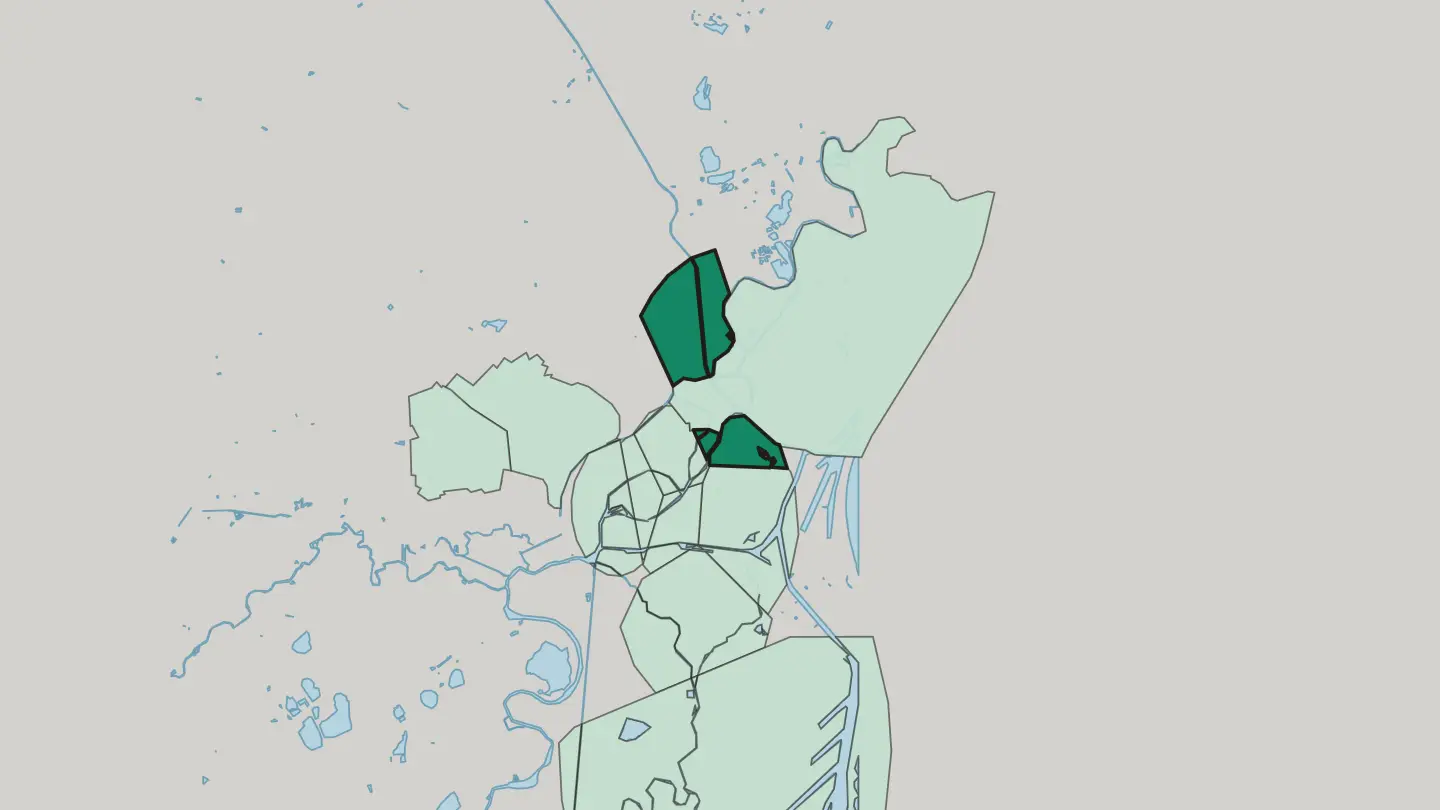 StrasbourgFrance
Cronenbourg
Cronenbourg is a residential quarter in the northwest of Strasbourg, in Grand Est, beyond the tourist core. The Grande Île lies southeast.Where to stay →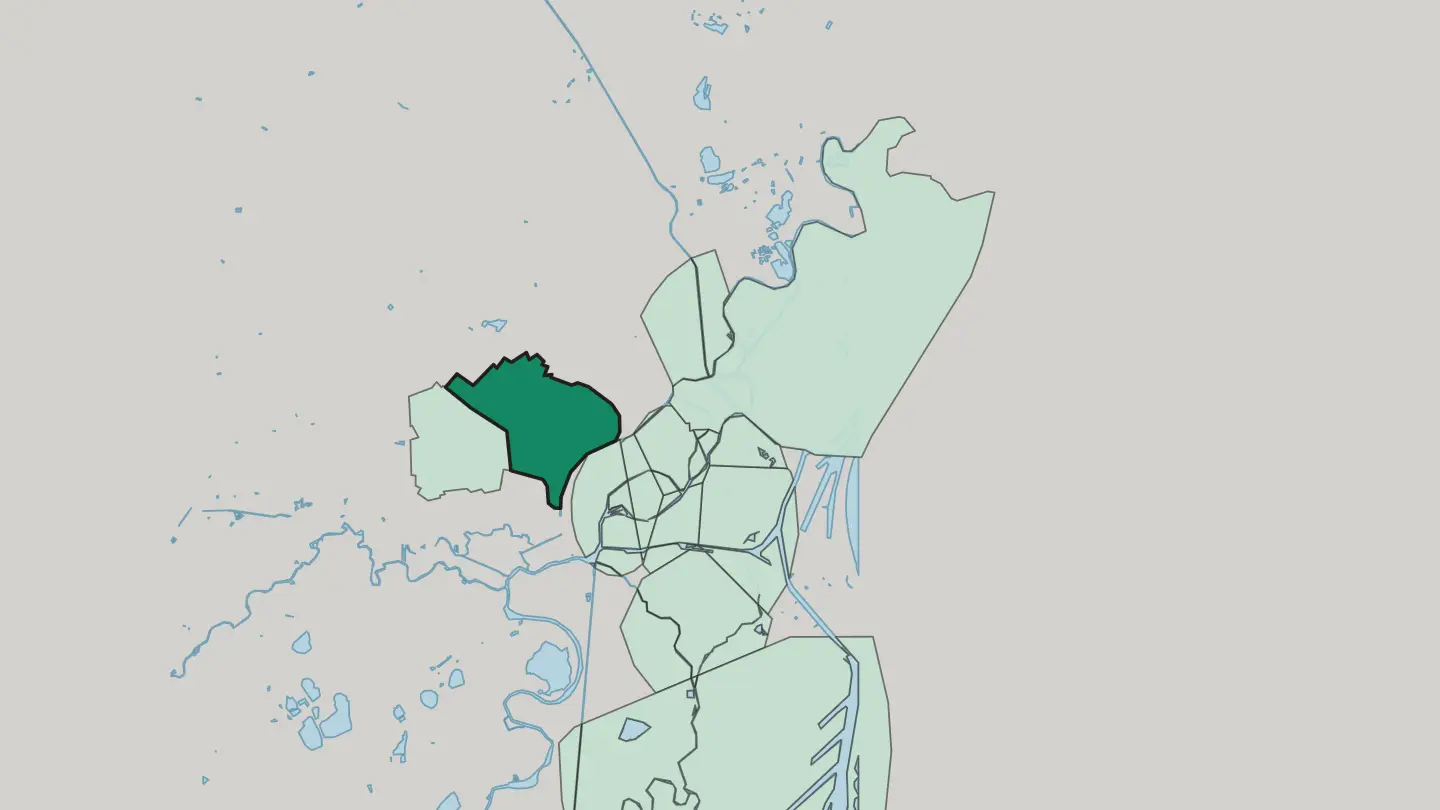 StrasbourgFrance
Neuhof
Neuhof is a suburb in the far south of Strasbourg, part of the district Neuhof, Stockfeld, Ganzau, between the forêt du Neuhof and the Stade de la Meinau.Where to stay → StrasbourgFrance
Robertsau
Robertsau is the northernmost quarter of Strasbourg, a green district up the west bank toward the Rhine, anchored by église Saint-Louis de la Robertsau.Where to stay →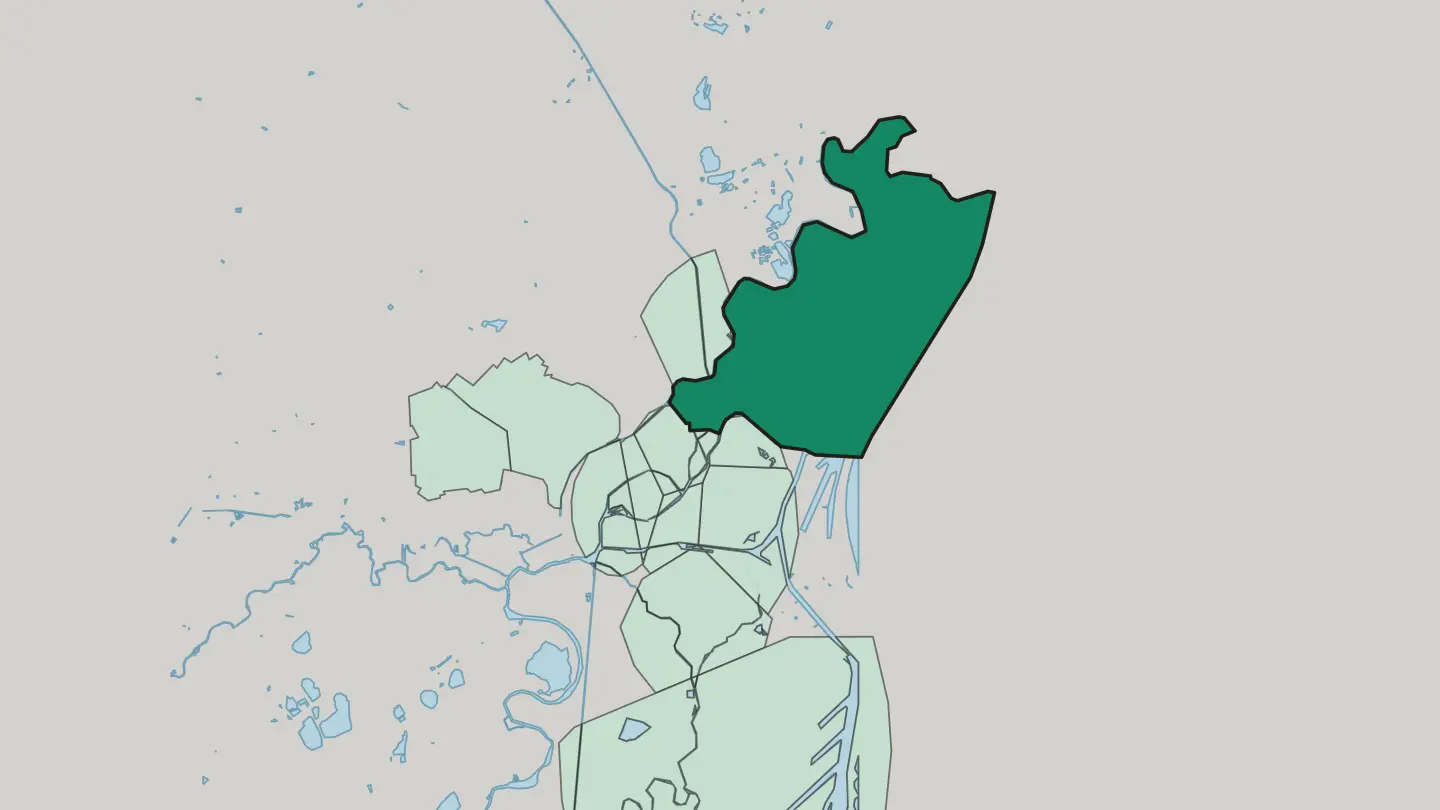
 StrasbourgFrance
Hautepierre
Hautepierre is a planned district of west Strasbourg, Grand Est, with piscine de Hautepierre and patinoire Iceberg. The Zénith de Strasbourg rises nearby.Where to stay →Hotel links are affiliate links: booking through them may earn us a commission, at no extra cost to you. It never affects how places are ranked. How this works
Find hotels in Strasbourg
Direct booking searches for these neighbourhoods.
Neustadt museum quarter
The German-built district around Saint-Pierre-le-Jeune Protestant Church, with grander façades and calmer nights than the island.Find hotels in Neustadt museum quarterBridge views away from the day crowdsOld Saint Peter's canals
The lamp-lit canal bridges around Old Saint Peter's Church, where the gabled houses glow once the day-trippers leave.Find hotels in Old Saint Peter's canalsHotel links are affiliate links: booking through them may earn us a commission, at no extra cost to you. It never affects how places are ranked. How this works
Things to do in Strasbourg
Ranked by global recognition; descriptions from Wikidata (CC0).
Museums & Galleries
3- Strasbourg Museum of Modern and Contemporary Art
- Musée des Beaux-Arts de Strasbourg
- Musée alsacien
Churches & Religious Sites
8- Saint Thomas Church, Strasbourg Heritage
- Saint-Pierre-le-Jeune Protestant Church Heritage
- St. Paul's Church, Strasbourg Heritage
- Old Saint Peter's Church, Strasbourg Heritage
- Saint William's Church Heritage
Show 3 more →
- Saint-Nicolas Church Heritage
- Saint Stephen’s Church, Strasbourg Heritage
- Sainte-Madeleine Church Heritage
Castles & Historic Sites
2- Argentoratum
- Statue of Johannes Gutenberg
Stadiums & Sports
3- Stade de la Meinau
- Rhenus Sport
- forêt du Neuhof
Landmarks & Notable Places
3- Maison des tanneurs Heritage
- Maison au 2, rue des Fleurs à Strasbourg Heritage
- Maison au 15, rue Mélanie à Strasbourg Heritage
worth knowingacross 5 categories in Strasbourg
About Strasbourg
What is Strasbourg known for?
Strasbourg is known for the Grande Île, the historic centre in Alsace that became the first city core listed whole as a World Heritage Site. The city hosts the European Parliament and other European institutions, giving it a role far beyond Grand Est. Half-timbered Alsatian houses fill its lanes.
The Musée alsacien and the Musée de l'Œuvre Notre-Dame keep its heritage, while Saint Thomas Church and the Statue of Johannes Gutenberg mark its past. Print began here.
What are the main landmarks in Strasbourg?
The main landmarks in Strasbourg gather on and around the Grande Île. The island holds Saint Thomas Church, Saint-Pierre-le-Jeune Protestant Church, and Old Saint Peter's Church among its lanes. Museums cluster tight.
The Musée alsacien, the Musée de l'Œuvre Notre-Dame, and the Musée des Beaux-Arts de Strasbourg preserve regional life, medieval art, and painting, while the Statue of Johannes Gutenberg and the Roman ruins of Argentoratum mark the city's long past.
What is the history of Strasbourg?
Strasbourg began as the Roman camp of Argentoratum, a garrison on the frontier of the empire in what is now Alsace. From that root the medieval town grew across the island that became the Grande Île, its churches and merchant houses raised in stone and timber. The city sat on the fault between France and the German lands.
That border position shaped everything that followed, drawing armies, treaties, and rulers across it for centuries as sovereignty shifted back and forth over the Rhineland plain. Strasbourg became a printing centre, and the Statue of Johannes Gutenberg records its part in the birth of movable type. Its Old Saint Peter's Church and Saint Thomas Church carried the Reformation deep into the region.
Power changed hands often. French and German rule alternated through the modern age, each leaving its mark on the architecture, from the medieval Grande Île to the broad German-planned avenues beyond. What endured was a city whose position on the frontier made it, in the end, the natural seat of the European Parliament and a capital of Grand Est.
Where is Strasbourg?
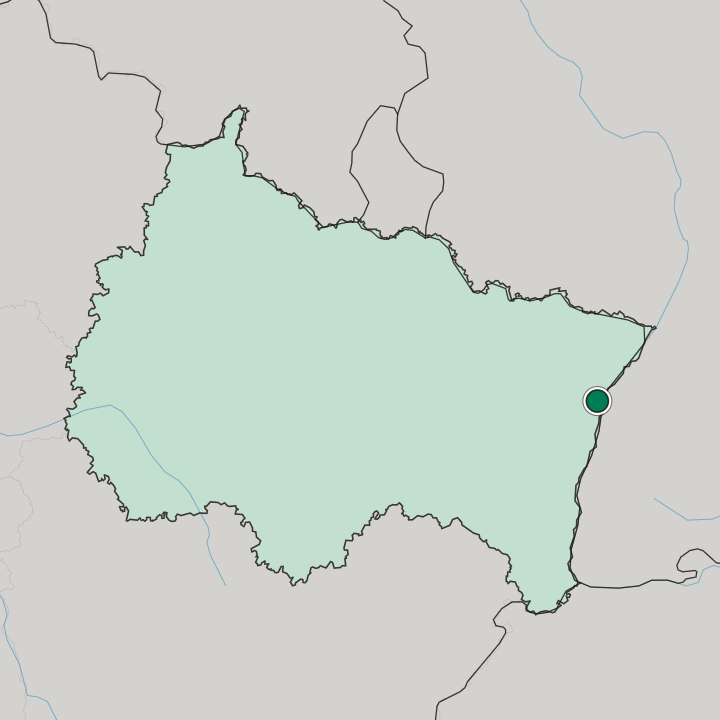
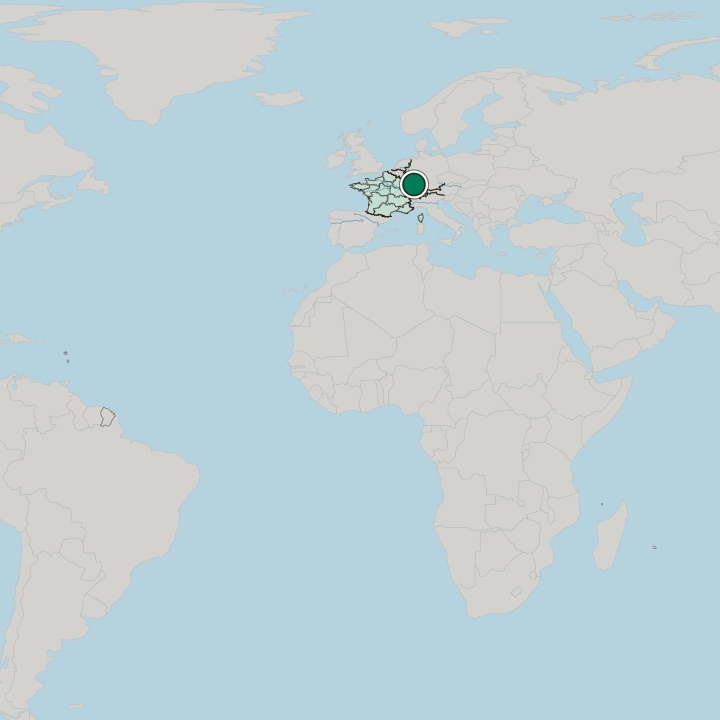
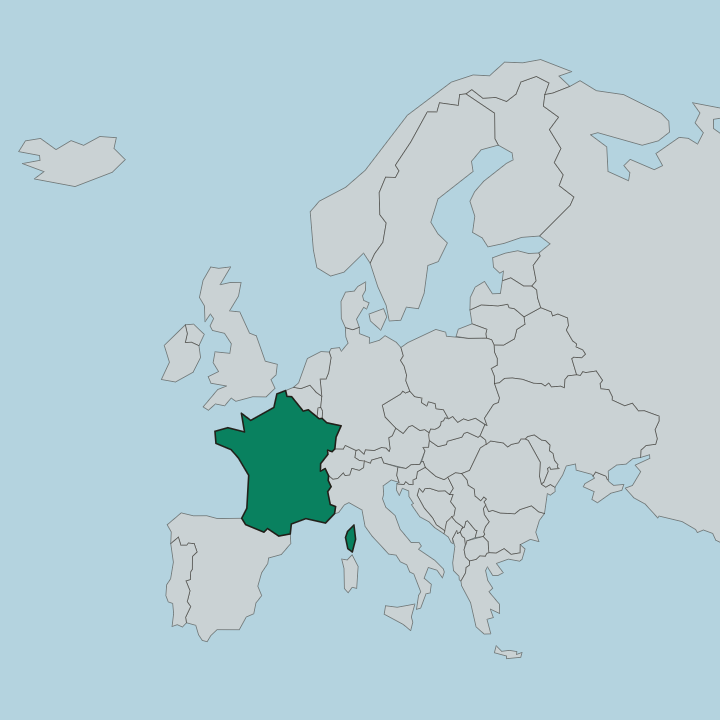
Strasbourg lies in Alsace, in the northeastern corner of France within Grand Est, on the plain near the German border. The old city sits on the Grande Île, the island ringed by water that gives the historic core its name and shape. Flat, fertile lowland spreads around it toward the frontier.
Canals thread the island and its bridges. Beyond them, the German-built quarters stretch north and east across the level ground.
What is the climate of Strasbourg?
Strasbourg has a semi-continental climate typical of the Alsace plain, more marked than the mild Atlantic west, with cold sharpened by the sheltered inland position far from the sea. Winter on the Alsace plain settles in cold and grey. Frost settles over the canals of the Grande Île, mist rises off the water, and snow lies on the gabled roofs through the darkest weeks of the year.
Summers turn warm and sometimes hot. Rain comes in season, and Grand Est sees short, changeable springs.
How do you get to Strasbourg?
Strasbourg sits on the main routes between France and Germany in the northeast of Grand Est. High-speed rail links it west toward Paris and across the border into the German network, while an airport on the city's edge and motorways over the Alsace plain feed it from every side. Trams run into the centre.
From the station, the Grande Île and the Musée alsacien lie a short walk across the water.
Common questions
What is the best area to stay in Strasbourg?
Grande Île: Half-timbered lanes by the Gutenberg statue. Neustadt museum quarter: Broad avenues by the Musée des Beaux-Arts. Old Saint Peter's canals: Bridge views away from the day crowds.
Good for
More cities in Grand Est
Updated September 2026