France
Grand Est, France — Towns & Travel Guide
Grand Est fronts France's whole German border, where Champagne, the Vosges and the Rhine meet a Gallic-Germanic culture.
Hotel links are affiliate links: booking through them may earn us a commission, at no extra cost to you. It never affects how places are ranked. How this works


Towns & cities in Grand Est
Pick a town or city — each links to where to stay.
 France
Strasbourg
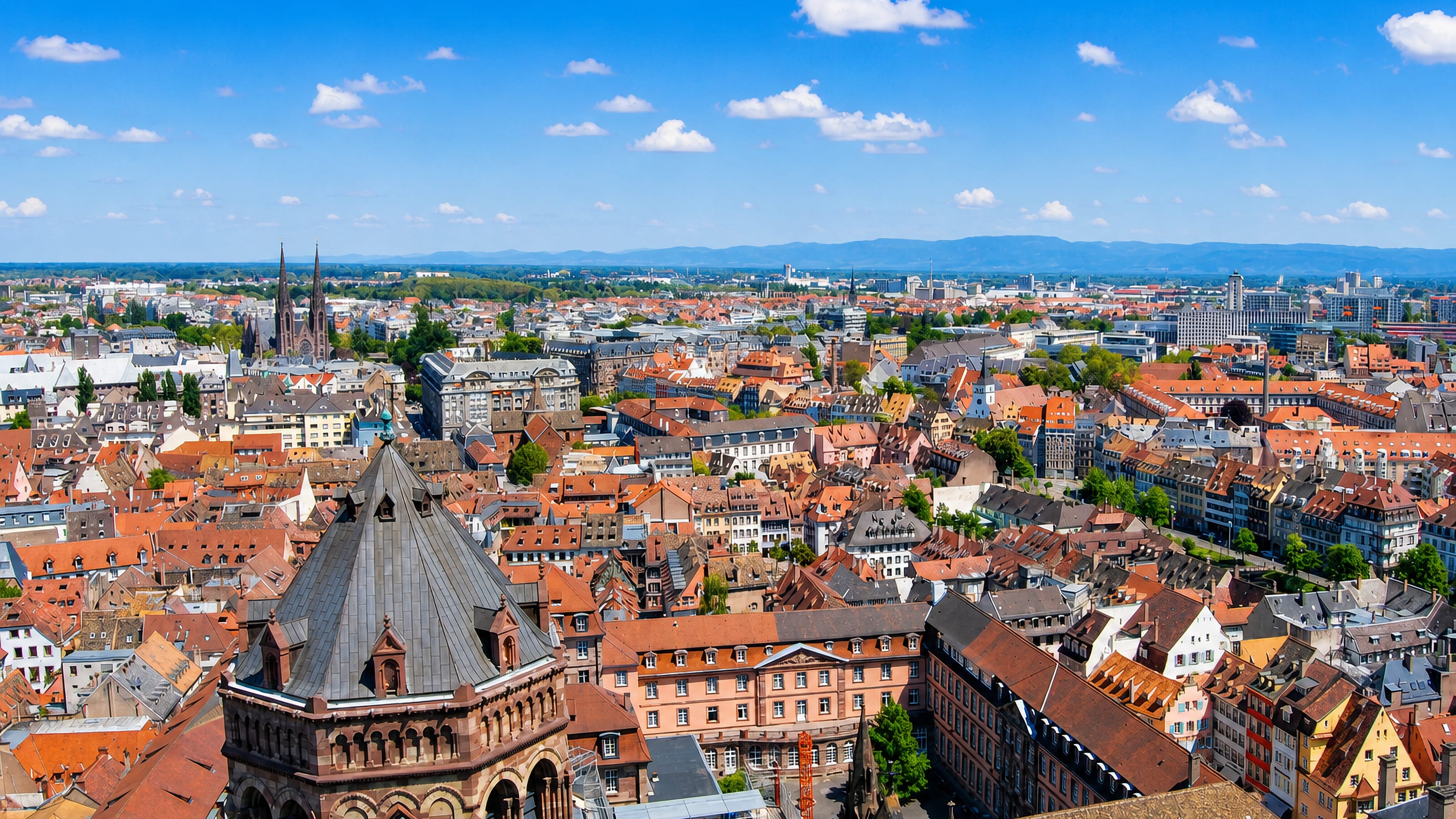
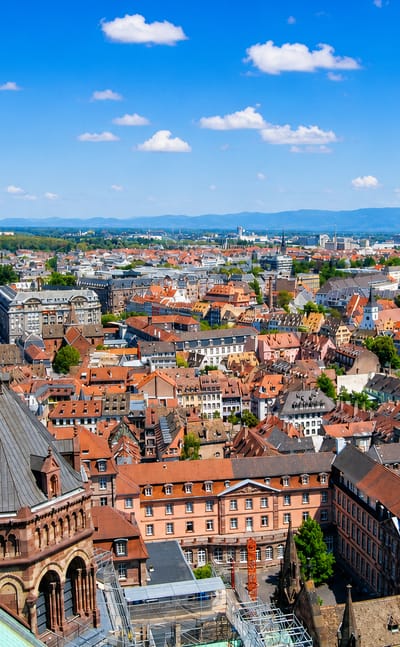
Half-timbered gables crowd the Grande Île at Strasbourg, capital of Grand Est in Alsace, northeastern France, and seat of the European Parliament.Where to stay →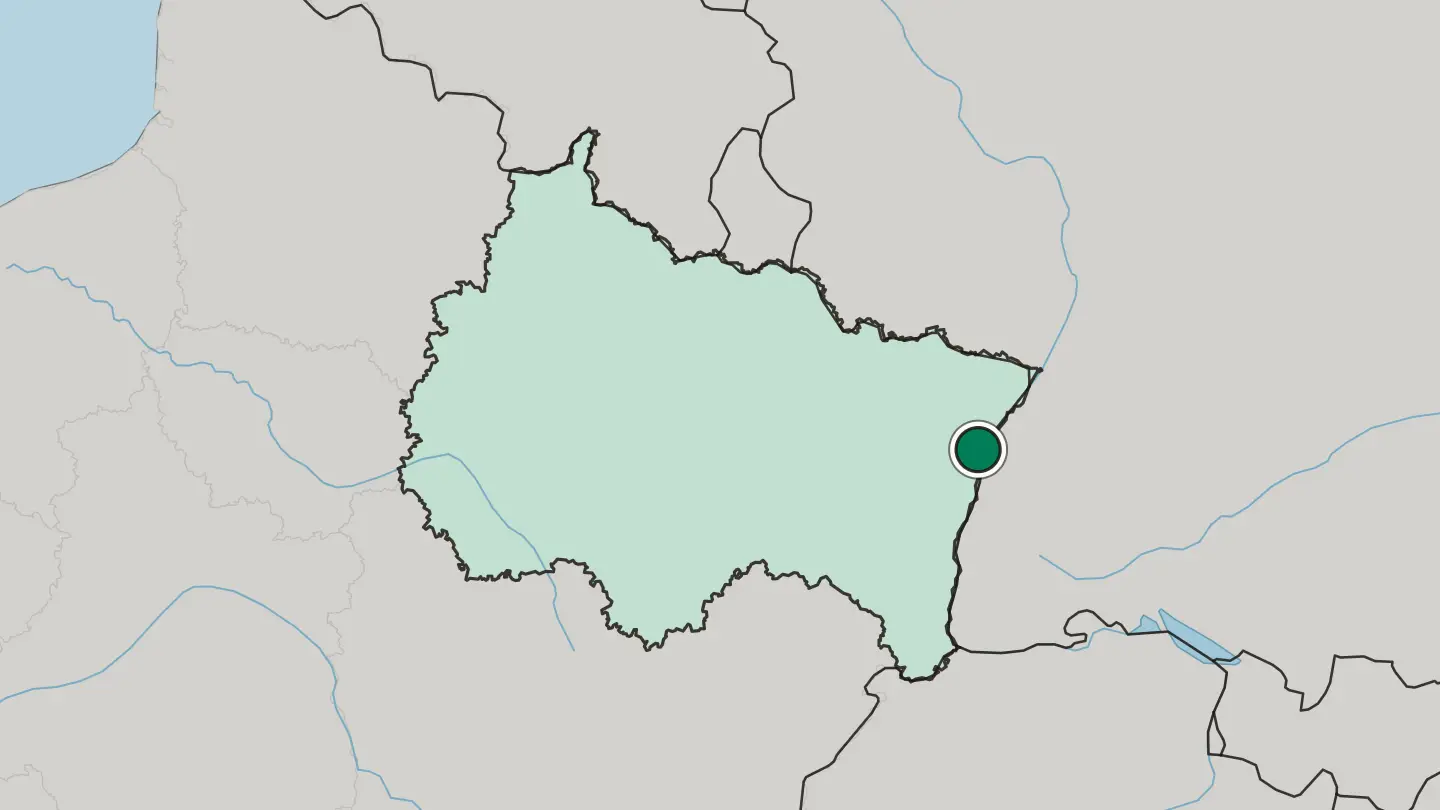
 France
Reims
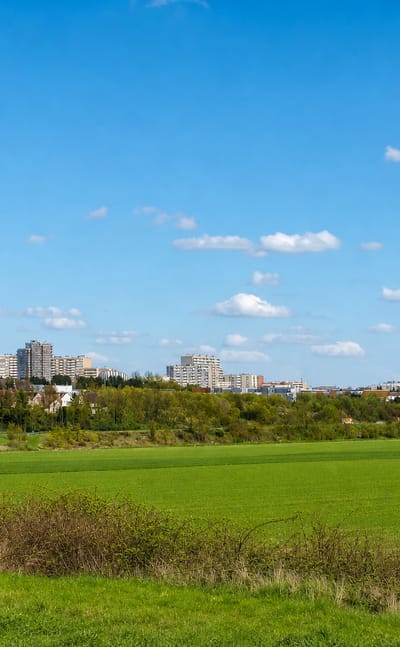
Champagne cellars run under Reims, a Marne city on the Vesle known for the cathedral where French kings were crowned and the Palace of Tau beside it.Where to stay →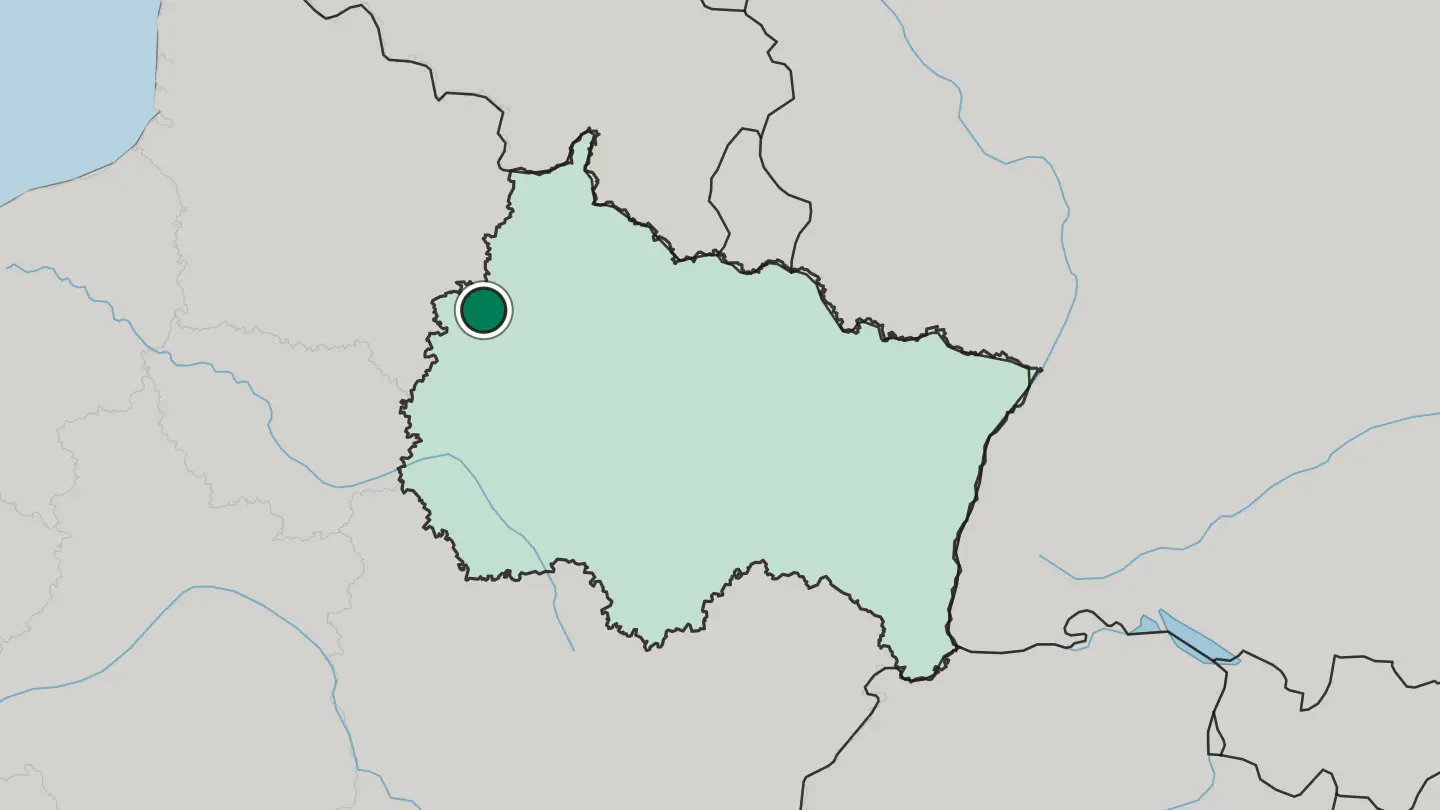
 France
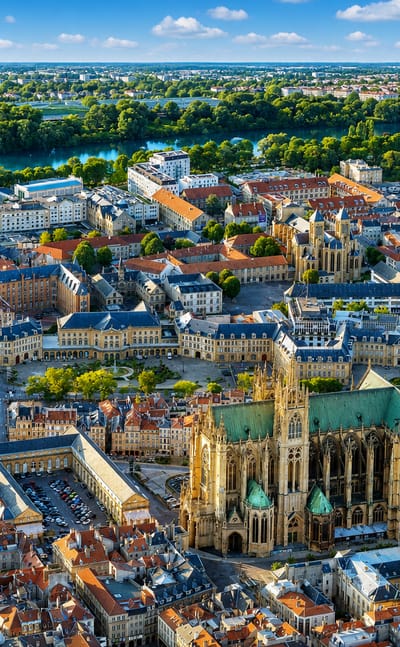
Metz
The Moselle and the Seille meet at Metz, a city in northeast France and prefecture of the Moselle, known for the Centre Pompidou-Metz.Where to stay →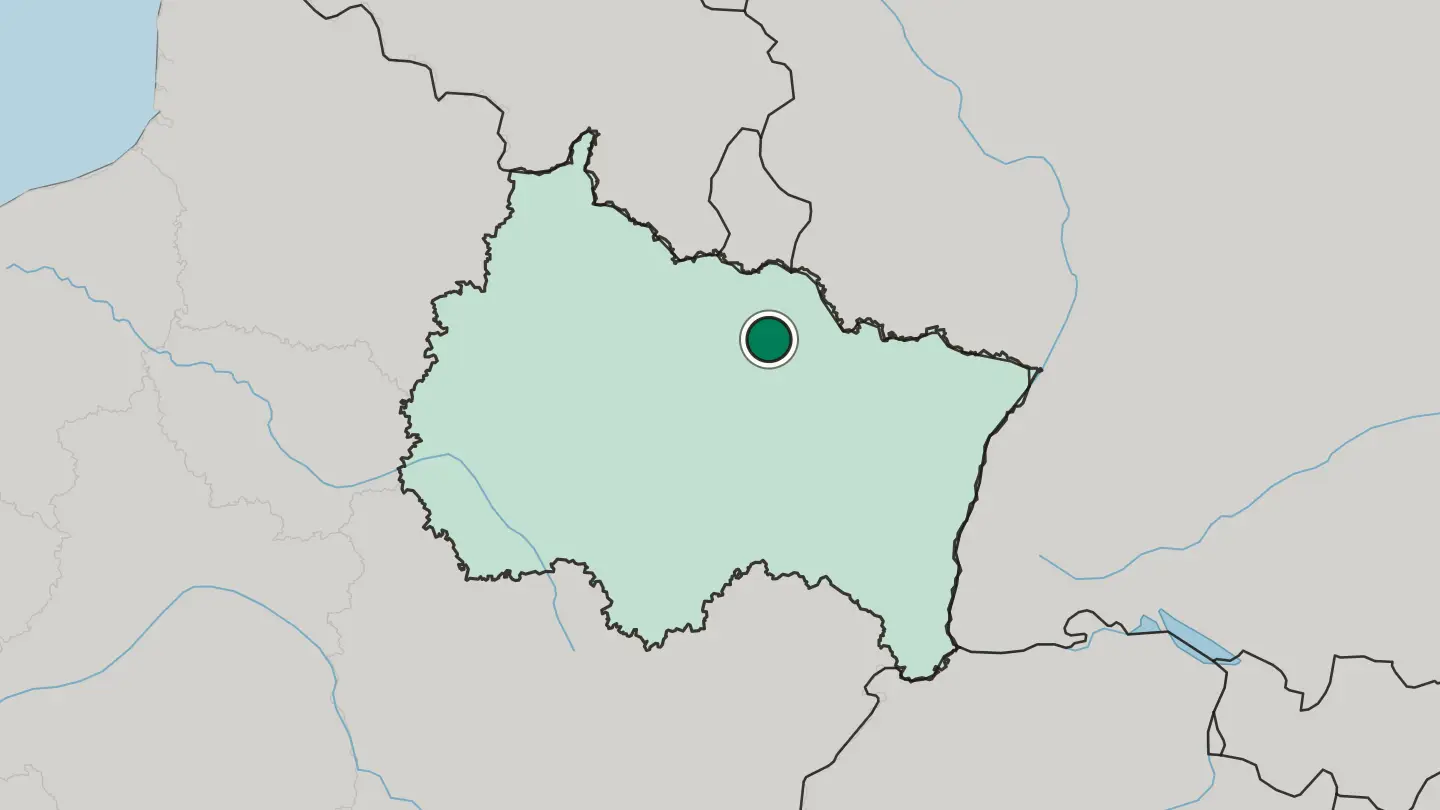
 France
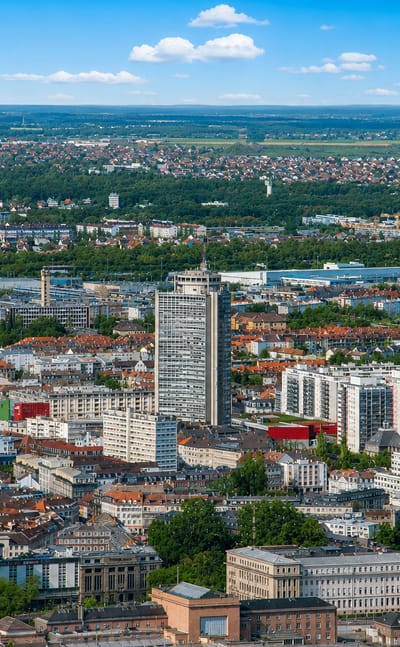
Mulhouse
Old mill streets run through Mulhouse, an industrial city of Alsace in Grand Est near the Rhine, known for the Cité de l'Automobile and the Cité du train.Where to stay →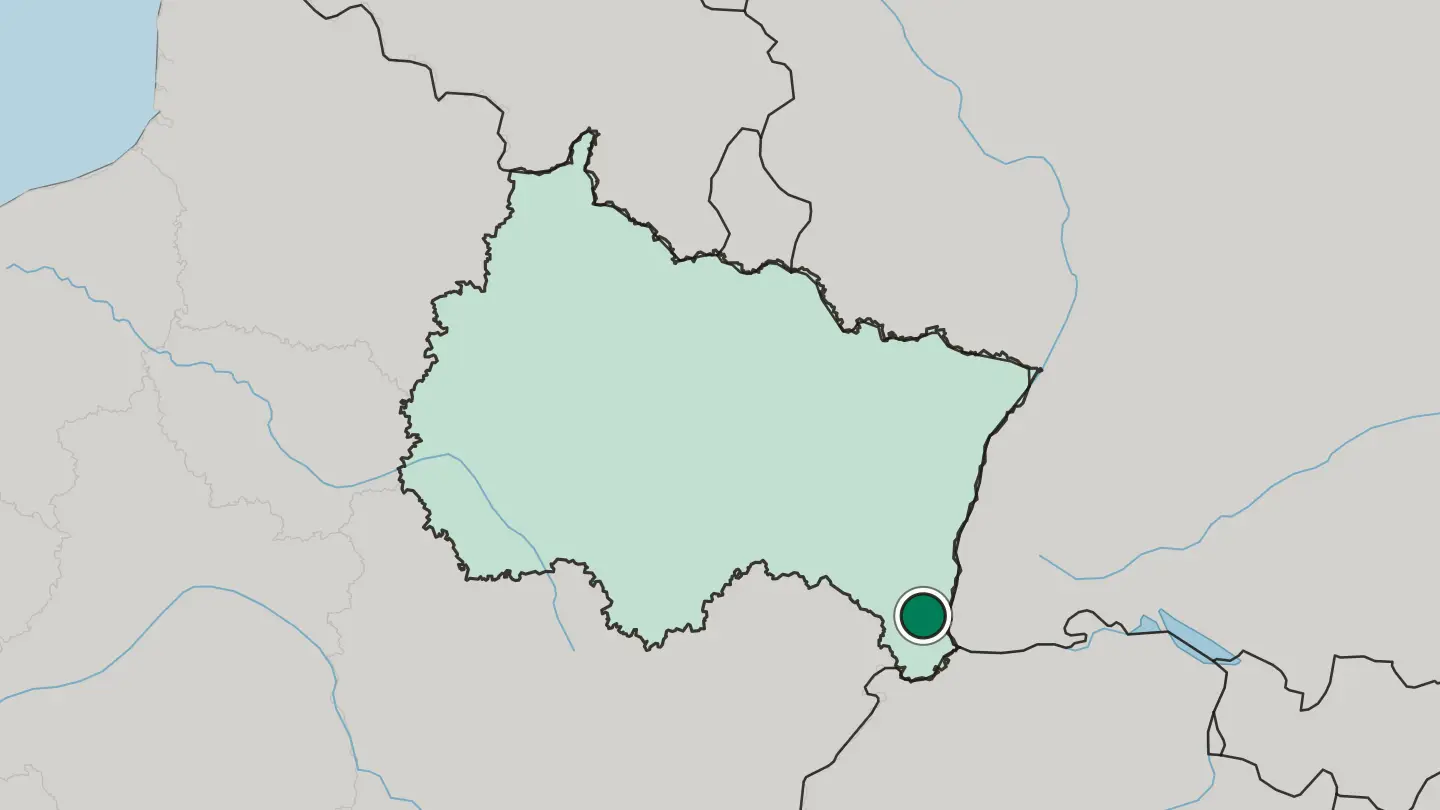
 France
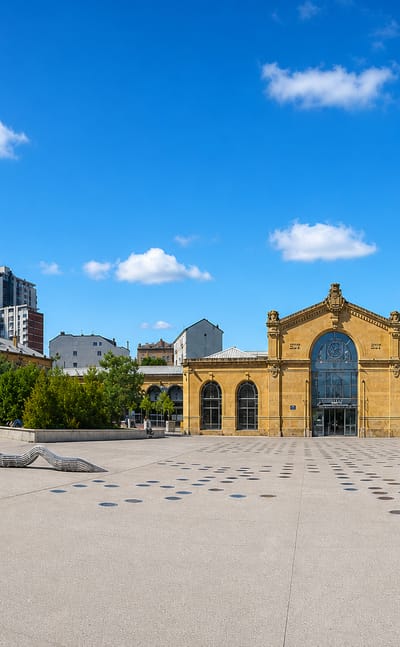
Nancy
Gilded ironwork edges Nancy's squares, a city of Lorraine in Grand Est, capital of Meurthe-et-Moselle, known for its Art Nouveau and the École de Nancy.Where to stay →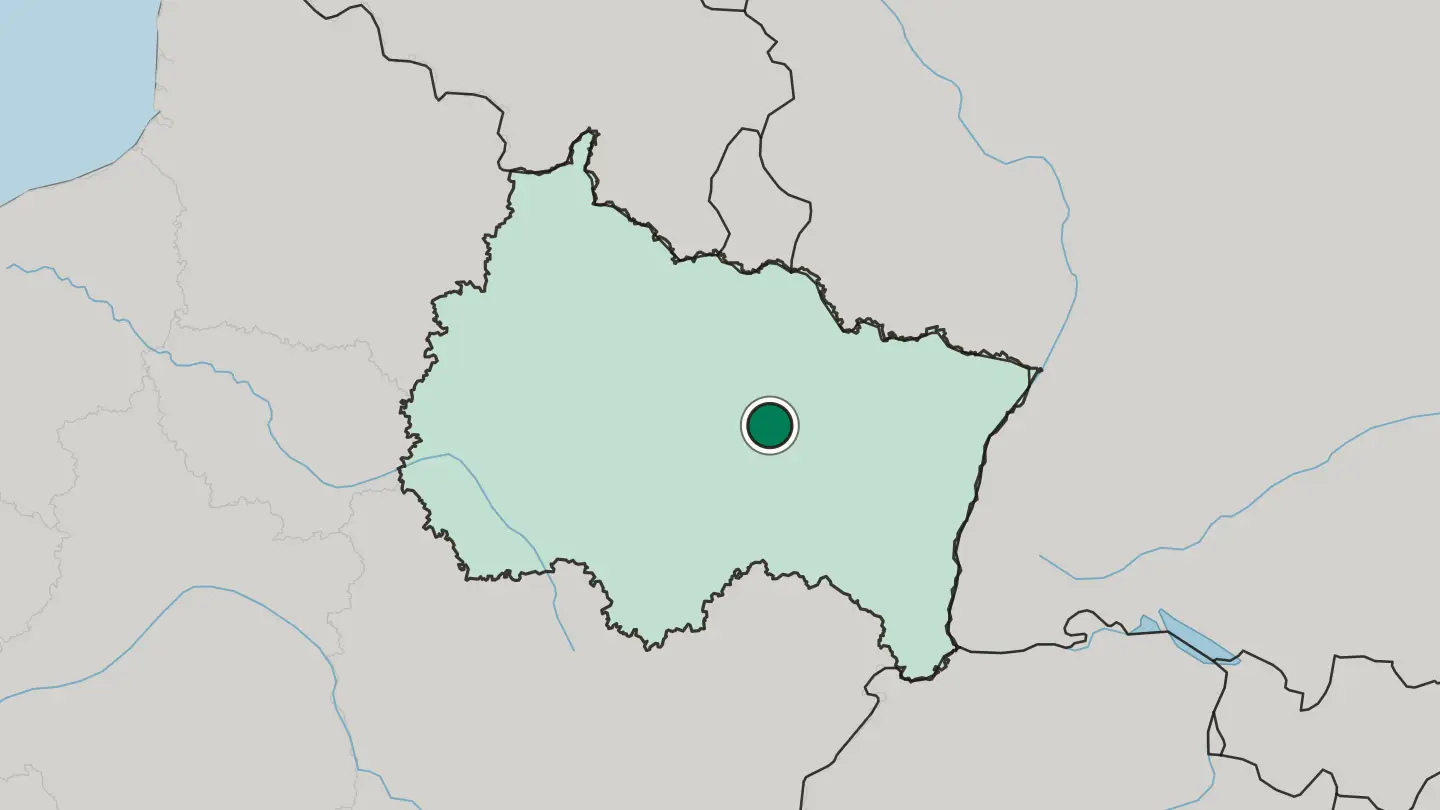
 France
Colmar
Colmar is the Haut-Rhin prefecture in Alsace, founded in 1226 and built around the Maison Pfister and the Unterlinden Museum.Where to stay →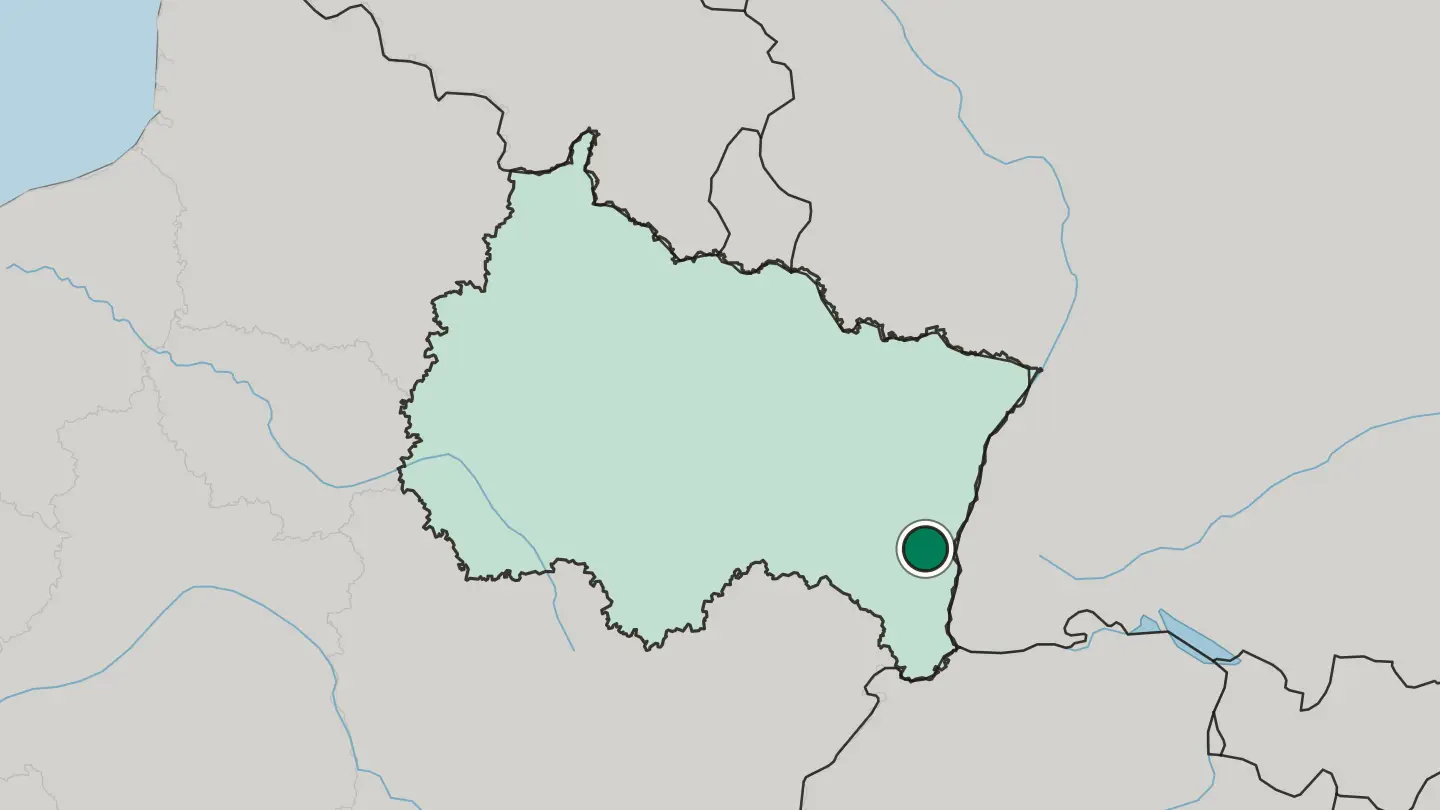
 France
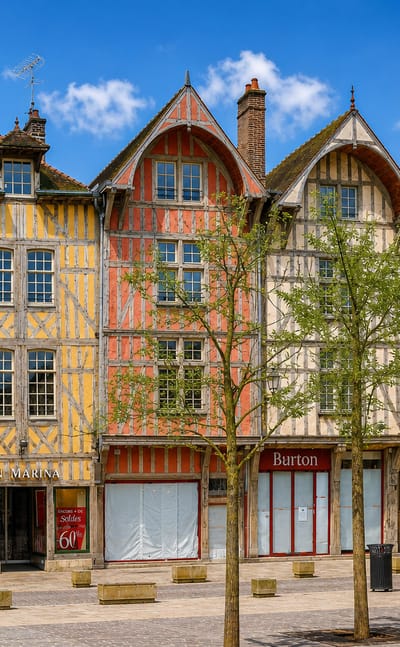
Troyes
Half-timbered walls lean over the lanes of Troyes, a city on the Seine in Grand Est and the capital of Aube, known for its old town and its stained glass.Where to stay →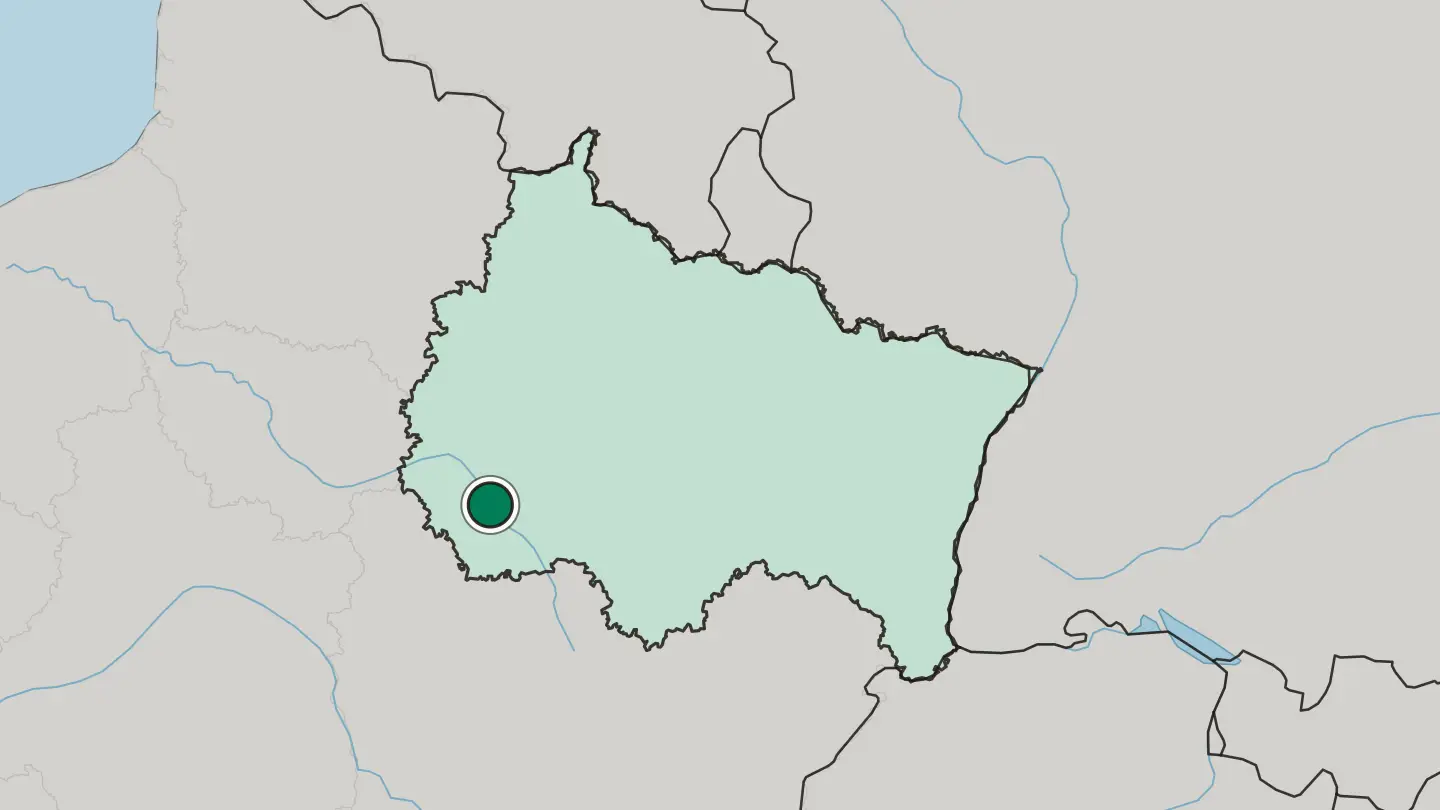
 France
Charleville-Mézières
Charleville-Mézières stands on the Meuse in the Ardennes, a prefecture of two joined names, four museums and a marionette on the wall.Where to stay →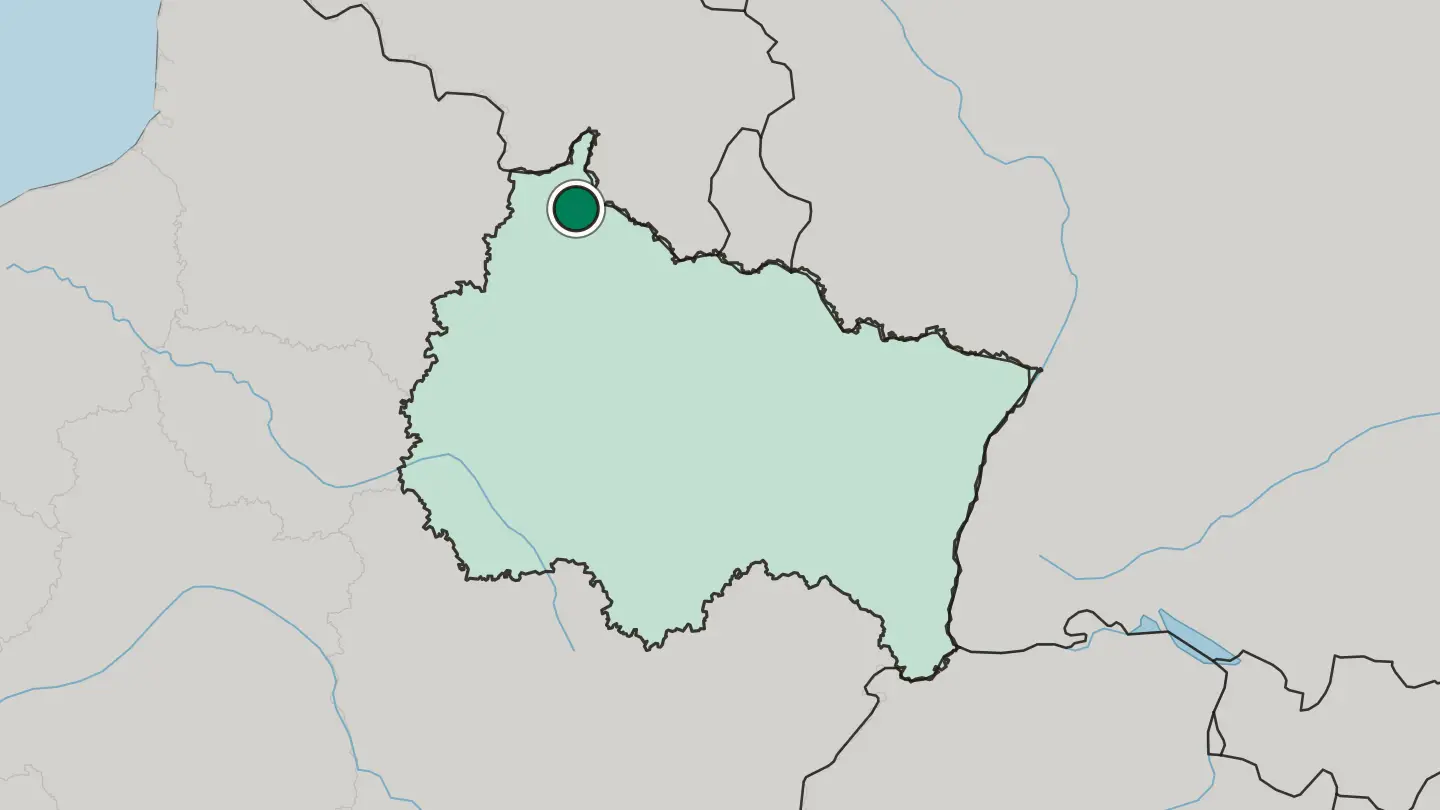
All towns & cities (9)
France
Châlons-en-Champagne
Châlons-en-Champagne is the prefecture of the Marne, a Grand Est city gathered around Notre-Dame-en-Vaux and the Église Saint-Alpin.Where to stay →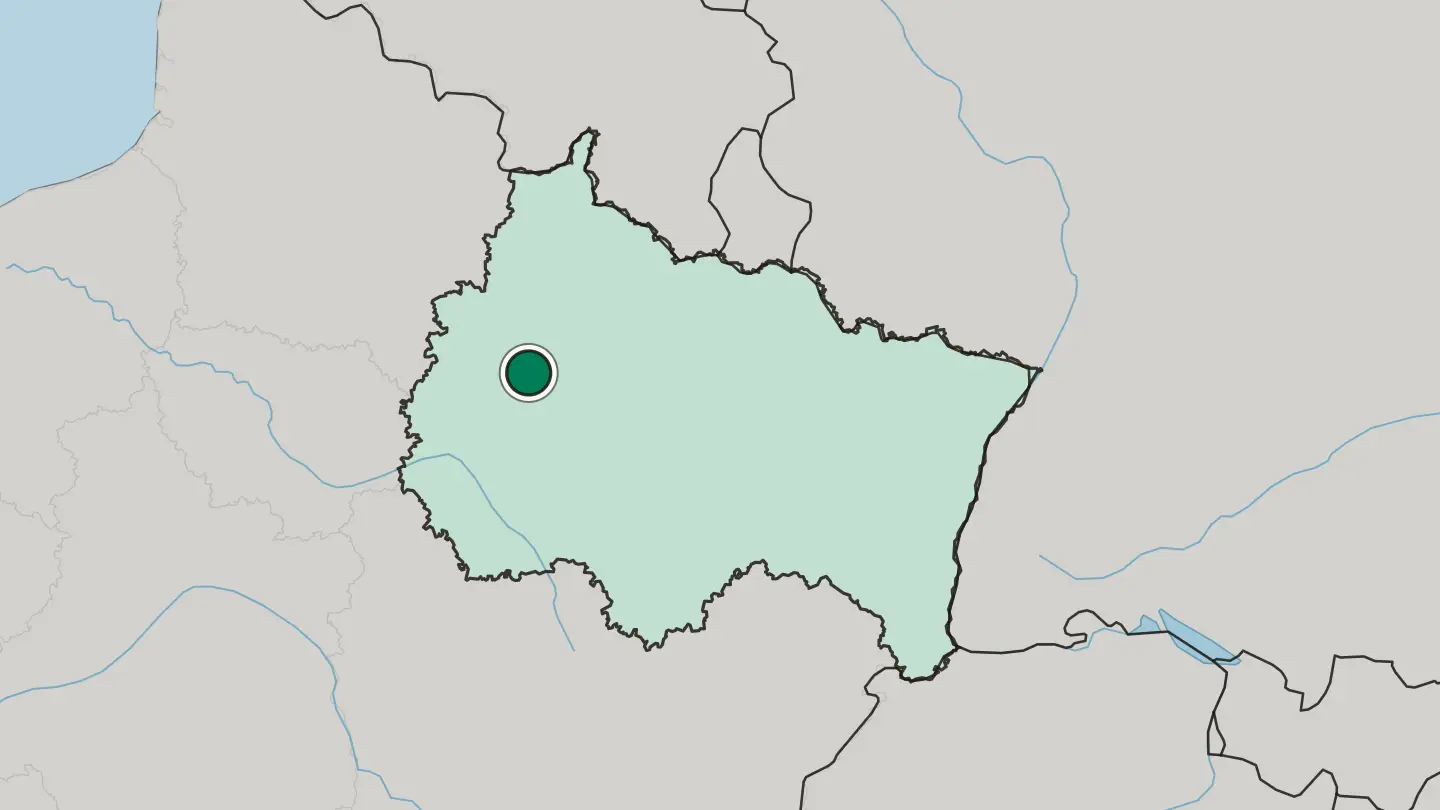
Hotel links are affiliate links: booking through them may earn us a commission, at no extra cost to you. It never affects how places are ranked. How this works
About Grand Est
Three things carry Grand Est.
What is Grand Est known for?
Champagne is the first, poured from the chalk cellars around Reims and the vineyards south of it. The Rhine is the second, forming much of the German border and giving Strasbourg, the largest city and the seat of the European Parliament, its half-French, half-German character. The Vosges mountains are the third, a wooded range that rises between the Alsace plain and Lorraine and shelters the villages of the Alsace Wine Route.
Border wars round out the reputation, with the fortress town of Verdun standing for the worst of them.
Where is Grand Est?
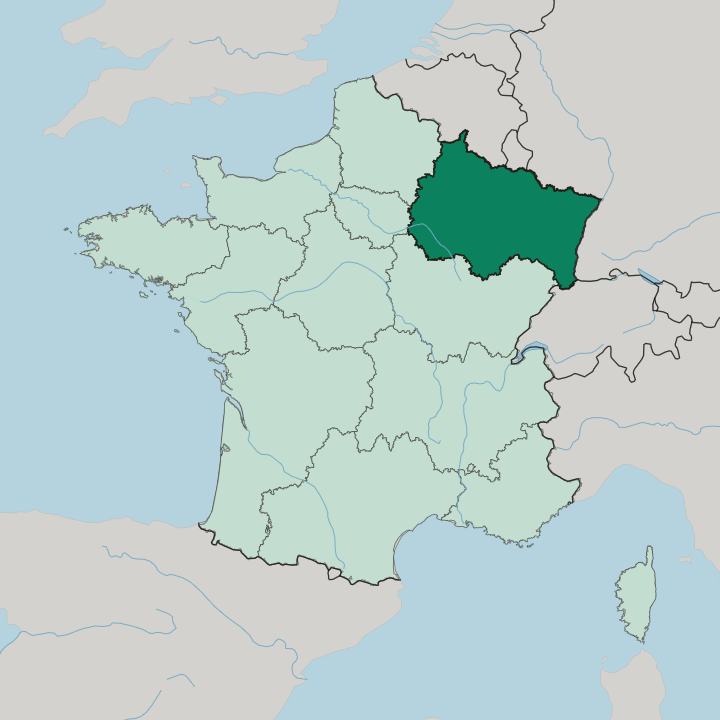
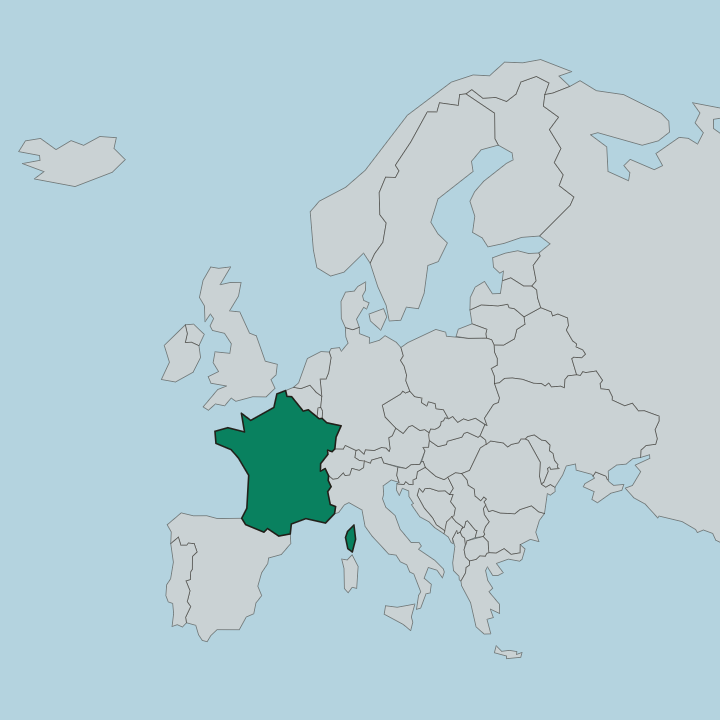
Grand Est fills the north-eastern corner of France, landlocked and pressed against four foreign countries. No other French region touches so many. Germany lies along its eastern edge, Belgium and Luxembourg to the north, and Switzerland at its south-eastern tip. The Rhine draws much of the German line, running north between the Alsace plain and the Black Forest beyond.
Two ranges frame the interior. The Vosges rise in the east, a rounded, forested wall between Alsace and Lorraine, and the Ardennes spread across the north into Belgium. Between and beyond them the land opens into the chalk downs of Champagne and the plateaus of Lorraine, drained by the Moselle as it climbs down from the Vosges toward Luxembourg.
Water sorts the region into three basins, feeding the Seine to the west, the Meuse to the north and the Rhine to the east. It is the fifth largest of France's regions. Strasbourg stands in the far east, on the Ill just short of the Rhine and the German bank.
Reims sits well to the west in Champagne, closer to Paris than to the mountains. That spread from chalk vineyard to wooded ridge is the whole shape of the place.
What is Grand Est like?
Grand Est reads as French with a German accent. Centuries of shifting borders left the mix in the fabric of daily life. In Alsace the older people still speak Alsatian, an Alemannic German dialect, and Lorraine keeps its own Franconian speech along the Moselle.
It shows on the plate as clearly as in the talk. Choucroute, the Alsatian sauerkraut piled with sausage and pork, sits beside quiche Lorraine and flammekueche, the thin cream-and-onion tart of the Alsace plain. The architecture carries the same double signature.
Half-timbered houses in ochre and blue crowd the lanes of Colmar and the wine villages, while Strasbourg wears a heavy German-built quarter from its decades under the Kaiser. Wine is the through-line. The Alsace Wine Route runs the foot of the Vosges through Riquewihr and Eguisheim, pouring Riesling and Gewürztraminer, and to the west the chalk of Champagne makes the sparkling wine that carries the region's name worldwide.
Winter brings the Christkindelmärik. Strasbourg's Christmas market fills the squares beneath the cathedral each December and draws crowds from across the border.
What is the history of Grand Est?
Grand Est is young as a region and old as a battleground. It was formed in 2016 by merging Alsace, Champagne-Ardenne and Lorraine. Borders shifted here for centuries.
Germany annexed Alsace and part of Lorraine after defeating France in 1871, held them until 1918, and seized them again in the Second World War. That is why Strasbourg carries a German-built quarter and Verdun carries the scars of 1916, when battle ground on through the hills above the Meuse.
What is the climate of Grand Est?
The region straddles two climates. Champagne and western Lorraine sit under an oceanic sky, with mild, damp winters and warm summers carried in off the Atlantic weather. East of the Vosges the mountains wring out much of that rain, and the Alsace plain turns drier and more continental, its winters colder and its summers hotter.
Snow settles on the Vosges tops in winter.
How do you get to Grand Est?
Grand Est is reached by rail and road. Trains do much of the work. Its position against the German border puts it at a rail crossroads, and high-speed trains link Strasbourg and Reims to Paris in a couple of hours.
Strasbourg has its own airport, and the Basel-Mulhouse airport shared with Switzerland serves the south of Alsace. The Rhine carries freight and river cruises along the German edge. Inside the region, rail and motorway tie the Alsace plain to Lorraine over and around the Vosges.
Common questions
What is the best area to stay in Grand Est?
Strasbourg: a first base in Alsace. Reims: the Champagne cellars. Colmar and the Alsace Wine Route: the Alsace vineyards. Nancy and Metz: Lorraine and the Moselle.
Good for
More regions in France
Updated October 2026