France · Grand Est
Where to Stay in Nancy, Grand Est
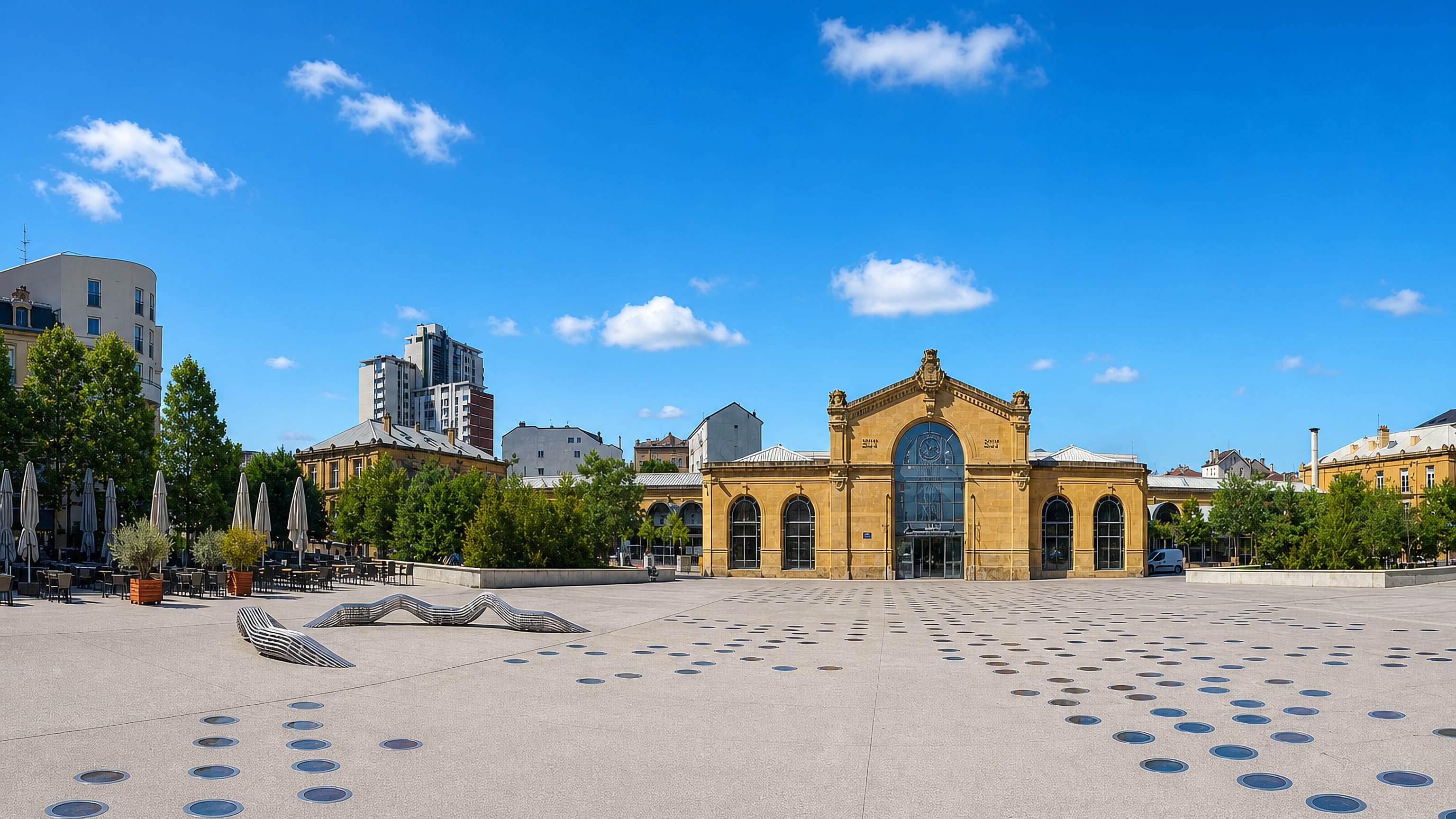
Gilded ironwork edges Nancy's squares, a city of Lorraine in Grand Est, capital of Meurthe-et-Moselle, known for its Art Nouveau and the École de Nancy.
Hotel links are affiliate links: booking through them may earn us a commission, at no extra cost to you. It never affects how places are ranked. How this works


Where to stay in Nancy
Where the beds are, and what that means for the visit.
Nancy divides between its listed old squares and the wider streets around them, and where you stay turns on which face of the city you want. The listed historic centre holds the great squares and the museums. That historic centre makes a natural base for a first stay in Nancy.
Travellers who want the heritage on the doorstep settle near the Museum of Fine Arts of Nancy and the old town around the Saint Epvre Basilica, all within a short walk in the heart of Meurthe-et-Moselle. South and east of the centre run the Art Nouveau streets tied to the École de Nancy. Art Nouveau defines these streets.
If you have come for the movement, base yourself near the musée de l'École de Nancy and its garden villas. Others choose the quieter quarter by the Parc Charles III and the Museum-aquarium of Nancy, greener and away from the squares. Each part of the city reads its own way.
Which face of Nancy suits you is yours to decide.
Find hotels in Nancy
Direct booking searches for these neighbourhoods.
The listed old squares
The listed squares gather the Museum of Fine Arts of Nancy and the old town around the Saint Epvre Basilica in the heart of Meurthe-et-Moselle.Find hotels in The listed old squaresDesign lovers near the musée de l'École de NancyThe Art Nouveau streets
The streets tied to the École de Nancy hold the garden villas and glasswork of the movement around the musée de l'École de Nancy south of the centre.Find hotels in The Art Nouveau streetsQuieter green streets by the Museum-aquarium of NancyThe Parc Charles III quarter
Around the Parc Charles III and the Museum-aquarium of Nancy the city turns greener and quieter, away from the listed squares.Find hotels in The Parc Charles III quarterHotel links are affiliate links: booking through them may earn us a commission, at no extra cost to you. It never affects how places are ranked. How this works
Things to do in Nancy
Ranked by global recognition; descriptions from Wikidata (CC0).
Museums & Galleries
3- Museum of Fine Arts of Nancy Heritage
- musée de l'École de Nancy Heritage
- Musée Lorrain
Churches & Religious Sites
7- Saint Epvre Basilica Heritage
- Church of Notre-Dame-de-Bonsecours Heritage
- Church of Saint-François-des-Cordeliers Heritage
- Église Saint-Sébastien de Nancy Heritage
- Temple protestant de Nancy Heritage
Show 2 more →
- Église Saint-Nicolas de Nancy Heritage
- église Saint-Georges d'Essey-lès-Nancy Heritage
Castles & Historic Sites
1- L'Asnée Palace
Nature & Outdoors
1- Parc Charles III
Stadiums & Sports
3- Stade Marcel Picot
- Palais des Sports Jean Weille
- Société de Tir de Nancy
Landmarks & Notable Places
8- La Douëra Heritage
- Maison Fruhinsholzs Heritage
- Maison Le Jeune Heritage
- Immeuble, 52 cours Léopold, Nancy Heritage
- Maison des Adam Heritage
Show 3 more →
- Maison Faber Heritage
- Maison Hanus Heritage
- Nancy - 6 rue Lyautey Heritage
worth knowingacross 6 categories in Nancy
About Nancy
What is Nancy known for?
Nancy is known for its Art Nouveau and its listed historic squares in the heart of Lorraine. The city turned design into fame. As the old ducal capital and later a workshop of the École de Nancy movement, the city gathered the glass and ironwork whose story fills the musée de l'École de Nancy and the Museum of Fine Arts of Nancy, drawing visitors to a UNESCO-listed centre in Meurthe-et-Moselle.
What are the main landmarks in Nancy?
Nancy holds landmarks that run from its listed squares to its churches and its Art Nouveau museums. The Museum of Fine Arts of Nancy anchors the old centre. Its galleries stand near the Saint Epvre Basilica and the Church of Saint-François-des-Cordeliers, while the musée de l'École de Nancy, the Musée Lorrain, and the Église Saint-Sébastien de Nancy carry the wider heritage of the Lorraine capital.
What is the history of Nancy?
Nancy rose as the seat of the dukes of Lorraine, a ducal capital whose rulers laid out its squares and churches. The dukes shaped the town. From their court the rulers of Lorraine endowed Nancy with the Church of Saint-François-des-Cordeliers as their burial place and later the great planned squares that won the historic centre its UNESCO listing, making the city the chief seat of the province.
With the fall of the duchy Nancy passed to France and grew as the capital of Meurthe-et-Moselle. Industry and design followed. Around 1900 the workshops of the École de Nancy turned the city into a centre of Art Nouveau, and their glass and furniture, gathered now in the musée de l'École de Nancy, joined the older heritage of the Musée Lorrain and the Saint Epvre Basilica to define the town within Grand Est.
Where is Nancy?
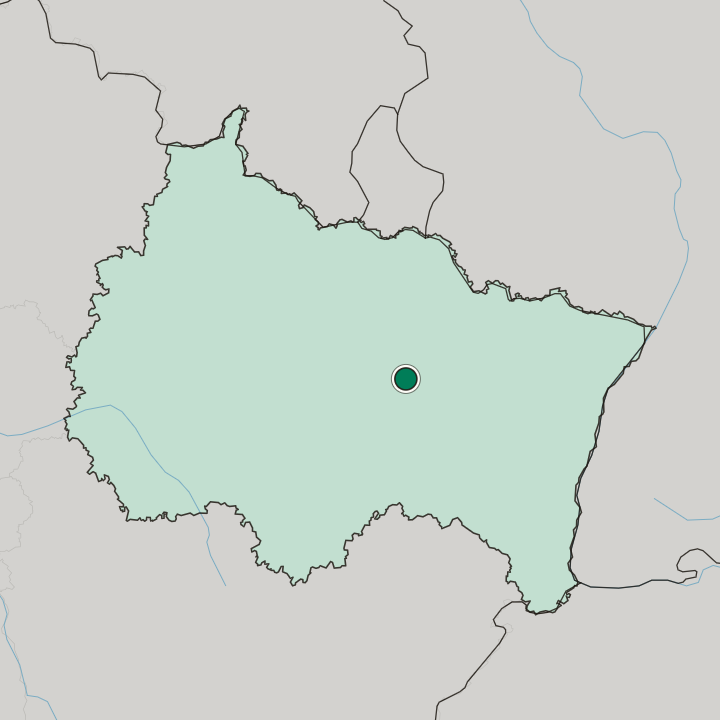
Nancy lies in Lorraine, the capital of Meurthe-et-Moselle within the wider region of Grand Est. The city sits inland on a river plain. Low ground carries the town where the surrounding hills of Lorraine open onto the valley, and Nancy holds the level heart of the department, the old ducal seat that anchors this corner of Grand Est away from the coast.
What is the climate of Nancy?
Nancy has a temperate climate with a continental lean, shaped by its inland place in Lorraine. The seasons swing more sharply here. Cold winters and warm summers pass over the city, set well back from the sea on the river plain of Meurthe-et-Moselle, where the hills of Lorraine hold Nancy in their sheltered valley.
How do you get to Nancy?
Nancy is reached mainly by rail and road across Lorraine. Its position makes it a natural hub. Trains and highways link Nancy through Grand Est toward the wider east of the region, tying the capital of Meurthe-et-Moselle into the routes that cross the province, with the old squares and the Saint Epvre Basilica a short walk from the station.
Common questions
What is the best area to stay in Nancy?
The listed old squares: First stays in the listed historic centre of Nancy. The Art Nouveau streets: Design lovers near the musée de l'École de Nancy. The Parc Charles III quarter: Quieter green streets by the Museum-aquarium of Nancy.
Good for
More cities in Grand Est
Updated September 2026