Greece · Attica · Athens
Exarcheia, Athens — Area Guide & Where to Stay
Exarcheia is a central Athens quarter below Mount Lycabettus, grown around Exarcheia Square, the National Archaeological Museum on Patission Street.
Hotel links are affiliate links: booking through them may earn us a commission, at no extra cost to you. It never affects how places are ranked. How this works


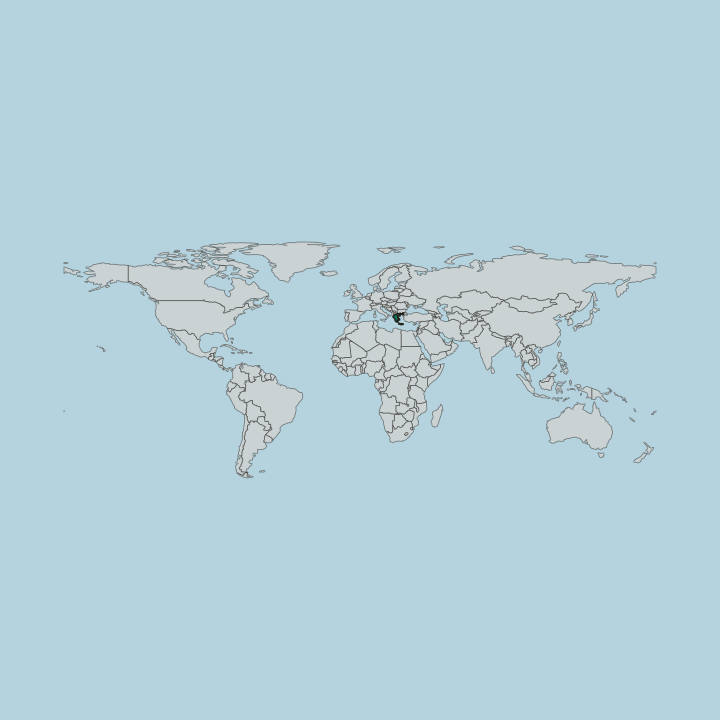
Where to stay in Exarcheia
Where the beds are, and what that means for the visit.
Exarcheia suits independent and younger travelers more than tour groups, with cafes, tavernas, and late-opening bars in place of package hotels. Beds run to small guesthouses and short-let apartments; there are far fewer full-service hotels than in Plaka or around Syntagma, so reserve early or look to the wider Athens center for larger rooms. Walking is easy here.
The National Archaeological Museum sits at the western edge, and the metro at Omonoia is a few minutes off. Nights get loud around Exarcheia Square and stay calmer up toward Strefi Hill, so pick your street to match how you sleep.
Things to do in and around Athens
Ranked by global recognition; descriptions from Wikidata (CC0).
Museums & Galleries
3- National Archaeological Museum of Athens
- Acropolis Museum
- Benaki Museum
Churches & Religious Sites
2- Tzistarakis Mosque Heritage
- Church of the Holy Apostles Heritage
Castles & Historic Sites
8- Panathenaic Stadium Heritage
- Platonic Academy Heritage
- Erechtheion Heritage
- Temple of Olympian Zeus Heritage
- Ancient Agora of Athens Heritage
Show 3 more →
- Temple of Athena Nike Heritage
- Theatre of Dionysus Heritage
- Odeon of Herodes Atticus Heritage
worth knowingacross 3 categories in and around Athens
About Exarcheia
What are the main landmarks in Exarcheia?
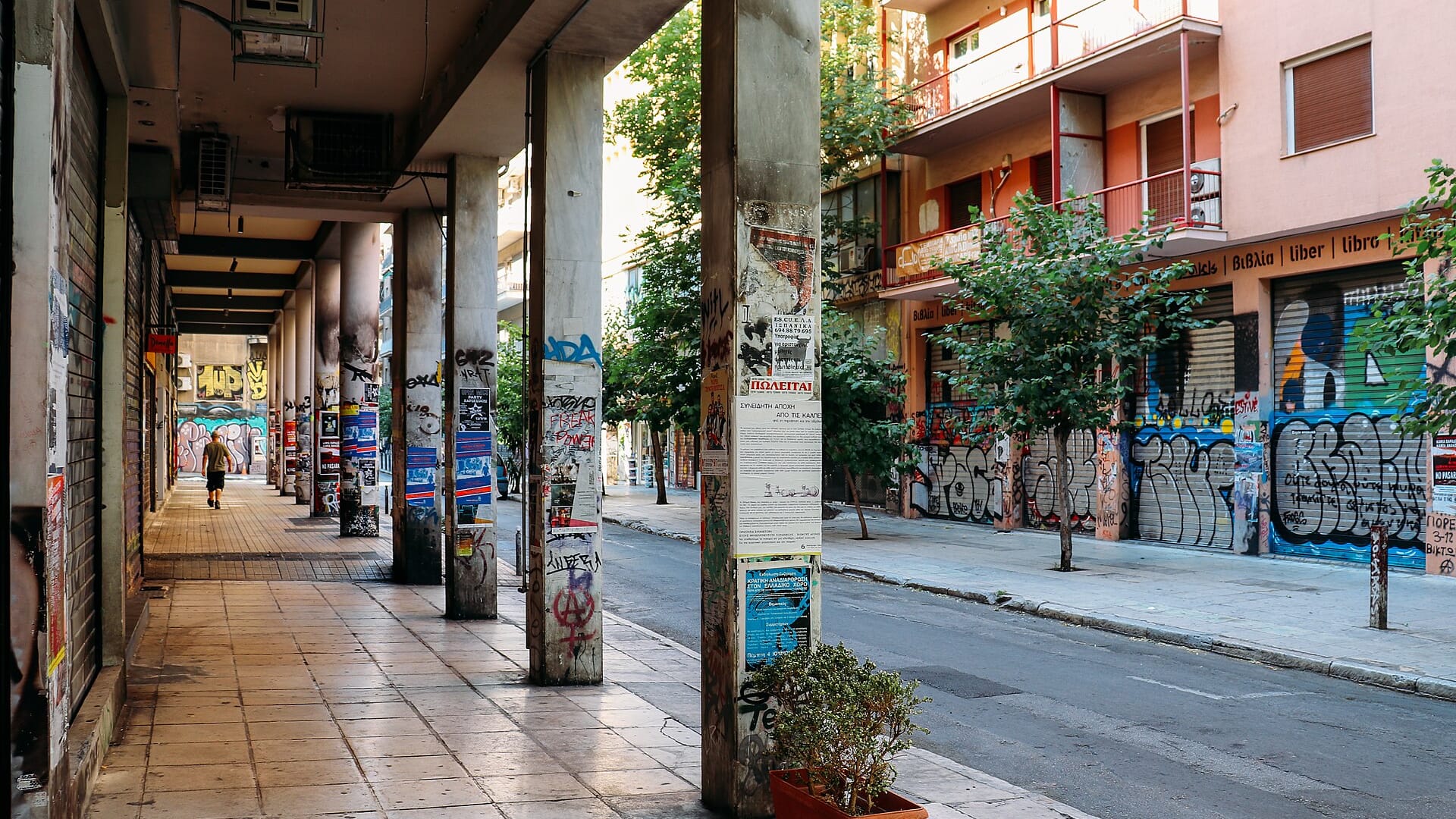
The one major monument at Exarcheia's rim is the National Archaeological Museum, holder of the country's greatest collection of ancient Greek art, on Patission Street. Next to it stands the old campus of the National Technical University of Athens, the Polytechnic whose gates became a national emblem of resistance. The neighborhood's own heart is Exarcheia Square, ringed by cafes and the start of its lanes of bookshops and painted walls.
Above the rooftops rises Strefi Hill, a scrubby outcrop crossed by paths up to open views across the city. These are the anchors.
What is the history of Exarcheia?
Exarcheia took shape in the second half of the 19th century as Athens spread north beyond its old core, and it took its name from a merchant named Exarchos who ran a large store on the site. Its position beside the University of Athens and the National Technical University drew students, printers, and publishers. Book trade and radical politics followed.
In November 1973 the Polytechnic uprising against the ruling military junta centered on the National Technical University, and the tanks sent to crush it made the neighborhood a byword for resistance. That legacy fixed Exarcheia's association with the left, with anarchism, and with protest. Street art and self-run social spaces grew from the same roots.
Where is Exarcheia?
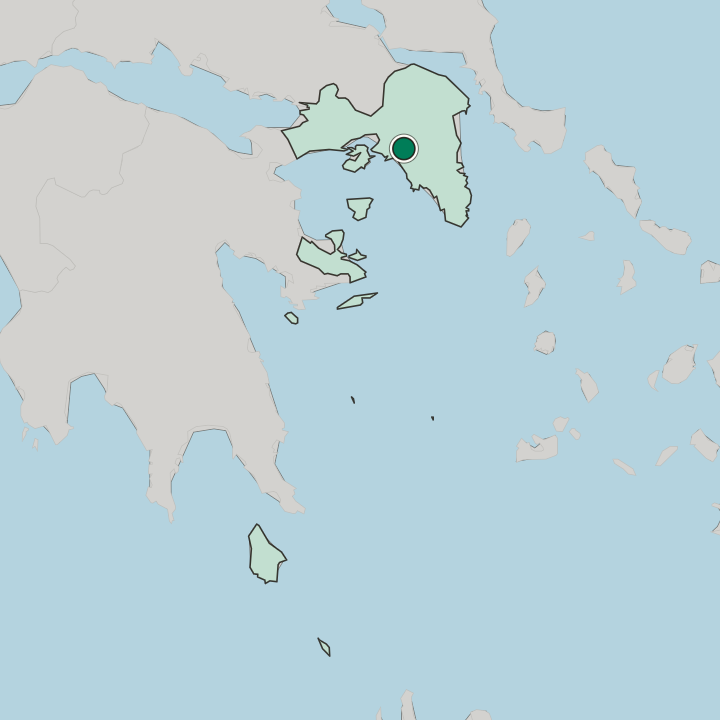
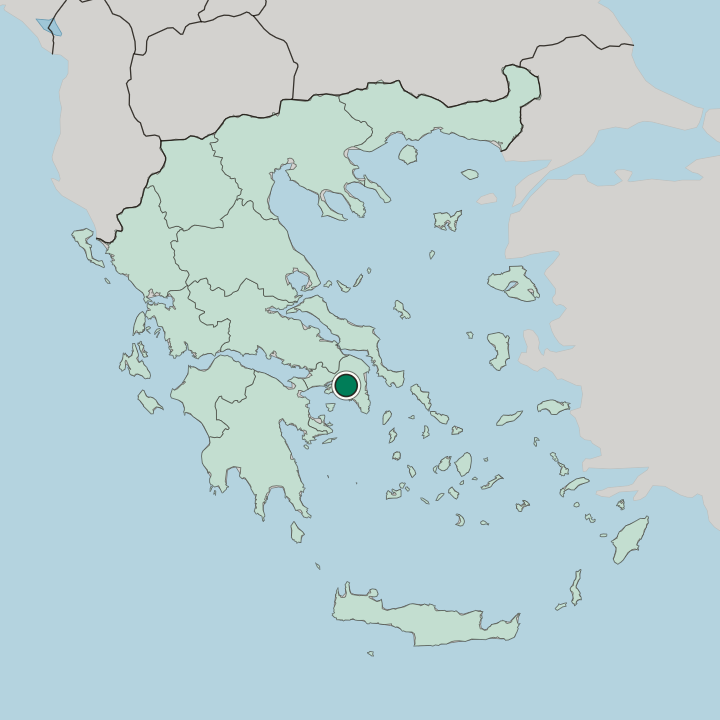
Exarcheia occupies a wedge of central Athens between Omonoia Square to the southwest and the wooded rise of Strefi Hill to the north. Patission Street runs along its western flank, passing the National Archaeological Museum and the old campus of the National Technical University of Athens. To the southeast the streets climb toward Neapoli and, beyond it, Kolonaki at the foot of Mount Lycabettus.
Exarcheia Square anchors the middle.
Good for
More areas in Athens
Updated October 2026