
Greece · Attica · Athens
Gazi, Athens — Area Guide & Where to Stay
Gazi is a former industrial quarter of west Athens, named for the coal-gas works, Technopolis filling the old gasworks by the Kerameikos metro.
Hotel links are affiliate links: booking through them may earn us a commission, at no extra cost to you. It never affects how places are ranked. How this works


Where to stay in Gazi
The practical side of choosing where to sleep.
Gazi suits travellers who want to be out late rather than in bed early. Its draw is the run of clubs, tavernas and rooftop bars packed around Technopolis and the Kerameikos metro square, which stay busy well past midnight. Beds are thinner on the ground here than in Plaka or Koukaki, so most stays are small boutique hotels and short-let flats along Pireos Street and the quieter lanes off Iera Odos.
From the metro it is two stops to Monastiraki and the foot of the Acropolis, which keeps the area workable for sightseeing as well. Light sleepers should book a quiet street.
Things to do in and around Athens
Ranked by global recognition; descriptions from Wikidata (CC0).
Museums & Galleries
3- National Archaeological Museum of Athens
- Acropolis Museum
- Benaki Museum
Churches & Religious Sites
2- Tzistarakis Mosque Heritage
- Church of the Holy Apostles Heritage
Castles & Historic Sites
8- Panathenaic Stadium Heritage
- Platonic Academy Heritage
- Erechtheion Heritage
- Temple of Olympian Zeus Heritage
- Ancient Agora of Athens Heritage
Show 3 more →
- Temple of Athena Nike Heritage
- Theatre of Dionysus Heritage
- Odeon of Herodes Atticus Heritage
worth knowingacross 3 categories in and around Athens
About Gazi
What are the main landmarks in Gazi?
Gazi's landmark is Technopolis, the municipal cultural complex built inside the old Athens gasworks. Eight of the original brick buildings survive around a courtyard, along with the tall gasholders and the chimneys that still mark the skyline west of the centre. The Kerameikos metro square anchors the bars.
Just to the southeast, along Ermou Street, lies the ancient Kerameikos, the classical cemetery and potters' quarter that gave the area its name. There is no ancient monument inside Gazi itself; its character comes from industry, not antiquity.
What is the history of Gazi?
Gazi began as a factory district. It grew in the 19th century around the municipal gasworks that gave the quarter both its industry and its name. For more than a century the plant burned coal to make the town gas that lit Athens's streets, and the surrounding blocks were working-class and soot-stained.
When the works closed in the late 20th century, the site was listed as an industrial monument and later restored by the Municipality of Athens. The halls reopened as Technopolis, and the bars and clubs followed.
Where is Gazi?
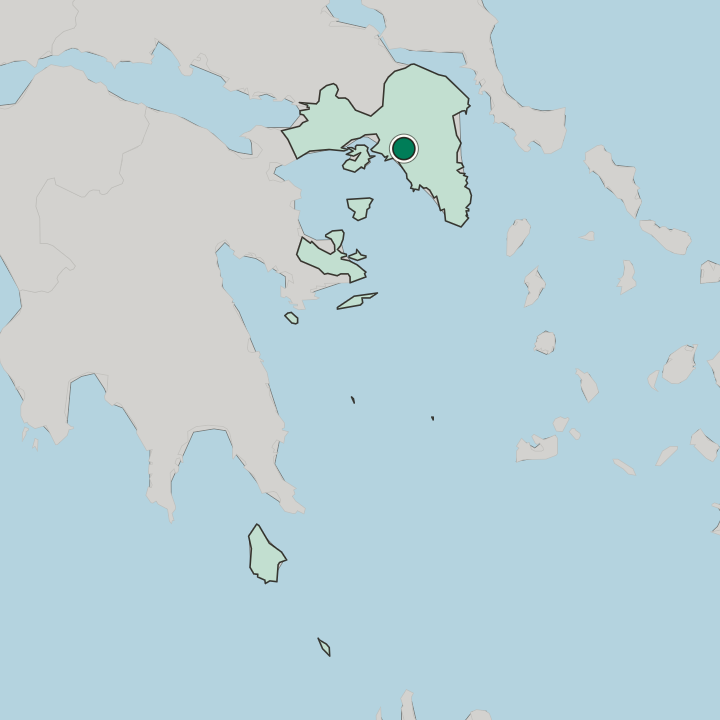
The neighbourhood lies just west of the historic centre, wedged between Pireos Street and the rail lines that run down toward Piraeus. Iera Odos, the ancient Sacred Way to Eleusis, cuts through it from east to west. Kerameikos and its archaeological site border Gazi to the southeast, while Metaxourgeio sits to the north and Thiseio and Petralona lie to the south.
Ermou Street runs east to Monastiraki.
Good for
More areas in Athens
Updated October 2026