Greece
Attica, Greece — Towns & Travel Guide
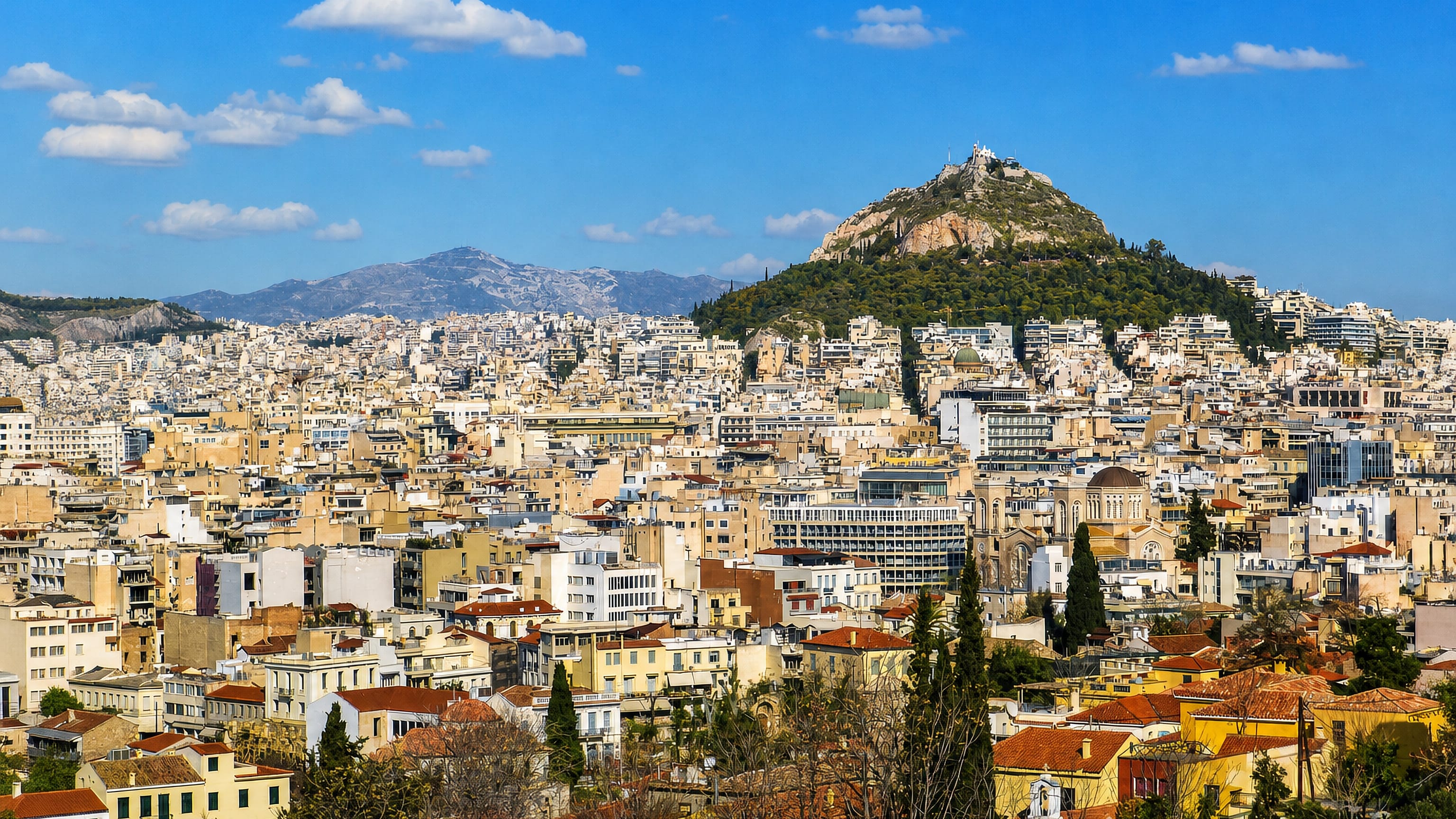
Attica reaches into the Aegean Sea around Athens, a historic region of Greece built around the city that became its capital.
Hotel links are affiliate links: booking through them may earn us a commission, at no extra cost to you. It never affects how places are ranked. How this works


Towns & cities in Attica
Pick a town or city — each links to where to stay.
 Greece
Athens
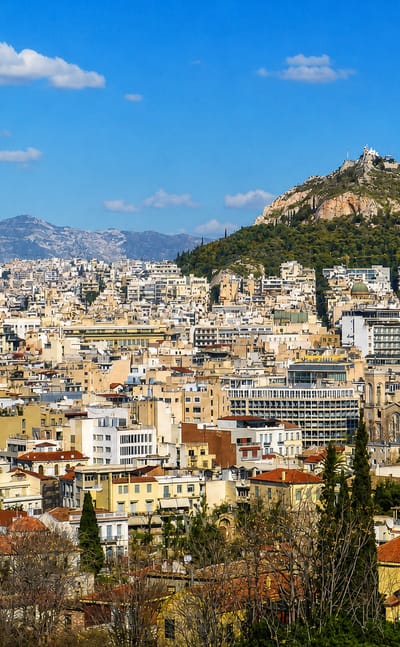
Marble temples crown the Acropolis above Athens, the capital of Greece and a coastal city on the Mediterranean shaped by Classical Greece.Where to stay →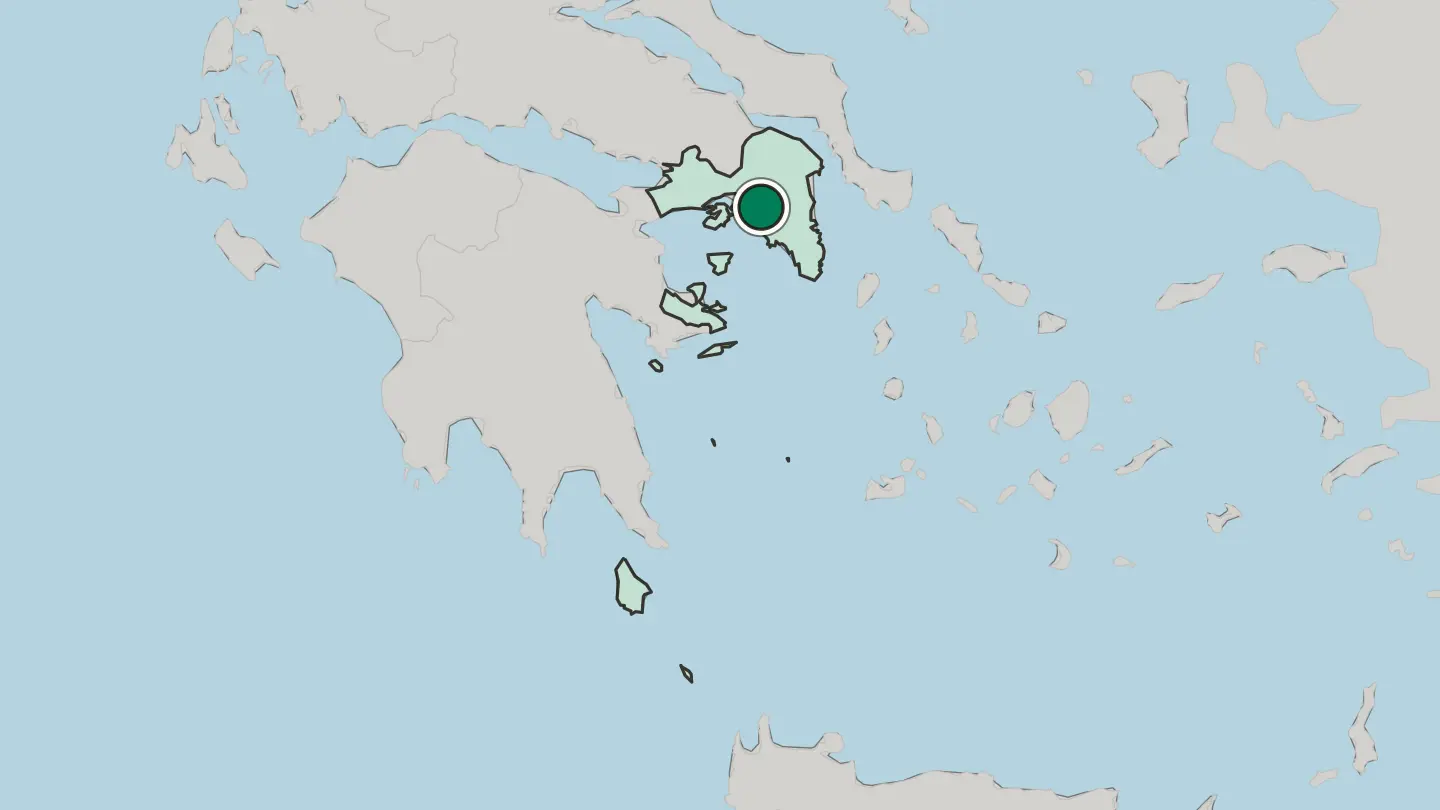
 Greece
Piraeus
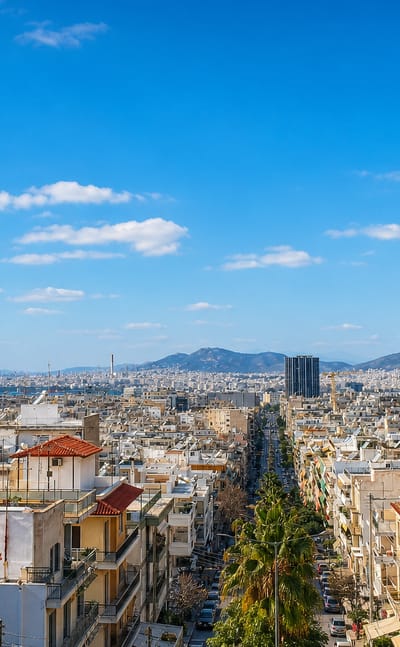
Ferries crowd the quays at Piraeus, the port city of Athens on the Saronic Gulf, in the Attica region and the main sea exit toward the Aegean.Where to stay →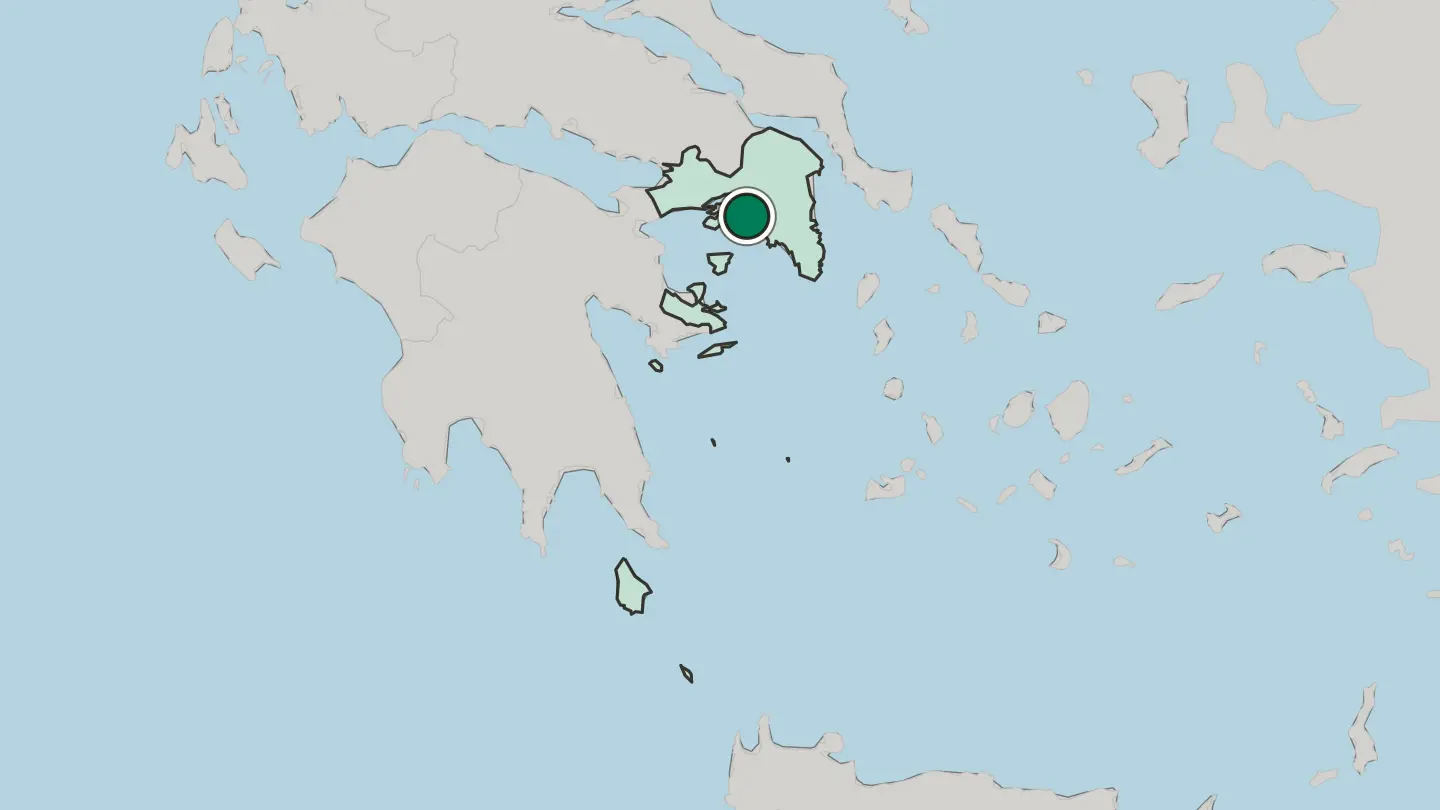
 Greece
Peristéri
Peristéri is a suburban municipality in the western part of the Athens agglomeration, spread across ten square kilometres of Attica.Where to stay →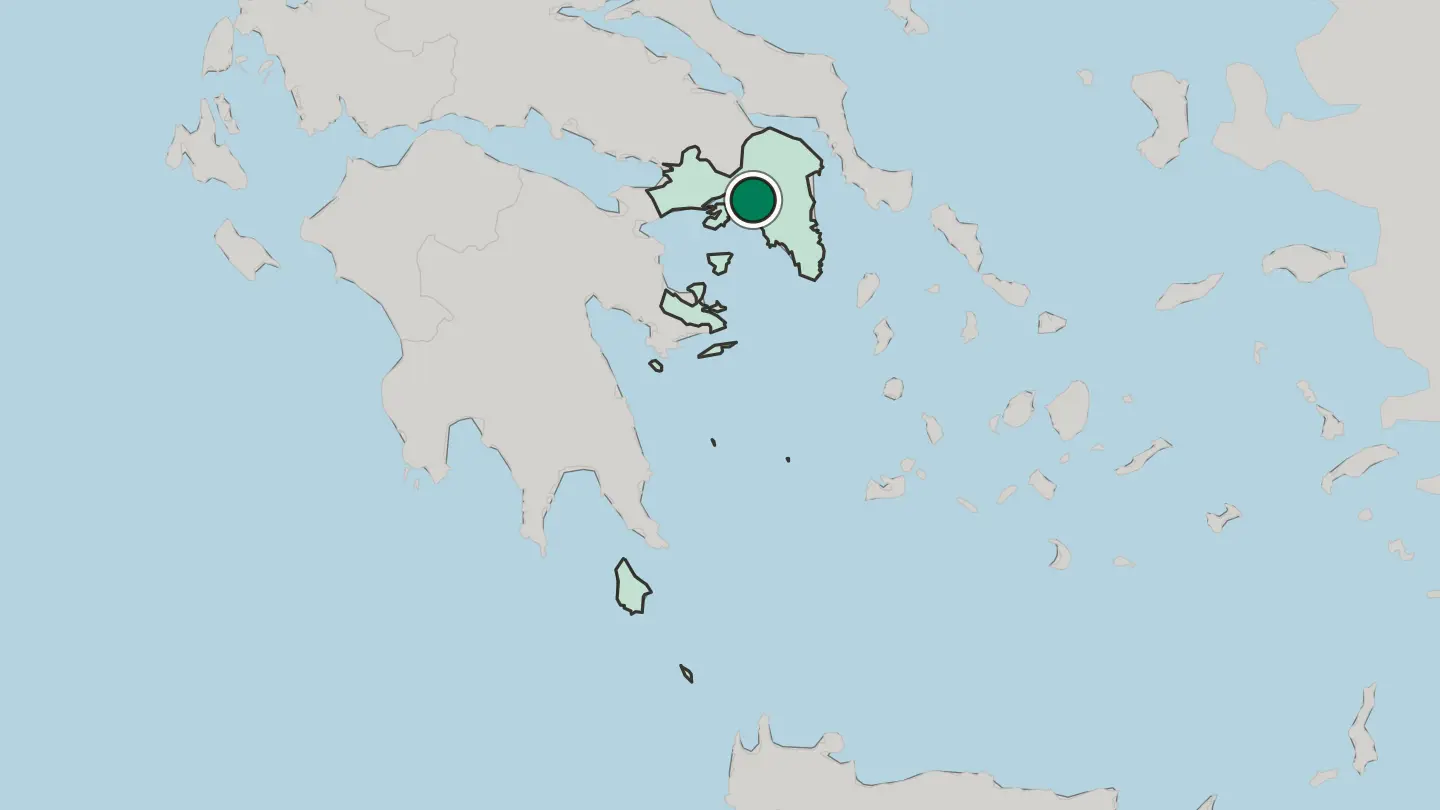
 Greece
Kallithéa
Kallithéa is one of the largest and most tightly built municipalities of the Athens agglomeration, packed into under five square kilometres.Where to stay →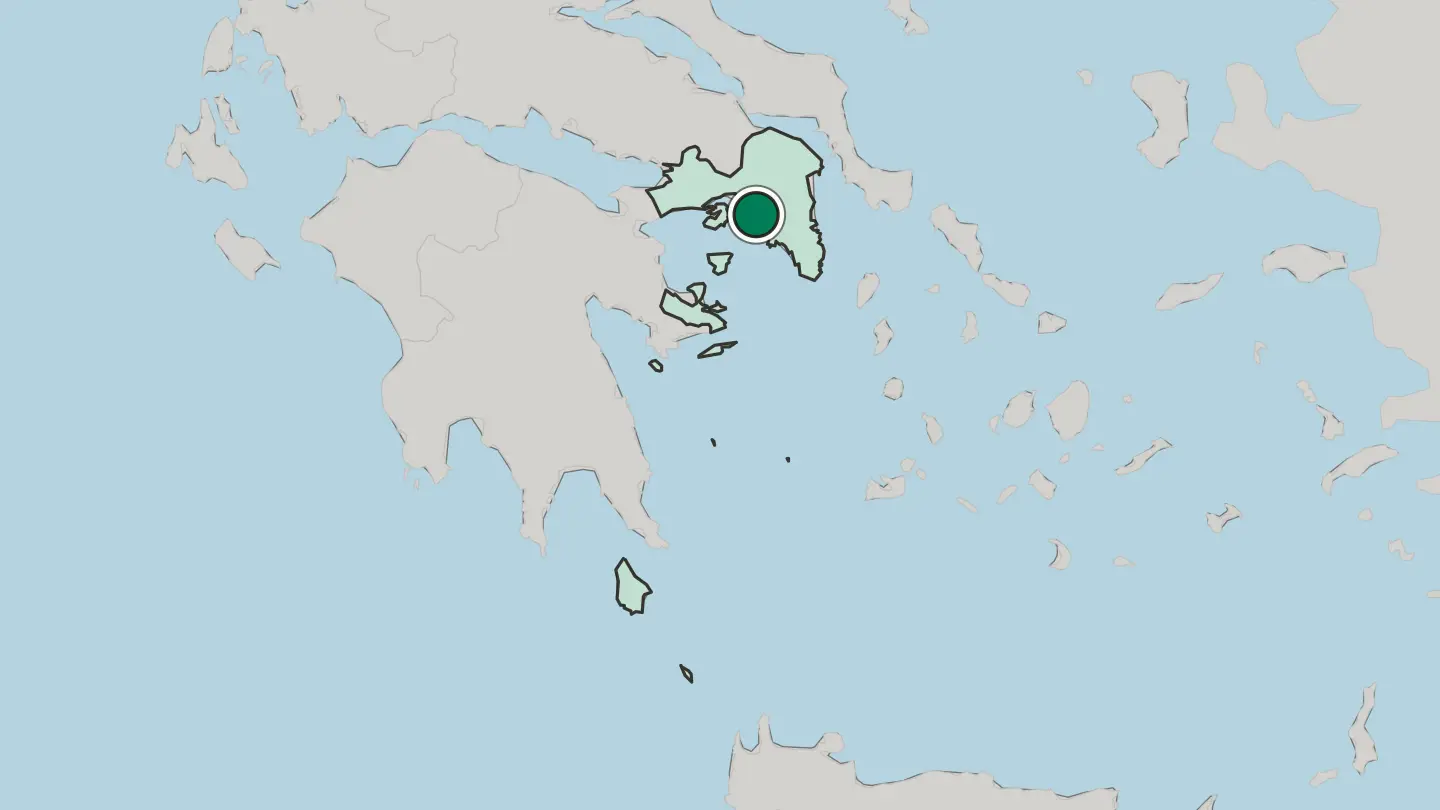 Greece
Acharnés
Acharnés is a municipality of the East Attica regional unit, on the ground immediately north of the Athens urban area.Where to stay →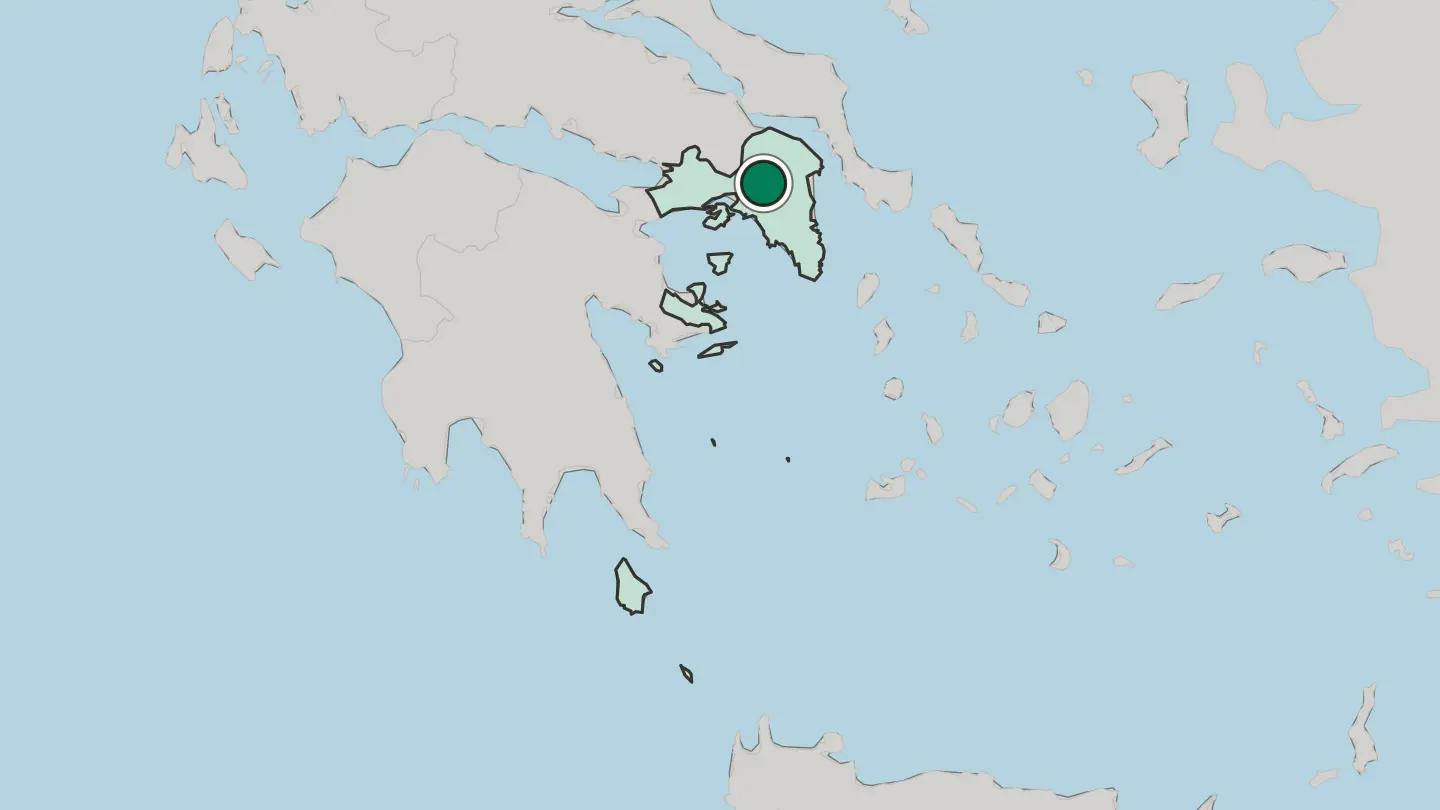 Greece
Níkaia
Níkaia is a town of the Piraeus agglomeration, founded in 1928 in the southwestern part of the Athens urban area.Where to stay →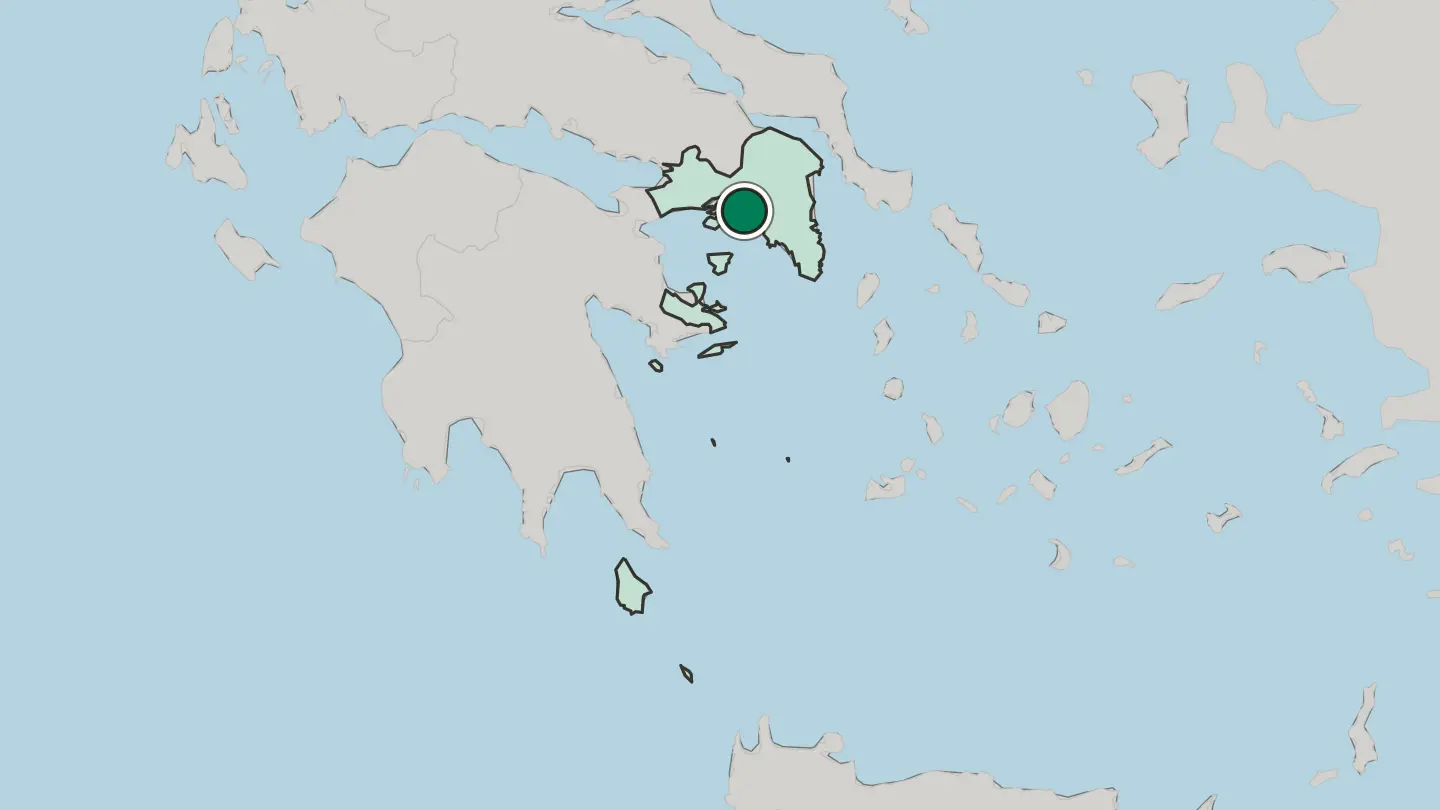
 Greece
Glyfáda
Glyfáda is a coastal suburb of Athens on the Athens Riviera, running from the foot of Hymettus down to the Saronic Gulf.Where to stay →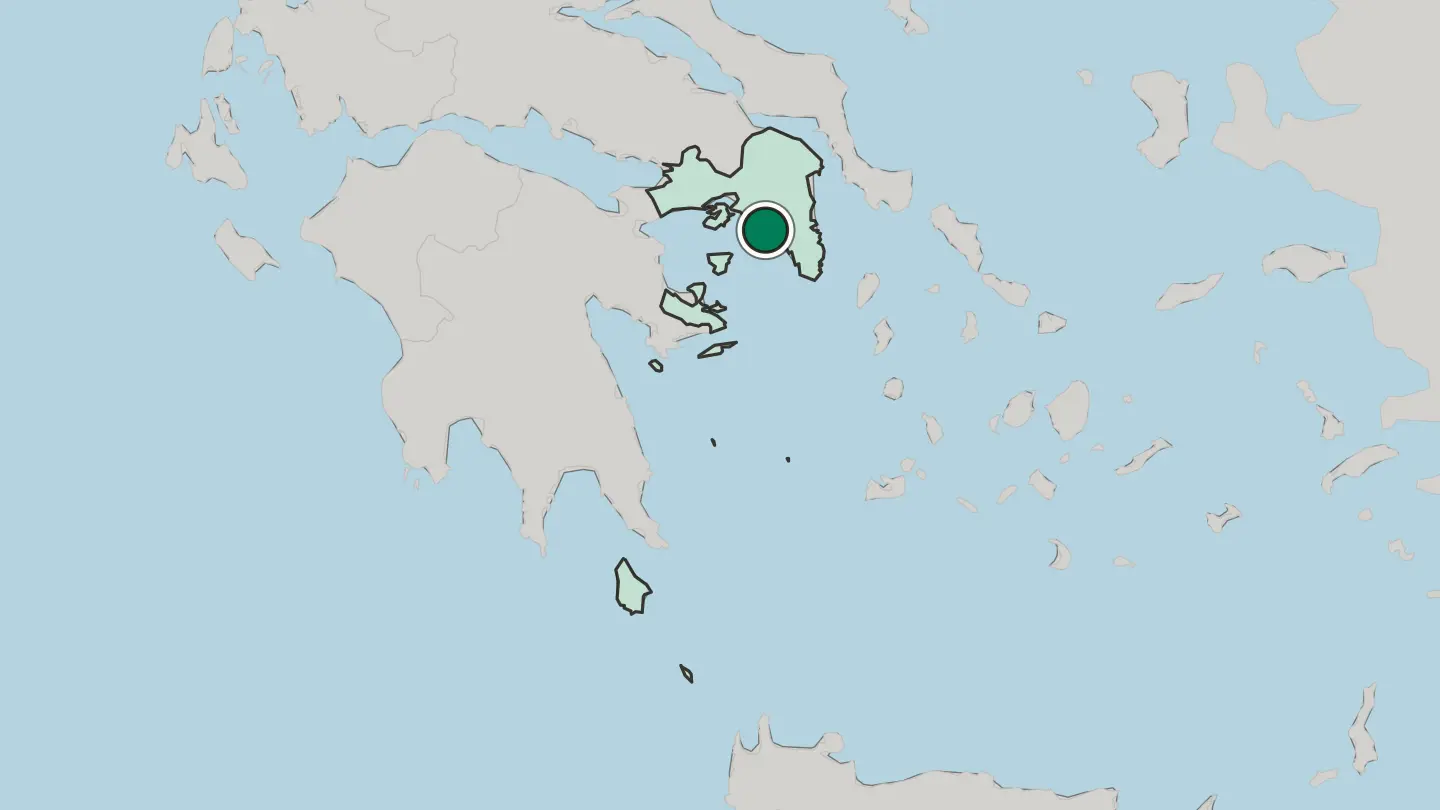
 Greece
Néa Smýrni
Néa Smýrni is a municipality of South Athens, named for Smyrna and settled by refugees who reached Attica after 1922.Where to stay →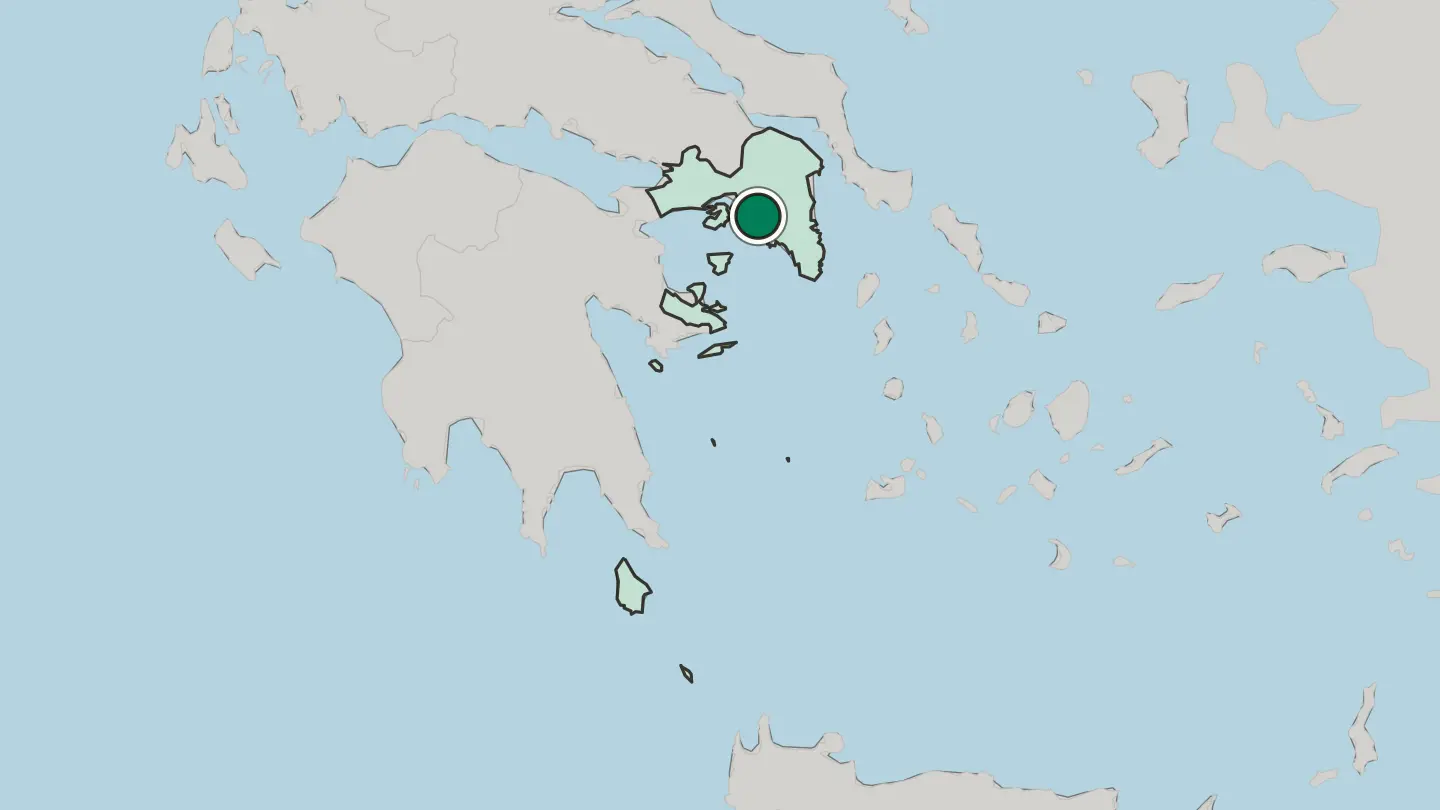
All towns & cities (12)
 Greece
Maroúsi
Maroúsi, the ancient Athmonon, is a city of the northeastern Athens urban area, holding the Olympic pools and tennis courts of the capital.Where to stay →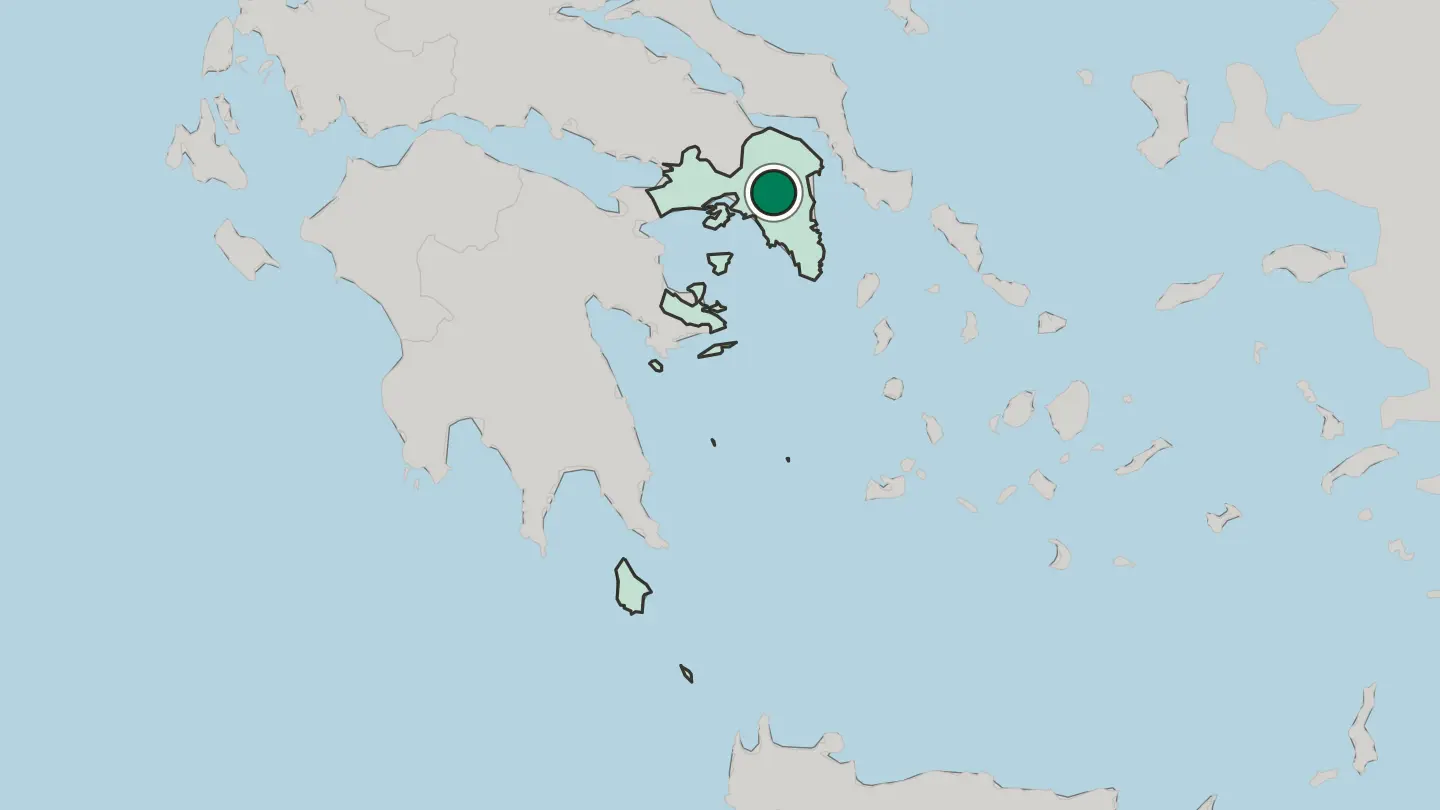
 Greece
Agios Dimitrios
Agios Dimitrios is a town of Attica, one of the compact suburbs filling the southern part of the Athens agglomeration.Where to stay →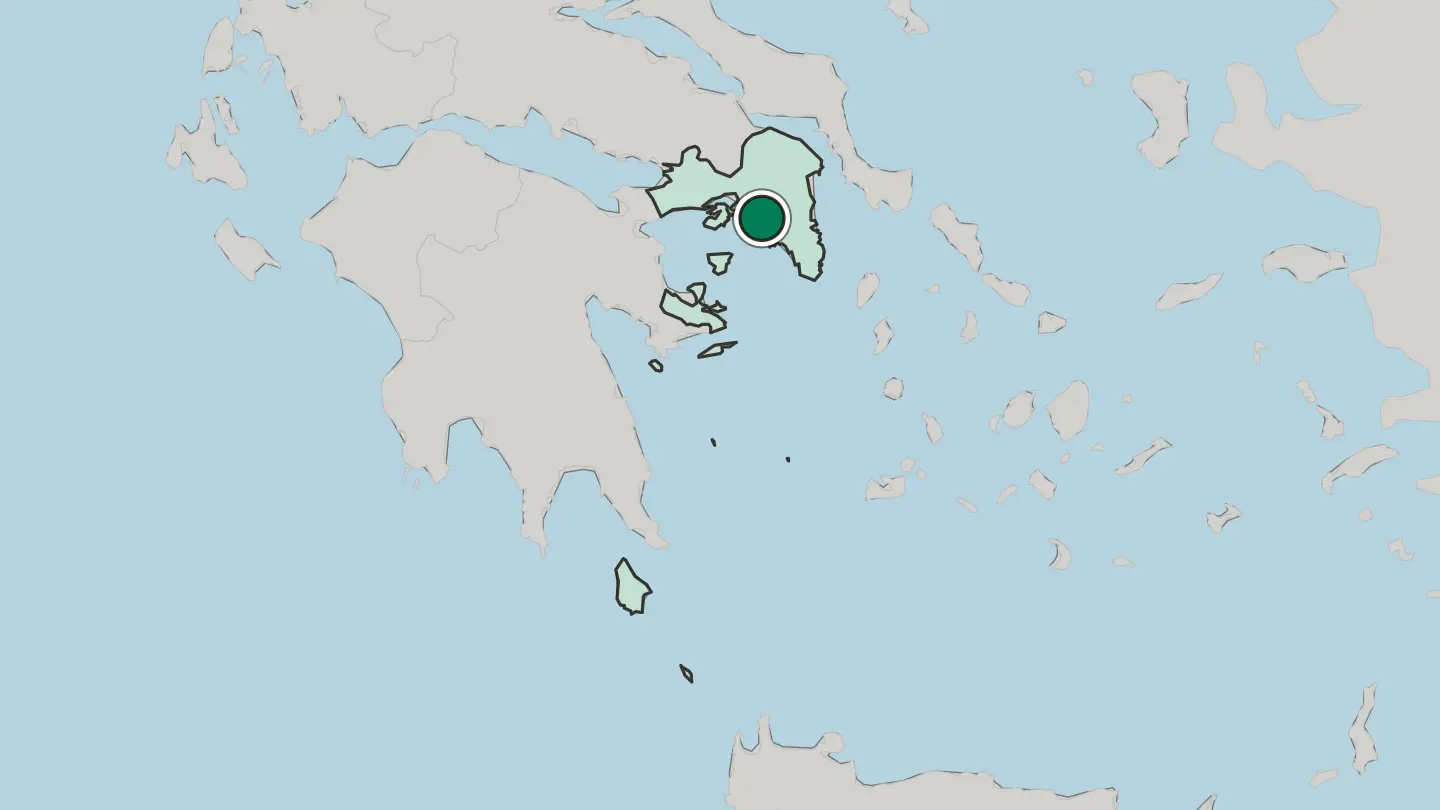
 Greece
Zográfos
Zográfos is a university suburb of Athens in Attica, spread between the built centre and the lower slopes of Mount Hymettus.Where to stay →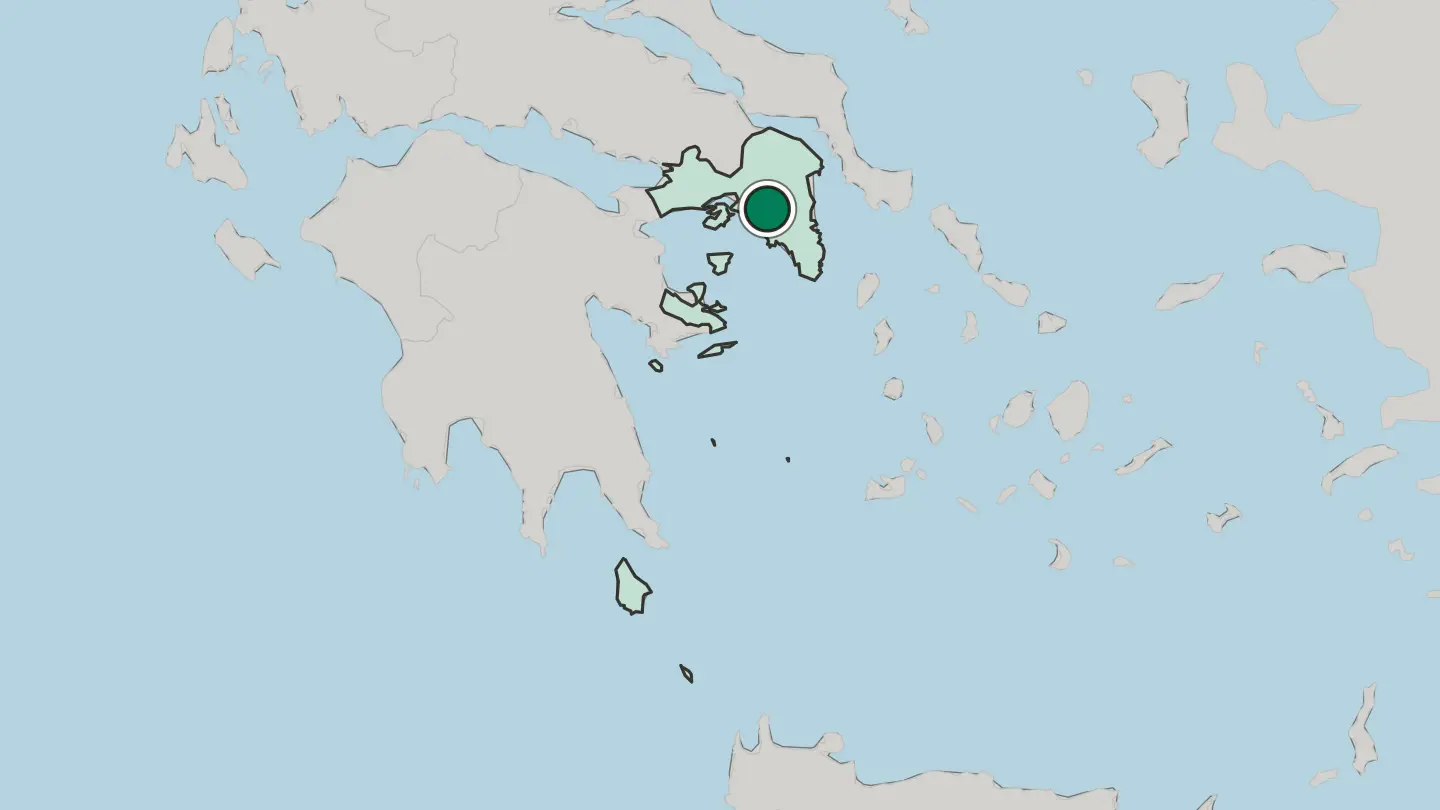
 Greece
Palaió Fáliro
Palaió Fáliro is a coastal municipality on the Saronic Gulf, in the southern part of the Athens agglomeration.Where to stay →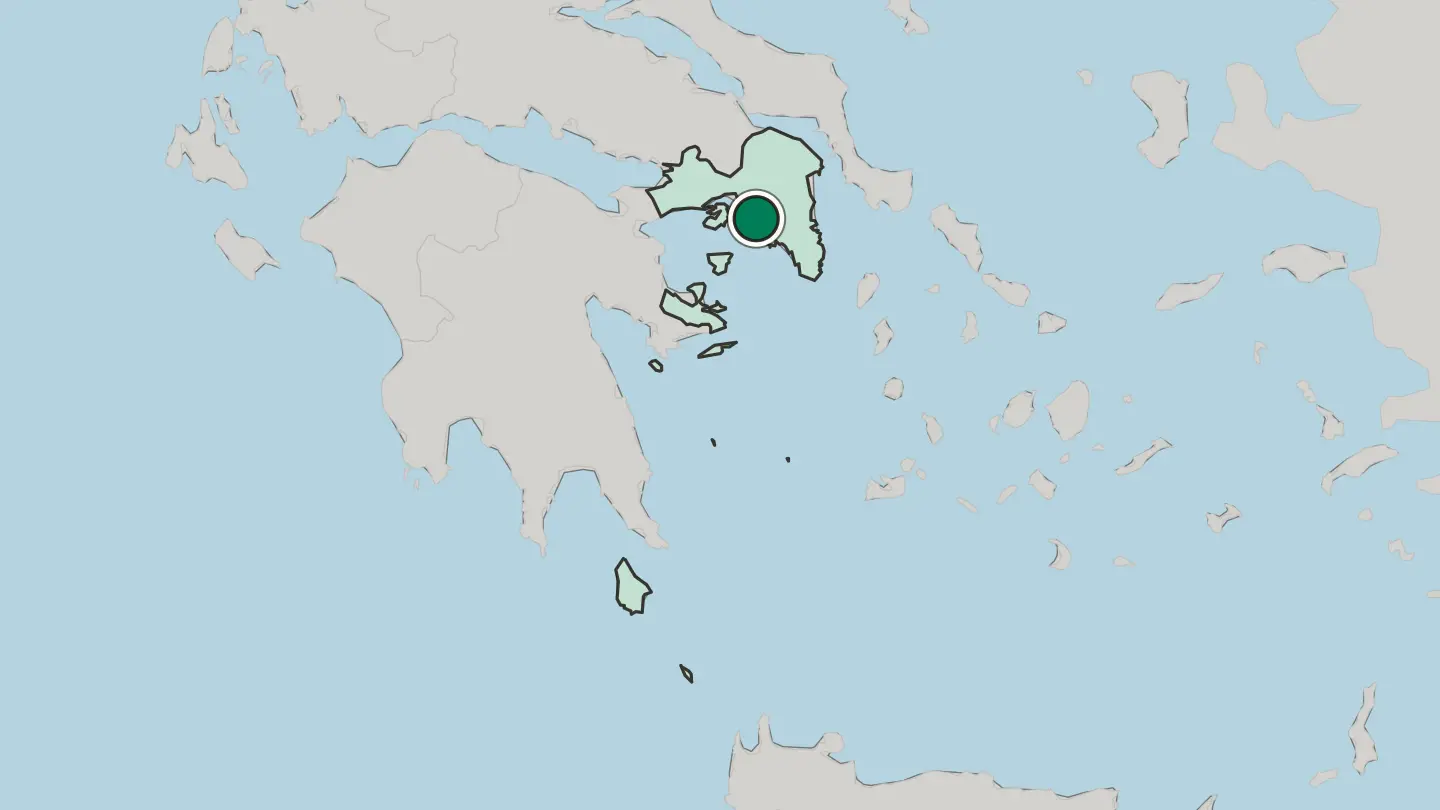
Hotel links are affiliate links: booking through them may earn us a commission, at no extra cost to you. It never affects how places are ranked. How this works
About Attica
What is Attica known for?
Attica is known above all as the region around Athens, the capital of Greece. It was the territory of Athens in the age of the ancient city-states, and the whole Athens metropolitan area still fills this peninsula reaching into the Aegean Sea. Few places in Greece carry a longer past than Attica.
The mines of Laurion made the region an important mining district, down on the southern tip of the peninsula. Athens ties it all together.
Where is Attica?
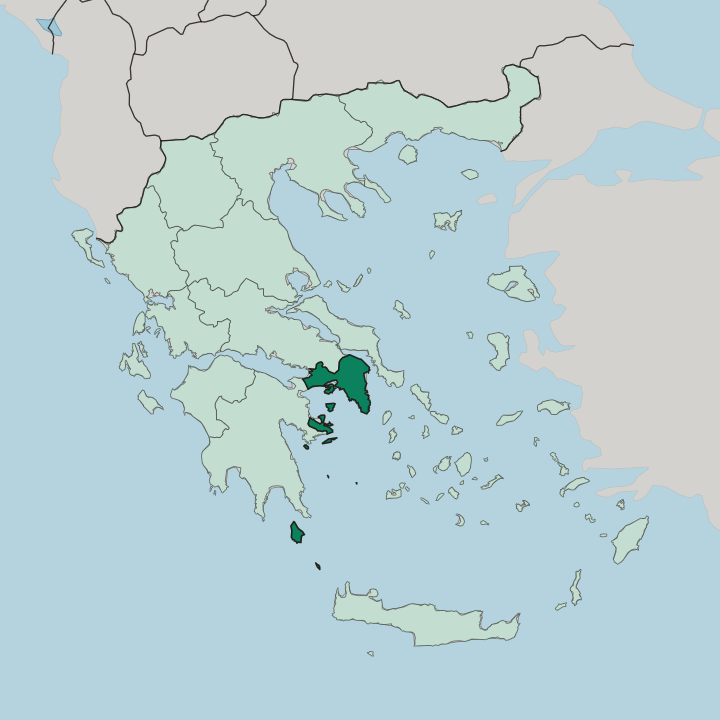
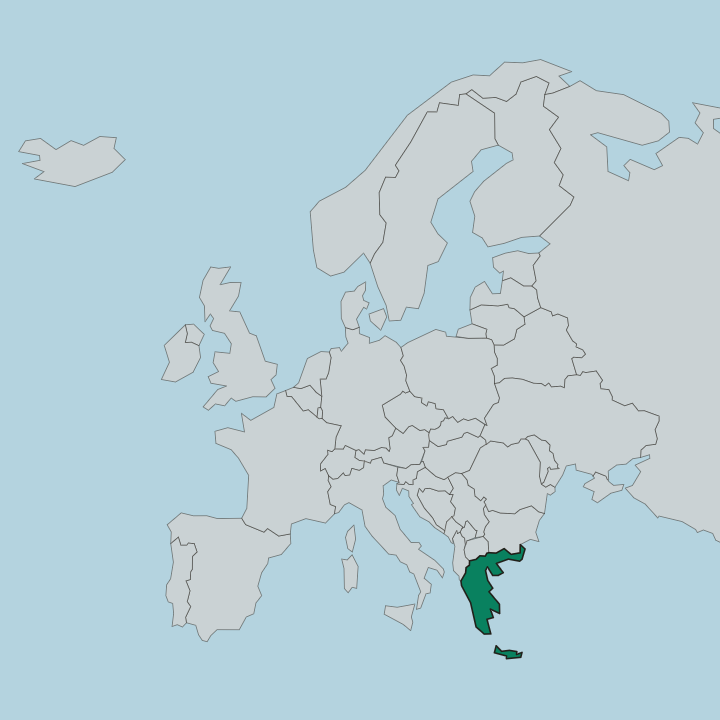
Attica forms a peninsula projecting into the Aegean Sea, one of the regions of Greece. Land borders close it off on two sides, with Boeotia to the north and Megaris to the west. The rest is all Aegean coast.
The Aegean Sea has shaped the region since ancient times. At the southern tip sits Lavrio, where the ancient mines of Laurion cut into the ground. The peninsula narrows toward the water there.
Its outline, a broad peninsula tapering to the south, is unmistakable on the map. The whole Athens metropolitan area fills the peninsula. The city of Athens sits at its core, ringed by the suburban cities and towns that make up the rest of the region.
Beyond them, the open coast runs down toward the sea on almost every side. Roads and rail fan out from the city of Athens across the peninsula. The sea is always close by.
Attica is compact, a single peninsula holding a capital city, its suburbs and a long stretch of coast. Boeotia and Megaris close the land side, and the Attic Peninsula sets its whole shape.
What is Attica like?
In the age of ancient city-states, the whole peninsula was the territory of Athens, and that inheritance still shapes the culture of the region on the Aegean Sea. The past is close at hand. The name Attica reaches back into Ancient Greece itself.
Ancient sites and modern streets share the same ground across the Attic Peninsula. Greek is the everyday language, spoken from central Athens to the smallest coastal town. Life in Attica is the life of a capital region.
The city of Athens gives it museums, markets and a pace unmatched elsewhere in Greece, while the coast along the Aegean Sea pulls people out to the water in summer. The sea is part of everyday life. Old mining towns like Lavrio add another layer, their history tied to the ancient mines of Laurion.
Suburban towns and coastal resorts each keep a character of their own. Food, faith and festival follow the wider Greek pattern, shared across the peninsula. In the end, it all centres on Athens.
What is the history of Attica?
Attica has been the land of Athens since the days of Ancient Greece. In the age of the city-states, the whole peninsula formed the territory of Athens, and the ancient mines of Laurion worked the southern tip of the peninsula. The name is ancient.
The modern region of Attica was drawn up in 1987, gathering the Athens metropolitan area into one administrative unit. Old and new sit close together on the Attic Peninsula.
What is the climate of Attica?
Attica has a dry Mediterranean climate on the Aegean Sea. Summers around Athens run long, hot and dry, while winters stay mild along the coast, with most of the year's rain falling in the cooler months. The sea softens it.
Breezes off the Aegean Sea take the edge off the summer heat across the peninsula. Snow is rare down on the coast.
How do you get to Attica?
Attica is reached through Athens, the arrival point for most visitors to the region. Flights land near Athens, and roads and rail run in from Boeotia to the north and Megaris to the west, tying the peninsula to the rest of Greece. The sea offers another way in.
Ferries call at Lavrio on the southern tip, linking Attica to the islands of the Aegean Sea. From Athens, the rest of the region is close.
More regions in Greece
Updated October 2026