
Israel
Jerusalem, Israel — Towns & Travel Guide
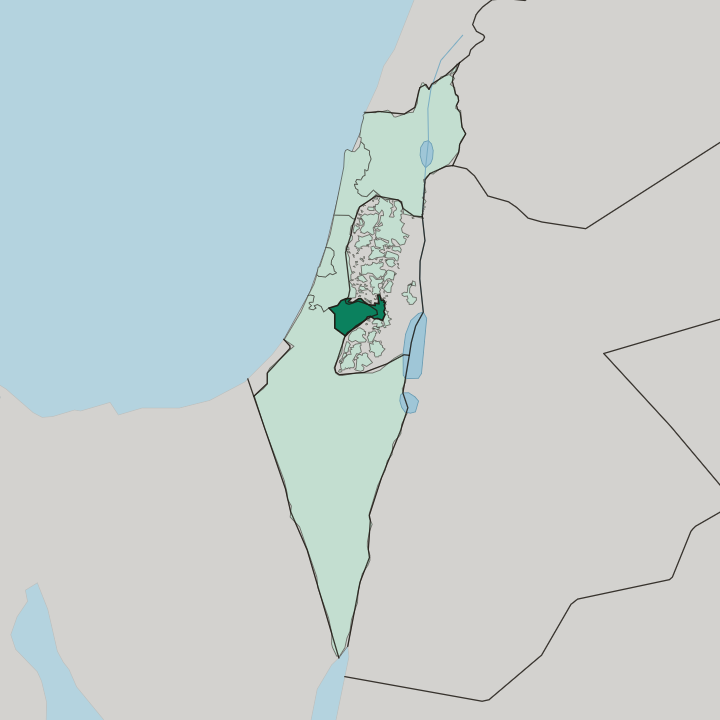
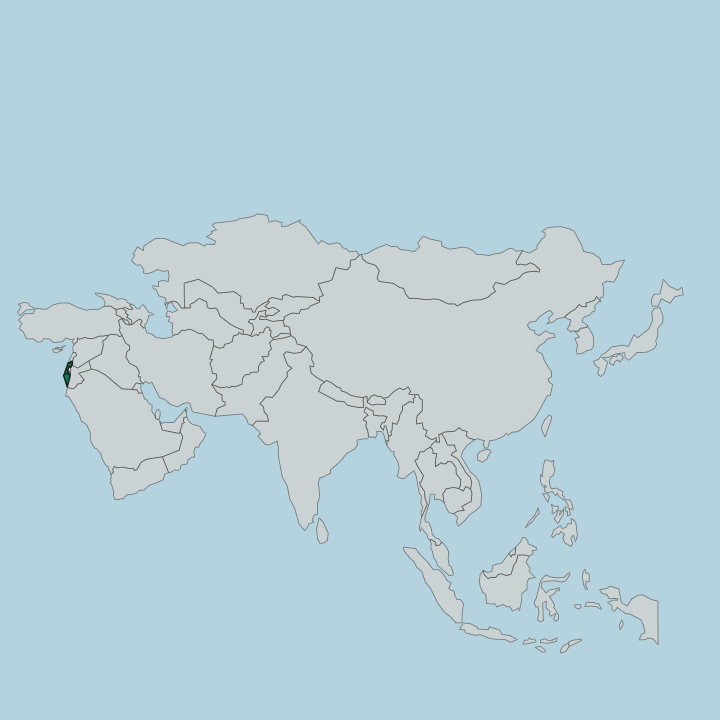
Jerusalem is the district around one of the world's oldest cities, set on a plateau in the Judaean Mountains between the Mediterranean and the Dead Sea.
Hotel links are affiliate links: booking through them may earn us a commission, at no extra cost to you. It never affects how places are ranked. How this works


Towns & cities in Jerusalem
Pick a town or city — each links to where to stay.
 Israel
Jerusalem
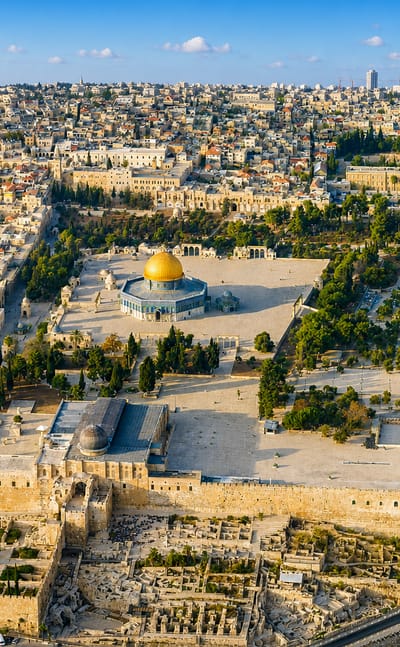
Limestone walls ring the heart of Jerusalem, an ancient city in the Judaean Mountains, holy to Judaism, Christianity and Islam.Where to stay →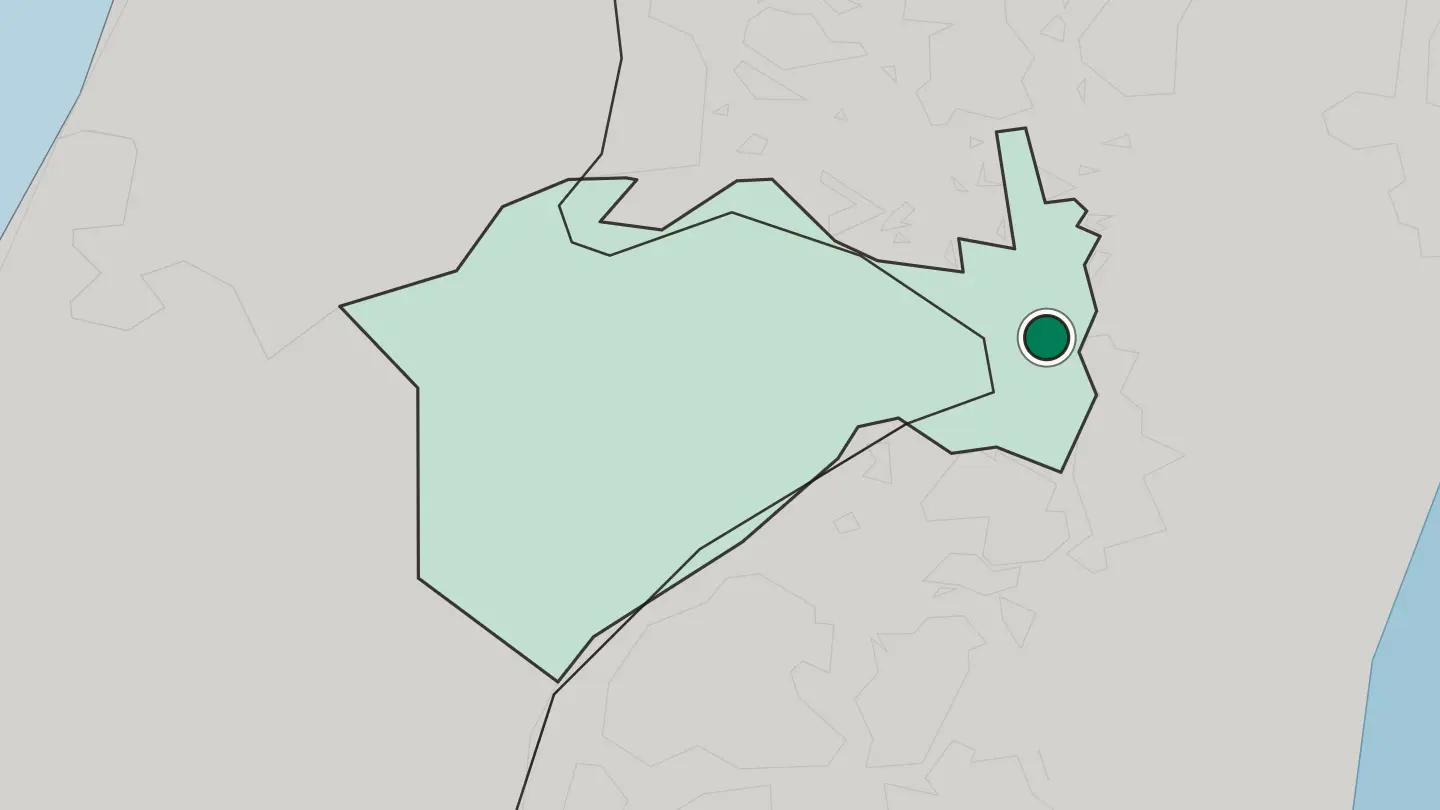
 Israel
Bet Shemesh
Bet Shemesh is a city in the Shfela, west of Jerusalem, where Avshalom Cave and the ruins of Zorah sit within Israel's Jerusalem District.Where to stay →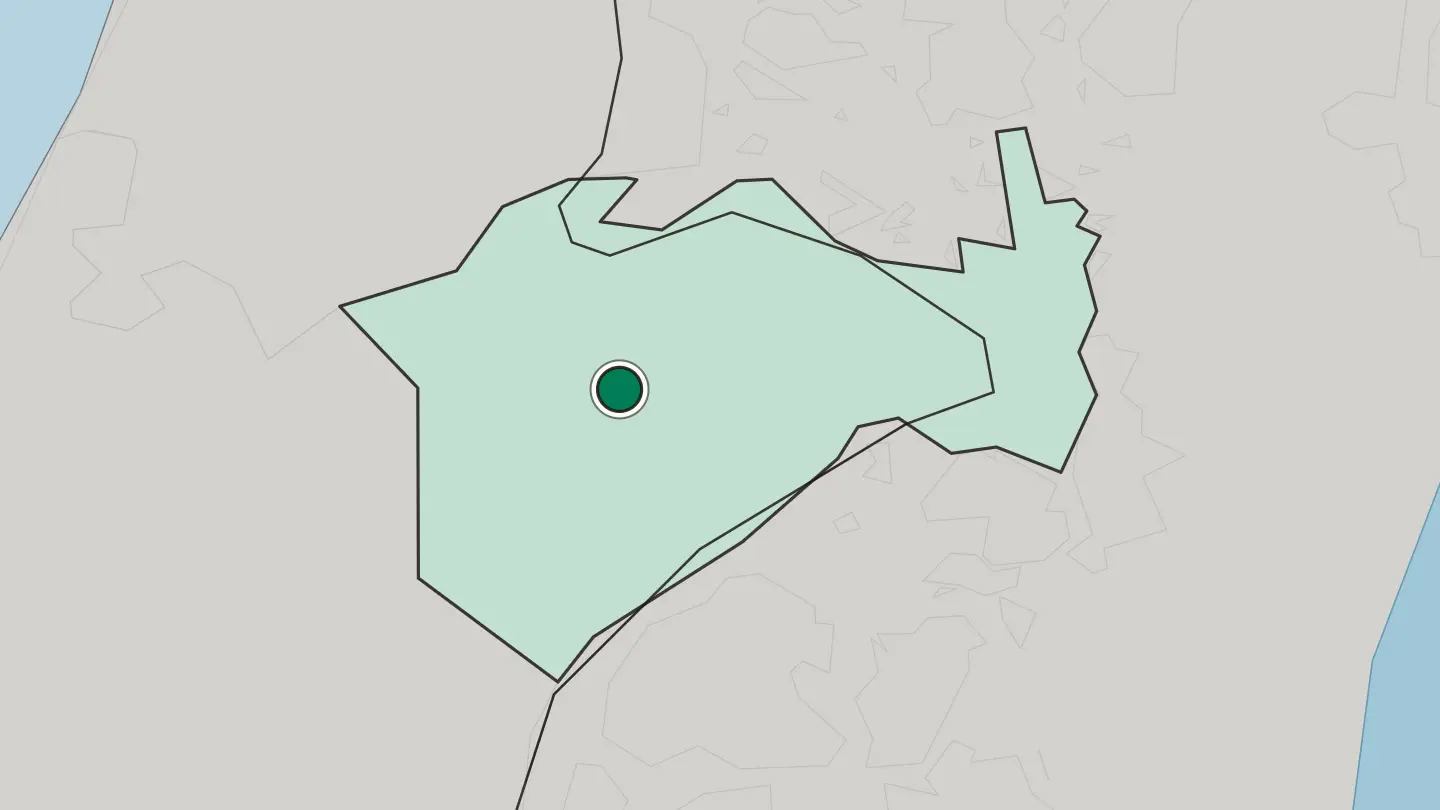
 Israel
Modiin Ilit
Modiin Ilit is a Haredi Jewish-Israeli settlement organized as a city council in the West Bank, midway between Jerusalem and Tel Aviv.Where to stay →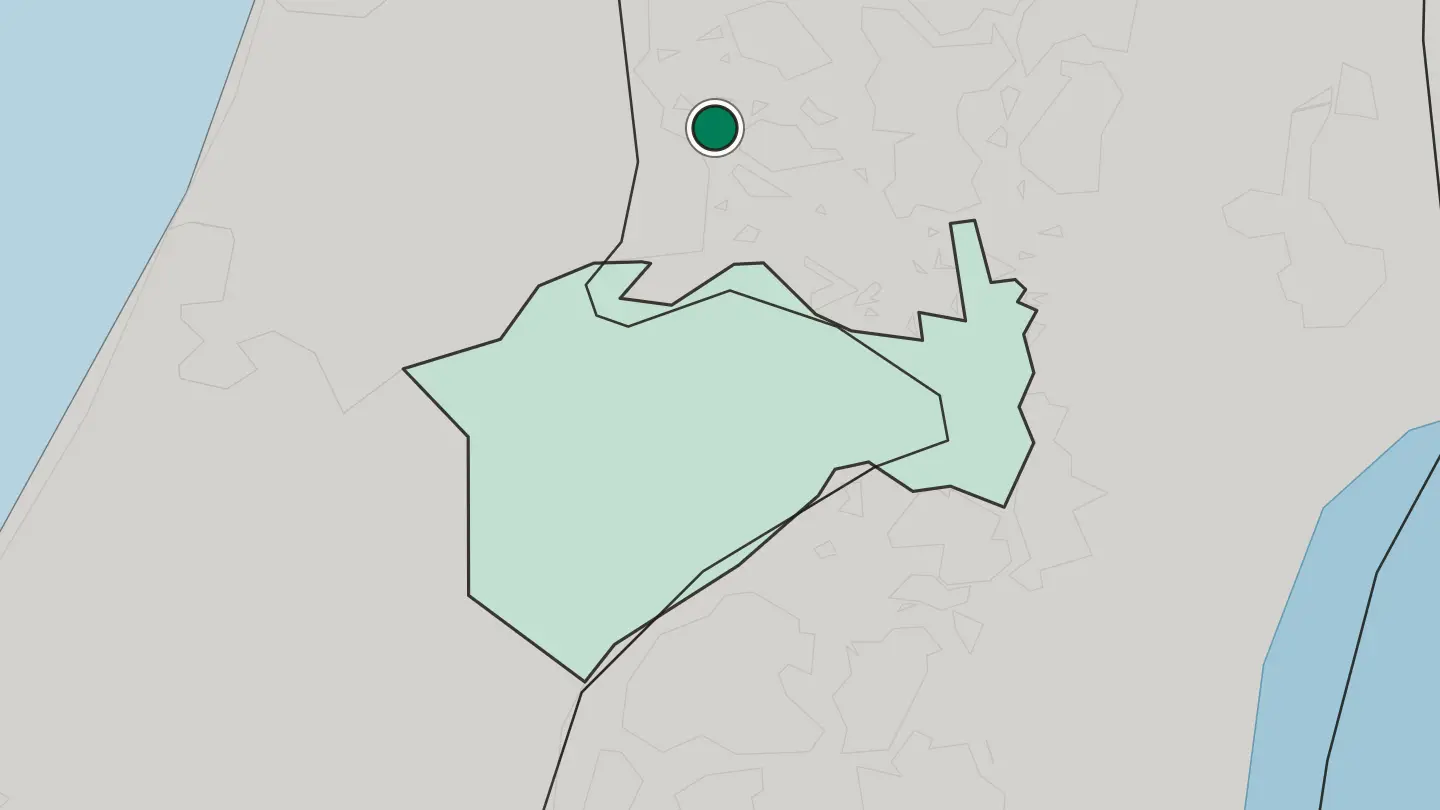
Hotel links are affiliate links: booking through them may earn us a commission, at no extra cost to you. It never affects how places are ranked. How this works
About Jerusalem
What is Jerusalem known for?
Jerusalem is known above all as a holy city, one of the oldest cities in the world and sacred to three religions. Faith defines it. The city holds sites central to Judaism, Christianity, and Islam, the three Abrahamic religions, and pilgrims and travellers come to it from across the world.
Its setting is old and dramatic, high on a plateau in the Judaean Mountains between the Mediterranean and the Dead Sea. Few places carry so much meaning in so small a space.
Where is Jerusalem?
Jerusalem sits high on a plateau in the Judaean Mountains, in the Southern Levant. The ground rises to reach it. The city stands on the crest of the hill country, well above the coastal plain and far above the deep valley to its east.
Two seas frame the wider setting. To the west lies the Mediterranean, and to the east the land falls away toward the Dead Sea, the lowest point on the surface of the Earth, so the district drops sharply from mountain height to the deepest of rifts. It is a watershed as much as a city.
Rain and road both divide here, west toward the Mediterranean and east toward the desert and the Dead Sea. The district is small and hilly. It covers a compact stretch of the Judaean Mountains around the city, ground broken into ridges and valleys rather than open plain.
Stone is everywhere in it. Built from and set into the pale rock of the hills, Jerusalem belongs to its plateau, a high place between the sea on one side and the great rift on the other.
What is Jerusalem like?
Jerusalem is, above all, a city of faith. Three religions meet here. Judaism, Christianity, and Islam all hold Jerusalem sacred, and their holy places stand close together within the old city, sometimes within sight of one another.
Pilgrims give the streets their rhythm. Worshippers and travellers arrive from around the world, and the calendar of holy days for each faith shapes the crowds and the quiet in turn. The city is old beyond easy reckoning.
One of the oldest cities in the world, it wears its long past in stone, layer on layer of building on the same plateau in the Judaean Mountains. More than one people calls it home. Its character is shared and contested at once, claimed and cherished by different communities who live along the same lanes.
Faith, memory, and daily life run together here. A market, a shrine, and a house of prayer can sit within a few steps, the sacred and the ordinary side by side. High between the Mediterranean and the Dead Sea, Jerusalem holds more meaning per stone than almost anywhere on Earth.
What is the history of Jerusalem?
Jerusalem is one of the oldest cities in the world, its story stretching back thousands of years in the Southern Levant. Empires and faiths have layered it. Over the centuries the city became holy to Judaism, Christianity, and Islam in turn, and each left its mark on the same hilltop.
Its modern status is disputed. Both Israel and Palestine claim Jerusalem as their capital; Israel keeps its main governmental institutions in the city, while Palestine sees it as its future seat, and neither claim is widely recognised internationally. The Jerusalem District itself dates from 1953.
What is the climate of Jerusalem?
Jerusalem has a Mediterranean climate, with hot, dry summers and cool, wet winters. Height changes the feel of it. High on its plateau in the Judaean Mountains, the city runs cooler than the coast and the desert below, and cold snaps can even bring a rare fall of snow.
Rain keeps to the winter months. The dry season is long, and the land turns brown until the rains return from the direction of the Mediterranean.
How do you get to Jerusalem?
Jerusalem lies inland, so most travellers reach it by road climbing up from the coast into the Judaean Mountains. The route climbs. From the Mediterranean plain the way rises steadily onto the plateau, gaining height all the way to the city.
As one of the best-known destinations in Israel, the city is tied in by frequent buses and roads reaching up from the larger centres on the coast. The Dead Sea and the desert lie a short drive down the far side.
Common questions
What is the best area to stay in Jerusalem?
Jerusalem, the old centre: pilgrims and the holy sites. The Judaean Mountains around the city: quieter hill stays near the city.
Good for
More regions in Israel
Updated September 2026