Israel
Tel Aviv District, Israel — Towns & Travel Guide
Tel Aviv District is the smallest and most crowded of Israel's six districts, a strip of Mediterranean coast built around Tel Aviv-Yafo.
Hotel links are affiliate links: booking through them may earn us a commission, at no extra cost to you. It never affects how places are ranked. How this works


Towns & cities in Tel Aviv District
Pick a town or city — each links to where to stay.
 Israel
Tel Aviv
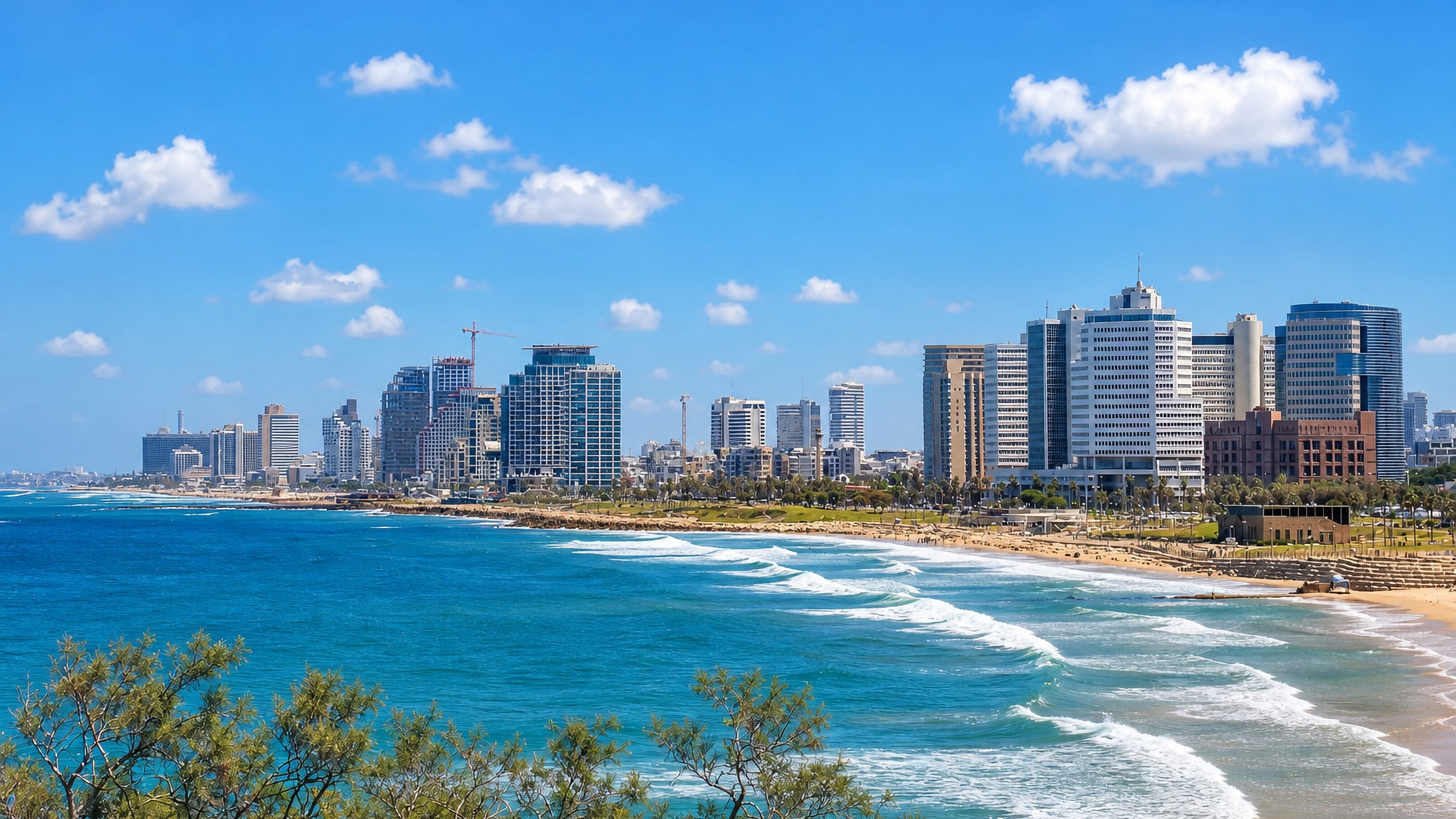
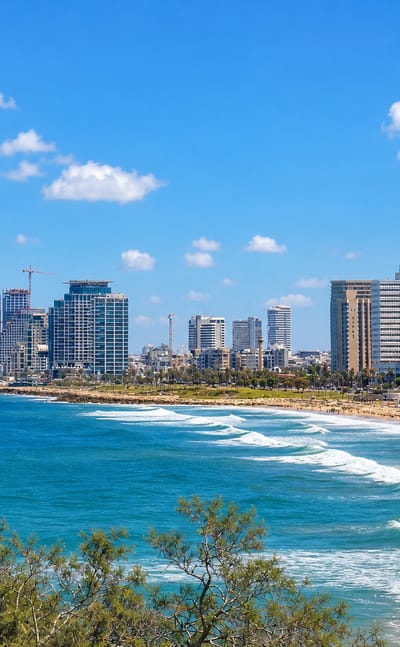
White Bauhaus facades line the Mediterranean shore at Tel Aviv, a coastal city in the Gush Dan area of Israel, founded in 1909 beside ancient Jaffa.Where to stay →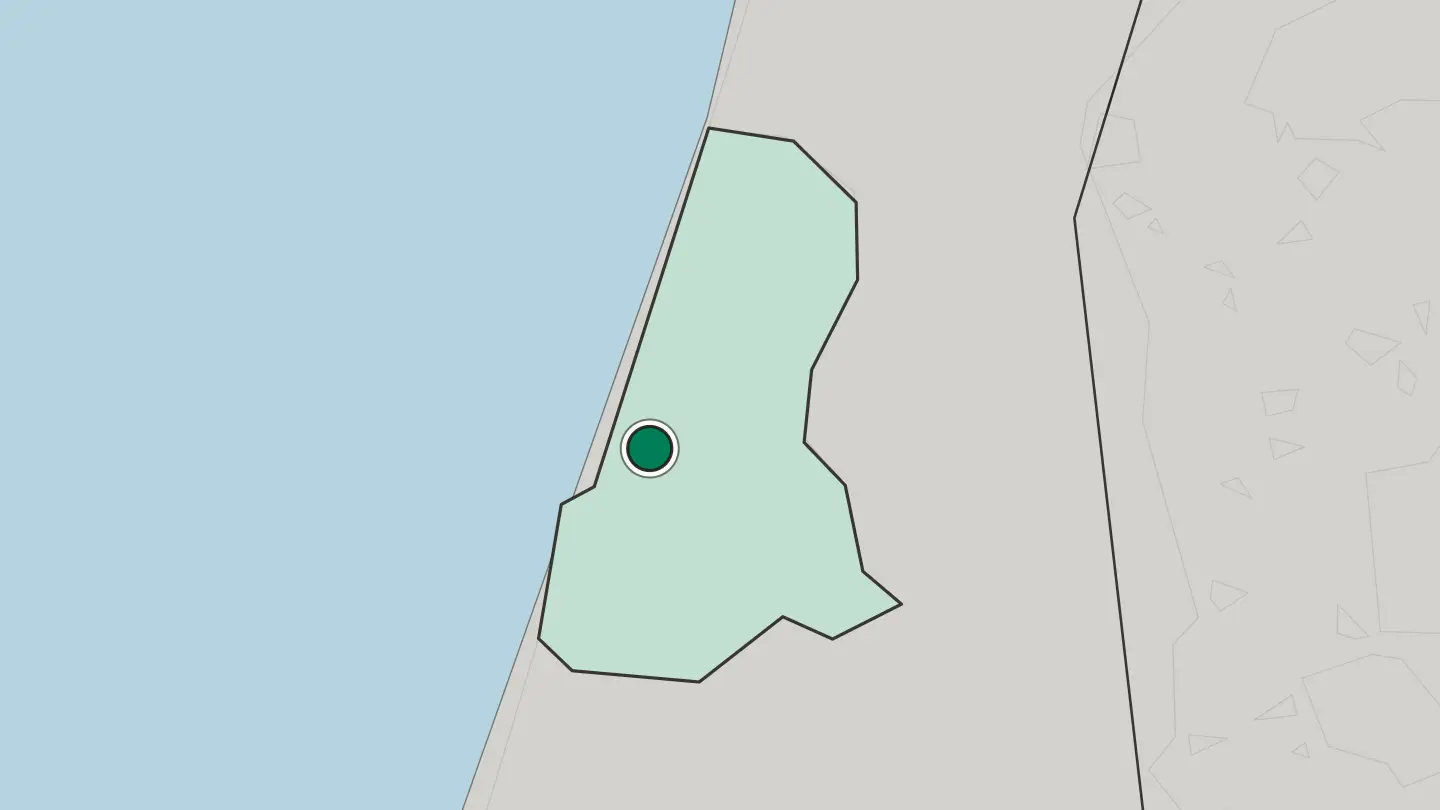
 Israel
Bnei Brak
Bnei Brak is a Haredi city of the Tel Aviv District, just east of Tel Aviv on the coastal plain, wedged between Ramat Gan and Petah Tikva.Where to stay →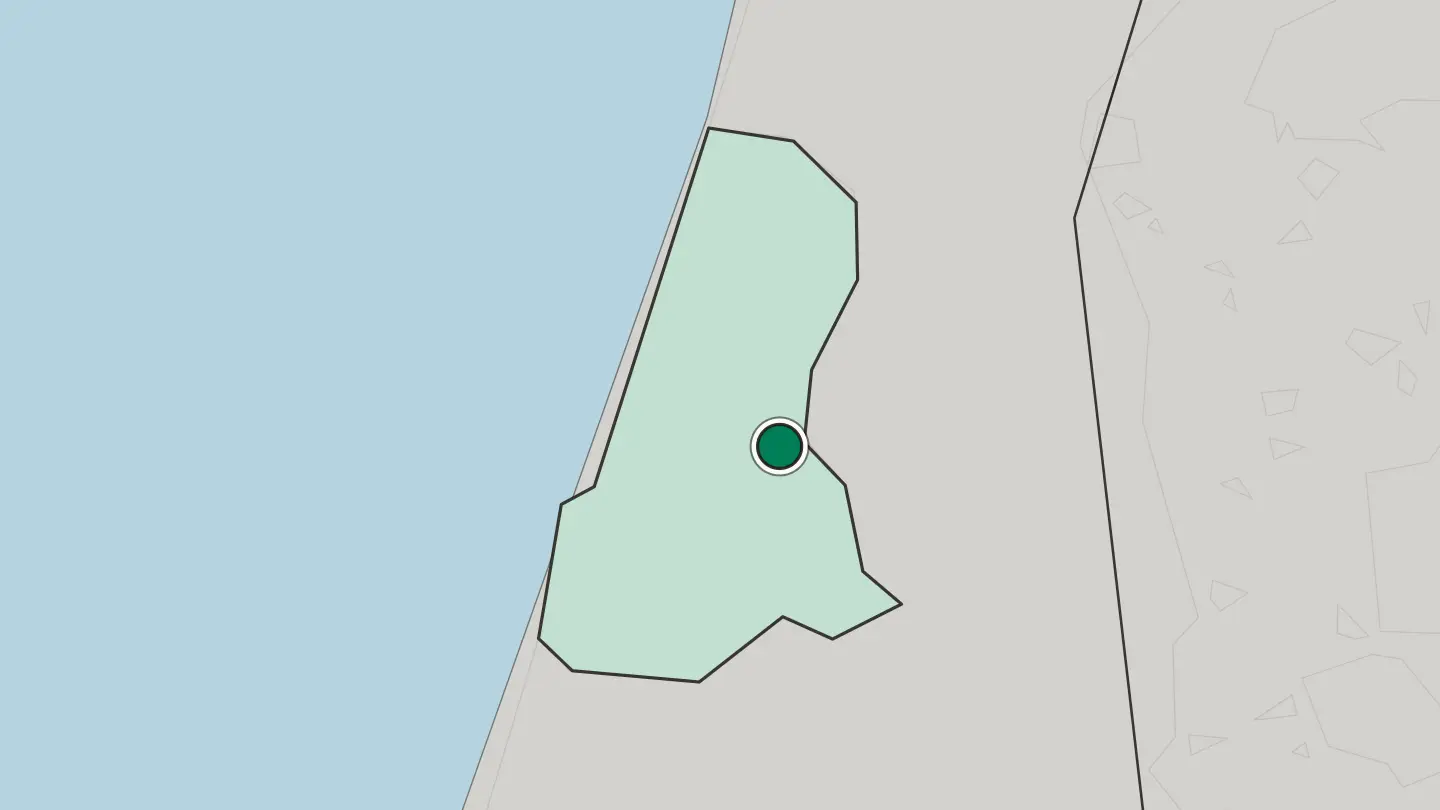
 Israel
H̱olon
H̱olon lies just south of Tel Aviv within Gush Dan, founded in 1940 and holding the Design Museum Holon and Israel's second-largest industrial zone.Where to stay →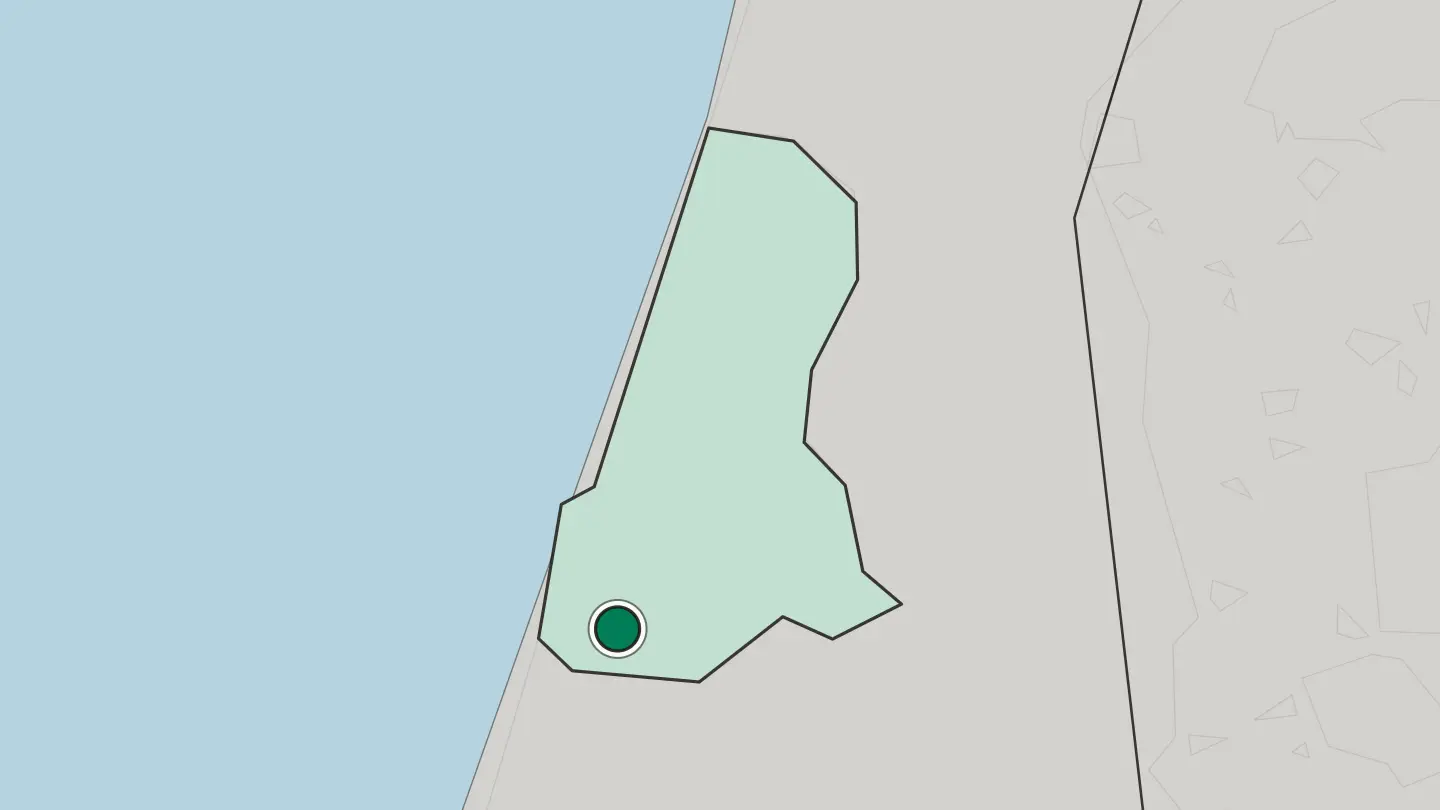 Israel
Ramat Gan
Ramat Gan stands immediately east of Tel Aviv, founded in 1921 and known for its Diamond Exchange District and the Ramat Gan Safari.Where to stay →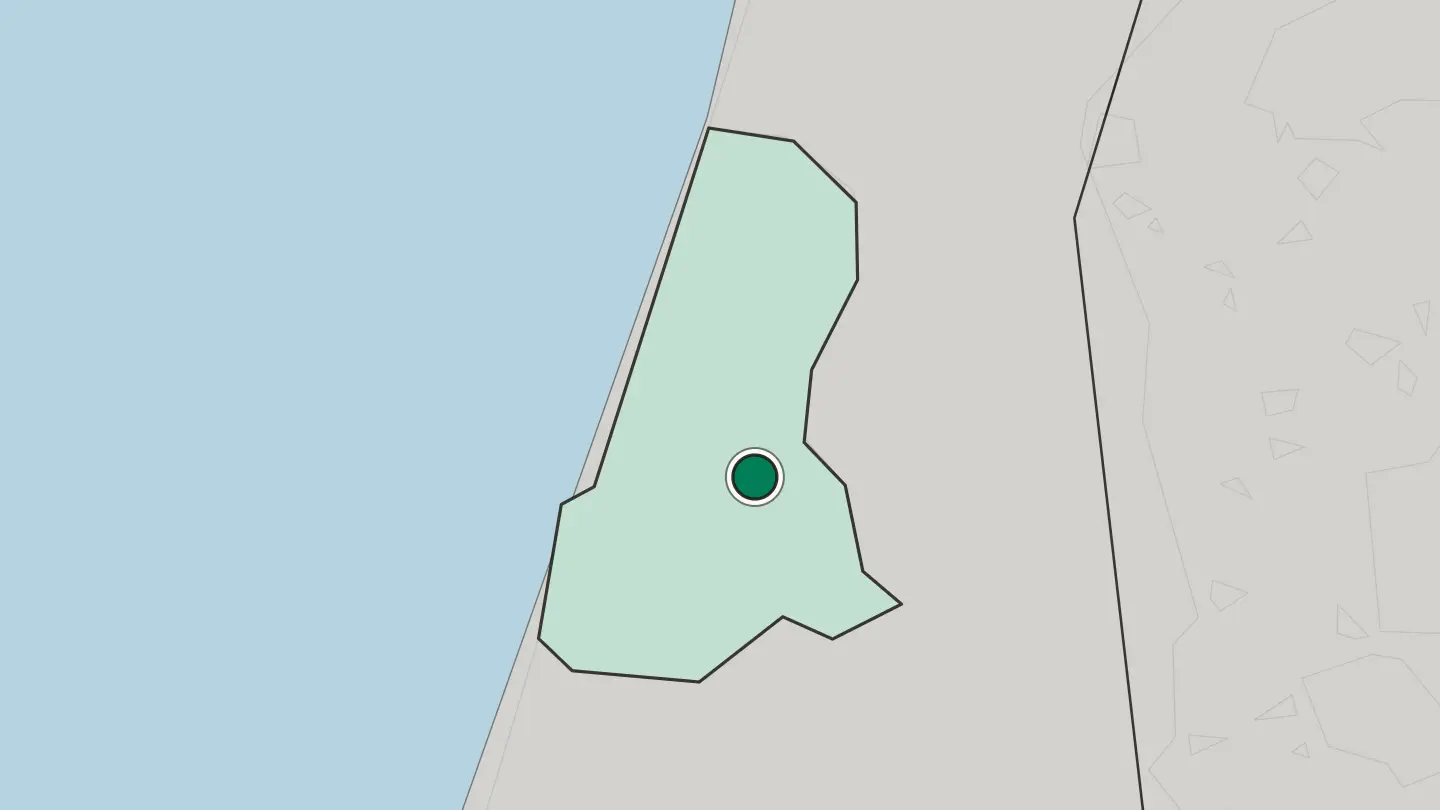
 Israel
Bat Yam
Bat Yam is a coastal city of the Tel Aviv District, just south of Tel Aviv on the Central Coastal Plain and part of Gush Dan.Where to stay →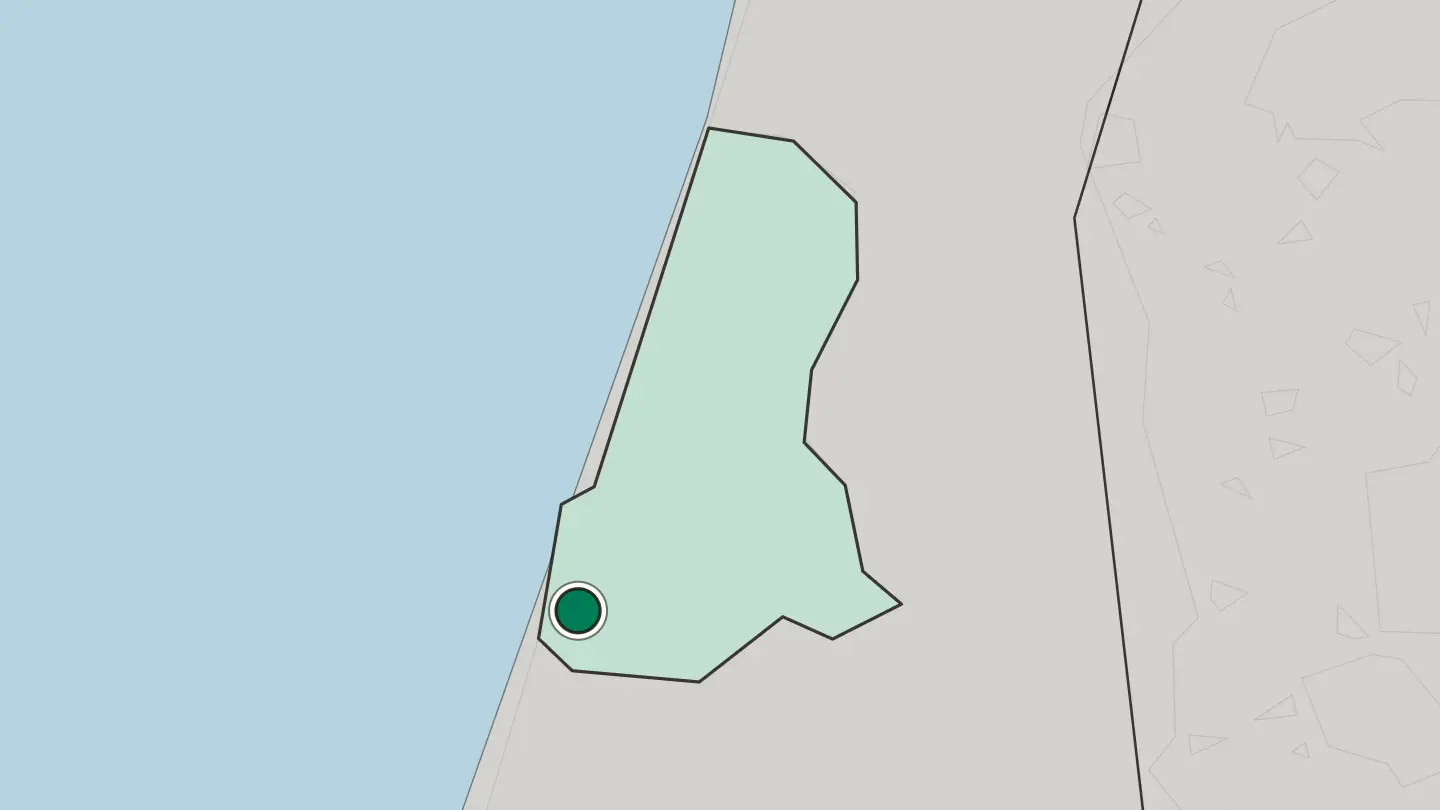
 Israel
Herzliya
Herzliya sits on the Mediterranean coast just north of Tel Aviv, a city founded in 1924 and known for its startup and entrepreneurial culture.Where to stay →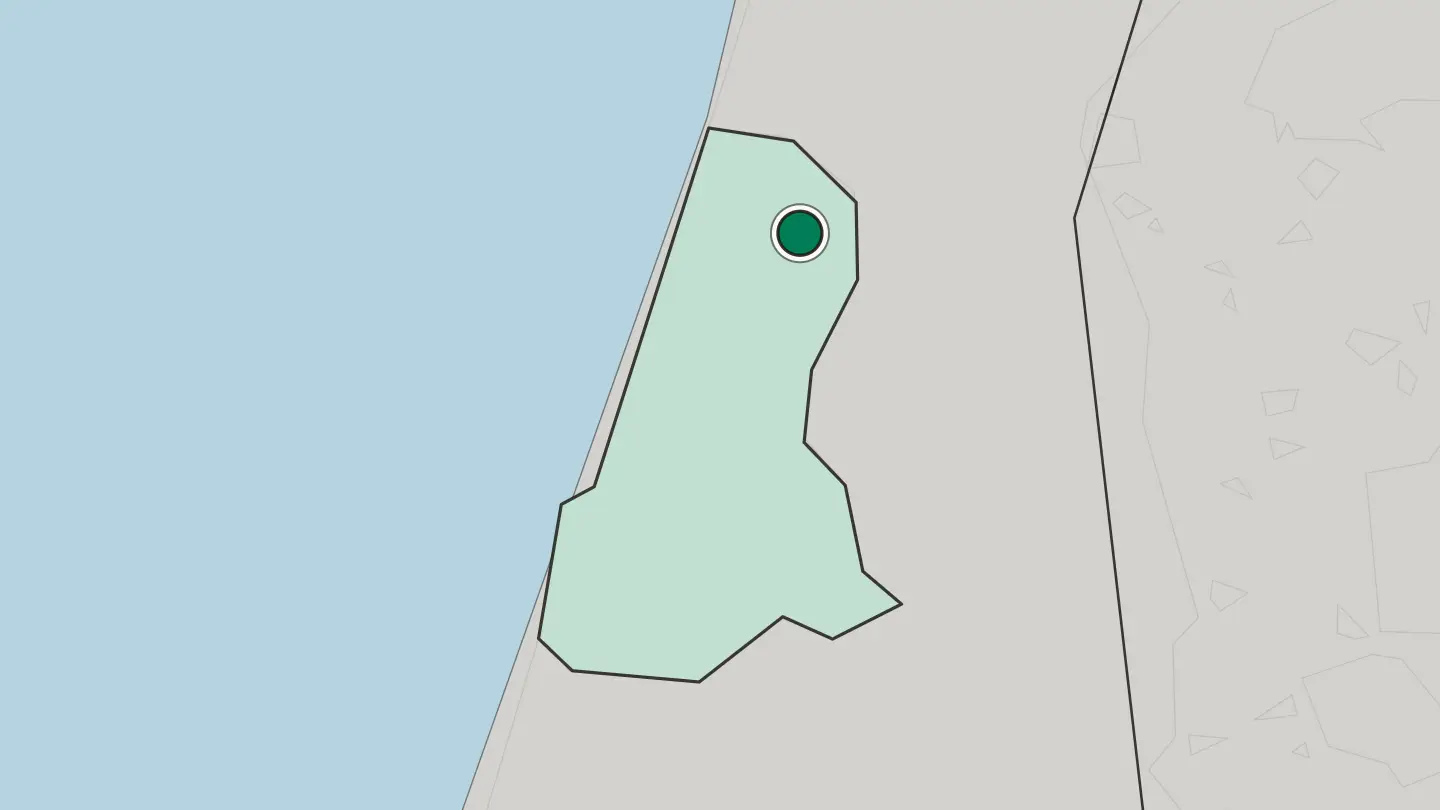
 Israel
Givatayim
Givatayim is a compact city east of Tel Aviv within Gush Dan, established in 1922 by pioneers of the Second Aliyah.Where to stay →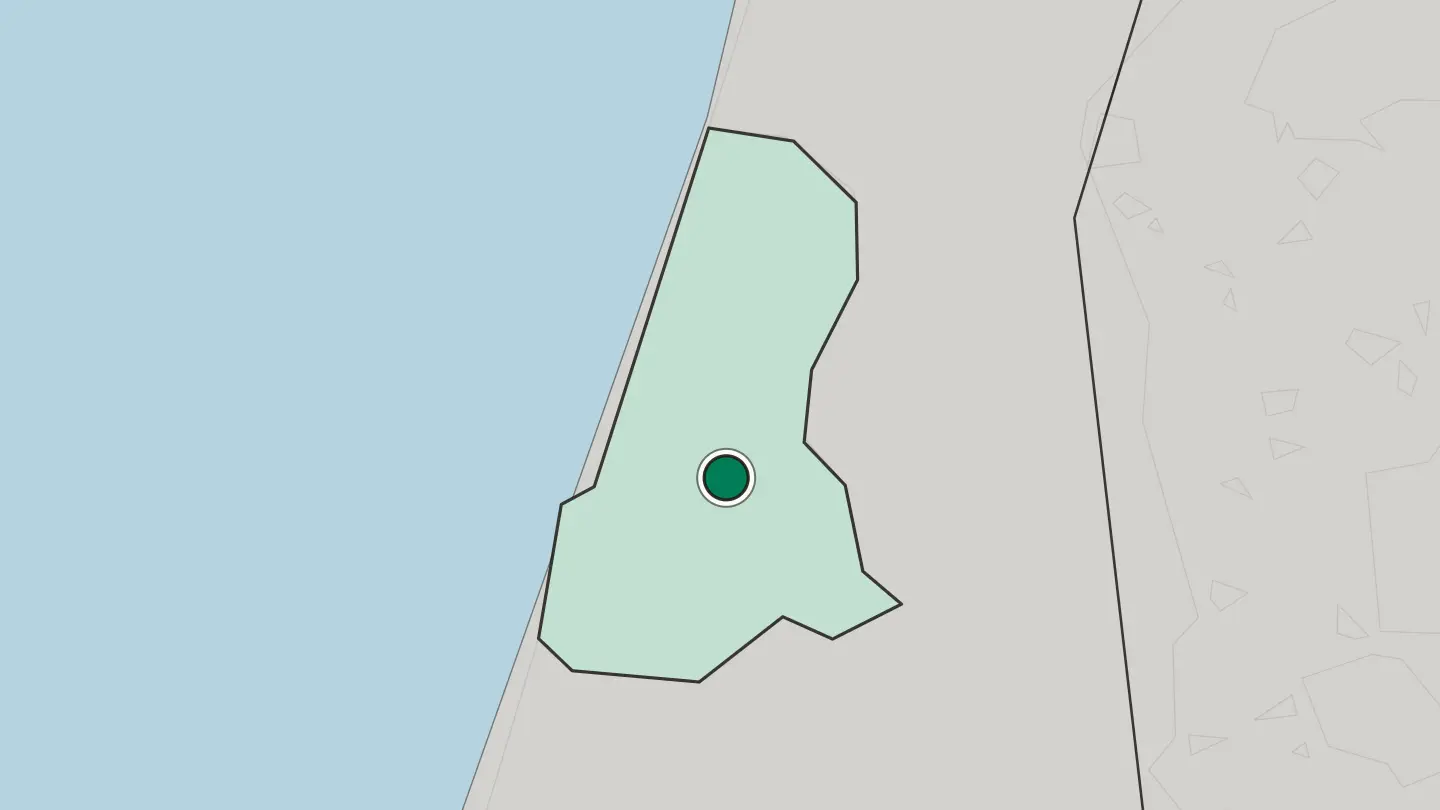
Hotel links are affiliate links: booking through them may earn us a commission, at no extra cost to you. It never affects how places are ranked. How this works
About Tel Aviv District
What is Tel Aviv District known for?
This is Israel's beach-and-business heartland. Tel Aviv-Yafo anchors it, the country's financial and tech centre and the place most trips start. The White City draws people who come for its Bauhaus architecture, a UNESCO-listed cluster of buildings that the German-Jewish architects of the 1930s left behind.
Old Jaffa sits at the southern end, an ancient port that predates the modern city by thousands of years. Beaches run the length of the shore, and the nightlife rarely stops.
Where is Tel Aviv District?
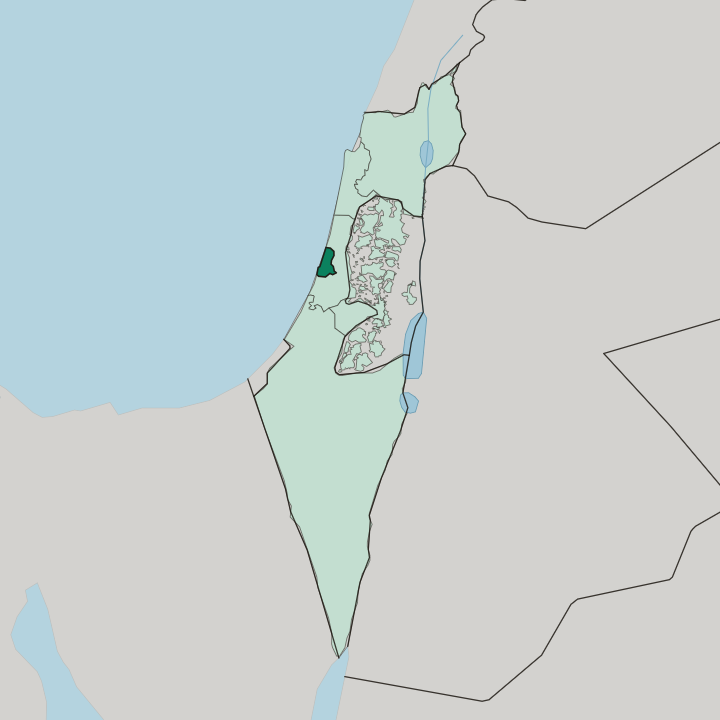
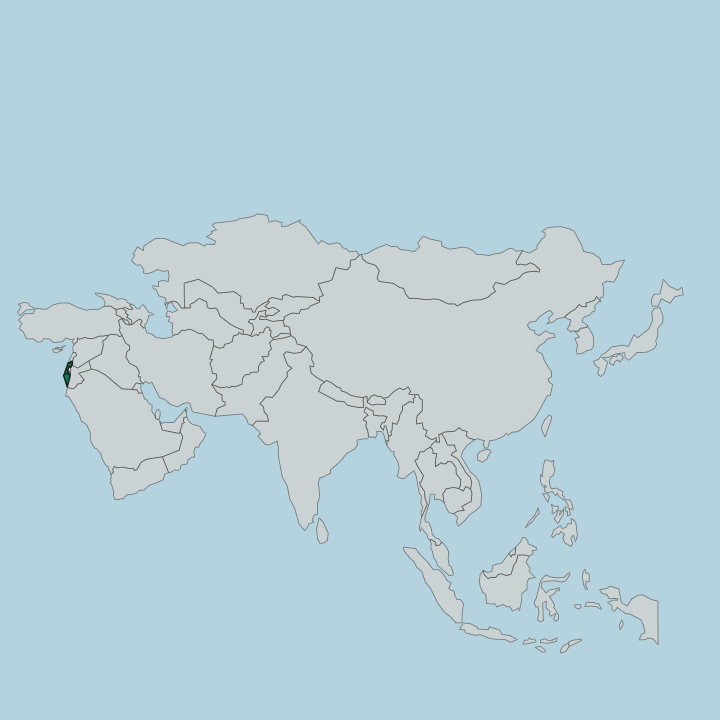
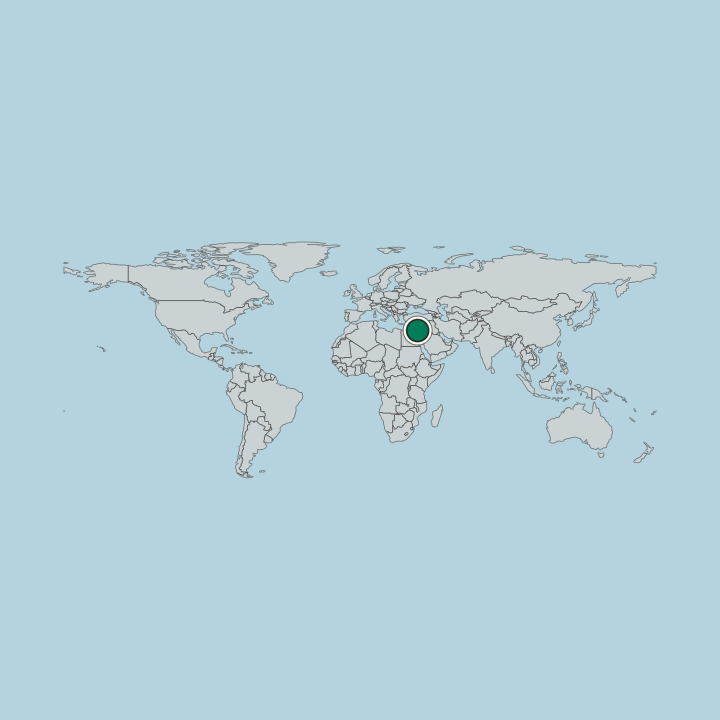
Tel Aviv District covers a small square of the central coast of Israel, on the eastern shore of the Mediterranean Sea and roughly an hour's drive from Jerusalem inland. It is the smallest of the country's six districts by land. The Mediterranean forms its whole western edge, a run of sand beaches from Bat Yam in the south up to Herzliya in the north.
The Yarkon River comes in from the east and cuts the district in two before it empties into the sea, splitting central Tel Aviv-Yafo from the northern neighbourhoods. Water shapes the place. The land here is flat coastal plain, the southern end of the Sharon plain and part of the wider Israeli coastal plain, with no hills to speak of.
That flatness let the cities spread and merge. Tel Aviv-Yafo is only one of ten cities packed into the district. Ramat Gan, Bnei Brak, Givatayim, Holon and Bat Yam press up against it to the east and south, and Herzliya and Ramat HaSharon extend it north.
Together they blur into a single continuous built-up area with no green gap between them. Locals call the metropolitan sprawl Gush Dan, and the district sits at its dense core. Nowhere in the country holds more people in less space.
What is Tel Aviv District like?
Tel Aviv-Yafo carries a reputation as the city that never sleeps, and the district takes its whole character from that. Cafés spill onto the pavements, bars stay open until the light comes up, and the beach doubles as a living room for the whole coast. The Pride Parade fills the streets each summer.
Culture here leans secular and outward-facing. Hebrew is the common language, and the district holds much of the country's theatre, music and design, from the Habima Theatre to the Israel Philharmonic Orchestra founded in the city in 1936. Around that modern core the older layers still show.
Old Jaffa's stone alleys and flea market keep an Arab and Levantine texture that the newer grid never had, and Jaffa remains one of Israel's mixed cities. The Bauhaus streets of the White City give central Tel Aviv-Yafo its pale, low-rise look, four thousand buildings raised by architects who fled Europe in the 1930s. Not every city in the district shares the beach-town mood.
Bnei Brak, hard against Tel Aviv-Yafo's eastern edge, is a heavily religious city, a reminder that the district holds sharp contrasts inside its small frame.
What is the history of Tel Aviv District?
History here starts at the water. Jaffa is an ancient port on the Mediterranean, worked for thousands of years and named in ancient Egyptian and biblical texts long before Israel existed. Tel Aviv came much later.
In 1909 a few dozen Jewish families laid out plots on the sand dunes north of Jaffa and called the new neighbourhood Ahuzat Bayit, the seed that grew into Tel Aviv. The two were joined into a single municipality, Tel Aviv-Yafo, in 1950. From that pairing of an ancient port and a planned modern town the whole coastal district spread out.
What is the climate of Tel Aviv District?
The district has a Mediterranean climate, hot and humid in summer and mild and wet in winter. Rain falls almost entirely between October and April, and the summer months from June to September stay bone-dry. August is the hottest stretch.
The sea keeps the coast humid through the warm season, and January is the coolest month without ever turning truly cold. Beach weather runs long here, which is much of why people come.
How do you get to Tel Aviv District?
Almost everyone arrives by air. Ben Gurion Airport, Israel's main international gateway, sits just east of the district near the edge of Gush Dan and puts central Tel Aviv-Yafo within a short train or taxi ride. Trains and the Ayalon Highway thread through the metropolitan area and link the coastal cities to Jerusalem inland and Haifa up the coast.
Inside the district itself the ten cities run together, so getting between them is a matter of a bus, a bike or a short drive rather than any real journey.
Good for
More regions in Israel
Updated October 2026