Israel · Tel Aviv District
Where to Stay in Bnei Brak, Tel Aviv District
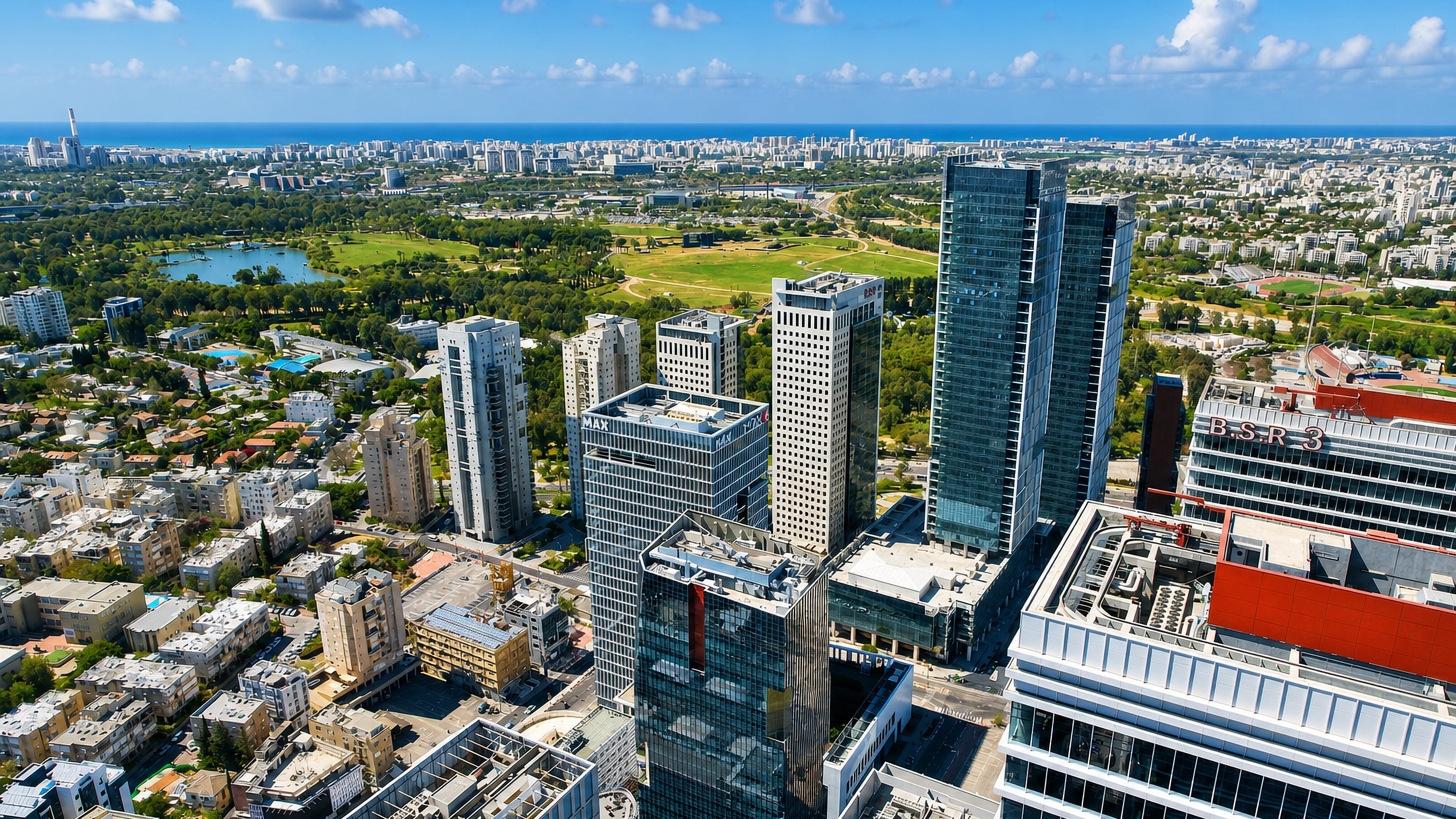
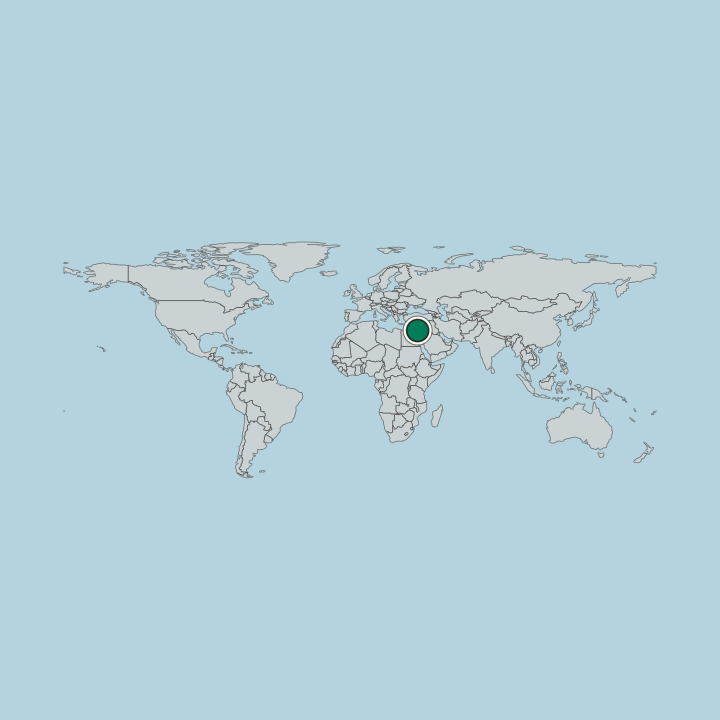
Bnei Brak is a Haredi city of the Tel Aviv District, just east of Tel Aviv on the coastal plain, wedged between Ramat Gan and Petah Tikva.
Hotel links are affiliate links: booking through them may earn us a commission, at no extra cost to you. It never affects how places are ranked. How this works


Where to stay in Bnei Brak
Where visitors usually base themselves, and why.
Bnei Brak's own rooms are few, and the ones that exist stand among housing rather than among attractions, which leaves most of the area's beds to the cities pressed against it. Ramat Gan is one option. The Ramat Gan Museum of Israeli Art and the Harry Oppenheimer Diamond Museum are on that side, close enough that a stay there keeps Bnei Brak within a short ride.
Petah Tikva is the other. Its zoo and its Museum of Art give the far side its own draw, and the road between the two cities runs through Bnei Brak. Tel Aviv answers most of it.
The hotel stock of the Tel Aviv District is concentrated a few kilometres west, and anyone who wants a choice of rooms, a seafront, or a late kitchen books there and comes east by day. Density decides the rest. Seven square kilometres hold the whole city, so an address inside Bnei Brak is never far from another, and the choice is about the neighbouring city more than about the street.
The Haredi calendar is worth planning around. Shops and services in Bnei Brak follow the community's week, which matters more to a visitor's timing than the distance from any museum.
Find hotels in Bnei Brak
Direct booking searches for these neighbourhoods.
Central Bnei Brak
The packed core, carrying Ohel Kedoshim and Hekhal Yahadut Vohlin on its heritage list. Rooms are few around here — worth securing early.Find hotels in Central Bnei BrakMuseum days at the Harry Oppenheimer Diamond MuseumThe Ramat Gan side
Over the boundary toward the Ramat Gan Museum of Israeli Art and the MemadionFind hotels in The Ramat Gan sideFamilies heading for the Petah Tikva ZooThe Petah Tikva side
The far flank of the city, out by the Petah Tikva Museum of ArtFind hotels in The Petah Tikva sideHotel links are affiliate links: booking through them may earn us a commission, at no extra cost to you. It never affects how places are ranked. How this works
About Bnei Brak
Density is the first fact.
What is Bnei Brak known for?
No city in Israel is packed tighter than Bnei Brak, which fits everything it has into roughly seven square kilometres of the Mediterranean coastal plain just east of Tel Aviv. Haredi Judaism sets the calendar. The city is one of its main centres, and the museums that visitors reach from here, among them the Ramat Gan Museum of Israeli Art and the Harry Oppenheimer Diamond Museum, belong to the towns next door.
What are the main landmarks in Bnei Brak?
The list belongs mostly to the neighbours. The Ramat Gan Museum of Israeli Art, the Harry Oppenheimer Diamond Museum, the Petah Tikva Museum of Art, and the Petah Tikva Zoo are the nearest collections, with Luna Park and the Memadion on the same short run. Older ground survives as mounds.
Tel Gerisa, Tel Zeton, and Tel Hashash sit out on the plain, and Ohel Kedoshim and Hekhal Yahadut Vohlin carry the city's own heritage entries.
What is the history of Bnei Brak?
Bnei Brak was founded in 1924. The plain it was founded on had been settled far earlier, as the mounds of Tel Gerisa, Tel Zeton, and Tel Hashash record, though the modern town began as a small foundation on open ground. Growth came fast and inward.
Building filled the plot lines rather than spreading, and Bnei Brak ended up denser than any other city in Israel, with Ramat Gan and Petah Tikva closing off the room to expand. Religious life gave the city its character: Bnei Brak became a centre of Haredi Judaism. Ohel Kedoshim is among the named sites.
Hekhal Yahadut Vohlin and Beit Shniderman appear on the same heritage list, and Bajerano House belongs to it too. The neighbours built the attractions. The Yitzhak Rabin Center, the National Sport Center Tel Aviv, Luna Park, and the Ramat Gan Museum of Israeli Art went up in the cities around, while the Petah Tikva Zoo and the Petah Tikva Museum of Art did the same on the far side.
Bnei Brak kept to itself. Its own ground went to housing and to the institutions its community needed, which is why the visitor map of the area points outward from the city rather than into it.
Where is Bnei Brak?
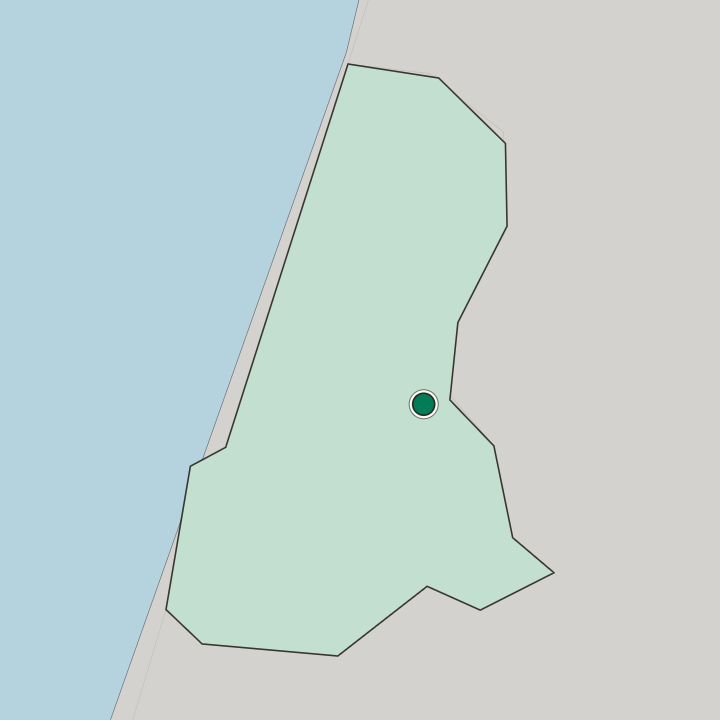
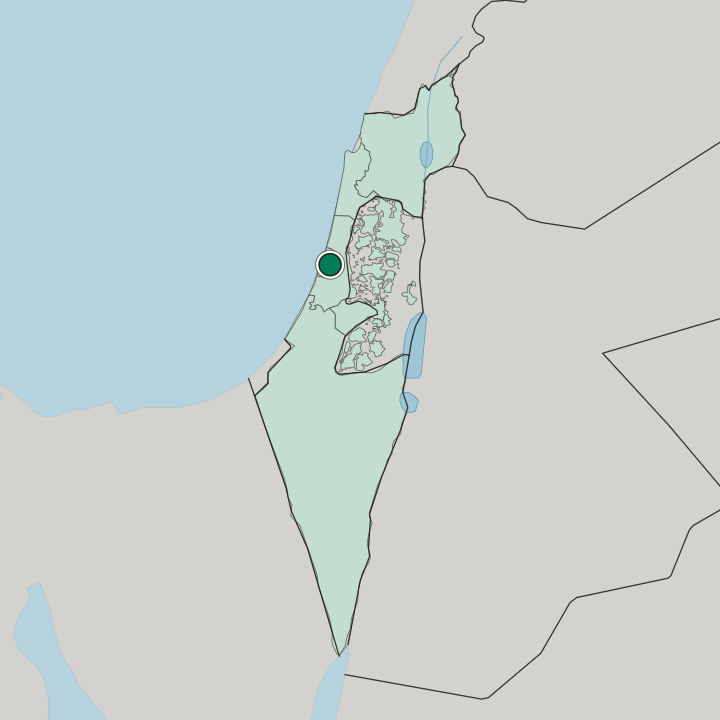
Neighbours press on every side. Bnei Brak lies on the central Mediterranean coastal plain within the Tel Aviv District, with Ramat Gan on one flank, Petah Tikva on the other, and Tel Aviv a short way west. Open ground is scarce.
Roughly seven square kilometres carry the whole municipality, and the tells of the plain, Tel Gerisa, Tel Zeton, and Tel Hashash, stand out in the surrounding Gush Dan sprawl.
What is the climate of Bnei Brak?
Heat settles in the streets. Bnei Brak sits back from the shore on the coastal plain, and summer there runs hot and humid month after month, with the rain held back until the winter half of the year. Shade comes from buildings rather than trees.
Gush Dan takes its rain in the same winter season, and little of it falls otherwise.
How do you get to Bnei Brak?
Everything arrives through Gush Dan. Bnei Brak stands just east of Tel Aviv with Ramat Gan and Petah Tikva on either side, so the roads that carry the metropolitan area run past it rather than to it. Walking works inside the city.
Seven square kilometres leave short distances between one address and the next, though the Yitzhak Rabin Center and the National Sport Center Tel Aviv need the road out.
Common questions
What is the best area to stay in Bnei Brak?
Central Bnei Brak: Visits built around the Bnei Brak community week. The Ramat Gan side: Museum days at the Harry Oppenheimer Diamond Museum. The Petah Tikva side: Families heading for the Petah Tikva Zoo.
Good for
More cities in Tel Aviv District
Updated October 2026