Israel · Tel Aviv District
Where to Stay in Ramat Gan, Tel Aviv District
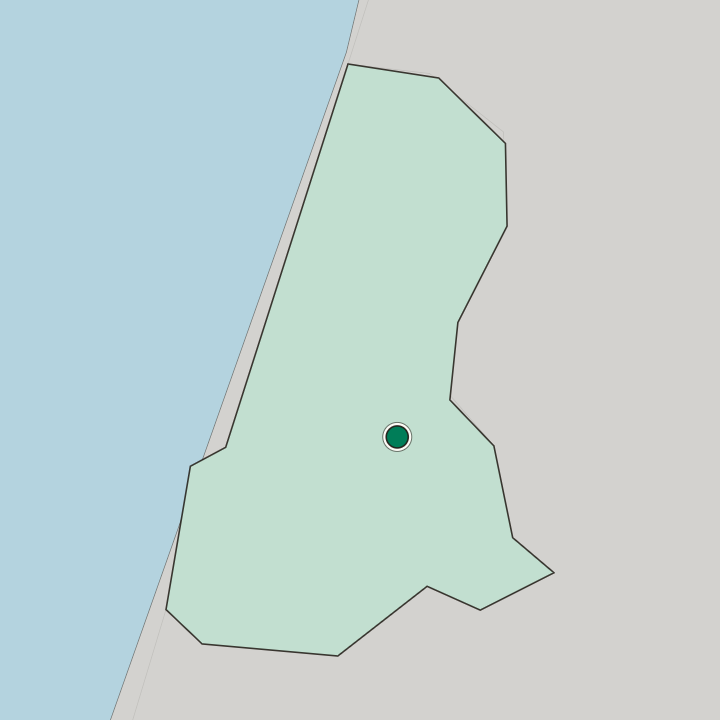
Ramat Gan stands immediately east of Tel Aviv, founded in 1921 and known for its Diamond Exchange District and the Ramat Gan Safari.
Hotel links are affiliate links: booking through them may earn us a commission, at no extra cost to you. It never affects how places are ranked. How this works


Where to stay in Ramat Gan
How the choice of base plays out on the ground.
Three different cities share one municipality. The Diamond Exchange District draws business travel, Sheba Medical Center and the Arison Medical Tower draw a different traffic again, and the Ramat Gan Safari draws families who will not care about either. Twelve square kilometres holds all three.
Distances stay short, so the choice is less about travel time than about which of those worlds a stay wants to wake up inside, and the answer is usually obvious before arrival. Green ground is unusually plentiful here. Small public gardens are common and the streets are tree-lined, which makes the Memadion, the Lola Beer Ebner Sculpture Garden and פארק החי easier to reach on foot than the same distance would be in a denser part of Gush Dan.
Tel Aviv begins at the western edge. The Tel Aviv Museum of Art, the Tel Aviv Cinematheque and the Yitzhak Rabin Center all lie beyond the boundary, so an evening planned around them means leaving Ramat Gan without going far. Houses fill the older streets.
Silberstein-Pichman House, Ramat Gan, Braude House, Ramat Gan, Bajerano House, בית אוארבך and בית דובינר are individual addresses on the landmark list, and a stay among them sits closer to the city of 1921 than to the exchange.
Find hotels in Ramat Gan
Direct booking searches for these neighbourhoods.
Beside the Ramat Gan Safari
The safari park and the Memadion hold the green side of the city, well clear of the Diamond Exchange DistrictFind hotels in Beside the Ramat Gan SafariBusiness stays inside the Diamond Exchange District itselfThe Diamond Exchange District
The exchange and the Harry Oppenheimer Diamond Museum put the trade that made Ramat Gan on one set of streetsFind hotels in The Diamond Exchange DistrictVisits tied to Sheba Medical Center and the Arison Medical TowerNear Sheba Medical Center
The hospital and the Arison Medical Tower generate a steady traffic with no connection to the safariFind hotels in Near Sheba Medical CenterNights that finish at the Tel Aviv CinemathequeThe Tel Aviv boundary
Ramat Gan runs up against Tel Aviv on that side, and the Tel Aviv Cinematheque is the nearer of the two drawsFind hotels in The Tel Aviv boundaryHotel links are affiliate links: booking through them may earn us a commission, at no extra cost to you. It never affects how places are ranked. How this works
Things to do in Ramat Gan
Ranked by global recognition; descriptions from Wikidata (CC0).
Museums & Galleries
3- Harry Oppenheimer Diamond Museum
- Ramat Gan Museum of Israeli Art
- Maccabi Museum
Castles & Historic Sites
1- Tel Bnei Brak
Nature & Outdoors
1- Ramat Gan Safari
Landmarks & Notable Places
3- Spiral House
- בית דובינר
- Bajerano House
worth knowingacross 4 categories in Ramat Gan
About Ramat Gan
Diamonds and lions, in one city.
What is Ramat Gan known for?
The Diamond Exchange District and the Harry Oppenheimer Diamond Museum account for one side of Ramat Gan, while the Ramat Gan Safari keeps an open-space African safari with lions inside the same twelve square kilometres. Sheba Medical Center anchors a third. High-tech industries fill in around it, and the Ramat Gan Museum of Israeli Art and the Meyerhoff Art Education Center answer for a city that also runs on football, malls and Iraqi restaurants.
What are the main landmarks in Ramat Gan?
The safari is the headline. Ramat Gan Safari sits alongside the Memadion and פארק החי, while the Harry Oppenheimer Diamond Museum, the Ramat Gan Museum of Israeli Art and the Maccabi Museum cover the indoor half of the list. Sport takes two more.
Hadar Yossef Stadium and the National Sport Center Tel Aviv stand for the football the city is known for, and four ancient mounds, Tel Gerisa, Tel Bnei Brak, Tel Zeton and Tel Hashash, belong to a much older layer of the same ground.
What is the history of Ramat Gan?
Four mounds predate everything else. Tel Gerisa, Tel Bnei Brak, Tel Zeton and Tel Hashash mark occupation on this ground long before any modern municipality existed, and all four sit inside or beside what is now Ramat Gan. The city dates from 1921.
It grew immediately east of Tel Aviv inside what became the Tel Aviv District, and Silberstein-Pichman House, Ramat Gan, Braude House, Ramat Gan and Bajerano House are among the individual addresses the landmark list records. Diamonds made the modern reputation. The Diamond Exchange District turned a suburb into a trading centre, and the Harry Oppenheimer Diamond Museum is what the city keeps of that business for anyone not working in it.
Medicine and high-tech followed. Sheba Medical Center and the Arison Medical Tower brought one kind of institution, high-tech industries brought another, and the Ramat Gan Safari and the Memadion gave a working city something entirely unlike either to be known for. Culture came in pieces.
The Ramat Gan Museum of Israeli Art, the Meyerhoff Art Education Center, the Lola Beer Ebner Sculpture Garden and the Maccabi Museum arrived separately rather than as a plan, which suits a city known for things unrelated to each other. Spiral House stands among them.
Where is Ramat Gan?
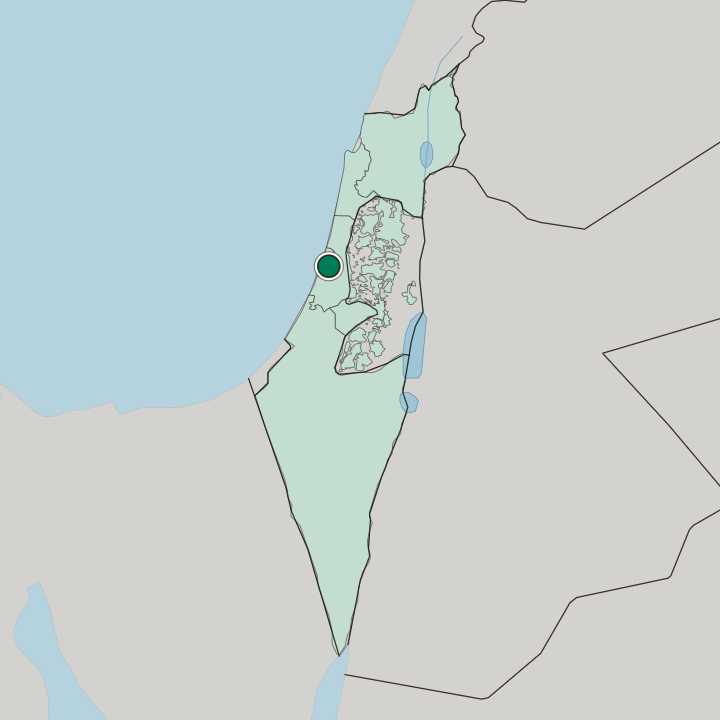
Twelve square kilometres, all of it built. Ramat Gan lies immediately east of Tel Aviv inside the Tel Aviv District, part of the Gush Dan metropolitan area, and the mounds at Tel Gerisa and Tel Hashash mark ground used long before the modern city covered it. Trees line the streets.
Small public gardens turn up throughout, and the Ramat Gan Safari, the Memadion and the Lola Beer Ebner Sculpture Garden give the city more open ground than a suburb of this size usually keeps.
What is the climate of Ramat Gan?
The trees do real work here. Ramat Gan sits in the subtropical band, and the tree-lined streets and small public gardens that run through it take the edge off a summer the surrounding built ground of Gush Dan does nothing to soften. Shade decides an itinerary.
The Ramat Gan Safari is an open-space park and reads differently on a hot afternoon than the Harry Oppenheimer Diamond Museum or the Ramat Gan Museum of Israeli Art, both of which are indoors.
How do you get to Ramat Gan?
Tel Aviv is the western neighbour. Ramat Gan begins where the municipality of Tel Aviv ends, so anything arriving into Gush Dan is already close, and the National Sport Center Tel Aviv sits on that side of the boundary. The Diamond Exchange District is the usual destination.
Business arrivals head there, families head for the Ramat Gan Safari and the Memadion, and Sheba Medical Center brings its own arrivals, which means no single entry point serves the whole city.
Common questions
What is the best area to stay in Ramat Gan?
Beside the Ramat Gan Safari: Families whose day is the Ramat Gan Safari and the Memadion. The Diamond Exchange District: Business stays inside the Diamond Exchange District itself. Near Sheba Medical Center: Visits tied to Sheba Medical Center and the Arison Medical Tower. The Tel Aviv boundary: Nights that finish at the Tel Aviv Cinematheque.
Good for
More cities in Tel Aviv District
Updated October 2026