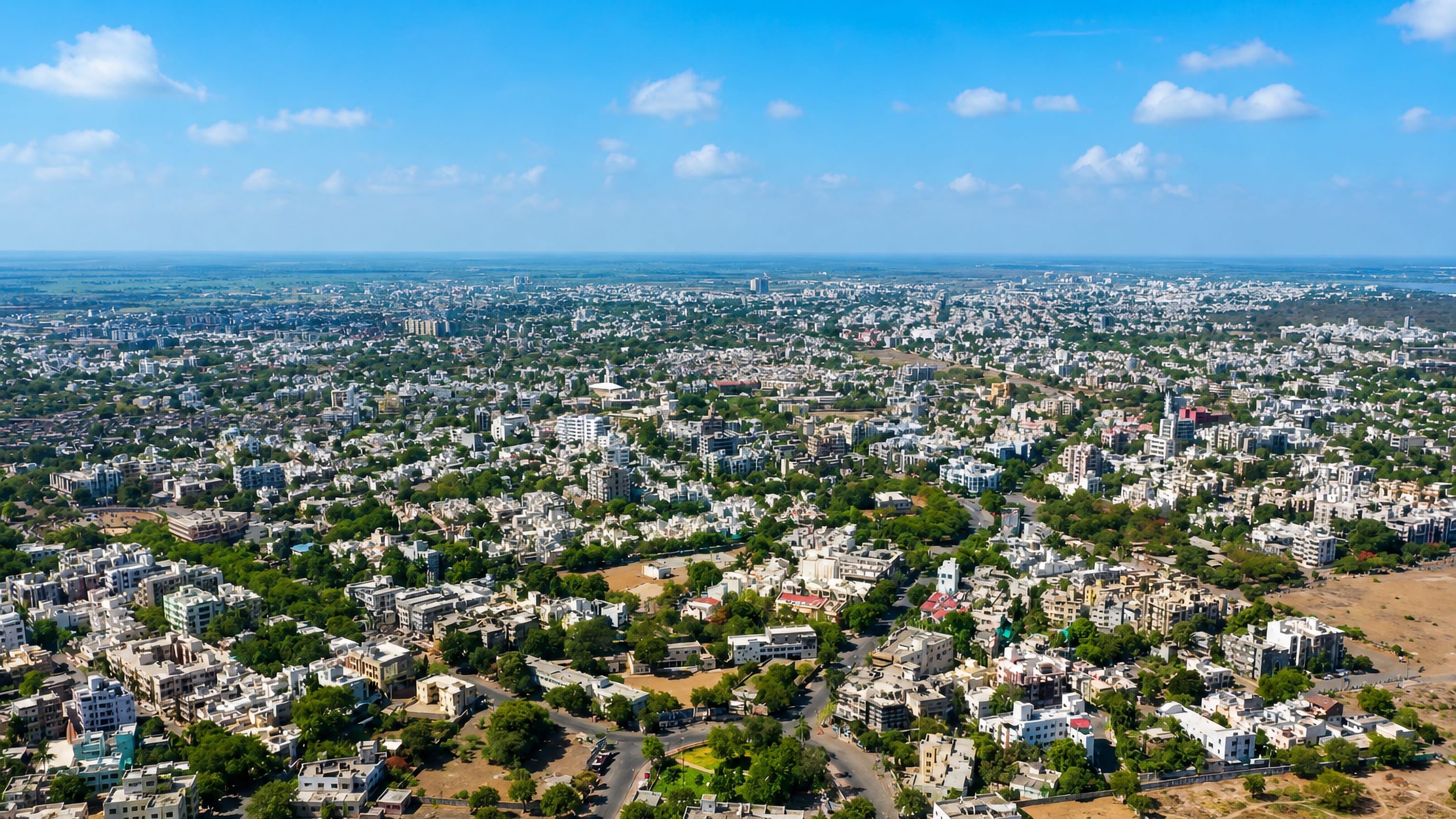
India · State of Gujarāt
Where to Stay in Bhavnagar, State of Gujarāt
Founded in 1723 by Bhavsinhji Gohil, Bhavnagar works salt and jewellery on the Saurashtra peninsula, facing the Gulf of Cambay.
Hotel links are affiliate links: booking through them may earn us a commission, at no extra cost to you. It never affects how places are ranked. How this works


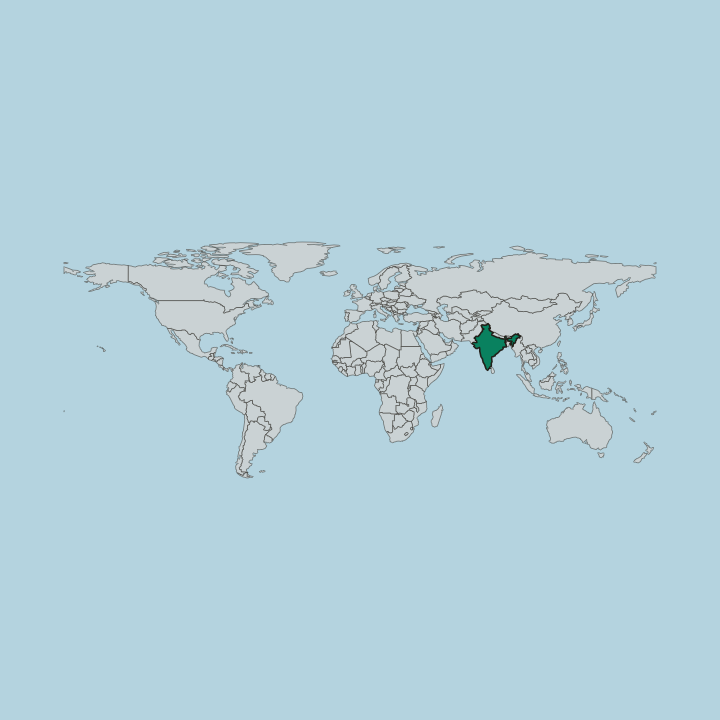
Where to stay in Bhavnagar
The practical side of choosing where to sleep.
The Ganga Chhatri is the anchor. It is the one monument recorded for Bhavnagar, a memorial pavilion of the sort the rulers of Bhavnagar State left behind them, and a bed within walking reach of it puts a visitor among the older fabric of a city founded in 1723. Salt fixes the second choice.
The pans and works that make this an industrial city of Gujarāt lie towards the coast, and a stay on that side suits anyone whose business is with the salt trade rather than with the streets Mahatma Gandhi knew as a student. Administration fixes the third. Bhavnagar is the headquarters of Bhavnagar district, so the offices that answer for a wide stretch of the Saurashtra peninsula stand in this city, and the quarter around them fills with people who came for a signature rather than a sight.
Scale is on your side. The municipal area covers something like 108 square kilometres, which is large by the standards of the district but small beside the journey most visitors make to reach it, so the Ganga Chhatri, the works and the district offices all sit within one city's compass. The Gulf of Cambay is the outer edge.
Rooms towards that water look out on the arm of the Arabian Sea that this coast of India belongs to, and they are the ones to take if the sea, and not the salt or the paperwork, is what brought you.
Find hotels in Bhavnagar
Direct booking searches for these neighbourhoods.
Around the Ganga Chhatri
The Ganga Chhatri is the single monument recorded for Bhavnagar, and staying beside it keeps the memorial of the city Bhavsinhji Gohil founded on the doorstepFind hotels in Around the Ganga ChhatriTrade visits to the salt pans and the jewellery benchesThe salt and jewellery side
Salt and jewellery are the two industries Bhavnagar is known for across the Saurashtra peninsula, and the working city that handles both is the practical base for anyone dealing in eitherFind hotels in The salt and jewellery sideErrands at the headquarters of Bhavnagar districtThe Bhavnagar district offices
This city is the seat of Bhavnagar district, so a room near those offices settles the errand that brings much of the surrounding country into Bhavnagar in the first place. Few places to stay nearby — book ahead.Find hotels in The Bhavnagar district officesStays that want the arm of the Arabian Sea in viewTowards the Gulf of Cambay
Bhavnagar lies off the coast of the Gulf of Cambay, and the seaward side of the city is where that inlet of the Arabian Sea, rather than the works, sets the outlook. Lodging is scarce in this area; reserve in advance.Find hotels in Towards the Gulf of CambayHotel links are affiliate links: booking through them may earn us a commission, at no extra cost to you. It never affects how places are ranked. How this works
About Bhavnagar
Salt and jewellery carry the name.
What is Bhavnagar known for?
Bhavnagar is an industrial city of Gujarāt whose work runs from the evaporation pans of a coastal district to the fine benches of a jewellery trade, an unusual pairing that has fixed the city's reputation across the Saurashtra peninsula. Mahatma Gandhi studied here. That connection, together with the Ganga Chhatri and the seat of Bhavnagar district, gives a visitor the three things this city is most often approached for.
What are the main landmarks in Bhavnagar?
One monument stands on the record: the Ganga Chhatri, a pavilion of the kind raised in memory of rulers, and the only built work the account of Bhavnagar names outright. The rest is setting. The Gulf of Cambay lies off this coast, the Saurashtra peninsula spreads inland behind the city, and the university that Mahatma Gandhi attended puts a name most visitors already know onto ground they can walk across.
What is the history of Bhavnagar?
Bhavsinhji Gohil founded the city in 1723, and that date is the hinge of everything here: the name comes from the founder, the Gohil line ruled from the place they had made, and the city grew as the capital of Bhavnagar State rather than as one town among others on the Saurashtra peninsula. A princely state ran it. That status held until February 1948, when Bhavnagar State was merged into the Indian Union and the capital of a ruling house became the headquarters of Bhavnagar district instead.
The change was administrative, not physical. Ganga Chhatri still stands from the era of the rulers, the salt works and the jewellery trade still carry the city's name through Gujarāt, and the streets that Mahatma Gandhi walked as a university student are the streets of the same town Bhavsinhji Gohil laid out. Two centuries separate the two dates.
What sits between 1723 and 1948 is the whole princely history of Bhavnagar State, and what follows it is a district city of India that kept the family's name after the family's rule had ended. The sea was always part of the account. A capital placed off the coast of the Gulf of Cambay had the Arabian Sea for its outlook and the salt of that shoreline for its work, which is why the industry and the dynasty belong to one story rather than two.
Where is Bhavnagar?
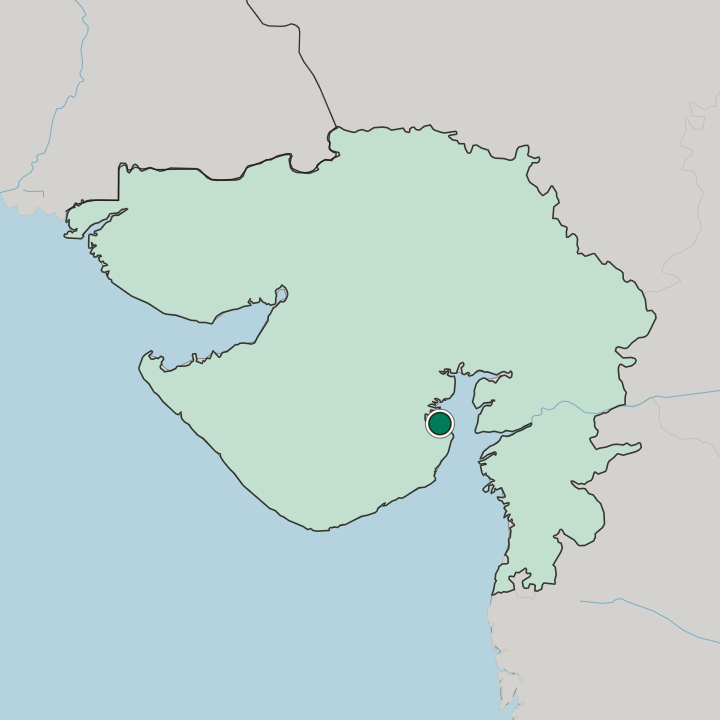
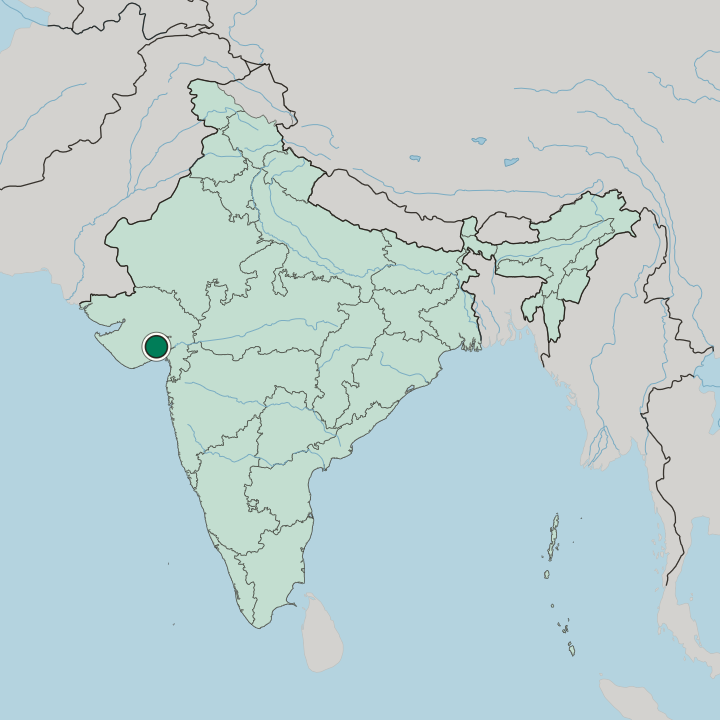
Bhavnagar occupies about 108 square kilometres of the Saurashtra peninsula, off the coast of the Gulf of Cambay, which is the inlet by which this part of Gujarāt meets the Arabian Sea. The tropics hold it. India carries the city well north of the equator, and the district that answers to it, Bhavnagar district, runs back from the shoreline into the peninsula behind.
What is the climate of Bhavnagar?
The Gulf of Cambay does the moderating. An inlet of the Arabian Sea reaching up beside the Saurashtra peninsula keeps the air over Bhavnagar sea air rather than the drier stuff of the interior, and it is the same water that makes the salt pans of this coast worth working. Rain divides the year.
Nothing here freezes, since the city stands in the tropical band north of the equator.
How do you get to Bhavnagar?
Approaches cross the peninsula. Bhavnagar sits out on the Saurashtra peninsula rather than on the mainland side of Gujarāt, so arriving means a run across that ground to a city standing off the coast of the Gulf of Cambay. It is the district's own seat.
Whatever route a traveller takes, the offices, the works and the Ganga Chhatri are all inside the same 108 square kilometres once the city is reached.
Common questions
What is the best area to stay in Bhavnagar?
Around the Ganga Chhatri: Visitors who came for the monument the Gohil rulers left. The salt and jewellery side: Trade visits to the salt pans and the jewellery benches. The Bhavnagar district offices: Errands at the headquarters of Bhavnagar district. Towards the Gulf of Cambay: Stays that want the arm of the Arabian Sea in view.
More cities in State of Gujarāt
Updated September 2026