India · State of Gujarāt
Where to Stay in Ahmedabad, State of Gujarāt
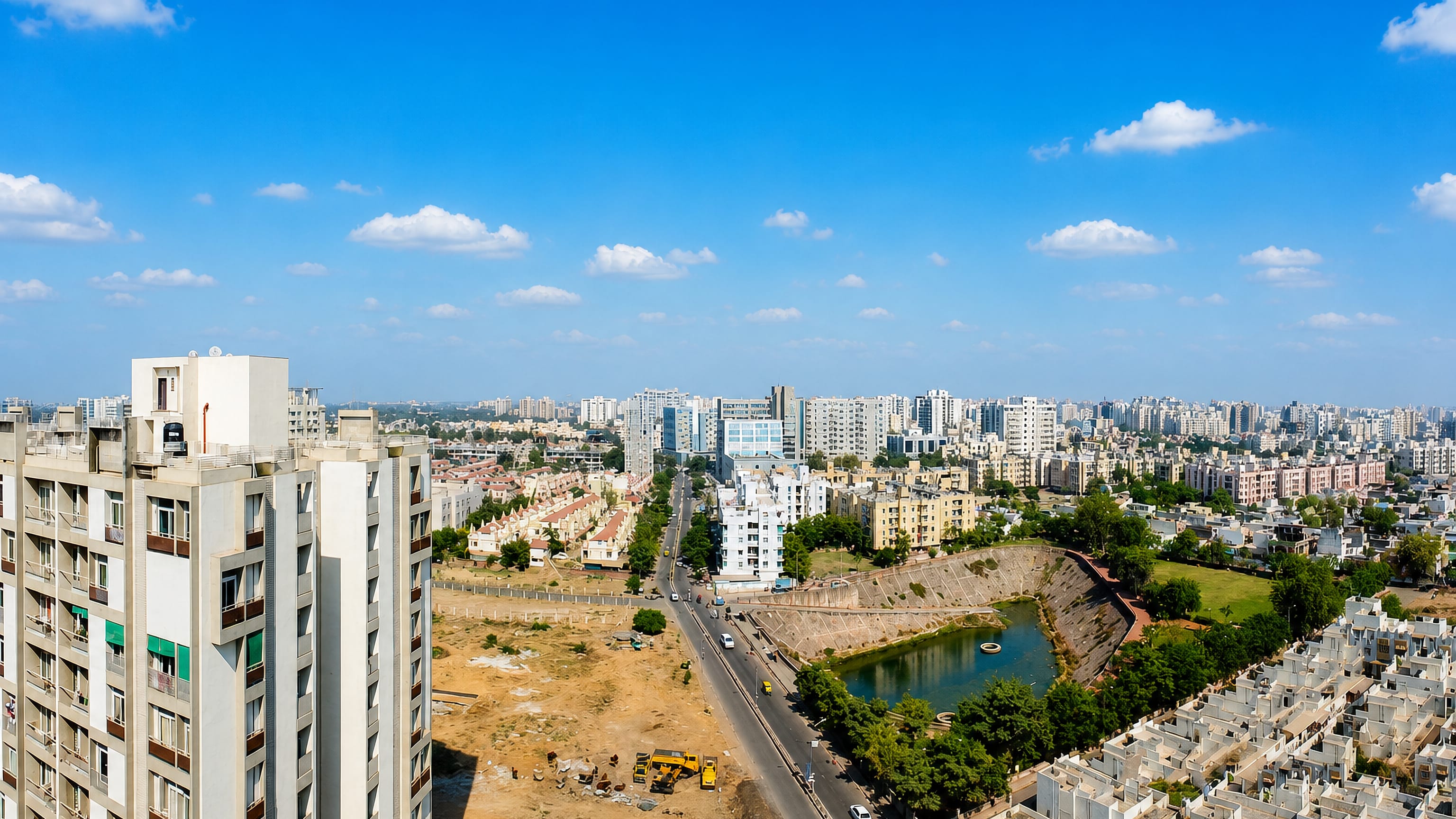
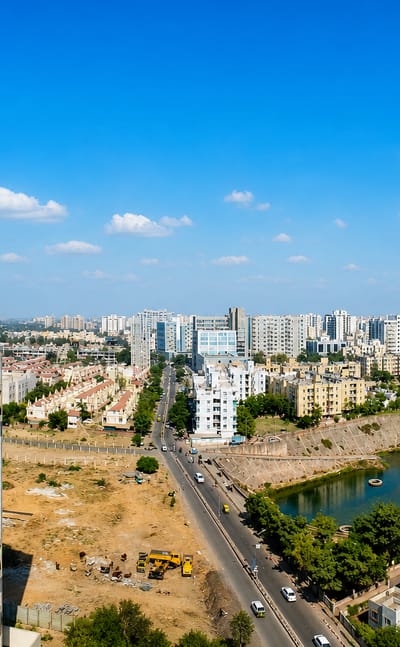
The Sabarmati River runs through Ahmedabad, a walled old city in Gujarat, known for its textiles and the Calico Museum of Textiles.
Hotel links are affiliate links: booking through them may earn us a commission, at no extra cost to you. It never affects how places are ranked. How this works


Where to stay in Ahmedabad
Where you base yourself shapes the visit — here's the character of each area.
 AhmedabadIndia
Alam Roza
Alam Roza is a neighbourhood of Ahmedabad, close to the Sanskar Kendra museum and the Sabarmati.Where to stay → AhmedabadIndia
Girdharnagar
Girdharnagar is a quiet residential quarter in the north of Ahmedabad, close to the Sabarmati riverbank.Where to stay →AhmedabadIndiaRajpur Gomtipur
Rajpur Gomtipur is a mill-era quarter of eastern Ahmedabad, shaped by textile chawls and set beside the Kankaria Lake gardens.Where to stay →AhmedabadIndiaNaranpura
Naranpura is a residential quarter of western Ahmedabad, holding Amdavad ni Gufa and the Swaminarayan Museum.Where to stay →AhmedabadIndiaDabhoda
Dabhoda is a railway-line locality in Ahmedabad's Gujarāt orbit, strung along the Ahmedabad-Udaipur Line near Gandhinagar and GIFT City.Where to stay →AhmedabadIndiaSouth Zone
The South Zone is Ahmedabad's mill-and-lake belt across the Sabarmati, built around Maninagar and Kankaria Lake.Where to stay →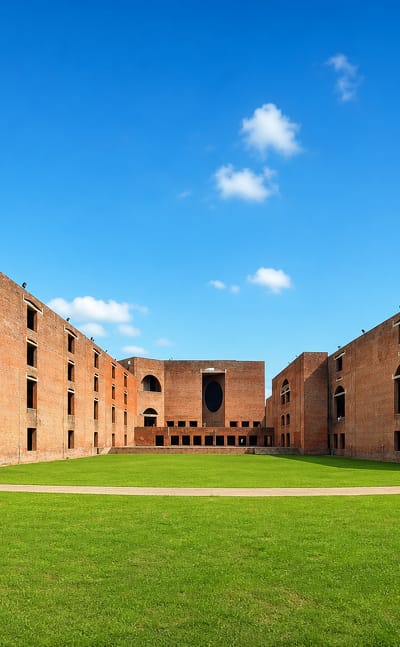 AhmedabadIndia
West Zone
The West Zone is the leafy half of Ahmedabad west of the Sabarmati River, holding Navrangpura, Paldi and the Sabarmati Ashram.Where to stay →Hotel links are affiliate links: booking through them may earn us a commission, at no extra cost to you. It never affects how places are ranked. How this works
Find hotels in Ahmedabad
Direct booking searches for these neighbourhoods.
The walled old city
The old city packs the Ahmedabad Heritage Walk, the Kirti Stambha, and the textile bazaars into a dense heritage grid.Find hotels in The walled old cityTravellers wanting riverside promenades, museums, and calmer streetsSabarmati riverfront
The districts along the Sabarmati River sit near the Calico Museum of Textiles, Sanskar Kendra, and Amdavad ni Gufa.Find hotels in Sabarmati riverfrontHotel links are affiliate links: booking through them may earn us a commission, at no extra cost to you. It never affects how places are ranked. How this works
Things to do in Ahmedabad
Ranked by global recognition; descriptions from Wikidata (CC0).
Museums & Galleries
3- Sabarmati Ashram Heritage
- Amdavad ni Gufa
- Calico Museum of Textiles
Landmarks & Notable Places
1- Kirti Stambha
worth knowingacross 2 categories in Ahmedabad
About Ahmedabad
What is Ahmedabad known for?
Ahmedabad is known for its walled old city and its long textile trade, the largest city of Gujarat. The Sabarmati River splits it in two, the historic east bank facing the newer west. Its old walls hold centuries of heritage in the pols and mosques.
The Ahmedabad Heritage Walk threads the old pols and mosques, while the Calico Museum of Textiles holds one of the great fabric collections and Amdavad ni Gufa shows modern art underground. Gandhinagar, the state capital, lies close by.
What are the main landmarks in Ahmedabad?
Ahmedabad keeps its landmarks between the walled old city and the banks of the Sabarmati River. The Ahmedabad Heritage Walk links the pols, mosques, and the Kirti Stambha through the historic core. Museums line the river.
The Calico Museum of Textiles holds a celebrated fabric collection, Sanskar Kendra gathers the city's story, and Amdavad ni Gufa sets modern art in a cave-like gallery. Textiles run through it all.
What is the history of Ahmedabad?
Ahmedabad was founded in 1411 as a walled city on the banks of the Sabarmati River. Its ring of gates and its dense pols, the shared courtyards of the old quarters, took shape over the centuries that followed. Cloth built its wealth.
The city grew into a great centre of textiles and trade, a story the Calico Museum of Textiles now keeps in its collection of printed and woven cloth. Its name comes in two forms. Ahmedabad and Amdavad both name the same place, one formal and one local.
Heritage from those centuries still stands along the Ahmedabad Heritage Walk, from carved houses to the Kirti Stambha. Administration gathered here too. The city became the administrative headquarters of the Ahmedabad district and the seat of the Gujarat High Court, an anchor of the state's affairs.
Ahmedabad now stands as the largest city of Gujarat, with the planned capital of Gandhinagar as its twin a short way off. The Sabarmati still divides old from new. Modern galleries like Amdavad ni Gufa and Sanskar Kendra carry the city's arts into the present day.
Its past stays visible in stone and cloth.
Where is Ahmedabad?
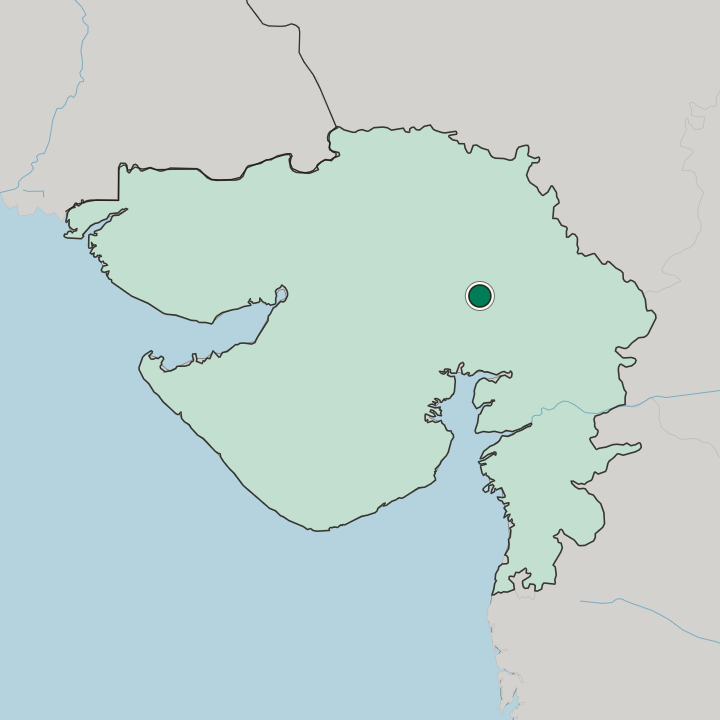
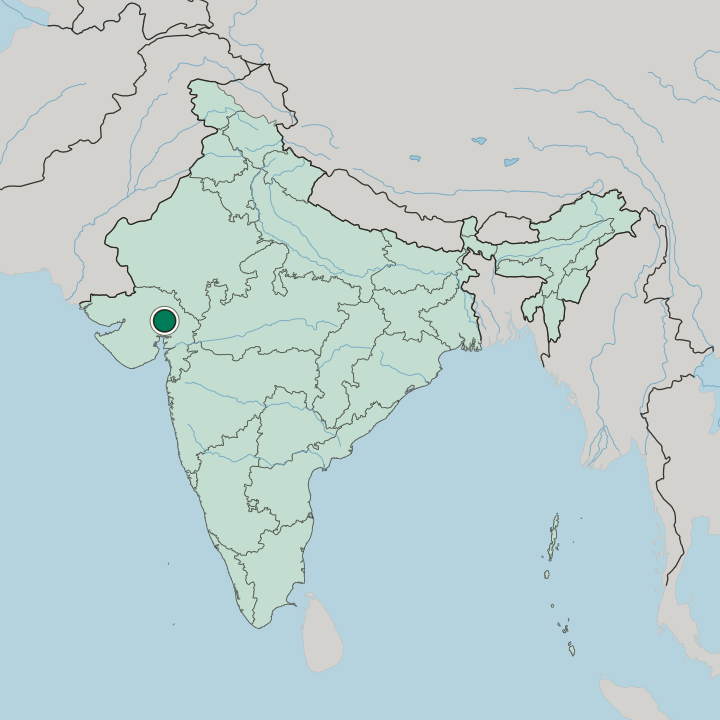
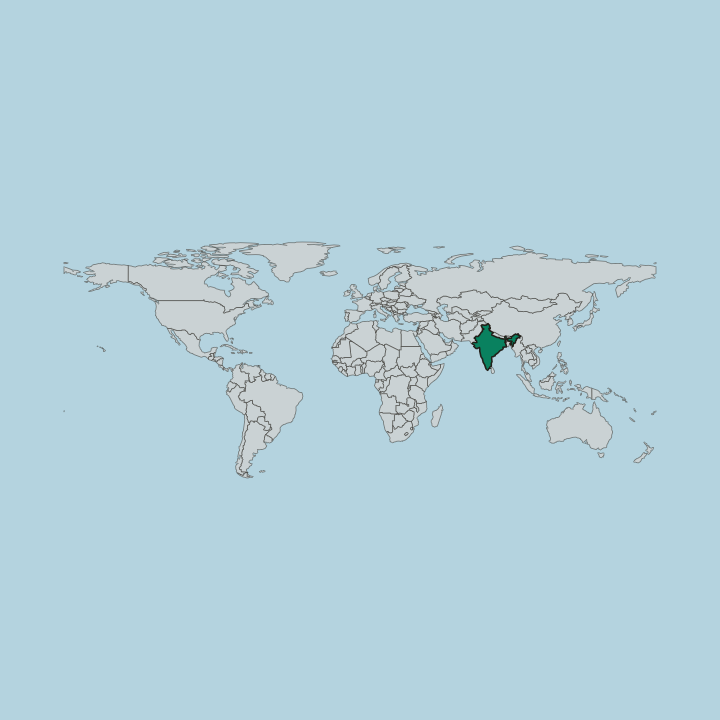
Ahmedabad lies on the banks of the Sabarmati River, in the state of Gujarat. The river runs through the city, dividing the walled old quarters from the newer districts on the far bank. Flat, dry country surrounds it.
The land spreads level in every direction across the plains of Gujarat, with the planned capital of Gandhinagar sitting a short way off along the same river. Ahmedabad district covers the surrounding ground.
What is the climate of Ahmedabad?
Ahmedabad has a hot, dry tropical climate on the plains of Gujarat. Summers turn fierce and long before the rains. Then the monsoon breaks.
The monsoon sweeps in for a few humid months, filling the Sabarmati River and cooling the parched plains before the dry season returns. Winters stay mild and pleasant.
How do you get to Ahmedabad?
Ahmedabad is a major hub of Gujarat, reached by air, rail, and road. Highways and rail lines run in across the plains from every side. Bridges carry them over the Sabarmati River.
Trains and buses converge on the central stations near the old city, while flights and the fast road to Gandhinagar link the twin cities across a short stretch of plain. Traffic knots near the walls.
Common questions
What is the best area to stay in Ahmedabad?
The walled old city: History lovers who want pols, mosques, and bazaars on foot. Sabarmati riverfront: Travellers wanting riverside promenades, museums, and calmer streets.
Good for
More cities in State of Gujarāt
Updated October 2026