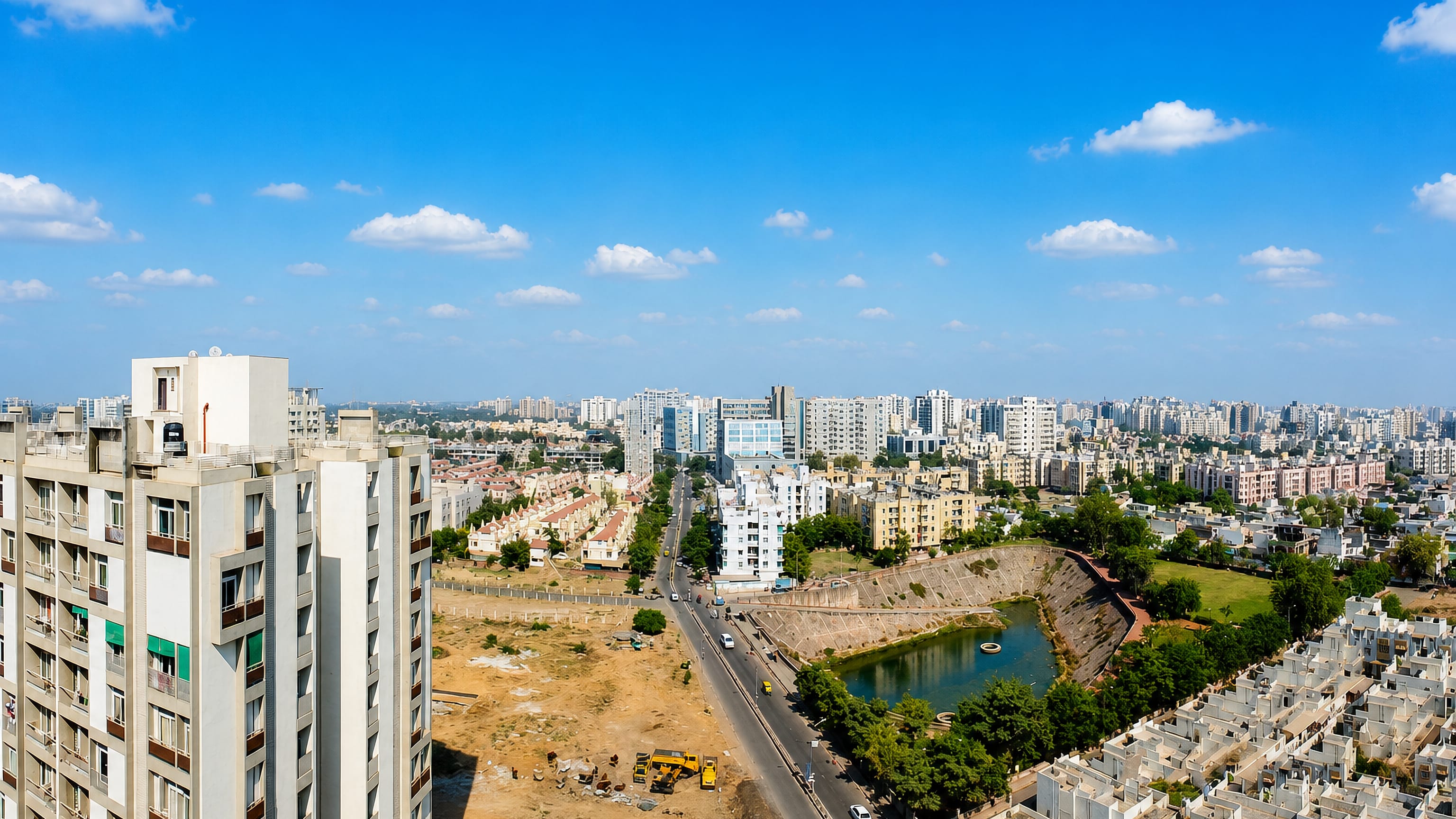
India
State of Gujarāt, India — Towns & Travel Guide
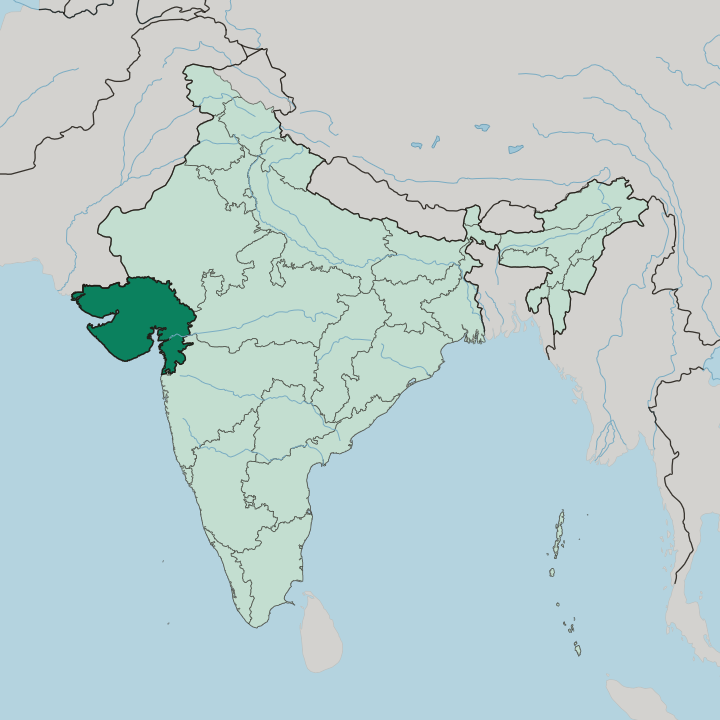
Gujarat runs along the Arabian Sea on the western coast of India, a state formed in 1960 and known for the ancient Harappan sites of Lothal and Dholavira.
Hotel links are affiliate links: booking through them may earn us a commission, at no extra cost to you. It never affects how places are ranked. How this works


Towns & cities in State of Gujarāt
Pick a town or city — each links to where to stay.
 India
India
Ahmedabad
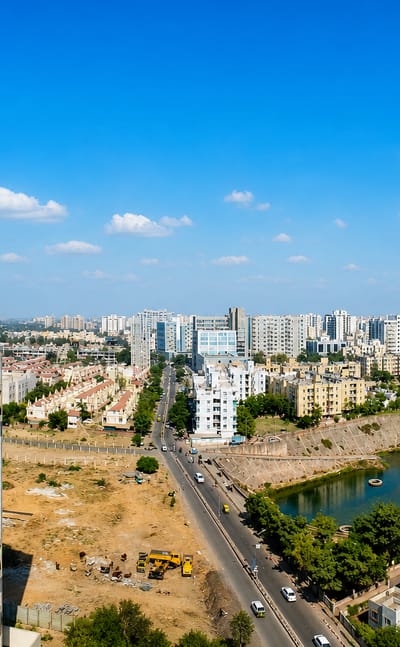
The Sabarmati River runs through Ahmedabad, a walled old city in Gujarat, known for its textiles and the Calico Museum of Textiles.Where to stay →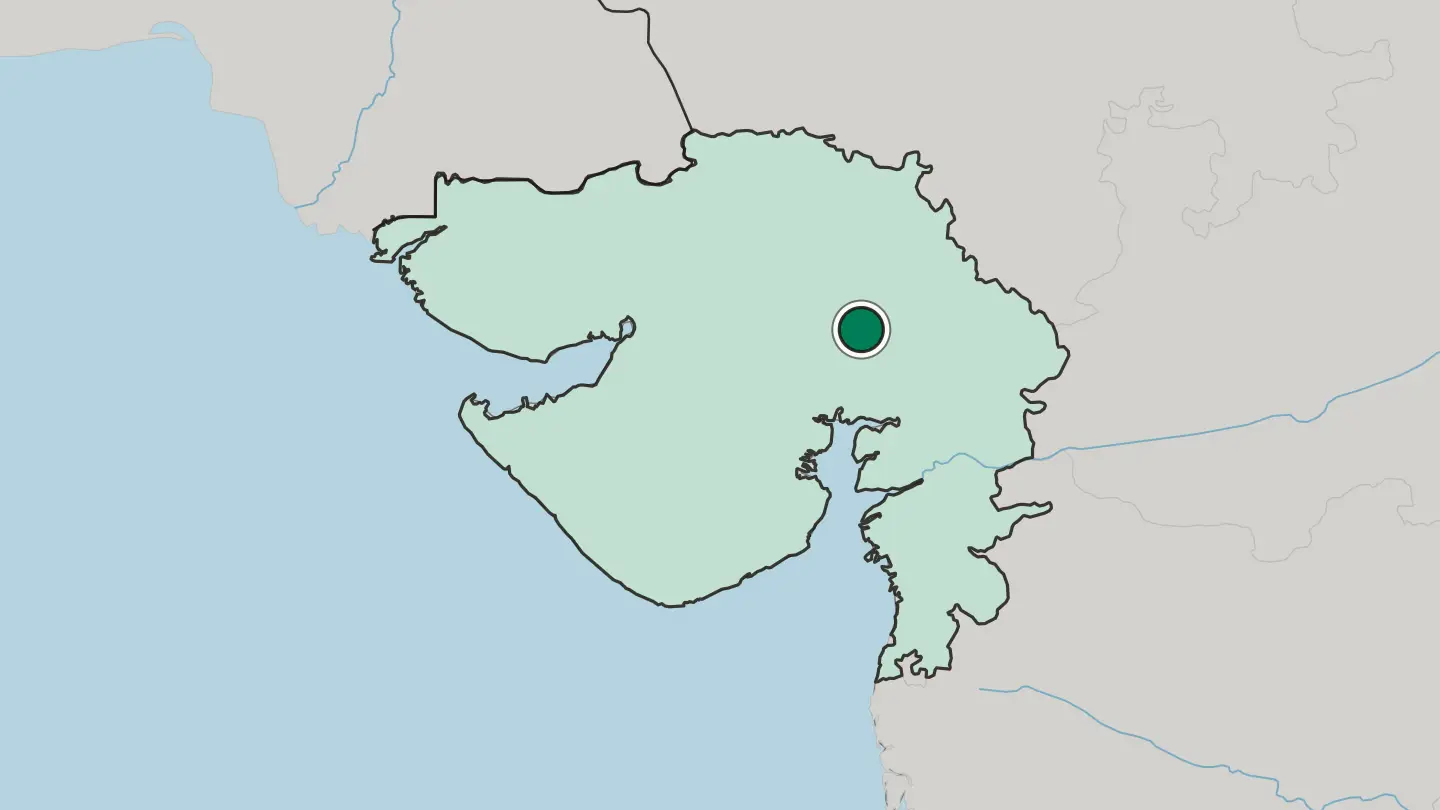
 India
India
Surat
The Tapi River bends past the diamond ateliers of Surat, a port city in South Gujarat known for gem cutting and woven textiles.Where to stay →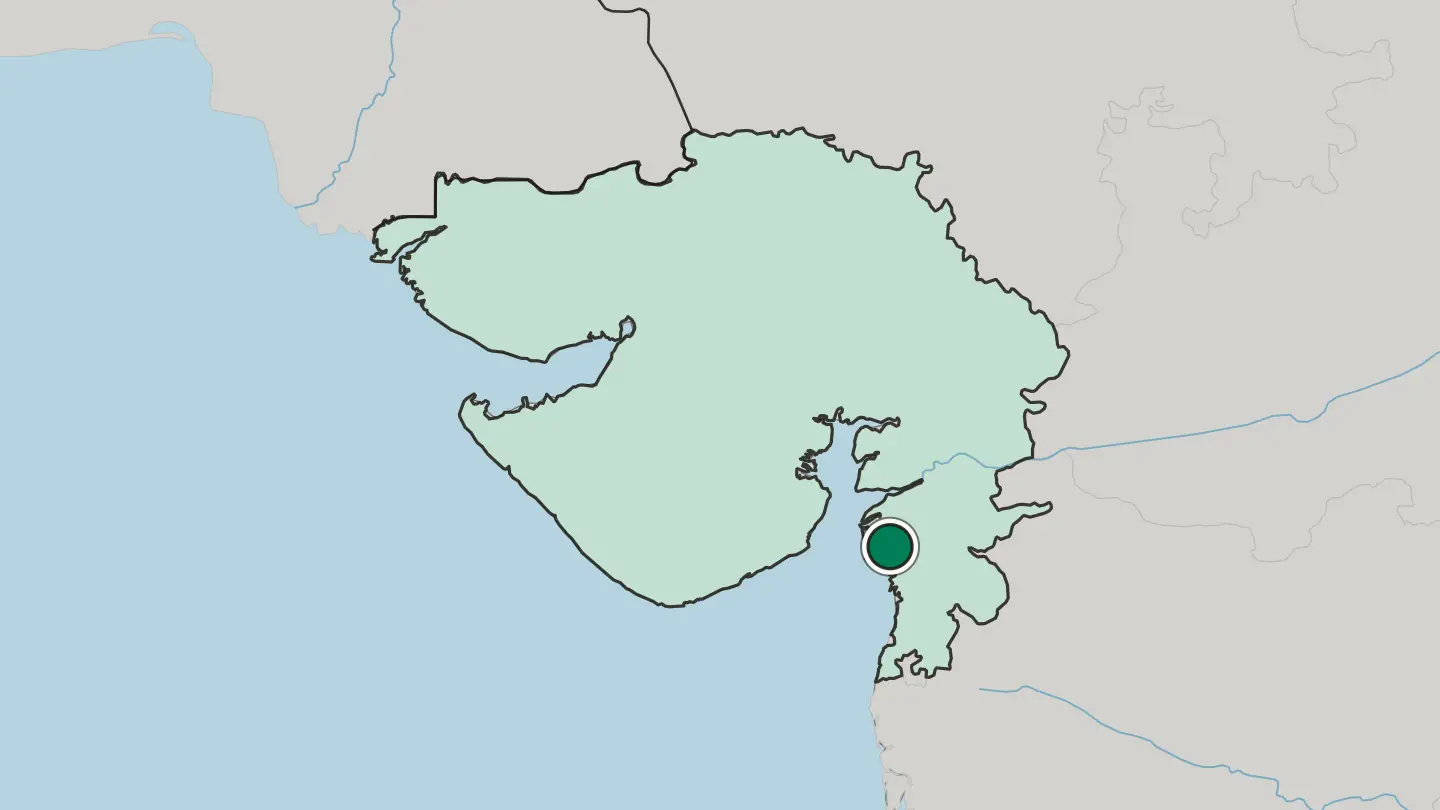
 India
India
Vadodara
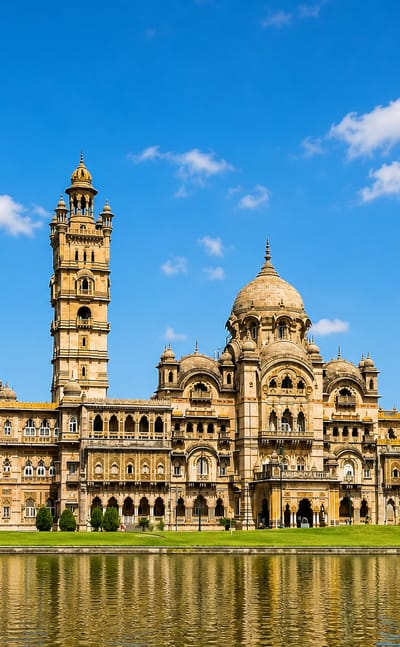
Banyan trees shade the palace lanes of Vadodara, a city on the Vishwamitri River in Central Gujarat, long called the cultural capital of Gujarat.Where to stay →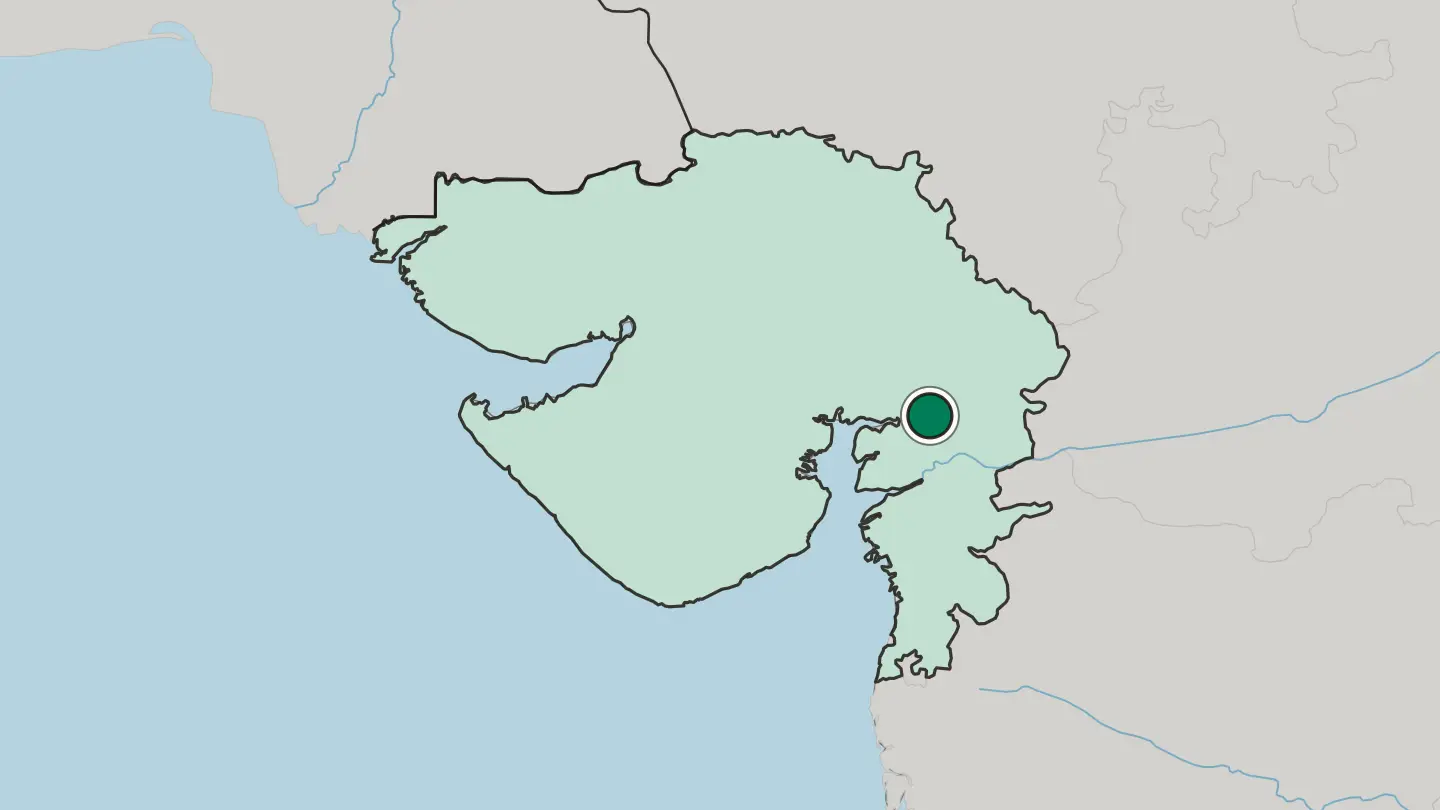
 India
India
Rājkot
Rajkot is a city of Gujarat in western India, an old princely capital on the Saurashtra plain, the town where Mahatma Gandhi passed his boyhood.Where to stay →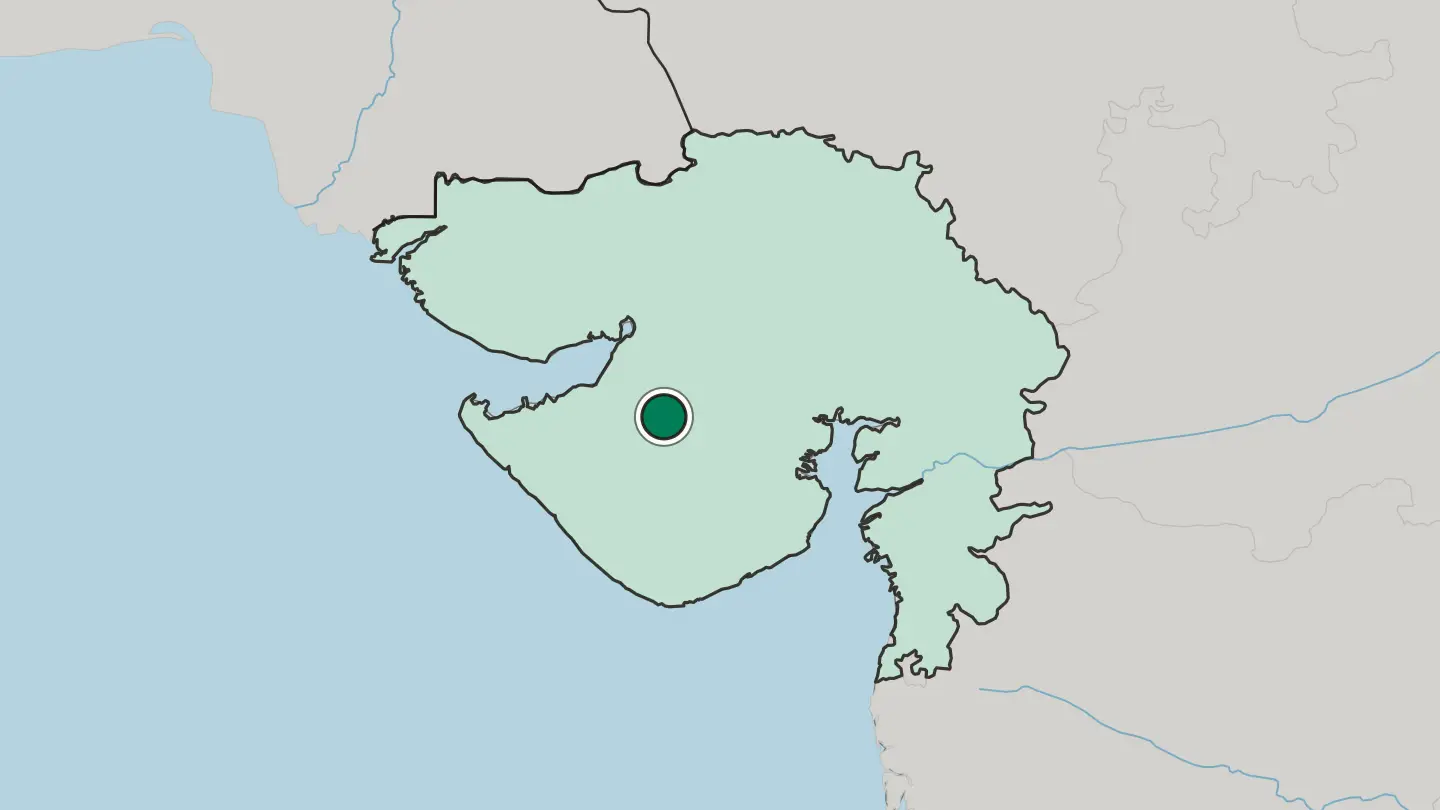
 India
India
Bhavnagar
Founded in 1723 by Bhavsinhji Gohil, Bhavnagar works salt and jewellery on the Saurashtra peninsula, facing the Gulf of Cambay.Where to stay →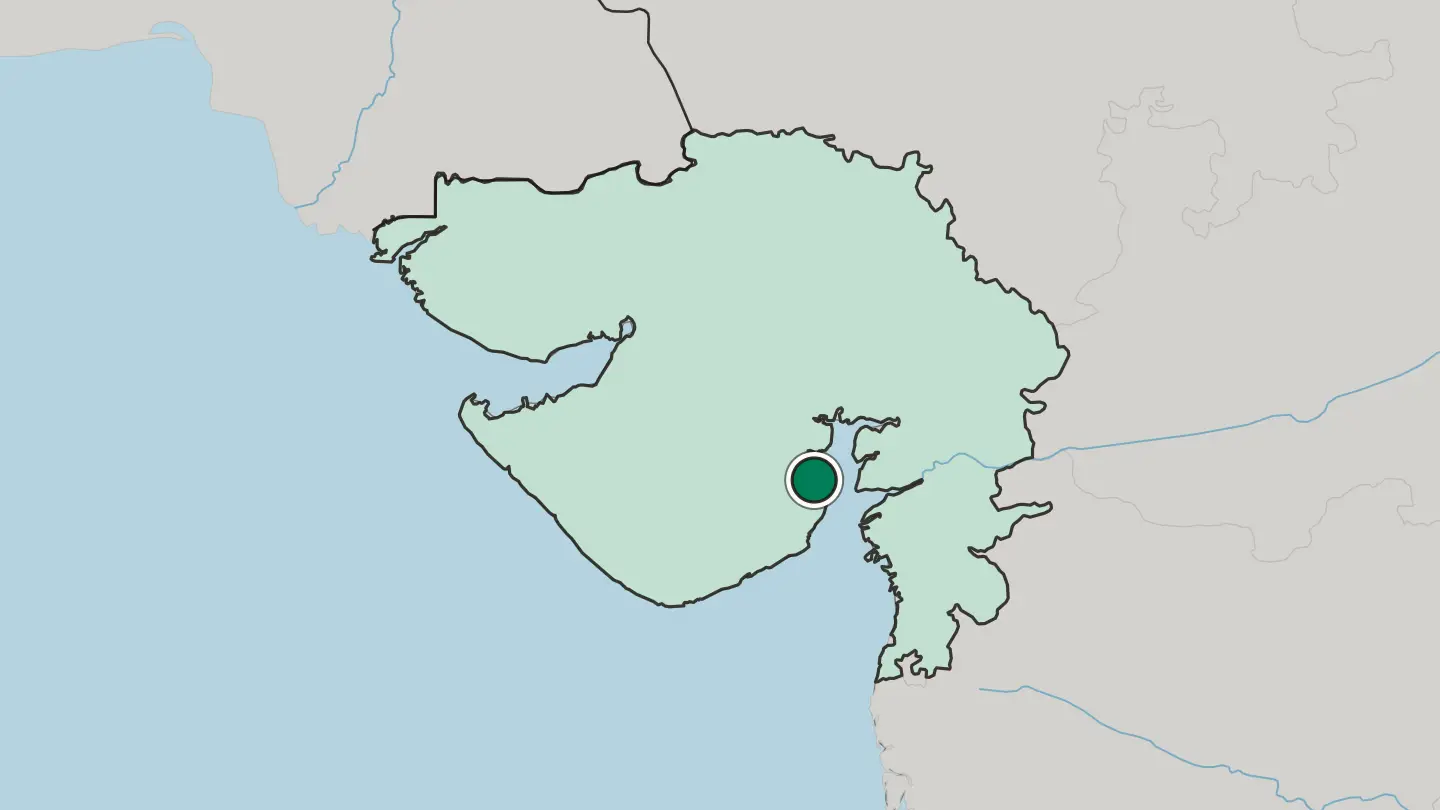
 India
India
Jamnagar
Jamnagar sits south of the Gulf of Kutch in Gujarāt, the old capital of Nawanagar, and Lakhota Tower is the landmark it keeps.Where to stay →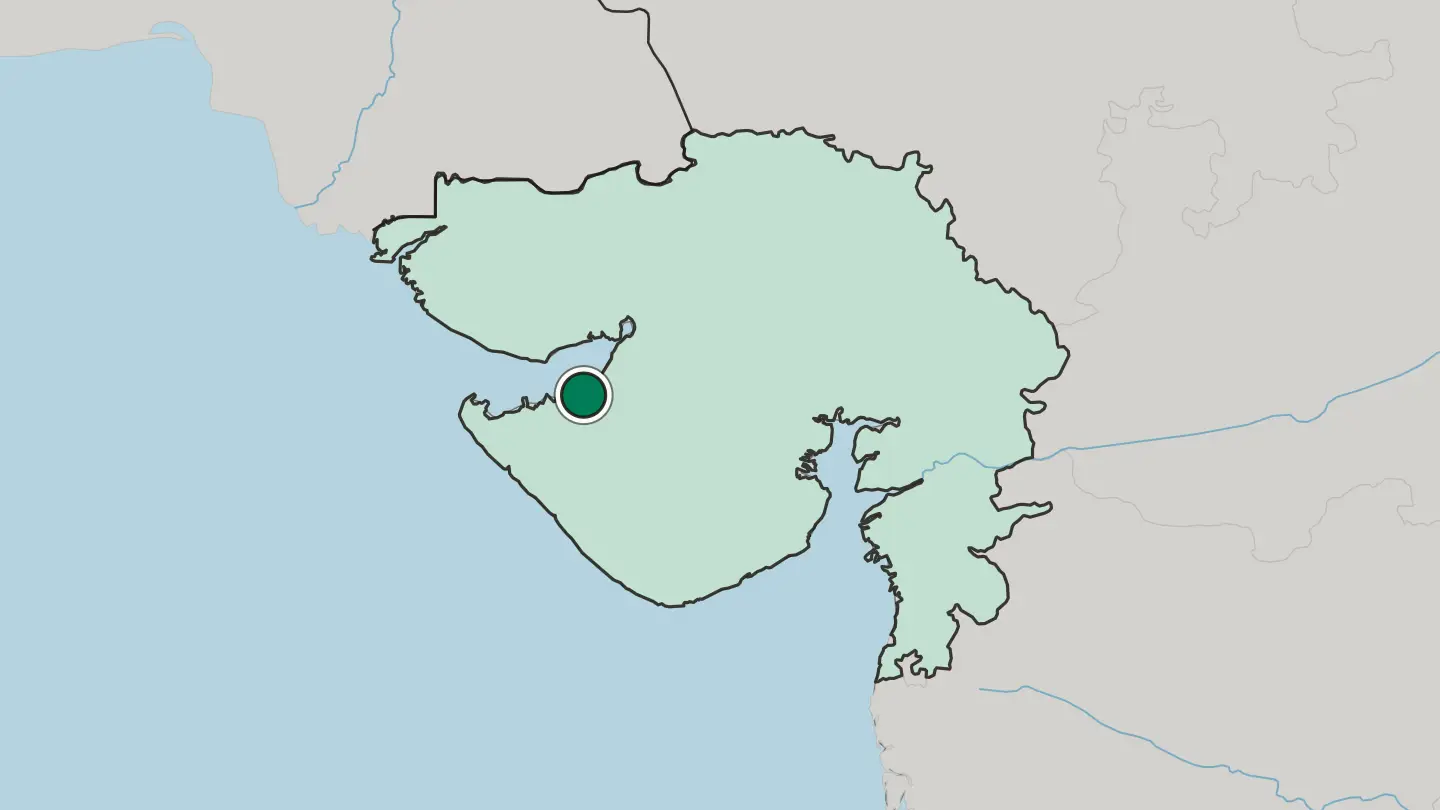
 India
India
Jūnāgadh
Junagadh is a city of Gujarat in western India at the foot of Mount Girnar, an old walled town of forts and temples near the last wild lions of Asia.Where to stay →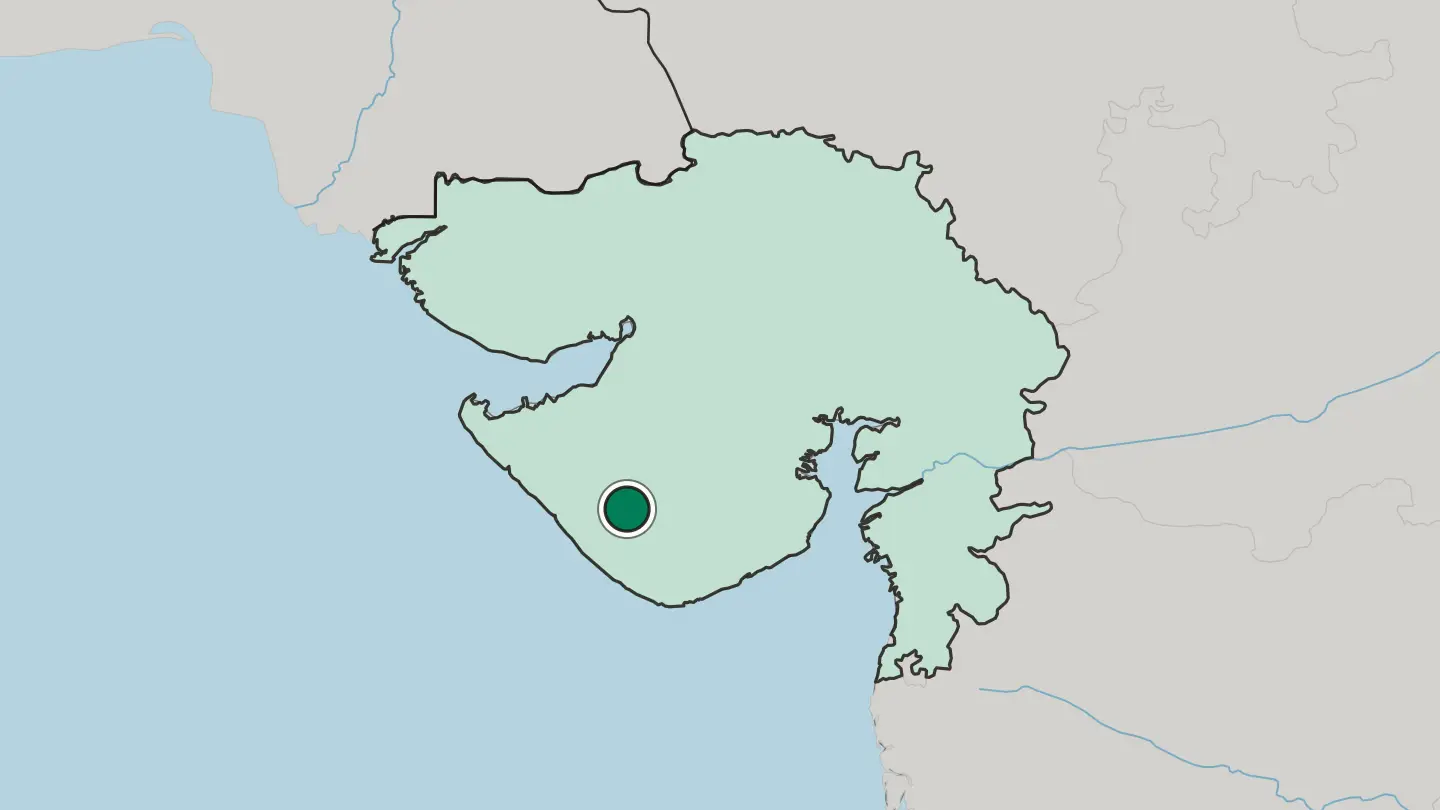
 India
India
Gandhinagar
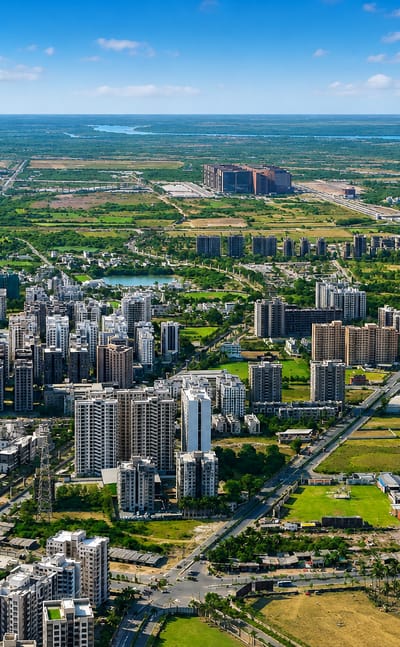
Gandhinagar, written ગાંધીનગર, is the capital of Gujarāt, standing 23 kilometres north of Ahmedabad and twinned with that city.Where to stay →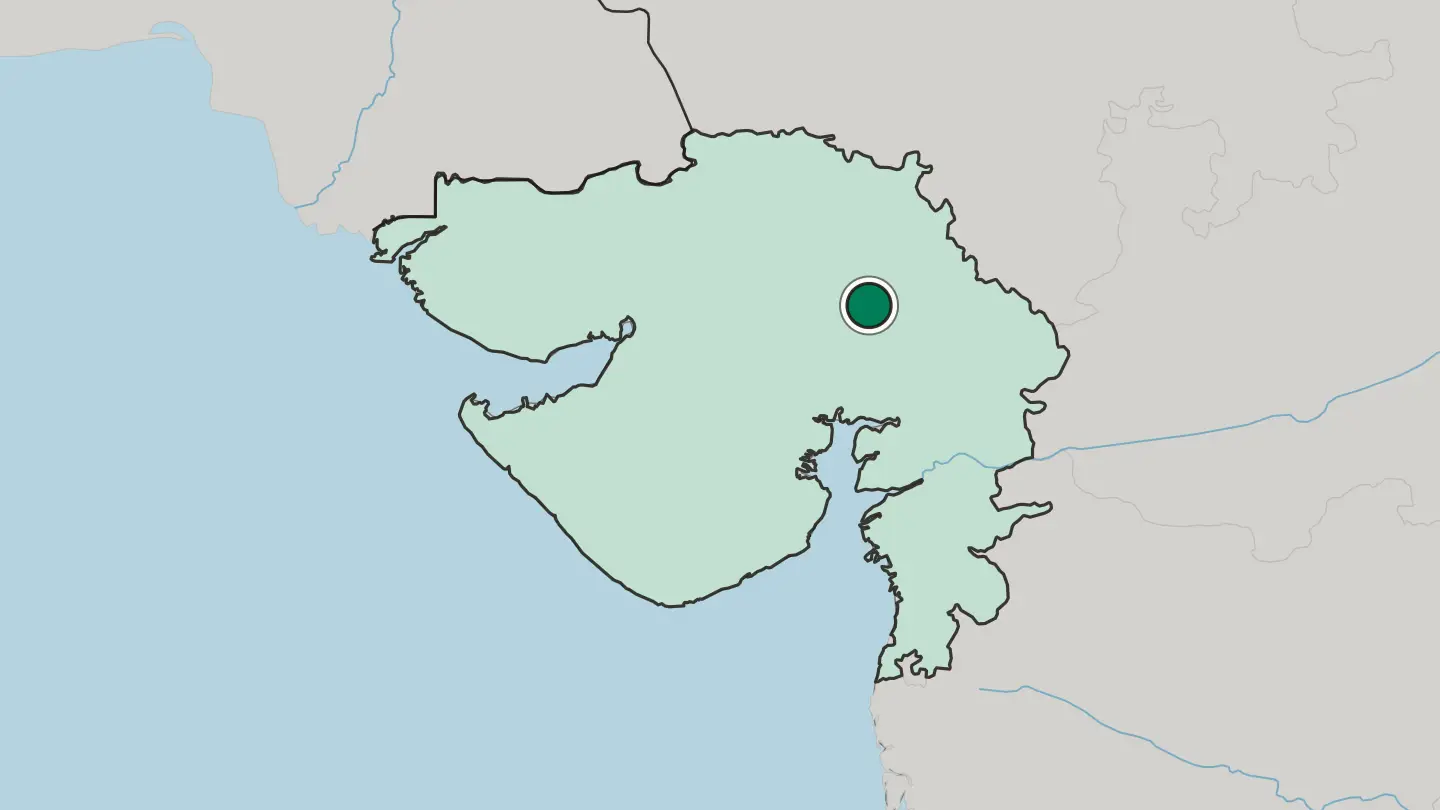
All towns & cities (34)
 India
India
Gāndhīdhām
Gāndhīdhām is a port city of Kutch district in Gujarāt, made in the early 1950s for resettlement and named after M K Gandhi.Where to stay →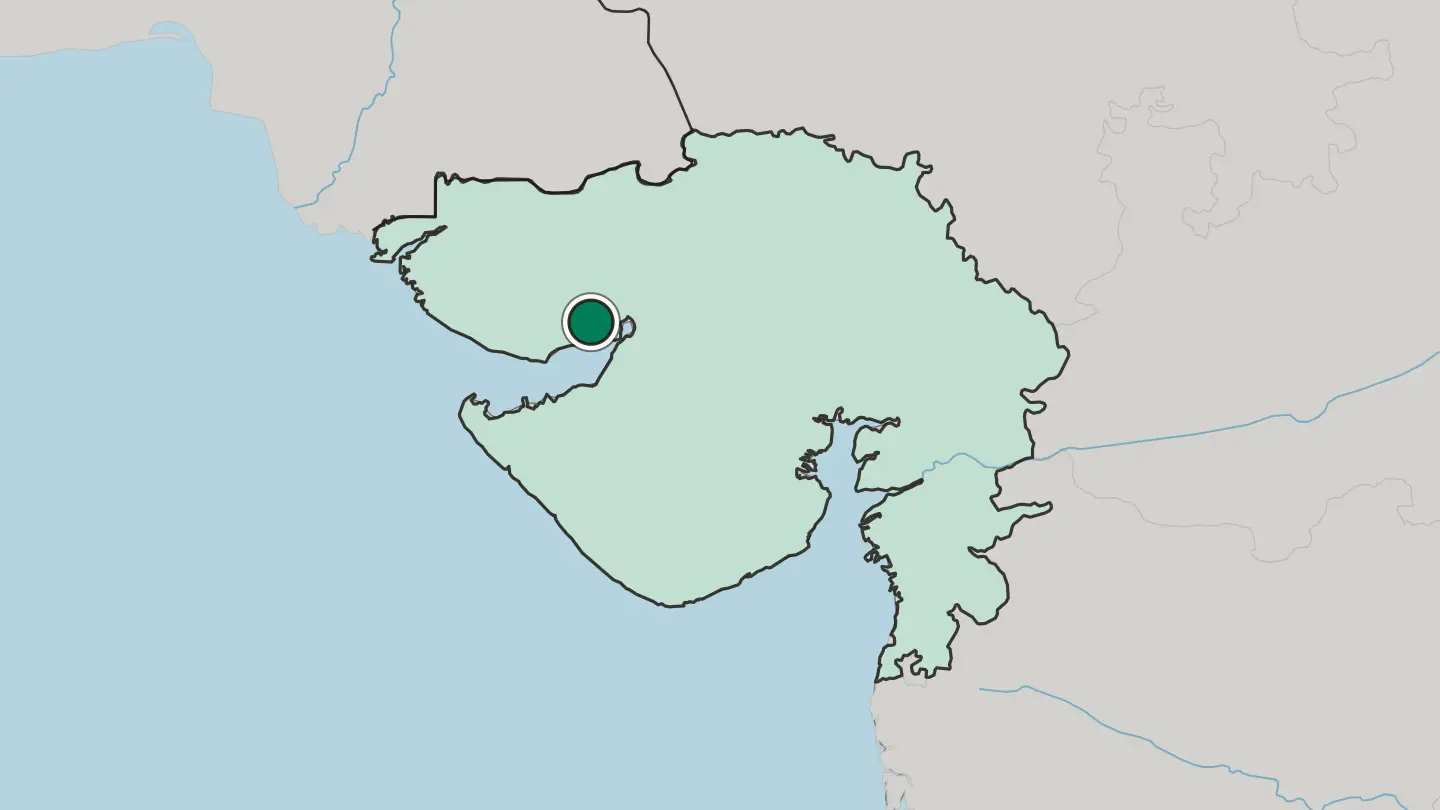 India
India
Nadiād
Nadiād, the administrative centre of Kheda district in Gujarāt, holds the Santram Mandir and the birthplace of Sardar Vallabhbhai Patel.Where to stay →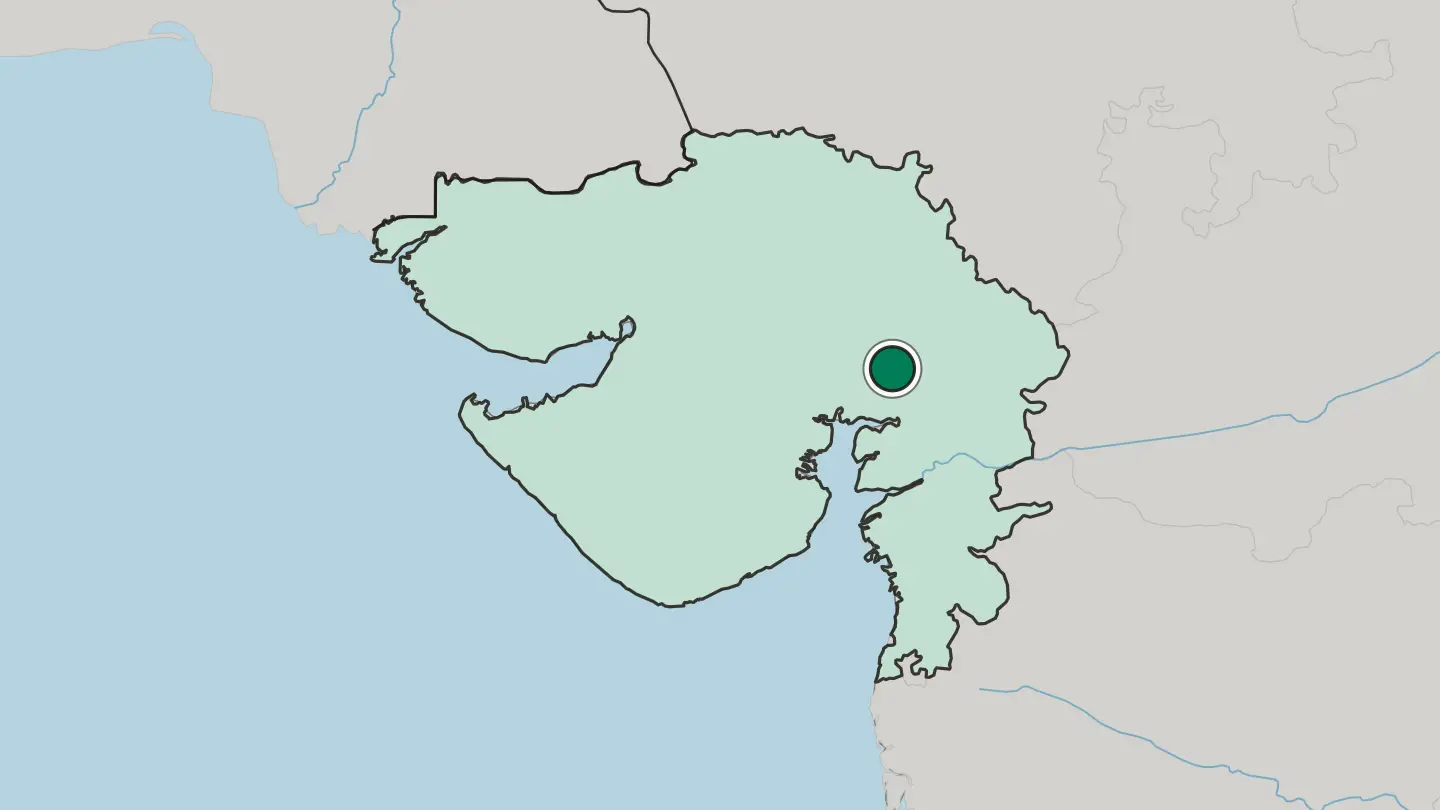 India
India
Morvi
Morvi stands on the Machhu River in Saurashtra, founded around 1698 as a princely capital and lying some 35 km from the sea.Where to stay →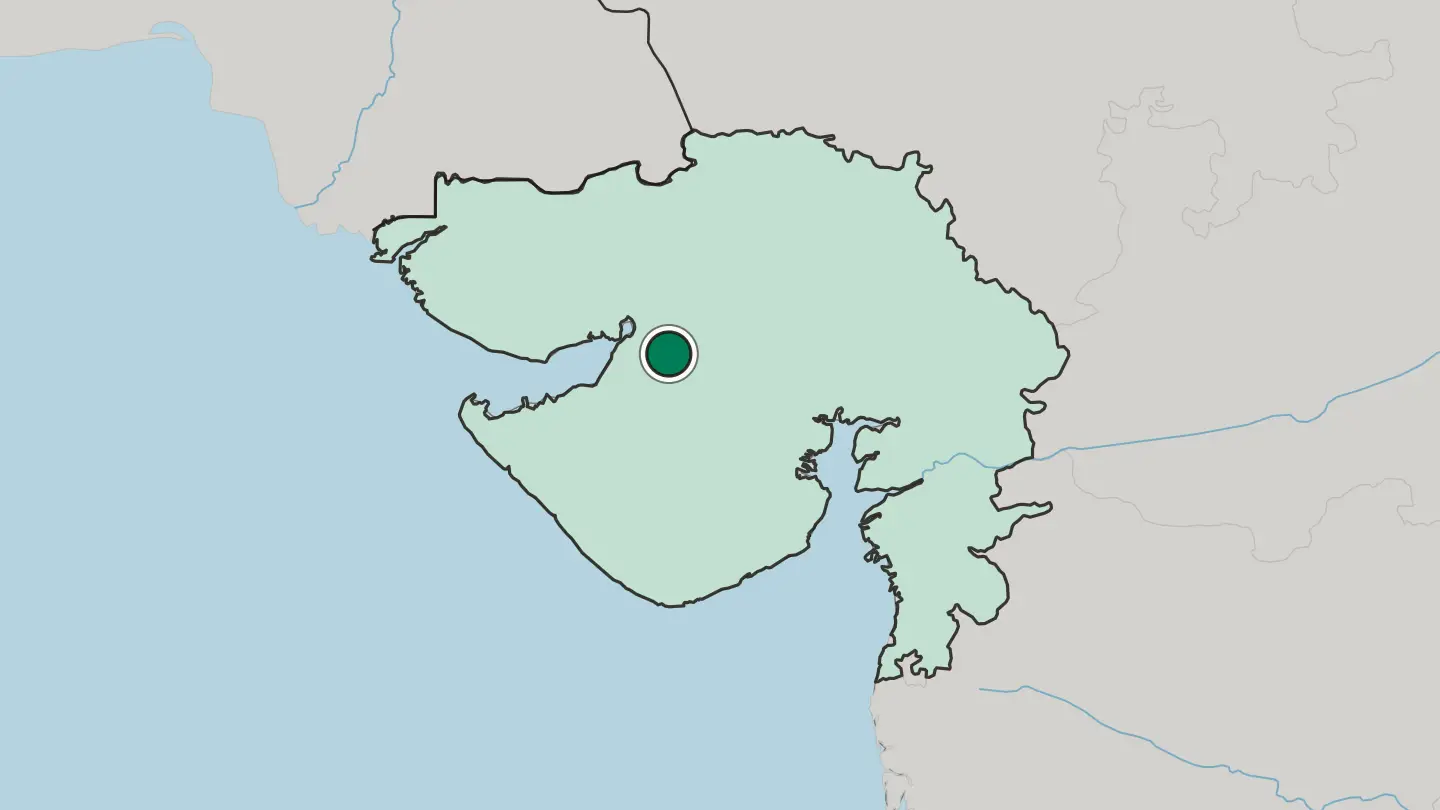 India
India
Anand
Anand, the administrative centre of Anand District in Gujarāt, is known as the milk capital of India and lies in the Charotar region.Where to stay →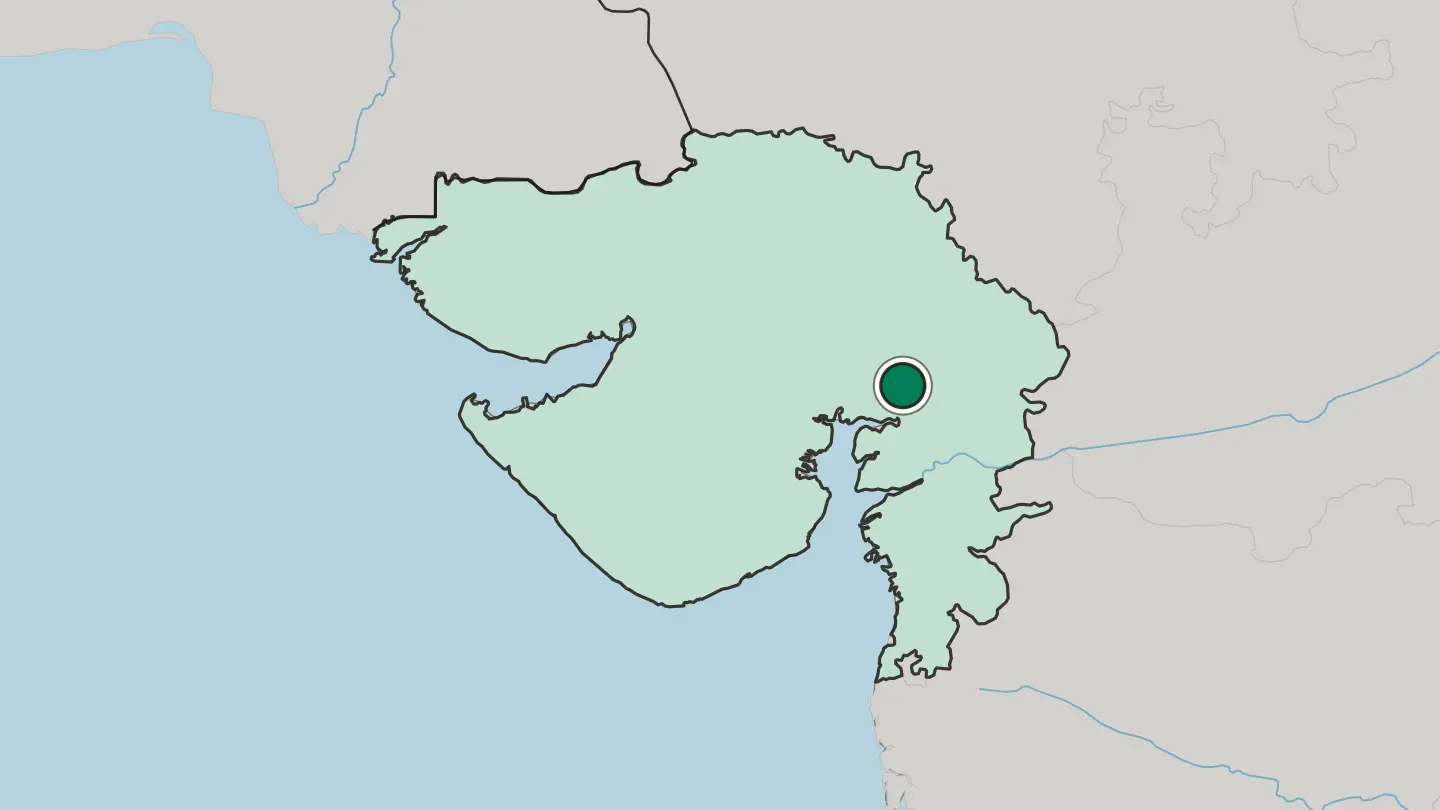 India
India
Mahesāna
Mahesāna is the headquarters of Mehsana district in Gujarāt, a working city of dairy, oil, and natural gas established in the 14th century.Where to stay →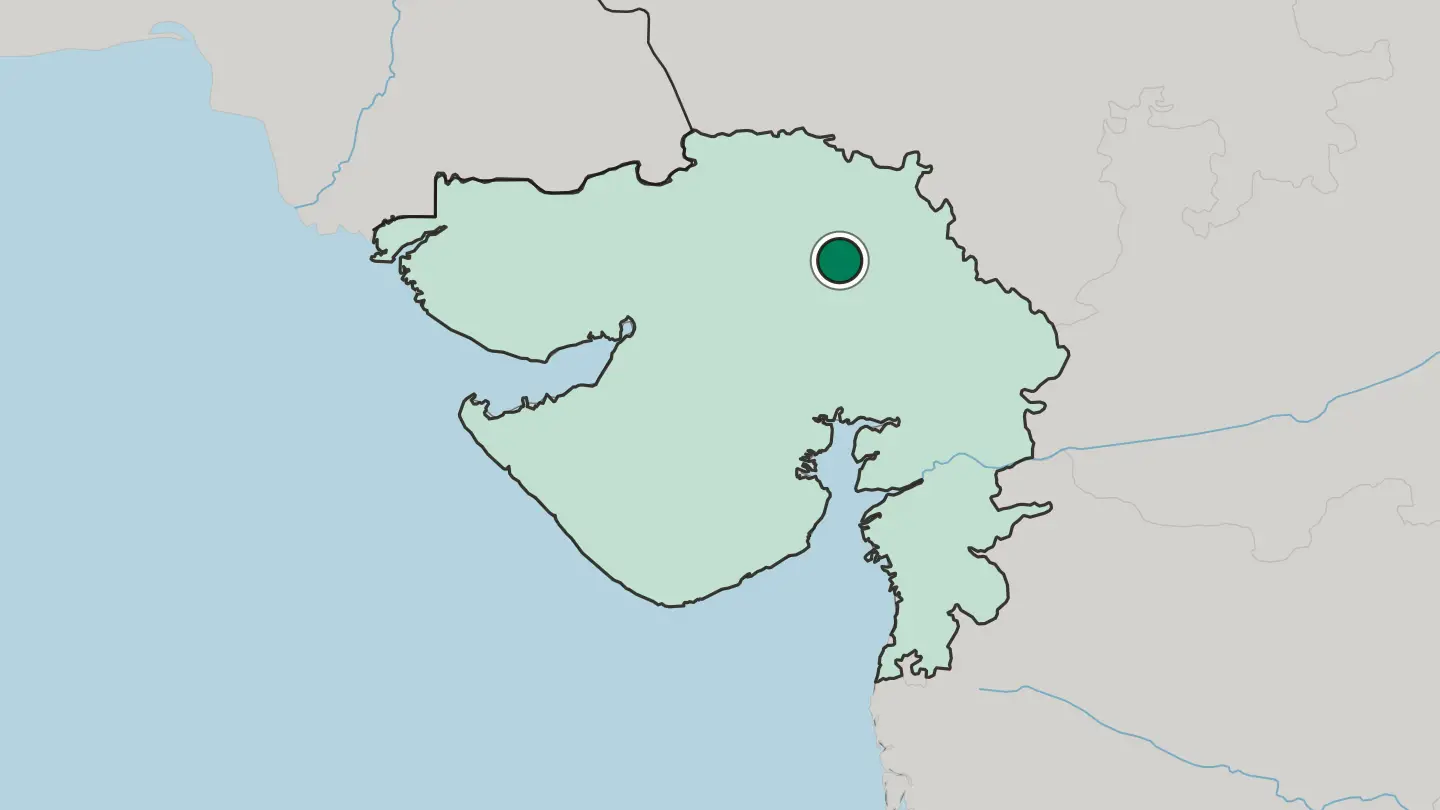
 India
India
Verāval
Verāval, also called Somnath, is a coastal fishing port in Gujarāt whose Somnath Temple is one of the twelve Jyotirlinga shrines of Shiva.Where to stay →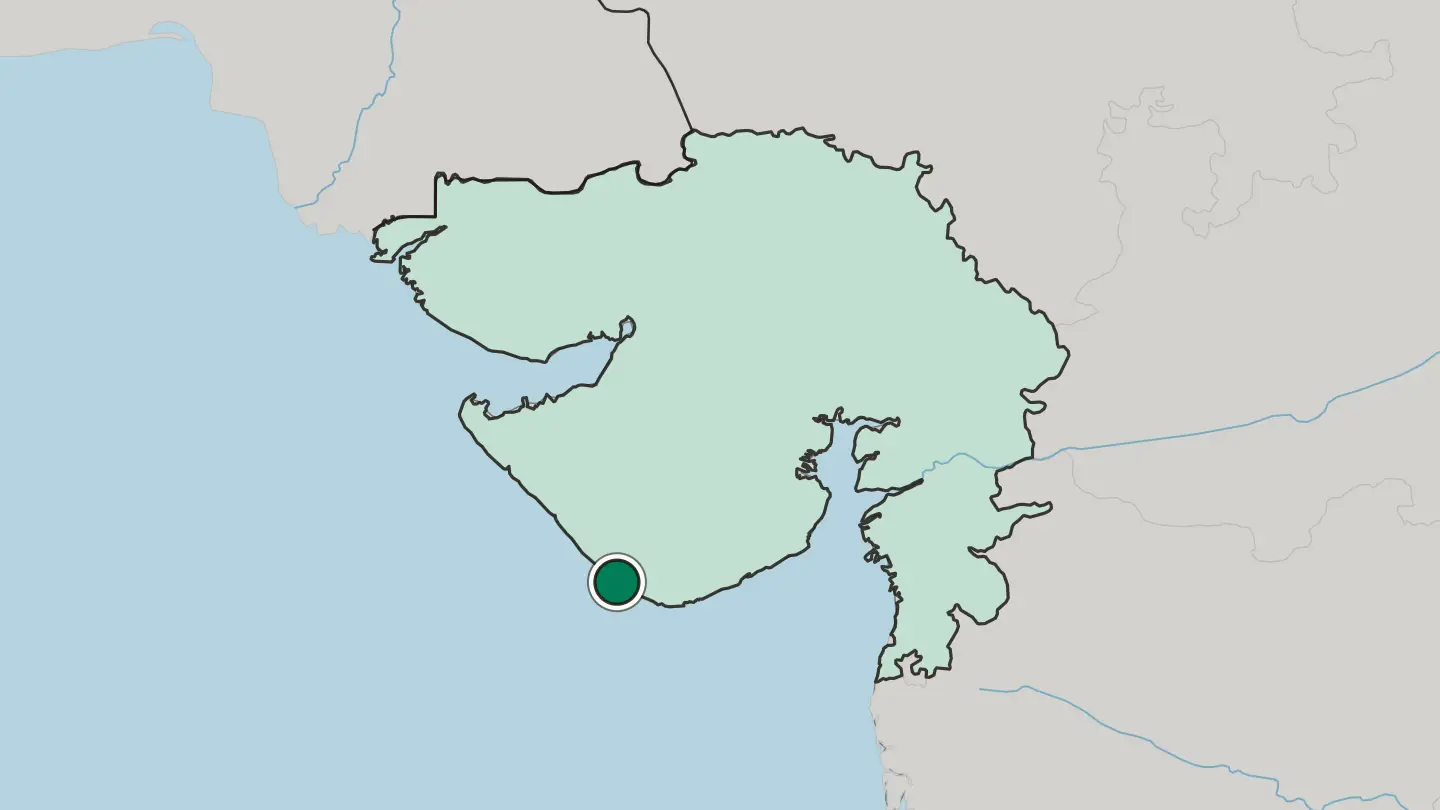 India
India
Navsari
Navsari, headquarters of Navsari District in Gujarāt and twin city of Surat, lies near Dandi, the focal point of the Salt March.Where to stay →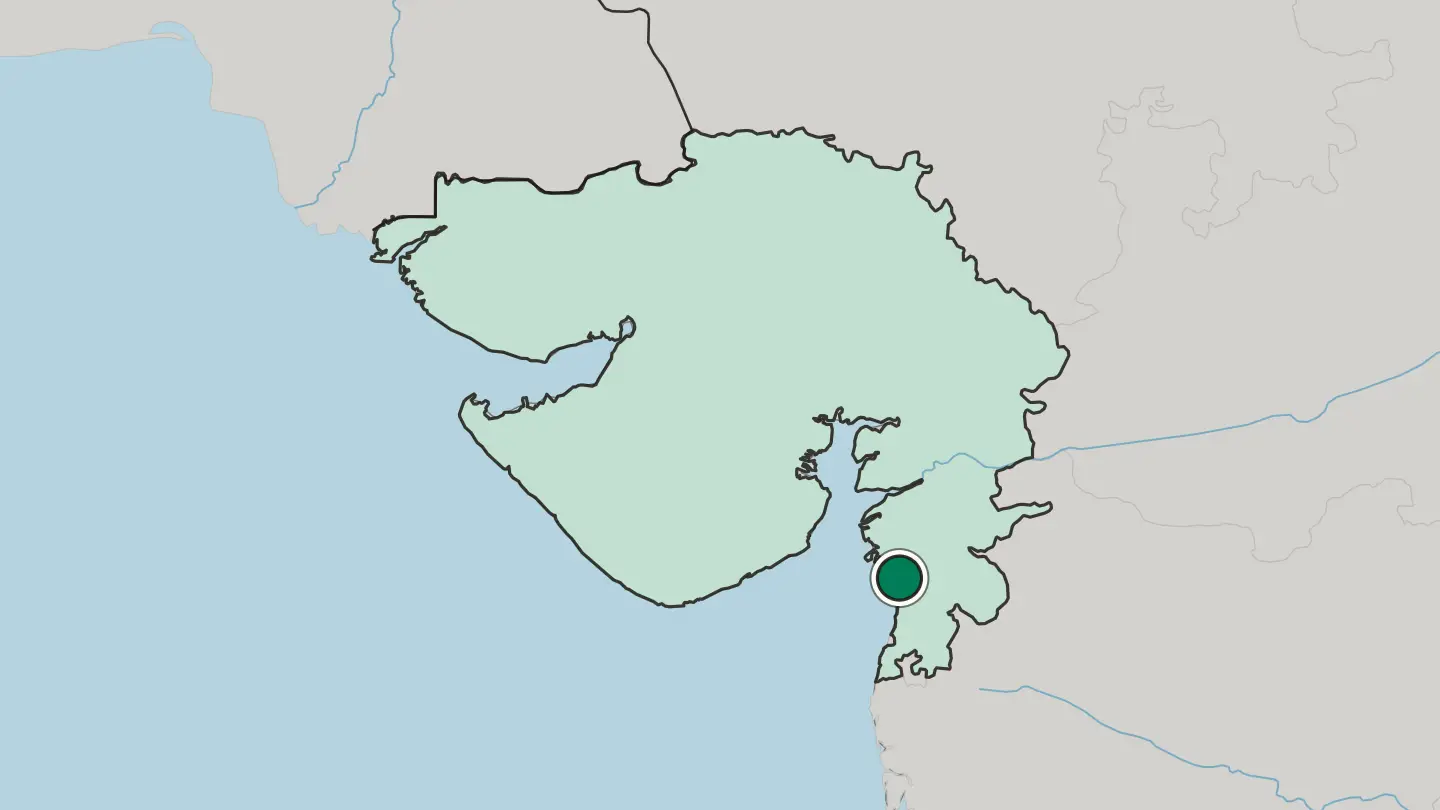
 India
India
Bharūch
Bharūch, the Broach of older maps, stands at the mouth of the Narmada River and holds the district offices of Bharūch District in Gujarāt.Where to stay →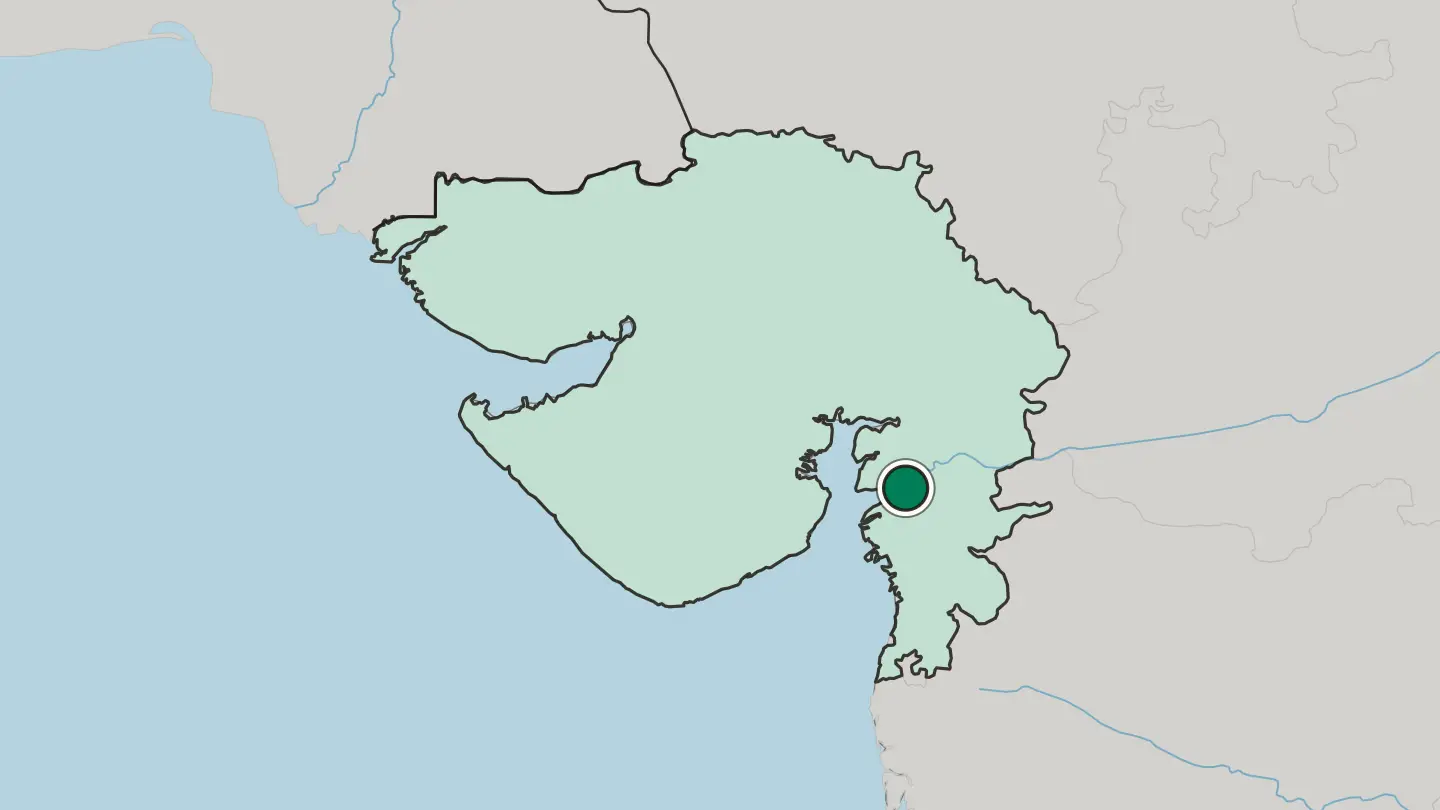
 India
India
Vapi
Vapi stands on the Daman Ganga River in Valsād district, a municipal corporation ringed by Dadra and Nagar Haveli and Daman and Diu.Where to stay →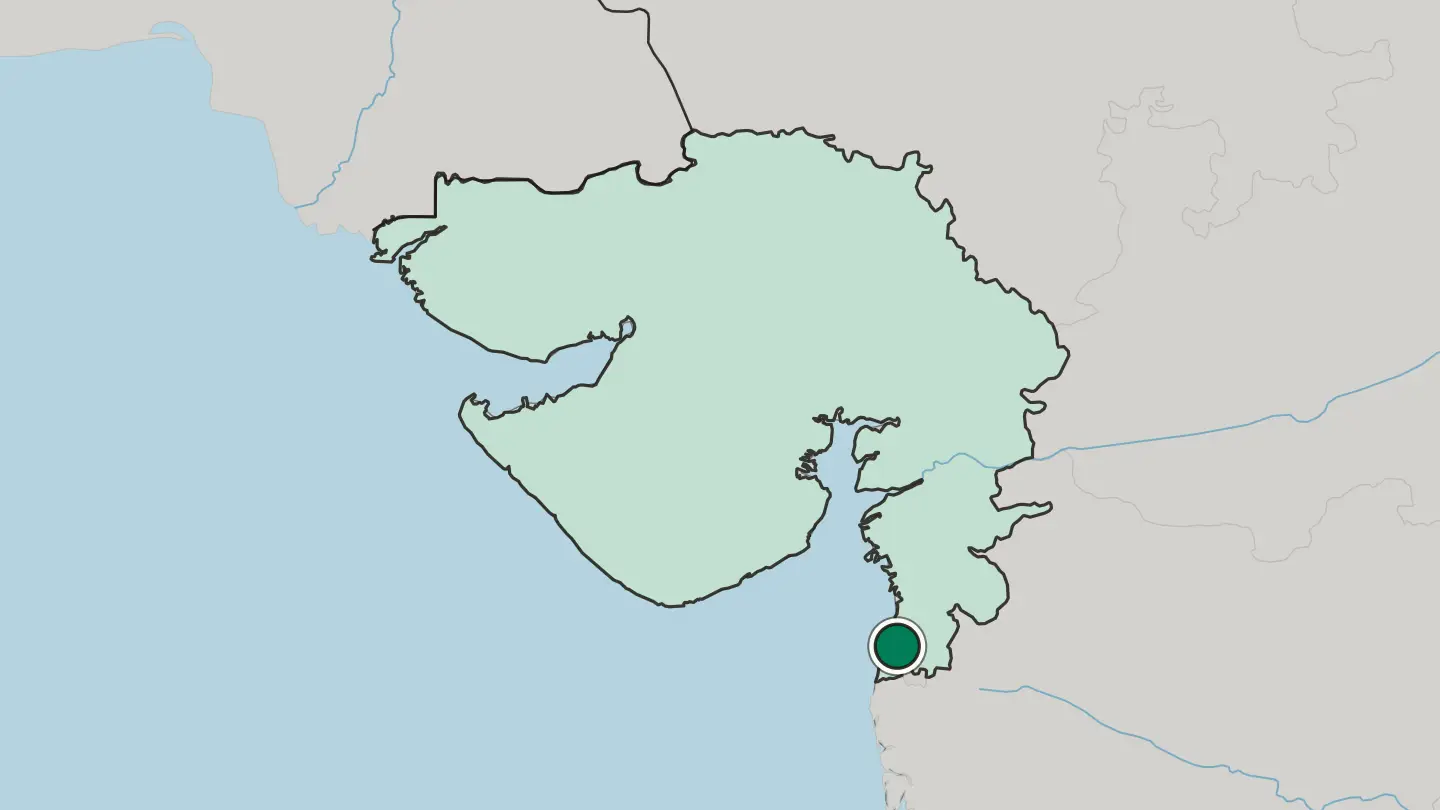 India
India
Porbandar
Porbandar, headquarters of Porbandar district in Saurashtra, is the birthplace of Mahatma Gandhi and the site of Kirti Mandir.Where to stay →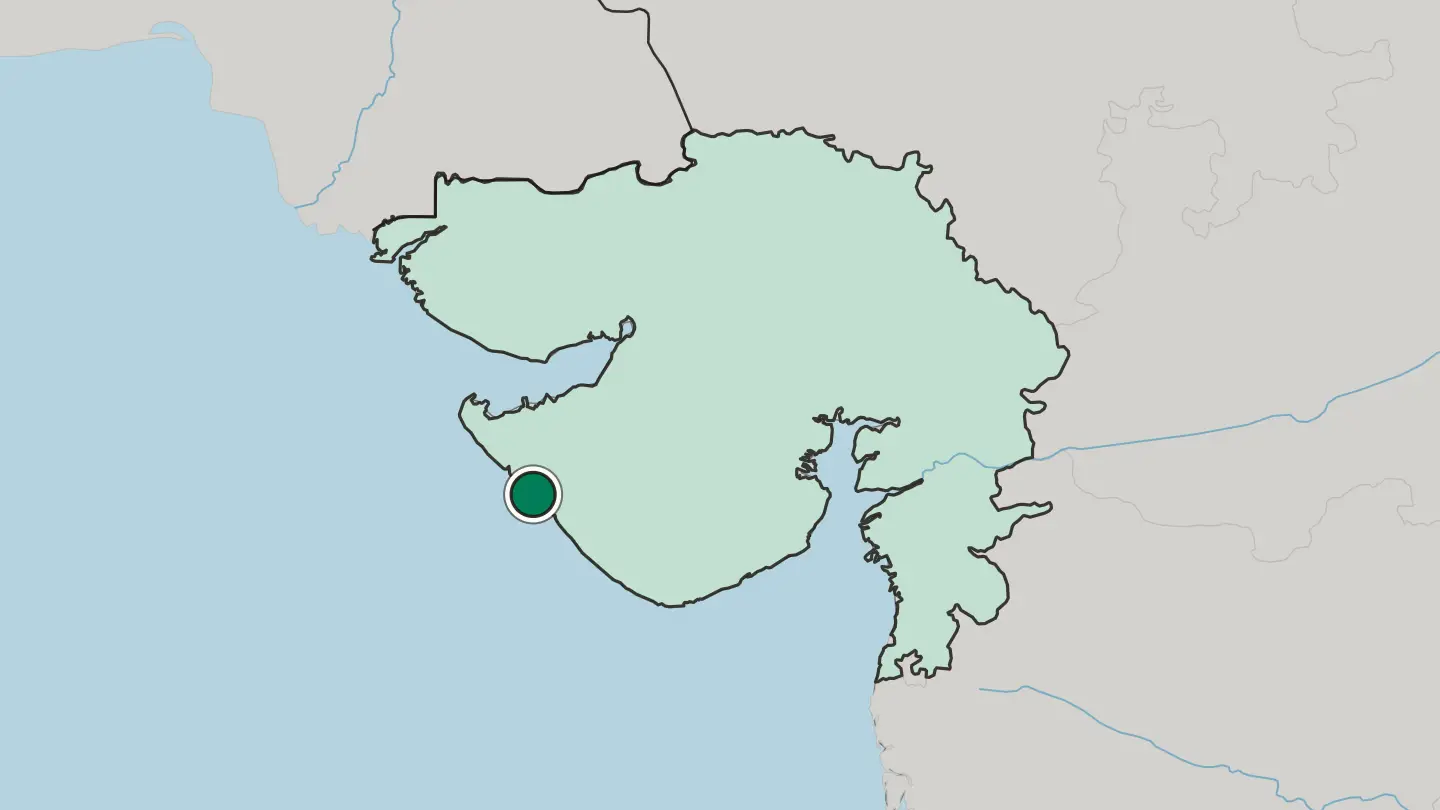
 India
India
Bhuj
Bhuj is the old capital of Kutch in western Gujarat, India, a walled desert town of royal palaces on the edge of the great white Rann.Where to stay →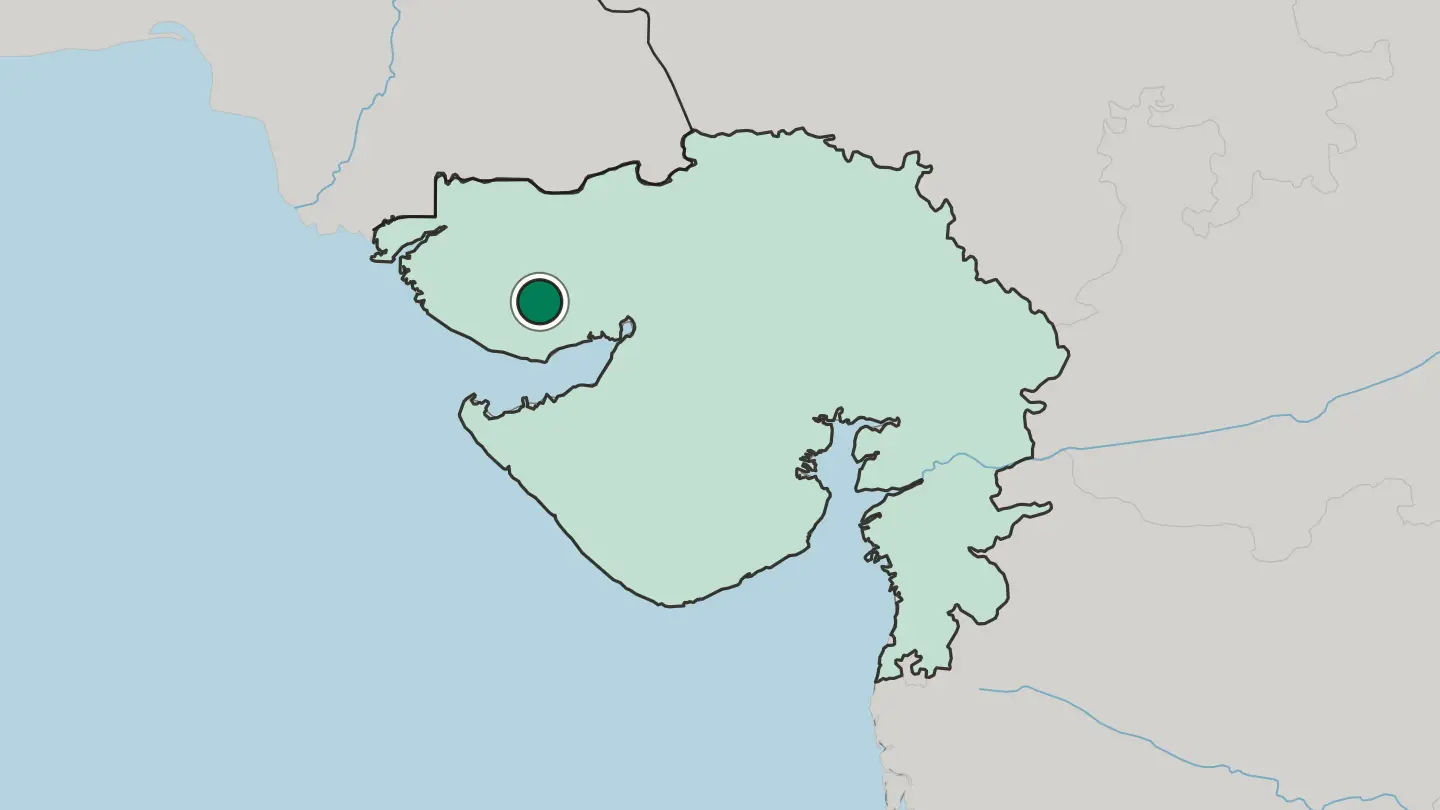 India
India
Godhra
Godhra is the administrative capital of Panchmahal district in Gujarāt, and its name is read as the Land of the Cow.Where to stay →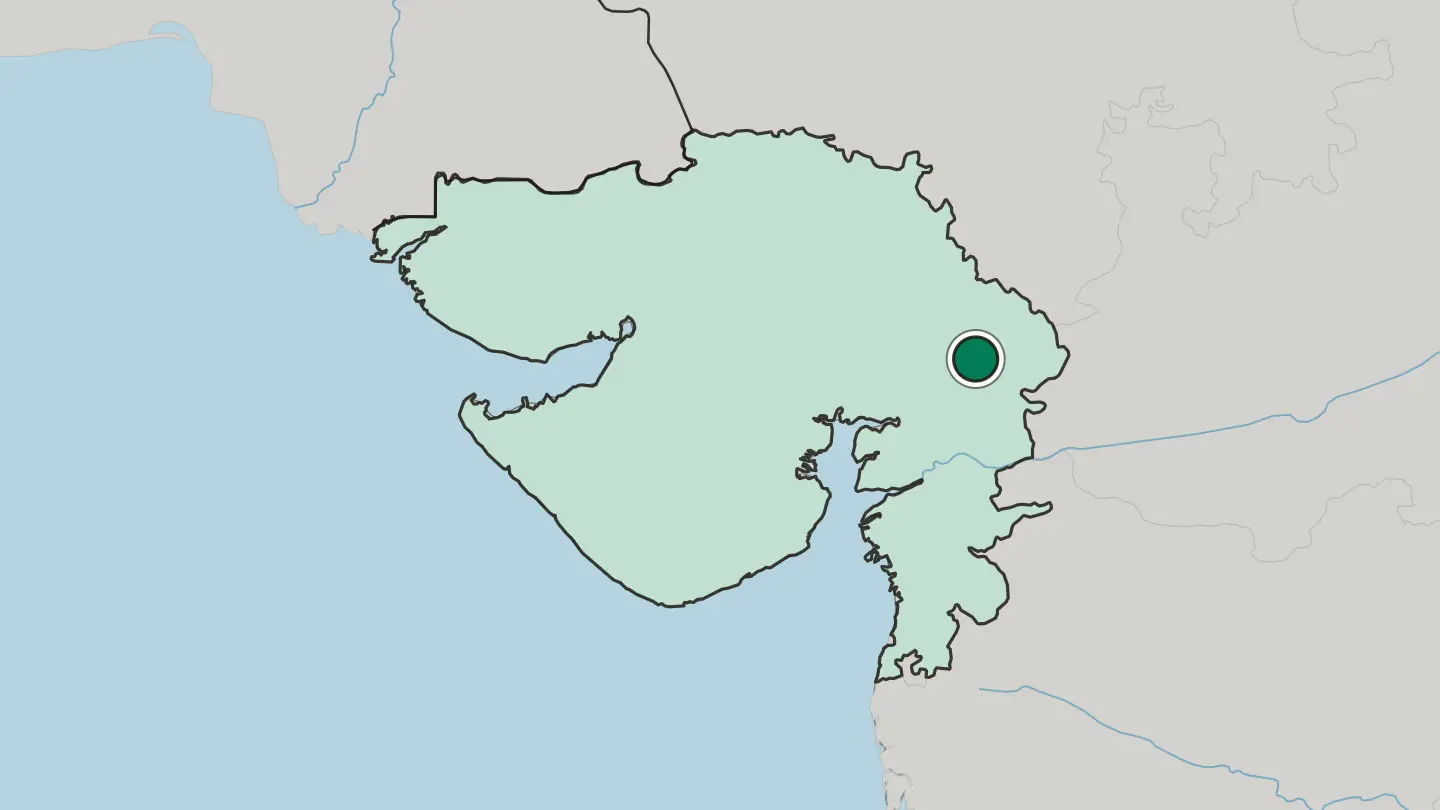 India
India
Pālanpur
Pālanpur heads Banaskantha district in Gujarāt, and is the ancestral home of an industry of Indian diamond merchants.Where to stay →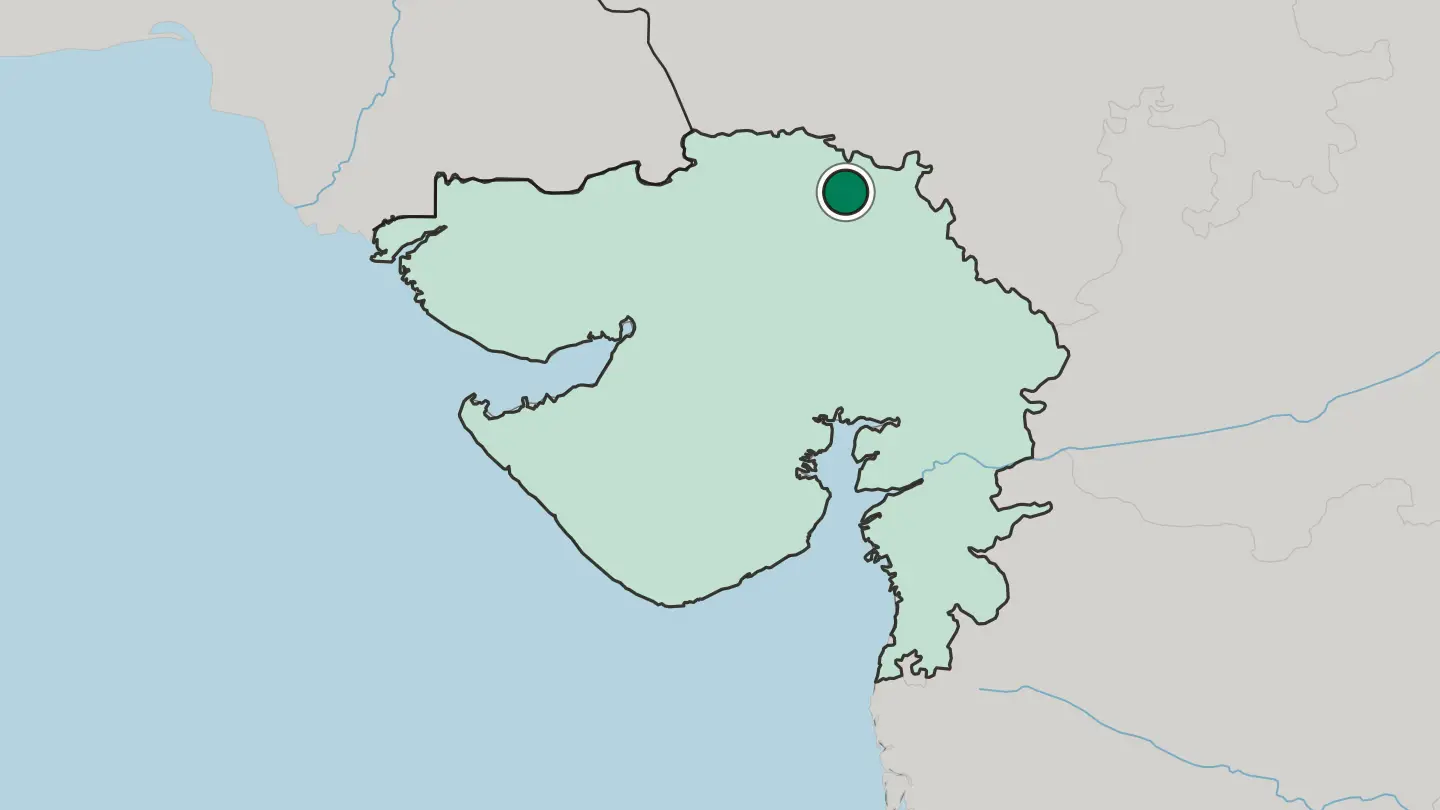 India
India
Valsād
Valsād, once written Bulsar, heads its district in Gujarāt and is known for mango orchards, a beach, and temples.Where to stay →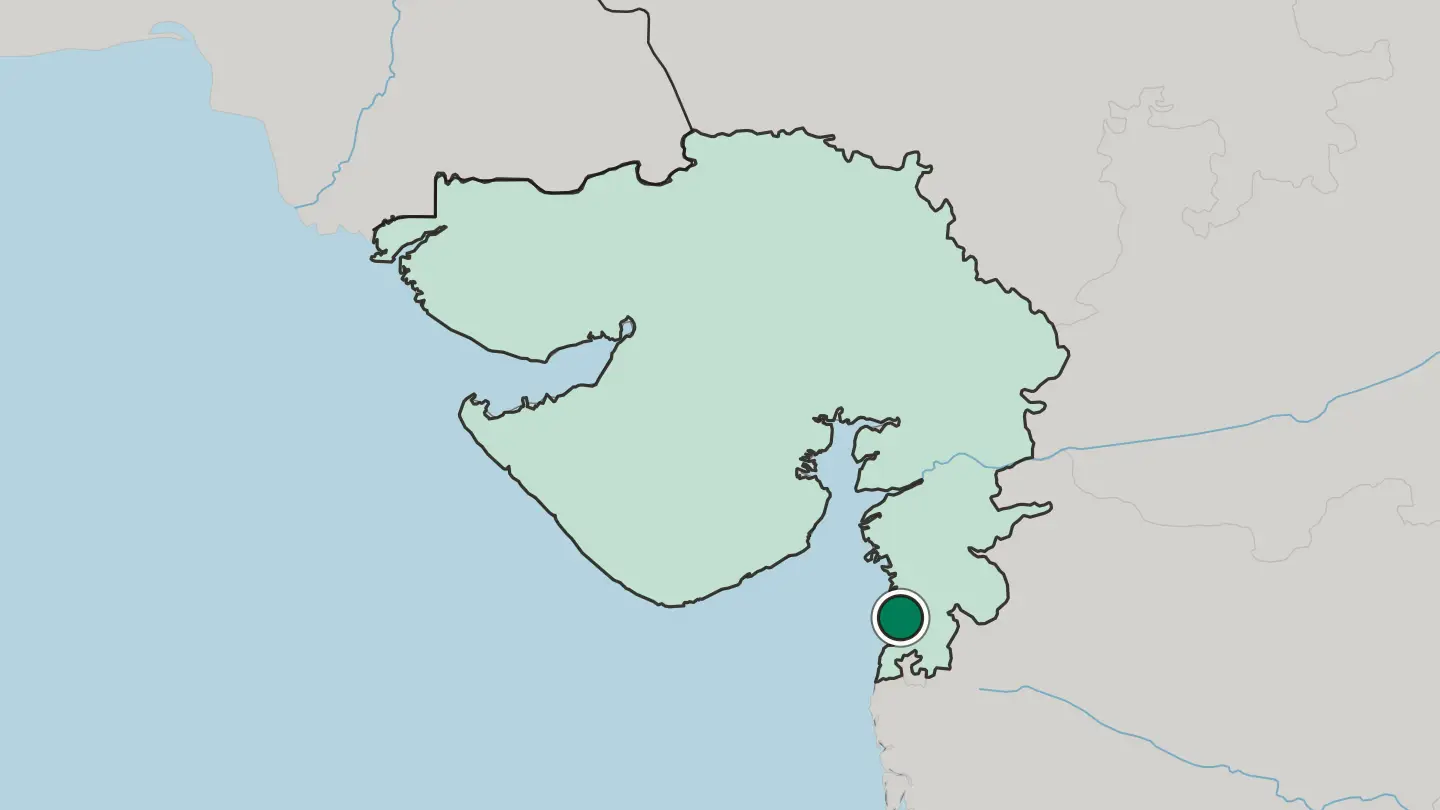
 India
India
Pātan
Pātan was the capital of Gujarāt under the Chavda and Chaulukya dynasties, and keeps Rani ki Vav, a stepwell inscribed by UNESCO.Where to stay →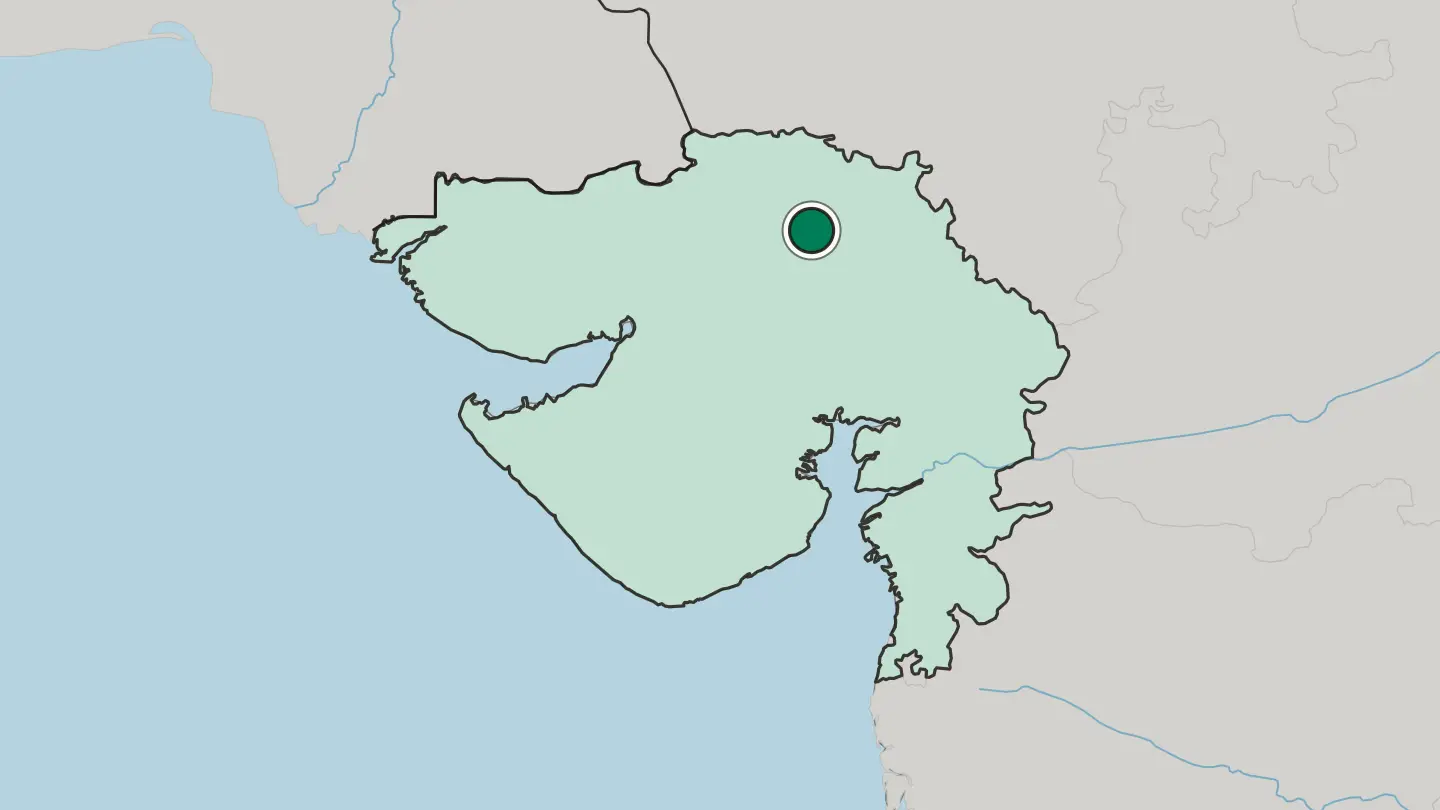 India
India
Dohad
Dohad, written Dahod, stands on the banks of the Dudhimati River in Gujarāt and was the birthplace of the Mughal emperor Aurangzeb.Where to stay →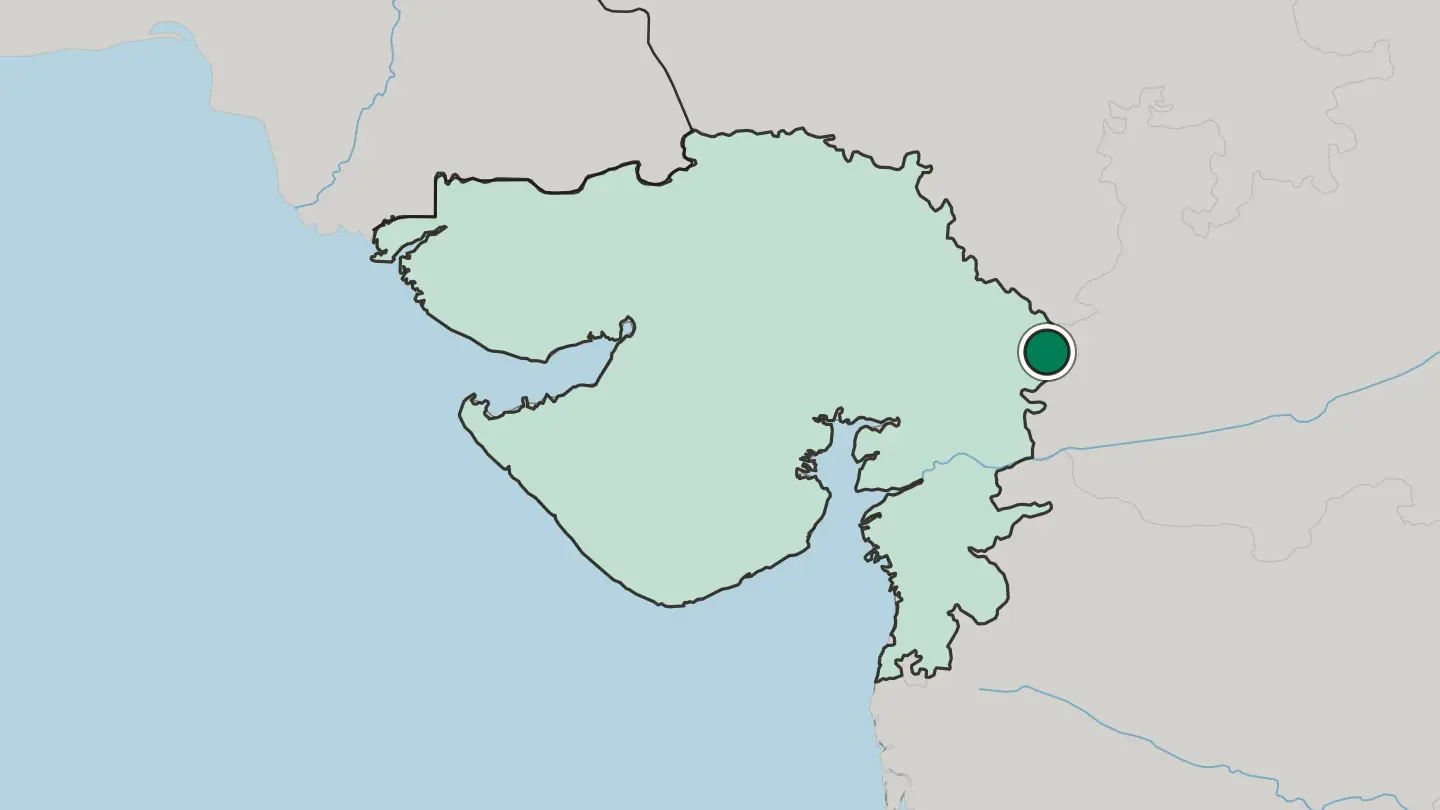 India
India
Amreli
Amreli is a city and municipality in Amreli district, Gujarāt, with two recorded ancient sites: Gohilwad Timbo and the one at Venivadar.Where to stay →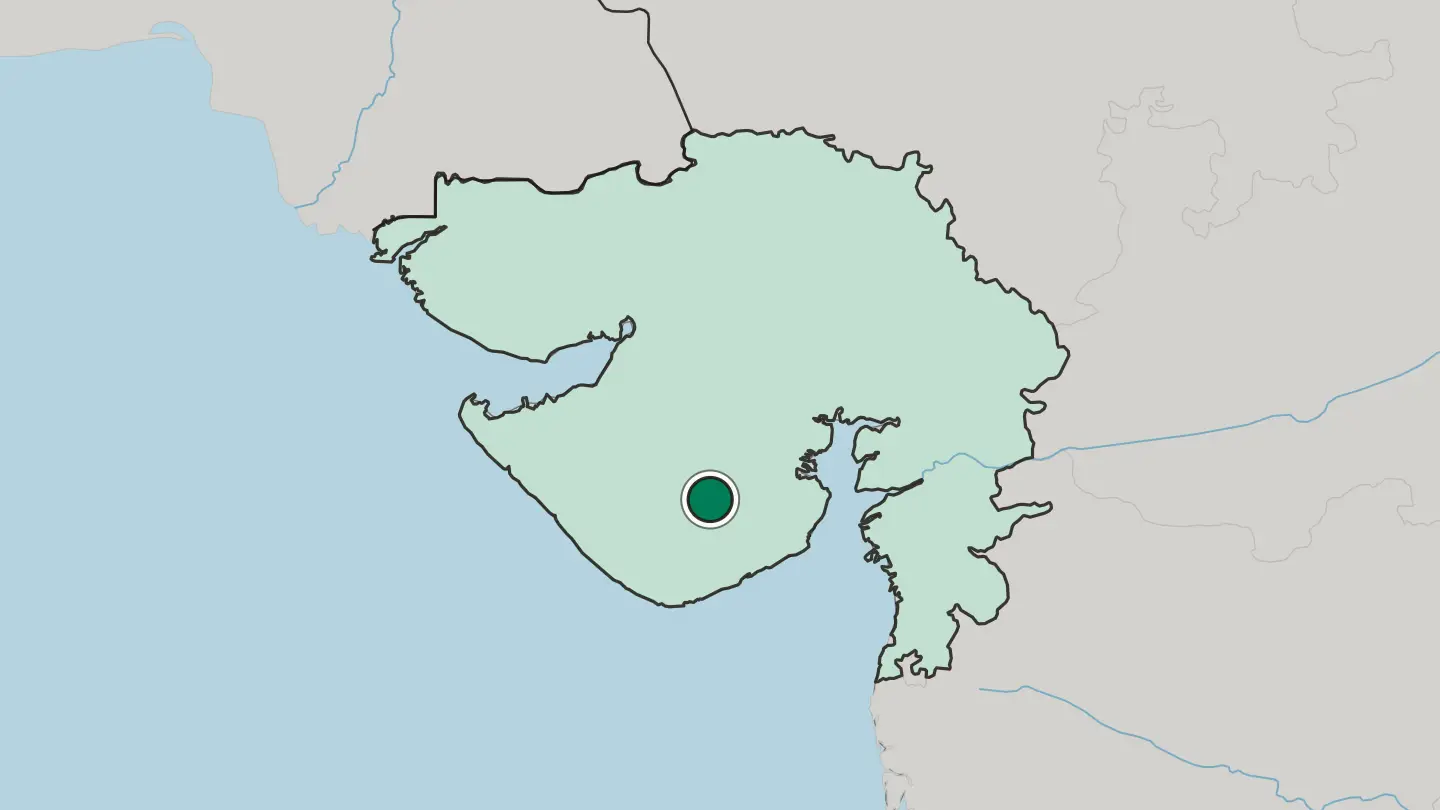
 India
India
Gondal
Gondal is a municipality in the Rajkot district of Gujarāt, once one of the eight first-class princely states of the Kathiawar Agency.Where to stay →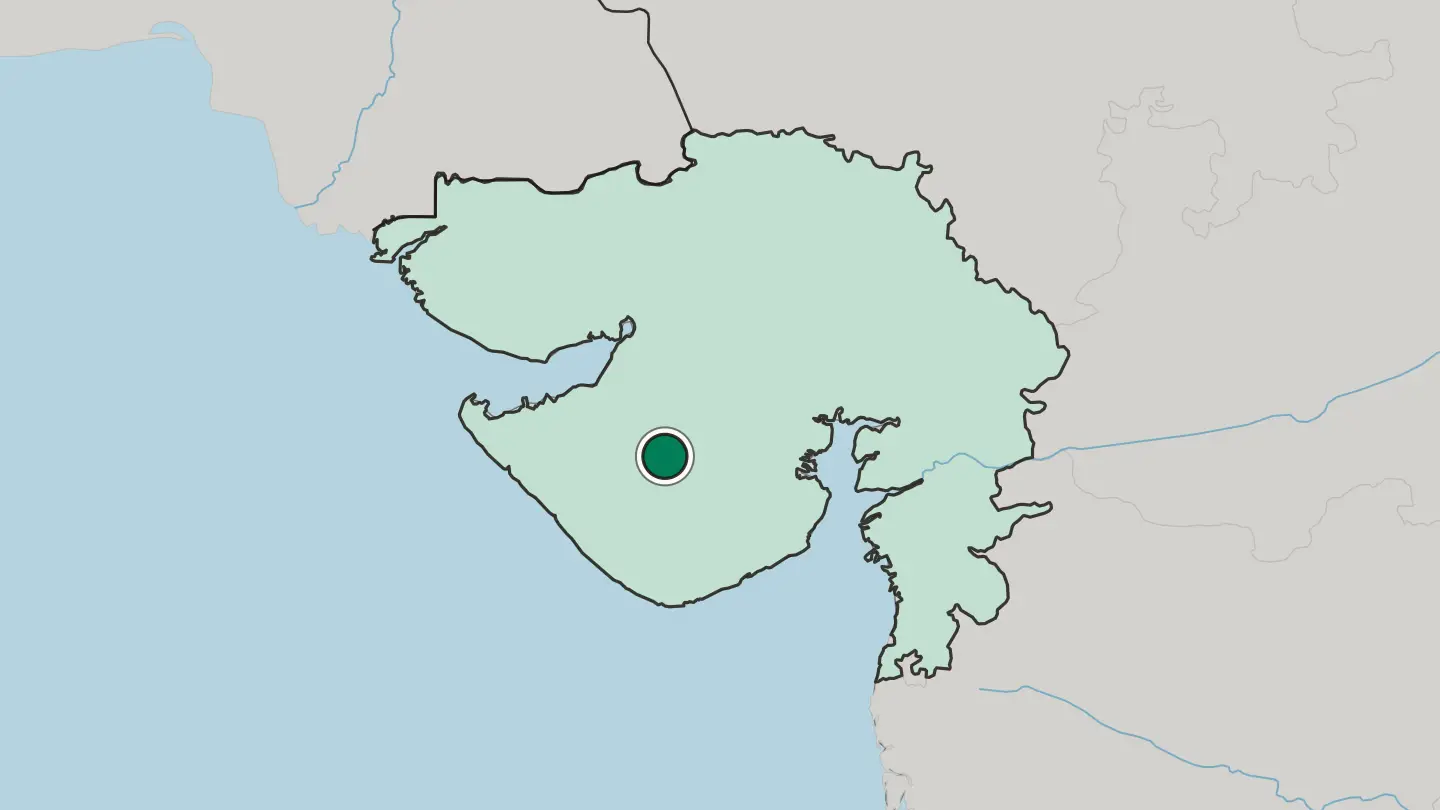 India
India
Khambhāt
Khambhāt, once known as Cambay, stands at the inland end of the Gulf of Khambhāt in Anand district, Gujarat.Where to stay →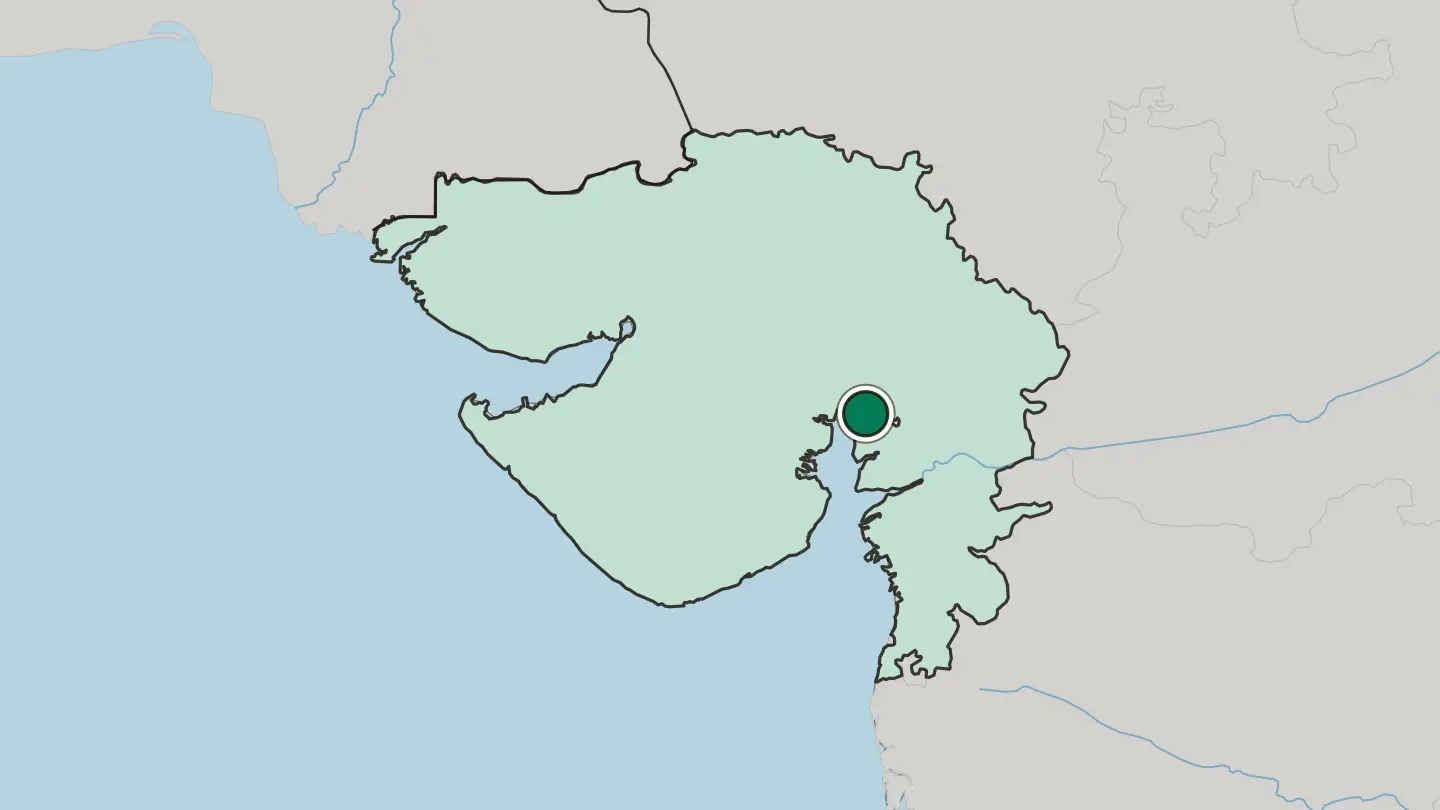 India
India
Sānand
Sānand is a city and municipality in Ahmedabad district, Gujarat, where Tata Motors and Ford built car plants on former farmland.Where to stay →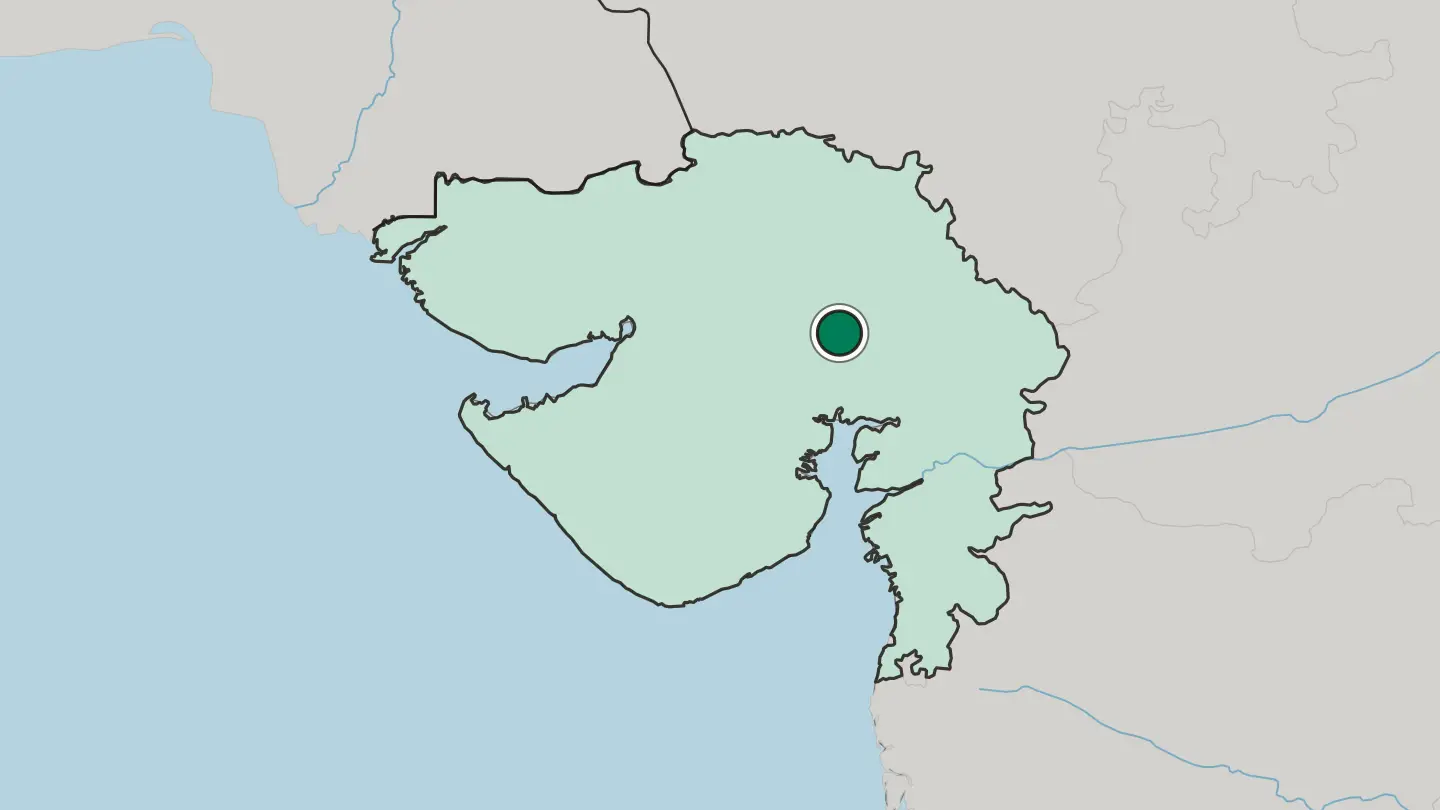 India
India
Ankleshwar
Ankleshwar is a city of the Bharūch district in Gujarāt, India, standing 14 kilometres out from Bharūch itself.Where to stay →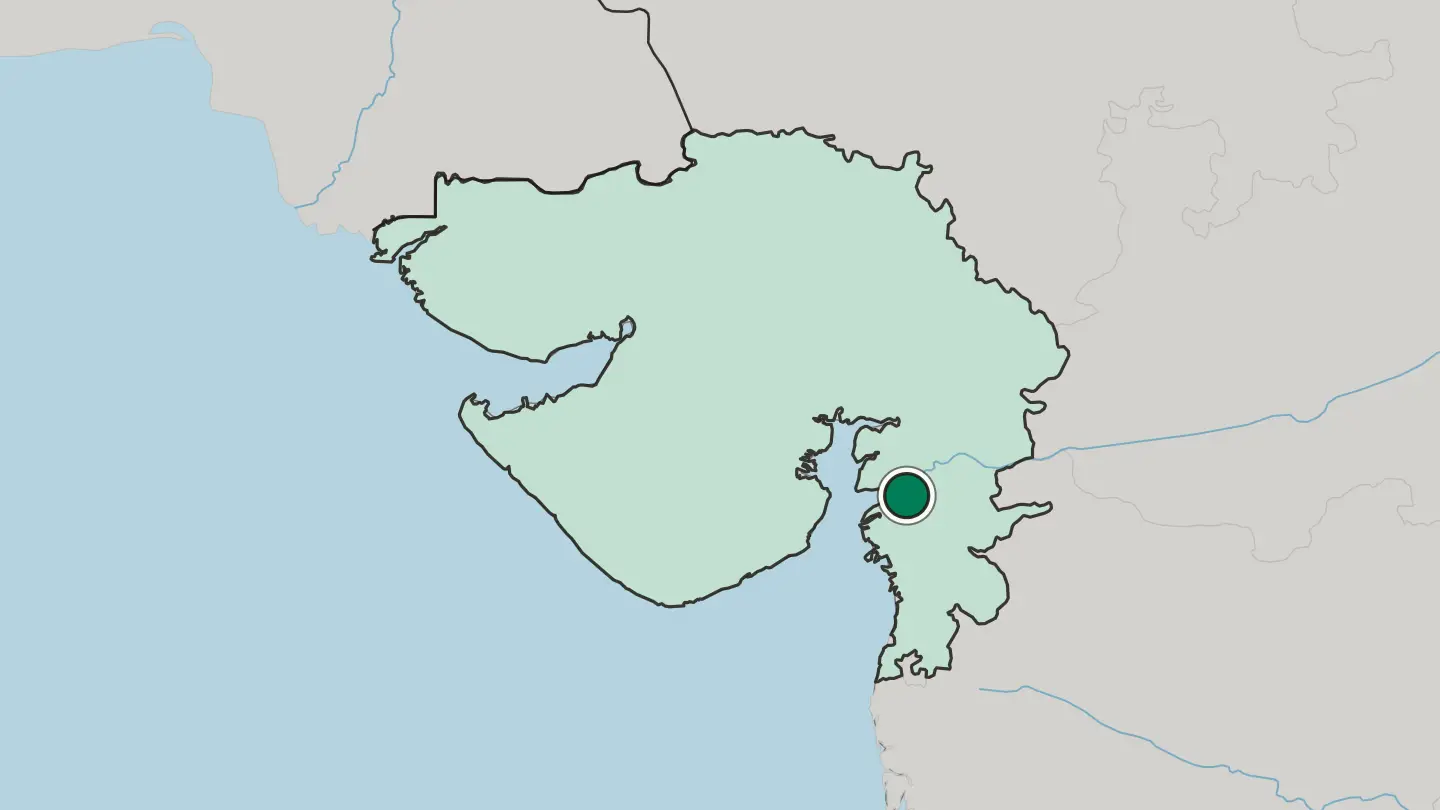
 India
India
Himatnagar
Himatnagar, headquarters of Sabarkantha district in Gujarat, stands on the Hathmati where Ahmad Shah raised the fort town of Ahmednagar.Where to stay →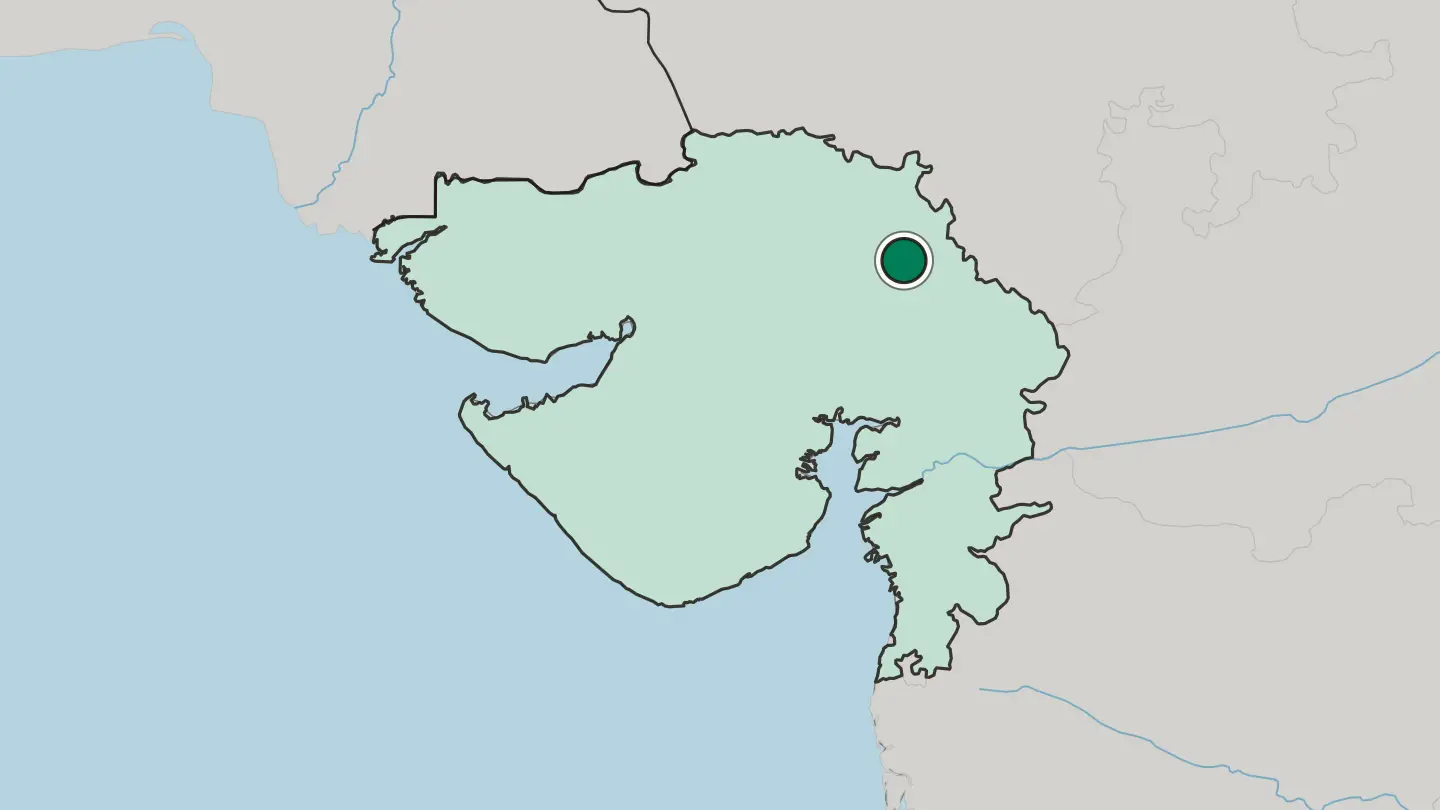
 India
India
Pālitāna
Pālitāna, in the Saurashtra region of Gujarāt, is a Jain pilgrimage town beneath Shatrunjaya, whose hill carries more than 900 marble temples.Where to stay →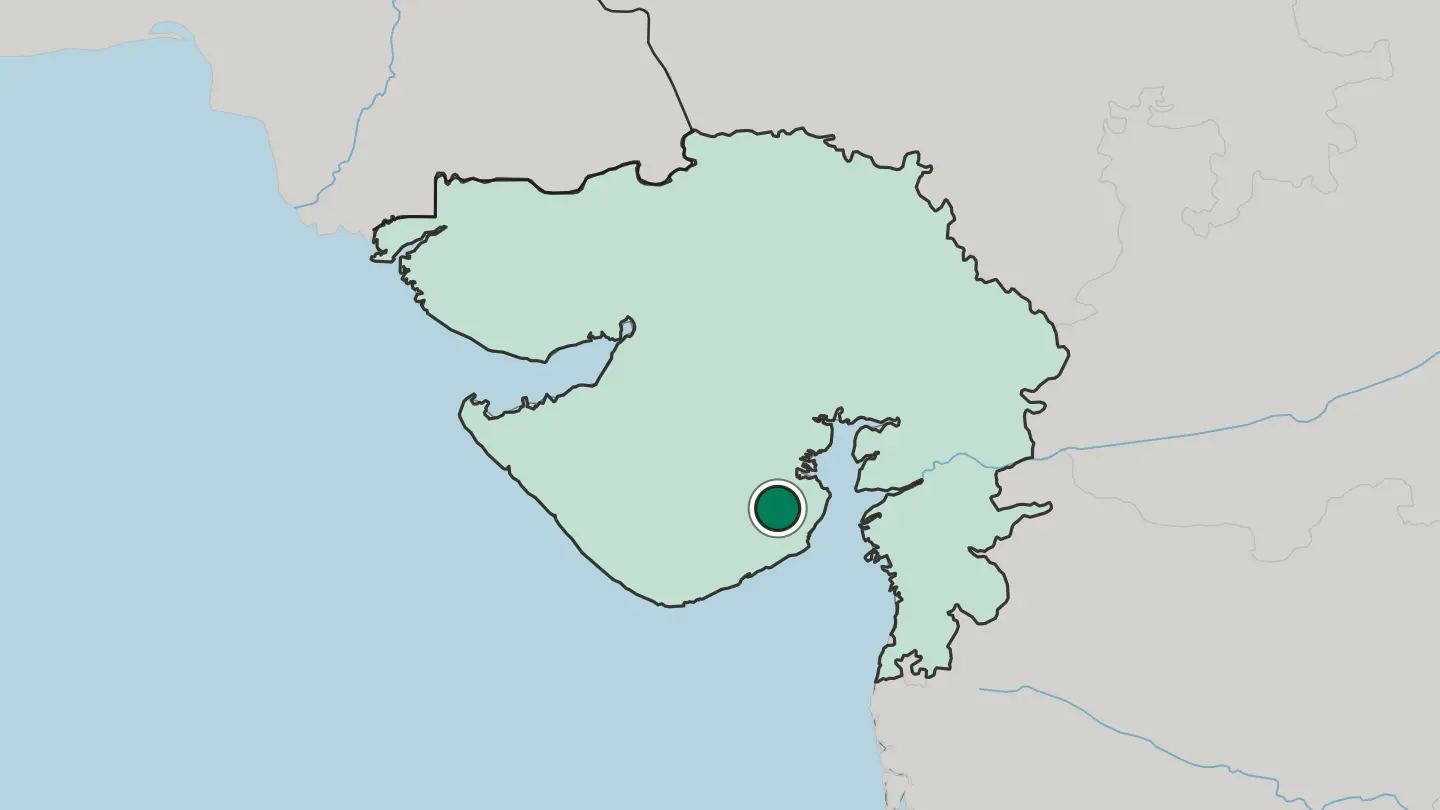
 India
India
Okha
Okha is a coastal town in Devbhoomi Dwarka district, Gujarat, whose port is a Hindu pilgrimage site for a temple dedicated to Krishna.Where to stay →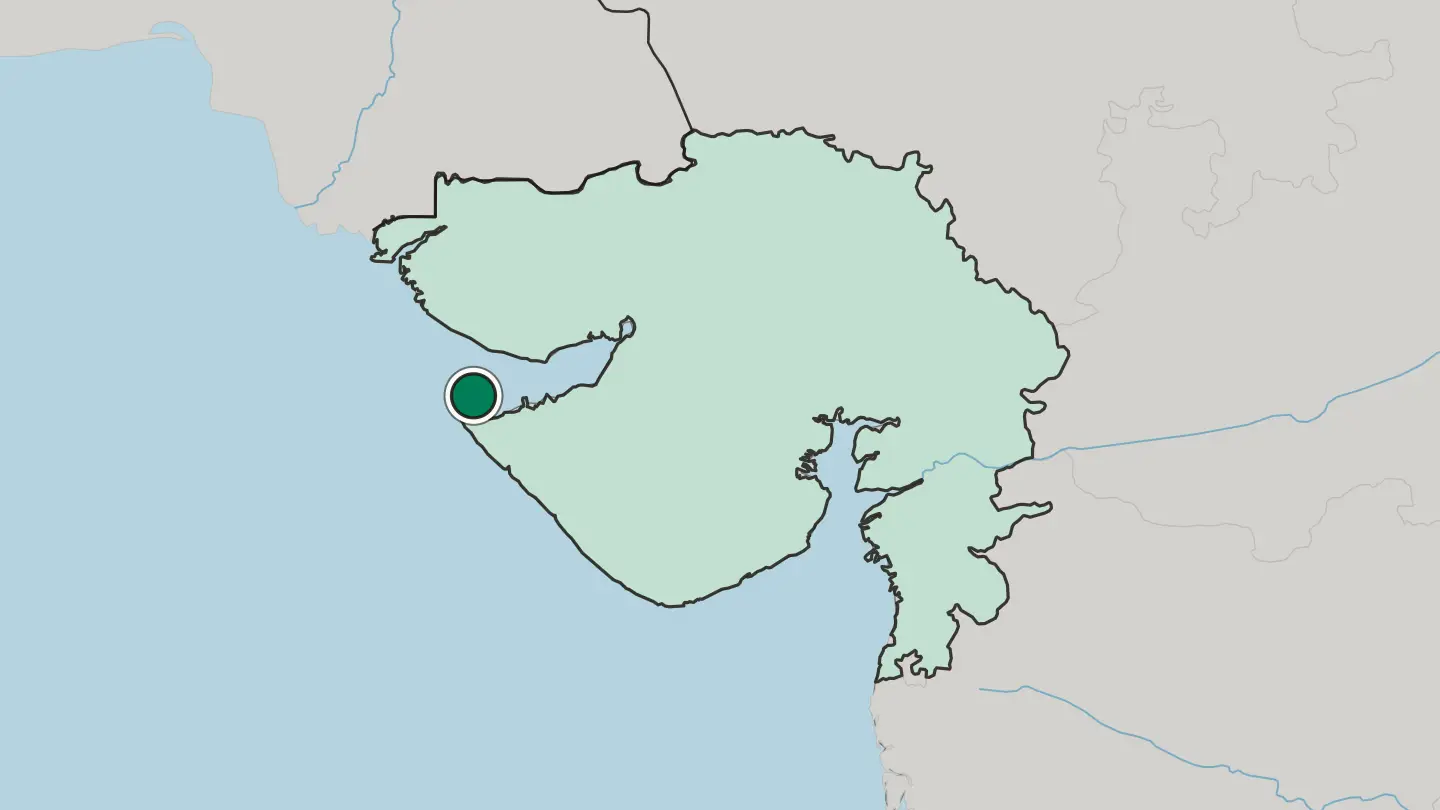
 India
India
Siddhapur
Siddhapur, also written Siddhpur, stands on the bank of the endorheic Saraswati River in Patan district, Gujarat.Where to stay →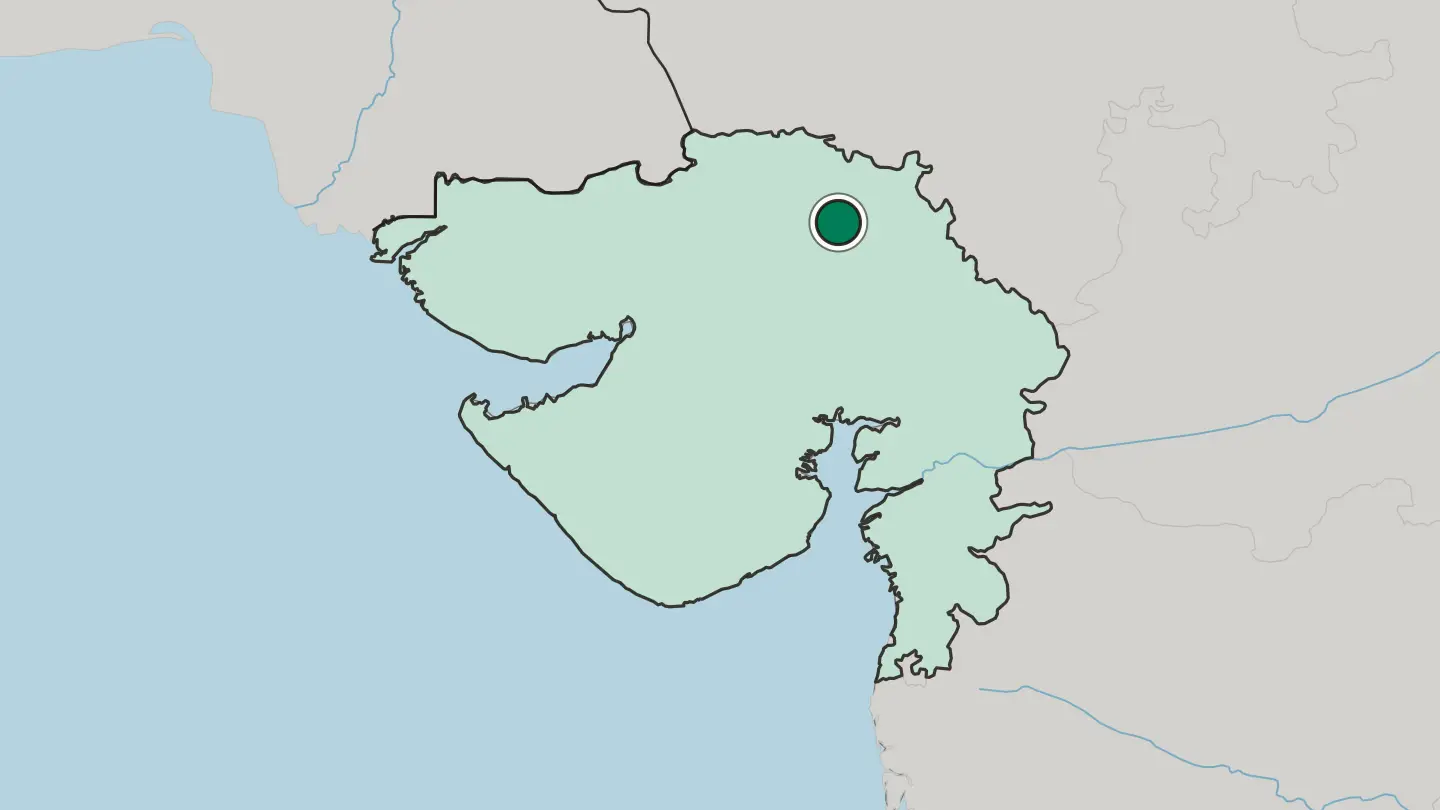
 India
India
Māndvi
Māndvi is a beach town in the Kachchh district of Gujarat, an old port where wooden dhows are still built.Where to stay →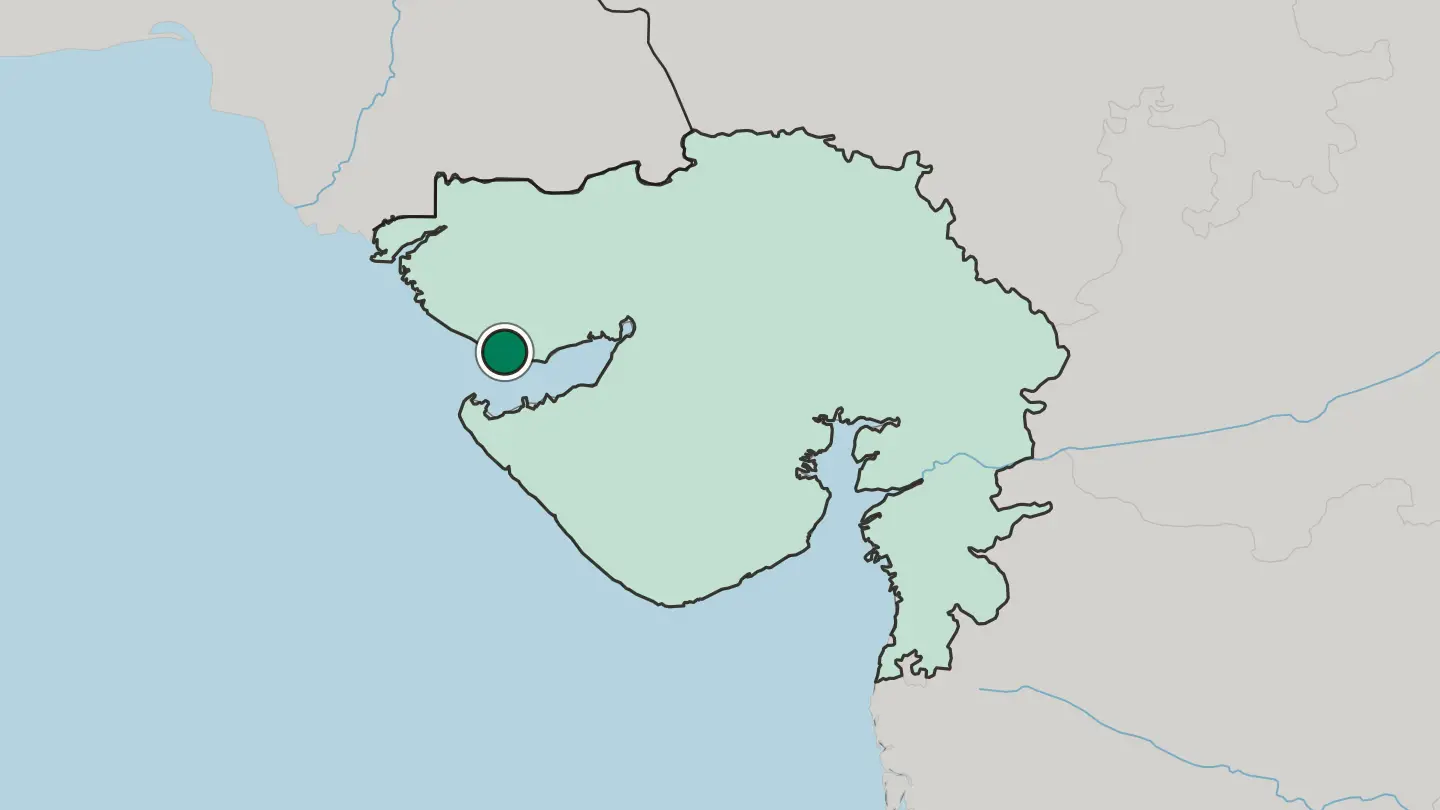
Hotel links are affiliate links: booking through them may earn us a commission, at no extra cost to you. It never affects how places are ranked. How this works
About State of Gujarāt
What is State of Gujarāt known for?
Gujarat is known for its stepped wells and Jain temples, for the Asiatic Lion that survives here, and for a commercial tradition that has shaped its towns and cities for generations. Its coastline is the longest in India. Older than any of these are Lothal and Dholavira.
Both sit among the earliest cities of the Harappan civilisation, which grew across the region thousands of years ago.
Where is State of Gujarāt?
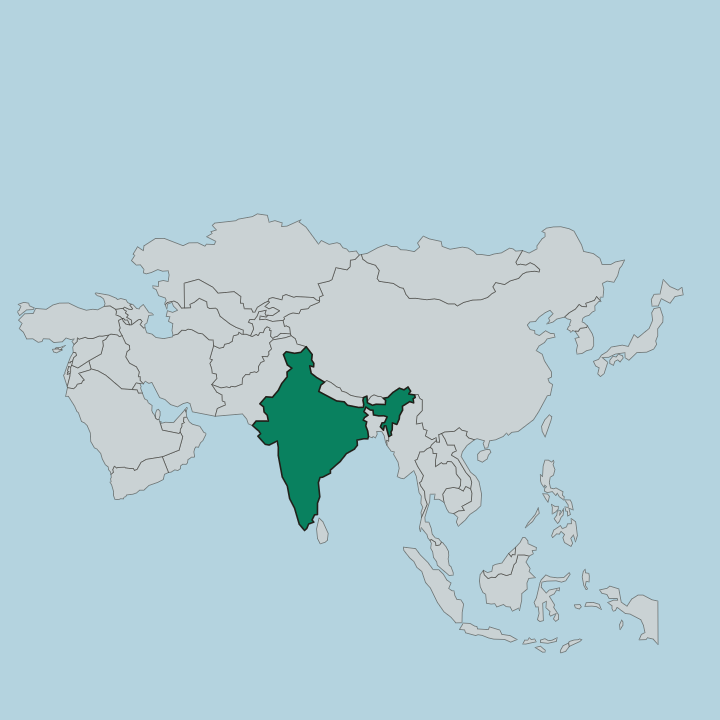
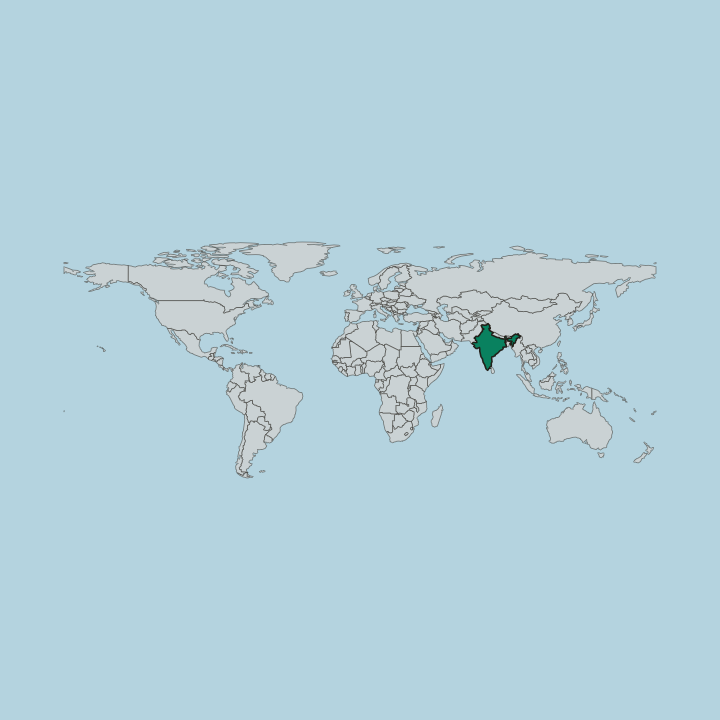
Gujarat occupies the western edge of India, in the tropics, along the Arabian Sea. Its coastline is the longest of any Indian state, and most of it curls around the Kathiawar peninsula, a broad rounded landmass that juts into the sea at the state's heart. Kutch reaches into the far west.
The Arabian Sea runs along the western shore. By area, Gujarat ranks as the fifth-largest state in India, a large block of the country's western flank. Inland, Gujarat shares long land borders on three sides.
Rajasthan lies to the northeast, Madhya Pradesh to the east, and Maharashtra along the southeast. The small territories of Dadra and Nagar Haveli and Daman and Diu sit to the south, while across the far west the Pakistani province of Sindh presses against the state's border. Two cities anchor the interior.
Ahmedabad and the capital, Gandhinagar, are the main centres, and the ancient sites of Lothal and Dholavira lie near them, Lothal beside Ahmedabad and Dholavira out toward Kutch. Between the coast and the inland border, the land carries the towns and countryside of the Gujaratis, who are native to the state.
What is State of Gujarāt like?
Gujarat takes its identity from the Gujaratis, who are native to the state and speak Gujarati. The Gujarati language carries the region's own name and runs through its trade, its markets, and its daily life. Commerce sits close to the centre of that culture.
Gujaratis have long been associated with business and enterprise, and the mercantile habit shows in the old trading towns of the coast and interior. Jain communities have long shaped that trading world, and their temples rise across Gujarat's towns. Faith and craft leave their mark across the state.
Jain temples stand among the most striking of Gujarat's religious buildings, and the stepped wells, sunk deep to reach water, are a form of architecture the region made its own. Older layers run beneath all of this. The Harappan cities of Lothal and Dholavira show that people built and traded here thousands of years ago, in one of the region's earliest civilisations.
That old commercial character, shaped over centuries, still marks the place. The Asiatic Lion, which survives here in the wild, has become a further emblem of the state.
What is the history of State of Gujarāt?
Gujarat's history reaches back to the Harappan civilisation, whose cities of Lothal and Dholavira stood on this ground more than four thousand years ago. Trade ran through them early. The land has belonged to the Gujaratis for generations, and their commercial life shaped its towns across the centuries.
The modern state took its present form in 1960, drawn as a Gujarati-speaking state within India.
What is the climate of State of Gujarāt?
Gujarat has a tropical climate, hot through much of the year and split between a dry season and a wet one. The Arabian Sea moderates the long coast and the Kathiawar peninsula, where damp sea air drifts inland and softens the worst of the heat. Inland, away from the sea, the air runs drier and the days hotter.
The wet season greens the land. Along the shore, the sea sets the rhythm of the year.
How do you get to State of Gujarāt?
Most travellers reach Gujarat through Ahmedabad, the largest city and the main point of arrival. Overland routes cross in from the neighbouring states. Roads and rail run down from Rajasthan in the northeast, across from Madhya Pradesh in the east, and up from Maharashtra in the southeast.
The Arabian Sea coast opens the state to shipping and the wider trade of western India. The cities lie within easy reach.
More regions in India
Updated September 2026