India · State of Gujarāt
Where to Stay in Surat, State of Gujarāt
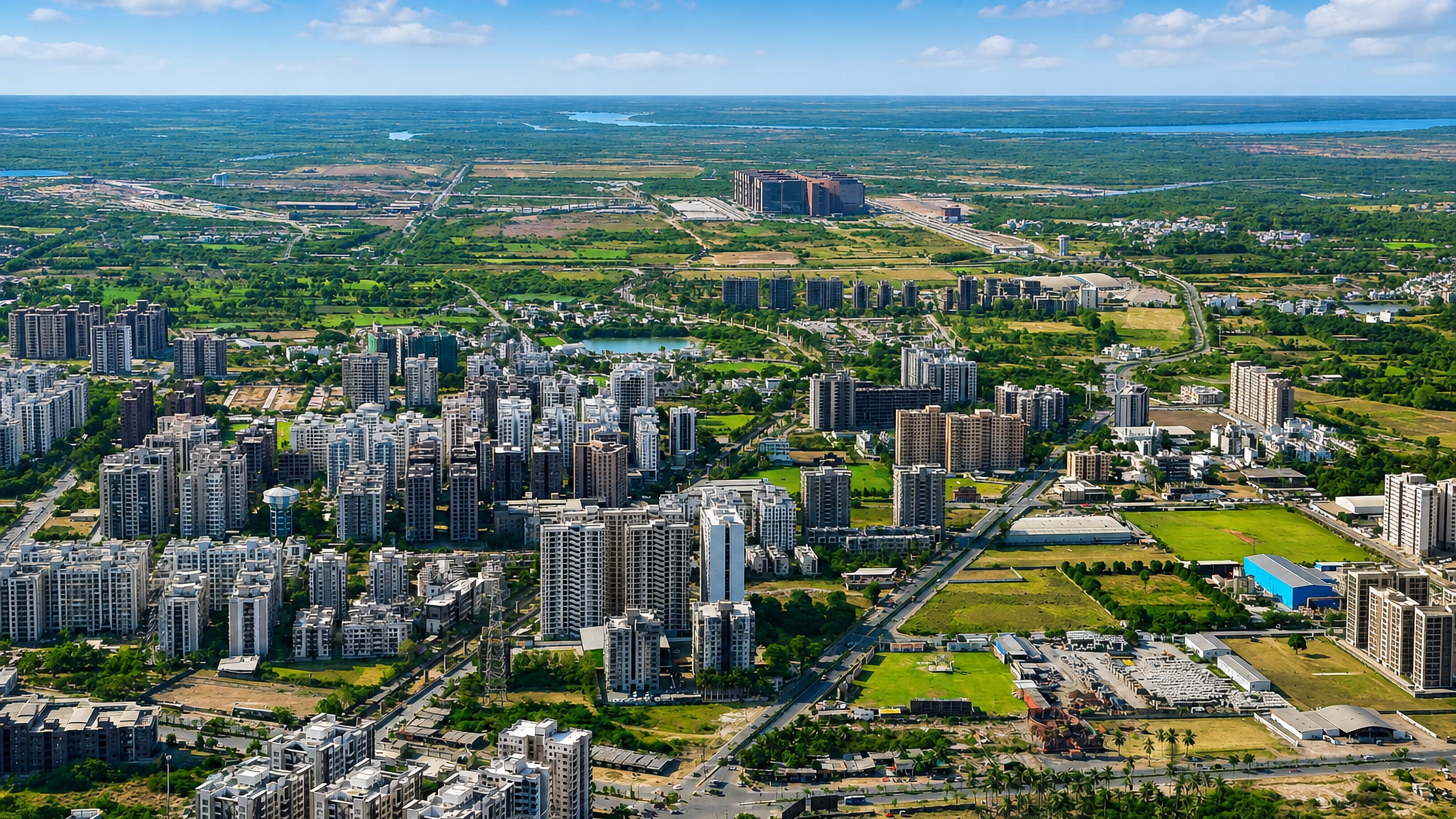
The Tapi River bends past the diamond ateliers of Surat, a port city in South Gujarat known for gem cutting and woven textiles.
Hotel links are affiliate links: booking through them may earn us a commission, at no extra cost to you. It never affects how places are ranked. How this works


Where to stay in Surat
How the choice of base plays out on the ground.
Surat spreads along both banks of the Tapi River, and where you stay depends on whether you want the old port core or the newer commercial belt in South Gujarat. The riverside quarter near Heritage Square puts you among restored merchant houses and short walks to the English Cemetery, whose weathered tombs recall the medieval and early colonial port. It suits travellers who want to walk to landmarks.
Rooms fill fast during the textile and diamond trading seasons. The inland districts around the Sardar Patel Museum and the Science Centre Surat lean modern and quiet. Here you trade river views for wider streets and easier road access.
The Saraswati Mandir and the PDU Indoor Stadium anchor this side of the city, and business travellers tied to the gem workshops of the State of Gujarāt often base themselves nearby. Choose the core for atmosphere. Choose the commercial belt for space, and for a calmer night away from the busy market lanes of central Surat.
Find hotels in Surat
Direct booking searches for these neighbourhoods.
Riverside port core
Restored houses around Heritage Square sit steps from the English Cemetery and the Tapi River waterfront.Find hotels in Riverside port coreBusiness travellers and quieter nightsCommercial belt
Wide modern streets near the Sardar Patel Museum and the PDU Indoor Stadium give road access to the gem workshops.Find hotels in Commercial beltHotel links are affiliate links: booking through them may earn us a commission, at no extra cost to you. It never affects how places are ranked. How this works
About Surat
What is Surat known for?
Surat is known for gemstone cutting and textile weaving on the banks of the Tapi River. Diamonds define the trade. The workshops sit at the heart of South Gujarat, and the city carries forward a craft economy that made it a byword for high-quality cloth across the State of Gujarāt long before the modern era.
Culture and commerce mix here. Visitors also find the Sardar Patel Museum and the Science Centre Surat within easy reach of the older quarter.
What are the main landmarks in Surat?
Surat's landmarks range from the Saraswati Mandir to the museums along the Tapi River. Heritage Square gathers restored port-era buildings, and the English Cemetery preserves tombs from the medieval and colonial trading days. The Sardar Patel Museum holds regional collections, the Science Centre Surat draws families, and the PDU Indoor Stadium hosts sport in South Gujarat.
Each sits close to the water.
What is the history of Surat?
Surat grew as a major port on the Tapi River, serving medieval India and then the early British colonial trade until Bombay rose to eclipse it. Ships once crowded its quays. The city moved gemstones, spices, and above all cloth, and its textile workshops built a reputation across South Gujarat and the wider State of Gujarāt for mass-producing high-quality fabric long before industrial mills existed.
Trade was its lifeblood. The English Cemetery, with its weathered European tombs, marks the years when foreign merchants settled beside the river. Heritage Square preserves buildings from that trading era.
As the port at Bombay drew away the sea traffic, Surat turned inward to manufacture, and the diamond-cutting trade that now defines it grew from the same mercantile roots. The craft endured. What began as a harbour town became a workshop city, and the Tapi River still threads through both stories.
Where is Surat?
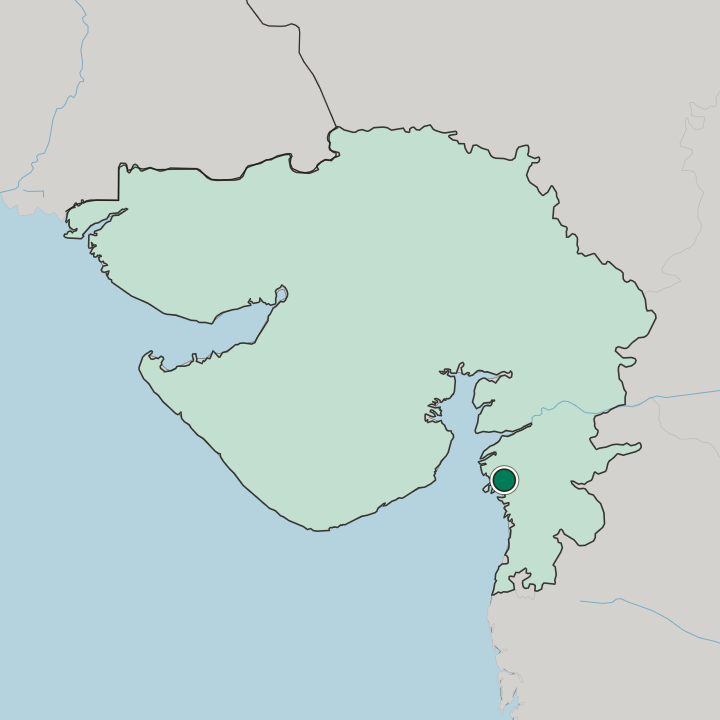
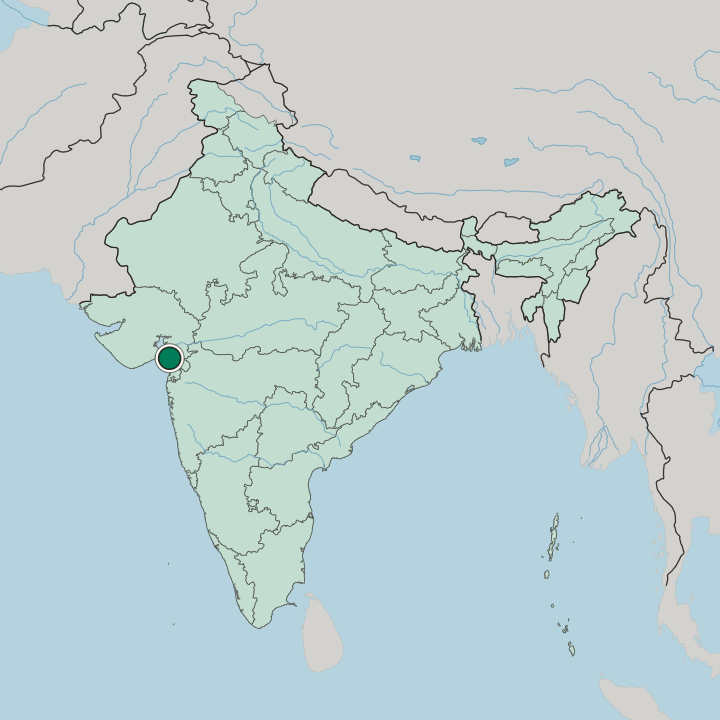
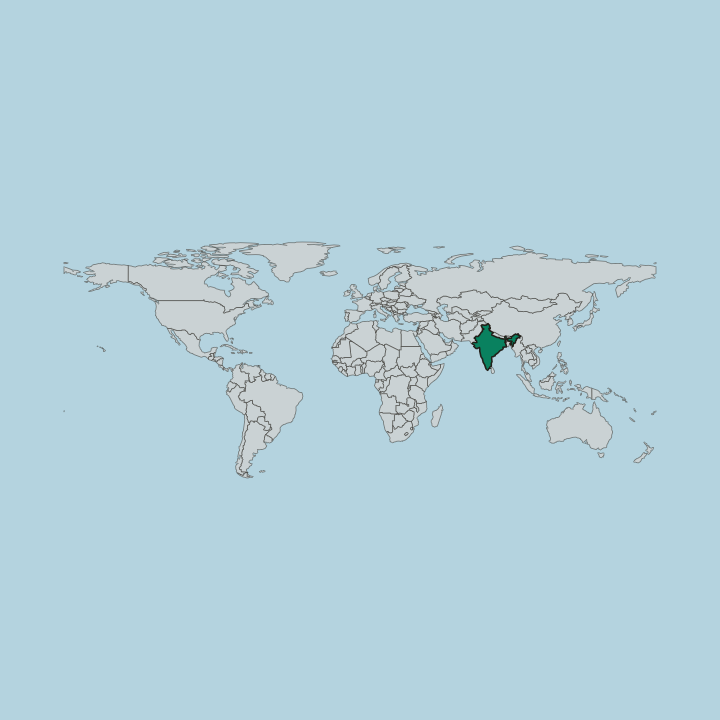
Surat sits on the banks of the Tapi River in South Gujarat, near where the river meets the Arabian Sea. The city lies on low coastal plain. Its old core hugs the riverbank, while newer districts spread inland across the flat terrain of the State of Gujarāt.
The tropical setting brings a warm, humid air off the sea. Water shapes the map.
What is the climate of Surat?
Surat has a warm tropical climate shaped by its place near the Arabian Sea. Summers run hot and humid. A pronounced monsoon then sweeps in off the sea to soak South Gujarat through the wet months, before drier, milder weather settles over the Tapi River basin in the cooler part of the year.
Sea air softens the heat.
How do you get to Surat?
Surat is reached by air, rail, and road across South Gujarat. Its airport links the city to major Indian hubs. Frequent trains run the trunk line that once connected the old port to Bombay, and highways thread north and south along the coastal corridor beside the Tapi River.
Road travel is straightforward here.
Common questions
What is the best area to stay in Surat?
Riverside port core: Walkers who want the old merchant quarter. Commercial belt: Business travellers and quieter nights.
Good for
More cities in State of Gujarāt
Updated September 2026