India · State of Gujarāt
Where to Stay in Gāndhīdhām, State of Gujarāt
Gāndhīdhām is a port city of Kutch district in Gujarāt, made in the early 1950s for resettlement and named after M K Gandhi.
Hotel links are affiliate links: booking through them may earn us a commission, at no extra cost to you. It never affects how places are ranked. How this works


Where to stay in Gāndhīdhām
How the choice of base plays out on the ground.
Business books most of the beds. Gāndhīdhām is described as a destination for conventions, meetings and trade, so the rooms here are filled largely by people with an appointment in the economic capital of Kutch rather than by travellers who came to look at something. That shapes the choice more than geography does.
A stay near the halls and offices where that trade is done puts a visitor where the city's own traffic runs, and it is the part of Gāndhīdhām that stays busy through a working week. The port is the second orientation. A city of Kutch district that handles cargo has a side turned to the water, and rooms out that way suit shipping business, though they sit further from the memorial ground that gives the place its other reason to exist.
The Veer Balak Smarak fixes that ground. It is the one monument recorded in Gāndhīdhām, a memorial in a city built in the early 1950s for families resettled from Sindh, and a bed within reach of it puts a visitor beside the town's own history rather than beside its cranes. Kutch district frames both.
This is the largest city in that district of Gujarāt, which means the choice here is between quarters of one town and not between towns, and whichever quarter wins, the rest of Gāndhīdhām stays within a short run.
Find hotels in Gāndhīdhām
Direct booking searches for these neighbourhoods.
The convention and trade quarter
Gāndhīdhām is described as a destination for conventions, business and meetings, and this is the part of the city where those halls and the trade of Kutch district are concentratedFind hotels in The convention and trade quarterShipping work at the port that defines the cityThe port side
Gāndhīdhām is a port city of Kutch district, and the side turned towards the cargo water is the practical base for anyone whose business is with the ships rather than the offices. Few places to stay nearby — book ahead.Find hotels in The port sideVisitors here for the memorial of the resettled cityAround the Veer Balak Smarak
The Veer Balak Smarak is the single monument recorded in Gāndhīdhām, and staying beside it keeps the memory of the families resettled from Sindh at the centre of a visit. Beds are limited here, so book early.Find hotels in Around the Veer Balak SmarakHotel links are affiliate links: booking through them may earn us a commission, at no extra cost to you. It never affects how places are ranked. How this works
About Gāndhīdhām
This is the working city of Kutch.
What is Gāndhīdhām known for?
Gāndhīdhām is described as the economic capital of that district and as its largest city, a port town where conventions, business and meetings account for a good share of the arrivals rather than sightseeing doing so. The Veer Balak Smarak is the memorial here. It stands in a city that was created for people who came from Sindh, which is the fact behind almost everything else in the account of this place.
What are the main landmarks in Gāndhīdhām?
Veer Balak Smarak is the monument on record. No temple, fort or hall stands beside it in the account of Gāndhīdhām, which leaves one memorial, one port and one district administration as the fixed things a visitor can be directed to in the largest city of Kutch district. The rest is a working town.
Cargo, conventions and the trade of Gujarāt fill the days here.
What is the history of Gāndhīdhām?
This city was made, and made for a reason. Gāndhīdhām was created in the early 1950s to resettle Sindhi Hindu refugees who had left Sindh, in Pakistan, in the aftermath of the partition of India, which means the town has a purpose written into its origin in a way that older places in Kutch district do not. The name records the same moment.
It was given after M K Gandhi, so the city carries into daily use a name tied to the years in which it was founded. What followed was economic. A settlement built for arrivals grew into the largest city of Kutch district and into what the record calls the economic capital of Kutch, working as a port and drawing the conventions, meetings and trade that a district's principal town attracts.
The Veer Balak Smarak holds the first part of the story. It is the memorial the city keeps, and it belongs to the same account as the resettlement rather than to any earlier age, because there is no earlier age here to commemorate. Gujarāt frames all of it.
Kutch district is the unit, Gāndhīdhām its largest city, and India the country in which a port town of the 1950s became the working centre of a district.
Where is Gāndhīdhām?
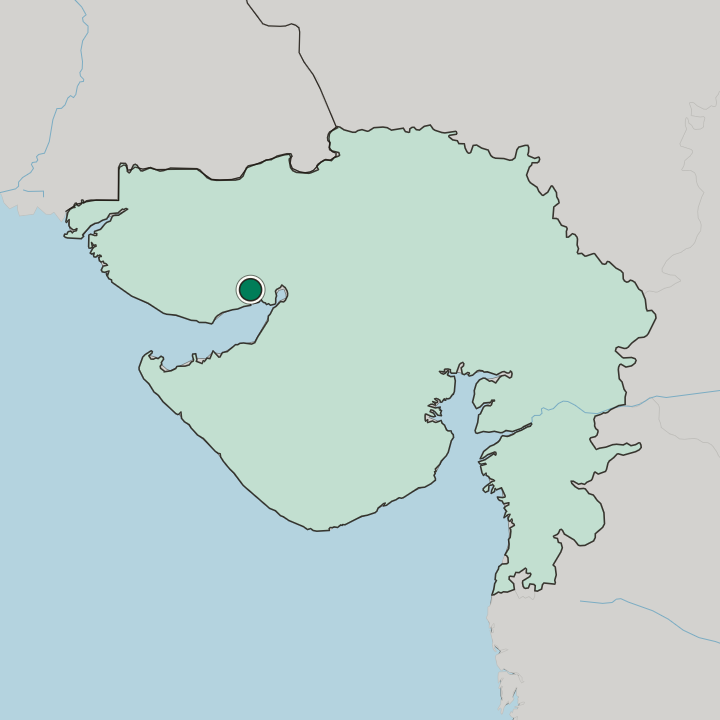
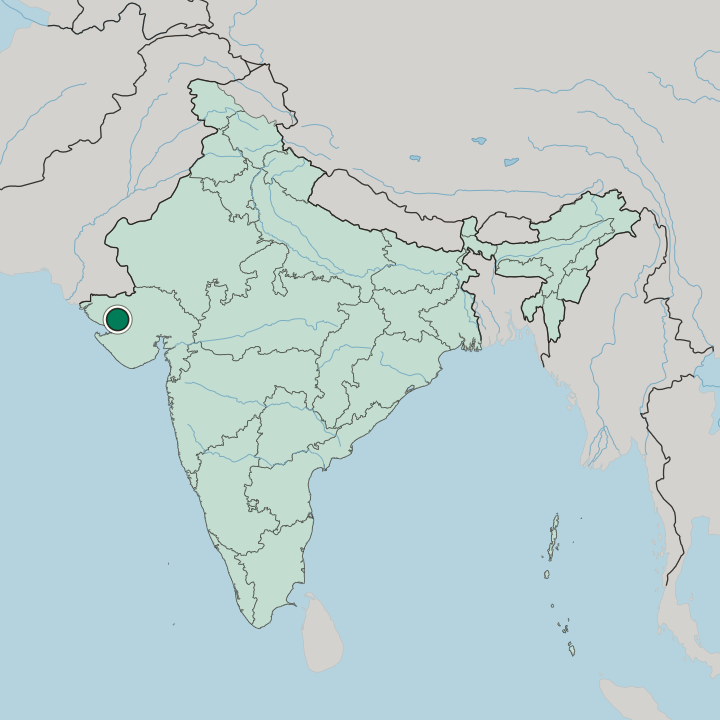
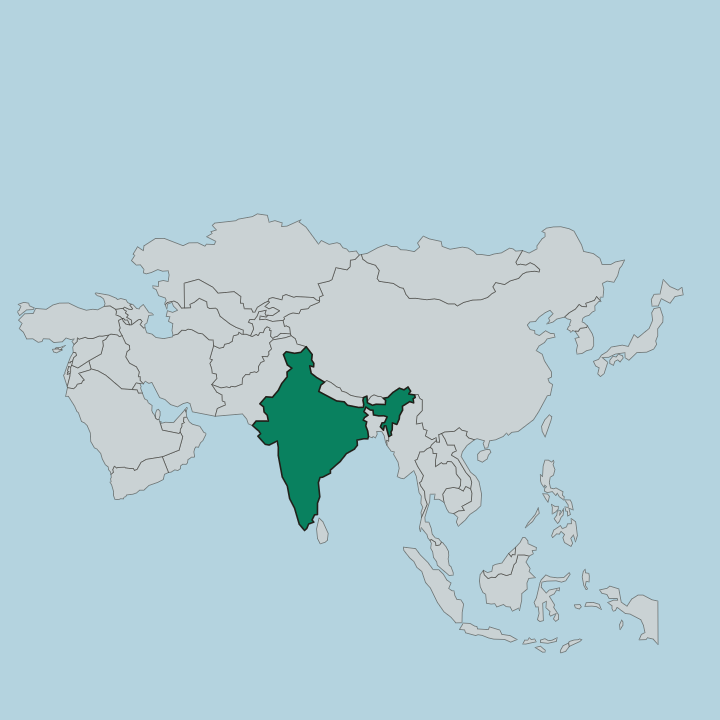
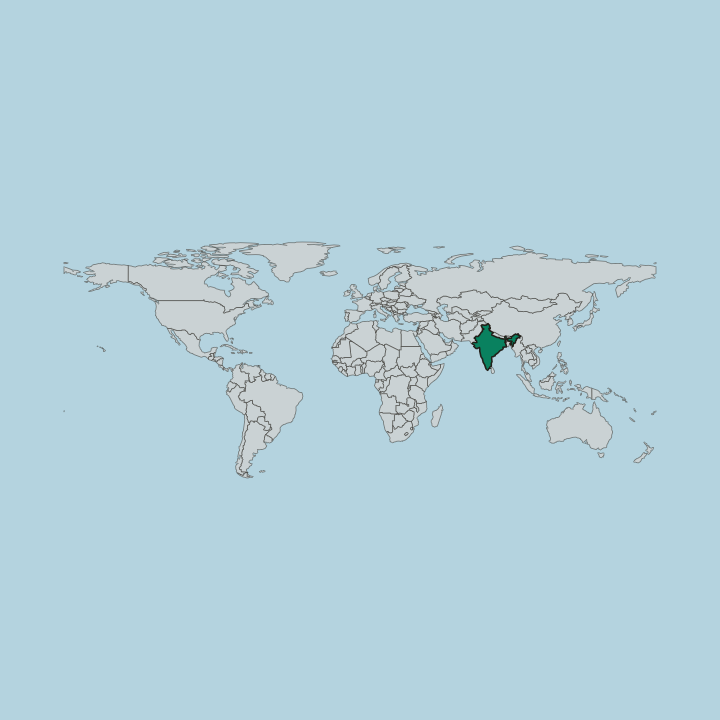
Kutch district holds it, and Gāndhīdhām is the largest city in that district of Gujarāt, a port town on tropical ground that India carries well north of the equator. Kachchh is the same name. The district appears under both spellings, and the city inside it is written Gandhidham just as readily as Gāndhīdhām.
What is the climate of Gāndhīdhām?
Cold is not a factor in Kutch district. A port works its year through the tropical band that India carries north of the equator, where the calendar turns on when the rain comes and not on when the ground freezes, so the season a visitor books into changes the working conditions in Gāndhīdhām far more than the hour of arrival ever will. Ships do not stop for winter.
There is none to stop for.
How do you get to Gāndhīdhām?
Cargo comes by water. Gāndhīdhām is a port city, so a share of what arrives in Kutch district reaches it over the quays rather than by road, and the business travellers who follow that trade make up much of the rest of the traffic into the town. It is the district's largest city.
Anyone crossing Kutch on business in Gujarāt ends up here, at the place the record calls the economic capital of Kutch.
Common questions
What is the best area to stay in Gāndhīdhām?
The convention and trade quarter: Meetings in the economic capital of Kutch. The port side: Shipping work at the port that defines the city. Around the Veer Balak Smarak: Visitors here for the memorial of the resettled city.
More cities in State of Gujarāt
Updated September 2026