India · State of Gujarāt
Where to Stay in Nadiād, State of Gujarāt
Nadiād, the administrative centre of Kheda district in Gujarāt, holds the Santram Mandir and the birthplace of Sardar Vallabhbhai Patel.
Hotel links are affiliate links: booking through them may earn us a commission, at no extra cost to you. It never affects how places are ranked. How this works


Where to stay in Nadiād
Where visitors usually base themselves, and why.
The Santram Mandir anchors one side. Rooms near it put that temple, the Mai Mandir, and the streets around them within an easy walk, which is the arrangement most visitors to Nadiād want, since those are the addresses they came for. Walking is the point there.
A bed close to the mandirs saves the crossing at either end of the day. The city is known for those temples above anything else, and a stay pitched around them makes the most of a place that does not present itself as a resort. Business fills the other beds.
Nadiād works as the administrative centre of Kheda district, so a good share of its rooms answer to the offices, the courts, and the trade of the country around rather than to anyone here for the temples. That side sits nearer the roads. Sardar Vallabhbhai Patel, the first Deputy Prime Minister of India, was born in this city, and the birthplace draws its own arrivals.
Either side reaches it. The choice turns on whether a day starts at a mandir or at an office in Kheda district.
Find hotels in Nadiād
Direct booking searches for these neighbourhoods.
Around the Santram Mandir
The Santram Mandir and the Mai Mandir stand within a walk of one another on this sideFind hotels in Around the Santram MandirDistrict business and a call at the Patel birthplaceThe Kheda district office quarter
The administrative centre of Kheda district keeps its offices and its road links hereFind hotels in The Kheda district office quarterHotel links are affiliate links: booking through them may earn us a commission, at no extra cost to you. It never affects how places are ranked. How this works
About Nadiād
What is Nadiād known for?
Two temples carry the city's name. The Santram Mandir and the Mai Mandir are what Nadiād is known for, and to them the city adds the birthplace of Sardar Vallabhbhai Patel, the first Deputy Prime Minister of India. Kheda district runs its business here.
Nadiād holds the administrative centre of that district, and the offices draw the surrounding country in as steadily as the mandirs draw visitors.
What are the main landmarks in Nadiād?
The Santram Mandir is the first stop. It shares the city with the Mai Mandir, and the two temples are what Nadiād is known for beyond Kheda district, ahead of anything the administrative centre has to show. One house matters as much.
Sardar Vallabhbhai Patel, the first Deputy Prime Minister of India, was born in this city, and his birthplace gives the place a claim that reaches past the state of Gujarāt.
What is the history of Nadiād?
Nadiād enters written history with no founding year attached. What the city's record does carry is the Santram Mandir and the Mai Mandir, temple foundations that account for the name the place holds well beyond its own district. Temples explain the early reputation.
The district around takes its name from Kheda, and the city became its administrative centre, which is the role that has fixed its position within the state of Gujarāt. The Mai Mandir stands alongside the older shrine in the same streets. Spelling varies between Nadiād and Nadiad.
One birth changed the register. Sardar Vallabhbhai Patel was born in Nadiād and went on to serve as the first Deputy Prime Minister of India, so a city known for two mandirs acquired a place in the national account as well. That office belonged to the government of India.
That connection outlives most local history. The birthplace and the temples are named in the same breath whenever the city is described, and neither has displaced the other. Kheda district carries on around it.
Nadiād remains the administrative centre of that district in Western India, a city whose weight is measured in offices and observance rather than in monuments to any single era.
Where is Nadiād?
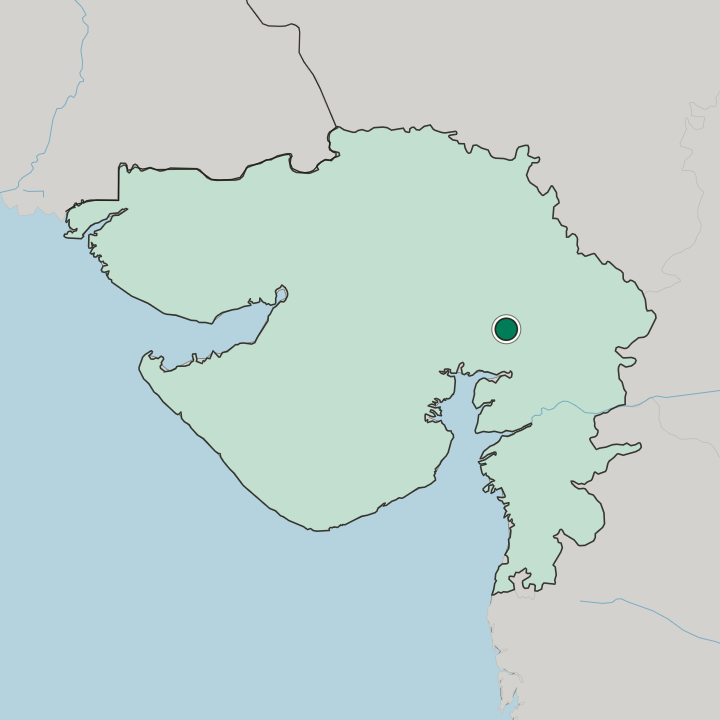
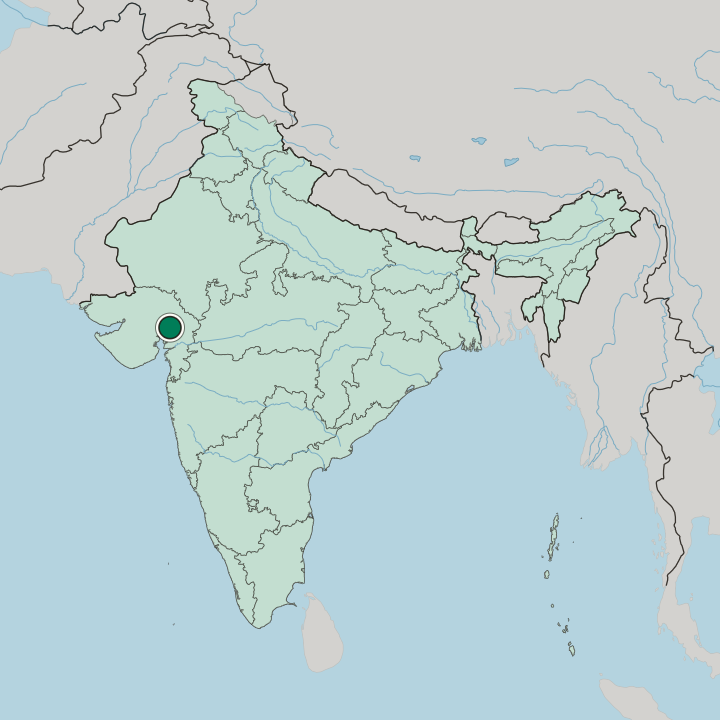
Nadiād sits inside Kheda district. The city belongs to the state of Gujarāt, in Western India, and it stands at the point from which the district around it is administered, so roads and business converge on it from every side. The tropical band covers the whole district.
Nothing in the setting turns on a coast or a mountain, and the mandirs of the city are the fixed points a visitor navigates by rather than any feature of the land.
What is the climate of Nadiād?
Kheda district lies in the tropics. Nadiād takes the weather of inland Western India, which means long warm stretches with little from any coast or range to interrupt them, since neither stands close enough to work on the city's air. Early hours are the usable ones.
Anyone visiting the Santram Mandir or the Mai Mandir on foot plans around the middle of the day rather than through it.
How do you get to Nadiād?
Nadiād is a district town first. The routes that matter are the ones tying the administrative centre to the rest of Kheda district and to the larger cities of Gujarāt, and they carry the daily traffic a visitor joins. Reaching Nadiād means a journey by land.
Most people reach the place from elsewhere in Western India, and the Santram Mandir is the address a good share of them are aiming at.
Common questions
What is the best area to stay in Nadiād?
Around the Santram Mandir: Visitors whose day is built around the Mai Mandir as well. The Kheda district office quarter: District business and a call at the Patel birthplace.
More cities in State of Gujarāt
Updated September 2026