India · Union Territory of Chandigarh
Where to Stay in Chandigarh, Union Territory of Chandigarh
Below the Shivaliks sits Chandigarh, India's first planned city, a union territory laid out by Le Corbusier, with its Rock Garden and Open Hand Monument.
Hotel links are affiliate links: booking through them may earn us a commission, at no extra cost to you. It never affects how places are ranked. How this works


Where to stay in Chandigarh
Each area has its own feel; here's who each one suits.
 ChandigarhIndia
Sector-17
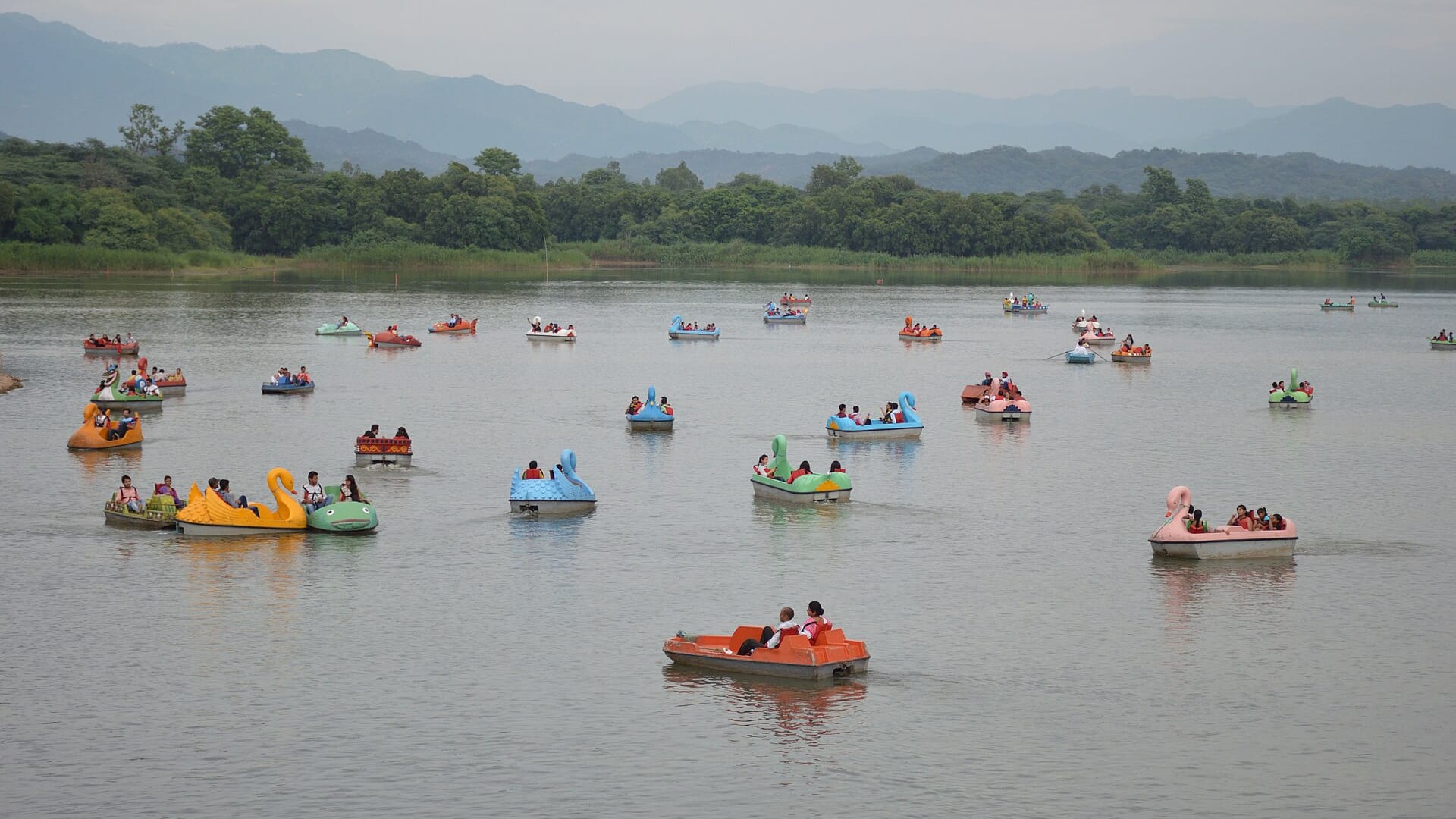
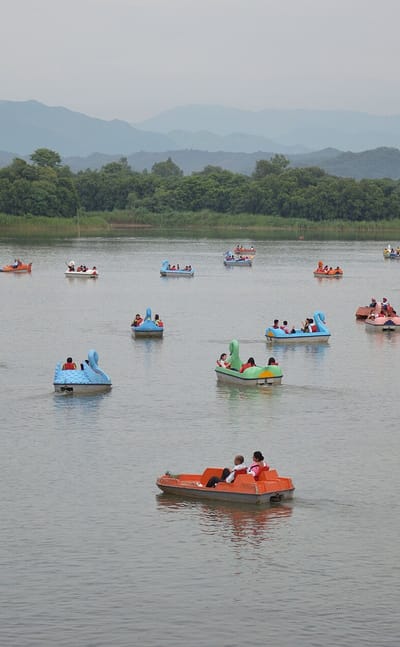
Fountains and shade trees fill the car-free plaza at Sector-17, the commercial centre of Chandigarh, known for its shopfronts and the Parade Ground.Where to stay →ChandigarhIndiaMani Majra
Mani Majra is a residential and commercial hub on the eastern side of Chandigarh, with princely-era roots older than the planned city's sectors.Where to stay →Hotel links are affiliate links: booking through them may earn us a commission, at no extra cost to you. It never affects how places are ranked. How this works
Find hotels in Chandigarh
Direct booking searches for these neighbourhoods.
The central sectors
Le Corbusier's core grid keeps the Government Museum and Art Gallery close, on the easiest Indian city streets to navigate.Find hotels in The central sectorstravellers who want greenery and the quiet of the waterThe northern lakeside sectors
The sectors up toward Sukhna Lake and the Shivalik foothills sit steps from the Rock Garden and the edge of the hills.Find hotels in The northern lakeside sectorsHotel links are affiliate links: booking through them may earn us a commission, at no extra cost to you. It never affects how places are ranked. How this works
Things to do in Chandigarh
Ranked by global recognition; descriptions from Wikidata (CC0).
Museums & Galleries
3- Government Museum and Art Gallery, Chandigarh
- Indian Air Force Heritage Museum, Chandigarh
- Sukhna Interpretation Centre
Castles & Historic Sites
1- Open Hand Monument
Stadiums & Sports
1- Chandigarh Badminton Hall
worth knowingacross 3 categories in Chandigarh
About Chandigarh
What is Chandigarh known for?
Chandigarh is known as India's first planned city and as the shared capital of both Punjab and Haryana. Le Corbusier drew its grid of numbered sectors, and the Open Hand Monument became its emblem. The plan is the point.
Yet the city has its own surprises beyond the drawing board, from the found-object sculpture of the Rock Garden to the still water of Sukhna Lake below the Shivalik foothills, and the Le Corbusier Centre records the mind behind the whole scheme.
What are the main landmarks in Chandigarh?
The main landmarks in Chandigarh reflect its design. Above them stands the Open Hand Monument, Le Corbusier's rotating emblem of the plan, set in the Capitol Complex, while nearby the Rock Garden fills acres with sculpture built from waste and stone. The Government Museum and Art Gallery holds the city's collections, the Le Corbusier Centre explains the master plan, and the Sukhna Interpretation Centre sits by the lake below the Shivalik foothills.
Each was drawn before it was built.
What is the history of Chandigarh?
Chandigarh was founded in 1953 as a wholly new capital, drawn from open farmland below the Shivalik foothills after the partition of the subcontinent left Punjab without its old seat of government. The break was clean. Rather than expand an existing town, planners commissioned a fresh grid, and Le Corbusier gave the city its sectors, its wide roads, and the civic monuments of its Capitol Complex.
The design set Chandigarh apart from every Indian city before it. Numbered sectors replaced the tangle of an organic town, and green belts and the artificial Sukhna Lake were built into the plan from the outset, so the city grew as a single idea rather than a slow accretion. Its unusual status followed from the same history.
Serving as the shared capital of both Punjab and Haryana, and belonging to neither, Chandigarh became a union territory administered directly by the central government, a role it still holds.
Where is Chandigarh?
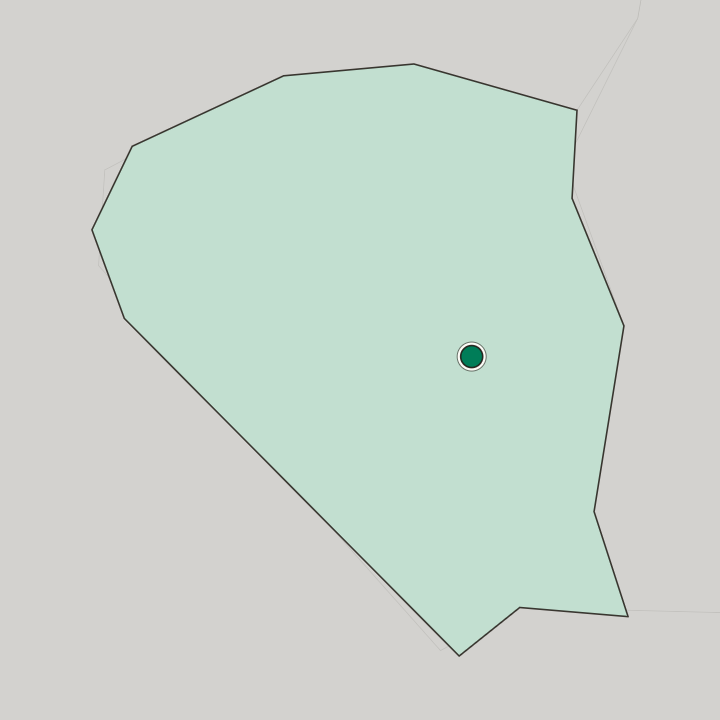
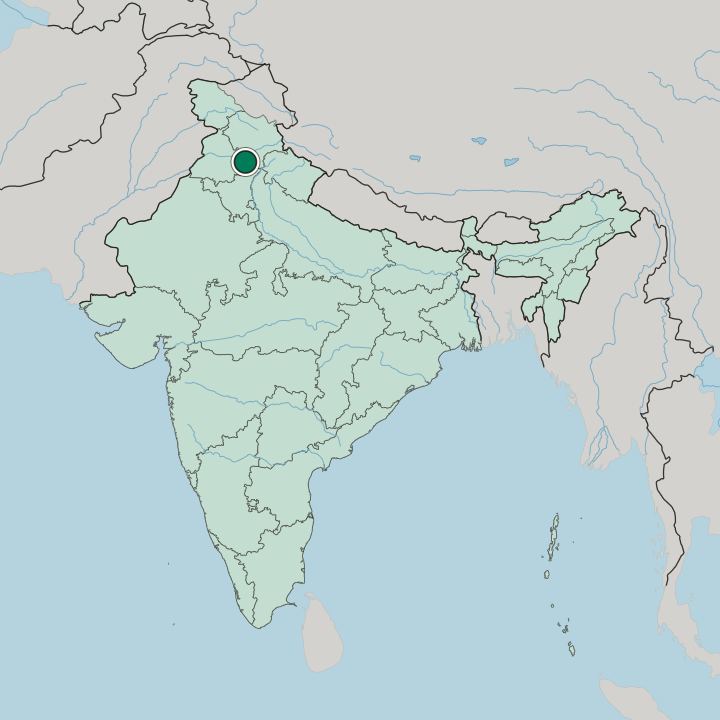
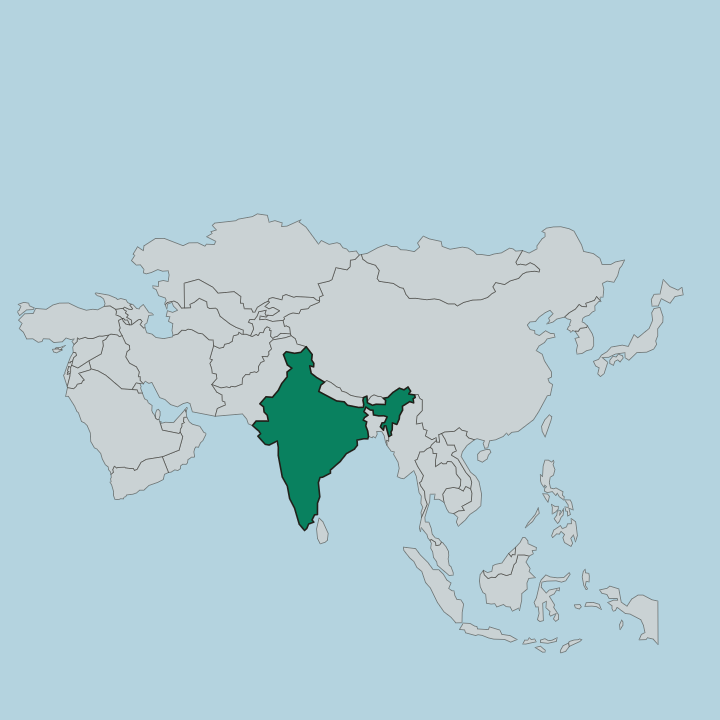
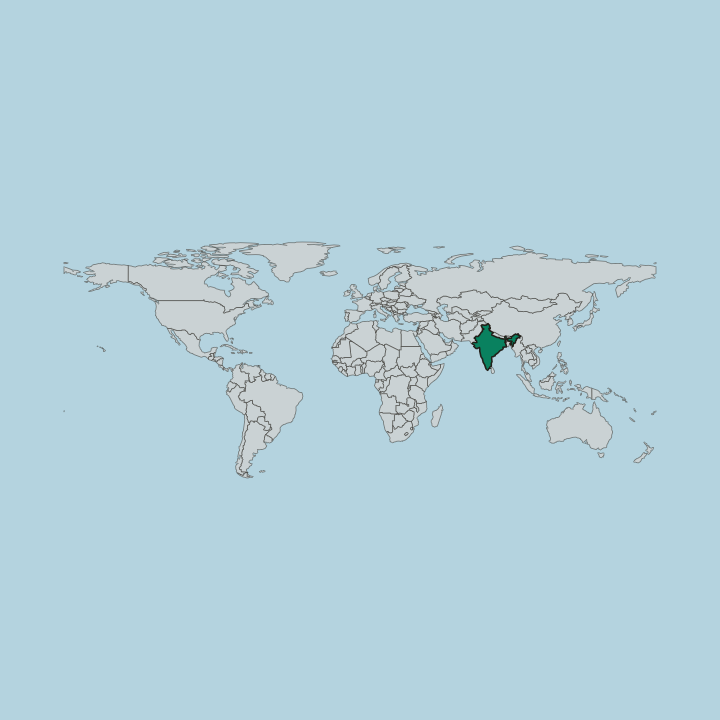
Chandigarh sits on the plain at the foot of the Shivalik range of the Himalayas, in the northwest of the country. Punjab wraps around it. Haryana lies to the east, and the land tilts gently up toward the hills, where the built Sukhna Lake catches the runoff from the slopes above the city.
Beyond the union territory the satellite towns of Panchkula and Mohali spread into the neighbouring states, and the foothills give the flat grid its one clear edge to the north.
What is the climate of Chandigarh?
Chandigarh has a subtropical climate marked by its position below the Shivalik foothills. Summers before the monsoon turn hot and dry. The seasonal rains then sweep the plain and green the sectors and Sukhna Lake, while winters run cool and sometimes foggy, with the hills to the north occasionally dusted white on the clearest days.
Spring and autumn are the mildest stretches, the best seasons to walk the tree-lined roads of the planned city.
How do you get to Chandigarh?
Chandigarh is well connected across the northwest by air, rail, and road. Its airport and railway station tie it to New Delhi to the southeast and to Amritsar to the west, and roads climb north from here toward Shimla and the hills. The planned grid makes local travel simple.
Once in the city, the numbered sectors and wide avenues put the Rock Garden, Sukhna Lake, and the central museums within an easy drive of one another.
Common questions
What is the best area to stay in Chandigarh?
The central sectors: first-timers who want the museums and markets within a walk. The northern lakeside sectors: travellers who want greenery and the quiet of the water.
Good for
Updated September 2026