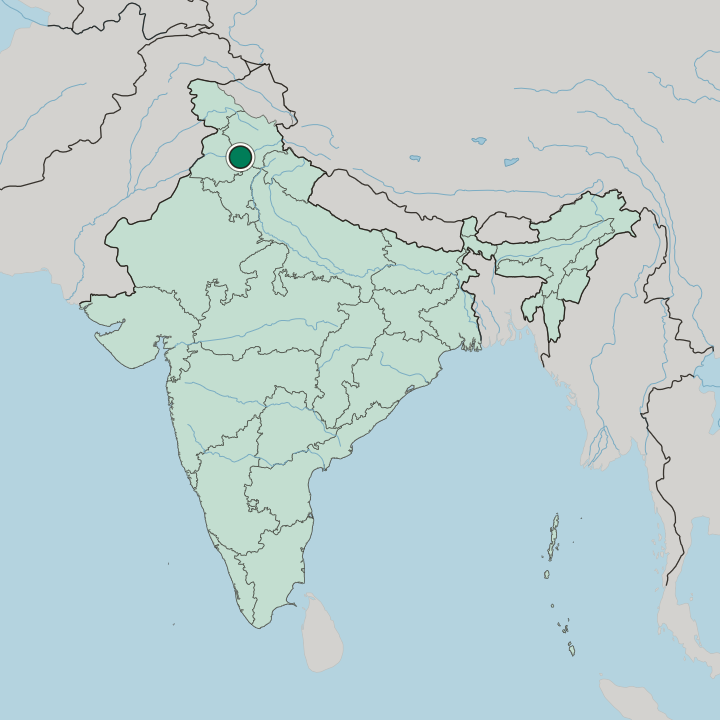
India · State of Punjab
Where to Stay in Ropar, State of Punjab
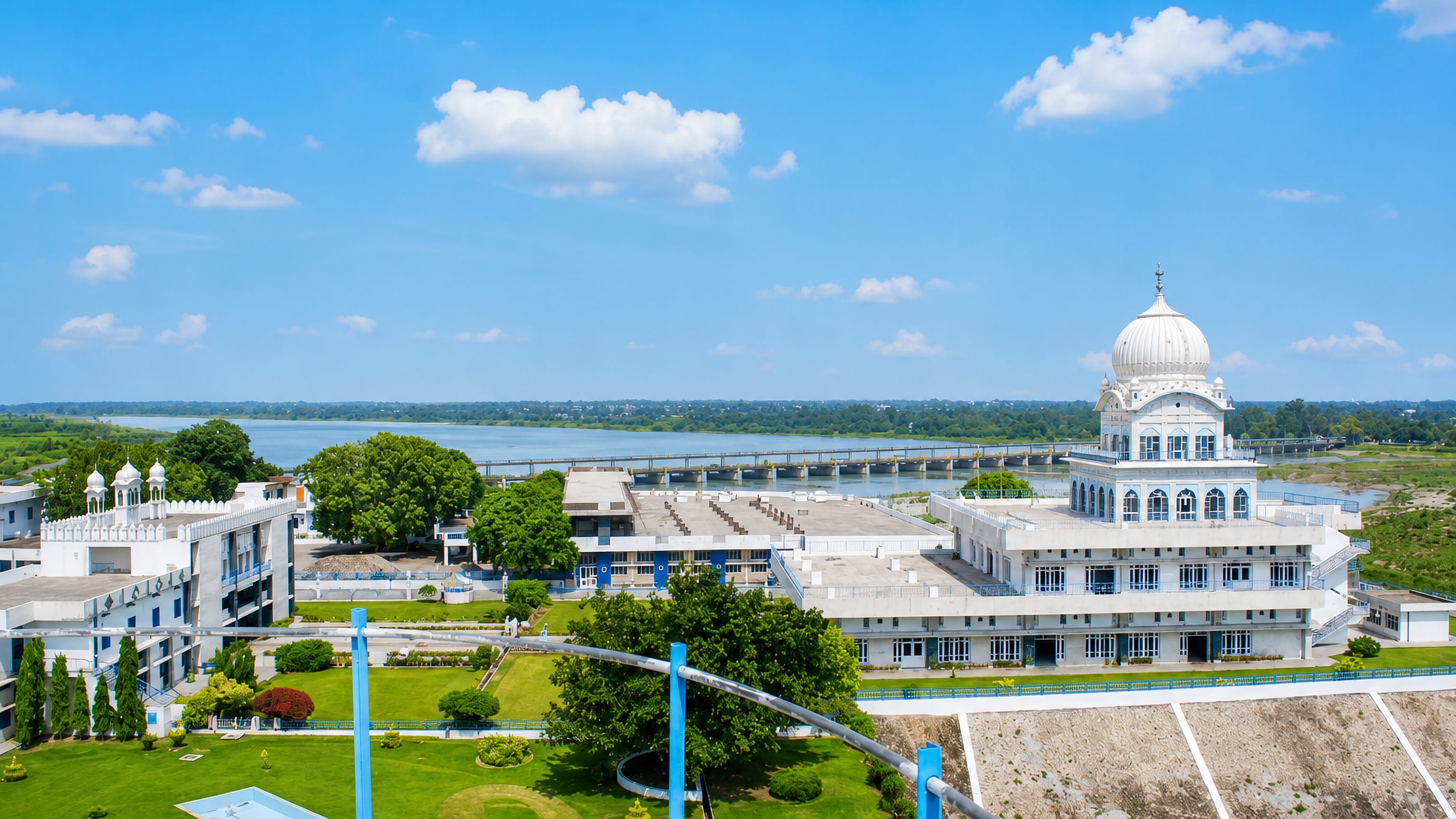
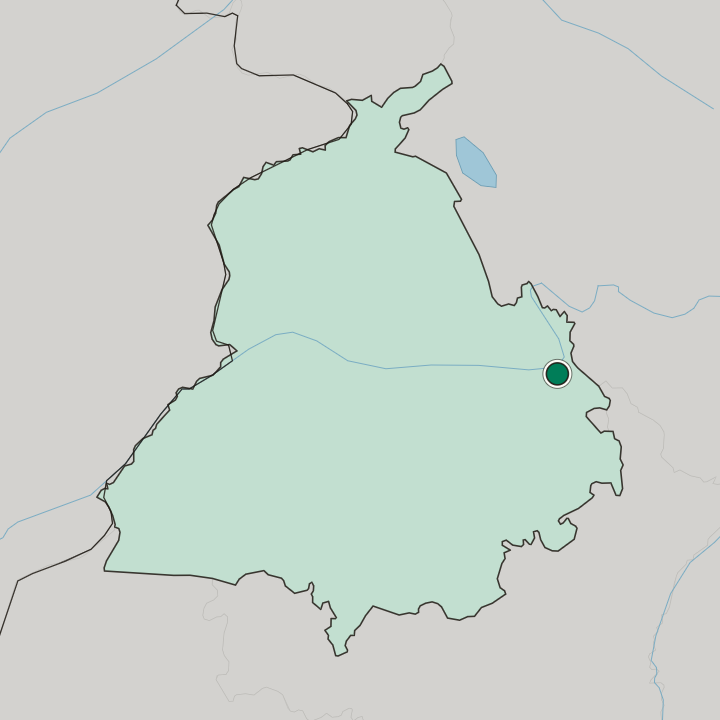
Ropar, or Rupnagar, stands on the south bank of the Sutlej River in Punjab, an Indus Valley civilization site and the seat of Rupnagar district.
Hotel links are affiliate links: booking through them may earn us a commission, at no extra cost to you. It never affects how places are ranked. How this works


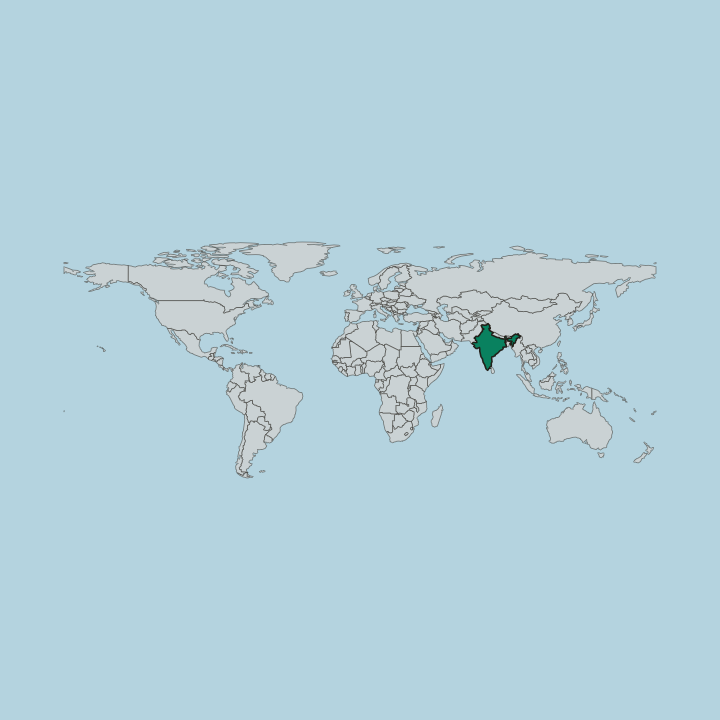
Where to stay in Ropar
How the choice of base plays out on the ground.
Beds are few and the town is small. Ropar works as a base rather than a stay: the excavated ground, the Sutlej River bank and the offices of Rupnagar district all sit within a short radius, and a single night is usually enough to see what the place holds. The river gives the better side.
Rooms toward the Sutlej catch open ground and quiet, while the streets around the municipal council are busier by day and closer to food. Chandigarh changes the calculation for many travellers. Ropar stands about 47 km northwest of Chandigarh, so anyone wanting a wide choice of hotels can sleep there and come out for the day, and the same logic applies from Mohali, which shares the divisional headquarters that Rupnagar heads.
Distance is not the obstacle. You will want a room in Ropar itself if the Indus Valley civilization site is the reason for the journey, since early light on excavated ground beats a larger bathroom. Beyond the town the country empties toward Himachal Pradesh and the Baddi-Barotiwala-Nalagarh corridor in Solan district, where beds serve industry rather than visitors.
Find hotels in Ropar
Direct booking searches for these neighbourhoods.
The Sutlej bank side
Open frontage on the Sutlej, quieter than the council streets and close to the archaeology. Lodging is scarce in this area; reserve in advance.Find hotels in The Sutlej bank sideone-night stops between Chandigarh and the hillsAround the Rupnagar district offices
The working centre of the Rupnagar district seat, with food and transport inside a few blocks.Find hotels in Around the Rupnagar district officesHotel links are affiliate links: booking through them may earn us a commission, at no extra cost to you. It never affects how places are ranked. How this works
About Ropar
Two names and one river.
What is Ropar known for?
Ropar answers to Rupnagar and, in older usage, to Rupar, and all three refer to the same town on the Sutlej River in the Malwa region of Punjab. Archaeology gives it weight. Excavated ground here counts among the larger sites of the Indus Valley civilization, which puts a small municipal council in India's deep prehistory alongside places many times its size.
What are the main landmarks in Ropar?
The ancient site near the college compound is the draw. Excavation here placed Ropar among the bigger settlements of the Indus Valley civilization, and the ground itself, rather than any standing building, is what visitors come to see. Beyond that, monuments are few.
The Sutlej River bank, the offices that mark Rupnagar as a district seat, and the road out toward Himachal Pradesh make up the rest of a short list.
What is the history of Ropar?
Settlement here is very old. Ropar counts among the larger sites of the Indus Valley civilization, which places people on this stretch of the Sutlej River long before any of the names the town now answers to were in use. The river explains the choice.
A bank above a large river in the Malwa region attracts settlement in every era, and the excavated ground near the college compound is the physical record of that. The modern town is a matter of record rather than legend. Rupar and Ropar are the older forms of the name; Rupnagar is the official one, written ਰੂਪਨਗਰ, and the founding date carried in the record for the modern municipality is 1900.
Its official role grew in stages. First a municipal council, then the seat of Rupnagar district, and later a divisional headquarters covering Rupnagar, Mohali and the districts adjoining them, so a town of modest size acquired responsibilities out of proportion to it. Borders shape the rest of the story: Himachal Pradesh lies to the north and Shahid Bhagat Singh Nagar district to the west, while Ropar itself stands some 47 km northwest of Chandigarh.
Where is Ropar?
The Sutlej sets the edge. Ropar sits on the south bank of the river in the Malwa region of Punjab, with flat farmland behind it and rising ground beginning not far off, since Himachal Pradesh borders the district to the north. Chandigarh lies about 47 km off.
Between the two runs the belt of country that also carries the Baddi-Barotiwala-Nalagarh corridor of Solan district, so the town sits on a hinge between plain, hill and industry.
What is the climate of Ropar?
Rain arrives with the summer monsoon and leaves the Sutlej running high. Ropar keeps the subtropical pattern of inland Punjab, hot before the rains and cool in the short winter, with the hills of Himachal Pradesh close enough to sharpen the cold months. The river matters most in flood season.
Water coming off higher ground to the north concentrates in the Sutlej rather than spreading over the plain, which is what makes the wet months here a river story rather than only a weather one.
How do you get to Ropar?
Most arrivals come through Chandigarh. Roughly 47 km separates the two, with Ropar to the northwest, and that road is the approach most visitors take into the Rupnagar district seat. Mohali sits on the same side.
Traffic bound for the Baddi-Barotiwala-Nalagarh corridor, some 36 km off in Solan district, passes this way too, which keeps the road toward Himachal Pradesh busier than a town of this size would otherwise explain.
Common questions
What is the best area to stay in Ropar?
The Sutlej bank side: an early start at the excavated ground. Around the Rupnagar district offices: one-night stops between Chandigarh and the hills.
Good for
More cities in State of Punjab
Updated September 2026