India · Uttar Pradesh
Where to Stay in Azamgarh, Uttar Pradesh
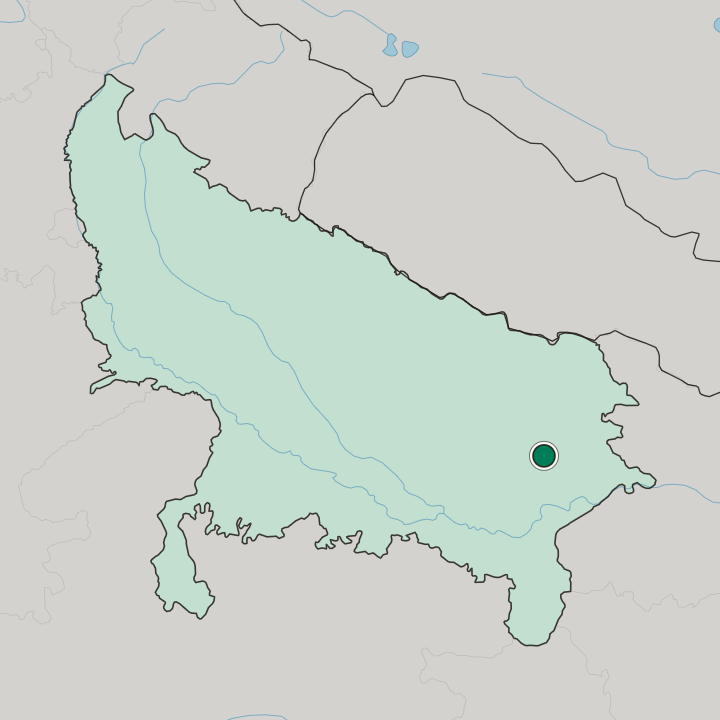
Azamgarh stands on the bank of the Tamsa River in Uttar Pradesh, heading the division that joins its own district to Ballia and Mau.
Hotel links are affiliate links: booking through them may earn us a commission, at no extra cost to you. It never affects how places are ranked. How this works


Where to stay in Azamgarh
How the choice of base plays out on the ground.
The Tamsa bank and the divisional offices split the choice. Azamgarh carries no separately named tourist quarter, so the practical question is whether a room sits near the administrative core that serves the Ballia, Mau and Azamgarh districts, or out towards the Tamsa. Three districts feed into it.
Offices set the rhythm. The city functions as a divisional headquarters rather than a tourist stop, and the pattern of demand follows the working week far more closely than it follows any season of sightseeing. Lucknow is the other option. Azamgarh lies 268 km east of Lucknow, so a traveller who wants a wider choice of rooms can base in the state capital and treat the divisional seat as a day's business rather than a night's stop.
Purvanchal answers differently. Ballia and Mau are the other headquarters towns inside the same division, and either suits a visitor whose reason for coming is spread across the three districts rather than fixed on Azamgarh itself. Delhi is much farther off, 809 km away, so an international arrival almost always breaks the journey before reaching the Tamsa.
Rooms towards the Tamsa keep the quieter side of a town whose centre carries the administration of the whole division.
Find hotels in Azamgarh
Direct booking searches for these neighbourhoods.
The Azamgarh divisional core
The administration serving the Ballia, Mau and Azamgarh districts sits inside this one working centreFind hotels in The Azamgarh divisional coreQuieter nights off the divisional traffic of the Azamgarh centreTowards the Tamsa
Rooms on the Tamsa side face the river that local usage calls the Tons rather than the officesFind hotels in Towards the TamsaTrips spread across all three districts of Azamgarh division rather than its seatBallia and Mau
Ballia and Mau are the other headquarters towns of the same division within PurvanchalFind hotels in Ballia and MauHotel links are affiliate links: booking through them may earn us a commission, at no extra cost to you. It never affects how places are ranked. How this works
About Azamgarh
Administration is the headline.
What is Azamgarh known for?
Azamgarh is the headquarters of Azamgarh division, the unit that binds three districts, Ballia, Mau and Azamgarh itself, into one tier of government above the district level in Uttar Pradesh. The Tamsa River carries the rest. Local usage calls it the Tons, and the city grew along its bank rather than around any single monument, which is why the water and the offices between them account for most of what brings outsiders in.
What are the main landmarks in Azamgarh?
The river is the fixed point. Azamgarh keeps no listed monument at its centre, and the Tamsa, the Tons to people who live along it, is the feature that orients the town, since the built ground grew along that bank. Purvanchal supplies the depth instead.
The wider region is among the most ancient in India and carries the heritage that the divisional seat itself does not display in stone, so a visitor here looks to the districts of Ballia and Mau as much as to Azamgarh.
What is the history of Azamgarh?
The region is older than the town. Purvanchal, whose name translates as the Eastern Region, is counted among the most ancient parts of India, and the heritage attached to it long predates any administrative line drawn through it. Water drew the town.
Azamgarh grew on the bank of the Tamsa, the river that local usage also calls the Tons, and the built ground still follows that line rather than a fort wall or a crossroads. One name covers three things. Azamgarh names the city, the district around it and the division above both, which is unusual enough to confuse a visitor reading road signs for the first time.
Administration made the modern shape. Azamgarh division consists of three districts, Azamgarh, Ballia and Mau, and the city at its head carries the administrative weight of all three rather than any single one of them. Its distance from both capitals settled the pattern.
Azamgarh stands 268 km east of Lucknow, the capital of Uttar Pradesh, with Delhi 809 km off, which left the divisional seat to serve its own tract instead of orbiting either. The Tamsa still runs through it. Every layer of that record, the ancient region, the river settlement, and the division office, sits on the same ground, and none of them replaced the one before.
Where is Azamgarh?
The Tamsa sets the ground. Azamgarh occupies the bank of that river inside the tract of Purvanchal, and the district that shares the city's name spreads out around it as part of the same division as Ballia and Mau. After the river, it is all mileage.
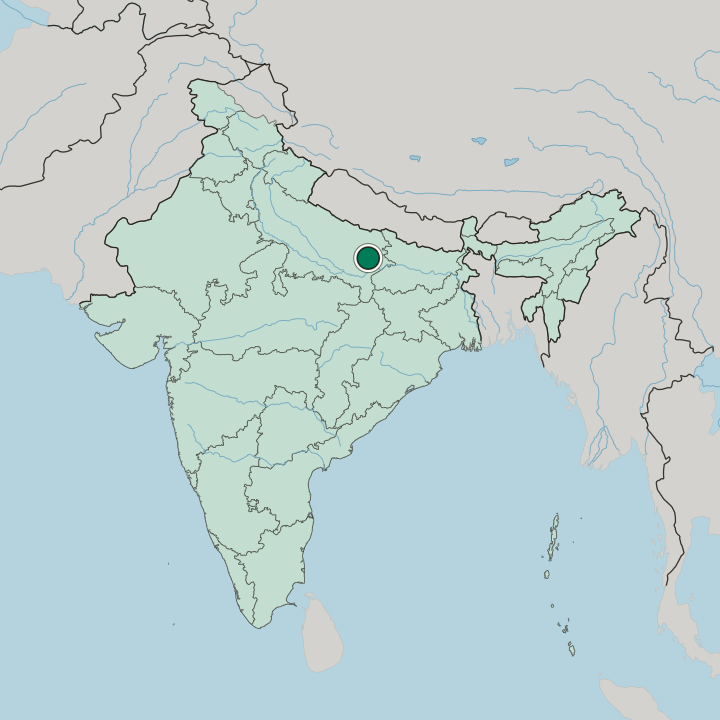
The city stands 268 km east of Lucknow and 809 km from Delhi, so its bearings are taken from the capital of Uttar Pradesh rather than from the national one.
What is the climate of Azamgarh?
The Tamsa marks the year. Azamgarh sits within the subtropical band of the northern hemisphere, so the calendar here turns on wet and dry stretches rather than on a long cold season, and the river's level is the plainest register of which stretch a visitor has walked into. Heat leads the rest.
Rooms, travel and the working day across Azamgarh division all bend around that pattern, and a trip planned for the drier months meets a different town from one planned for the wet.
How do you get to Azamgarh?
Lucknow is the practical door. Azamgarh lies 268 km east of the capital of Uttar Pradesh, and most arrivals cross that gap by road from Lucknow before the last stretch into the divisional seat on the Tamsa. Delhi is much farther.
The national capital stands 809 km off, which makes it a starting point for a long haul rather than a same-day approach, while Ballia and Mau sit inside the same division and can begin a trip from within it.
Common questions
What is the best area to stay in Azamgarh?
The Azamgarh divisional core: Business calling at the headquarters of Azamgarh division. Towards the Tamsa: Quieter nights off the divisional traffic of the Azamgarh centre. Ballia and Mau: Trips spread across all three districts of Azamgarh division rather than its seat.
More cities in Uttar Pradesh
Updated September 2026