India · Uttar Pradesh
Where to Stay in Noida, Uttar Pradesh
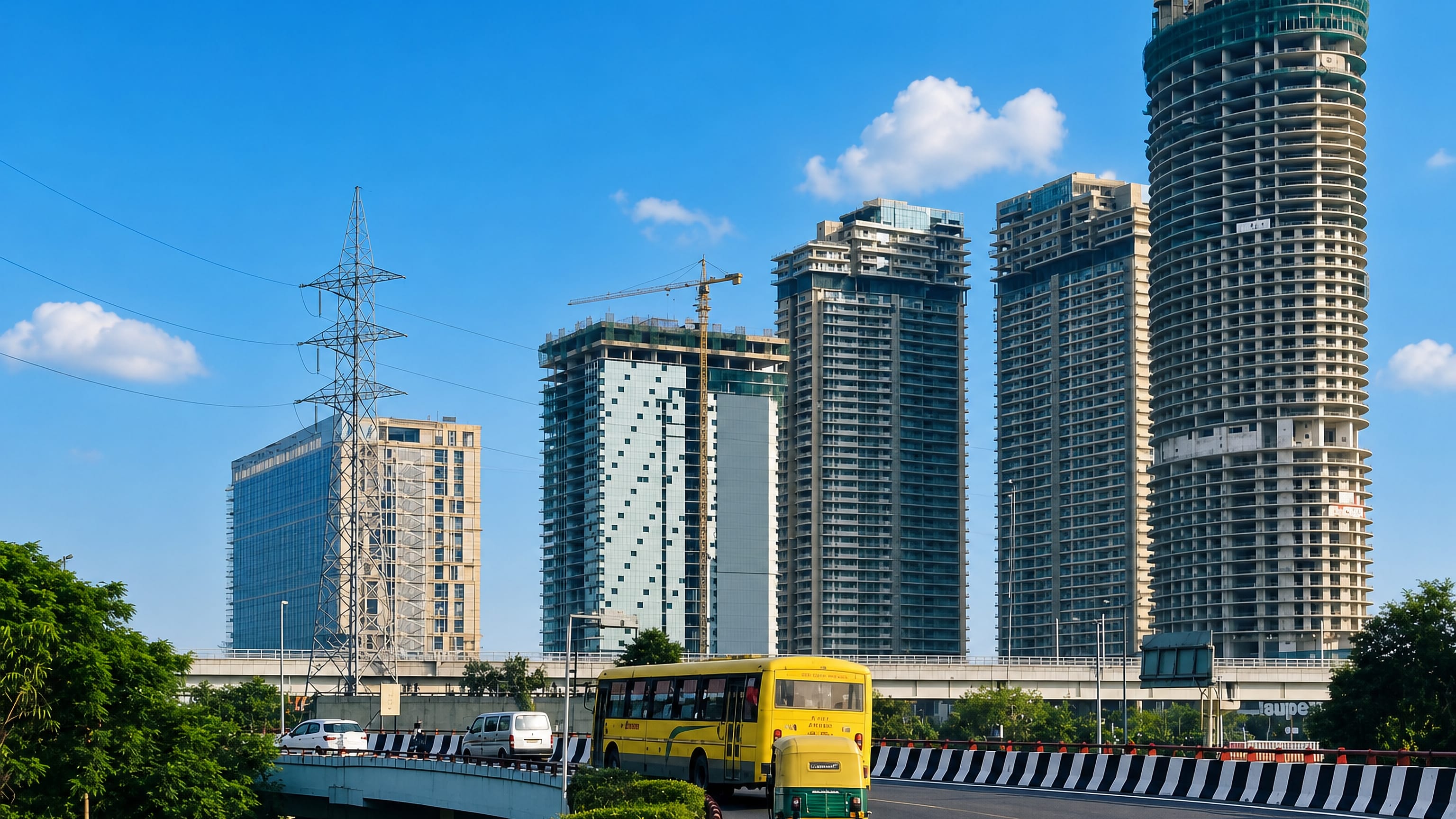
Planned streets run between the Yamuna and Hindon Rivers at Noida, a city of the National Capital Region in Uttar Pradesh, laid out in 1976.
Hotel links are affiliate links: booking through them may earn us a commission, at no extra cost to you. It never affects how places are ranked. How this works


Where to stay in Noida
The practical side of choosing where to sleep.
Noida is laid out as a grid of numbered sectors between the Yamuna and Hindon Rivers, and where you stay depends on which side of the National Capital Region you need. The central sectors hold the older core of the Gautam Buddha Nagar district, close to the offices and the wide roads the planners drew from the start. Everything sits within easy reach here.
St. Mary's Church, Noida and the market streets lie near, and the ordered blocks make the city simple to cross. Rooms here run practical and business-first. The leisure edge is the other choice.
Hotels stand near the Worlds of Wonder park and the greener sectors away from the busiest roads, and they suit visitors who want quiet evenings and short runs toward Delhi. The floodplain keeps the ground flat and open between the two rivers. Getting around is easy whichever of the two sectors you choose.
The metro and the expressways tie the sectors of Uttar Pradesh together and carry travellers on to the wider capital region. Book early when the sectors fill for conferences and rooms grow scarce.
Find hotels in Noida
Direct booking searches for these neighbourhoods.
Central sectors
The older grid of the Gautam Buddha Nagar district by St. Mary's Church, Noida, with the wide sector roads and offices the planners drew from the start.Find hotels in Central sectorsFamilies and quieter leisure staysWorlds of Wonder edge
The greener sectors near the Worlds of Wonder park on the floodplain between the Yamuna and Hindon Rivers, with short runs toward Delhi.Find hotels in Worlds of Wonder edgeHotel links are affiliate links: booking through them may earn us a commission, at no extra cost to you. It never affects how places are ranked. How this works
Things to do in Noida
Ranked by global recognition; descriptions from Wikidata (CC0).
Museums & Galleries
3- Rashtriya Dalit Prerna Sthal and Green Garden
- Shankar's International Dolls Museum
- Mirza Ghalib Museum
Churches & Religious Sites
1- St. Mary's Church, Noida
Parks & Gardens
1- Worlds of Wonder
Landmarks & Notable Places
1- Vice President House
worth knowingacross 4 categories in Noida
About Noida
What is Noida known for?
Noida is known as one of the most systematically planned cities in India, laid out in the Gautam Buddha Nagar district of Uttar Pradesh. Its name is an acronym. New Okhla Industrial Development Authority gave the city its short form when it rose on the floodplain between the Yamuna and Hindon Rivers.
The city was designed under the National Capital Region strategy to draw growth away from Delhi. Its grid of sectors runs wide and orderly. St. Mary's Church, Noida stands among them, and the Worlds of Wonder park fills a corner of the plan.
What are the main landmarks in Noida?
Noida keeps its landmarks within the planned sectors of the Gautam Buddha Nagar district, a young city without an ancient core. St. Mary's Church, Noida stands among the ordered blocks. The Worlds of Wonder park fills a leisure corner of the grid near the floodplain.
Built from open ground in 1976, the city holds few old monuments, and its sights are the parks, markets, and civic sectors the planners laid out between the Yamuna and Hindon Rivers. The plan itself is the landmark.
What is the history of Noida?
Noida was established in 1976 as the New Okhla Industrial Development Authority, from which its short name comes. It was born from a plan. Laid out on the floodplain between the Yamuna and Hindon Rivers in the Gautam Buddha Nagar district, the city was designed under the National Capital Region strategy to decentralise growth from Delhi and ease the pressure on the crowded capital.
Planners drew the sectors first. The grid of numbered blocks, wide roads, and industrial zones came before the people, making Noida one of the most systematically planned cities in India. Growth followed the roads.
Industry and offices filled the sectors of Uttar Pradesh, and St. Mary's Church, Noida rose among the new blocks as the community settled in around the young grid. The Worlds of Wonder park later marked the leisure side of the plan. No medieval quarter survives.
Its history is the short, deliberate story of a settlement conjured from farmland by design. Noida grew from open floodplain into a planned centre of the National Capital Region.
Where is Noida?
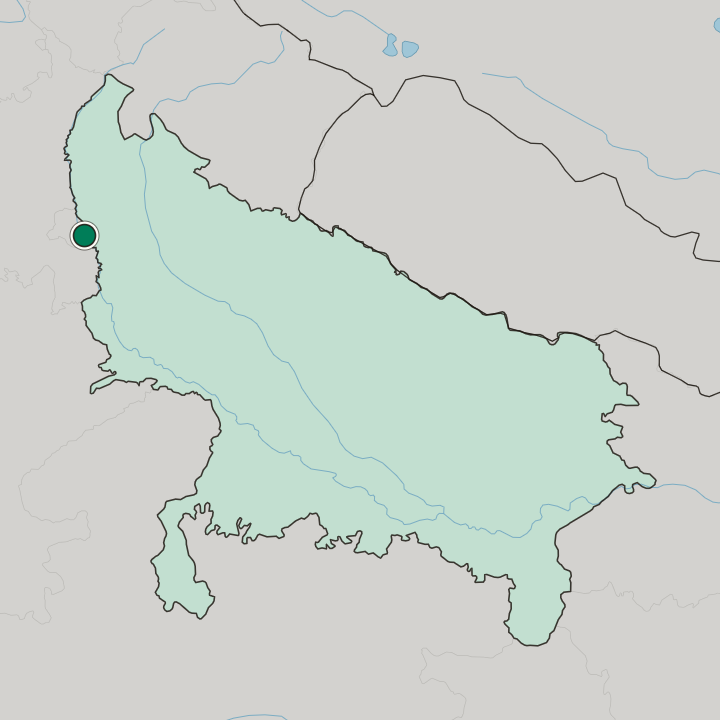
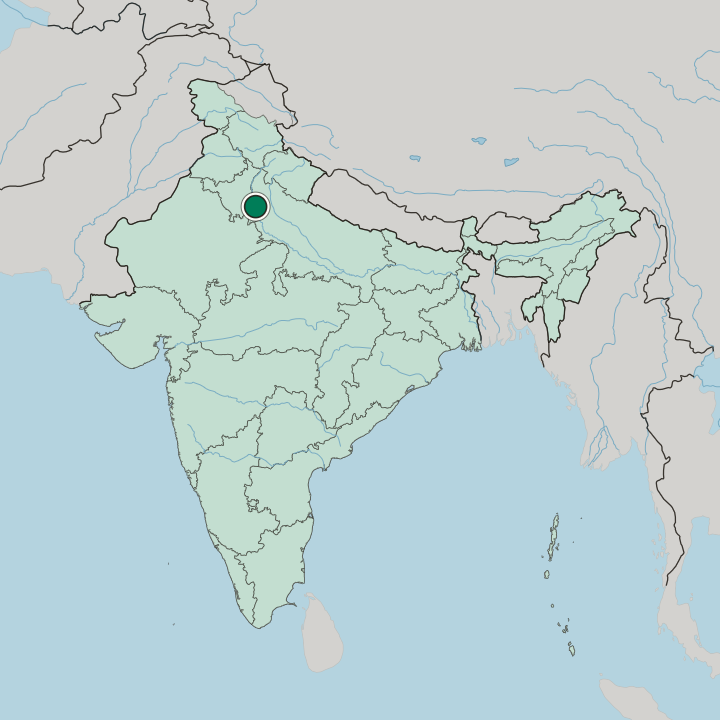
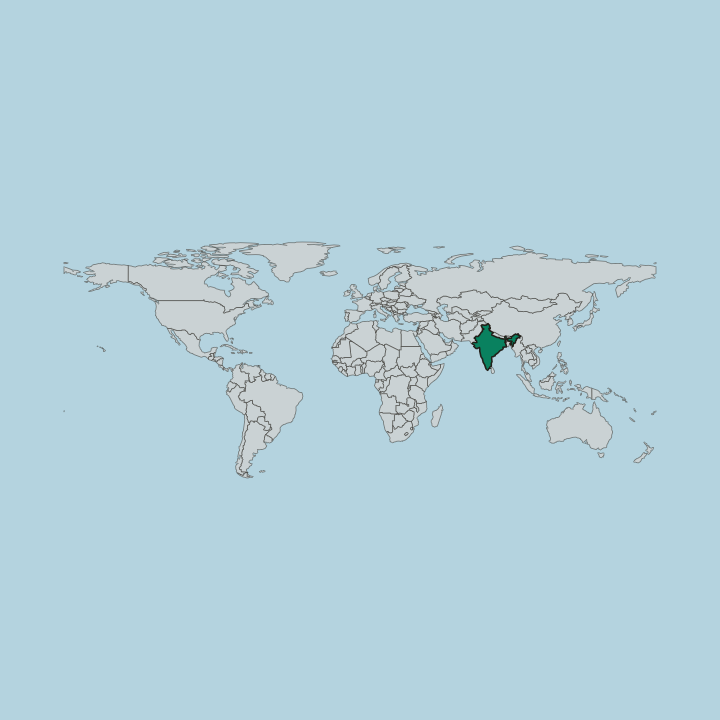
Noida sits on the floodplain between the Yamuna and Hindon Rivers, in the Gautam Buddha Nagar district of Uttar Pradesh. The land is low and flat. Two rivers frame the city, and the level ground between them let the planners lay out a wide, open grid of sectors within the National Capital Region.
The plan spreads evenly across the plain. Little rises above the flat floodplain around it.
What is the climate of Noida?
Noida has a hot subtropical climate on the floodplain of Uttar Pradesh, shared with the wider National Capital Region. Summers run long and scorching. The heat builds hard over the flat ground between the Yamuna and Hindon Rivers before the monsoon breaks, and the dry months leave the sectors dusty and bright.
Winters turn cool and hazy for a short spell. Rain comes with the monsoon.
How do you get to Noida?
Noida is tied into the National Capital Region, reached by metro, expressway, and road from Delhi. Planners built the links first. The wide expressways and the metro line thread through the numbered sectors of the Gautam Buddha Nagar district, carrying travellers in from the capital across the flat floodplain.
Trains and buses serve the wider grid of Uttar Pradesh. The level ground between the Yamuna and Hindon Rivers keeps every approach open and fast.
Common questions
What is the best area to stay in Noida?
Central sectors: Business travellers near the planned core. Worlds of Wonder edge: Families and quieter leisure stays.
Good for
More cities in Uttar Pradesh
Updated October 2026