Iran · Khuzestan Province
Where to Stay in Abadan, Khuzestan Province
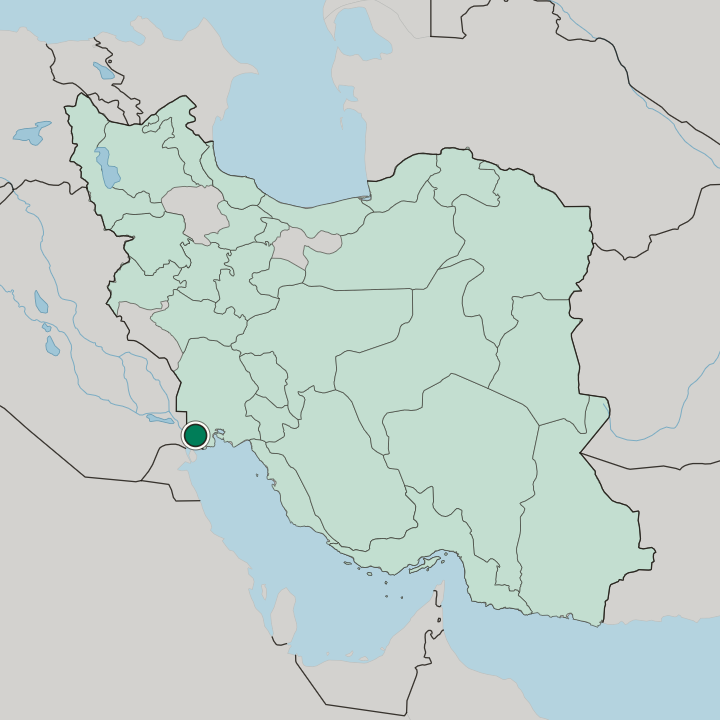
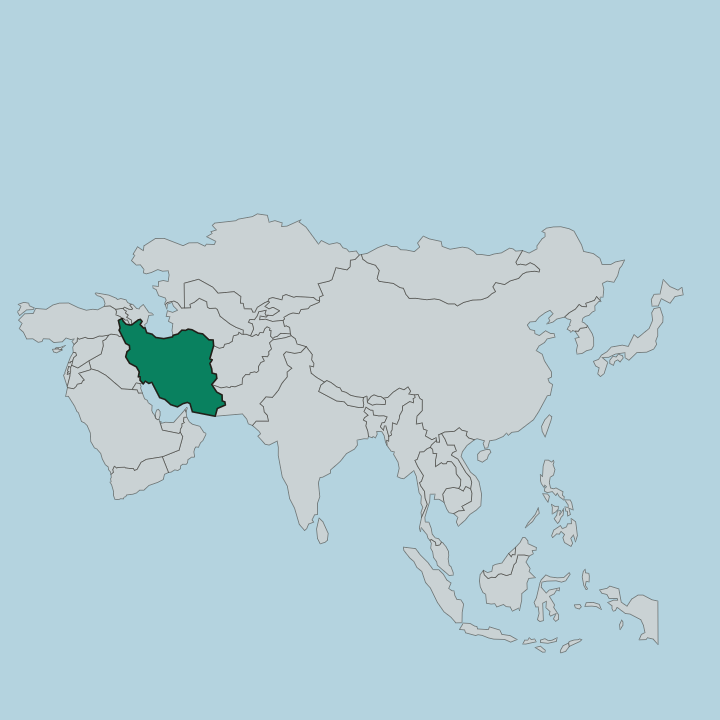
Abadan is an oil-refinery city on an island of the Shatt al-Arab in southwest Iran, at the head of the Persian Gulf.
Find your area →


Where to stay in Abadan
The practical side of choosing where to sleep.
Where you stay in Abadan turns on the town centre or the suburbs. The streets around the centre keep the bazaar, the riverside, and the church within reach, and staying downtown suits anyone here for the island city. The Arvand slides brown past the quays.
Hotels stand near the waterfront. Out toward Braim and Bawarda, the town opens to leafy garden streets. A room in the old suburbs trades the centre for the shaded avenues, the villas, and the quiet of the oil-boom quarters.
Date palms line the canals. Stay downtown for the bazaar, or in the suburbs for the gardens. The river is never far from either.
About Abadan
Abadan is the oil city on the Arvand river.
What is Abadan known for?
On a flat island between the Arvand and the Bahmanshir at the top of the Gulf, it grew around one of the world's greatest oil refineries, and it keeps the garden suburbs the oil company built, an old Armenian church, and the memory of a great siege in the Iran-Iraq war. The wide rivers ring the island. Refinery flares light the night sky.
What are the main landmarks in Abadan?
The great oil refinery defines Abadan. The vast works of tanks, towers, and flare stacks along the river, once the largest refinery on earth, is the emblem of the city, by the water. Garden suburbs lie inland.
The old company districts of Braim and Bawarda keep their tree-lined streets and villas from the oil boom, while an old Armenian church and the riverside bridges mark the island town of Abadan.
What is the history of Abadan?
Abadan was a marshy island until oil made it a city. For most of its past it was a small place of date palms and fishermen on the delta, held in turn by Arabs and Persians on the shifting border. Then oil changed everything.
In the early twentieth century a British company built a vast refinery here, once the largest in the world, and a whole city rose around it, with garden suburbs, a cinema, and workers drawn from many lands. Oil brought the town into great struggles. In 1951 Iran nationalised the refinery and the foreign staff left, and the fight over Abadan's oil shook the wider world.
Then war fell on the island. When Iraq invaded in 1980, Abadan was besieged and shelled for months and much of it was wrecked, though it never quite fell. The refinery still burns by the river.
Abadan keeps its refinery and its garden suburbs on the Arvand.
Where is Abadan?
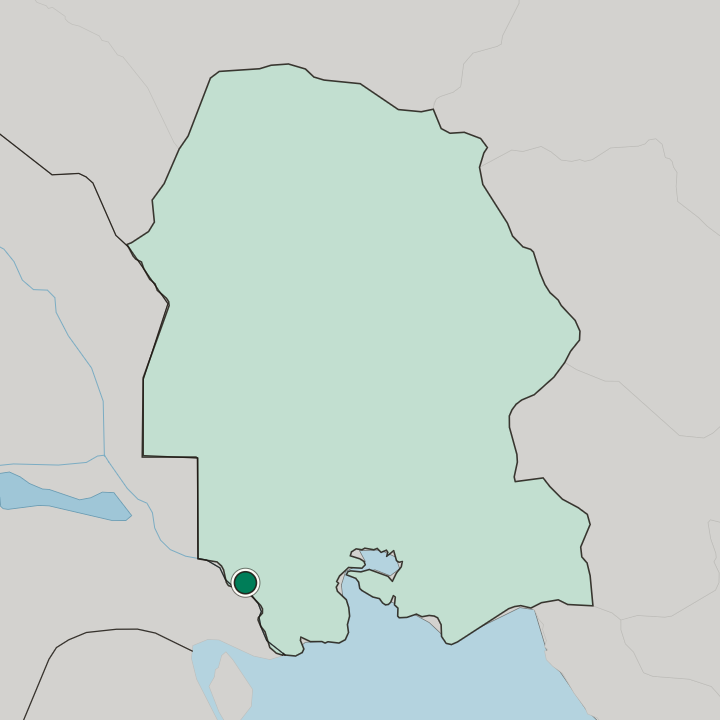
Abadan lies on a low island of the Shatt al-Arab in Khuzestan, southwest Iran, at the head of the Persian Gulf. The city spreads flat between two rivers, the Arvand on the Iraqi side and the Bahmanshir on the other, on the hot marshy delta where the great rivers reach the sea. Flat delta stretches around.
The rivers run past the island to the Gulf.
What is the climate of Abadan?
Abadan has one of the hottest climates on earth. Long summers bring blazing, humid heat that ranks among the highest anywhere, and short mild winters bring a little rain, with dust and haze off the desert and marshes. Heat and haze hang over the delta.
The rivers stir a damp, heavy air.
How do you get to Abadan?
Abadan lies at the head of the Persian Gulf in Khuzestan, near the Iraqi border. Roads and rail run to it from Ahvaz down the delta, and an airport serves the island, while the river carries ships to the Gulf. Local roads cross the island and the bridges.
Ahvaz lies a couple of hours to the north.
Good for
More cities in Khuzestan Province
Updated September 2026