Iran · Khuzestan Province
Where to Stay in Shūsh, Khuzestan Province
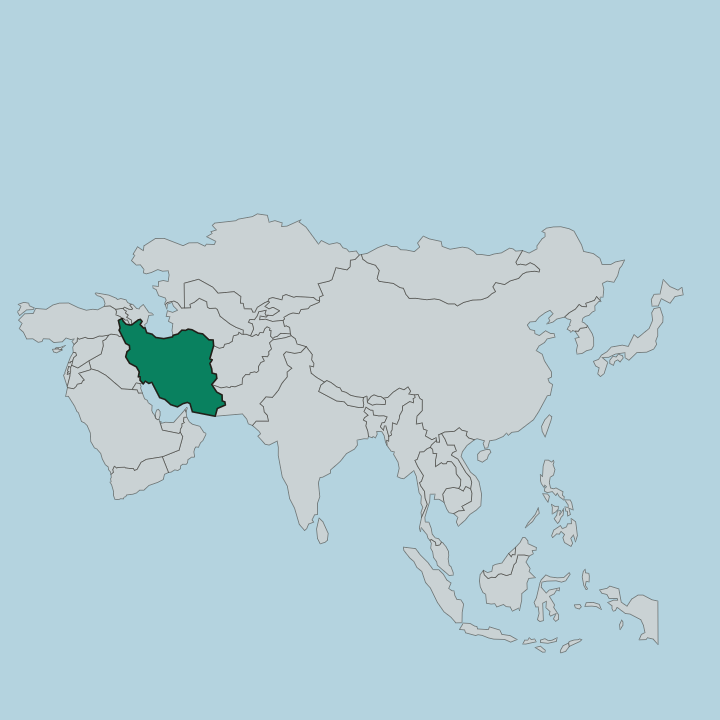
Shush is a town of Khuzestan in southwestern Iran, built on ancient Susa, one of the oldest cities on earth and a capital of the Persian empire.
Find your area →



Where to stay in Shūsh
The practical side of choosing where to sleep.
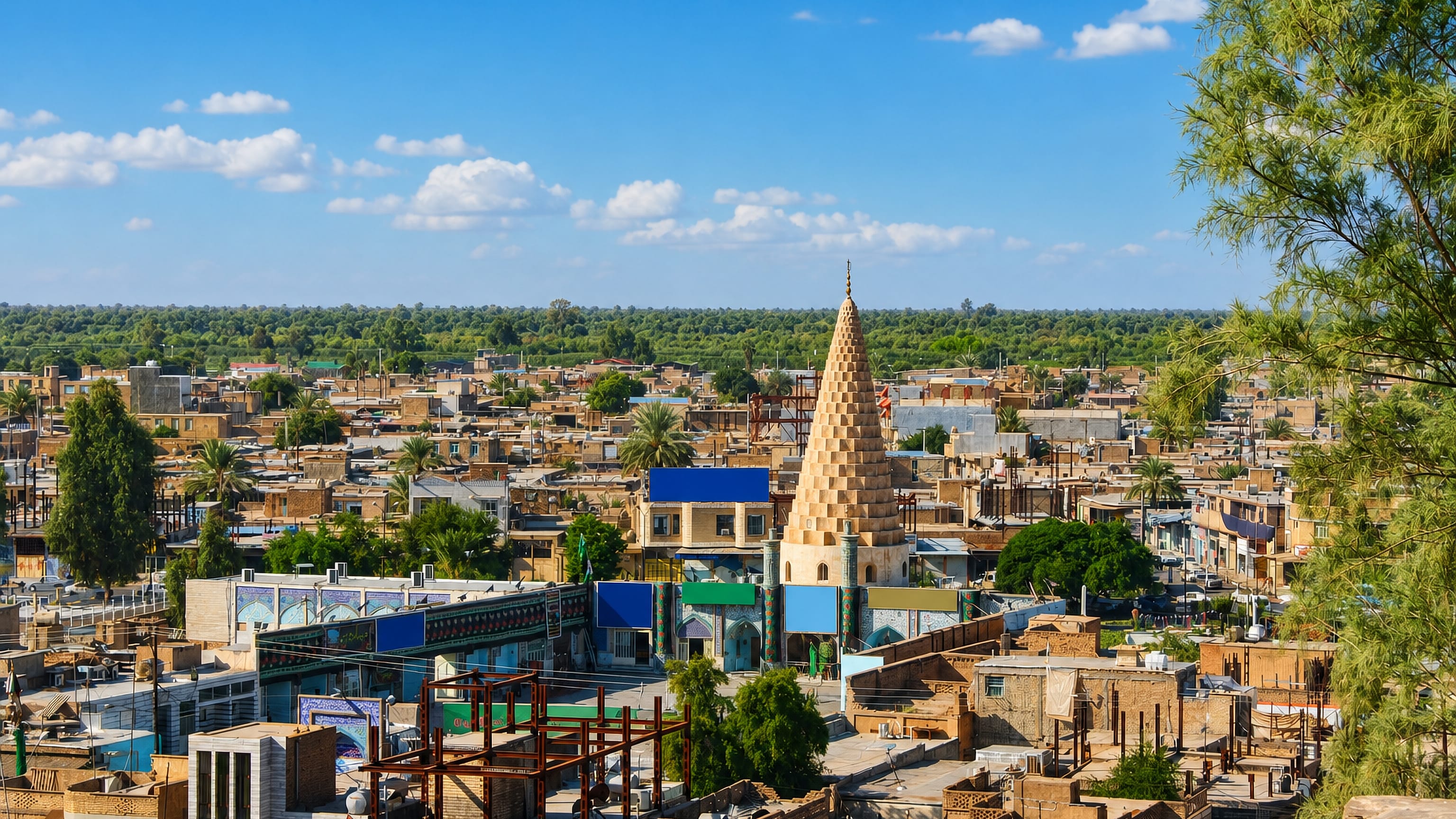
Where you stay in Shush turns on the shrine or the ruins. The streets around the shrine of Daniel keep the tomb, the bazaar, and the river within a walk, and staying in town suits anyone here for the pilgrimage. The white dome rises over the town.
Pilgrims fill the shrine lanes. Out toward the acropolis and the ancient sites, the town gives way to ruin mounds, the palace, and the old ziggurat. A room by the ruins trades the town for the palace of Darius, the site museum, and the great ziggurat of Chogha Zanbil.
The bare mounds run to the plain. Stay in town for the shrine, or by the ruins for the palace. The shrine lies a short way in.
Things to do in Shūsh
Ranked by global recognition; descriptions from Wikidata (CC0).
Museums & Galleries
1- Museum of Susa
Castles & Historic Sites
7- Susa UNESCO
- Susa I UNESCO
- Susa II UNESCO
- Susa III UNESCO
- Susa acropolis UNESCO
Show 2 more →
- Susa apadana UNESCO
- Shush Castle Heritage
worth knowingacross 2 categories in Shūsh
About Shūsh
Shush is the modern town on ancient Susa.
What is Shūsh known for?
On the hot plain of Khuzestan by the rivers, it stands on the mounds of Susa, a city already old when Persia rose, and it keeps the ruined palace of Darius on its acropolis, the white-domed shrine of the prophet Daniel, a French archaeologists' castle on the ruins, and the great Elamite ziggurat in the country nearby. Bare ruin mounds rise around. The rivers run through the plain.
What are the main landmarks in Shūsh?
The shrine of Daniel is the living heart of Shush. The white shrine with its tall conical dome, holding the tomb of the prophet by the river, draws pilgrims to the town, the emblem of the city, on the water. A palace mound rises above.
The acropolis of Susa carries the ruins of Darius's palace and a French castle, while the site museum, the ancient mounds, and the great ziggurat of Chogha Zanbil mark the country around Shush.
What is the history of Shūsh?
Susa is one of the oldest cities in the world. People built a city on these mounds more than five thousand years ago, and it became the great capital of Elam, warring for ages with the kings of Babylon and Assyria. Kings ruled from here.
Elamite lords held Susa through long centuries, until the Assyrians sacked it and carried its treasures away. Then Persia made it an imperial seat. Darius the Great built a splendid palace at Susa, the Apadana, and the kings of Persia wintered here and ruled a vast empire from its halls, in the days of Esther and the prophet Daniel.
The city faded in the end. Wars and the shifting of power let old Susa sink to ruin, and only the mounds and the shrine of Daniel remained, until French diggers uncovered the palaces and raised a castle to guard them. The mounds still keep the past.
Shush keeps its ruins and its shrine on the Khuzestan plain.
Where is Shūsh?
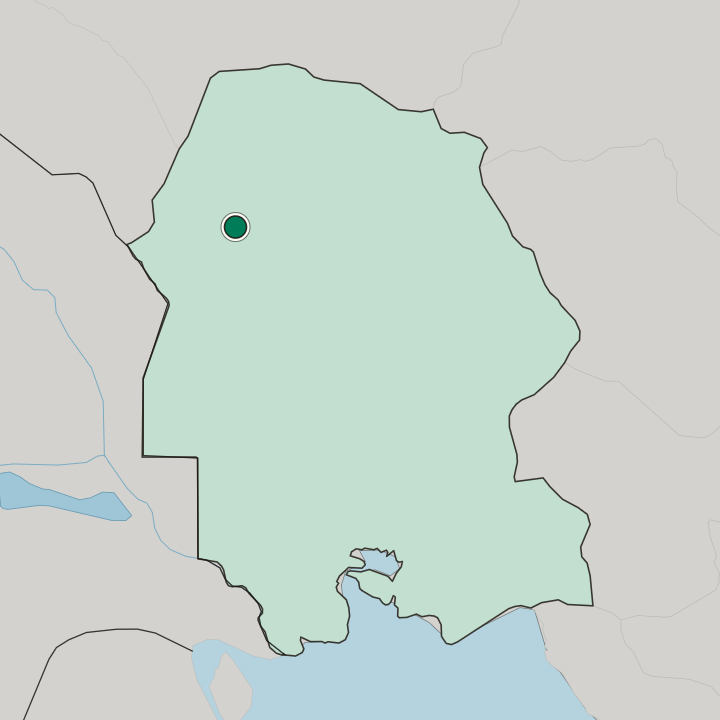
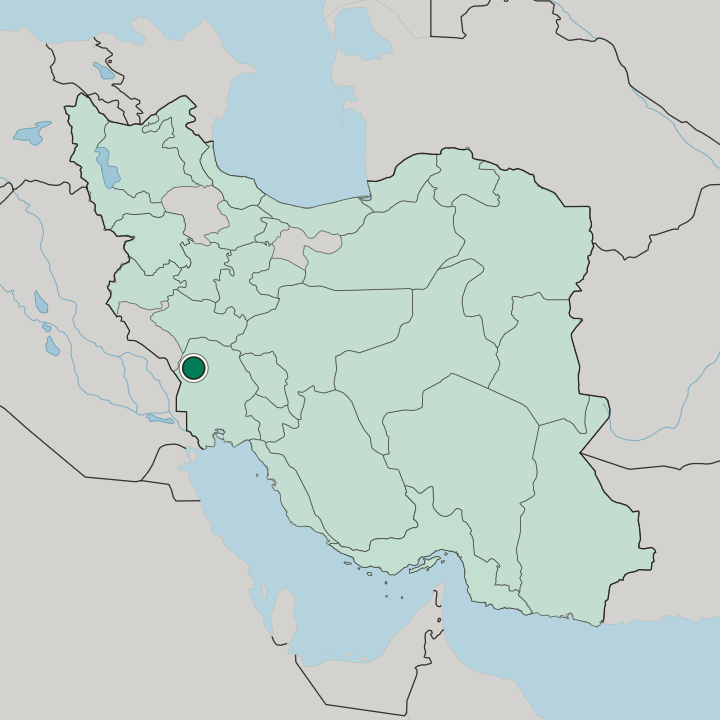
Shush lies in the north of Khuzestan in southwestern Iran, on the hot lowland plain near the Iraqi border. The town stands among the mounds of the ancient city, where the Karkheh and the Dez rivers water a dry plain of wheat, at the foot of the Zagros hills to the north. Bare mounds and plain spread out.
The rivers run south to the marshes.
What is the climate of Shūsh?
Shush has one of the hottest climates on earth. Scorching summers and mild winters cross the Khuzestan plain, with fierce heat for much of the year and little rain, though the winters bring some green. The summers blaze over the plain.
Dust hangs in the heat.
Good for
More cities in Khuzestan Province
Updated September 2026