Iran · Khuzestan Province
Where to Stay in Shūshtar, Khuzestan Province
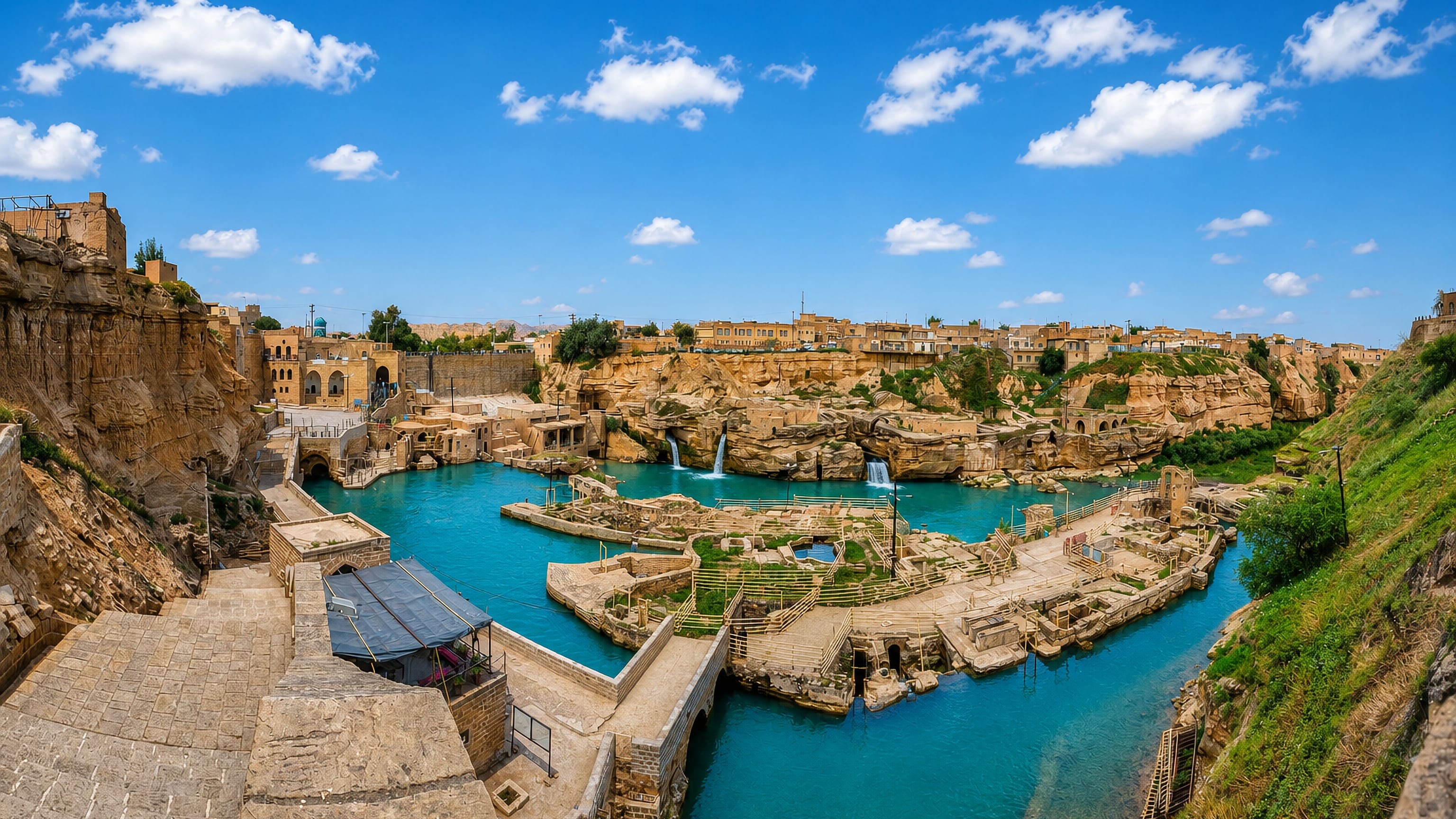
Shushtar is a historic city in Khuzestan, southwestern Iran, famed for its ancient system of dams, canals, and watermills.
Find your area →


Where to stay in Shūshtar
Where the beds are, and what that means for the visit.
Where you stay in Shushtar turns on the old town. The brick lanes around the waterfalls and the canals keep the old houses, the bathhouses, and the bazaar within a walk, and staying in the centre suits anyone here for the waterworks. The lanes hush in the midday heat.
Rooms sit in the old brick houses near the river. Out toward the newer districts and the road, the town spreads into wider, plainer streets. A room away from the centre trades the old lanes for parking, space, and an easy road on to Ahvaz.
The hot plain opens flat past the town. If you want the waterfalls and the bazaar, stay in the centre; if you want the road, take a room outside. Either way, the old canals are close at hand.
Things to do in Shūshtar
Ranked by global recognition; descriptions from Wikidata (CC0).
Churches & Religious Sites
2- Abdollah Banu Mosque Heritage
- Hossein Mosque Heritage
Castles & Historic Sites
8- Salasel Castle Heritage
- Gargar Bridge-Dam Heritage
- Pakhshab of the Historical Daryun Canal Heritage
- قدمگاه خضرنبی Heritage
- محوطه صحرای بلبل Heritage
Show 3 more →
- گور دخمههای مقام صاحب الزمان Heritage
- نیایشگاه صائبین Heritage
- مجموعه نهرداریون Heritage
Parks & Gardens
1- Khan Garden (Shushtar) Heritage
Landmarks & Notable Places
4- خانه مرعشی Heritage
- Kolah Farangi Tower Heritage
- خانه رضوان Heritage
- خانه جولا زاده Heritage
worth knowingacross 4 categories in Shūshtar
About Shūshtar
Shushtar is a marvel of ancient engineering.
What is Shūshtar known for?
Two thousand years ago its builders bent the Karun River through a great web of dams, tunnels, canals, and waterfalls to water the plain and turn its mills, and the ruins of that hydraulic system still stand. Salasel Castle once ruled the flow of the water. Stone and water made the city.
What are the main landmarks in Shūshtar?
The old waterworks are Shushtar's wonder. The dams, canals, and tunnels of the ancient hydraulic system spread across the river, the great sight of the town, where waterfalls once drove the mills. Castles and bridges guard the water.
Salasel Castle rises over the canals, the Gargar Bridge-Dam spans the river, and the Kolah Farangi Tower stands above the Daryun canal.
What is the history of Shūshtar?
Shushtar was built to master a great river. When the Sasanian kings ruled Persia, they set Roman captives and their own engineers to tame the Karun River, cutting a great canal, the Daryun, to carry water through the city and building dams and tunnels to spread it across the plain. Water turned the mills.
Below the dams the river tumbled over falls that drove dozens of watermills, and the whole system watered the fields and powered the town for centuries. The waterworks made the city rich and famous. Travellers marvelled at the dams, the canals, and the roaring falls, and Shushtar grew into a prosperous town of brick houses, bazaars, and mosques on the river.
Salasel Castle ruled the water. From the great fortress the keepers controlled the gates and channels that fed the whole system. The ancient hydraulic works were later named a treasure of the world.
Shushtar still stands by the mills and canals its builders raised.
Where is Shūshtar?
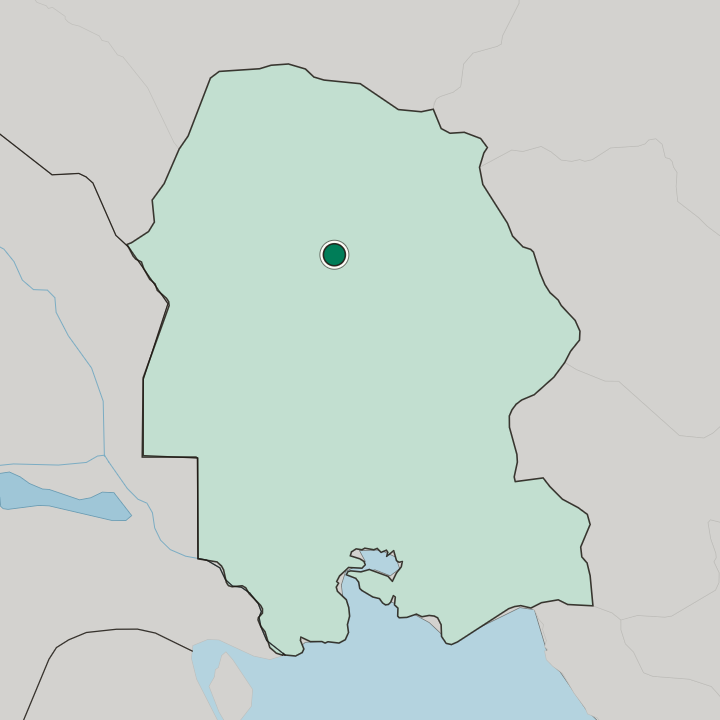
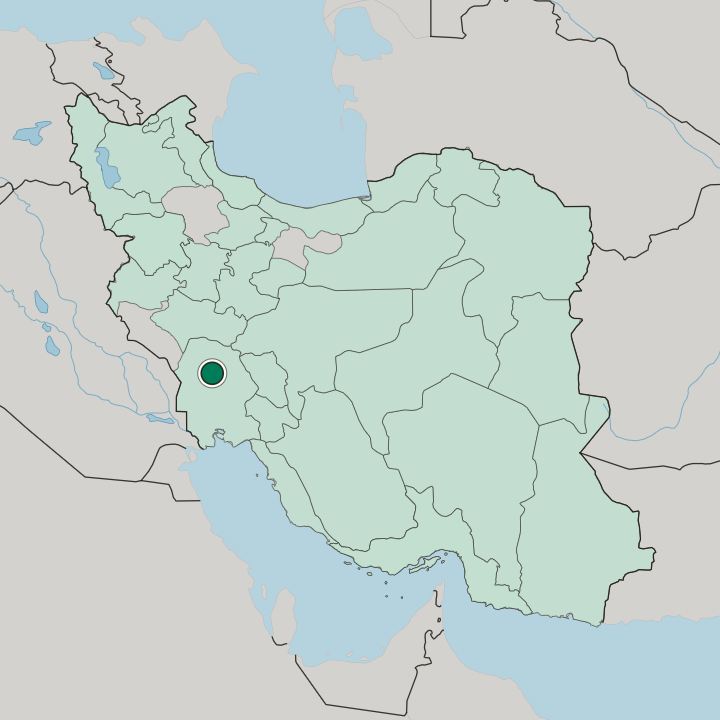
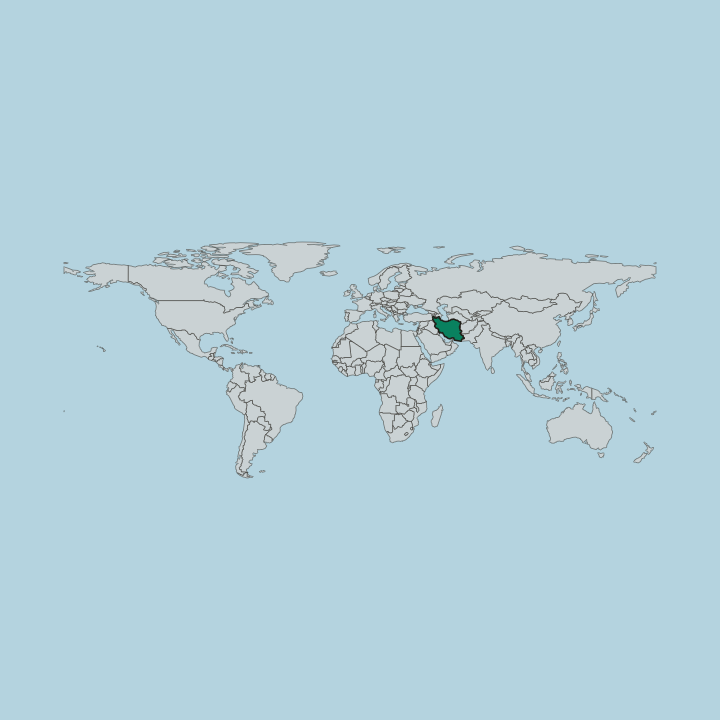
Shushtar stands on the Karun River in the plains of Khuzestan. The city lies where the great river breaks through the last hills onto the hot lowland plain of southwestern Iran, close to the ruins of ancient Susa. Palm groves and fields fill the river plain.
The dry plain stretches wide toward the Gulf.
What is the climate of Shūshtar?
Shushtar bakes in one of the hottest climates on earth. Fierce, dry summers scorch the lowland plain, among the hottest anywhere, while the winters stay short and mild by the river. Dust blows off the plain in the heat.
The river brings the only cool to the town.
How do you get to Shūshtar?
Shushtar lies in the plains of southwestern Iran. Roads run to it across the lowland from Ahvaz and Dezful nearby, and the highways cross the plain toward the north and the Gulf. Buses reach the river towns around.
Most arrive by road across the Khuzestan plain.
Good for
More cities in Khuzestan Province
Updated September 2026