Iran · Khuzestan Province
Where to Stay in Rāmhormoz, Khuzestan Province
Rāmhormoz was the Sasanian Samangan, a county town in Khuzestan whose streets hold Taq-e Nosrat and a run of old shrine tombs.
Find your area →


Where to stay in Rāmhormoz
Where the beds are, and what that means for the visit.
Stay central in Rāmhormoz. The monuments recorded for the town, among them Taq-e Nosrat, the Tomb of Alamdar, and the Tomb of Khwaja Khezr, belong to the built-up area rather than to its outskirts, so a central room reaches them on foot and leaves the car standing. Beds are few and plain.
Travellers hoping to fit the Tomb of Imamzadeh Haft Tan and the Tomb of Hormozd the Sasanian into one day gain more from an early start in the centre than from any arrangement that depends on driving in late. Rāmhormoz County is administered from the same town, and the Central District that surrounds it takes in the settlements where lodging effectively stops. Ramshir sits three kilometres out.
Anyone using the city as a base for the historical territory there can do so comfortably, since the distance is short enough to cross twice in a morning and still be back for the tombs. Khuzestan province supplies the alternatives. Visitors who need a wider choice of hotels look to the province's larger centres and accept the drive, which is the usual trade in a county town whose appeal is its record rather than its room stock.
Things to do in Rāmhormoz
Ranked by global recognition; descriptions from Wikidata (CC0).
Castles & Historic Sites
4- Taq-e Nosrat (Ramhormoz) Heritage
- مغازه قدیمی Heritage
- قلعه صمیمی Heritage
- دبستان توحید Heritage
Landmarks & Notable Places
4- خانه محمد صمیمی Heritage
- خانه تاریخی عباسیان Heritage
- خانه بهبهانی Heritage
- خانه دکتر وحید Heritage
worth knowingacross 2 categories in Rāmhormoz
About Rāmhormoz
Antiquity is the calling card.
What is Rāmhormoz known for?
Rāmhormoz was known as Samangan in ancient times, established by the Sasanian emperor Hormizd I, and an Elamite tomb found in the same ground widens the record further still. Taq-e Nosrat survives in the town. The historical territory of Ramshir lies close by, only three kilometres from the built-up edge, so the city and its older neighbour occupy one small stretch of Khuzestan province.
What are the main landmarks in Rāmhormoz?
Taq-e Nosrat is the name to know. The town also keeps a run of shrine tombs, among them the Tomb of Alamdar, the Tomb of Khwaja Khezr, and the Tomb of Imamzadeh Haft Tan, all recorded among the monuments of Rāmhormoz rather than of the countryside beyond. The Tomb of Hormozd the Sasanian carries the founder's name.
Taken together the list runs longer than a county town of this size usually manages, and it rewards a slow walk more than a single stop.
What is the history of Rāmhormoz?
Elam came first. A tomb of Elamite date has been found in the ground at Rāmhormoz, evidence that people were burying their dead here long before the city took the name it carries. The find widens the town's record beyond its Sasanian founding.
The Sasanians made it a city. Hormizd I established the settlement that the sources call Samangan, and that ancient name is how the earlier records refer to the place, a Sasanian foundation set down under an emperor whose own tomb the town still names. The name changed, the ground did not.
Ramshir, the historical territory recorded a short way off, sits close enough to Rāmhormoz that the two belong to a single stretch of Khuzestan province, and the modern city administers both the Central District and Rāmhormoz County from the same offices. Shrines carry the rest. The Tomb of Alamdar, the Tomb of Khwaja Khezr, and the Tomb of Imamzadeh Haft Tan are the shrines the town has kept, and they sit alongside the older Sasanian association rather than replacing it.
Taq-e Nosrat remains the monument most closely identified with the town.
Where is Rāmhormoz?
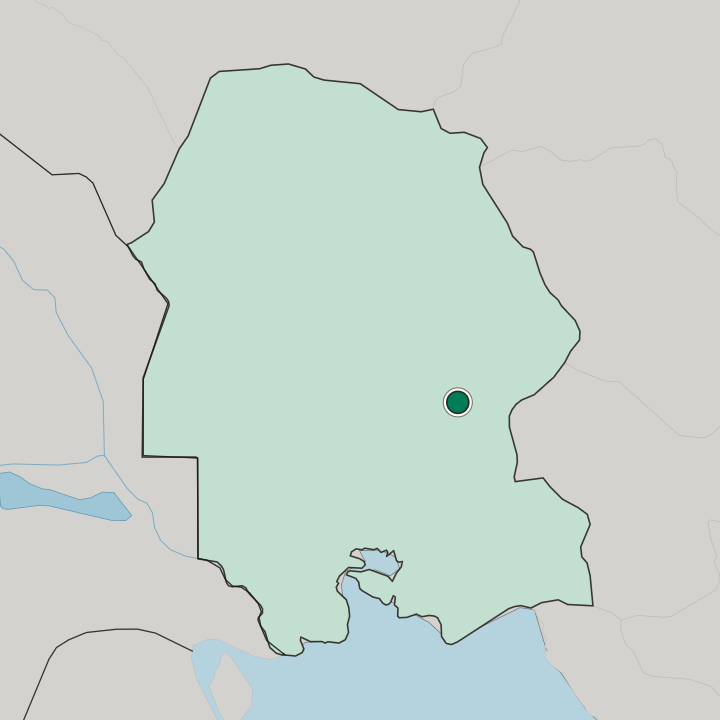
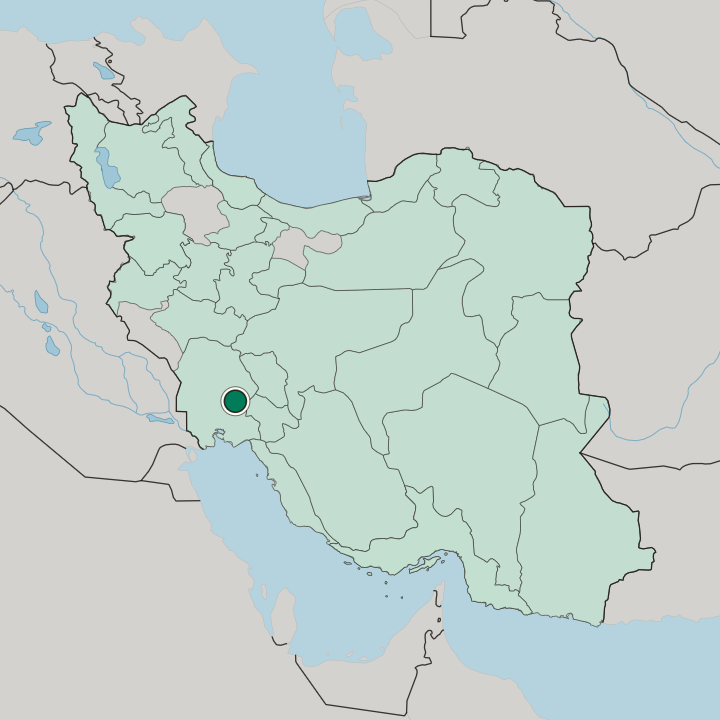
Khuzestan province holds the town. Rāmhormoz sits at the centre of Rāmhormoz County, with the Central District spread around it, and the historical territory of Ramshir lies only three kilometres from the built-up edge. The subtropical band runs through.
Ground like this belongs to the warmer half of Iran, where the year is organised around heat and where the settlements of the Central District thin out quickly once the town's streets end.
What is the climate of Rāmhormoz?
Rāmhormoz sits in the subtropical band, and the practical effect is a year split unevenly between a long warm stretch and a brief cool one. Cover from the sun matters most. Walkers doing the shrine tombs and Taq-e Nosrat plan for the cooler months, or for the early hours, because the middle of a warm day in this part of Khuzestan province flattens any sightseeing schedule.
Evenings come as relief.
How do you get to Rāmhormoz?
Driving is how people arrive. Rāmhormoz is reached overland from elsewhere in Khuzestan province, and because the town is the seat of both Rāmhormoz County and its Central District, the routes that matter locally are the ones that converge on it rather than pass it by. Ramshir is three kilometres away.
Anyone driving in for the tombs can take the short hop out to the historical territory in the same trip, since the distance is short enough to add without changing the day's plan.
More cities in Khuzestan Province
Updated September 2026