Iran
Khuzestan Province, Iran — Towns & Travel Guide
Khuzestan is Iran's oil heartland in the south-west, where the Karun River crosses to the Persian Gulf past the ruins of ancient Elam.
Find your area →


Towns & cities in Khuzestan Province
Pick a town or city — each links to where to stay.
 Iran
Iran
Ahvaz
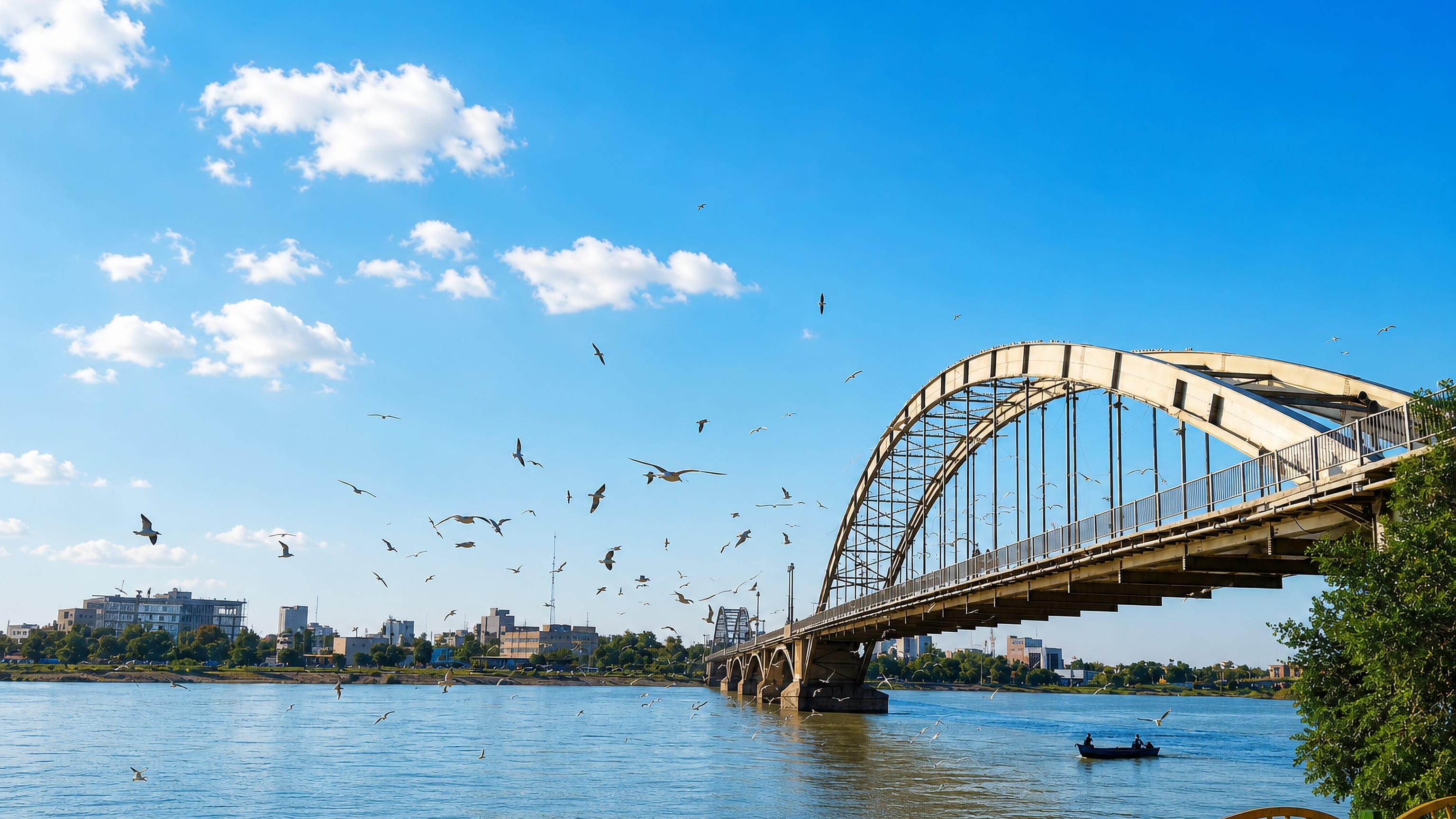
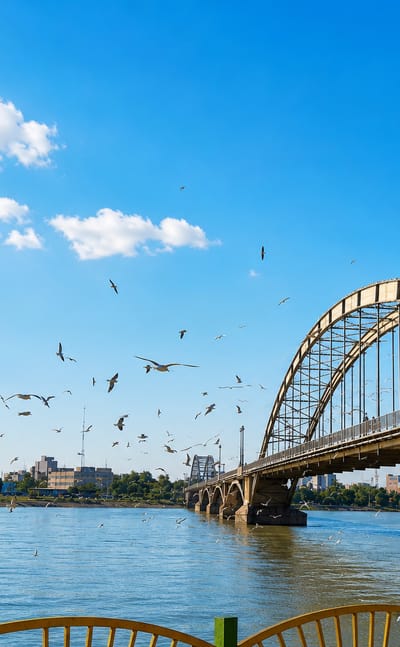
The White Bridge marks the centre of Ahvaz, the capital of Khuzestan Province in southwestern Iran, known for its old quarters and mosques.Where to stay →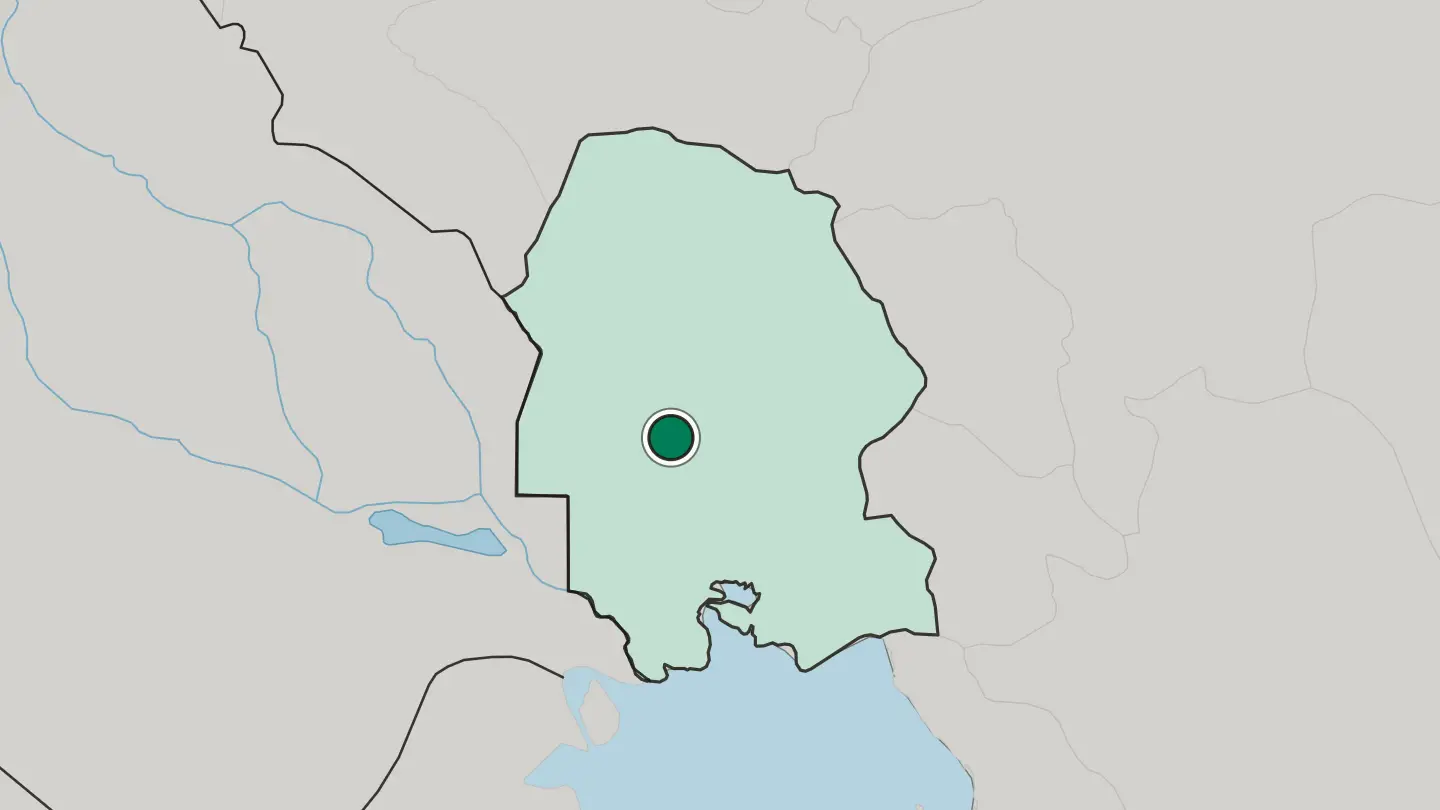 Iran
Iran
Khorramshahr
Khorramshahr is a Khuzestan city just north of Abadan, seat of Khorramshahr County, holding the Jameh Mosque of Khorramshahr and Arvandan Stadium.Where to stay →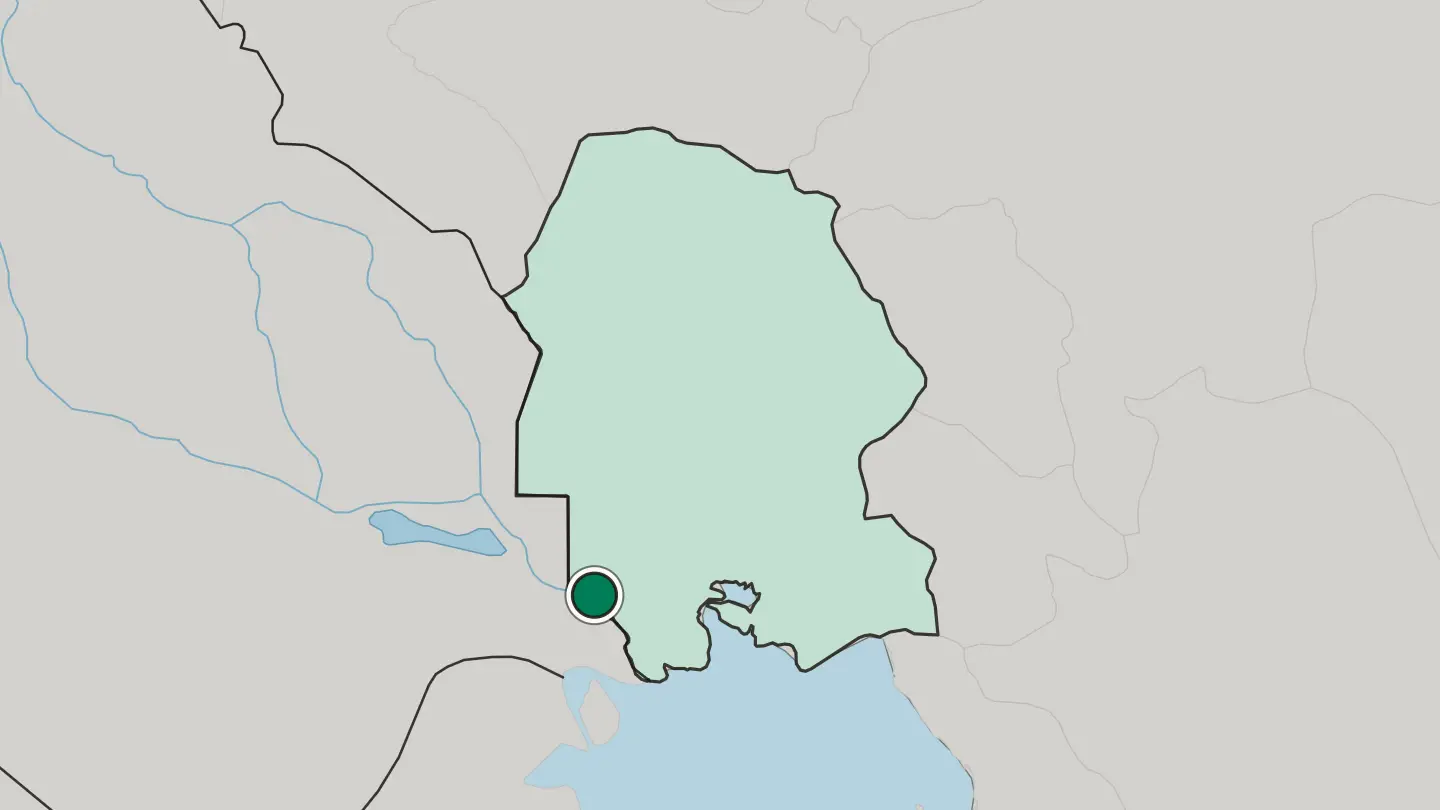
 Iran
Iran
Dezful
Dezful is an old city on the Dez river in Khuzestan, southwestern Iran, famous for an ancient bridge and a maze of brick alleys.Where to stay →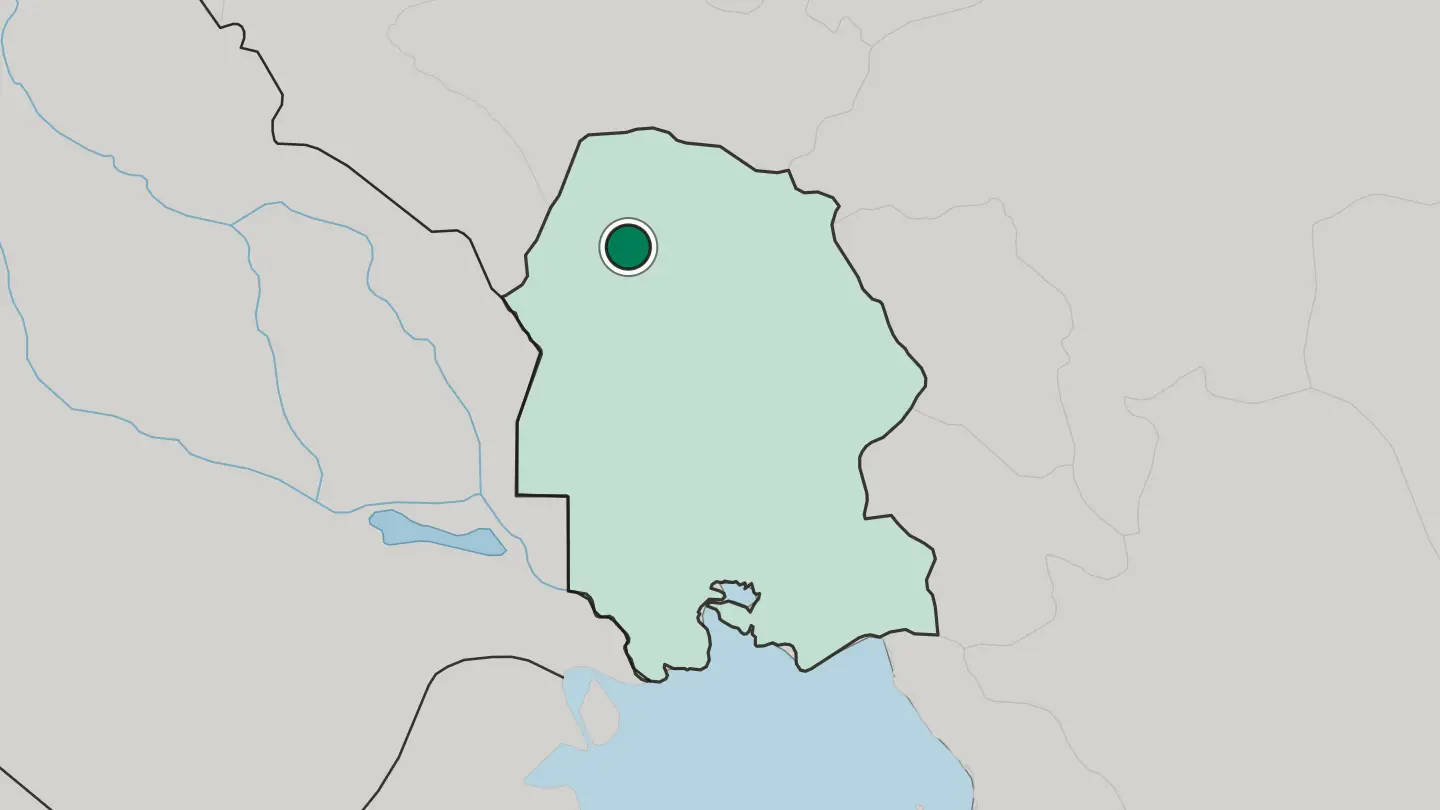 Iran
Iran
Abadan
Abadan is an oil-refinery city on an island of the Shatt al-Arab in southwest Iran, at the head of the Persian Gulf.Where to stay →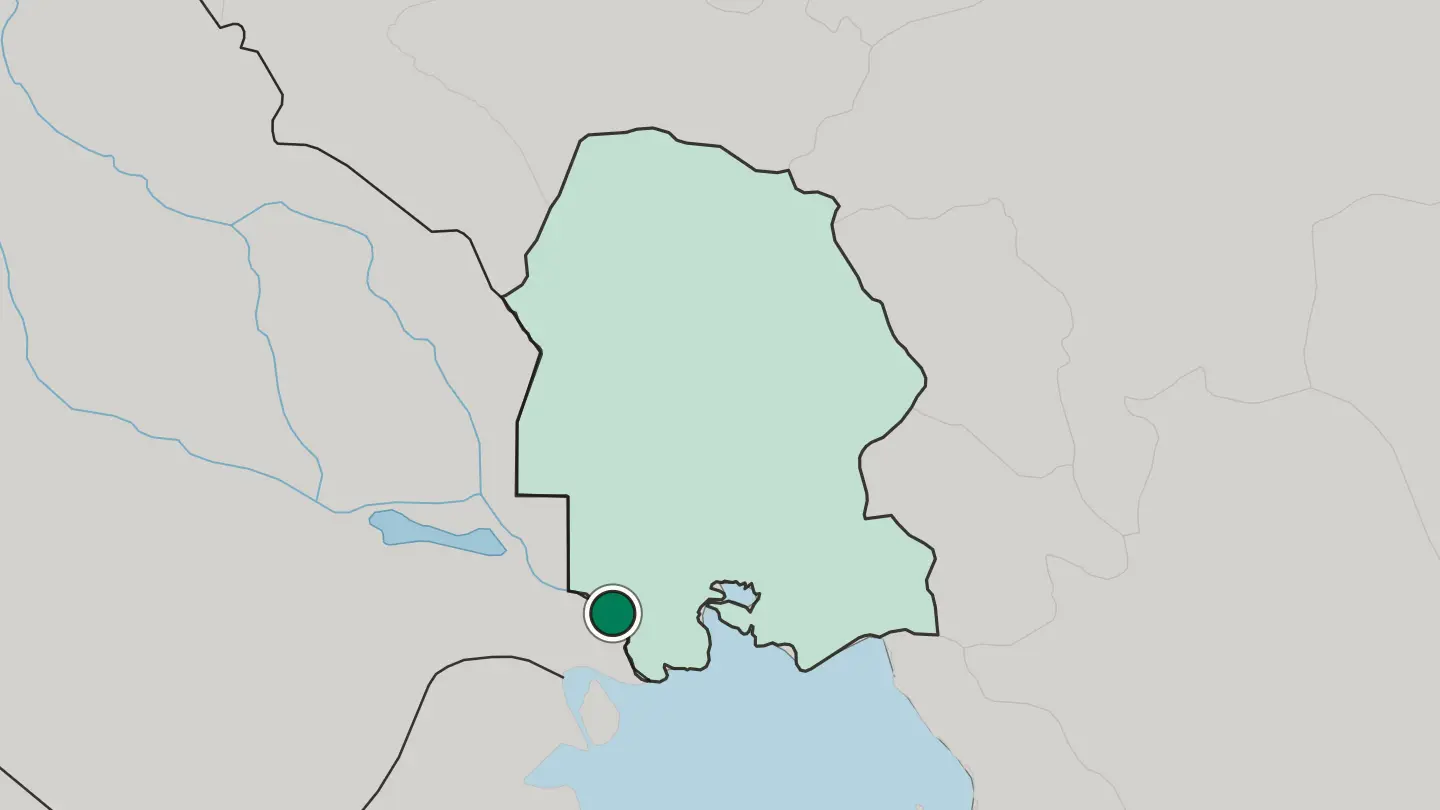
 Iran
Iran
Bandar-e Māhshahr
Bandar-e Māhshahr is the seat of Bandar Mahshahr County in Khuzestan province, Iran, and the capital of its Central District.Where to stay →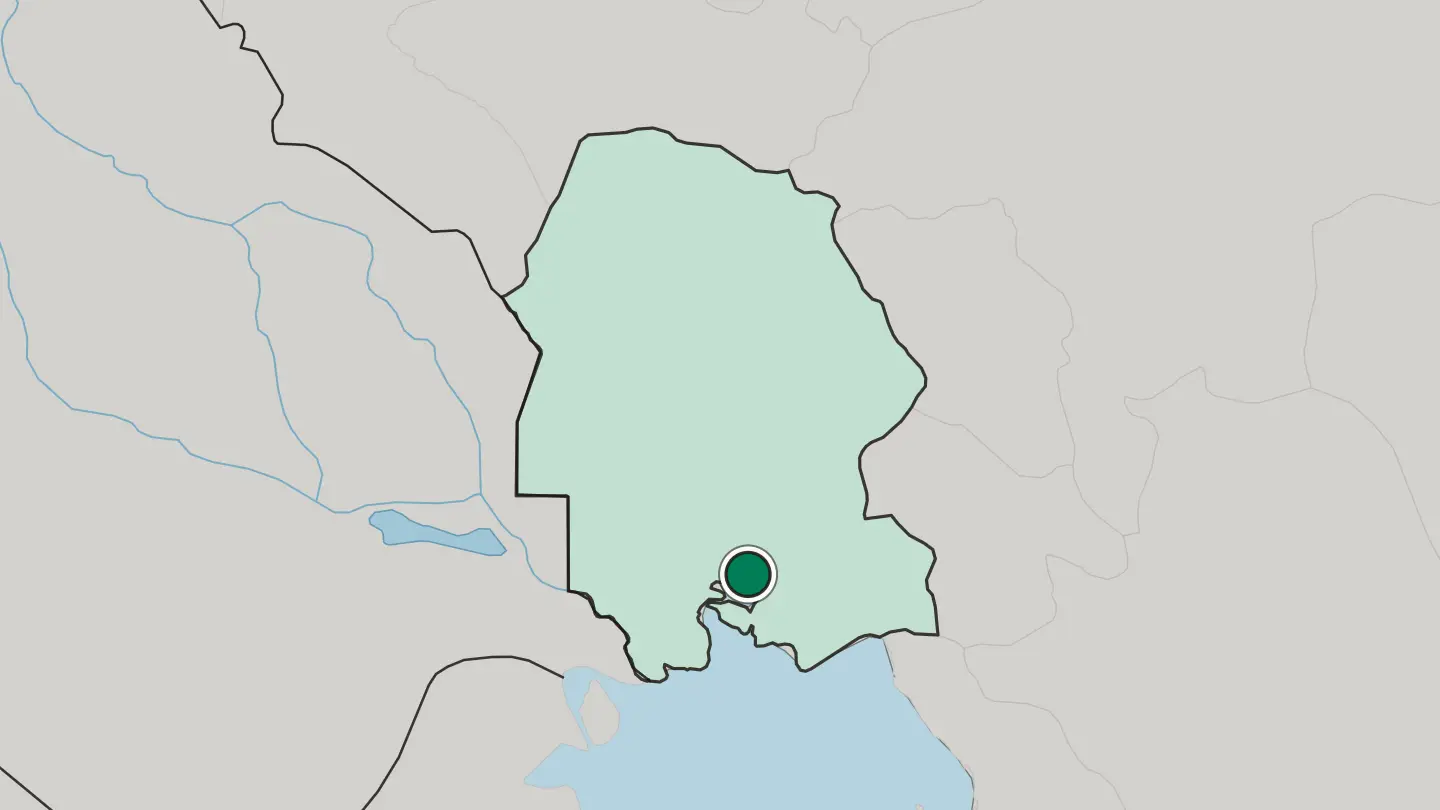 Iran
Iran
Andīmeshk
Andīmeshk is a Khuzestan town 34 kilometres north of Shush, on the main road and rail line between Tehran and Ahvaz.Where to stay →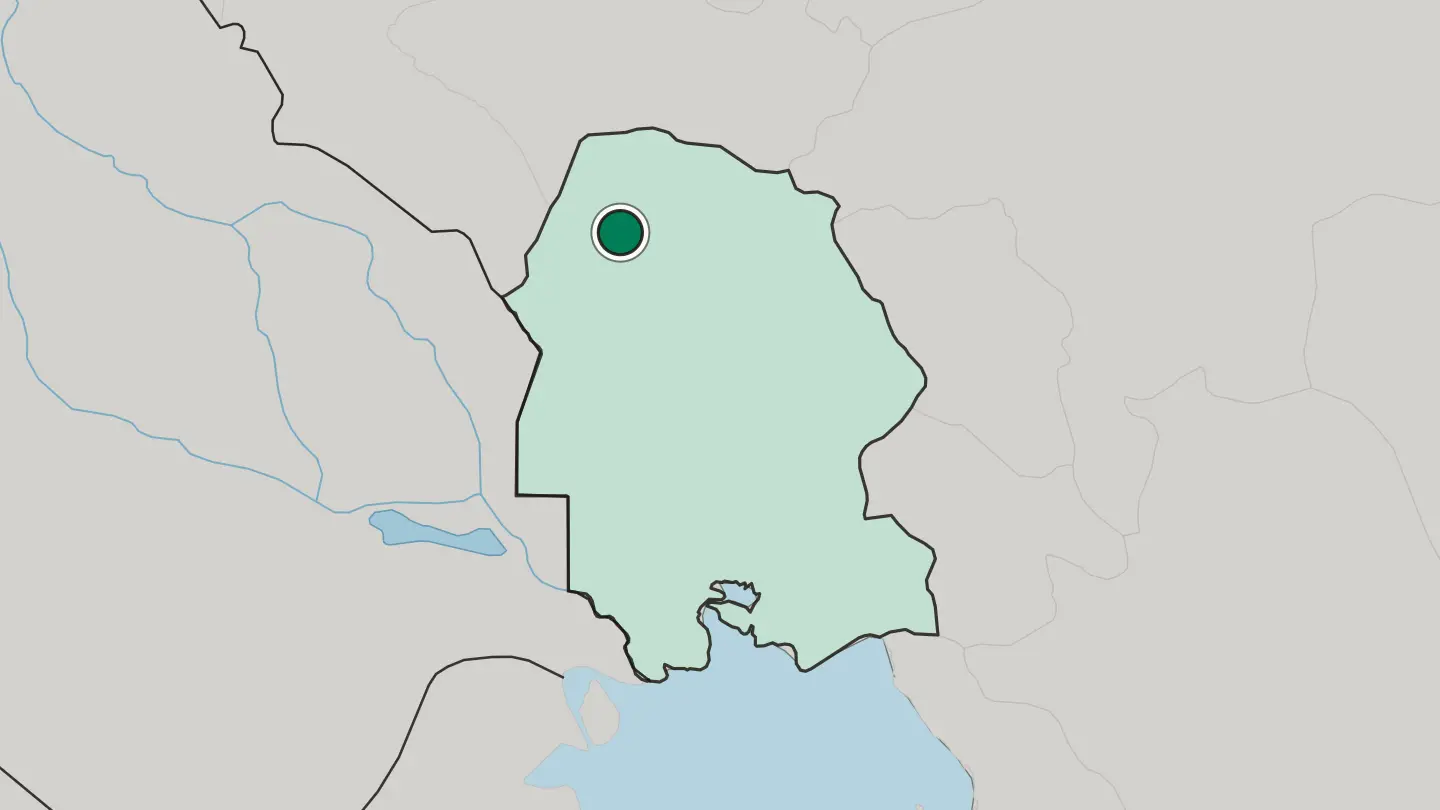
 Iran
Iran
Behbahān
Behbahān heads Behbahan County in Khuzestan province, Iran, and keeps a long list of recorded buildings led by the Gholamali Mosque.Where to stay →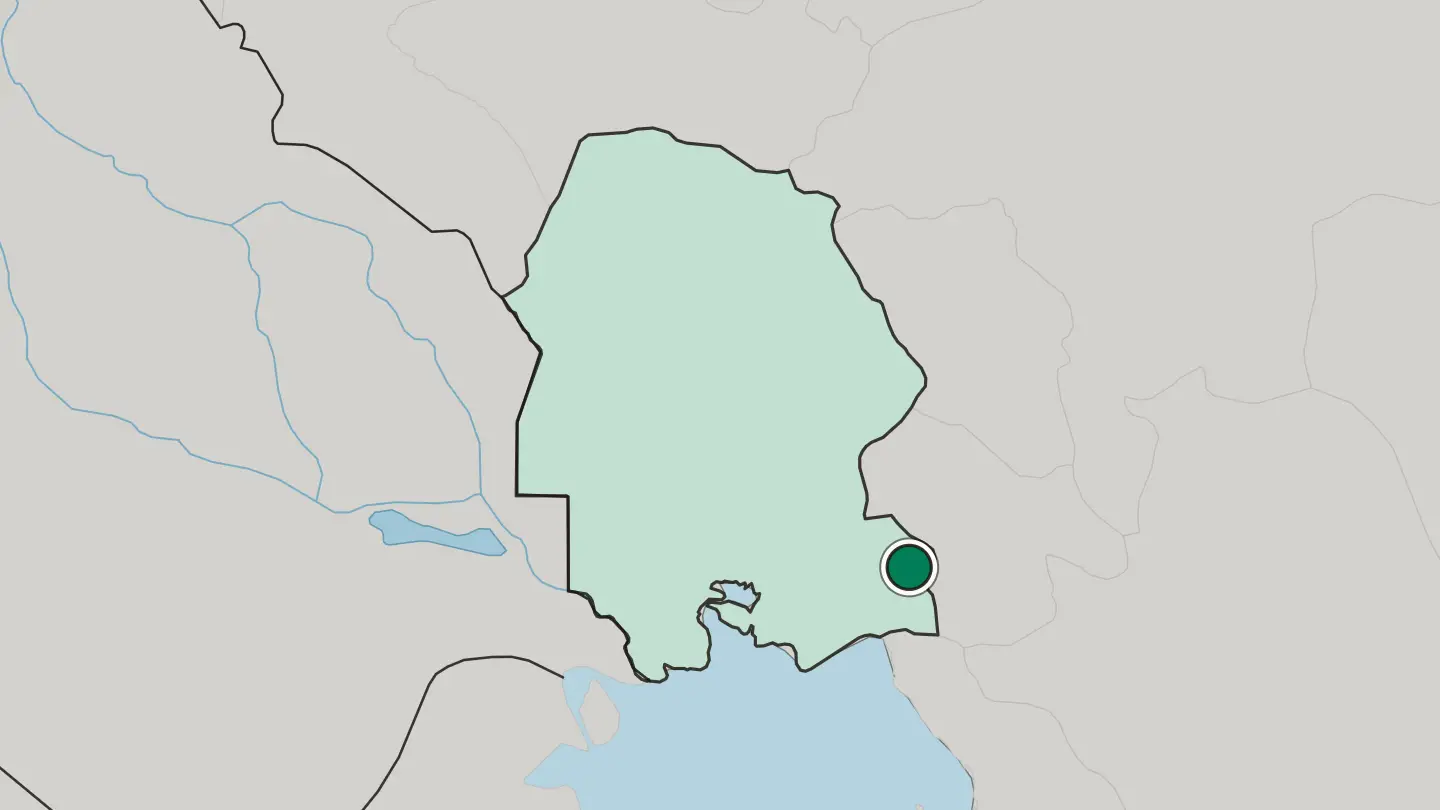 Iran
Iran
Īz̄eh
Īzeh is a highland town in the Zagros mountains of Khuzestan in Iran, known for its ancient Elamite rock carvings.Where to stay →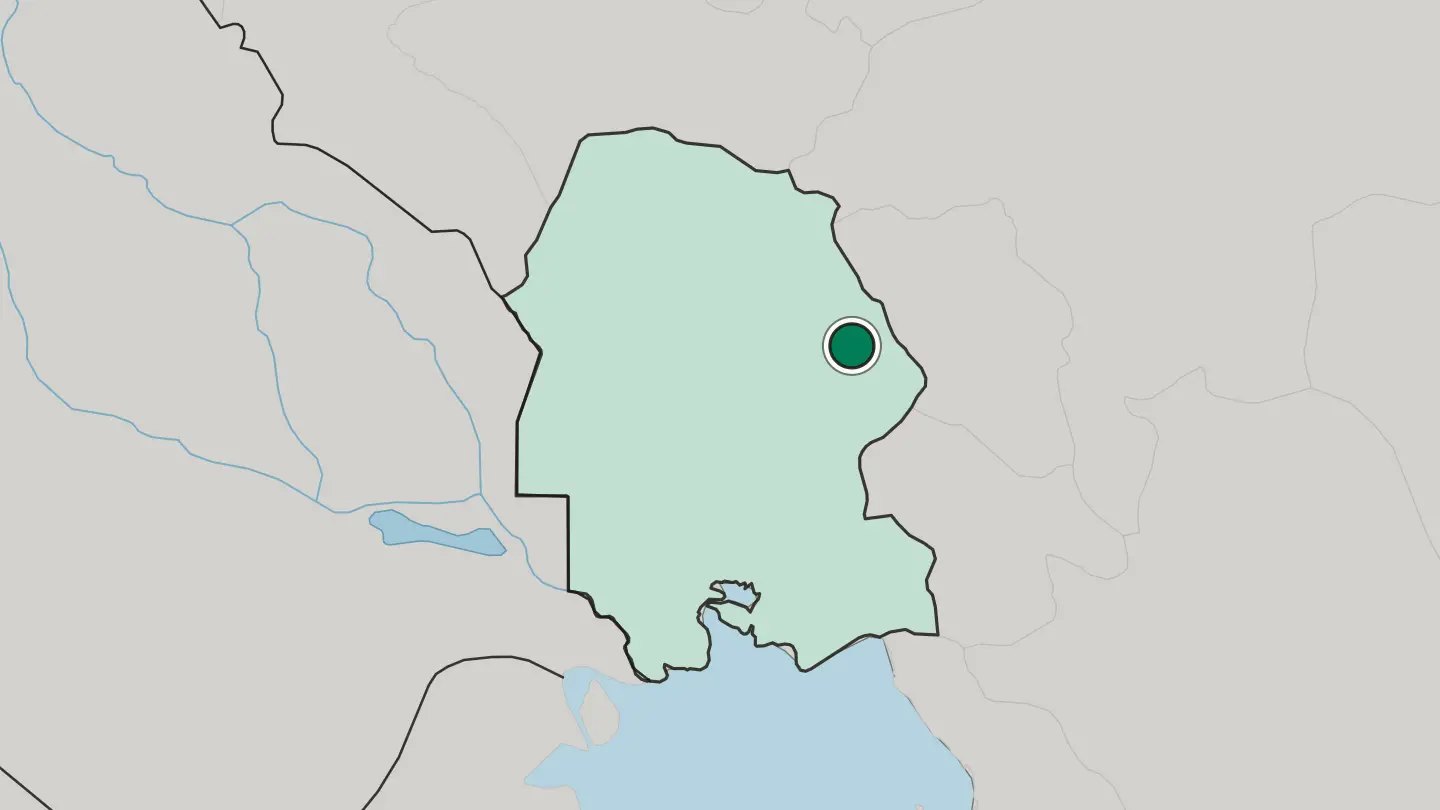
All towns & cities (13)
 Iran
Iran
Shūshtar
Shushtar is a historic city in Khuzestan, southwestern Iran, famed for its ancient system of dams, canals, and watermills.Where to stay →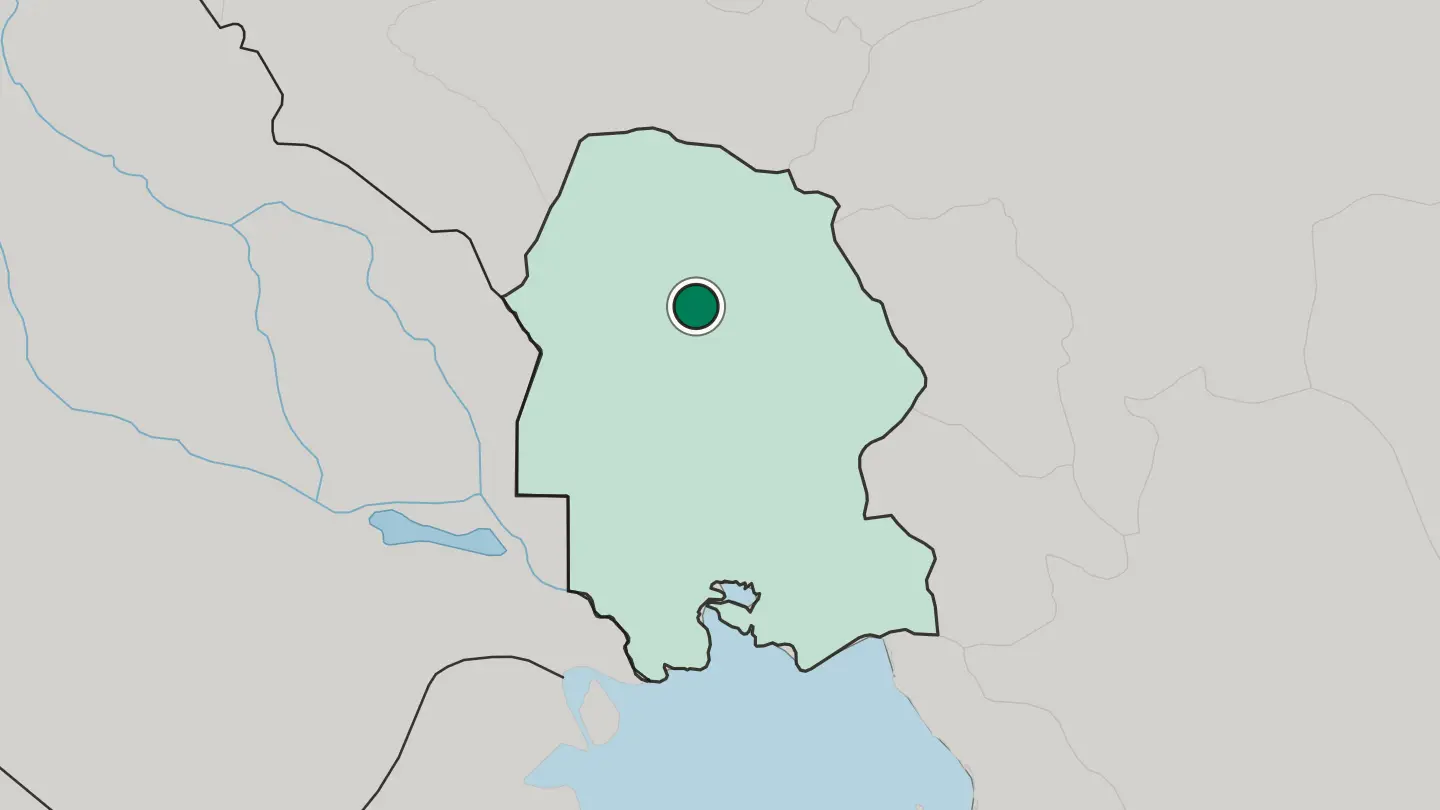
 Iran
Iran
Masjed Soleymān
Masjed Soleymān holds the seat of Masjed Soleyman County in Khuzestan province, and Well Number One stands first among its recorded landmarks.Where to stay →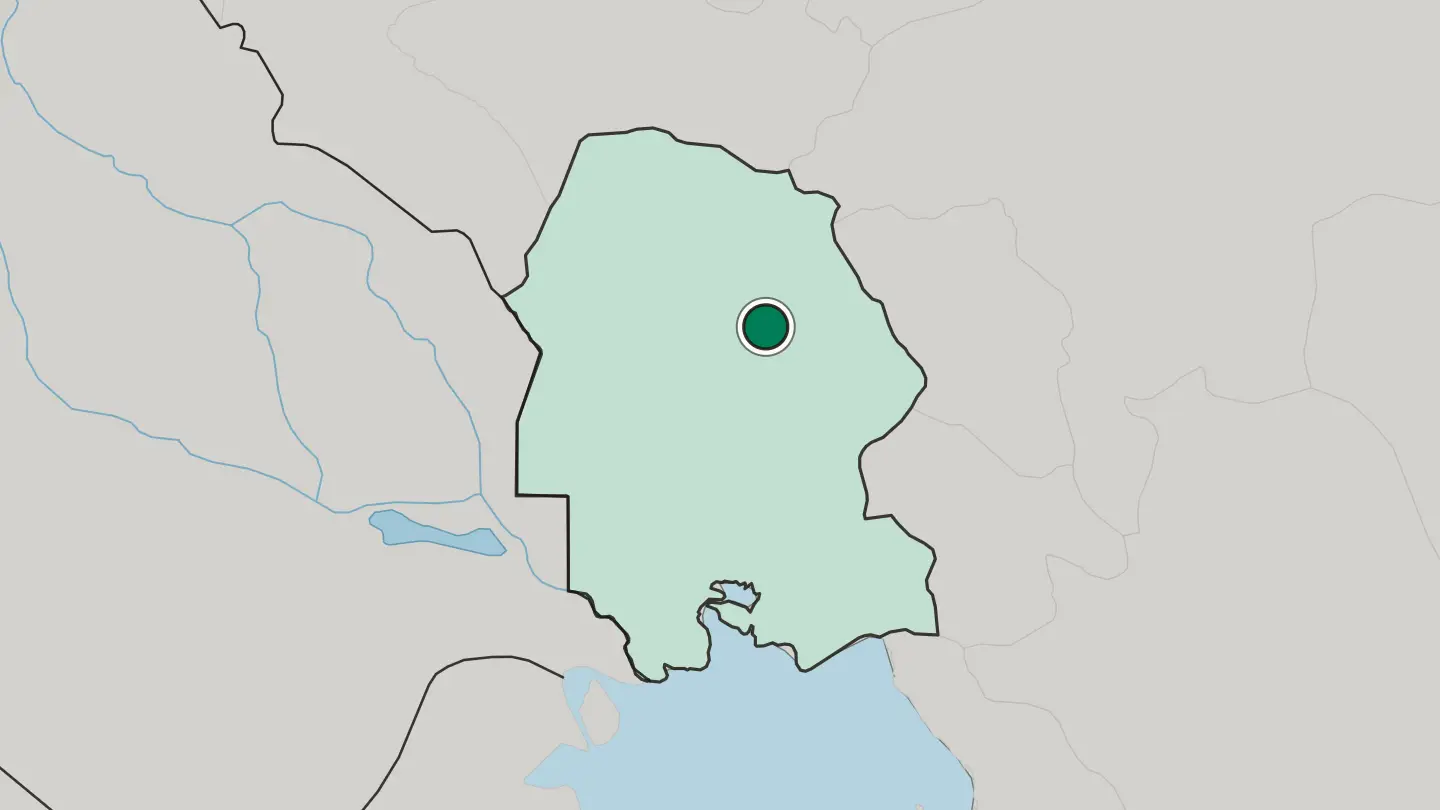
 Iran
Iran
Bandar-e Emam Khomeyni
Bandar-e Emam Khomeyni heads its own district inside Bandar Mahshahr County, one of the administrative centres of Khuzestan province.Where to stay →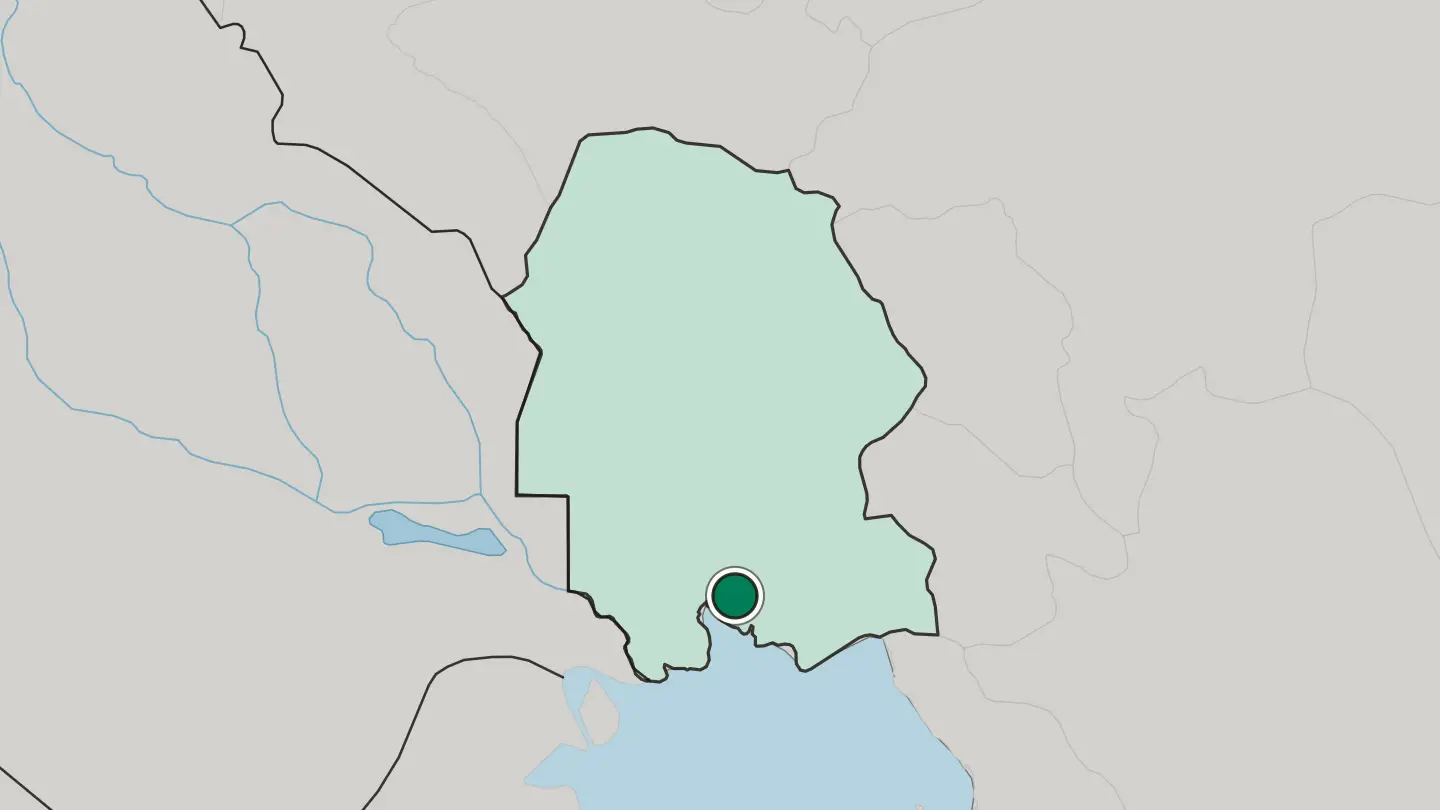
 Iran
Iran
Shūsh
Shush is a town of Khuzestan in southwestern Iran, built on ancient Susa, one of the oldest cities on earth and a capital of the Persian empire.Where to stay →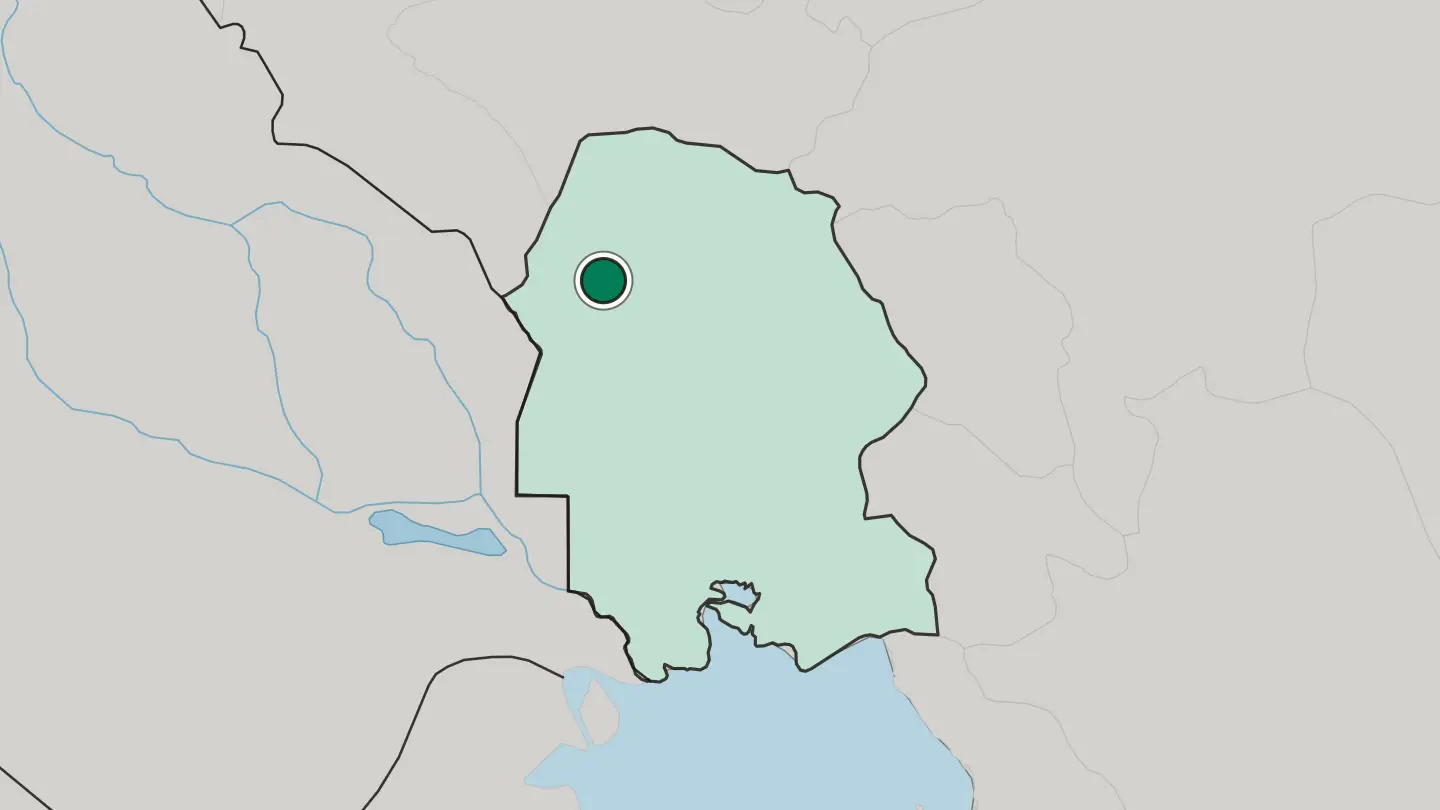 Iran
Iran
Rāmhormoz
Rāmhormoz was the Sasanian Samangan, a county town in Khuzestan whose streets hold Taq-e Nosrat and a run of old shrine tombs.Where to stay →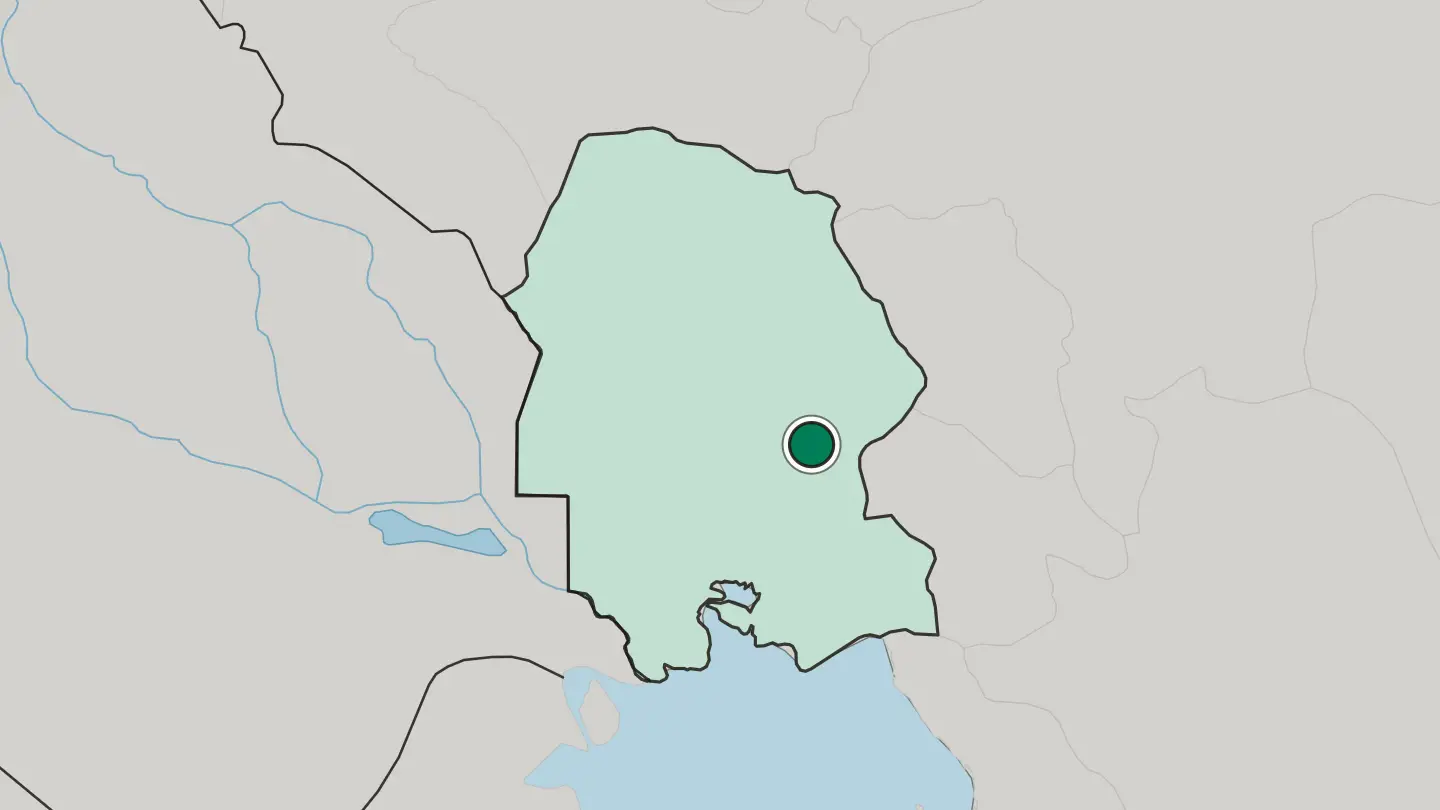
About Khuzestan Province
Two things put Khuzestan on the map: oil and Elam.
What is Khuzestan Province known for?
Long before the derricks, this was the land of Elam, whose capital was at Susa, and the Elamites raised the great ziggurat of Choqa Zanbil on the plain. At Shushtar, Sasanian engineers cut canals and water mills into the Karun that grind on. Water and oil made this place.
Where is Khuzestan Province?
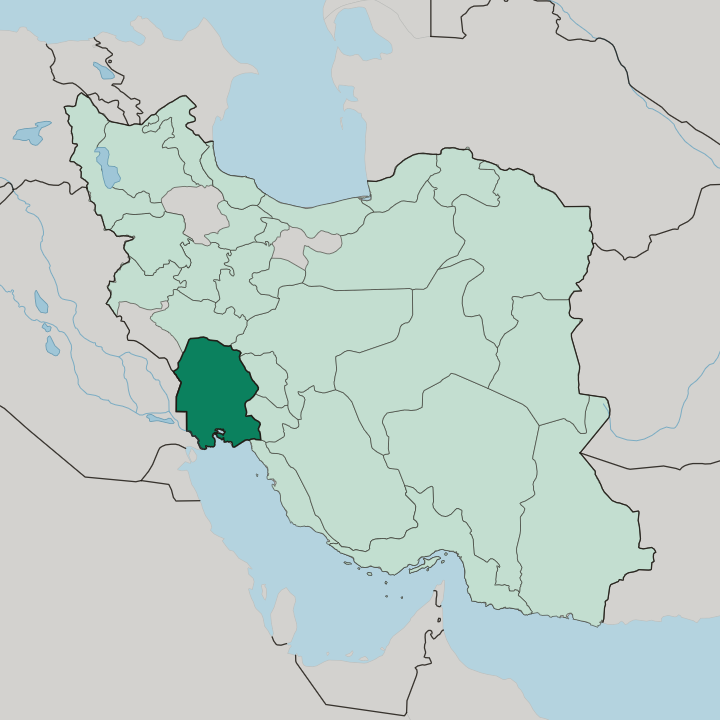
Khuzestan spreads across the south-west corner of Iran, hard against the border with Iraq and the head of the Persian Gulf. The Ahvaz Ridge splits it in two. North of that low rise, the land climbs into the foothills of the Zagros Mountains, folded and dry.
South of it, the ground flattens into a broad alluvial plain that runs down to the gulf and dissolves into reed marshes along the Iraqi frontier. Four rivers water this plain. The Karun is the giant among them, the longest river in Iran, curving through Ahvaz on its way to the sea.
The Karkheh feeds the Hoor al-Azim wetlands on the Iraq border, while the Jarahi and the Maroun drain the south-eastern districts. Ahvaz anchors the centre, straddling the Karun where the plain is widest. The old sites cluster to the north around Dezful, Shushtar and Susa, up toward the mountains.
The coast belongs to oil. Abadan and Khorramshahr sit at the southern edge, where the Karun and the Arvand Rud reach the Persian Gulf, and Bandar-e Mahshahr handles the petrochemical trade further east. Little of the province lies far from moving water.
What is Khuzestan Province like?
No single people defines Khuzestan. The plains and the marshes near Iraq are Arab country, where a dialect of Arabic is spoken at home and the culture leans toward Mesopotamia. In the northern foothills the Bakhtiari, a Lur tribal people, herd and farm and speak a Luri tongue.
Persians fill the cities, Qashqai and other groups add to the mix, and a small Mandaean community keeps its river-baptism rites along the Karun. Persian ties the whole province together as the shared language. Few provinces in Iran hold so many peoples in one plain.
The kitchen follows the same southern, Gulf-facing logic. Fish from the Karun and the Persian Gulf, dates from the palm groves, and fiery stews thick with tamarind and herbs set the table apart from cooler Iran to the north. Music and poetry run through Arab and Bakhtiari life alike.
The oil towns give the province its other face: refineries, company housing and the scarred wartime memory of Abadan and Khorramshahr, both fought over when the war with Iraq came. Heat shapes everything here. Life slides toward the cool of the evening, and the day empties out when the sun is high.
What is the history of Khuzestan Province?
Susa rose on the Khuzestan plain more than six thousand years ago and became the capital of Elam, later a royal seat of the Persian kings who built a great palace there. The Sasanians dug the canals at Shushtar and rebuilt Ahvaz as a trading town. Arab armies took the province in 639, and Islam followed the conquest.
War with Iraq later battered the border cities. Old ground, hard century.
What is the climate of Khuzestan Province?
Khuzestan is furnace country. Dust is the other constant. Storms of fine sand blow in off the deserts toward Iraq and hang over the province for days, and the marshes near the border dry and crack when the rivers run low.
Winters stay mild and brief, with a little rain on the Zagros foothills. Near the Persian Gulf the heat turns sticky and humid. Spring is the short, kind season here.
How do you get to Khuzestan Province?
Most travellers reach Khuzestan through Ahvaz. The provincial capital keeps the region's main airport, with flights up to Tehran and other Iranian cities, and it sits on the Trans-Iranian Railway, which drops down from the Zagros passes to the plain. Trains and roads carry on south to Abadan and the Persian Gulf ports.
The Karun is the one river in Iran that boats can navigate, though the highway does most of the work. Overland from Iraq, the crossing near Khorramshahr links Basra to the province. Fly into Ahvaz first.
Common questions
What is the best area to stay in Khuzestan Province?
Ahvaz: a first base in Khuzestan. Dezful: the ancient sites of northern Khuzestan. Shushtar: staying beside the historic watermills. Abadan: the Persian Gulf oil ports.
Good for
More regions in Iran
Updated October 2026