Iran · Khuzestan Province
Where to Stay in Ahvaz, Khuzestan Province
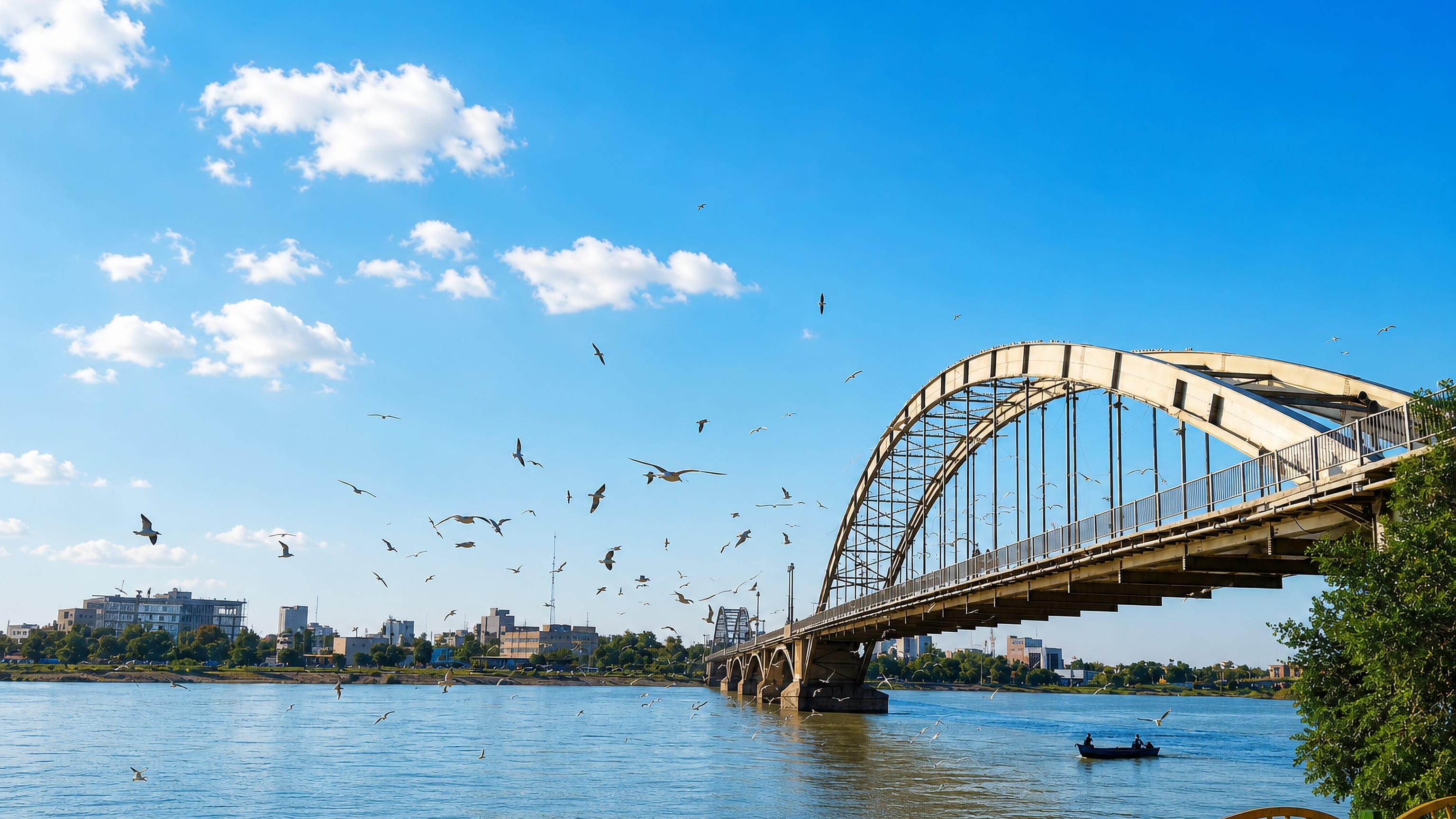
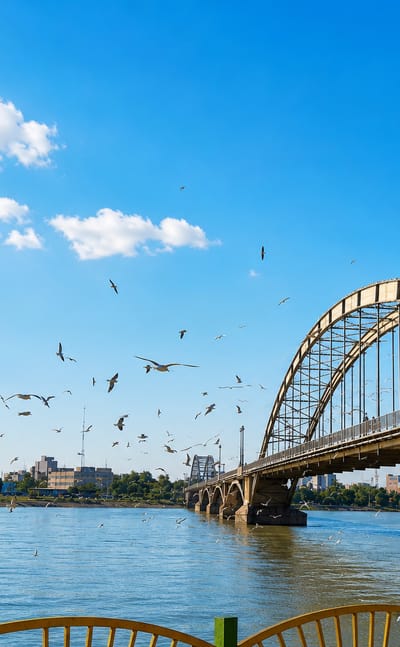
The White Bridge marks the centre of Ahvaz, the capital of Khuzestan Province in southwestern Iran, known for its old quarters and mosques.
Find your area →


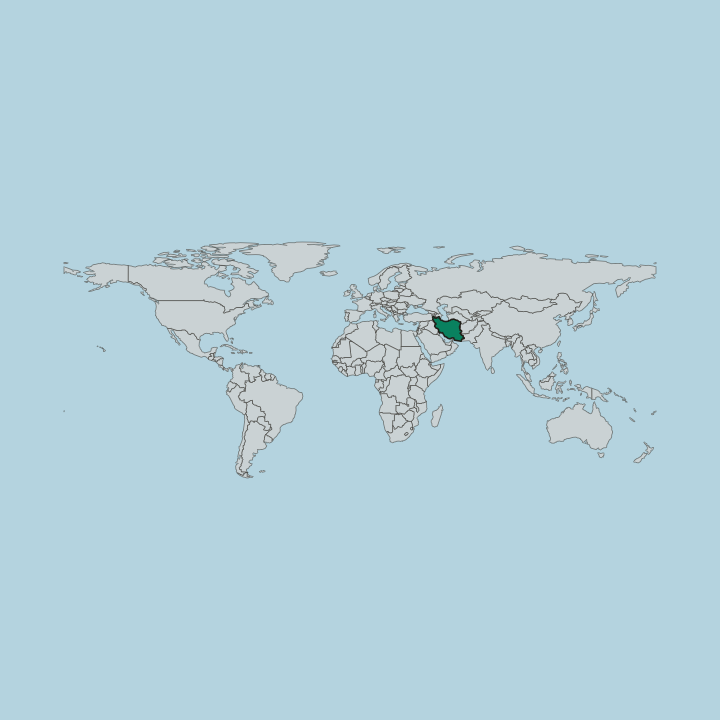
Where to stay in Ahvaz
One neighbourhood here has its own guide — here's what it is best for.
 AhvazIran
Kūt-e Navāşer
Kūt-e Navāşer is a neighbourhood of Kut-e Abdollah, in the Central District of Ahvaz County, Khuzestan province, Iran.Where to stay →Things to do in Ahvaz
Ranked by global recognition; descriptions from Wikidata (CC0).
Museums & Galleries
1- Museum of Contemporary Art Ahwaz
Churches & Religious Sites
3- مسجد آقا سید علی دزفولی Heritage
- Tohid Mosque (Beygdeli) Heritage
- Saint Mesrop Church, Ahvaz
Castles & Historic Sites
8- بیمارستان امام خمینی اهواز Heritage
- Chahar Shir Square Heritage
- Ahvaz Saqqakhaneh Heritage
- دبیرستان شاپور Heritage
- Faculty of Literature and Humanities (Shahid Chamran University) Heritage
Show 3 more →
- هشت بنگله Heritage
- کارخانه ریسندگی و بافندگی Heritage
- Boys' Primary Teacher Training College (Ahvaz) Heritage
Landmarks & Notable Places
5- White Bridge Heritage
- Mapar House Heritage
- Dadras House Heritage
- خانه منشیزاده Heritage
- خانه قزلباش Heritage
worth knowingacross 4 categories in Ahvaz
About Ahvaz
What is Ahvaz known for?
Ahvaz is known as the capital of Khuzestan Province in southwestern Iran, the seat of Ahvaz County and its Central District. Its landmarks tell its story. The White Bridge and the Museum of Contemporary Art Ahwaz mark the modern city, while Saint Mesrop Church, the Tohid Mosque, and Chahar Shir Square trace the older quarters that grew across Ahvaz.
What are the main landmarks in Ahvaz?
Ahvaz's landmarks range from modern galleries to old houses and places of worship. The White Bridge and the Museum of Contemporary Art Ahwaz stand at the centre, while Saint Mesrop Church and the Tohid Mosque mark the city's mixed communities. Old family homes remain.
Mapar House, Dadras House, and the Ahvaz Saqqakhaneh preserve the historic quarters around Chahar Shir Square in Khuzestan Province.
What is the history of Ahvaz?
Ahvaz grew as the administrative heart of Khuzestan Province, the seat of the province, of Ahvaz County, and of its Central District in southwestern Iran. Its buildings record that rise. Old merchant houses such as Mapar House and Dadras House stand alongside the Ahvaz Saqqakhaneh, marking the historic quarters where the early town took shape near Chahar Shir Square.
The city drew mixed communities over the years. Saint Mesrop Church served an Armenian congregation while mosques such as the Tohid Mosque anchored the Muslim quarters, and institutions like the Boys' Primary Teacher Training College and the Faculty of Literature and Humanities pointed to a growing centre of learning. The White Bridge became its emblem.
Standing at the middle of Ahvaz, it joins the older streets to the newer districts spreading across Khuzestan Province.
Where is Ahvaz?
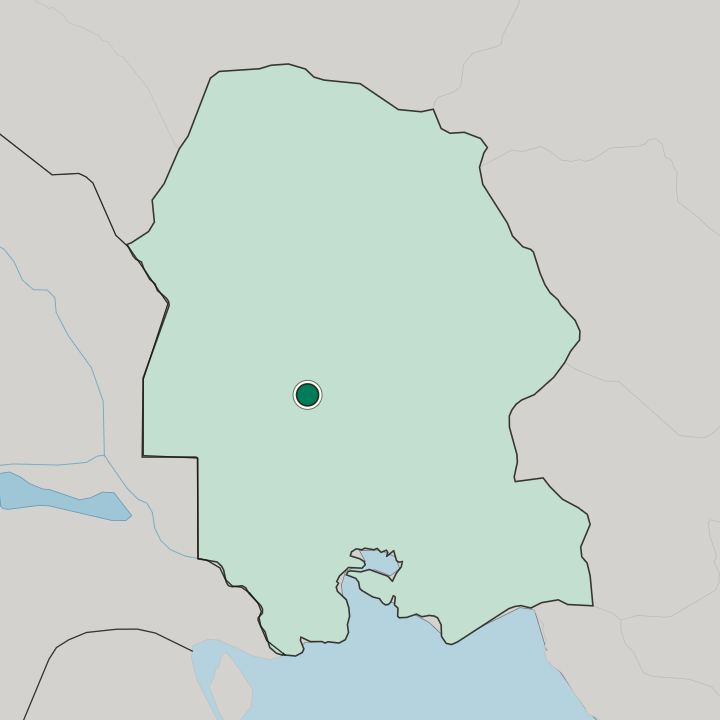
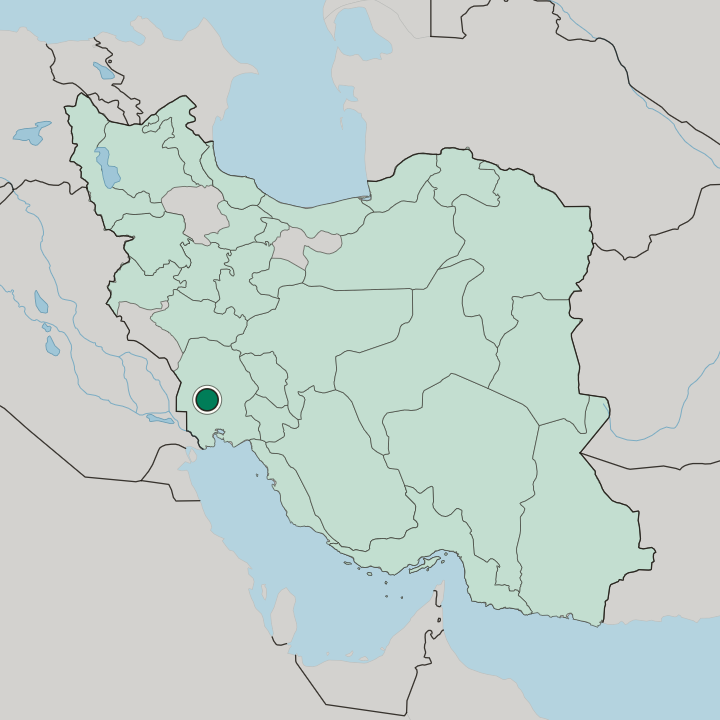
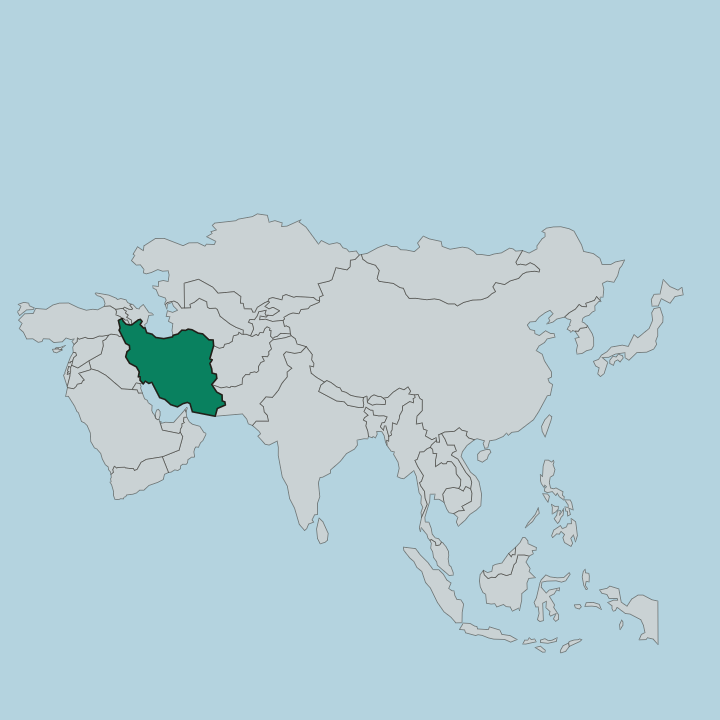
Ahvaz lies in southwestern Iran, the capital of Khuzestan Province and the seat of Ahvaz County. Heat shapes the setting. Under a hot, subtropical sky, the city fans out from a centre marked by the White Bridge and Chahar Shir Square toward the wider Central District and the outer edges of the province.
Its landmarks anchor that broad spread.
What is the climate of Ahvaz?
Ahvaz has a hot and dry subtropical climate. Summers are long and searing. For much of the year the sun bears down on Khuzestan Province with little rain, and the heat can be extreme through the middle of the day.
The cold season is brief and easy in Ahvaz. That fierce summer heat defines the weather across Ahvaz.
How do you get to Ahvaz?
Ahvaz is the main hub of Khuzestan Province, reached by the roads and the railway that cross southwestern Iran. Most routes run through the provincial capital. As the seat of Ahvaz County, the city gathers the connections that link the surrounding Central District to the rest of the province and the country beyond.
The old railway houses recall that role. From the centre near the White Bridge, the city opens onto its wider districts.
Good for
More cities in Khuzestan Province
Updated September 2026