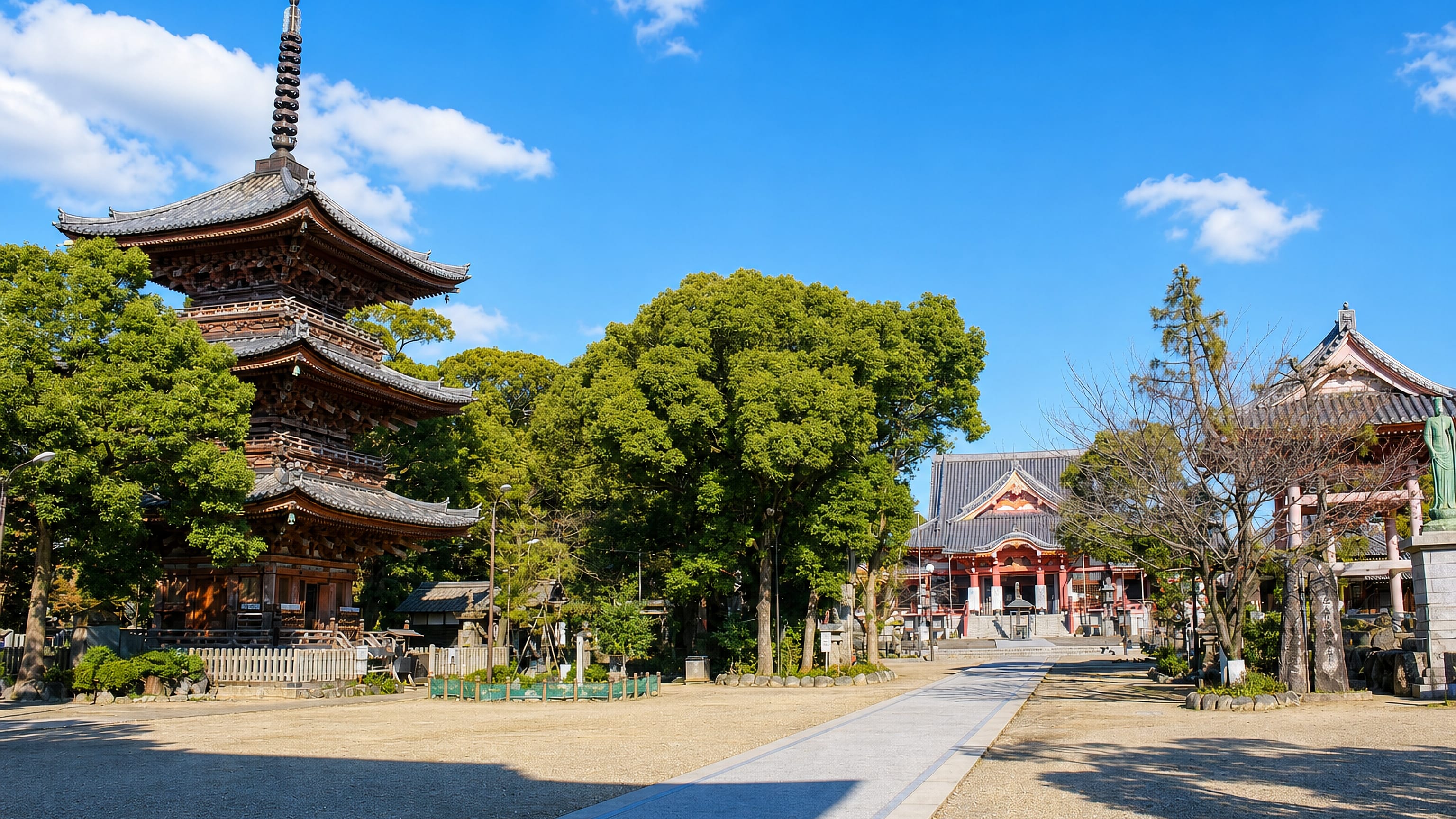
Japan · Aichi-ken
Where to Stay in Ama, Aichi-ken
Ama is an Aichi Prefecture city in Japan dating from 2010, with the Miwa, Jimokuji and Shippō names still on its museums.
Hotel links are affiliate links: booking through them may earn us a commission, at no extra cost to you. It never affects how places are ranked. How this works


Where to stay in Ama
Where the beds are, and what that means for the visit.
Ama's three quarters pull in different directions: Miwa has its historical museum, Jimokuji has another, and Shippō has both Shippo Local History Museum and the Shippō Art Village. That is the whole geography of the choice. Twenty-eight square kilometres of Aichi Prefecture leaves no part of Ama far from any other, so a bed booked in one of the three names still reaches the other two inside a single day.
Shippō is the fullest. The Shippō Art Village and Shippo Local History Museum sit under the same name, which makes that side of Ama the one with the most to fill an afternoon with. Miwa and Jimokuji are quieter.
If you want the historical record rather than the art, the Ama City Miwa Historical Museum and the Ama City Jimokuji Historical Museum are where it is kept, and neither will hold a visitor for more than a morning. Fudakake Pine is a stop, not a day. Ama dates from 2010 as a city, and what a visitor books into is an Aichi Prefecture town with three older identities still legible in the names on its buildings.
Pick a name and stay in it.
Find hotels in Ama
Direct booking searches for these neighbourhoods.
Shippō
The fullest of Ama's three names, where the Shippō Art Village and Shippo Local History Museum stand under the same heading. Beds are limited here, so book early.Find hotels in ShippōThe Ama City Miwa Historical MuseumMiwa
The quiet side of Ama, built around the Ama City Miwa Historical Museum and the older town name it keeps. Few places to stay nearby — book ahead.Find hotels in MiwaThe Ama City Jimokuji Historical MuseumJimokuji
The Ama City Jimokuji Historical Museum and its own town name, for a stay that takes the city one identity at a time. Few places to stay nearby — book ahead.Find hotels in JimokujiHotel links are affiliate links: booking through them may earn us a commission, at no extra cost to you. It never affects how places are ranked. How this works
About Ama
Three names share one city.
What is Ama known for?
The Ama City Miwa Historical Museum, the Ama City Jimokuji Historical Museum and Shippo Local History Museum each keep a local record under a different name. Shippō Art Village is the exception. Fudakake Pine is the only entry on the list that is neither museum nor gallery.
Ama also belongs to the Alliance for Healthy Cities, a World Health Organization network, which is the one thing about the city with nothing to do with its museums.
What are the main landmarks in Ama?
Ama's list runs heavily to museums. The Ama City Miwa Historical Museum, the Ama City Jimokuji Historical Museum and Shippo Local History Museum make three separate local collections inside one city, each attached to a name older than Ama itself. Shippō Art Village works differently.
It is billed as a village rather than a museum, which puts it in its own category on this list. Fudakake Pine stands alone at the end of it, the single entry that is neither an institution nor a collection.
What is the history of Ama?
Ama is a young name on an old map. The city dates from 2010, which makes it one of the more recent municipal creations in Aichi Prefecture, and three older names are still doing visible work on its institutions. Miwa is one.
The Ama City Miwa Historical Museum carries it, the Ama City Jimokuji Historical Museum carries Jimokuji, and Shippo Local History Museum carries Shippō, so the municipal record here arrives in three parts rather than one. Few cities split their record three ways. The deeper record predates all three.
Fudakake Pine is a named landmark rather than a dated institution, and things that acquire their own names tend to have been standing a long time before anyone built a museum near them. Shippō Art Village belongs to a different impulse again. A village made for art is a decision taken rather than a thing inherited, and it sets Shippō apart from the three historical collections that record what was already there.
The newest entry is administrative. Ama holds a place in the Alliance for Healthy Cities, a World Health Organization network, which is a modern kind of civic identity and the only one on this list that reaches beyond Aichi Prefecture.
Where is Ama?
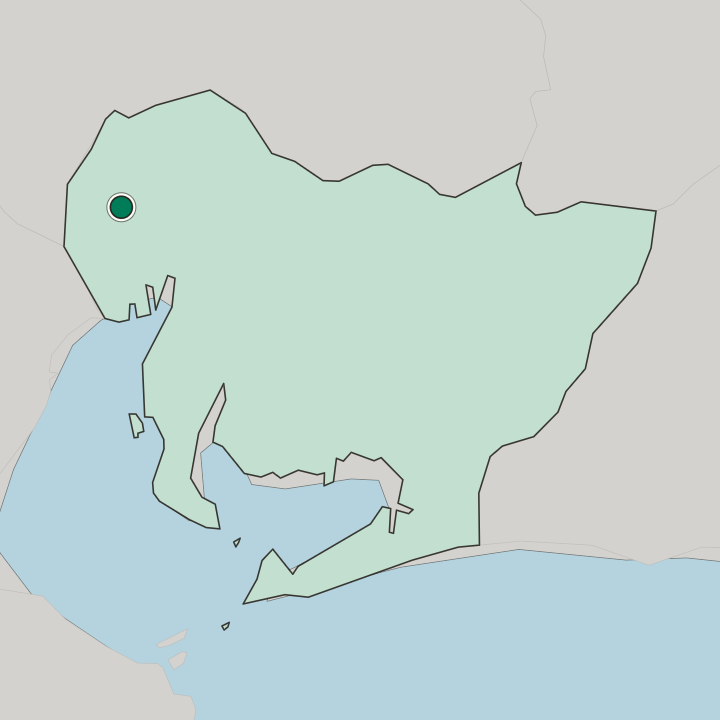
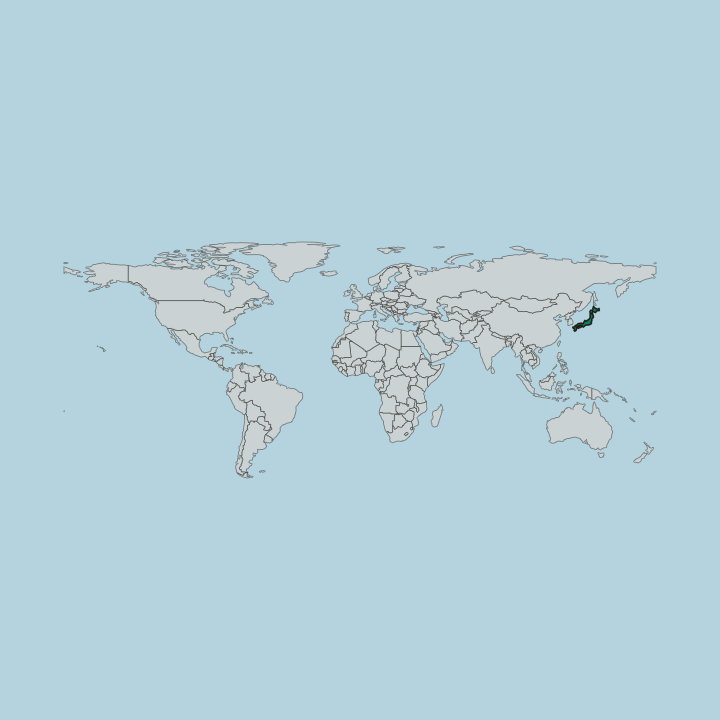
Ama occupies just under twenty-eight square kilometres of Aichi Prefecture. That is small, and the three names sit close because of it, with Miwa, Jimokuji and Shippō all packed inside a boundary that a determined walker could cross. Temperate conditions hold across the city.
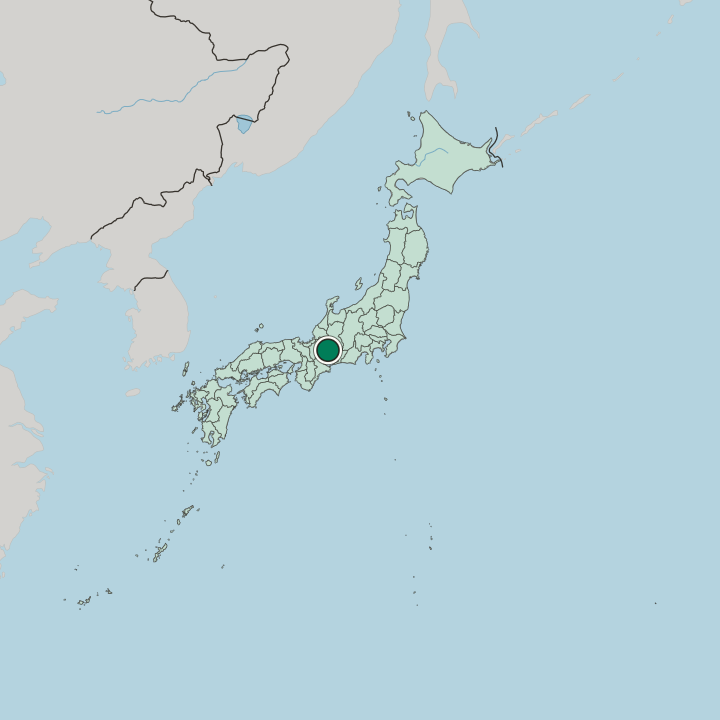
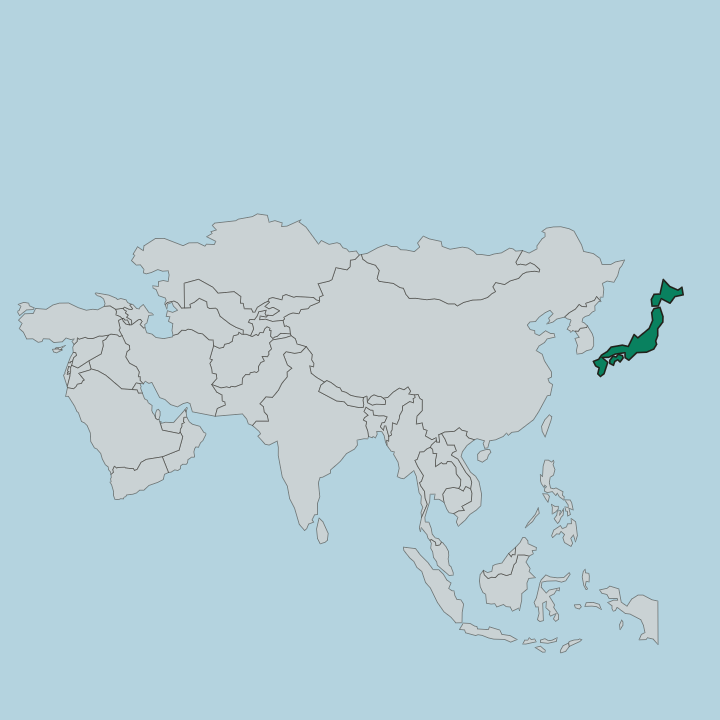
Aichi is the parent, and Ama sits inside it in Japan as one of the smaller cities rather than as a place anyone routes a journey around. Distances are trivial.
What is the climate of Ama?
Ama's year splits four ways, and the temperate band gives it a proper winter as well as a proper summer. Indoors is the safe default. The Ama City Miwa Historical Museum, the Ama City Jimokuji Historical Museum and Shippo Local History Museum are all interior visits, so a wet week in Aichi Prefecture costs a visitor almost nothing here.
Fudakake Pine is the outdoor half, and that is the part of the visit a season can genuinely change. Autumn suits it best.
How do you get to Ama?
Aichi Prefecture supplies the approach. Ama is a small city inside it, and arrival here is a matter of getting into Aichi first and covering the last stretch afterwards, since nothing about the place makes it a starting point in itself. Inside the boundary, nothing is far.
Miwa, Jimokuji and Shippō fall within the same twenty-eight square kilometres, so the Ama City Miwa Historical Museum, the Ama City Jimokuji Historical Museum, Shippo Local History Museum and the Shippō Art Village can all be taken in without a second base. One day is enough.
Common questions
What is the best area to stay in Ama?
Shippō: Shippō Art Village and Shippo Local History Museum in one afternoon. Miwa: The Ama City Miwa Historical Museum. Jimokuji: The Ama City Jimokuji Historical Museum.
More cities in Aichi-ken
Updated September 2026