Japan · Aichi-ken
Where to Stay in Toyota, Aichi-ken
Factory town and river valley meet at Toyota, a city in Aichi Prefecture southeast of Nagoya, known as the home of the Toyota Motor Corporation.
Hotel links are affiliate links: booking through them may earn us a commission, at no extra cost to you. It never affects how places are ranked. How this works


Where to stay in Toyota
How the choice of base plays out on the ground.
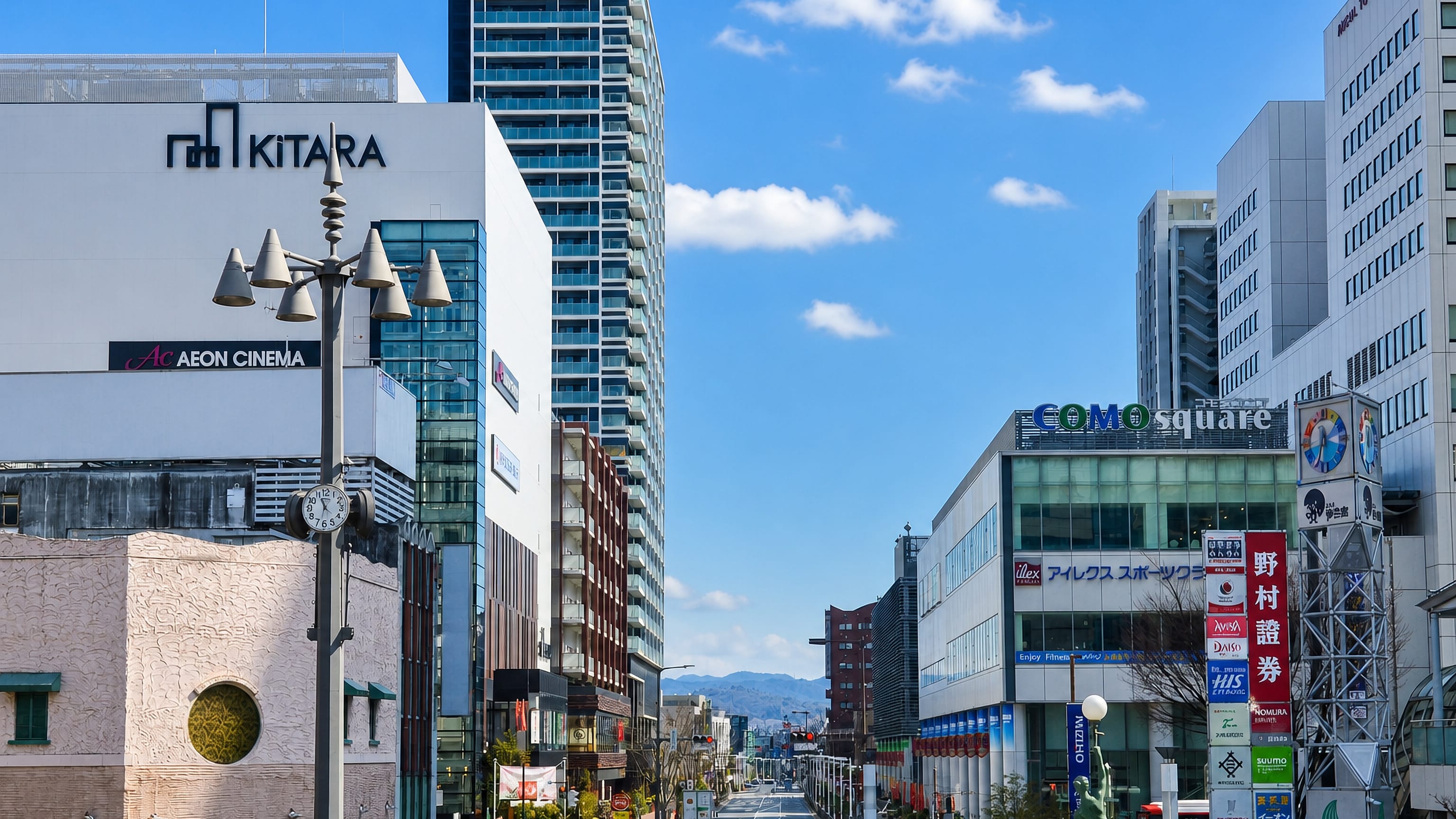
Toyota spreads wide across Aichi Prefecture, and where you stay turns on how close you want to be to the plants, the museums, or the river hills. The central district gathers the shops and the stations, and it puts the Toyota Municipal Museum of Art within an easy walk. The centre makes an easy base for a first stay.
If you have come for the industry that named the city, base yourself near the Toyota Kaikan Museum, where the maker tells its own story close to the works southeast of Nagoya. The art quarter draws a different traveller. Around the Toyota Municipal Museum of Art and the Toyota City Museum, the collections and the parks sit close together in a calmer part of the centre.
Others look toward the outer valleys, away from the plants, where the old post road survives at Mingei no Mori in the wooded hills. Every quarter of Toyota carries its own character. In Toyota the choice is yours to make.
Find hotels in Toyota
Direct booking searches for these neighbourhoods.
Central Toyota
The centre of Toyota gathers the shops and stations and puts the Toyota Municipal Museum of Art within a walk in Aichi Prefecture.Find hotels in Central ToyotaIndustry visitors near the Toyota Kaikan MuseumThe works district
The works district of Toyota sets the Toyota Kaikan Museum beside the plants of the carmaker that named the city southeast of Nagoya.Find hotels in The works districtQuiet stays near Mingei no MoriThe outer valleys
The wooded valleys of Toyota keep the old post road at Mingei no Mori, away from the plants in the hills of Aichi Prefecture.Find hotels in The outer valleysHotel links are affiliate links: booking through them may earn us a commission, at no extra cost to you. It never affects how places are ranked. How this works
Things to do in Toyota
Ranked by global recognition; descriptions from Wikidata (CC0).
Museums & Galleries
3- Toyota Municipal Museum of Art
- Furuhashi Retrospective Exhibition Center
- Toyota Hands-On Museum
Castles & Historic Sites
1- Maiki temple ruins
worth knowingacross 2 categories in Toyota
About Toyota
What is Toyota known for?
Toyota is known above all as the home of the Toyota Motor Corporation, the carmaker that gave the city its name. Cars run through its story. The Toyota Kaikan Museum tells the maker's own tale, while the Toyota Municipal Museum of Art and the Toyota City Museum turn to art and to the wider record of the place in Aichi Prefecture.
Hands-on science fills the Toyota Hands-On Museum. Industry set the town.
What are the main landmarks in Toyota?
Toyota draws its landmarks from cars, art, and the older country beyond the plants. The Toyota Kaikan Museum tells the maker's story, and hands-on science fills the Toyota Hands-On Museum nearby, so the industry that named the city runs through two of its museums at once. Art holds the rest.
The Toyota Municipal Museum of Art and the Toyota City Museum gather painting and the civic record, while older crafts survive out at Mingei no Mori in the hills. The Furuhashi Retrospective Exhibition Center keeps a legacy of its own.
What is the history of Toyota?
Toyota took its modern shape in 1951, and it took the carmaker's name from the works that had settled the valley. The ground held far older life. The Maiki temple ruins mark where an earlier settlement stood in the hills of Aichi Prefecture, long before the plants arrived southeast of Nagoya.
Then the carmaker arrived. The Toyota Motor Corporation grew on the plain, and the works pulled workers, schools, and roads around them, a story the Toyota Kaikan Museum keeps. Beyond the plants, the old post road and the country crafts survived, gathered now at Mingei no Mori.
As the industrial anchor of eastern Aichi Prefecture, Toyota bound its farms and valleys to a single works. The plant still drives it.
Where is Toyota?
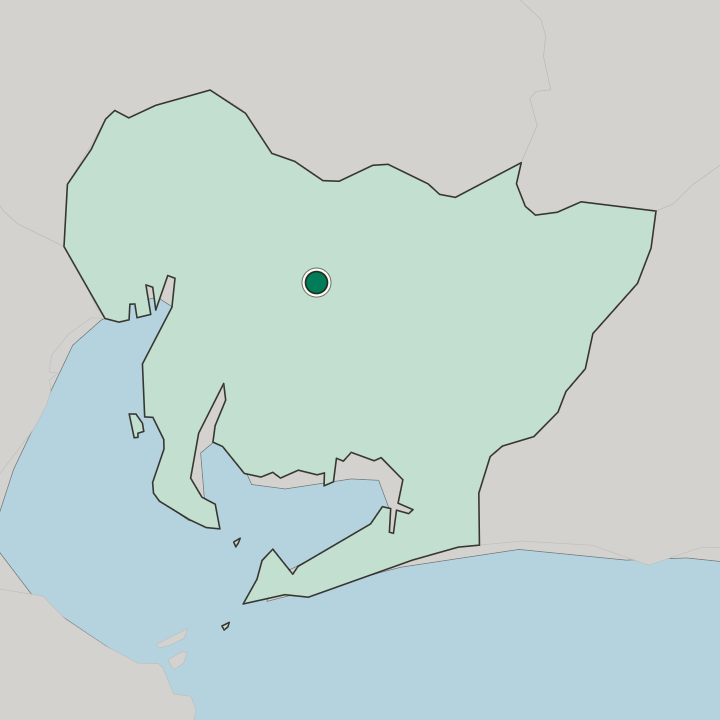
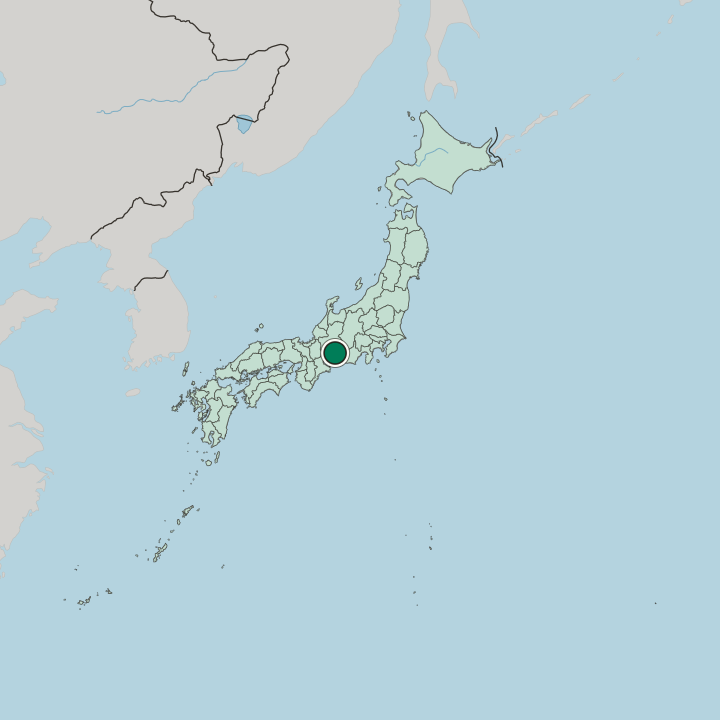
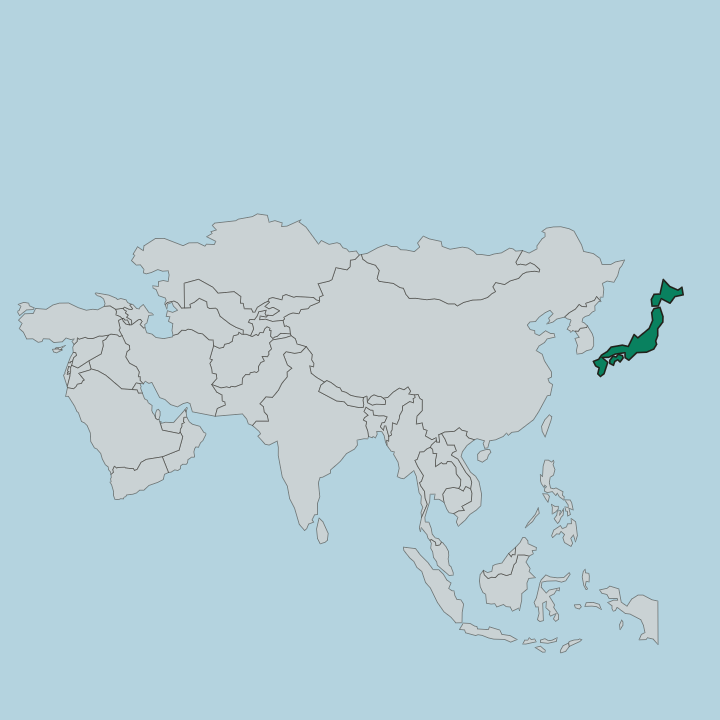
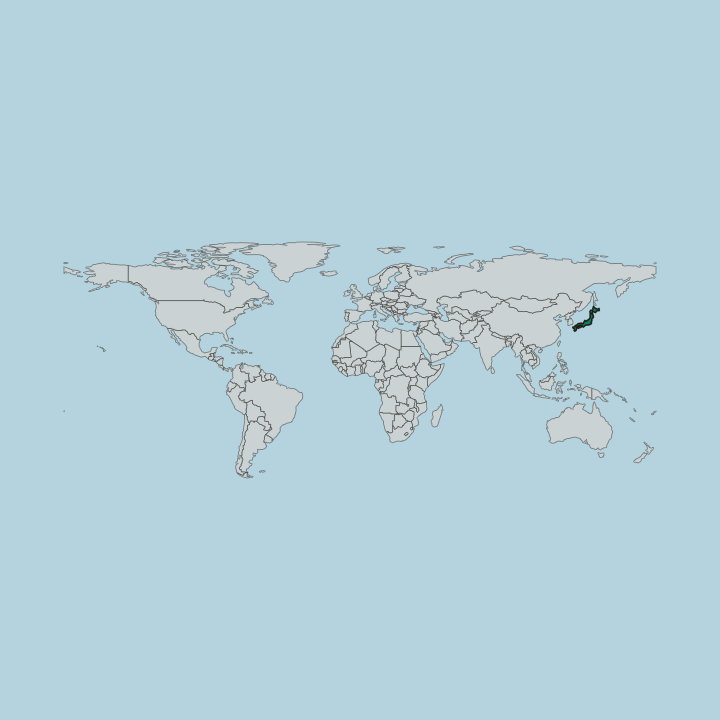
Toyota lies in Aichi Prefecture, in central Japan's Chūbu region, on a plain that runs up into wooded hills southeast of Nagoya. A river threads the valley, and the works spread across the flat ground while the older villages climb the slopes. Its temperate setting brings four clear seasons to the plain and the surrounding ridges alike.
Hills wall the eastern edge. Plain and valley frame the city.
What is the climate of Toyota?
Toyota has a temperate climate on the plains of central Japan. Summers run hot and humid across Aichi Prefecture, with rain through the early-summer season and a deep heat over the valley by high summer. Winters stay cool and fairly dry, colder in the hills east of the plain than down by Nagoya.
Snow reaches the higher country. The seasons swing between them.
How do you get to Toyota?
Toyota is an easy reach from Nagoya, its nearest big city. Trains and expressways run southeast from the regional hub across Aichi Prefecture to the works and the centre. Once you arrive, local lines and buses link the plants, the museums, and the river hills of the Chūbu region.
Roads climb into the eastern valleys. The rail and road tie it to Nagoya.
Common questions
What is the best area to stay in Toyota?
Central Toyota: First-time visitors near the Toyota Municipal Museum of Art. The works district: Industry visitors near the Toyota Kaikan Museum. The outer valleys: Quiet stays near Mingei no Mori.
Good for
More cities in Aichi-ken
Updated September 2026