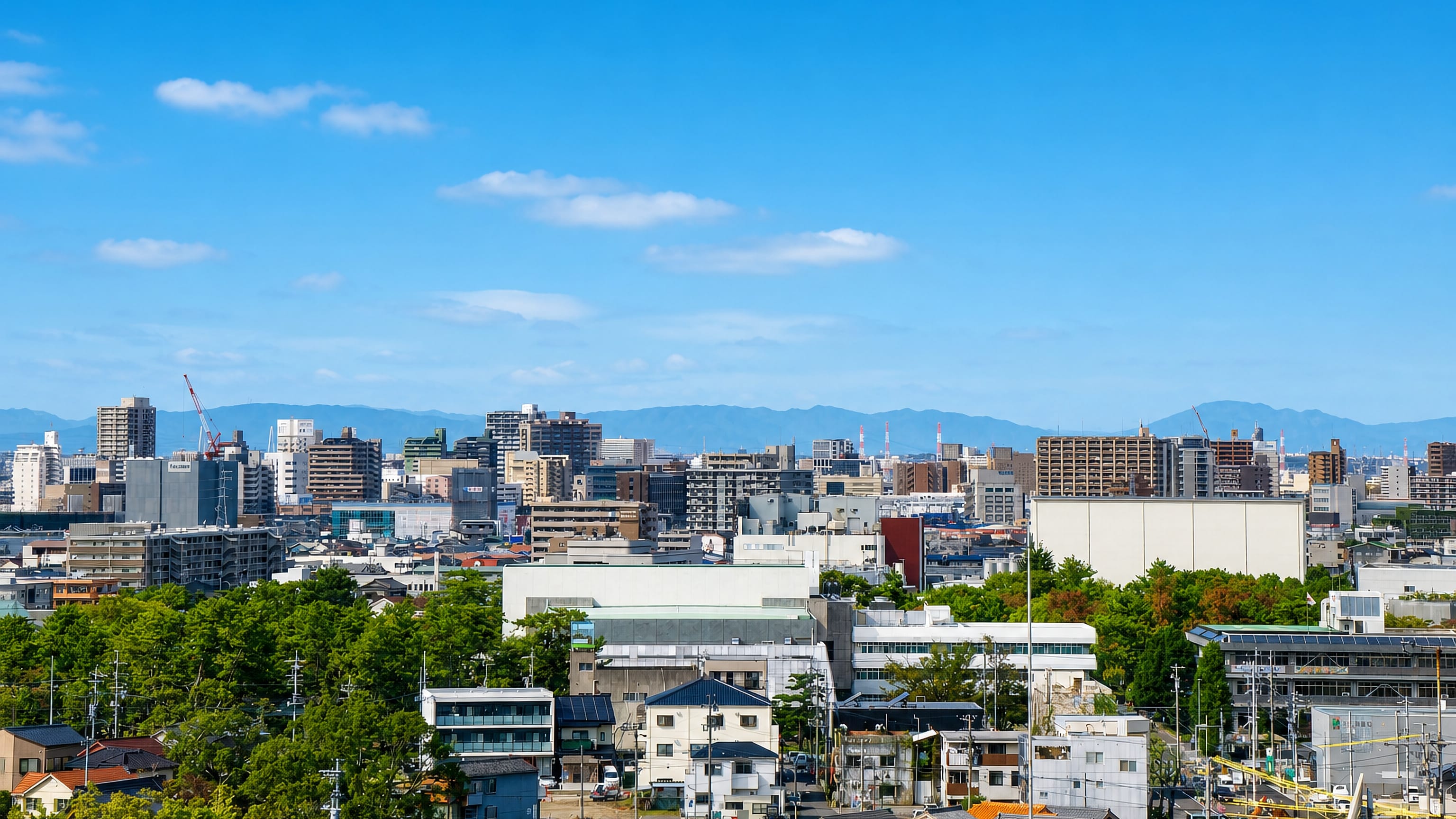
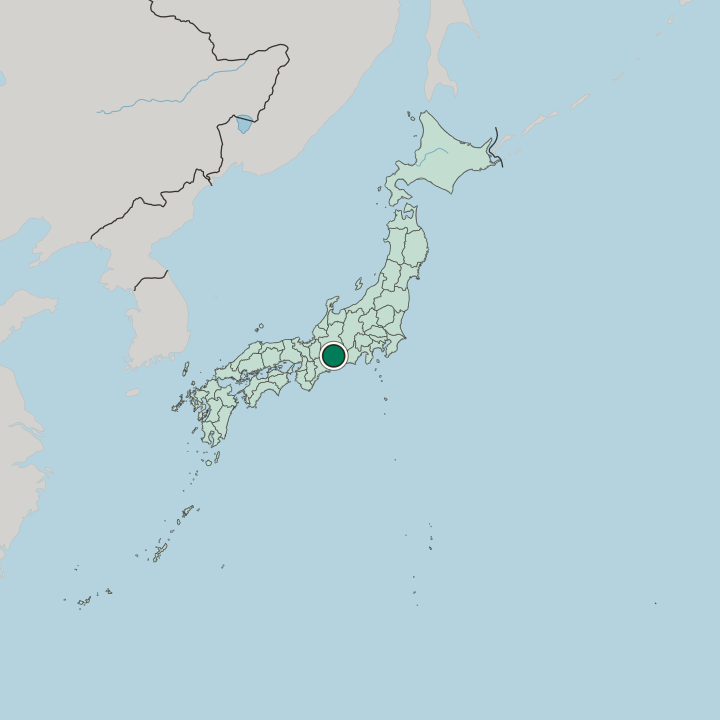
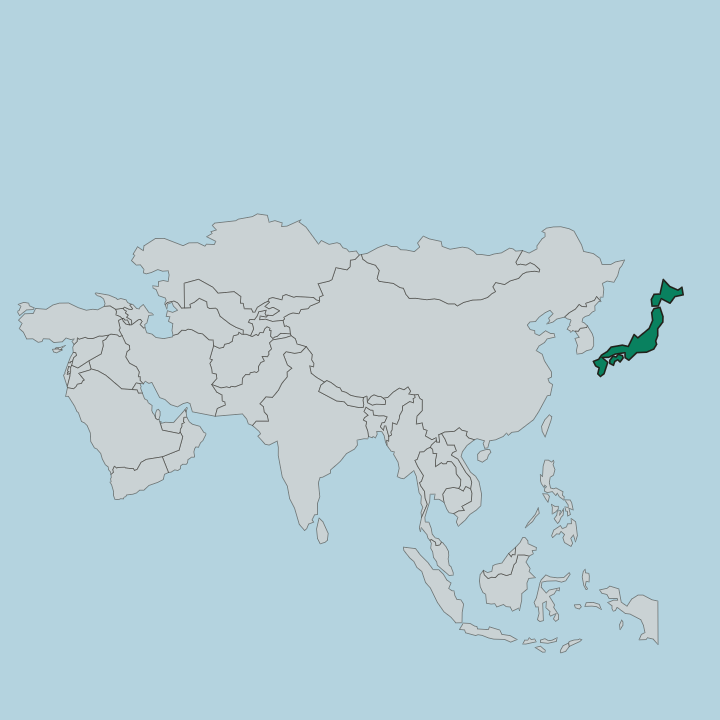
Japan · Aichi-ken
Where to Stay in Anjō, Aichi-ken
Anjō is a compact city of Aichi Prefecture, grown out of the village named Anjo Village and still holding the Futago Kofun and Honshō-ji Temple.
Hotel links are affiliate links: booking through them may earn us a commission, at no extra cost to you. It never affects how places are ranked. How this works


Where to stay in Anjō
How the choice of base plays out on the ground.
Honshō-ji Temple and the Anjo City Museum of History mark the part of Anjō worth walking, and a room within reach of the two puts the rest of the city's short list inside an easy morning. Compact is the word for Anjō. That compactness is the practical argument for staying anywhere central, because a municipality of this size does not punish a visitor for picking the wrong side of it.
Rooms follow the built-up ground rather than any view. Anjo Village was the name before the city existed, and the ground under Anjō has carried villages, mounds and a temple far longer than it has carried a municipal boundary. The kofun side is different.
The Futago Kofun and the Himeogawa Kofun sit on older ground than anything else in the municipality, and a base near either suits a visitor whose interest is the record rather than the working city around it. Kamiya Family Residence belongs to the same quieter register. Aichi Prefecture offers larger bases.
Anyone treating Anjō as one night inside a longer run through Aichi Prefecture loses very little, since Honshō-ji Temple, the museum and both kofun can be seen between a late morning and an early evening.
Find hotels in Anjō
Direct booking searches for these neighbourhoods.
The temple quarter
Honshō-ji Temple and the museum anchor the walkable middle of a compact Aichi cityFind hotels in The temple quarterStays built around the Futago Kofun and the Himeogawa KofunThe kofun ground
Older ground than the rest of Anjō, out where the two kofun still stand. Few places to stay nearby — book ahead.Find hotels in The kofun groundHotel links are affiliate links: booking through them may earn us a commission, at no extra cost to you. It never affects how places are ranked. How this works
About Anjō
Two kofun and a temple.
What is Anjō known for?
The Futago Kofun and the Himeogawa Kofun put the oldest layer of Anjō on ground that Aichi Prefecture later filled with a dense working city, and Honshō-ji Temple carries the layer between them. The Anjo City Museum of History explains the sequence. Kamiya Family Residence completes a short list.
The whole of it fits one day, which suits a compact city where the kofun, the temple and the museum sit inside a single municipality of modest size.
What are the main landmarks in Anjō?
Five names, two of them kofun. The Futago Kofun and the Himeogawa Kofun are the oldest, Honshō-ji Temple is the one religious foundation among them, and the Anjo City Museum of History is where the sequence is set out for anyone who wants it. Kamiya Family Residence closes the list.
A house, a temple, a museum and two kofun make a heritage that stays local, which is what a city of Anjō's size in Aichi Prefecture usually keeps.
What is the history of Anjō?
Two kofun came first. The Futago Kofun and the Himeogawa Kofun put people on this ground in an era that left mounds rather than documents, and they remain the oldest fixed things inside the modern boundary of Anjō. Honshō-ji Temple followed much later.
A temple foundation of that kind belongs to a settled village rather than to a city, and the name Anjo Village records exactly that stage of the place. Kamiya Family Residence survives from the same order. A house of that age keeps a domestic scale in the record, and domestic buildings come through the centuries far less often than temples or mounds do.
The city dates from 1952. That year turned Anjo Village into Anjō and gave Aichi Prefecture another municipality, and the growth that followed filled a small area with a density the village name never anticipated. Everything after 1952 is expansion.
The Anjo City Museum of History holds what came before the city itself, from the two kofun to Honshō-ji Temple and Kamiya Family Residence. Anjō reads as a modern city with an old floor. Aichi Prefecture supplied the frame, and the mounds, the temple and the house supplied everything the modern boundary inherited rather than built.
Where is Anjō?
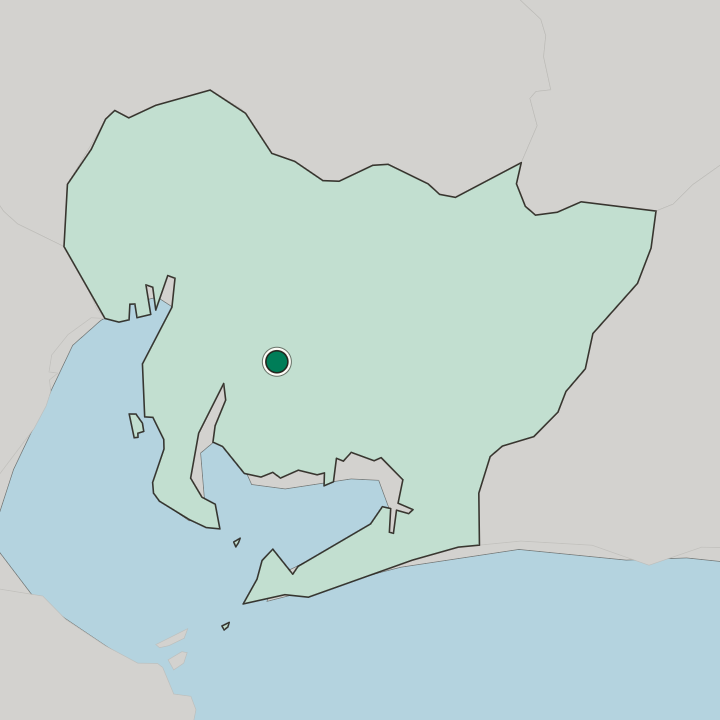
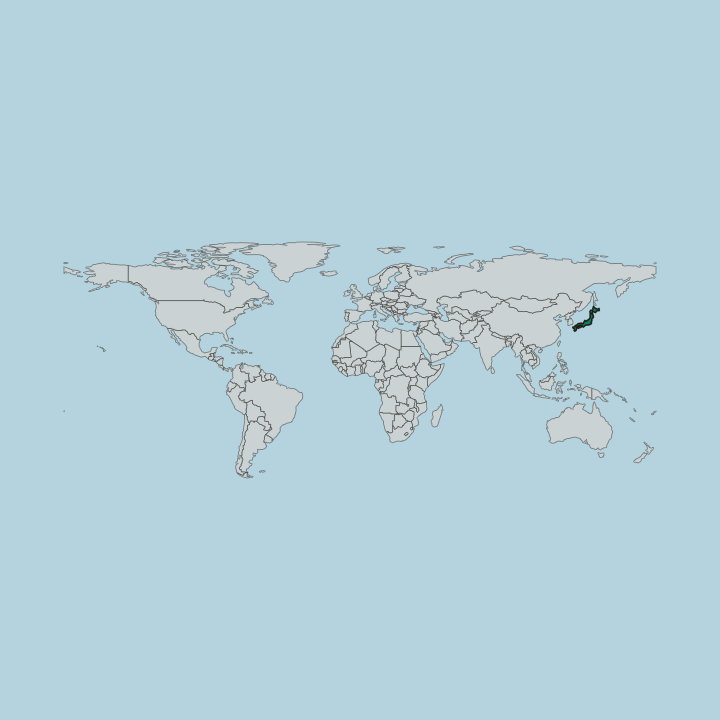
Anjō occupies a small share of Aichi Prefecture, built up across nearly all of it, which leaves the two kofun and Honshō-ji Temple as islands of older ground inside a continuous city. Moving between the two kofun takes almost no time. Nothing inside the boundary is far from anything else, which is what a compact municipality in a densely built city usually means for a visitor.
The Himeogawa Kofun sits within that.
What is the climate of Anjō?
Summer is the season that matters. Anjō lies in the subtropical band north of the equator, and a densely built city of this kind holds the summer heat in its streets long after the sun has gone, while winters stay short of severe. Rain arrives with the warmth.
The Futago Kofun and Honshō-ji Temple are better walked in the cooler months, when the humidity drops out of the air.
How do you get to Anjō?
Most visits here are short. The city sits inside Aichi Prefecture and covers little ground, so arriving is a matter of stepping off a route that was already running through the prefecture. Everything then goes on foot.
Honshō-ji Temple, the Anjo City Museum of History and Kamiya Family Residence fall within a walkable spread, and only the two kofun are likely to need anything more than that.
Common questions
What is the best area to stay in Anjō?
The temple quarter: Nights near Honshō-ji Temple and the Anjo City Museum of History. The kofun ground: Stays built around the Futago Kofun and the Himeogawa Kofun.
More cities in Aichi-ken
Updated September 2026