Japan · Aichi-ken
Where to Stay in Toyokawa, Aichi-ken
Toyokawa is known for Toyokawa Inari. The Aichi city also keeps the Toyokawa City Museum of Folklore and the Goyu Museum.
Hotel links are affiliate links: booking through them may earn us a commission, at no extra cost to you. It never affects how places are ranked. How this works


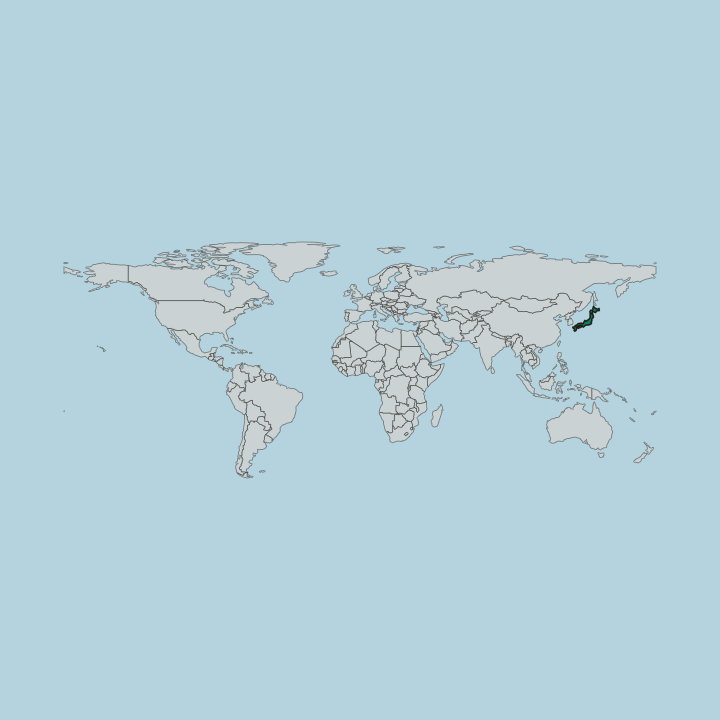
Where to stay in Toyokawa
One neighbourhood here has its own guide — here's what it is best for.

 ToyokawaJapan
Kozakai-chō
Kozakai-chō is a district of Toyokawa in Aichi Prefecture, Japan, and was once a town of its own within Hoi District.Where to stay →Hotel links are affiliate links: booking through them may earn us a commission, at no extra cost to you. It never affects how places are ranked. How this works
Find hotels in Toyokawa
Direct booking searches for these neighbourhoods.
The Toyokawa Inari approach
The temple side of the city, where the Toyokawa City Museum of Folklore is close enough to add on foot.Find hotels in The Toyokawa Inari approacha collections day joining Toyokawa City Sakuragaoka Museum to the Goyu MuseumAround Sakuragaoka
The museum quarter of Toyokawa, set back from the temple approach and quieter for it.Find hotels in Around Sakuragaokaan unhurried look at Mikawa Kokubun-niji and Ushikubo-no-NagiToward Mikawa Kokubun-niji
Outlying ground where the registered sites of Toyokawa sit apart from both the temple and the museums. Beds are limited here, so book early.Find hotels in Toward Mikawa Kokubun-nijia stay pinned to the Toyokawa City Center of Peace ExchangeBy the Center of Peace Exchange
The civic side of Toyokawa, which suits anyone here for the exchange centre rather than for Inari. Lodging is scarce in this area; reserve in advance.Find hotels in By the Center of Peace ExchangeHotel links are affiliate links: booking through them may earn us a commission, at no extra cost to you. It never affects how places are ranked. How this works
About Toyokawa
One temple outweighs the rest.
What is Toyokawa known for?
Toyokawa Inari is what the city is known for, and everything else on the list sits in its shadow without being diminished by it. The Toyokawa City Museum of Folklore holds the everyday side. Toyokawa City Sakuragaoka Museum and the Goyu Museum split the collections between them, while Ushikubo-no-Nagi and the Mikawa Kokubun-niji sit outside the museum group entirely.
What are the main landmarks in Toyokawa?
Seven entries, one of them famous. Toyokawa Inari carries the city's name outside Aichi Prefecture, and the rest of the list has never had to compete with it. Three are museums.
Toyokawa City Sakuragaoka Museum, the Goyu Museum and the Toyokawa City Museum of Folklore divide art, locality and everyday life between them, while the Toyokawa City Center of Peace Exchange serves a purpose none of the others do. Mikawa Kokubun-niji and Ushikubo-no-Nagi round out the seven.
What is the history of Toyokawa?
The city dates from 1943 in its present form. Mikawa Kokubun-niji predates the municipality by a long way, and the Mikawa in its name belongs to an older map than the one Aichi Prefecture is drawn on. Toyokawa Inari came to stand for the place.
Whatever else the city has built, the temple is what its name means to people elsewhere in Japan, and no museum here has displaced it. Ushikubo-no-Nagi is registered ground rather than a building put up for visitors. Industry, commerce, agriculture and forestry share the working life of Toyokawa.
No single one of the four dominates, which is why the Toyokawa City Museum of Folklore has an everyday subject to cover rather than a single trade to commemorate. Collections came afterwards. Toyokawa City Sakuragaoka Museum and the Goyu Museum record what a settled city chooses to keep, while the Toyokawa City Center of Peace Exchange answers to a subject the older institutions never had to.
Roughly 161 square kilometres carry the name. Goyu is one of the names inside that area, and the Goyu Museum keeps a local record that the city-wide institutions do not.
Where is Toyokawa?
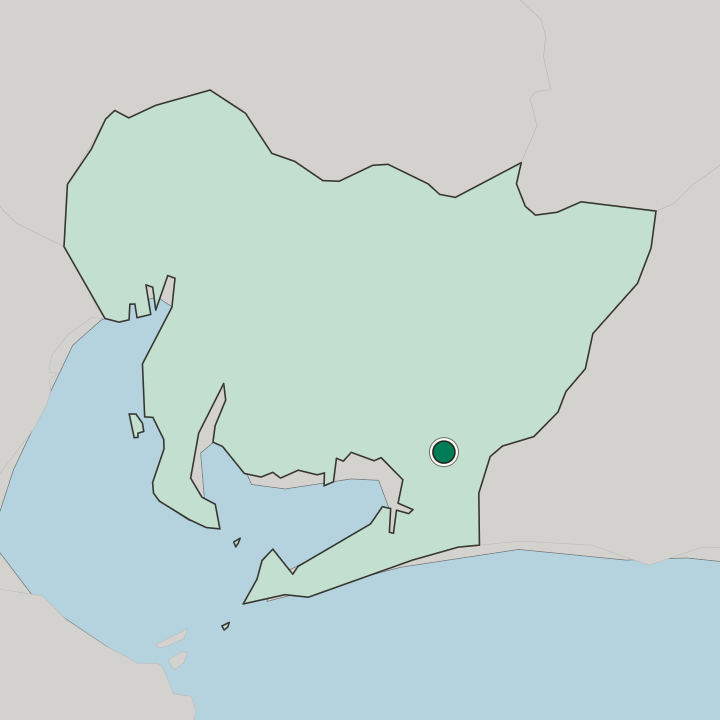
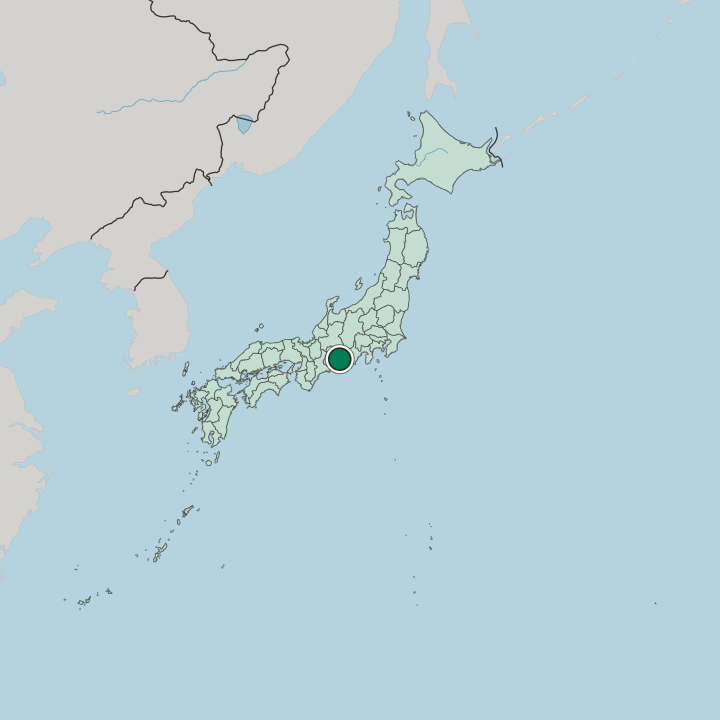
About 161 square kilometres make up the city, a moderate figure that still leaves the outlying sites a real distance from the temple. The middle is dense. Toyokawa Inari, the Toyokawa City Museum of Folklore and the Toyokawa City Center of Peace Exchange belong to the built part of Aichi Prefecture, while Mikawa Kokubun-niji and Ushikubo-no-Nagi stand where the streets give out.
What is the climate of Toyokawa?
Toyokawa sits in the subtropical band, which lengthens the season in which the Toyokawa Inari approach and the ground at Mikawa Kokubun-niji are comfortable to walk. Shade is worth planning for in Toyokawa. The Toyokawa City Museum of Folklore, Toyokawa City Sakuragaoka Museum and the Goyu Museum give an indoor afternoon whenever the heat or the rain makes the outdoor sites unappealing, and Ushikubo-no-Nagi is best kept for a cooler hour.
How do you get to Toyokawa?
Arrival is overland from within Aichi Prefecture, and Toyokawa Inari is the address most visitors give when they get here. The temple side is the compact one. Toyokawa City Museum of Folklore and the Toyokawa City Center of Peace Exchange can be added to a day that starts at the temple, whereas Mikawa Kokubun-niji, Ushikubo-no-Nagi and the Goyu Museum are far enough out to need their own plan.
Common questions
What is the best area to stay in Toyokawa?
The Toyokawa Inari approach: early mornings on the Toyokawa Inari approach before the day fills. Around Sakuragaoka: a collections day joining Toyokawa City Sakuragaoka Museum to the Goyu Museum. Toward Mikawa Kokubun-niji: an unhurried look at Mikawa Kokubun-niji and Ushikubo-no-Nagi. By the Center of Peace Exchange: a stay pinned to the Toyokawa City Center of Peace Exchange.
Good for
More cities in Aichi-ken
Updated September 2026